When Setting Boundaries After Birth Turns Into Family Drama

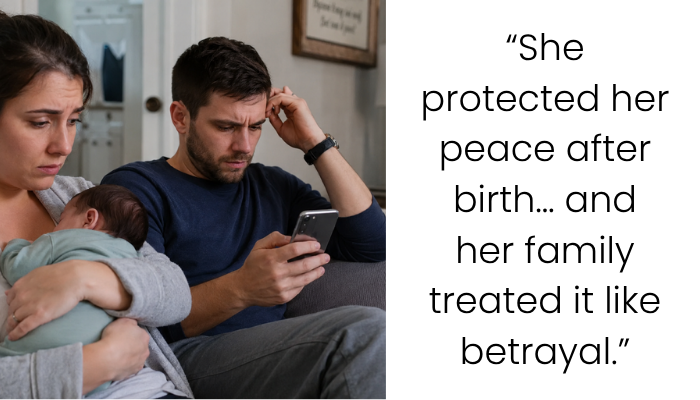
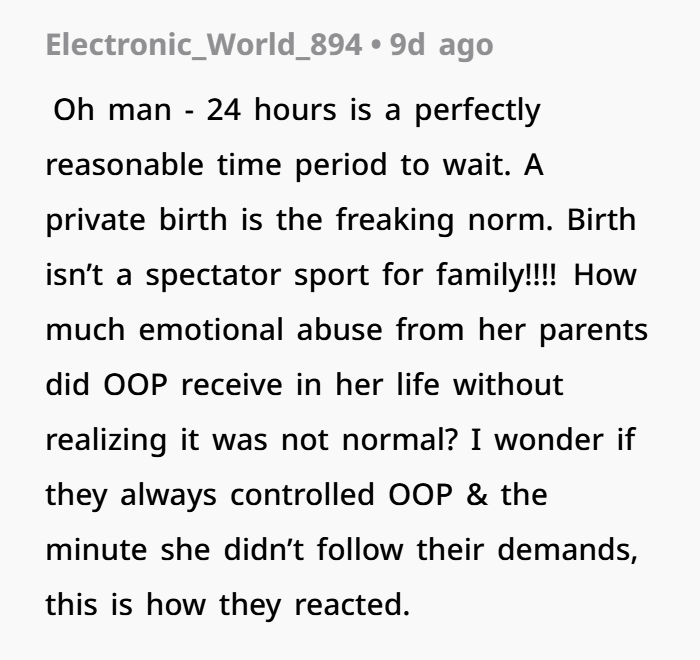
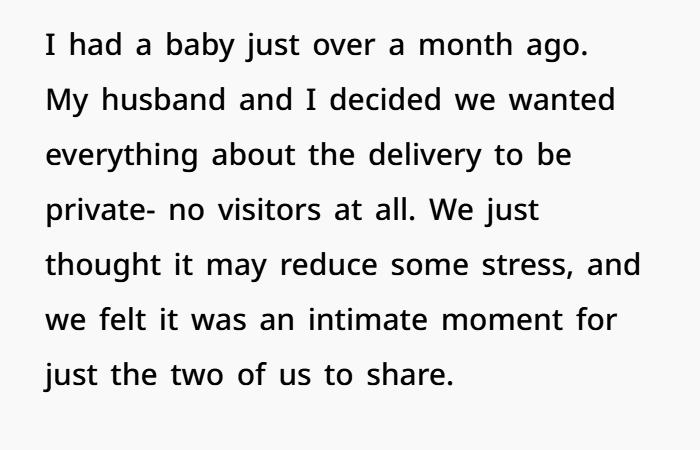
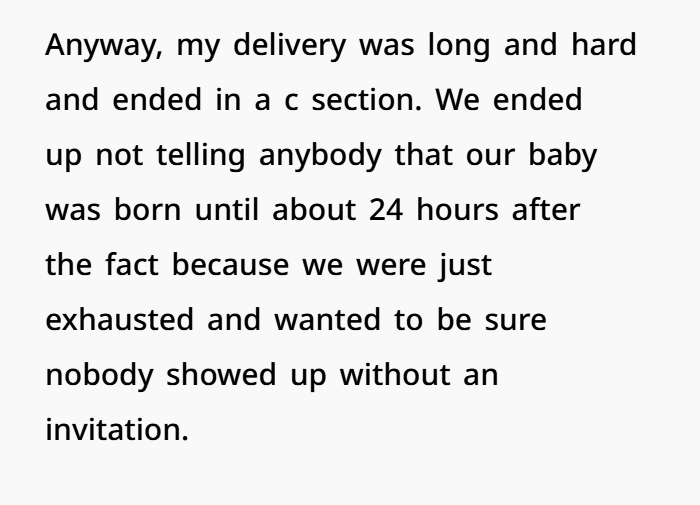
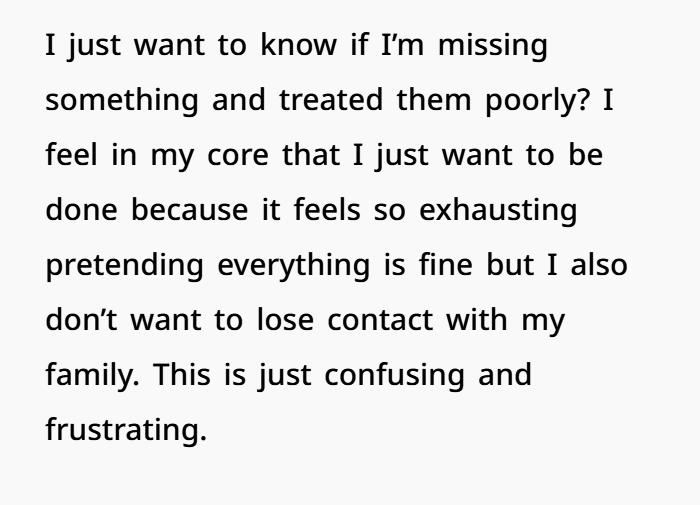
Becoming a parent is a special time filled with love, excitement, and new emotions. However, for one new mother, the first few weeks after giving birth became very stressful because of family conflict. After a difficult labor that ended with an emergency c-section, she and her husband made a simple decision. They wanted to keep the birth private for one day so they could rest, recover, and spend quiet time with their newborn baby.
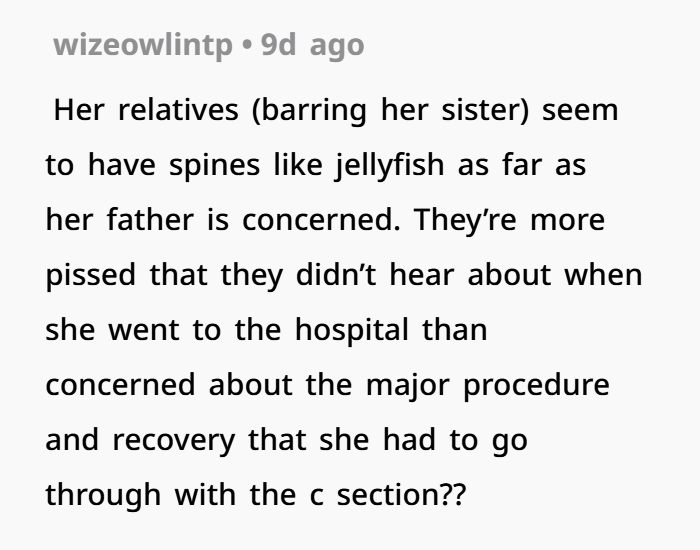
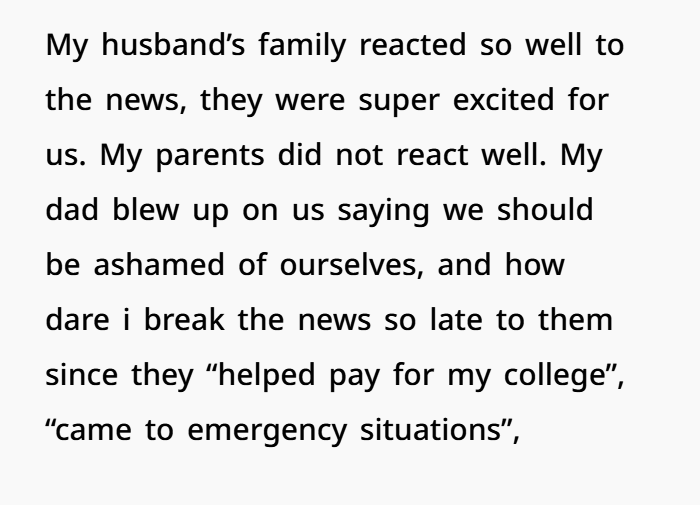
The couple believed this short period of privacy would help with postpartum recovery and allow them to adjust to their new role as parents. Her husband’s family respected their choice, but her own parents reacted differently. Instead of offering support, they became upset and made the situation more difficult during a time when the new mother needed care, understanding, and emotional support.
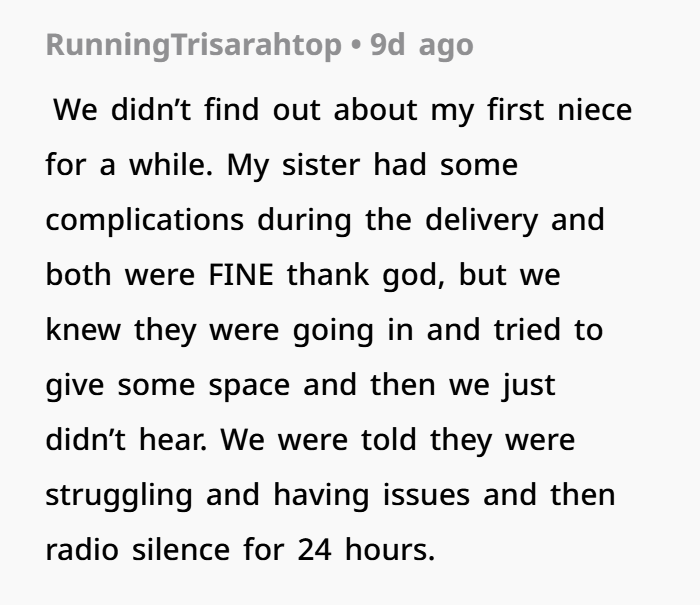
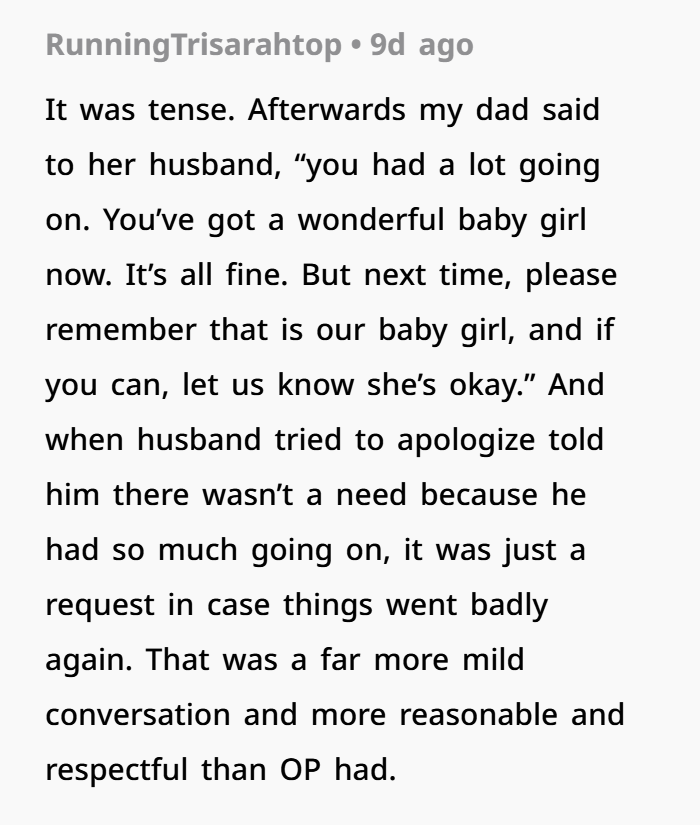
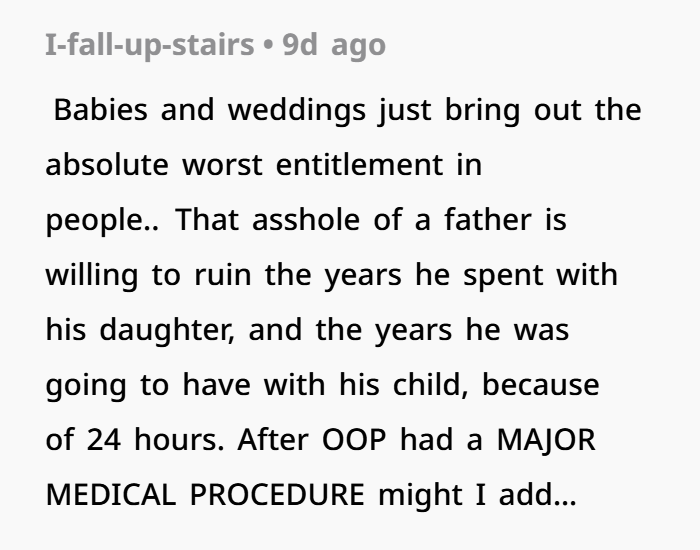
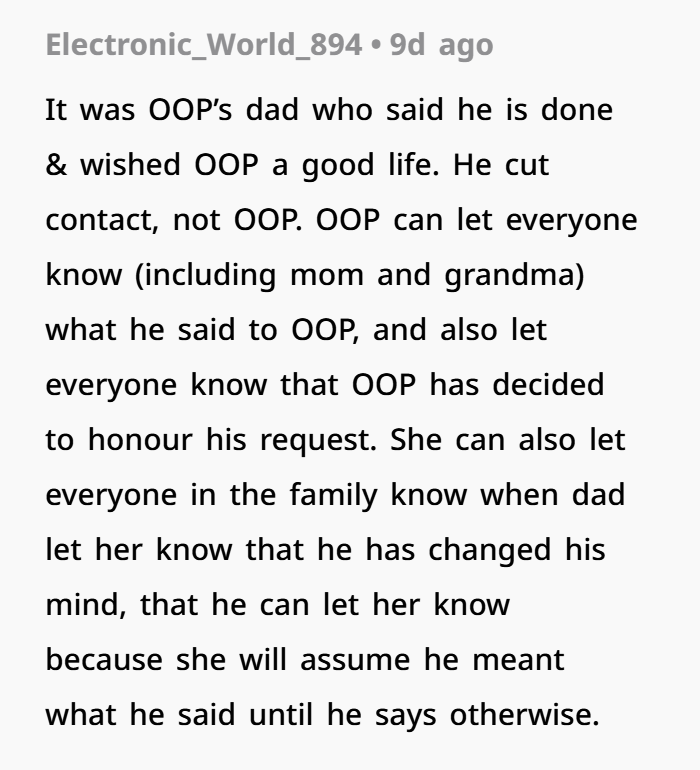
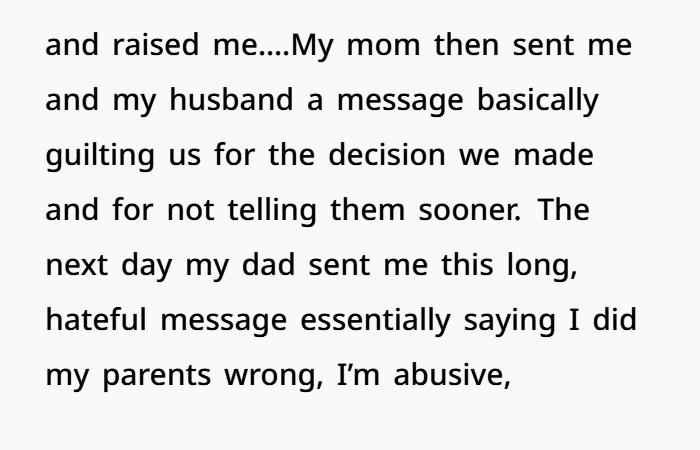
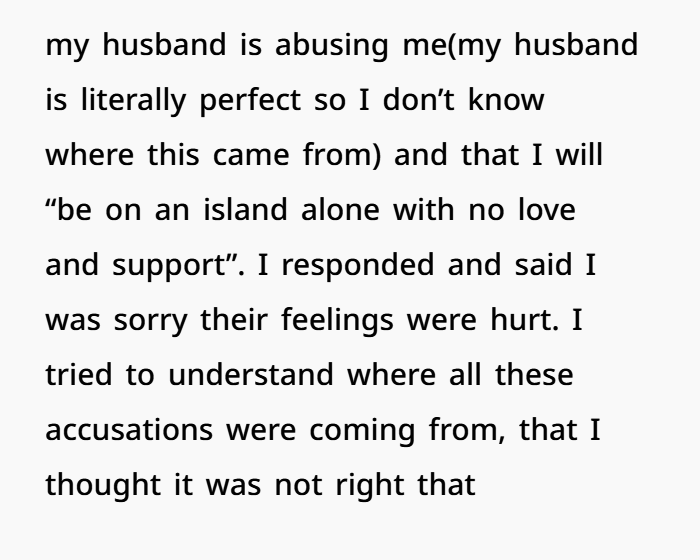
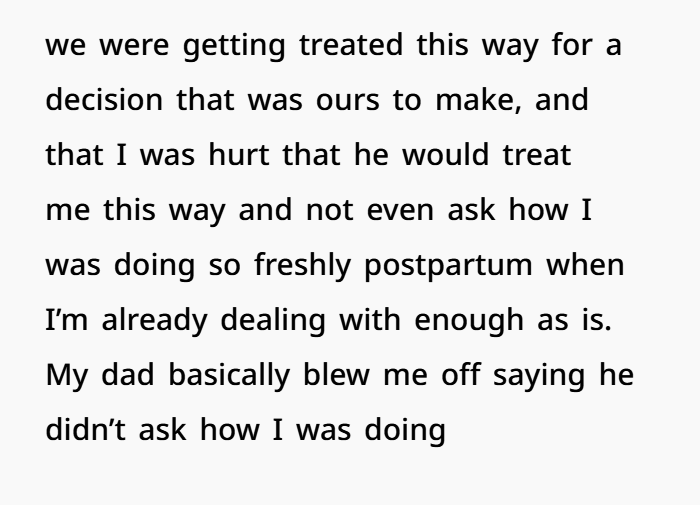
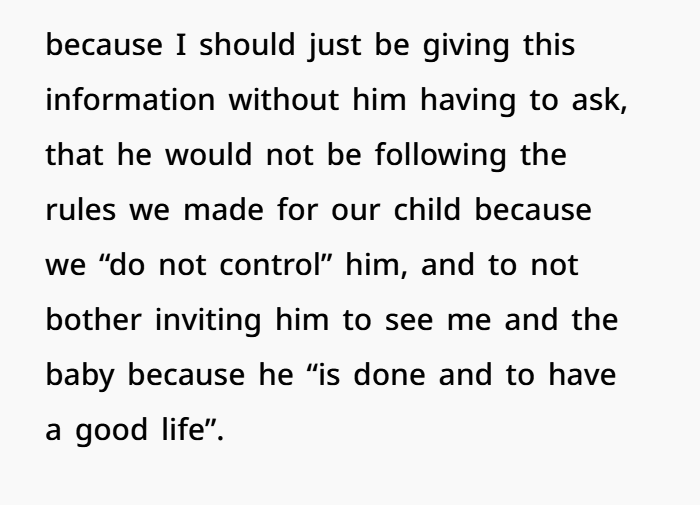
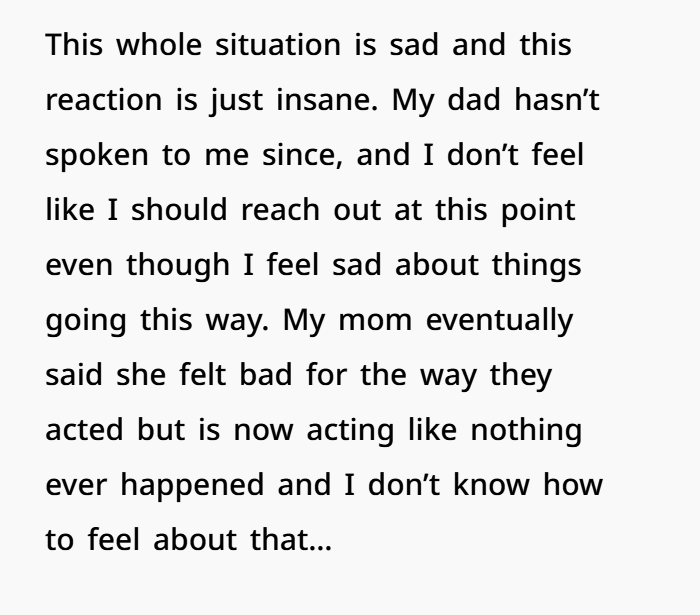
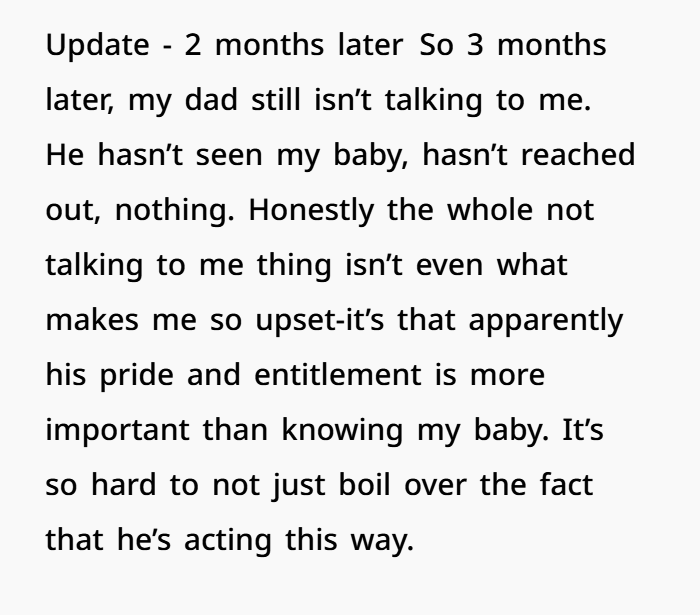
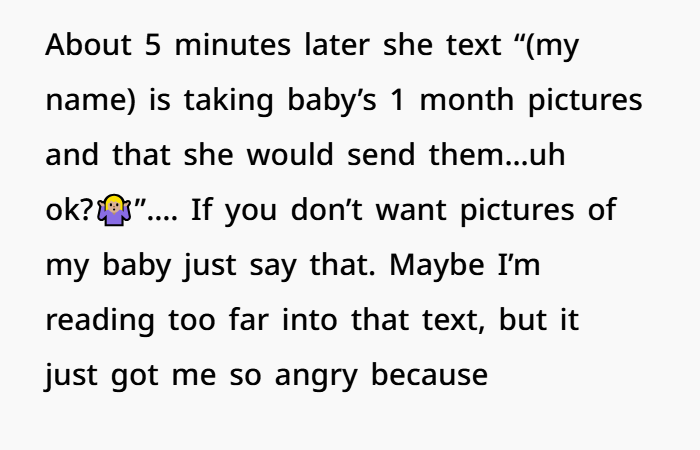
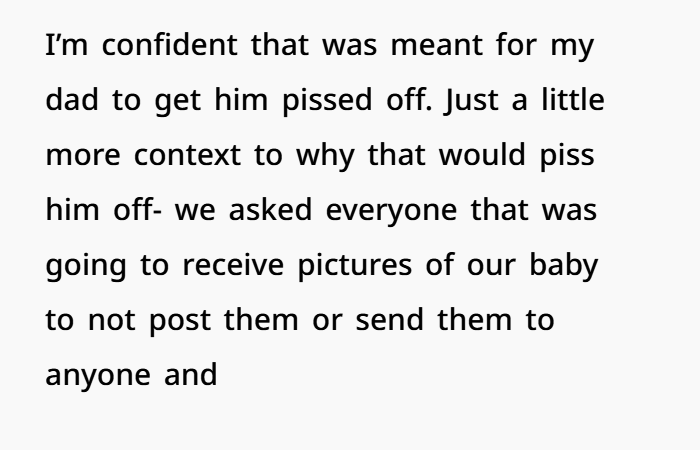
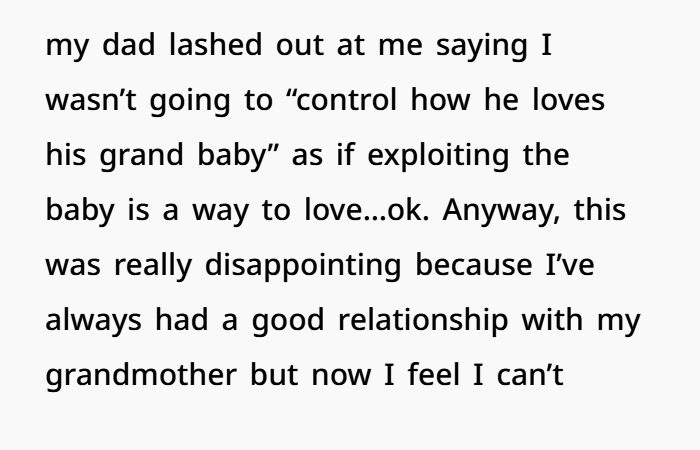
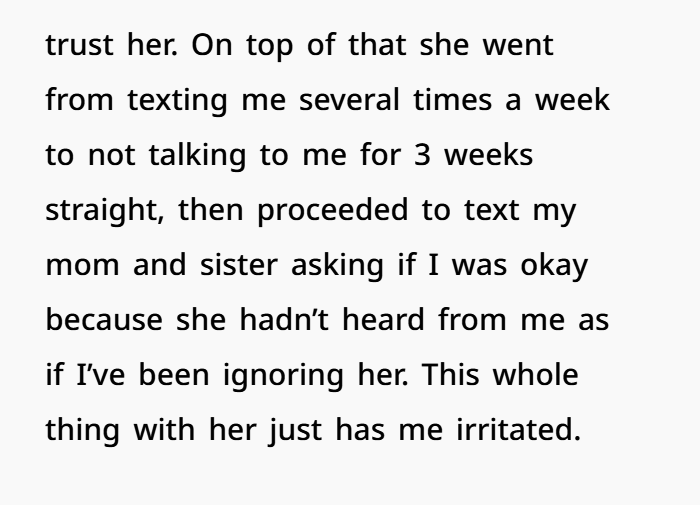
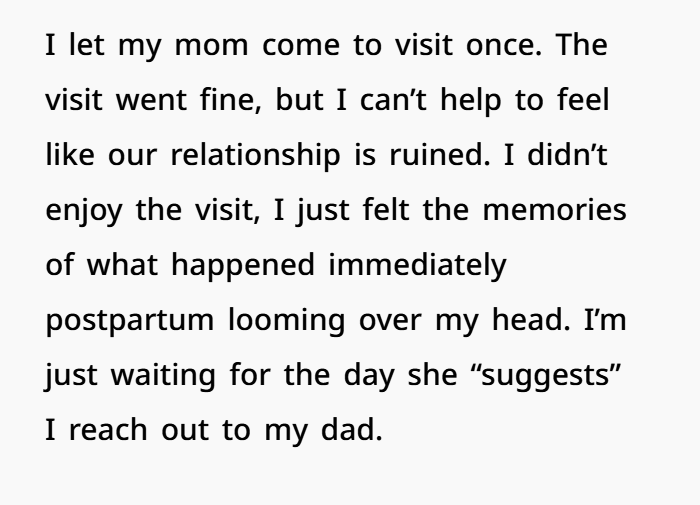
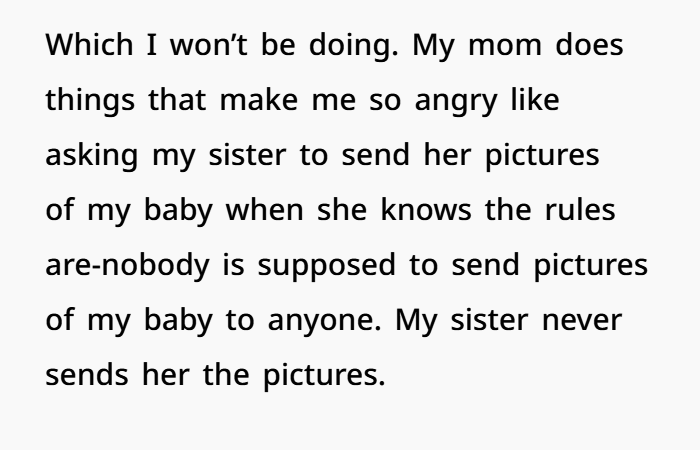
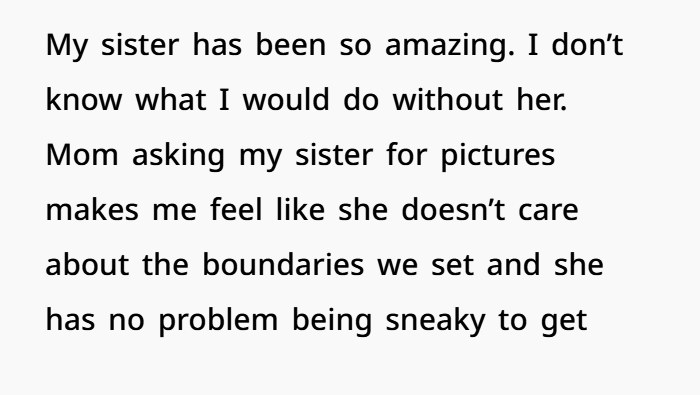
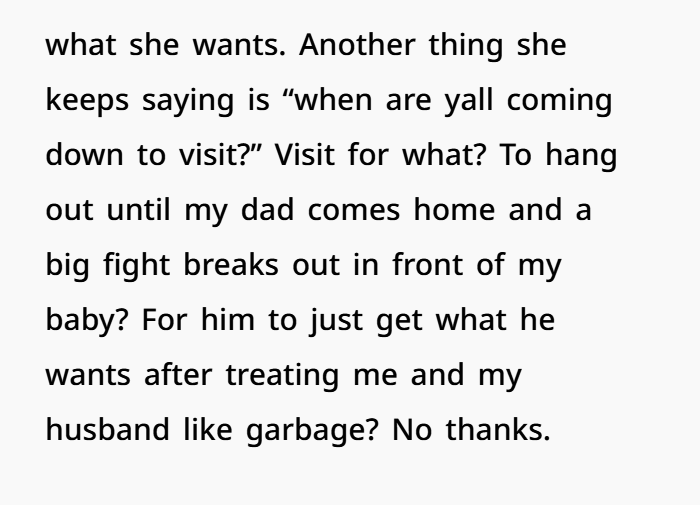
The situation became more painful when her father stopped communicating with her and said he felt hurt because he was not told about the birth immediately. He also blamed her husband and questioned their parenting choices. The family also disagreed about boundaries, including decisions about sharing baby photos online and respecting the parents’ wishes. These disagreements created more stress during an already challenging time.
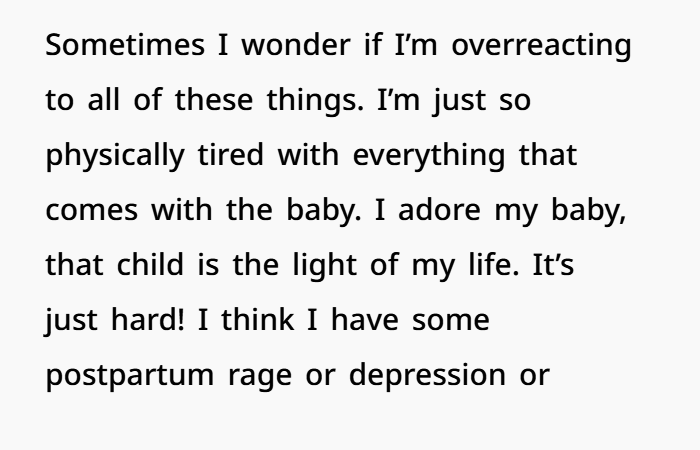
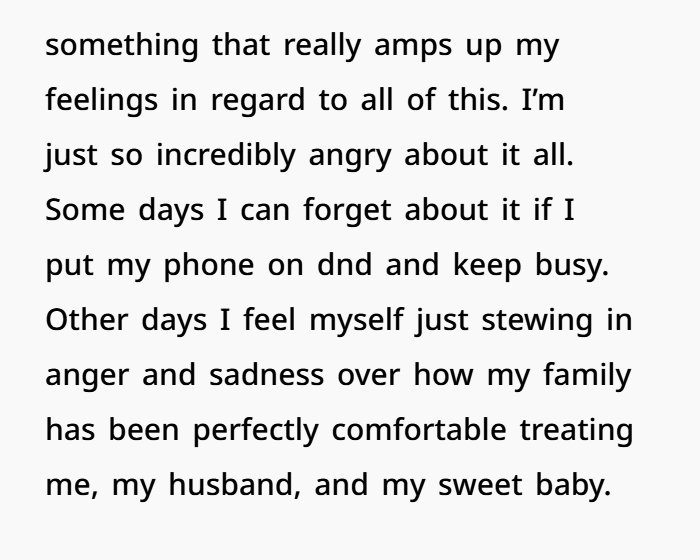
Three months later, the mother is still dealing with the emotional impact of the family conflict. She is trying to protect her mental health, strengthen her marriage, and create a peaceful environment for her baby. Her experience shows why healthy communication, family boundaries, and support during the postpartum period are important for new parents as they begin their parenting journey.



Why Healthy Boundaries Matter After Having a Baby
When a new baby arrives, family relationships can sometimes become complicated.
Many people feel excited and want to be involved. They want to visit, share photos, hold the baby, and be part of this special time.
But sometimes, new parents need something different.
They may need privacy, rest, and time to recover after childbirth. They may want to make careful choices about their baby’s photos, visitors, and daily routine.
These choices are not meant to hurt family members.
They are often about protecting the health, comfort, and emotional wellbeing of both the mother and the baby.
New Mothers Need Support After Birth
Giving birth is a major physical and emotional experience.
After delivery, many mothers deal with exhaustion, hormonal changes, physical pain, and the responsibility of caring for a newborn. Recovery after a c-section can be especially challenging because the body needs time to heal.
The first days and weeks after childbirth are an important time for postpartum recovery.
During this period, many women need:
- Extra rest
- Emotional support
- A calm environment
- Time to bond with their baby
- Understanding from family members
A new mother asking for a little privacy is not being rude or ungrateful.
She is simply trying to recover and adjust to a huge life change.
Setting Baby Boundaries Is Part of Parenting
In today’s world, many parents think carefully about newborn privacy and online safety.
For example, some parents choose not to share baby photos on social media. Others ask family members to wait before posting pictures or sharing updates.
These decisions are common.
Parents are responsible for making choices about their child. Family members may have opinions, but the final decisions belong to the parents.
Respecting these boundaries is an important part of healthy family relationships.
Disappointment Is Normal, But Pressure Is Not
Family members may feel disappointed when they cannot be involved exactly the way they imagined.
That feeling is understandable.
Grandparents often feel excited and may dream about being part of their grandchild’s early moments. However, feeling disappointed does not mean someone has the right to pressure new parents or make them feel guilty.
Healthy communication allows people to express feelings while still respecting each other.
A supportive family member might say:
“I understand you need time. We are here when you are ready.”
That kind of response creates trust and emotional safety.
Support Should Not Come With Conditions
One difficult part of family conflicts is when past support is brought up during disagreements.
Sometimes people say things like:
“After everything we have done for you.”
This can make a person feel like they owe something in return for love and support.
Healthy relationships are not based on keeping a list of favors or expecting unlimited access because of past help.
Parents support their children because they love them, not because they expect control over every future decision.
The same is true between adult children and their parents.
Love works best when it includes respect, trust, and understanding.
Family Relationships Need Respect From Both Sides
Grandparents can play a beautiful role in a child’s life.
They can create special memories, offer support, and build a loving relationship with their grandchildren.
But being a grandparent does not replace the role of the parents.
The baby’s parents are responsible for decisions about:
- Visitors
- Baby photos
- Healthcare choices
- Daily routines
- Family involvement
When relatives respect these decisions, relationships usually become stronger.
When boundaries are ignored, trust can slowly become damaged.
Postpartum Mental Health Deserves Attention
Many people focus on the baby after birth, but the mother’s mental health matters too.
The postpartum period can bring many emotions. Some mothers experience anxiety, sadness, stress, or feelings of being overwhelmed.
Family conflict during this time can make those feelings harder to manage.
A peaceful environment, emotional support, and understanding can make a big difference in postpartum wellness.
New mothers should feel safe asking for what they need.
Why Boundaries Can Feel Difficult
Many people struggle with setting boundaries because they worry about upsetting others.
They may think:
“Am I being selfish?”
“Will my family think I do not love them?”
“Am I creating conflict?”
But boundaries are not about pushing people away.
Healthy boundaries help relationships work better because everyone understands expectations.
A parent can love their family and still ask for privacy.
A parent can appreciate support and still make their own choices.
Both things can exist together.
Becoming a Parent Can Change How You See Family
Many adults notice family patterns differently after becoming parents themselves.
Things they accepted before may feel different when they imagine their own child experiencing them.
Parenthood often changes priorities.
A person may become more aware of the importance of:
- Emotional safety
- Respectful communication
- Positive family relationships
- Creating a healthy home environment
This does not always mean someone wants to end relationships.
Often, it means they want healthier relationships.
The Focus Should Be Healing and Connection
After childbirth, a new mother’s energy should be focused on recovery, bonding with her baby, and adjusting to her new role.
Family disagreements can be painful, especially during such a sensitive time.
The best solution is usually open communication, patience, and mutual respect.
Family members may not always agree with every parenting decision. However, respecting those decisions is one of the greatest ways they can show love.
A baby’s arrival should be a time of connection, not unnecessary pressure.
Healthy families understand that love is not measured by how much access someone has.
Love is shown through kindness, respect, support, and being there when someone needs you.
See The Comments Below