
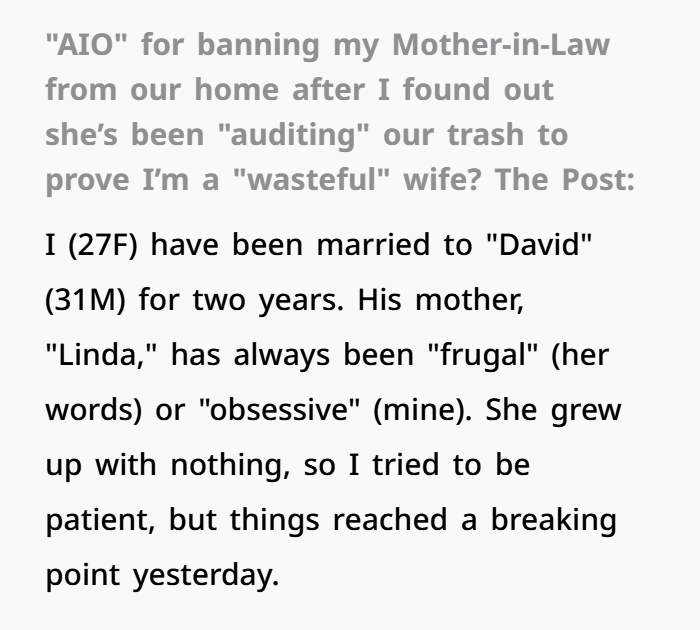
AIO for Banning My MIL After I Caught Her Auditing Our Trash Like a Crime Scene?


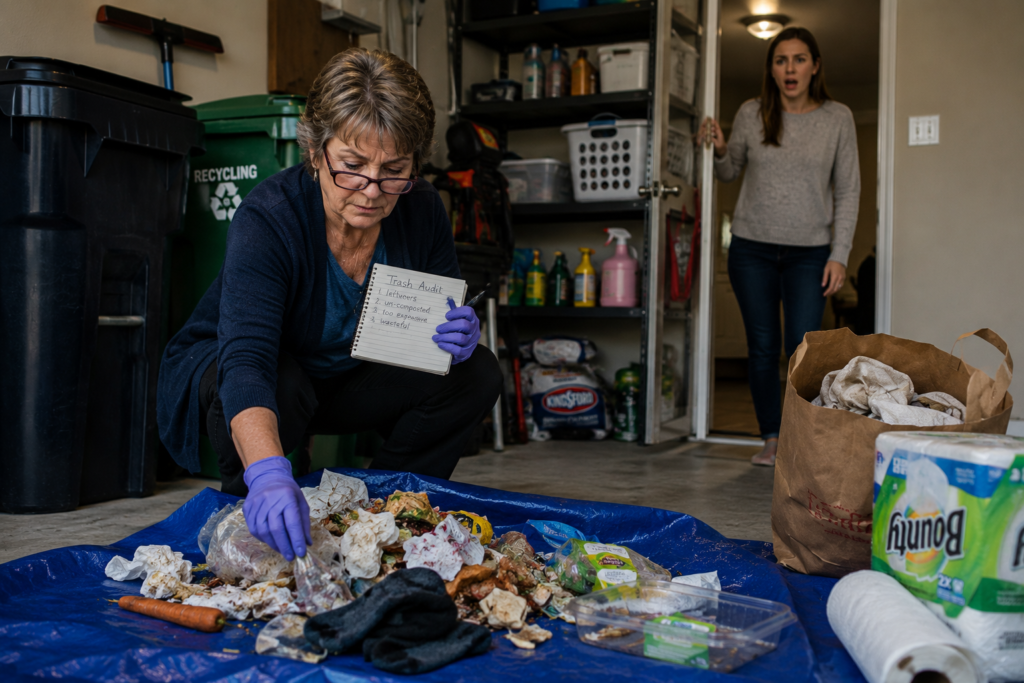
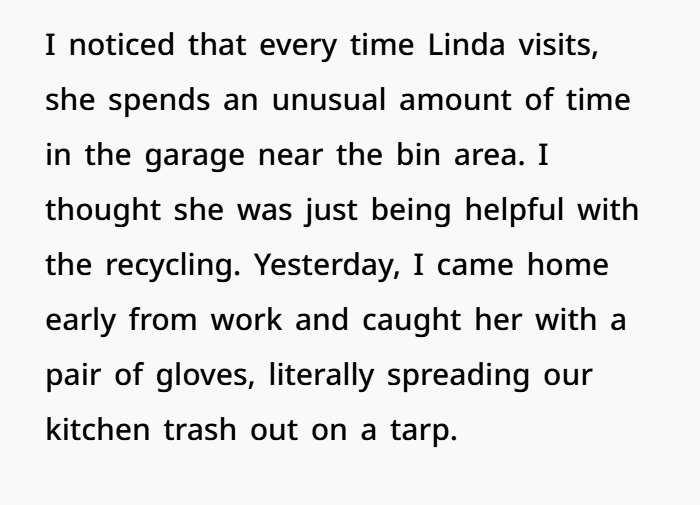
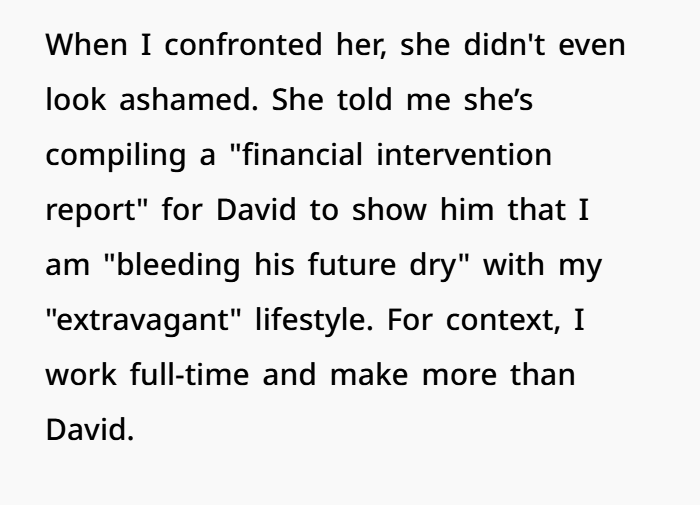
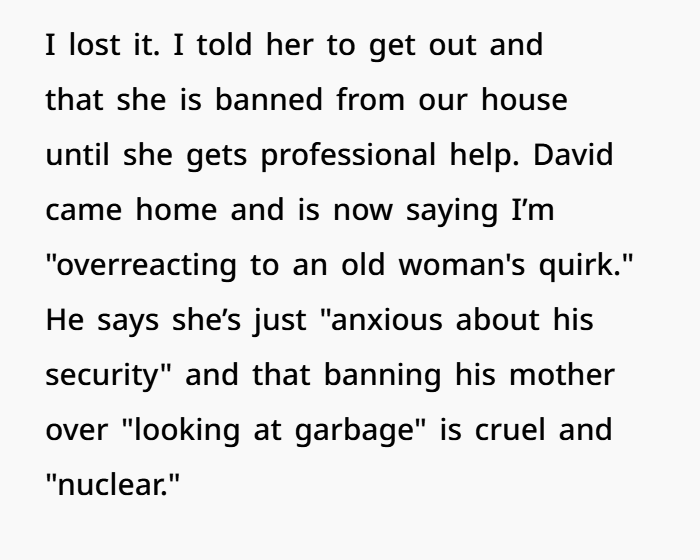
Family disagreements can happen for many reasons, but some situations become stressful when personal boundaries are not respected. In this story, a woman shared that her mother-in-law had been checking their household trash for months. She believed her mother-in-law was trying to find proof that the couple was spending money carelessly. The mother-in-law reportedly looked through items like food waste, receipts, and everyday household products to judge their financial decisions.
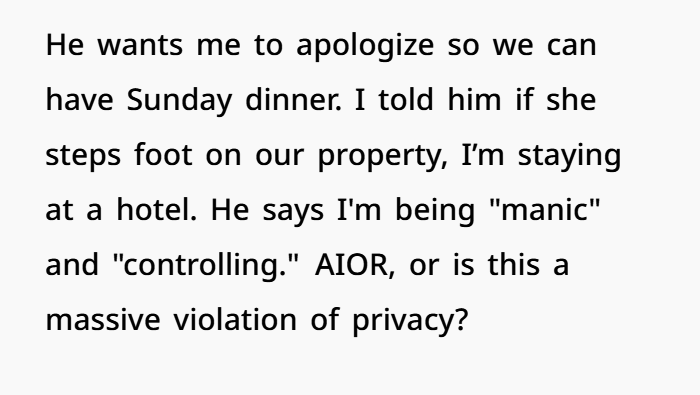
The situation became worse when the wife discovered what was happening and confronted her mother-in-law. She felt that her privacy had been ignored and that the behavior was inappropriate. The wife decided to set clear boundaries and asked her mother-in-law to stop visiting their home. She believed that a healthy family relationship should include respect, trust, and personal space.
The biggest challenge came when the husband did not fully support his wife’s concerns. Instead of seeing the situation as a serious boundary issue, he described his mother’s actions as a result of worry and stress. This created more conflict between the couple because they had different views about family relationships, privacy, and emotional support.
This situation shows how important communication, respect, and healthy boundaries are in relationships. Whether it involves family members, finances, or household decisions, couples often need to work together to find solutions. Creating a peaceful home environment requires trust, understanding, and open conversations about expectations, personal space, and family involvement.

When Family Boundaries Become a Marriage Problem: A Story About Privacy, Trust, and Respect
Some family conflicts start with a small issue but quickly become much bigger.
This story about a mother-in-law, a married couple, and a disagreement over household waste gained a lot of attention online because it touched on problems many families experience: privacy concerns, relationship boundaries, financial disagreements, and conflicts between spouses and extended family members.
At first, the situation may sound unusual. But behind the surprising details is a very common relationship question:
What happens when your spouse’s family crosses a boundary, but your partner does not take your concerns seriously?
When Being Frugal Goes Too Far
Many families have different ideas about money and saving.
Some people are naturally careful with spending. They like budgeting, saving household items, reducing waste, and making sure money is used wisely. These habits can be helpful when they are balanced.
However, problems can start when saving money turns into controlling another person’s choices.
In this story, the mother-in-law was not simply sharing budgeting advice. According to the situation, she was checking the couple’s trash and keeping notes about what they threw away.
That changed the issue completely.
Instead of being about saving money, it became a question of personal privacy and respect.
Why Privacy Matters in a Marriage
A home is usually considered a private space where people should feel comfortable and secure.
Household trash can contain personal information, including shopping habits, financial details, health-related items, and private routines. When someone regularly looks through another person’s belongings without permission, it can create feelings of discomfort and distrust.
Healthy relationships require clear boundaries.
This applies not only between spouses but also between couples and their extended families.
Parents may always care about their adult children, but once someone gets married, the couple needs space to make their own decisions about their home and lifestyle.
The Bigger Issue Was Not the Trash
Many readers focused on the unusual part of the story, but the deeper problem was not really about garbage.
The bigger issue was control and family boundaries.
The mother-in-law appeared to believe she was helping her son by monitoring his household decisions. However, the couple saw the behavior differently. What one person views as “help” can feel like criticism or interference to someone else.
This is a common challenge in many families.
Sometimes relatives have good intentions but still cross personal boundaries. The important question is not only what someone means to do, but also how their actions affect others.
How Spouses Handle Family Conflict Matters
One of the biggest relationship challenges in situations like this is how a spouse responds.
When someone feels uncomfortable with their partner’s family, they usually want emotional support and understanding. They do not always expect their partner to choose sides, but they do want their feelings to be taken seriously.
A strong marriage often depends on teamwork.
Couples need to communicate openly about:
- Personal boundaries
- Financial decisions
- Family involvement
- Household rules
- Privacy expectations
Ignoring these conversations can create resentment over time.
The Importance of Healthy Communication
During relationship disagreements, the way people talk to each other matters.
Using labels or dismissing someone’s feelings can make conflicts worse. Instead of focusing on whether someone is “overreacting,” it is usually more helpful to discuss the actual problem.
For example:
- What happened?
- Why did it hurt?
- What boundary was crossed?
- What solution can both people agree on?
Good communication helps couples solve problems instead of creating bigger arguments.
Money Conflicts Can Create Family Stress
Financial disagreements are one of the most common sources of stress in relationships.
People often grow up with different money habits. One person may prefer strict budgeting, while another may believe in spending more freely on comfort and convenience.
Neither approach is automatically wrong.
The important thing is that married couples make financial decisions together without outside pressure controlling their choices.
In this story, many readers questioned whether money was really the main issue or whether the conflict was more about control and involvement in the couple’s personal life.
When In-Laws Become Too Involved
Having a good relationship with in-laws can be wonderful. Many families enjoy close relationships with parents, grandparents, and relatives.
However, healthy family relationships require limits.
Some examples of healthy boundaries include:
- Respecting the couple’s private space
- Asking before making major decisions
- Avoiding unwanted criticism
- Allowing married couples to manage their own household
Boundaries are not about rejecting family. They are about creating respectful relationships.
What Couples Can Learn From This Situation
Every family has disagreements, but the way people handle them makes the biggest difference.
Couples facing similar challenges may benefit from:
- Talking privately about concerns
- Supporting each other emotionally
- Creating clear family boundaries
- Discussing money expectations early
- Seeking marriage counseling if communication becomes difficult
The goal is not to “win” an argument. The goal is to protect trust and respect inside the relationship.
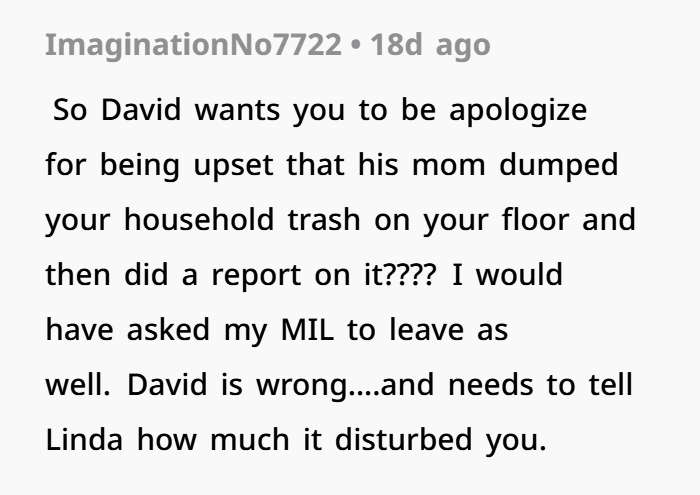
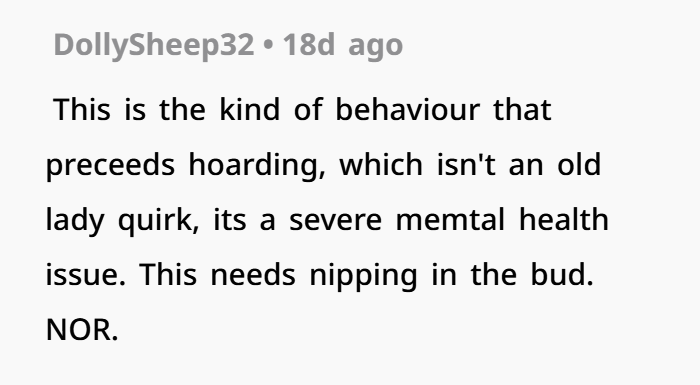
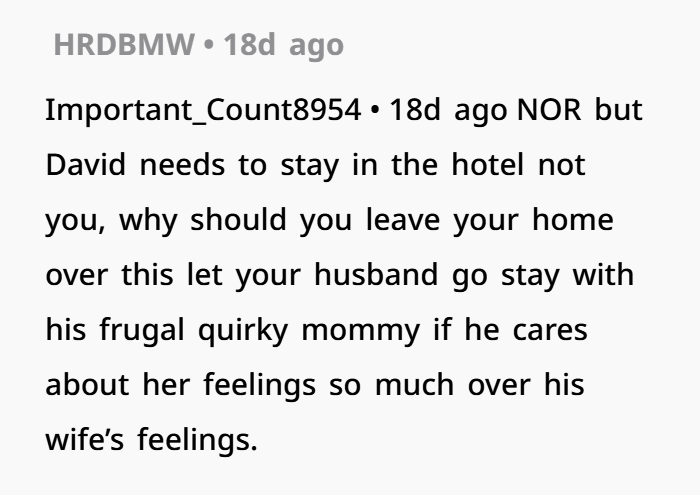
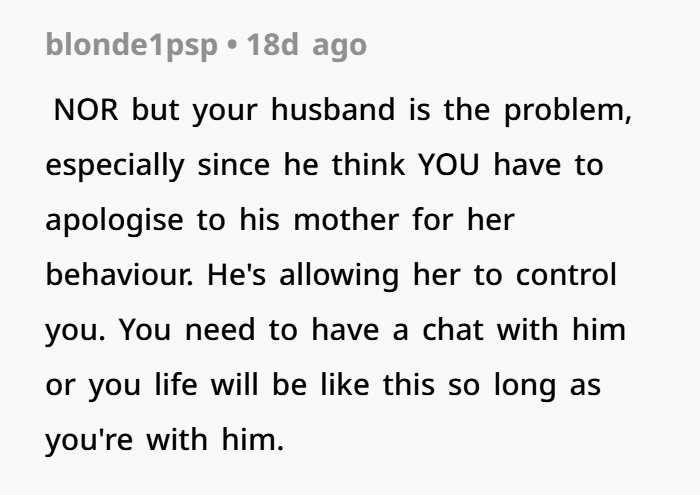
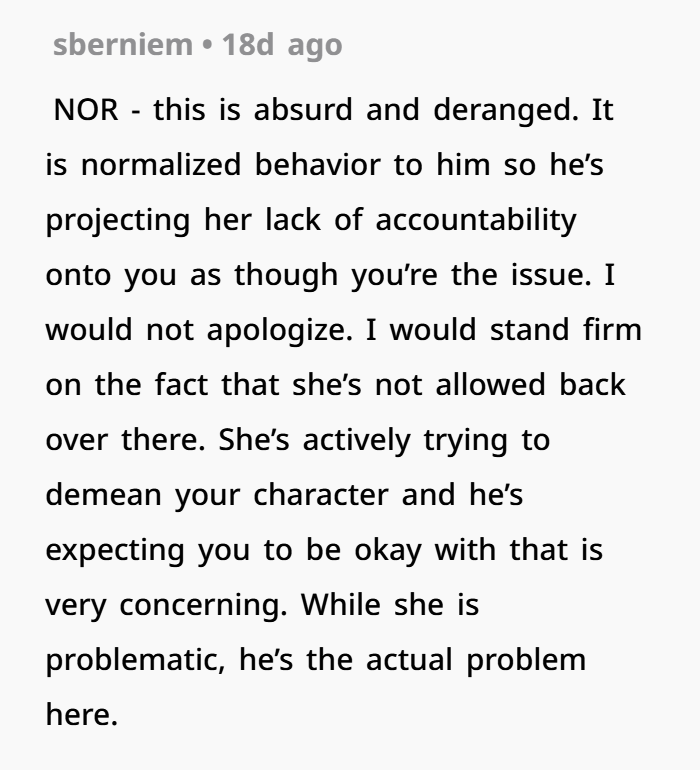
The Reactions Are In







Final Thoughts
This story became popular because it was about much more than a disagreement over household waste.
At its core, it was about privacy, marriage boundaries, family involvement, and the importance of feeling supported by your partner.
A strong relationship is built when two people work as a team. Family members can offer advice and support, but the couple’s home and decisions should ultimately belong to the couple.
Sometimes the biggest relationship problems are not caused by one single event. They happen when small boundary issues are ignored for too long.