Coworker Berated Me for Being “Lazy” – Then HR Stepped In

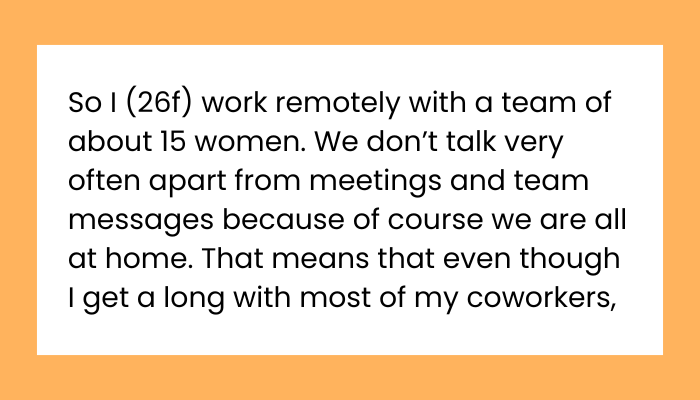
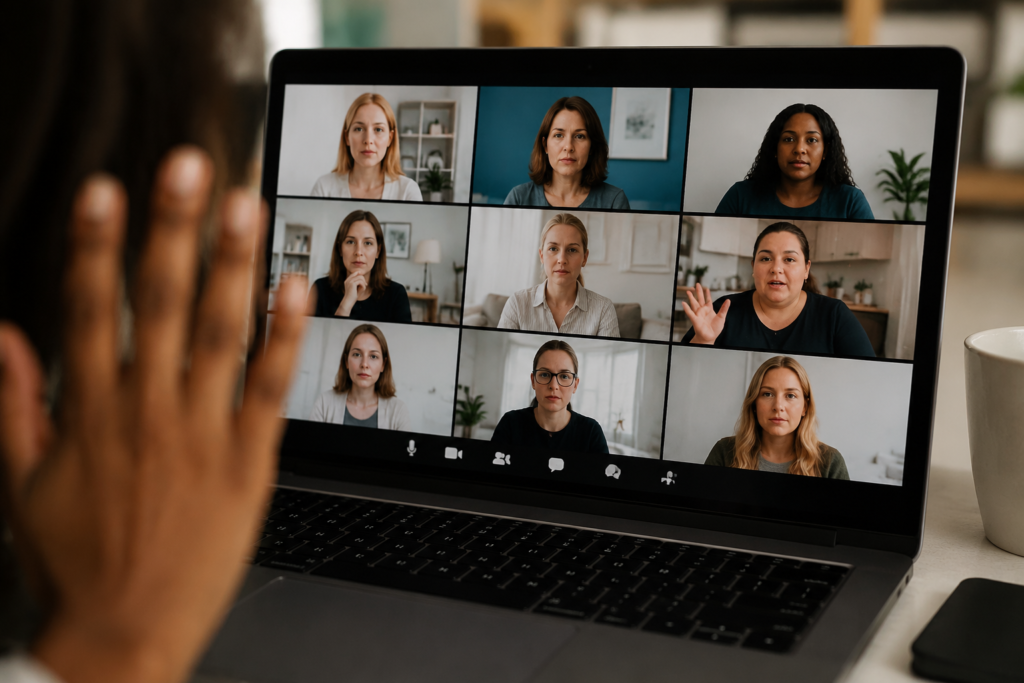
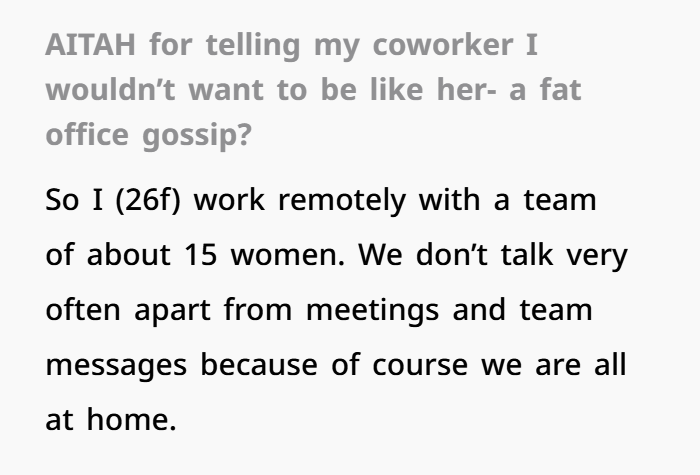
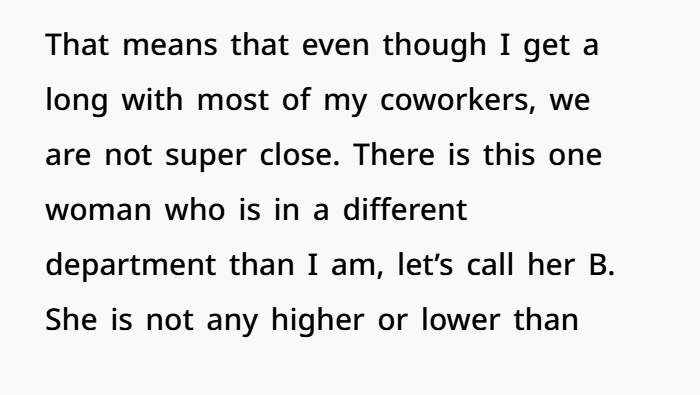
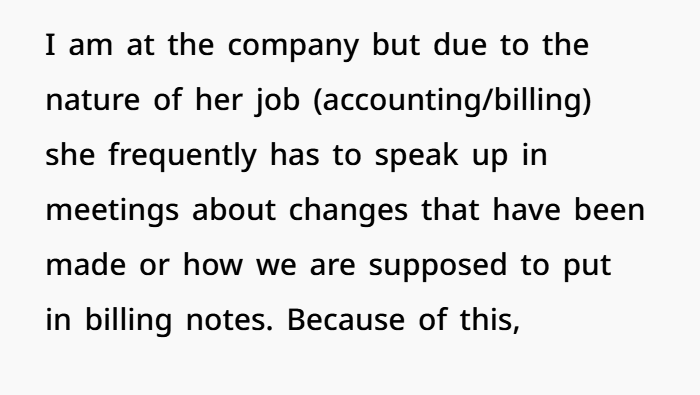
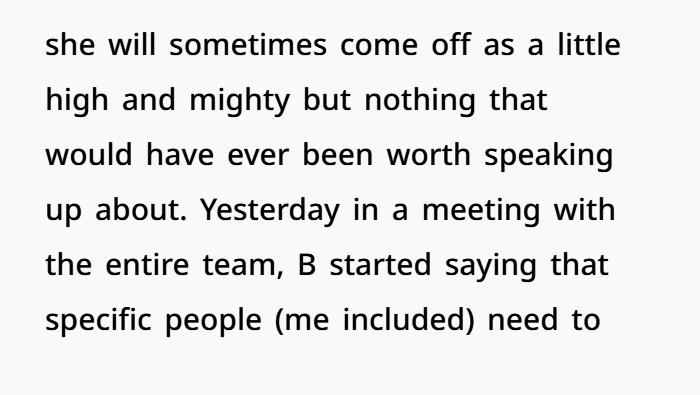
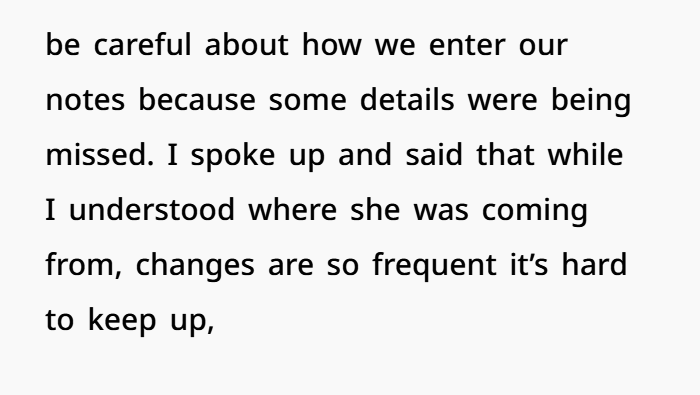
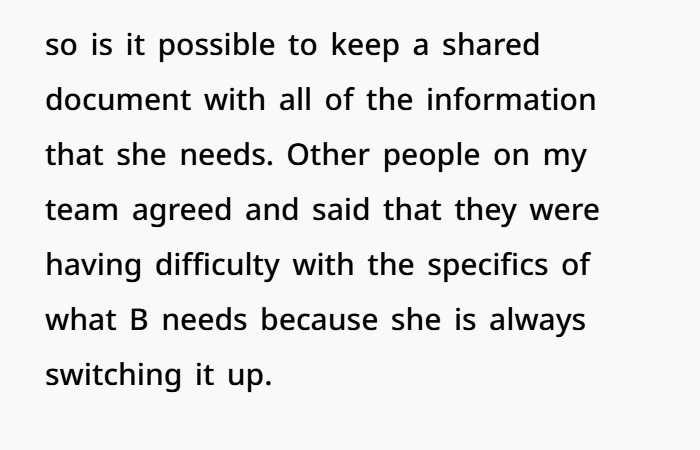
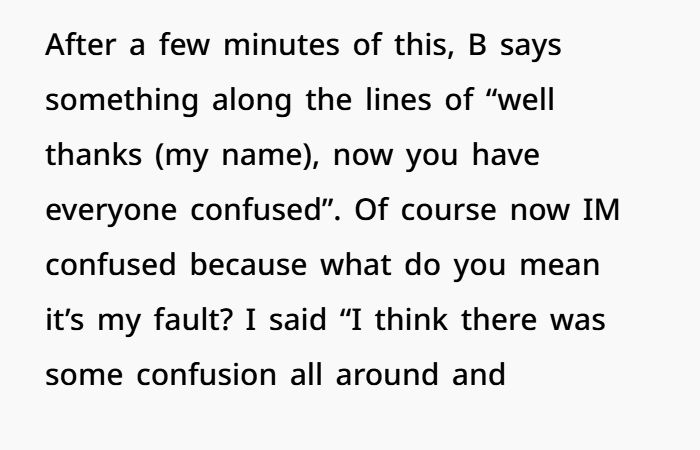
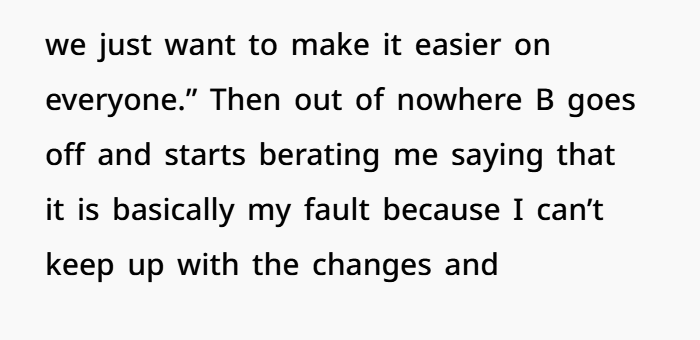
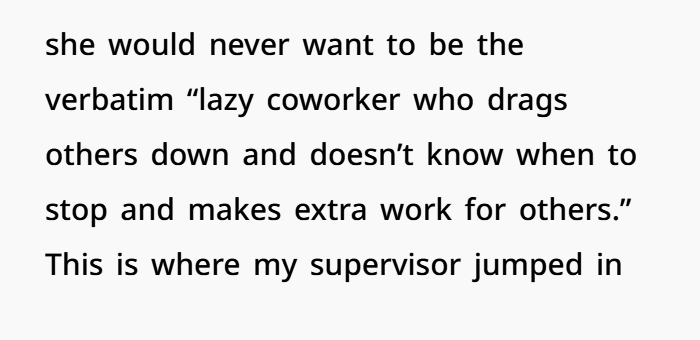
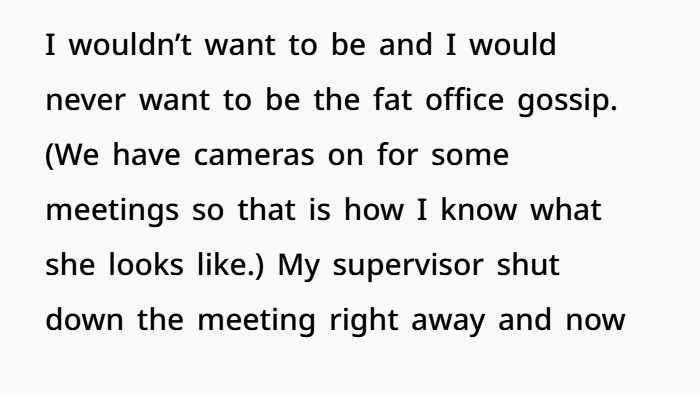
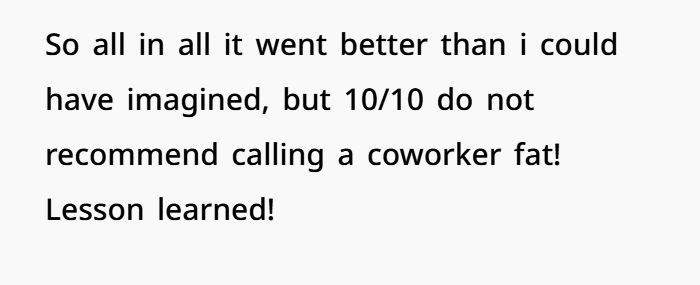
A 26-year-old woman faced a difficult situation while working remotely when a coworker criticized her during an online meeting. The coworker, B, blamed her for missing billing notes, even though the team was already having trouble keeping up with frequent updates and changes.
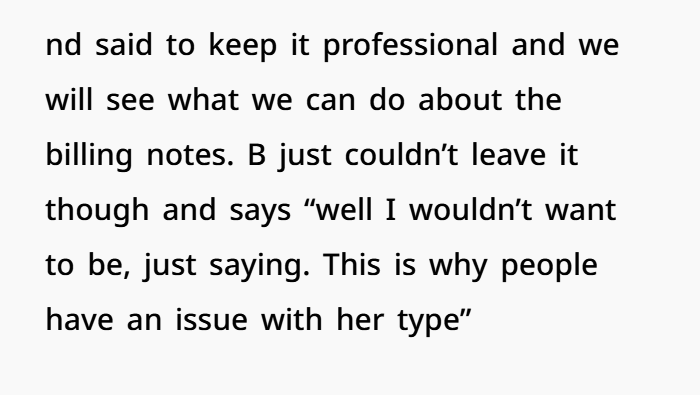
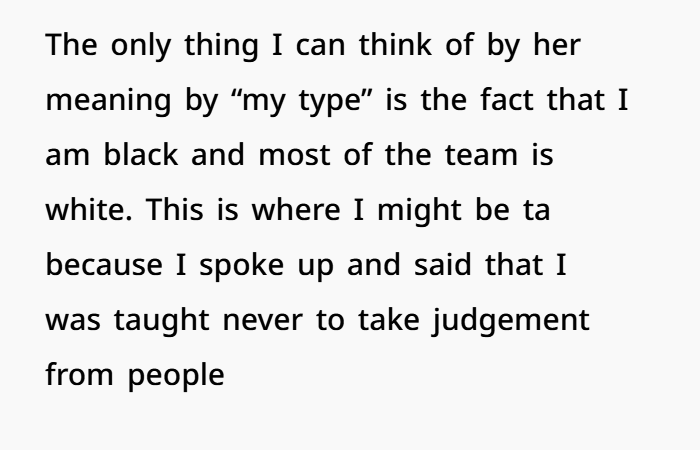
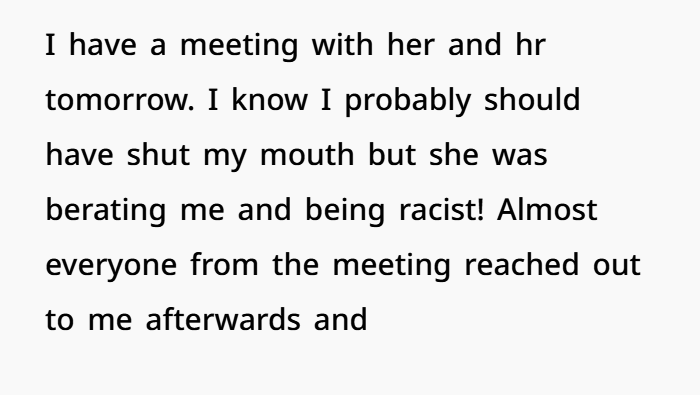
The conversation became uncomfortable when B started making personal comments instead of focusing on the work issue. The employee felt that the comments were unfair and included behavior that made her feel disrespected. She decided to speak up and defend herself during the meeting.
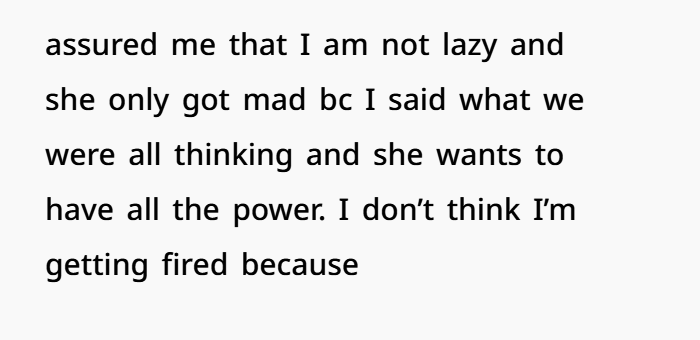
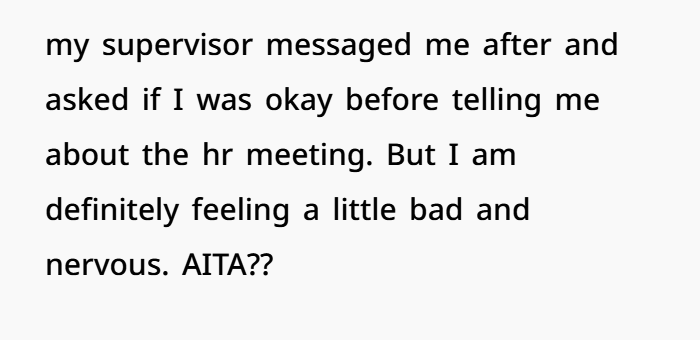
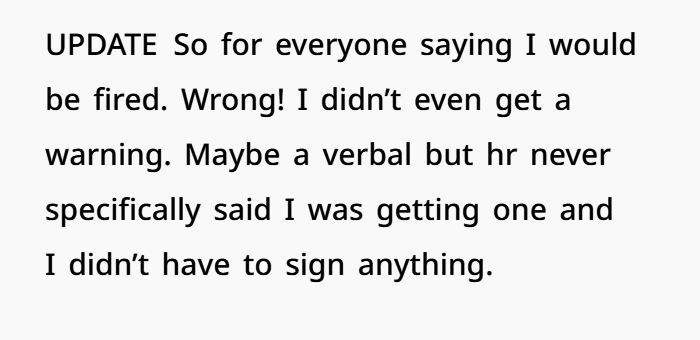
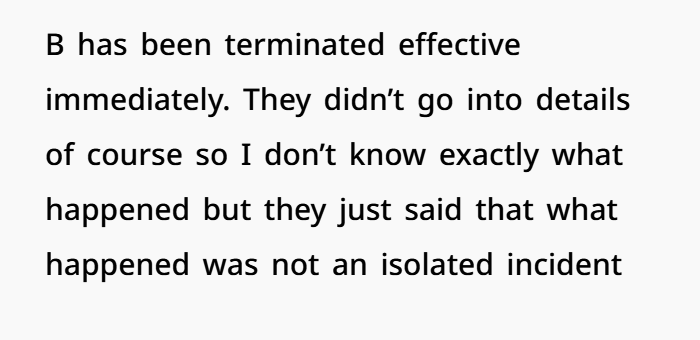
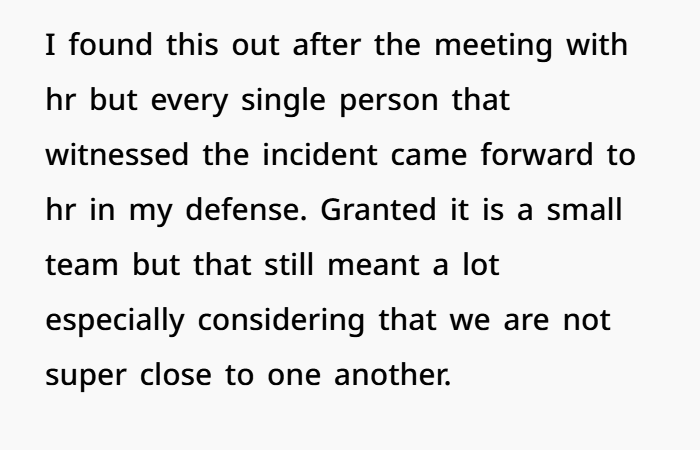
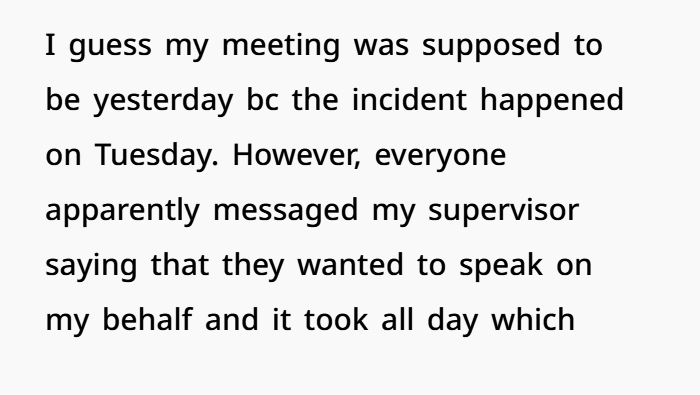
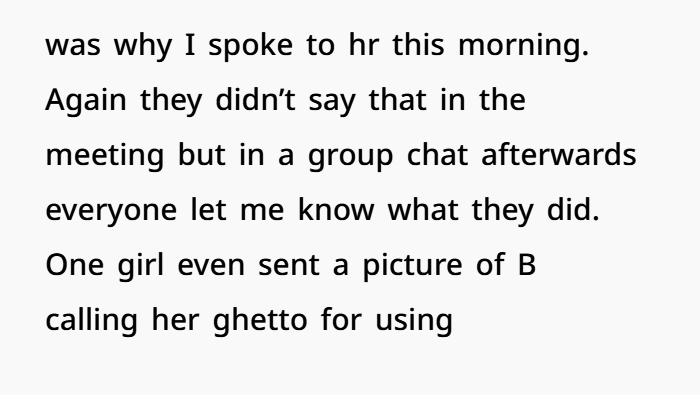
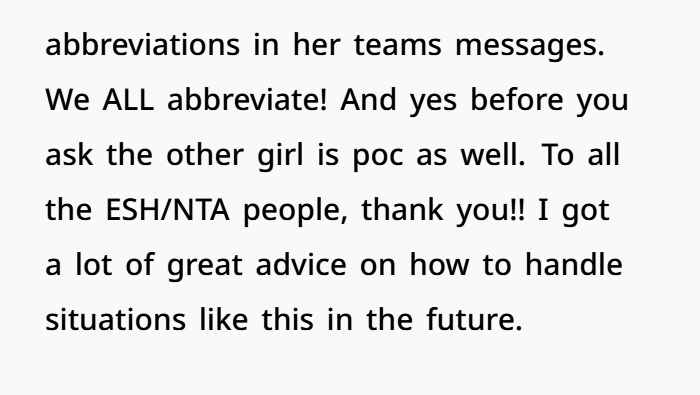
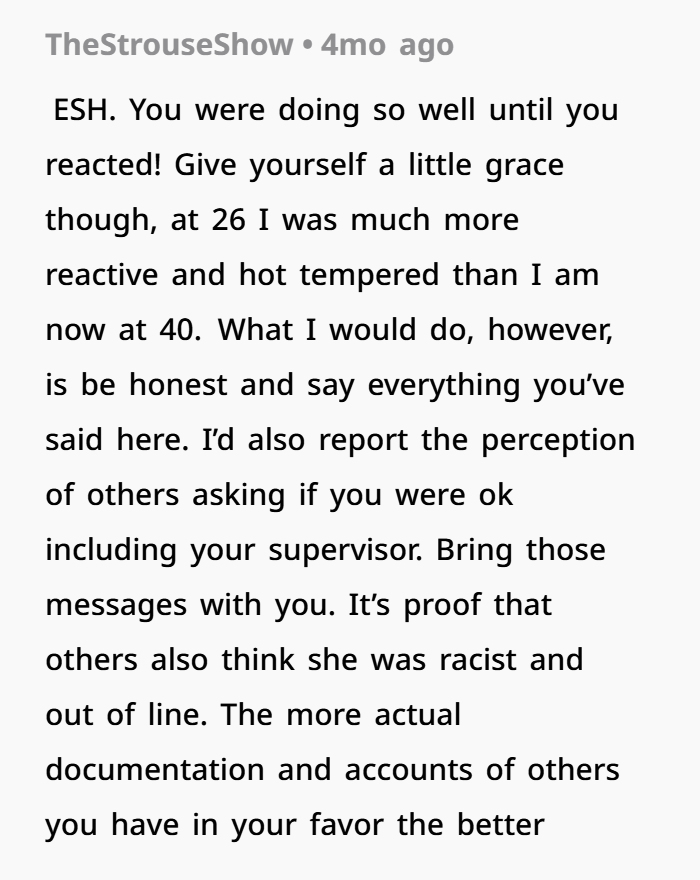
After the situation became serious, the manager and HR team stepped in to handle the problem. The meeting was stopped, and the company reviewed what happened. Other coworkers also shared their experiences and helped provide more information about the situation.
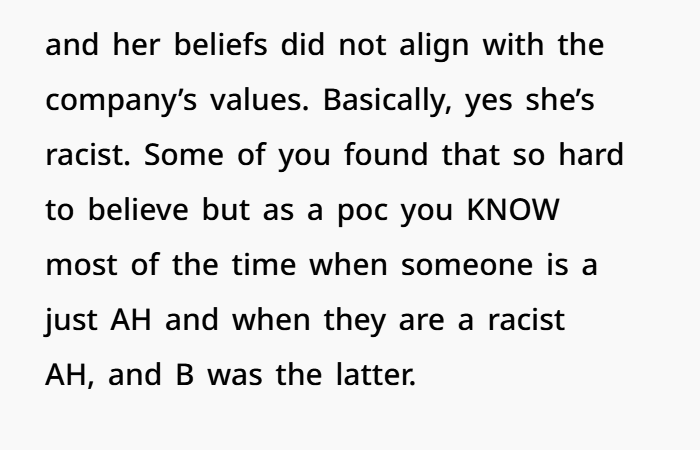
In the end, the company decided that B’s behavior did not match workplace expectations and took action. This story shows the importance of respectful communication, workplace policies, and employee support. A healthy work environment depends on professional behavior, accountability, and proper handling of workplace concerns.
How to Handle Workplace Bullying and Harassment in a Remote Job
Remote work has many benefits. Employees can enjoy more flexibility, avoid long commutes, and create a better work-life balance.
However, working from home can also create challenges. When most communication happens through emails, messages, and online meetings, workplace problems can sometimes become harder to notice and solve.
In small remote teams, negative behavior can feel even more stressful because employees may have fewer people to turn to for support.
When Workplace Conflict Becomes Bullying
Not every disagreement at work is harassment. People can have different opinions, make mistakes, or disagree about tasks.
However, problems become more serious when someone repeatedly:
- Insults a coworker
- Creates embarrassment in front of others
- Spreads workplace gossip
- Makes personal attacks
- Tries to intimidate another employee
This type of behavior can create a toxic work environment and affect an employee’s confidence, mental health, and job performance.
Workplace bullying can lead to stress, anxiety, lower productivity, and difficulty enjoying work.
Recognizing Possible Discrimination at Work
Sometimes workplace conflicts involve more than personality differences.
Comments about someone’s race, background, ethnicity, or identity can be harmful and may create concerns about workplace discrimination.
Even comments that seem like jokes or small remarks can make employees feel excluded or targeted.
A respectful workplace should allow everyone to feel valued and treated fairly.
Companies have a responsibility to create an environment where employees are protected from harassment and discrimination.
The Importance of Speaking Up
When someone experiences unfair treatment, it can be difficult to decide how to respond.
Many employees worry about making the situation worse or being seen as difficult.
However, calmly setting boundaries can be helpful.
Examples of professional responses include:
- “I would like to keep this conversation respectful.”
- “I do not think this comment is appropriate.”
- “Let’s focus on the work issue instead of personal comments.”
Speaking up does not mean creating conflict. It means protecting yourself and asking for professional treatment.
How HR Can Help
Human Resources (HR) plays an important role in handling workplace complaints.
When an employee reports harassment or discrimination, HR may:
- Listen to both sides
- Review messages or other records
- Speak with witnesses
- Investigate company policy violations
- Decide on appropriate actions
A fair HR process helps companies maintain a safe and professional workplace.
In remote workplaces, digital records such as emails, chat messages, and meeting notes can help provide important information during an investigation.
Why Documentation Matters
Keeping records is one of the most important steps when dealing with workplace problems.
Employees should consider saving:
- Emails
- Workplace messages
- Meeting details
- Dates and descriptions of incidents
- Names of people who witnessed events
Clear documentation helps HR understand what happened and prevents important details from being forgotten.
The Value of Supportive Coworkers
Having support from coworkers can make a difficult workplace situation easier to handle.
When other employees speak up or confirm what they experienced, it can help create a clearer picture of the situation.
A supportive workplace culture encourages employees to report problems without fear.
Building a Healthy Remote Workplace
Remote teams need strong communication and clear workplace policies.
Companies can support employees by:
- Creating anti-harassment policies
- Providing workplace training
- Encouraging respectful communication
- Taking employee concerns seriously
- Supporting diversity and inclusion
A positive company culture helps employees feel safe, respected, and motivated.
Staying Professional During Difficult Situations
Handling workplace conflict requires patience and professionalism.
Employees can protect themselves by:
- Staying calm
- Avoiding personal arguments
- Following company procedures
- Asking for support when needed
- Focusing on facts instead of emotions
Resilience does not mean accepting unfair treatment. It means knowing how to respond in a way that protects your career and well-being.
Why Speaking Up Matters
Many employees stay silent because they worry about consequences. However, reporting serious workplace problems can help prevent similar behavior from affecting others.
A respectful workplace depends on employees and employers working together.
When companies take harassment complaints seriously, they create a culture where everyone can do their best work.
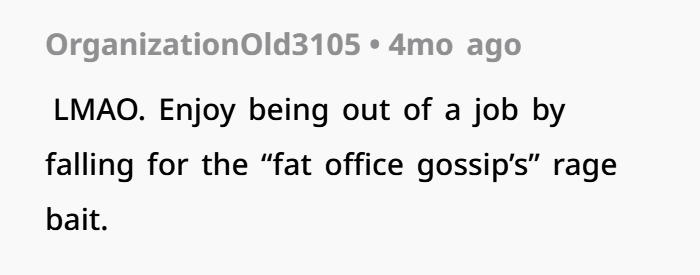
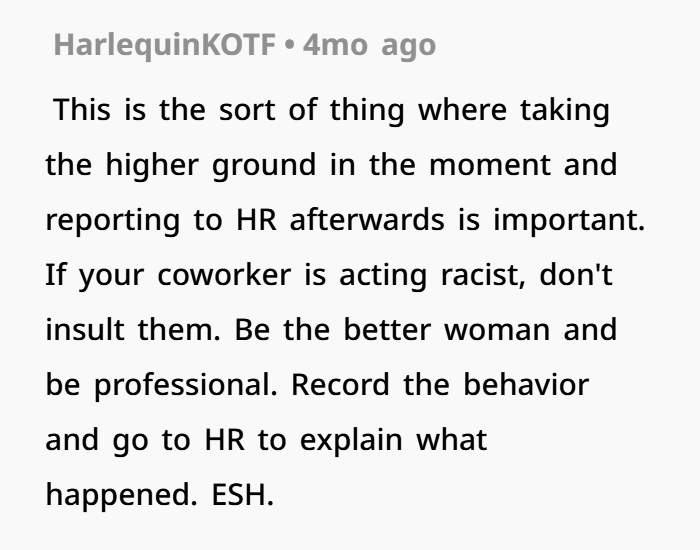
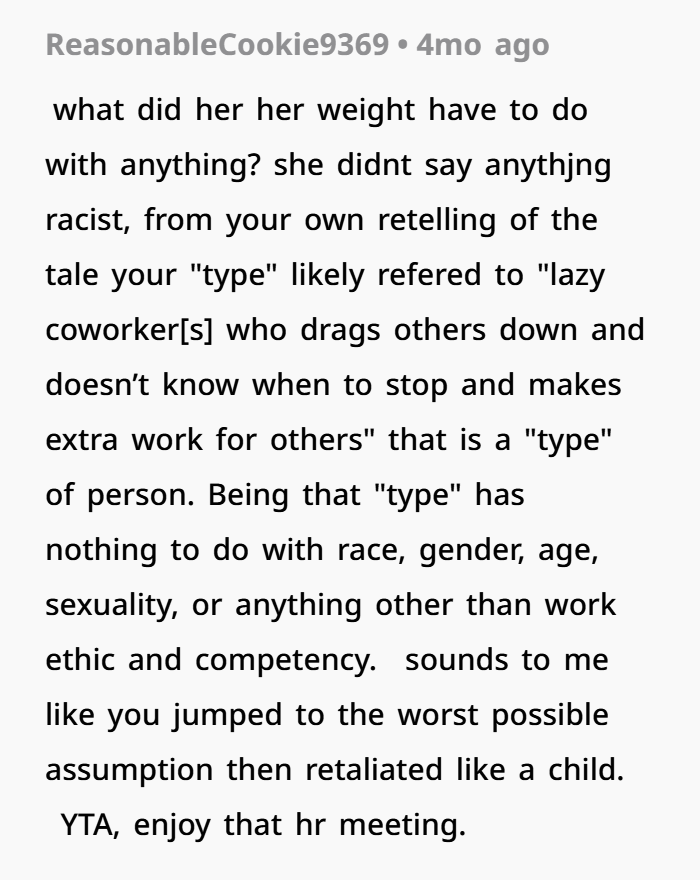
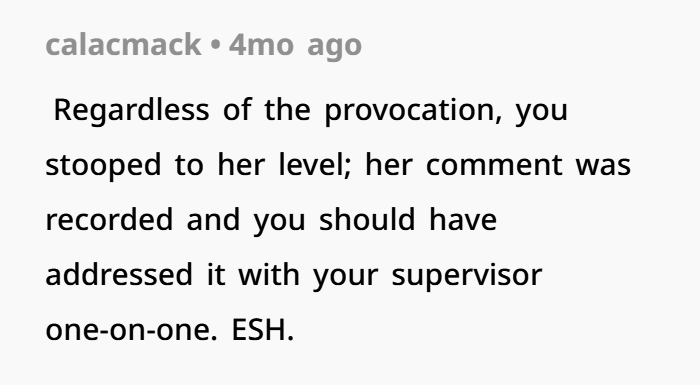
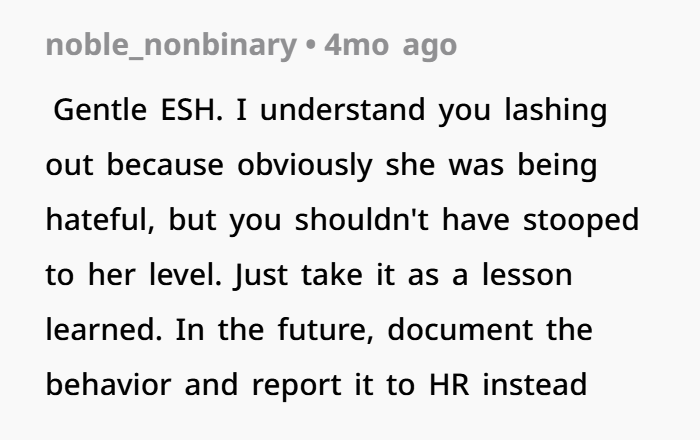
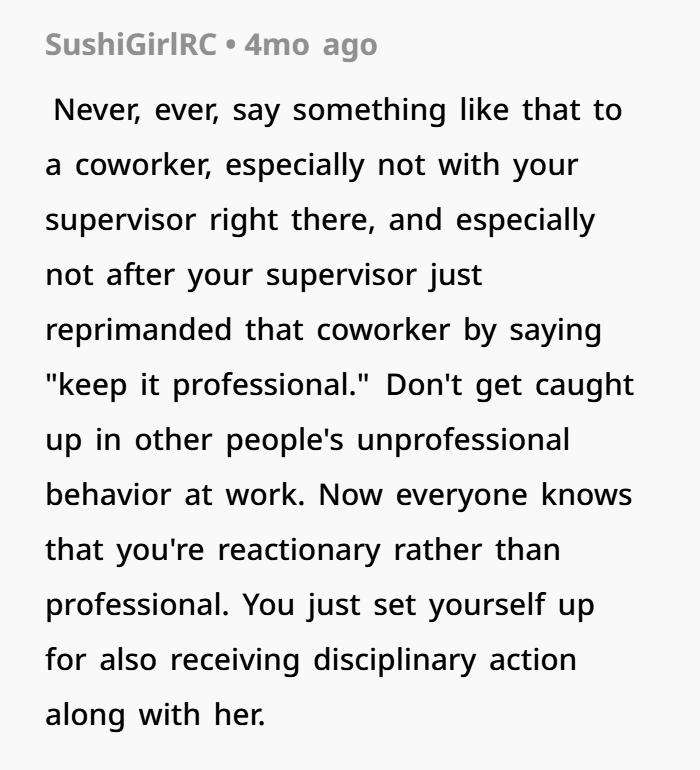
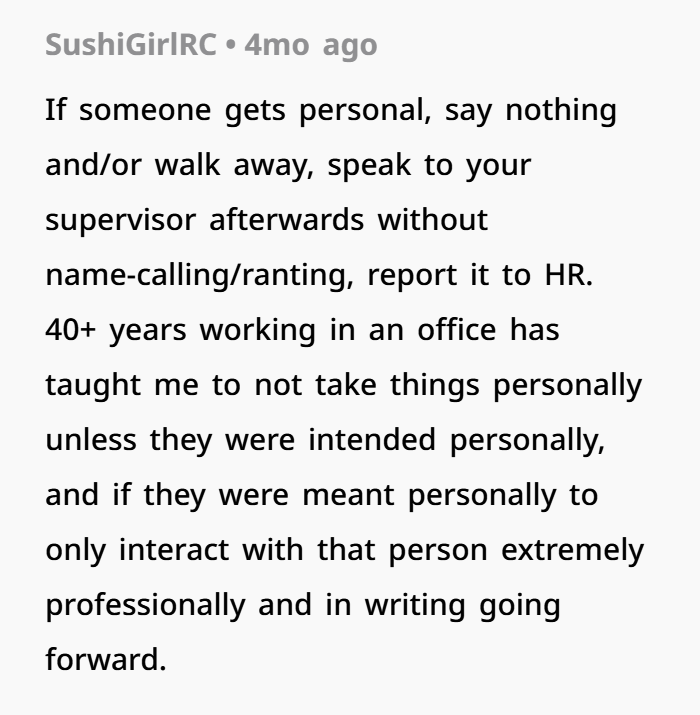
See The Comments Below
Final Thoughts
Workplace bullying, harassment, and discrimination are serious issues, whether they happen in an office or a remote workplace.
Employees should know their rights, keep records of problems, communicate clearly, and use available workplace resources.
A healthy workplace is built on respect, fairness, and accountability. When employees feel safe speaking up and companies respond responsibly, everyone benefits.