She Tried to Save Her Ex-Husband’s Life… and Ended Up Destroying His Family’s Empire

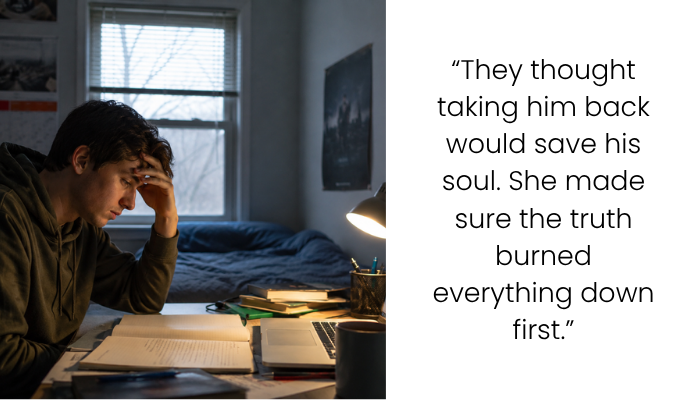
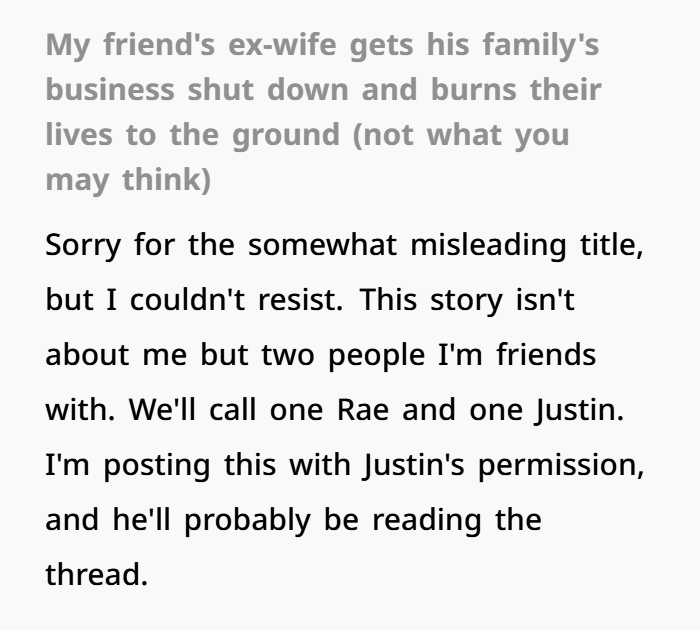
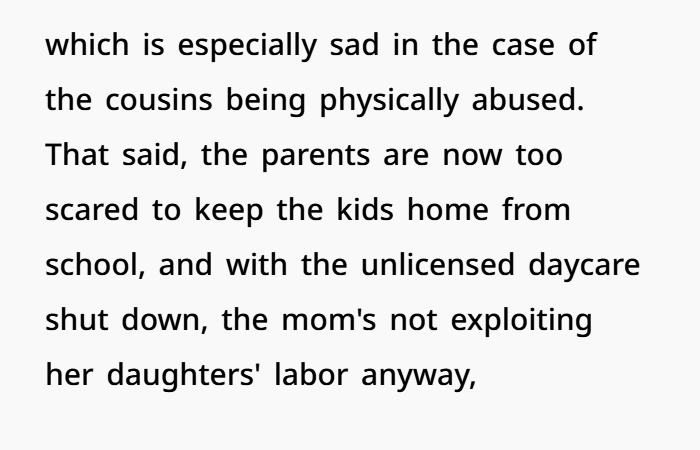
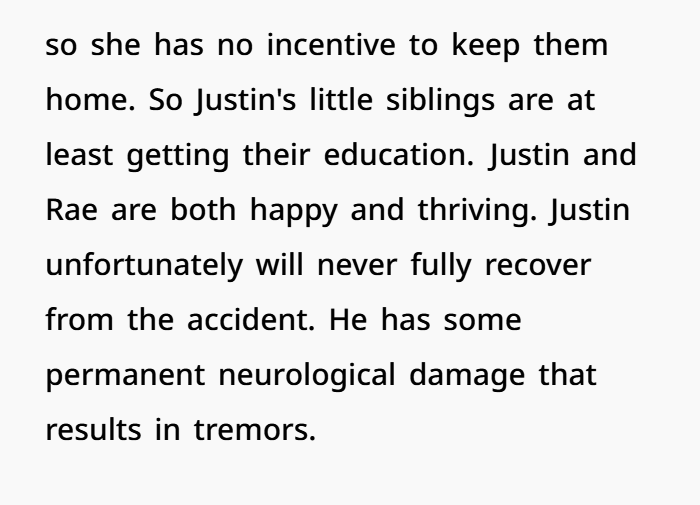
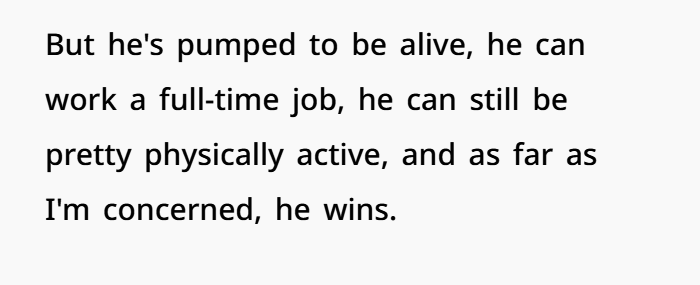
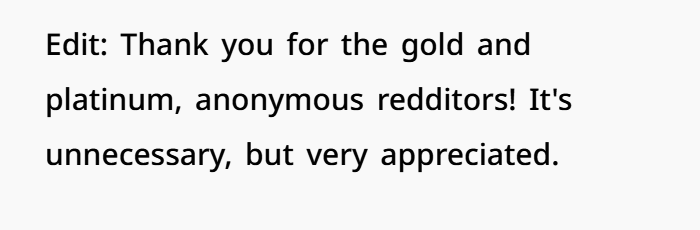
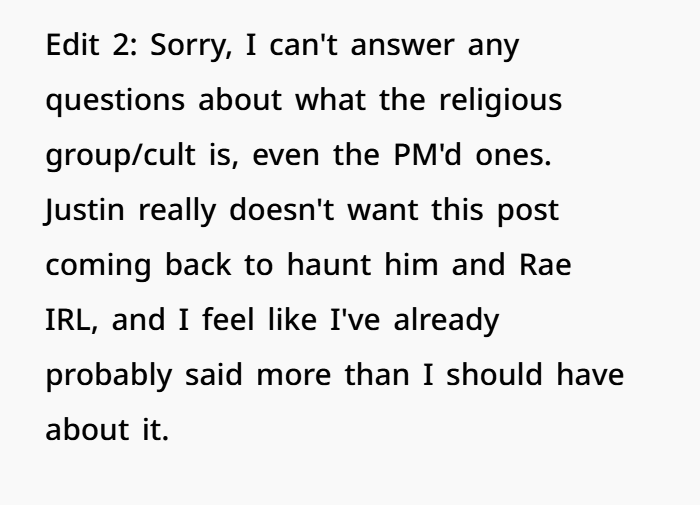
Some difficult life situations are not about revenge. They are often about fear, protection, and trying to help someone you care about. In this story, a woman named Rae shared what happened after her ex-husband Justin was seriously injured in a bicycle accident. Although they were divorced, they still had a close relationship because they had gone through many difficult experiences together.
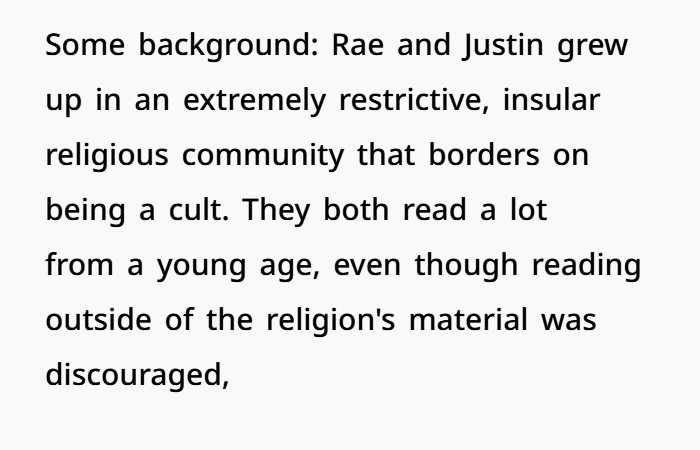
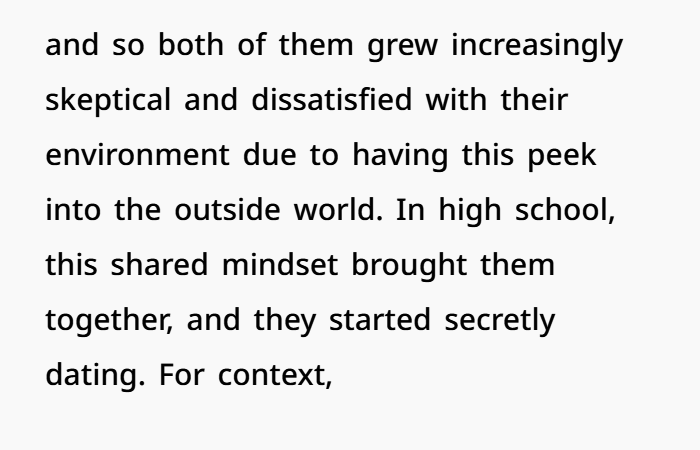
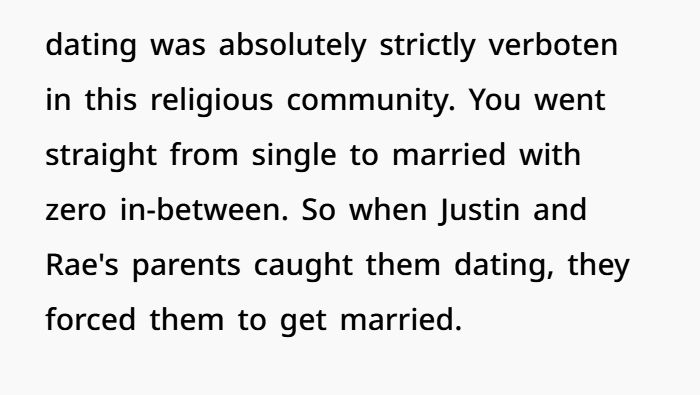
Years earlier, Rae and Justin had left a strict religious community where they felt controlled and unhappy. They had faced major challenges while leaving that environment, and their shared history helped them remain connected even after their marriage ended. They understood each other in a way that few other people could.
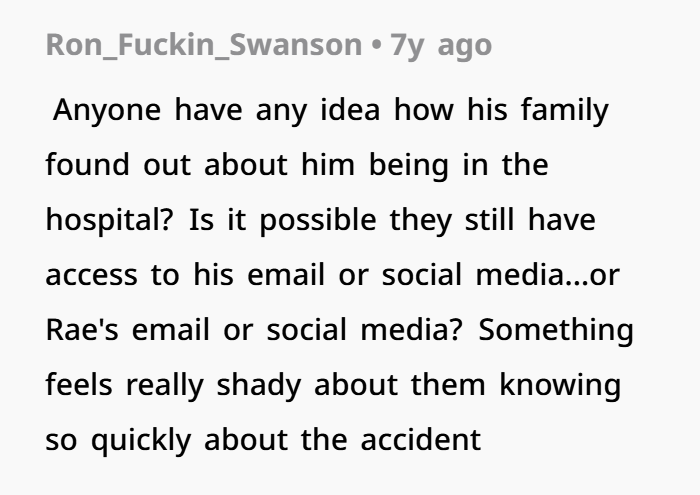
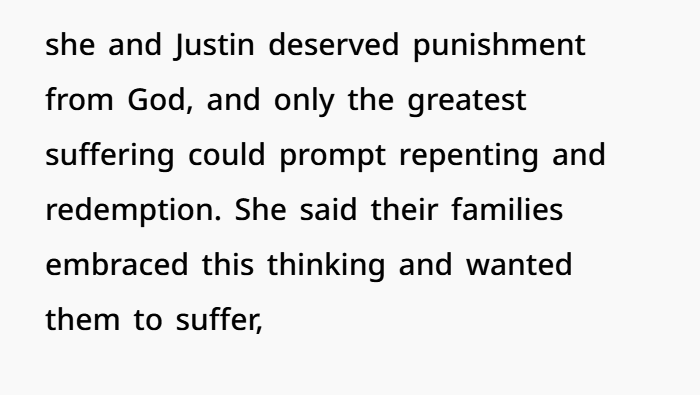
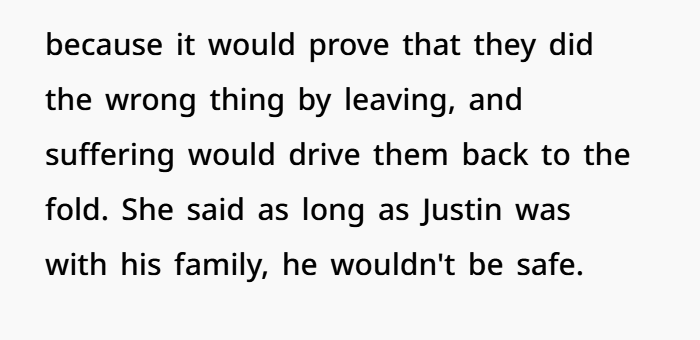
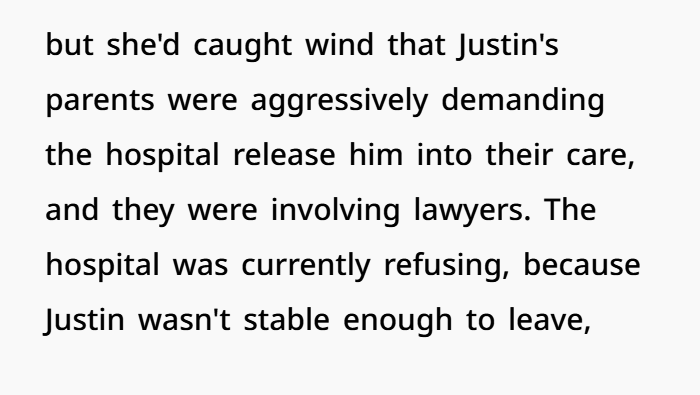
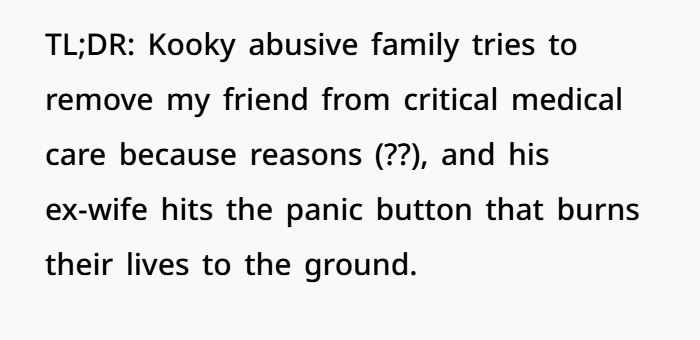
After Justin was taken to the hospital, his family arrived and created more stress during an already difficult time. Rae became worried when she felt they were trying to make important decisions about Justin’s care while he was still recovering. She believed their actions were not in his best interest and became concerned about his safety and well-being.
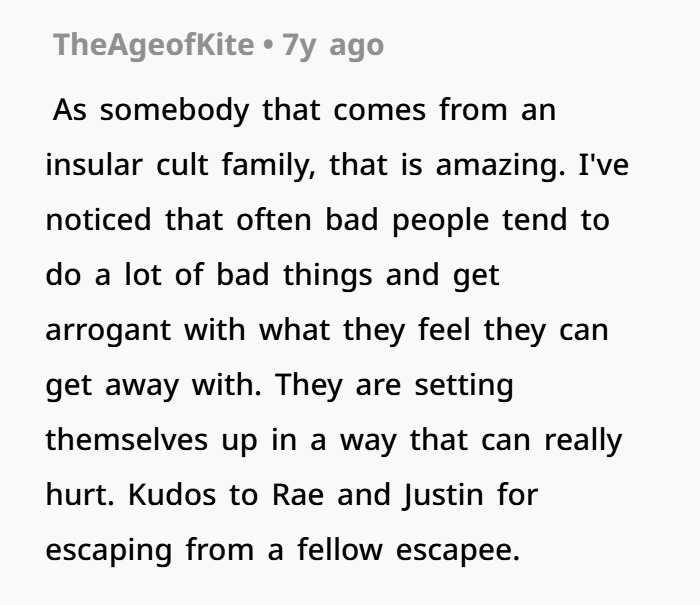
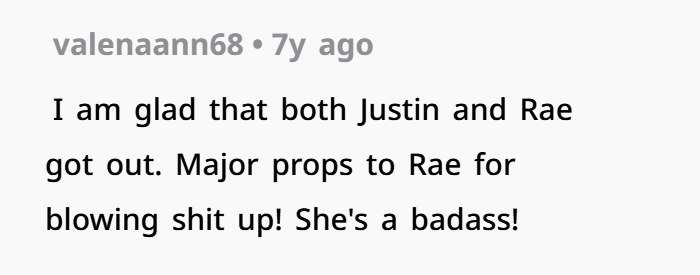
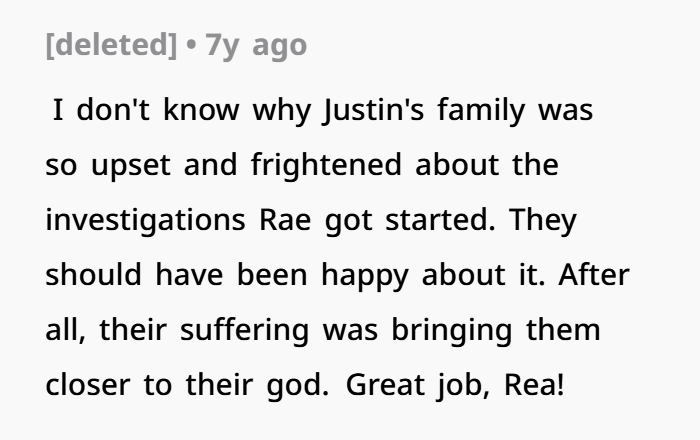
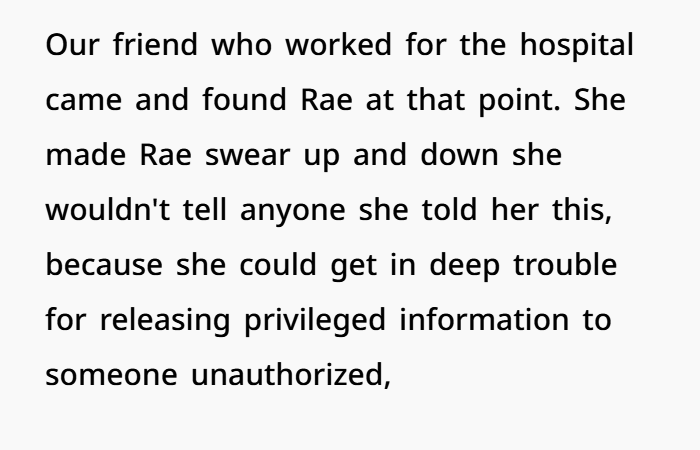
As the situation became more serious, Rae decided to share information about problems she believed were connected to Justin’s family. Her actions led to more attention on the family and caused major changes in their lives. The story created discussions about family conflicts, personal safety, legal concerns, and the importance of protecting people during vulnerable moments.
This situation also shows how complicated relationships can become when past experiences, family disagreements, and serious health emergencies come together. During difficult times, clear communication, support, and making decisions based on a person’s well-being are extremely important.

When Leaving a High-Control Community Becomes a Fight for Freedom
Some stories are difficult to understand because everything can look normal from the outside.
A family may appear close. A community may seem supportive. People may talk about strong values, traditions, and togetherness. But behind closed doors, some individuals may experience control, fear, emotional pressure, or a lack of personal freedom.
Stories involving high-control groups often bring attention to important topics like emotional abuse, financial control, religious trauma, and mental health recovery.
Understanding High-Control Environments
A high-control environment is a place where people may feel pressured to follow strict rules and avoid questioning authority.
Experts who study coercive control and religious trauma often mention warning signs such as:
- Limited contact with the outside world
- Fear of making independent choices
- Extreme pressure to follow leaders or family members
- Shame or punishment for normal personal decisions
- Dependence on the group for money, housing, or support
For people who grow up in these environments, leaving can feel extremely difficult. They may have spent years believing that questioning the system is wrong or dangerous.
This is why many survivors describe leaving as a long emotional journey rather than a simple decision.
Why Trauma Bonds Can Be So Strong
One part that many people struggle to understand is why someone might stay connected to another person after leaving a difficult environment.
Mental health professionals explain that people who experience stressful situations together can form very strong emotional connections. When two people survive the same challenges, they may become each other’s main source of comfort and support.
Their relationship may not only be about romance. It can also be about shared memories, safety, and understanding.
This is one reason trauma recovery can be complicated. People are not only leaving a place or a group. They are also processing years of emotions, beliefs, and experiences.
Financial Control and Loss of Independence
Money is one of the most powerful tools in controlling situations.
When someone does not have access to personal savings, employment opportunities, transportation, or outside resources, leaving becomes much harder.
Financial abuse can include:
- Controlling someone’s income
- Restricting access to bank accounts
- Preventing financial independence
- Making someone rely completely on another person or group
Financial freedom is often an important part of rebuilding life after leaving a controlling environment.
Many survivors focus on creating their own bank accounts, finding stable employment, and learning financial skills that help them regain independence.
The Importance of Medical Decisions and Legal Rights
Emergency situations can become especially complicated when family relationships and legal rights are involved.
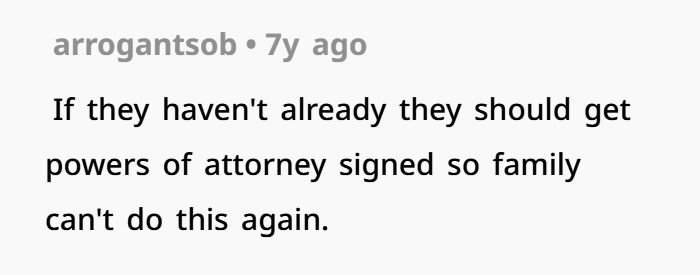
Hospitals usually follow legal guidelines when a patient cannot make decisions for themselves. In many cases, family members may become involved in medical decisions unless legal documents say otherwise.
Important documents that can help protect a person’s choices include:
- Healthcare directives
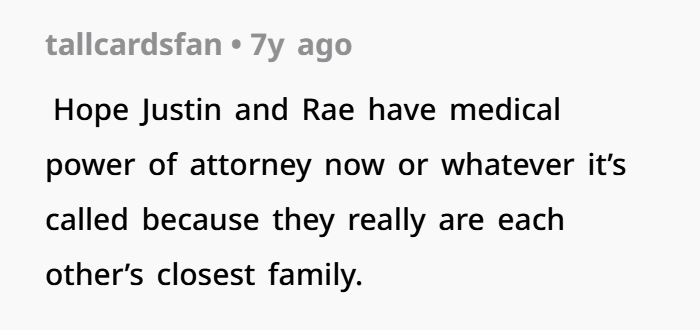
- Medical power of attorney forms
- Emergency contact updates
- Legal planning documents
These steps are useful for anyone, especially people who have complicated family relationships or concerns about who should make decisions during a crisis.
When Fear Turns Into Action
Many survivors describe reaching a point where they can no longer ignore what they believe is happening around them.
After years of fear, some people decide to speak up, seek help, or report concerns to the proper authorities.
Depending on the situation, reports may involve:
- Child safety concerns
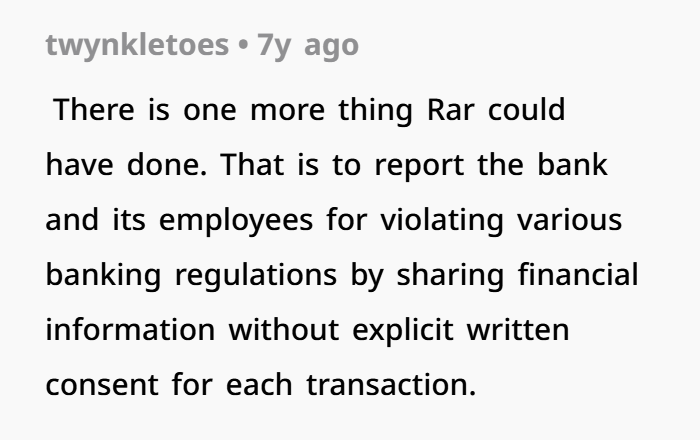
- Financial misconduct
- Unsafe living conditions
- Legal violations
- Workplace or labor issues
Reporting suspected wrongdoing should always be handled through proper channels and supported by evidence.
The goal is usually not revenge. For many people, it is about safety, accountability, and protecting others.
Why Religious Trauma Is Often Misunderstood
Religious trauma is a sensitive topic because it is not always visible.
Unlike physical injuries, emotional wounds caused by fear, shame, isolation, or manipulation can take years to recognize.
People recovering from harmful experiences may struggle with:
- Anxiety
- Trust issues
- Identity changes
- Difficulty making decisions
- Feelings of guilt or fear
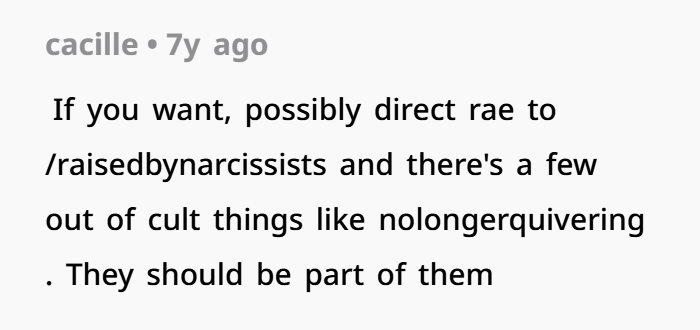
Mental health support, counseling, and safe communities can play an important role in recovery.
It is also important to remember that healthy religious communities exist around the world. The concern is not faith itself, but situations where control, fear, or abuse are used against individuals.
Rebuilding Life After Leaving
Leaving a controlling environment is often only the beginning.
Many survivors must rebuild different parts of their lives, including:
- Personal confidence
- Financial independence
- Social connections
- Education and career goals
- Emotional health
Recovery does not happen overnight. It often requires patience, support, and access to safe resources.
A Story About Survival and Strength
Stories about people leaving high-control environments remind us how complicated human experiences can be.
They show the importance of personal freedom, mental health awareness, financial independence, and access to support systems.
For someone who has lived under extreme control, simply having the ability to make their own choices can be a powerful step toward healing.
Survival is not always a dramatic moment. Sometimes it is a series of small decisions that slowly lead someone back to independence, confidence, and hope.
The Comments Are In