AITA for Telling My Cheating Ex-Wife to Tell Her Sob Story to Someone Who Cares?


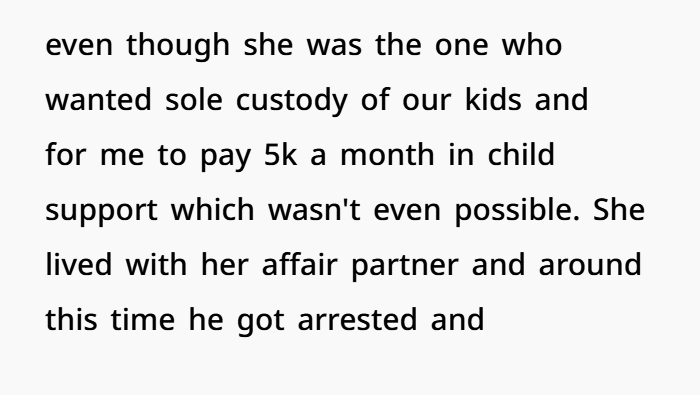
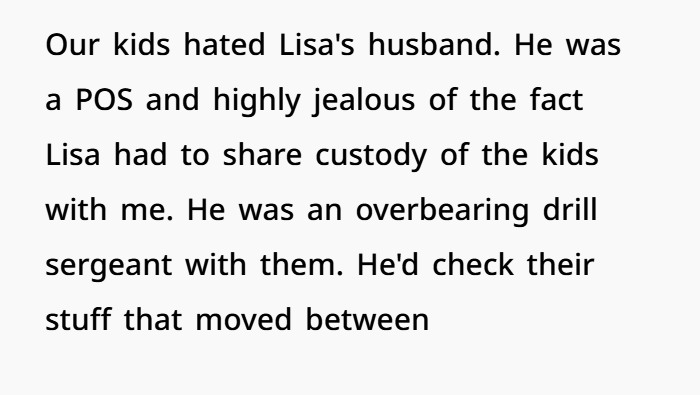
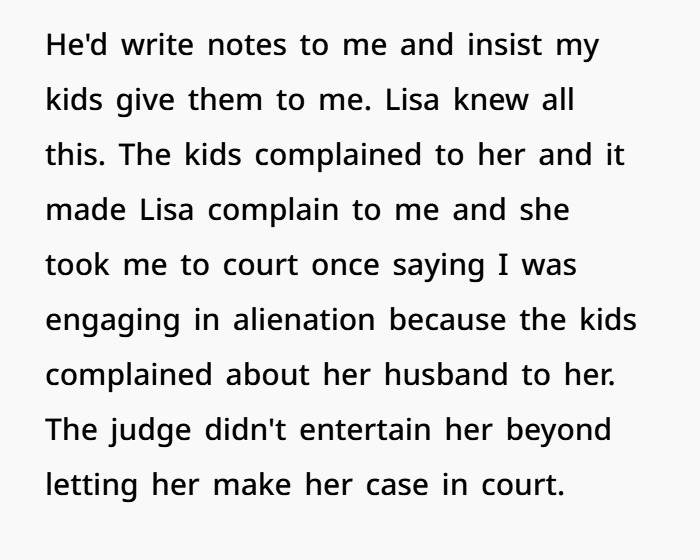
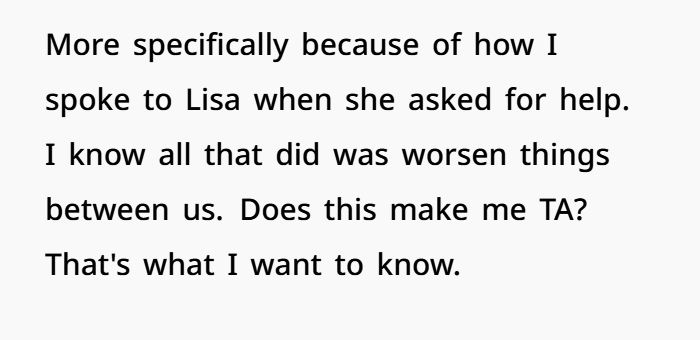
A 40-year-old father shared his experience after a difficult divorce from his former wife, Lisa. The couple had been together for several years and had two children, who are now teenagers. Their marriage ended after he discovered that Lisa had been unfaithful.
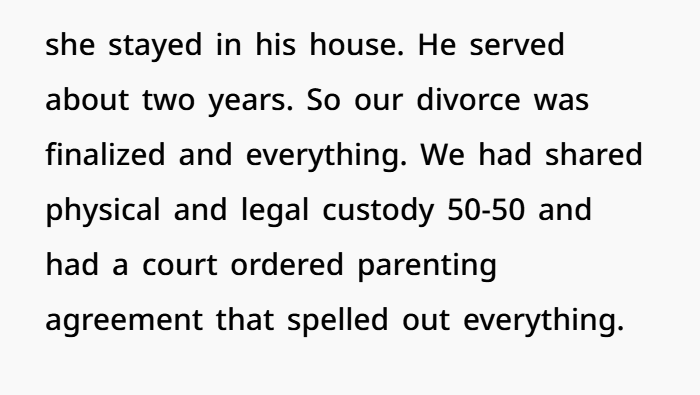
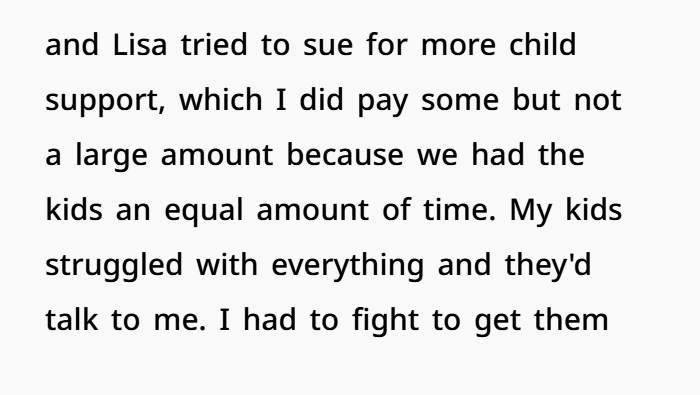
The divorce process was stressful and created many disagreements. The father said there were conflicts about parenting, financial support, and custody arrangements. He focused on making sure his children had a stable and healthy environment during this difficult time.
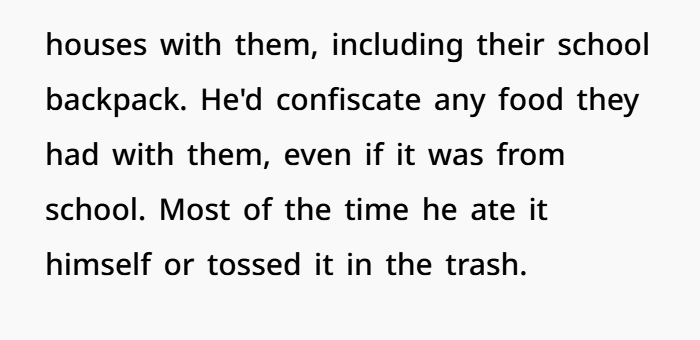
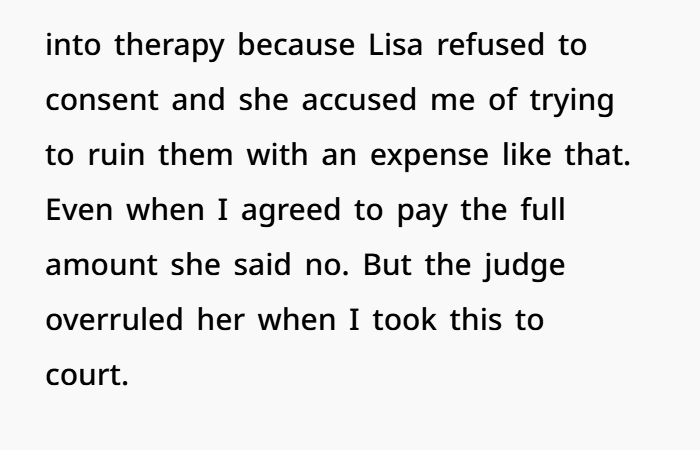
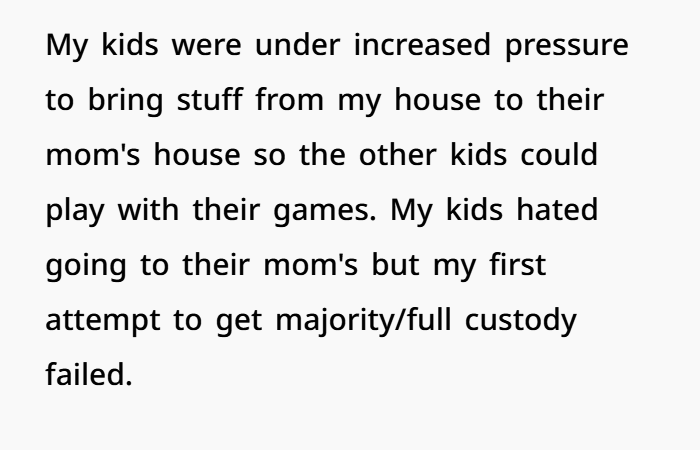
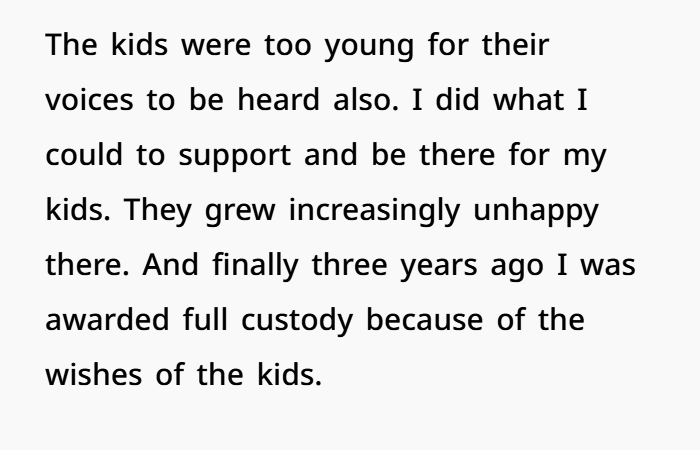
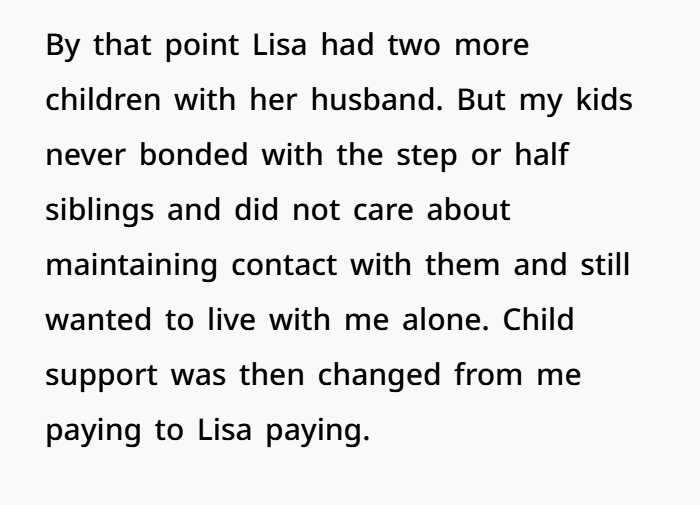
Over the years, he became the main caregiver for his children. He supported their emotional needs, encouraged therapy when needed, and worked to give them a safe home. Eventually, he gained full custody after his children expressed that they wanted to live with him.
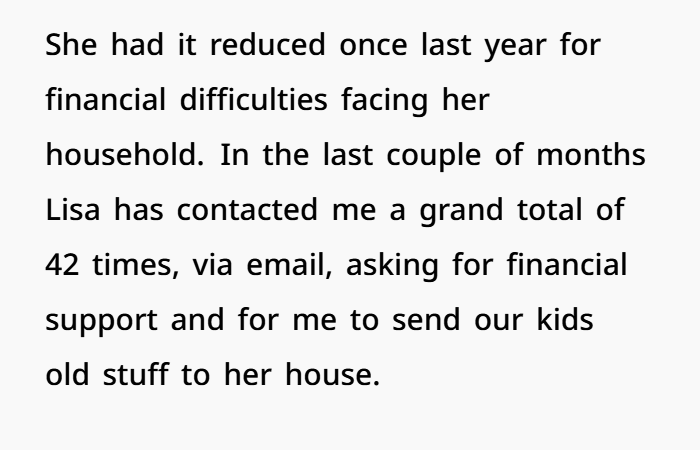
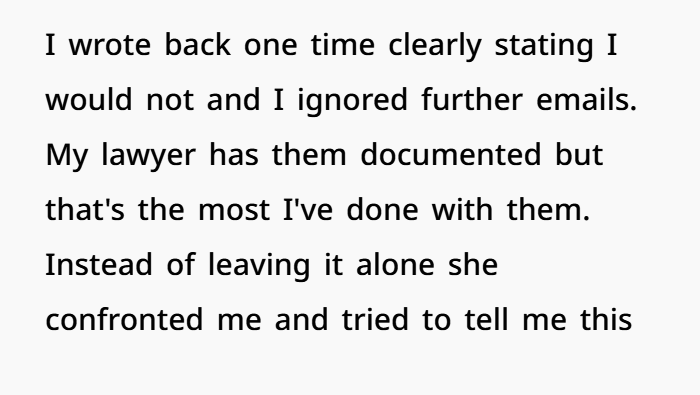
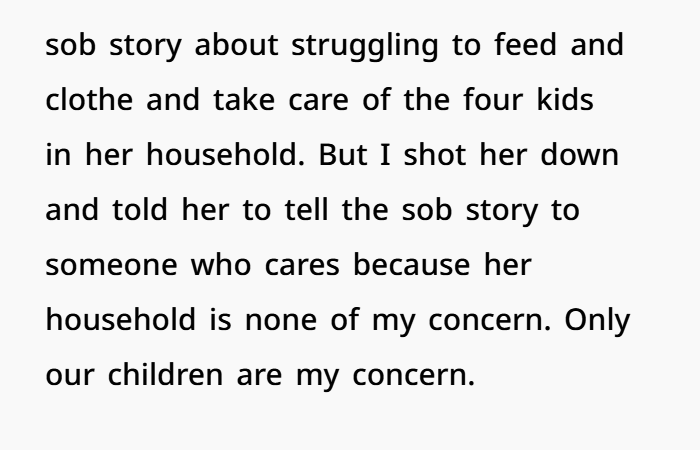
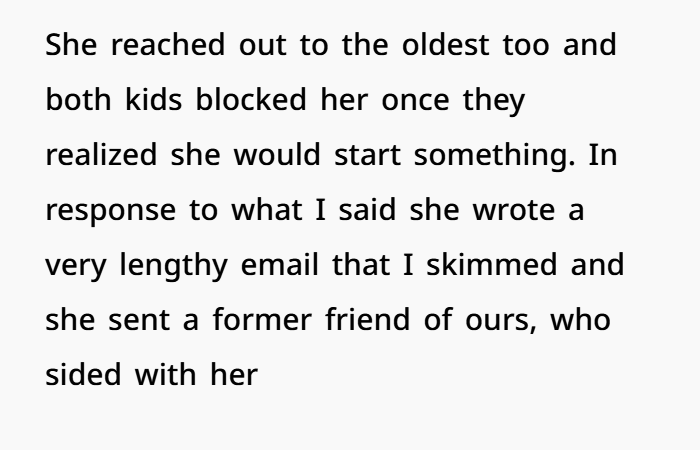
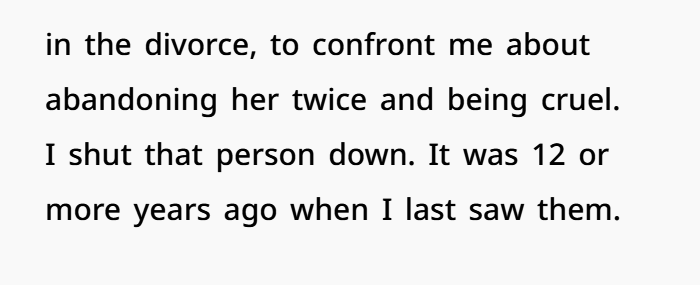
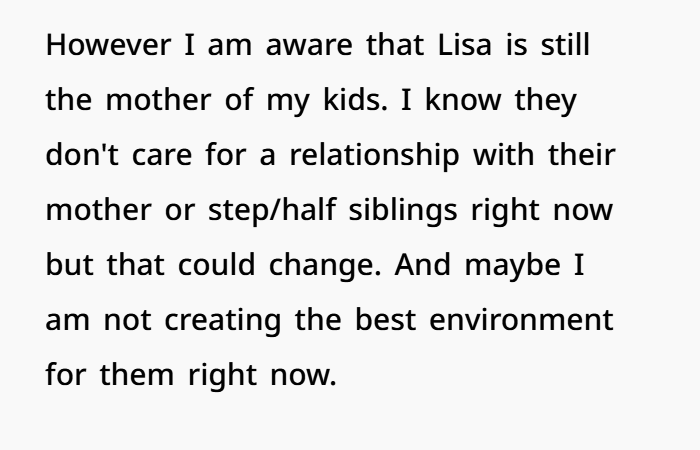
Recently, Lisa started contacting him more often and asking for financial help and personal items. She also shared problems from her life, but he decided to keep the conversations focused on their children. He responded firmly because he wanted to maintain clear boundaries.
This situation shows how challenging co-parenting and family relationships can become after a divorce. Setting healthy boundaries, focusing on children’s well-being, and having clear financial and parenting plans can help families move forward in a positive way.
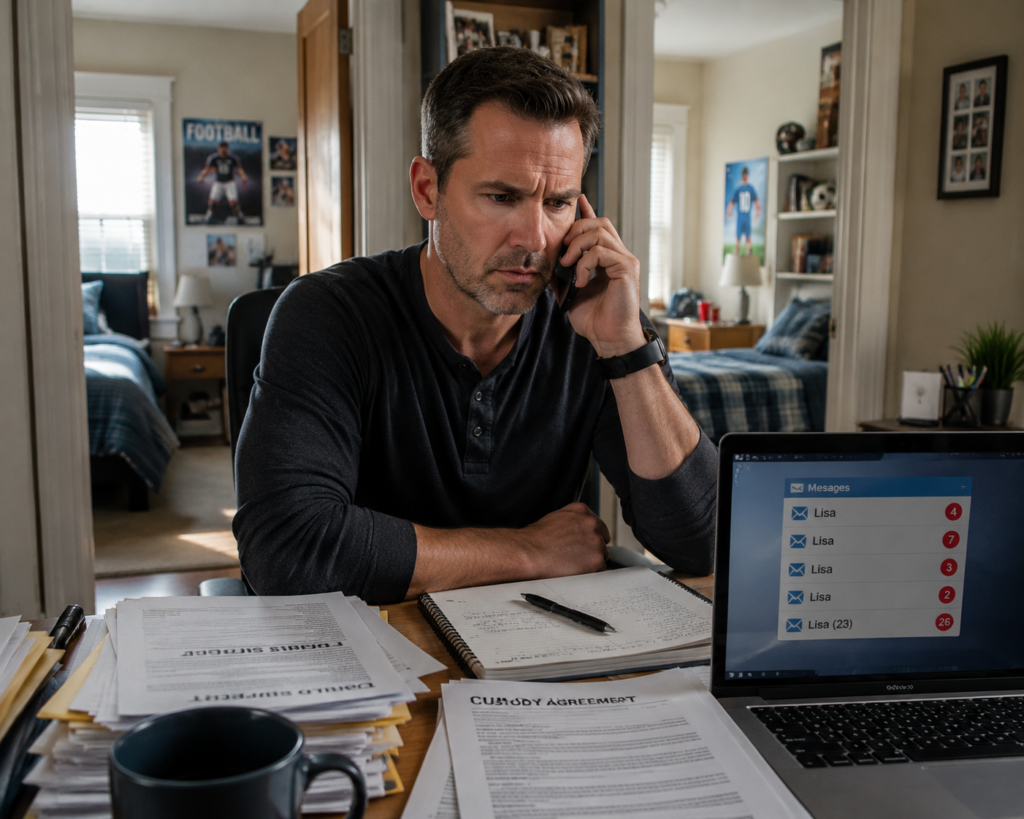



Setting Healthy Boundaries After a High-Conflict Divorce
Divorce can be difficult for everyone involved, especially children. When cheating, arguments, or strong emotions are part of the situation, the stress can continue long after the divorce is finished.
The most important goal after divorce is protecting children’s emotional health and creating a stable environment for them.
How Divorce Conflict Can Affect Children
Children often feel the effects of conflict between parents.
When parents argue, blame each other, or involve children in adult problems, kids may experience:
- Stress
- Anxiety
- Confusion
- Trust issues
- Feeling pressured to choose sides
Children usually do best when they are allowed to have healthy relationships with both parents without being placed in the middle of disagreements.
Protecting Children From Adult Problems
After a difficult divorce, it can be tempting for parents to explain their side of the story or defend themselves.
However, children should not have to carry the emotional weight of adult conflicts.
A healthier approach is to:
- Focus conversations on the children’s needs
- Avoid negative comments about the other parent
- Keep disagreements away from the children
- Create a calm and stable home environment
Protecting children does not mean ignoring problems. It means handling those problems in a responsible way.
Understanding Custody and Parental Concerns
Family law cases can become complicated when one parent claims the other is trying to damage their relationship with the children.
There is a difference between:
- A parent intentionally trying to turn children against the other parent
- Children naturally expressing their own feelings or preferences
Courts usually look at evidence, the child’s well-being, and the overall family situation when making custody decisions.
The main focus is usually what is best for the children.
Child Support and Financial Responsibilities
Money is another common source of conflict after divorce.
Child support is generally designed to help cover the needs of the children, such as:
- Food
- Housing
- Education
- Medical expenses
- Daily care
Financial responsibilities depend on the legal agreement, custody arrangement, and local laws.
A parent is not always responsible for supporting every child in a new household. Stepchildren and children from previous relationships may have different legal situations.
Understanding legal obligations can help prevent confusion and unnecessary conflict.
The Importance of Setting Boundaries
After a high-conflict divorce, clear boundaries can help reduce stress.
Some helpful boundaries include:
- Keeping communication focused on the children
- Avoiding unnecessary arguments
- Responding only to important topics
- Using written communication when helpful
- Keeping records of important conversations
Boundaries are not about being cruel. They are about creating a healthier situation for everyone.
Handling Difficult Communication With an Ex
Some former partners may continue to create conflict after the divorce.
They may use:
- Emotional pressure
- Guilt
- Repeated arguments
- Attempts to involve other people
In these situations, staying calm and keeping communication simple can help.
A business-like communication style can make conversations more productive and reduce emotional stress.
The Role of Documentation
Keeping records can be helpful during difficult co-parenting situations.
Important information may include:
- Messages
- Emails
- Financial records
- Parenting schedules
- Agreements
Documentation helps keep discussions based on facts instead of emotions.
It can also provide important information if legal questions come up later.
Balancing Empathy and Protection
Divorce situations are complicated. Everyone involved may experience stress, disappointment, or financial challenges.
Having empathy for another person does not mean accepting harmful behavior.
Parents can understand someone’s struggles while still protecting their own emotional health and their children’s stability.
Healthy parenting after divorce requires both compassion and boundaries.
Keeping the Focus on Children
The best decisions after divorce are usually the ones that support children’s needs.
Children benefit from:
- Consistency
- Emotional support
- Safe relationships
- Respectful communication between parents
Parents do not need to agree on everything, but they should try to reduce unnecessary conflict around their children.
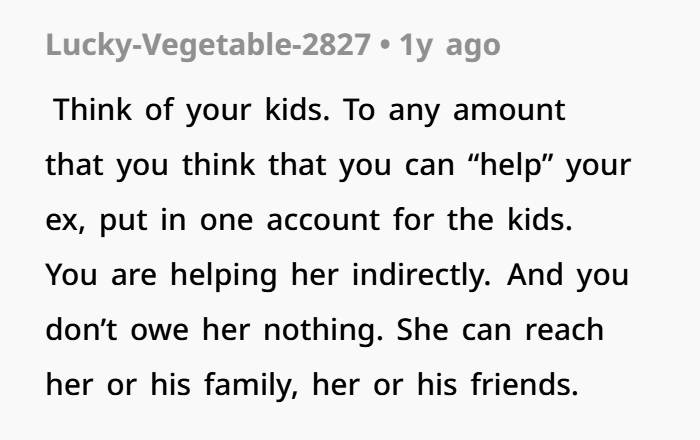
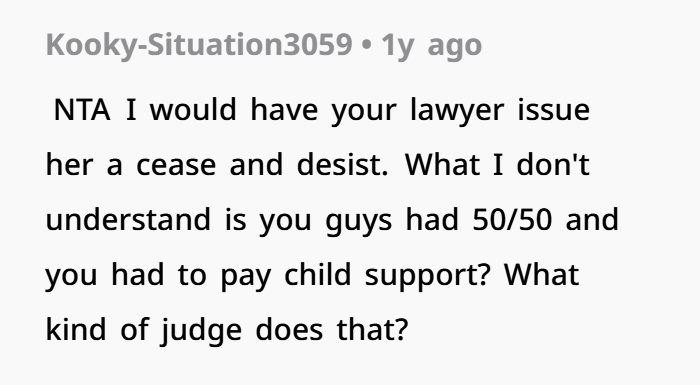
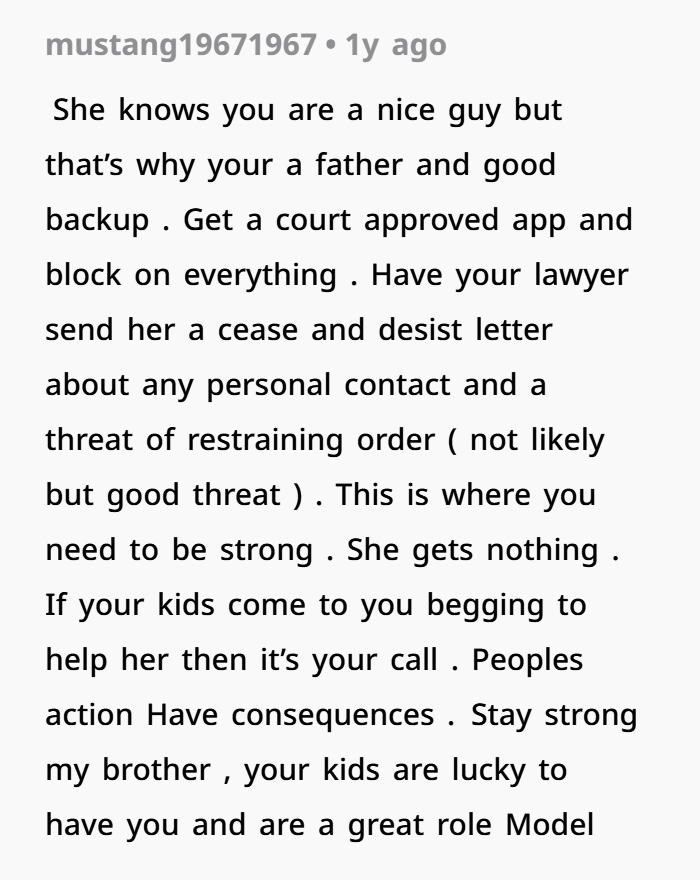
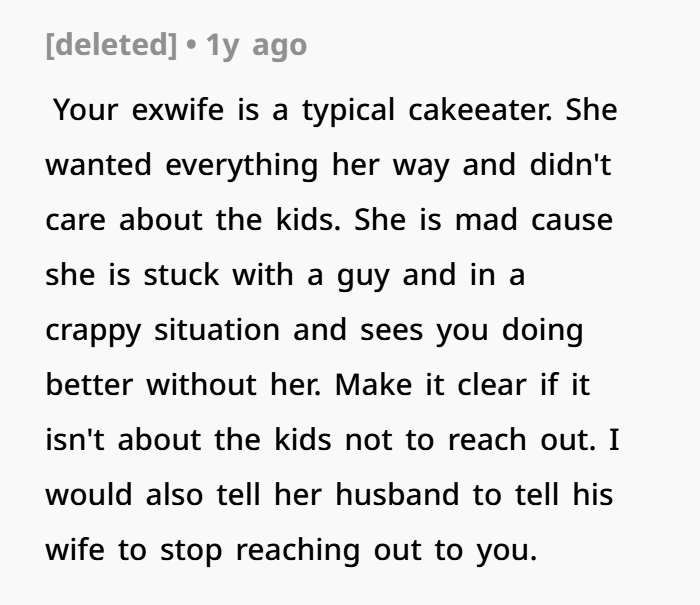
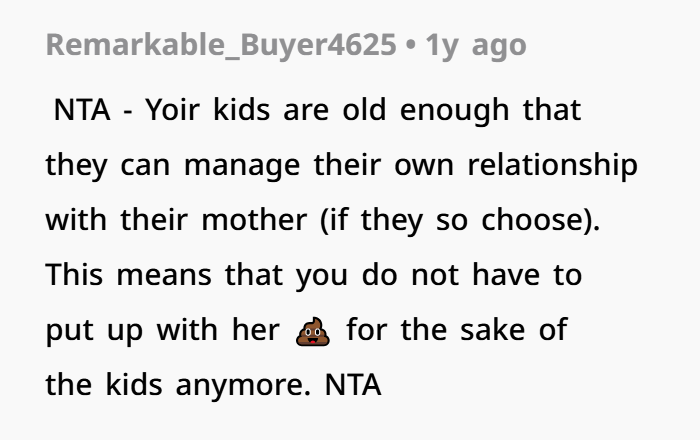
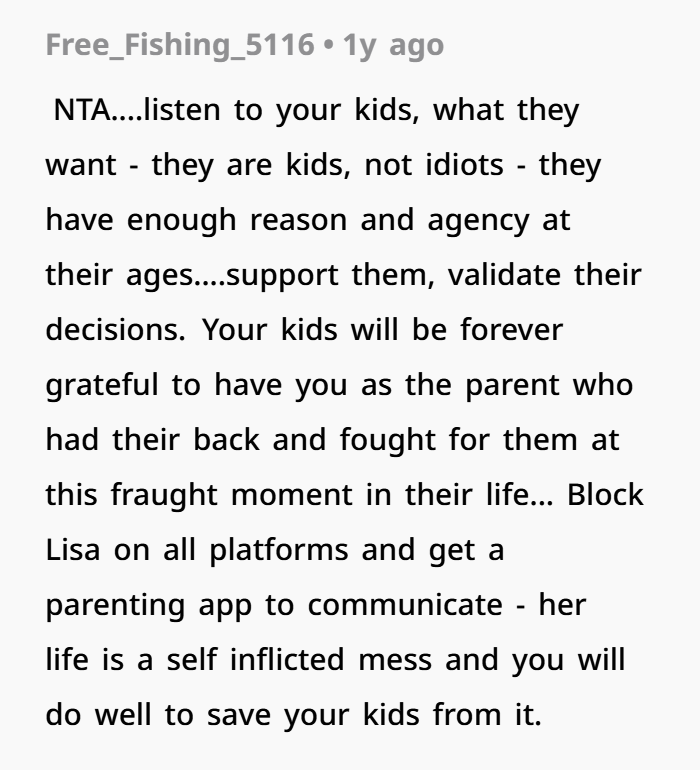
The Comments Are In




Final Thoughts
High-conflict divorce situations can be painful and exhausting. However, setting boundaries, following legal responsibilities, and focusing on children’s well-being can create a healthier future.
Protecting children from adult conflicts is not about punishment or revenge. It is about giving them stability, support, and a safe environment where they can grow.