Did My BIL Cross the Line? AITAH for Uninviting Him from Thanksgiving

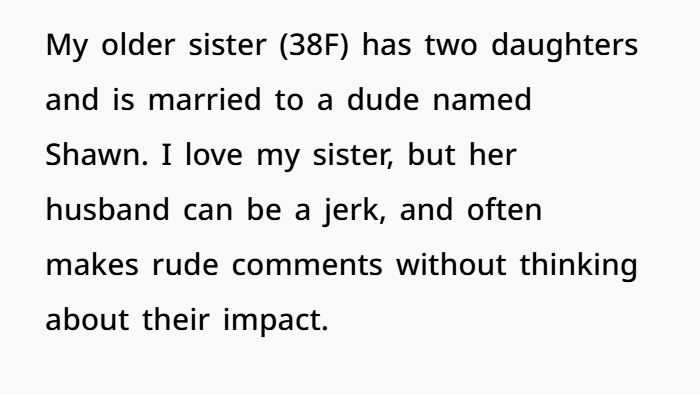
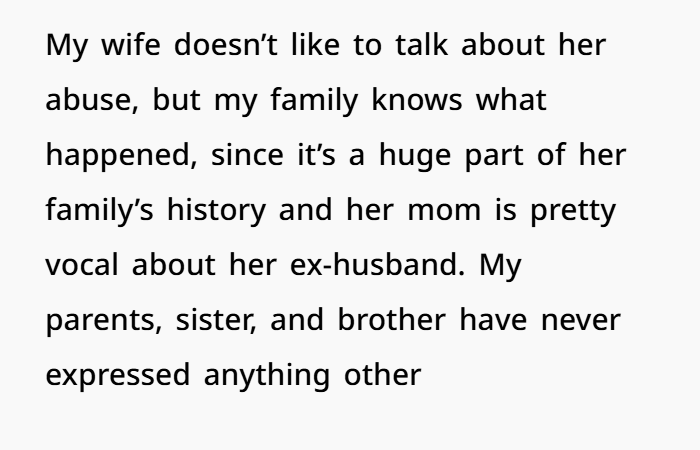
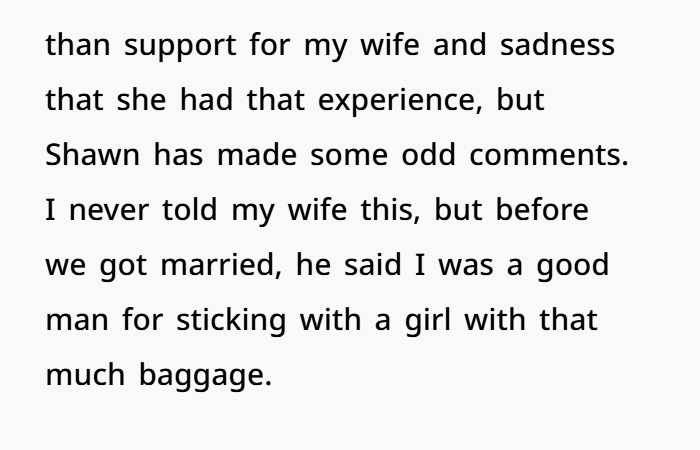
A father shared a difficult family situation involving his wife, their children, and a hurtful comment from a relative. He is 35 years old and has twin five-year-old sons. His wife is expecting a baby girl. He explains that his wife had a very painful childhood because her father abused her and was later sent to prison. She has worked hard to heal and is very protective of their children.
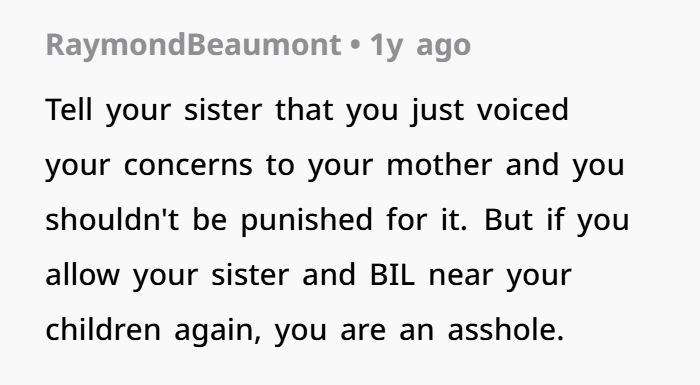
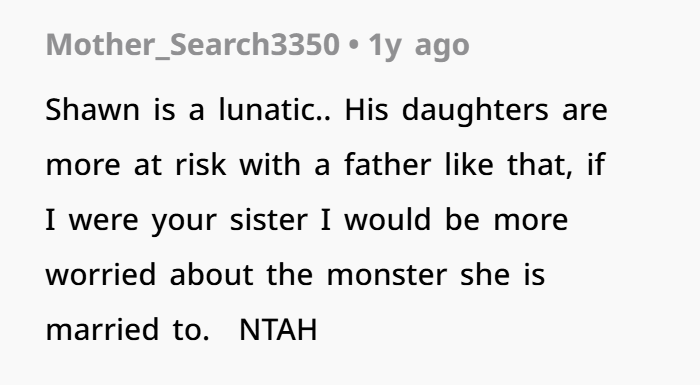
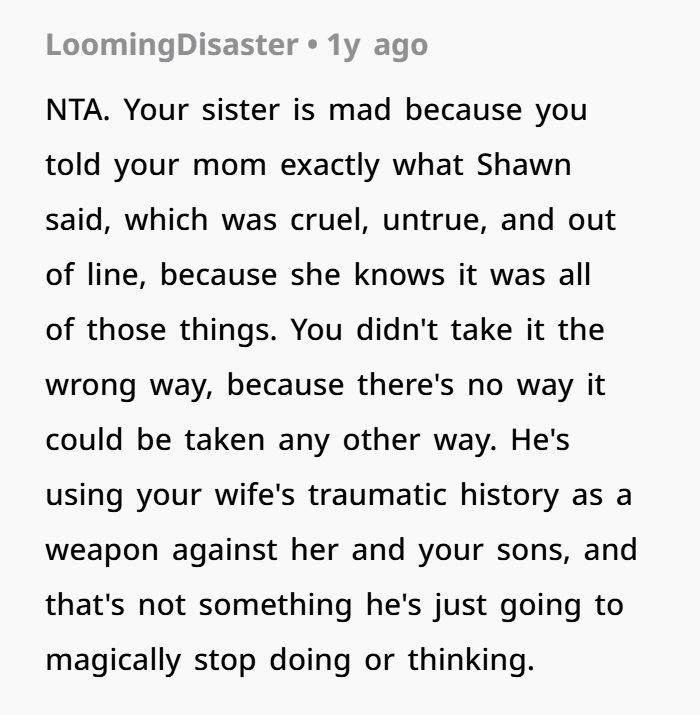
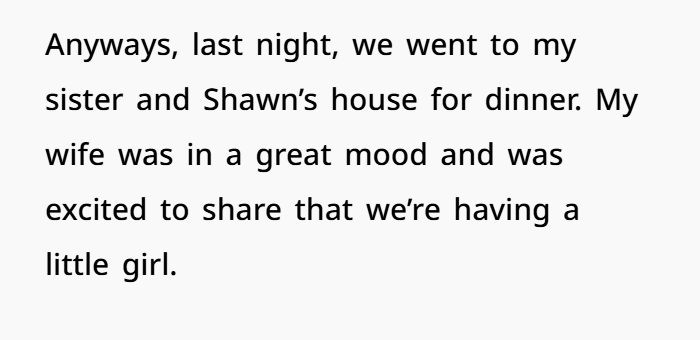
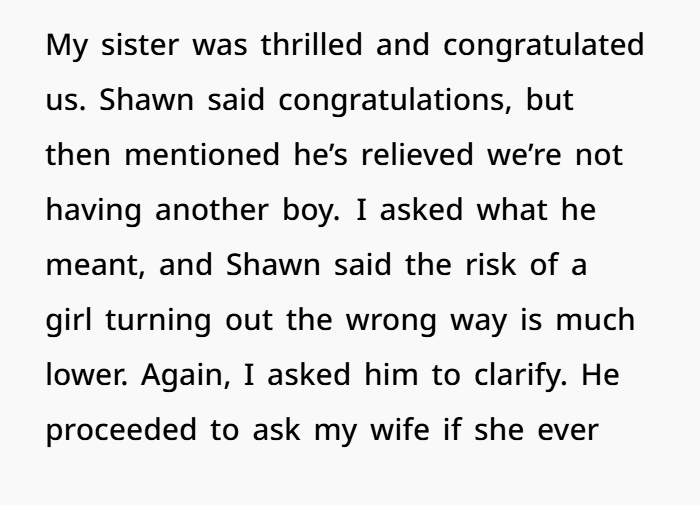
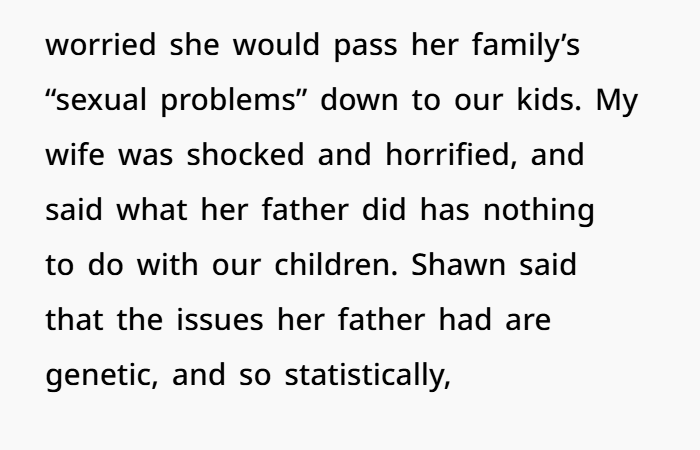
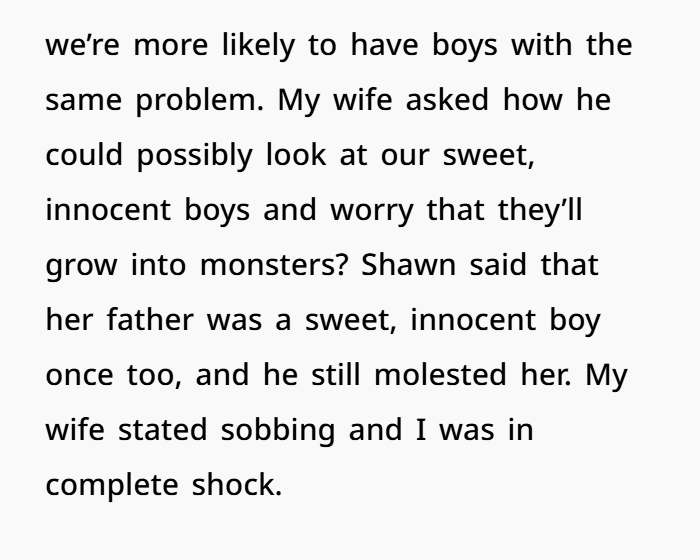
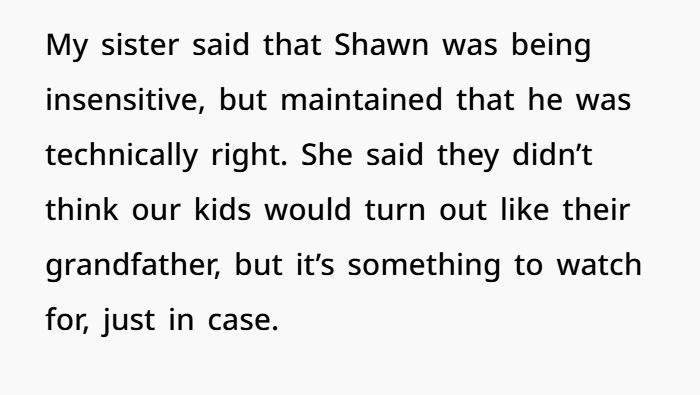
During a family dinner, they shared the happy news about their upcoming baby. His brother-in-law congratulated them but then made a very upsetting comment. He suggested that the wife’s past trauma could somehow be passed down to their children and questioned whether their sons were at risk because of their grandfather’s actions.
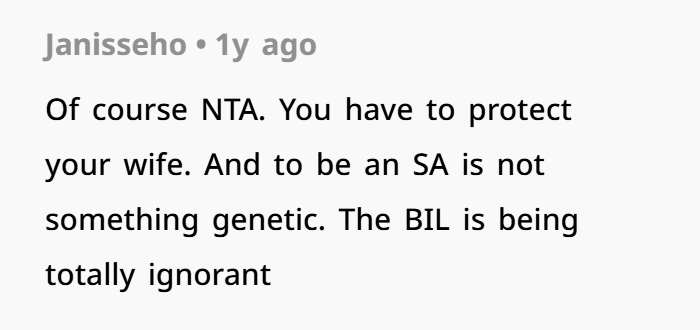
The comments deeply hurt the couple. The father felt angry because he believed his children were being unfairly judged for something they had no connection to. He also felt that his wife was being blamed for the actions of someone who caused her harm.
After the incident, he decided that his sister and brother-in-law should not attend their Thanksgiving celebration. Instead, he planned to celebrate separately if the family could not move forward peacefully. His sister became upset and felt that her children were being affected by the decision.
The situation raised questions about family boundaries, respect, and supporting loved ones after trauma. It shows how important it is to be careful with sensitive topics and to avoid making unfair assumptions about people based on someone else’s actions. Healthy family relationships require empathy, understanding, and respect for everyone involved.
A man shared how his brother-in-law made shocking remarks about his young sons, leaving his pregnant wife deeply distressed
Protecting Your Family When Past Trauma Affects Family Relationships
Family relationships can become very complicated when painful history, strong emotions, and children are involved.
Sometimes, a person’s past experiences can affect how they see situations in the present. But it is important to remember that children should not be judged because of something another person did.
Every child deserves to be seen as their own person.
This situation brings up important topics like family boundaries, parenting choices, emotional wellbeing, childhood trauma, and healthy family relationships.
Children Should Not Be Blamed for Someone Else’s Actions
One of the biggest problems in this situation is the idea that children can somehow be responsible for the actions of another family member.
A child’s personality, behavior, and future are shaped by many things, including:
- Parenting
- Environment
- Support systems
- Personal choices
- Life experiences
A family history alone does not decide who a child will become.
It is unfair to look at innocent children and assume they will repeat someone else’s harmful behavior.
Children should be judged by their own actions, not by the mistakes or actions of relatives.
Understanding Family Trauma
The situation also involves a painful family history.
When someone has experienced childhood trauma, especially from a trusted family member, it can have a lasting emotional impact.
Healing from trauma can take time.
People who have experienced difficult situations may become more protective of their own children. That reaction is understandable.
However, protecting children should not mean assuming every child is a danger because of family history.
A person’s trauma deserves compassion, but it should not be used to unfairly label others.
Why Those Comments Were Hurtful
Comments suggesting that children may inherit harmful behavior can be extremely painful.
They can make parents feel like their children are being judged before they have done anything wrong.
They can also make someone feel blamed for something they had no control over.
A parent who shares personal family history is usually looking for understanding and support, not criticism.
Sensitive family experiences should be handled with care and respect.
Protecting Your Children’s Emotional Safety
Parents have a responsibility to protect their children.
That includes protecting them from situations where they may feel unwanted, judged, or constantly criticized.
Children who are energetic, playful, or active are not automatically “bad” children.
Kids often have lots of energy. They play, make mistakes, and learn as they grow.
It is important for adults to guide children without unfair labels.
A child should be corrected for specific behavior, not judged because of assumptions about who they might become.
Was It Reasonable to Set a Family Boundary?
Deciding who attends a family gathering can be difficult.
Some people may believe every family member should always be included.
Others believe it is okay to create distance when someone’s words or behavior cause emotional harm.
In this situation, the decision was based on protecting the family’s emotional wellbeing.
The comment caused significant pain, especially for the person who had already experienced trauma.
Setting a boundary does not always mean ending a relationship forever.
Sometimes it means saying:
“We need space until this situation can be handled respectfully.”
Why Family Gatherings Can Become Difficult
Holiday events and family celebrations often bring people together, but they can also bring unresolved problems to the surface.
Family members may have different beliefs about:
- Parenting
- Children’s behavior
- Personal boundaries
- Past experiences
- Family responsibilities
When disagreements happen, respectful communication becomes very important.
Everyone deserves to feel safe and respected during family gatherings.
Finding a Way Forward
If the family wants to repair the relationship, a calm conversation may help.
Possible steps could include:
Acknowledge the Hurt
The person who made the comment should understand why it caused pain.
Recognizing harm is often the first step toward rebuilding trust.
Set Clear Expectations
The family can discuss what behavior is acceptable moving forward.
For example:
- No judging children based on family history
- No hurtful comments about personal trauma
- Respectful communication during family events
Take Time Before Reconnecting
Sometimes people need space before they can have productive conversations.
A pause can allow emotions to settle and create room for a healthier discussion.
Protect Children From Adult Conflict
Children should not be placed in the middle of family disagreements.
Adults should handle difficult conversations privately and make sure children feel loved and supported.
Supporting a Partner Through Past Trauma
When someone has experienced painful events in the past, support from their partner can make a big difference.
Helpful actions include:
- Listening without judgment
- Respecting emotional boundaries
- Encouraging professional support if needed
- Creating a safe home environment
A strong relationship means standing together during difficult moments.
Final Thoughts
Family relationships can be challenging when old trauma and new conflicts come together.
However, children should not carry the weight of someone else’s actions.
Healthy families are built on respect, understanding, and compassion.
Setting boundaries with relatives does not mean you do not care about them.
Sometimes boundaries are necessary to protect your children, your partner, and the emotional health of your family.
He went on to explain that he now plans to keep his children away from his brother-in-law for good