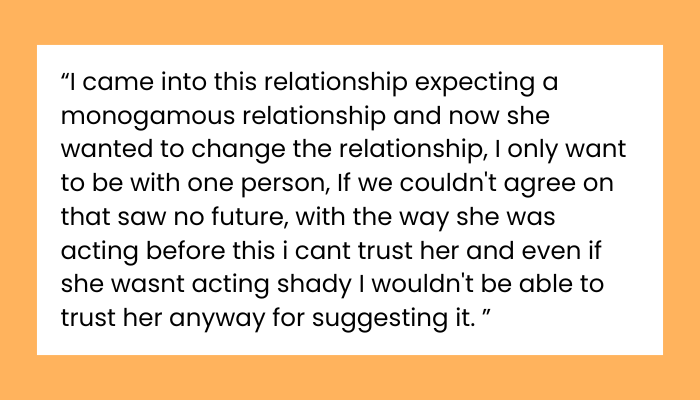
Should I Take My Depressed Wife Back After She Left Me? My Struggle and Realization

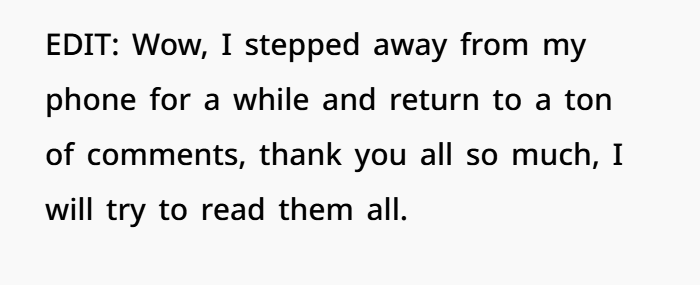
This story is about a husband who is trying to make a difficult decision after years of problems in his marriage. He has been married to his wife, Denise, for seven years. Before marriage, they dated for two years, and he believed they had a happy and strong relationship.
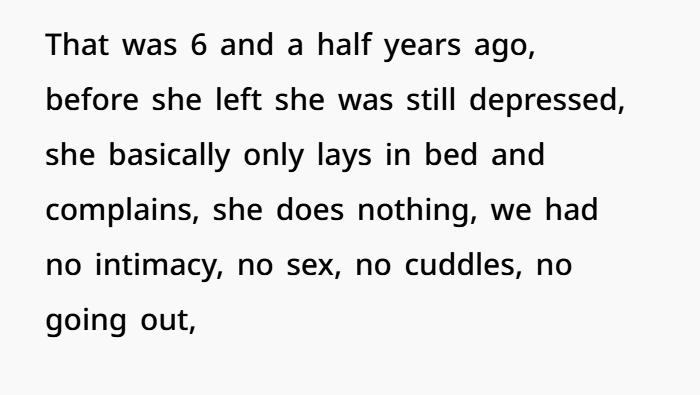
After they got married, things started to change. Denise began struggling with depression, and her mental health challenges became a major part of their relationship. For years, he tried to support her while also managing many responsibilities at home, including cooking, cleaning, and helping her through difficult times. Over time, he felt emotionally and physically exhausted.
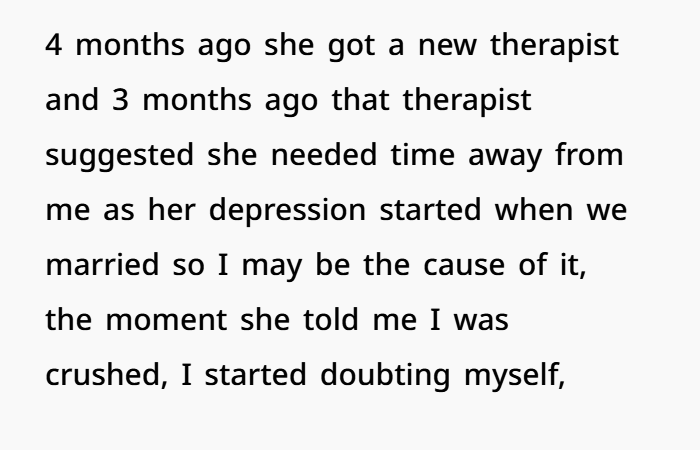
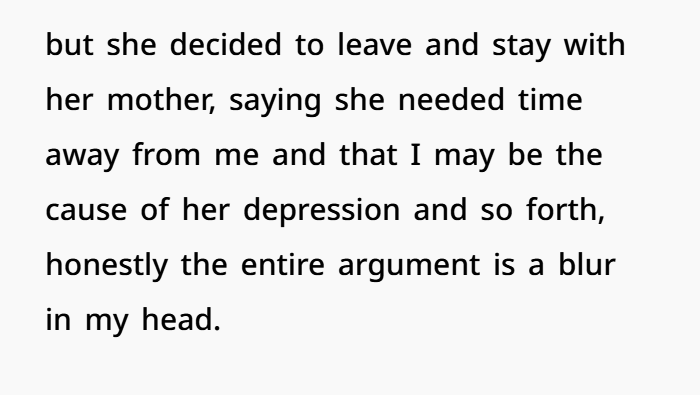
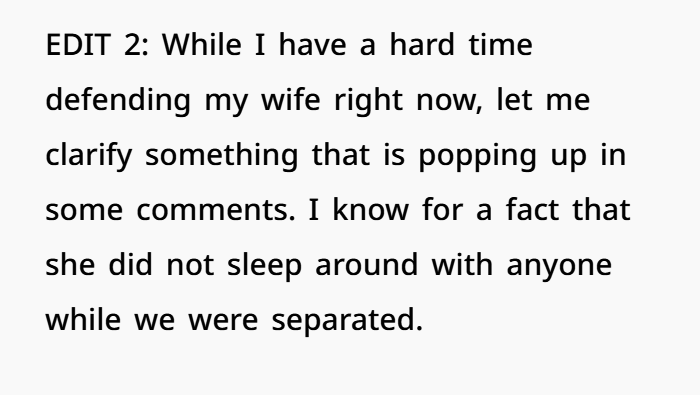
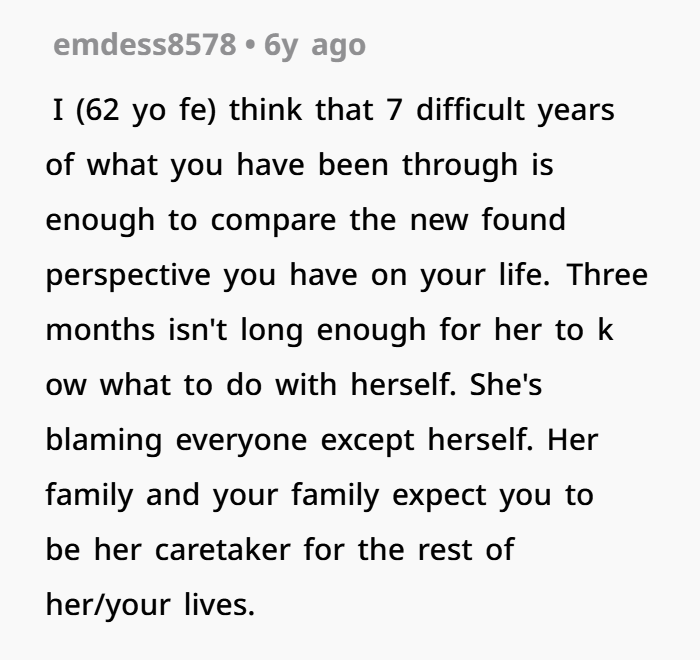
Three months ago, Denise decided to leave the marriage. She said that therapy helped her realize she needed space and that she felt the relationship was affecting her healing. He tried hard to save the marriage, but eventually he started accepting the situation and focusing on himself.
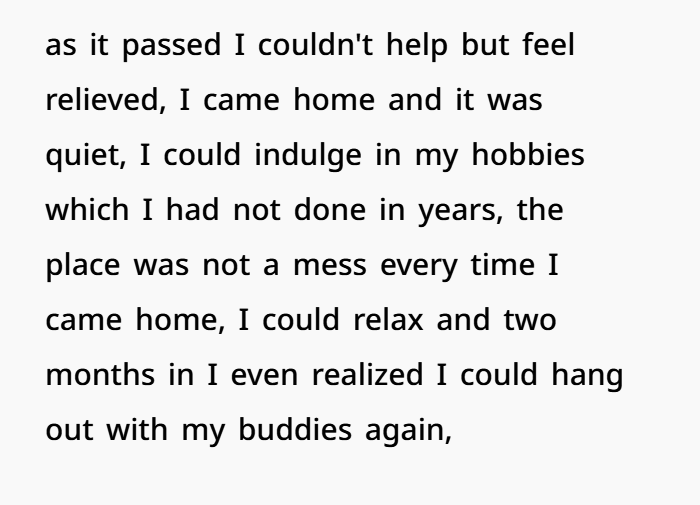
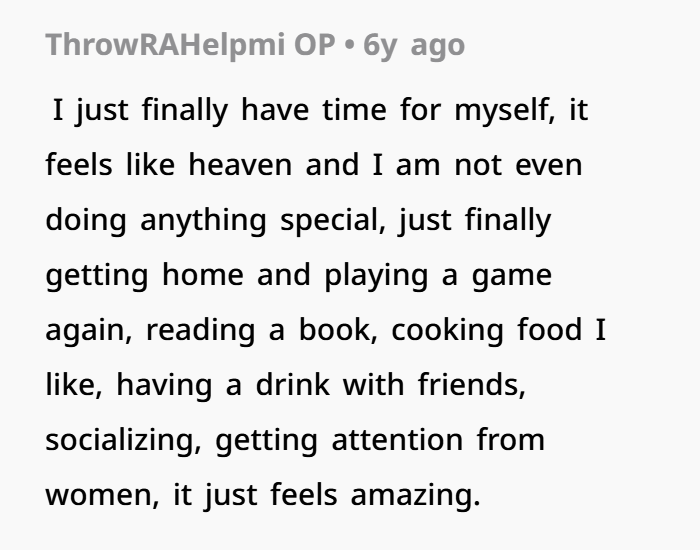
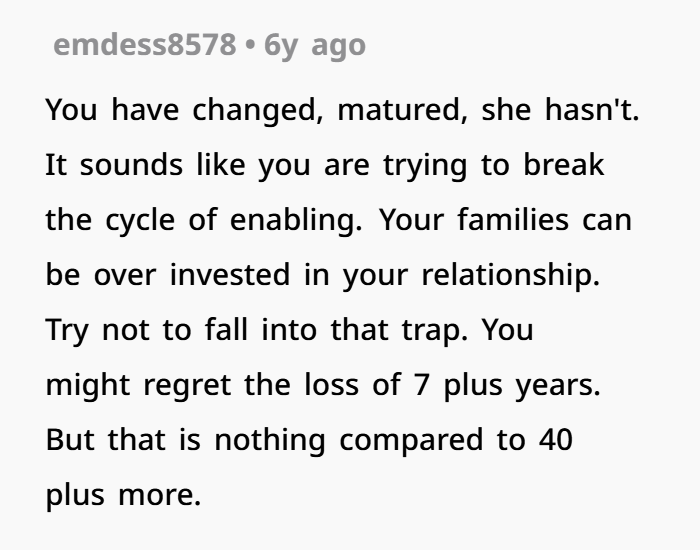
After the separation, he began rebuilding his own life. He returned to hobbies he enjoyed, spent more time with friends, and started feeling happier and more independent. He realized how much stress he had been carrying for a long time.
Now Denise wants to return. She has apologized, expressed regret, and said she made a mistake. However, he no longer feels ready to go back to the same relationship. He feels conflicted because he cares about her struggles, but he also remembers how unhappy and exhausted he felt.
His family believes he should give the marriage another chance, but he feels that moving forward may be the healthier choice for him. Situations involving marriage problems, mental health, and separation can be very difficult. Making decisions about the future often requires honesty, self-reflection, and understanding what is best for both people.
Yet, after some time, she came back to him with an interesting request


When a Marriage Becomes One-Sided: Understanding Love, Care, and Personal Boundaries
Marriage can be challenging, especially when one partner is dealing with serious mental health struggles.
When someone you love is experiencing depression, it can affect many parts of a relationship, including communication, daily responsibilities, emotional connection, and intimacy.
Supporting a partner through difficult times is important. But it is also important to recognize when a relationship becomes unhealthy for one or both people.
This story is about marriage struggles, emotional exhaustion, personal boundaries, and making difficult choices.
Years of Trying to Make the Marriage Work
From the beginning of my marriage, Denise’s depression was always part of our daily life.
I tried my best to support her.
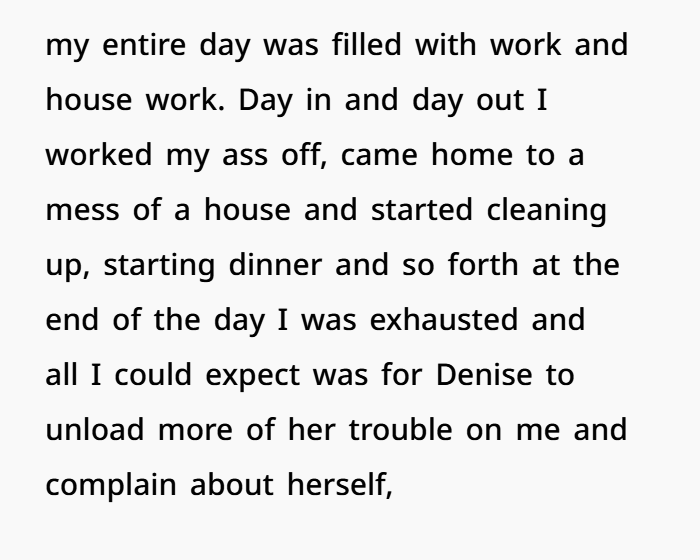
I wanted to be a caring husband, so I took on many responsibilities at home. I worked full-time, handled household tasks, cooked, cleaned, and tried to keep everything running.
I understood that depression can make everyday activities difficult, and I did not blame her for struggling.
But over time, the relationship started to feel unbalanced.
I felt like I was doing everything alone.
Losing the Emotional Connection
As the years passed, our marriage changed.
The emotional connection between us became weaker.
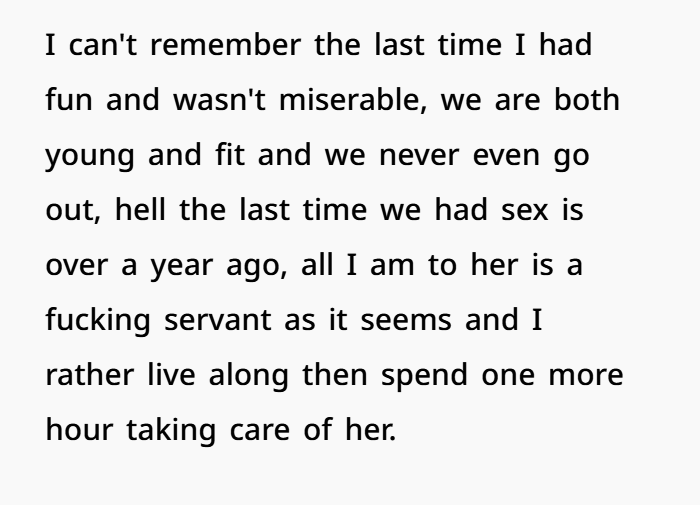
There was less affection, less quality time together, and almost no romantic connection.
It started to feel like we were living separate lives while sharing the same home.
I wanted to feel like a husband and partner, but instead, I often felt like a caregiver.
I cared about Denise, but I also started feeling lonely.
Feeling Exhausted and Forgotten
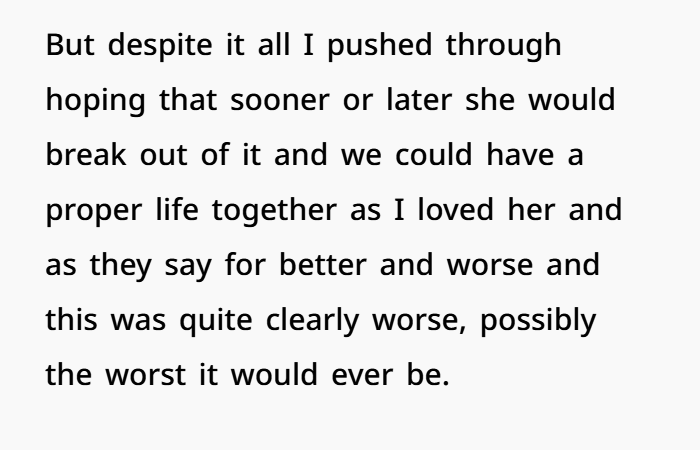
I tried to continue supporting her because I believed things would improve.
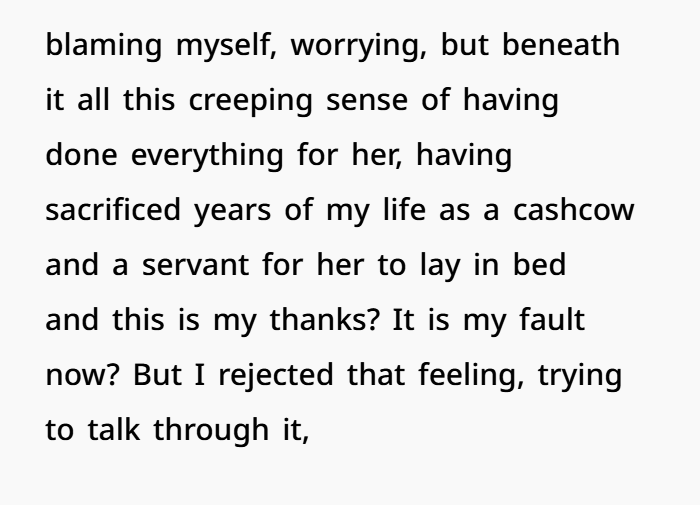
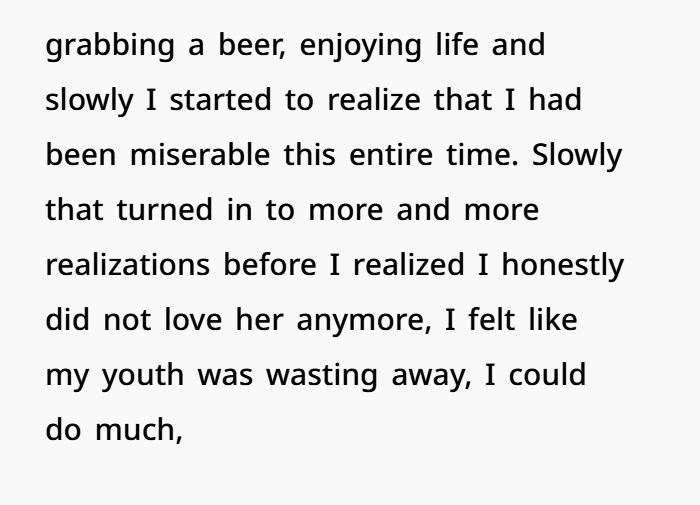
But slowly, I began losing myself.
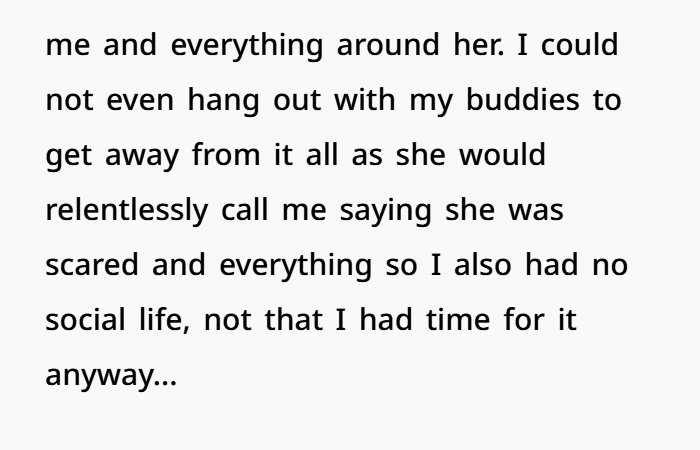
Even simple things, like spending time with friends, became difficult. Denise often felt anxious when I was away, and I felt responsible for managing her emotions.
Over time, I became emotionally exhausted.
I started feeling like my own needs did not matter.
I no longer felt appreciated, loved, or valued in the relationship.
Trying to Communicate
I tried talking to Denise about how I felt.
I wanted us to understand each other and find a solution.
But many conversations ended with her saying she was sorry and that she was struggling.
I knew depression was not something she chose.
However, I also felt hurt because my feelings and needs were not improving.
A healthy marriage requires both partners to feel heard and supported.
When the Marriage Started Ending
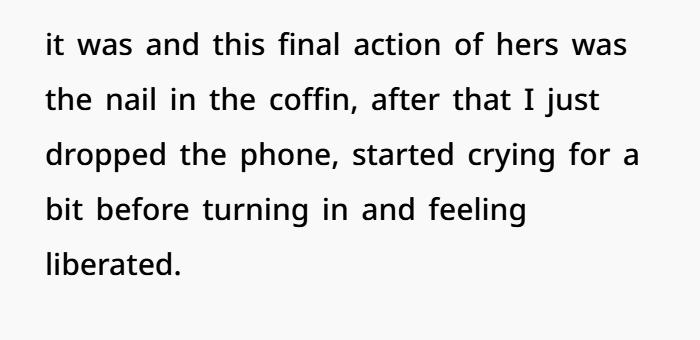
Eventually, Denise left.
At first, I felt shocked and confused.
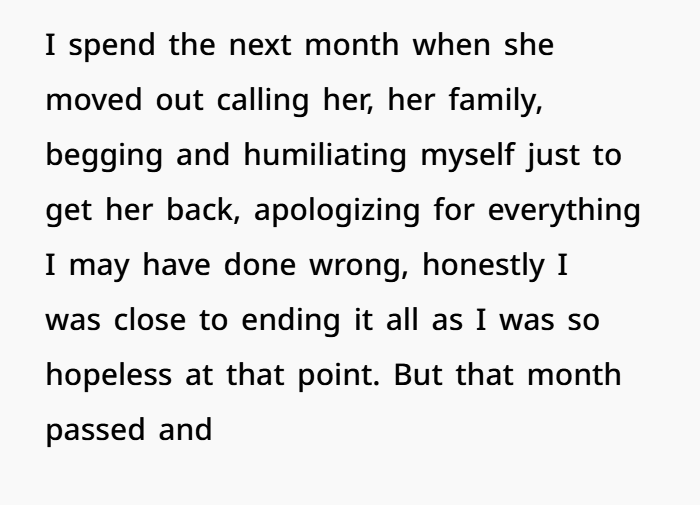
I spent weeks trying to understand what happened. I called her, apologized, and wondered what I could have done differently.
Part of me wanted to fix everything.
But with time, I started seeing the situation more clearly.
I realized that my unhappiness was not caused by one single mistake.
It came from years of feeling emotionally drained and disconnected.
Finding Myself Again
After some time apart, I started reconnecting with who I was before the marriage problems.
I spent time with friends.
I enjoyed hobbies again.
I started remembering the person I used to be.
For years, I had focused so much on taking care of someone else that I had forgotten to take care of myself.
That realization helped me understand how unhappy I had become.
The Difficult Decision
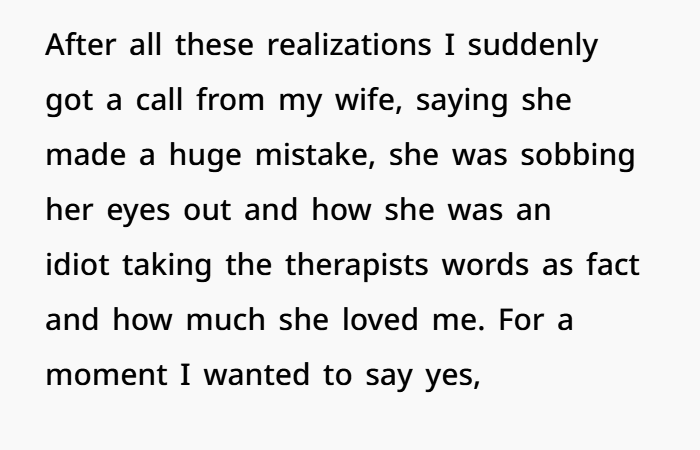
Later, Denise called me.
She was emotional and wanted to repair the marriage. She apologized and said she wanted another chance.
For a moment, I considered trying again.
I wondered if we could rebuild our relationship.
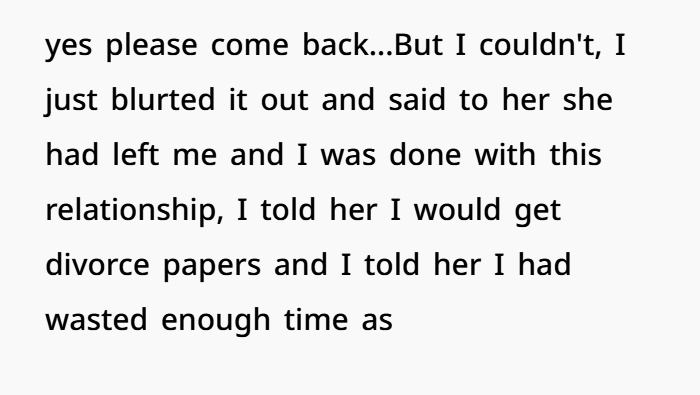
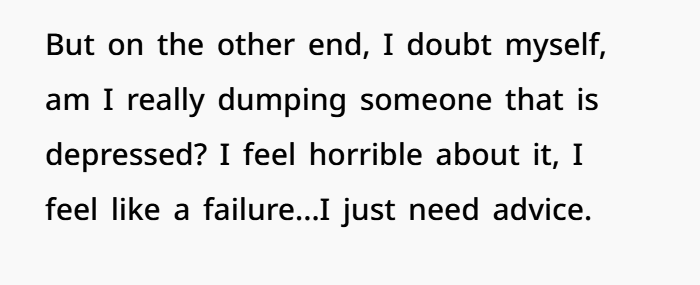
But after thinking carefully, I realized I was afraid of returning to the same situation.
I did not want to go back to feeling emotionally exhausted and ignoring my own needs.
Making that decision was painful.
Dealing With Guilt and Family Opinions
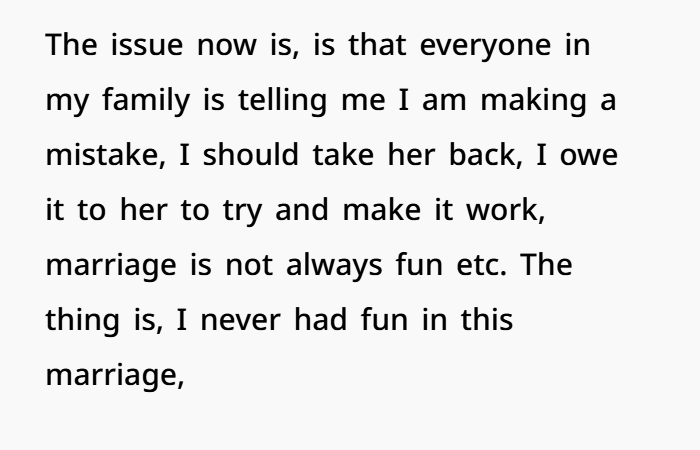
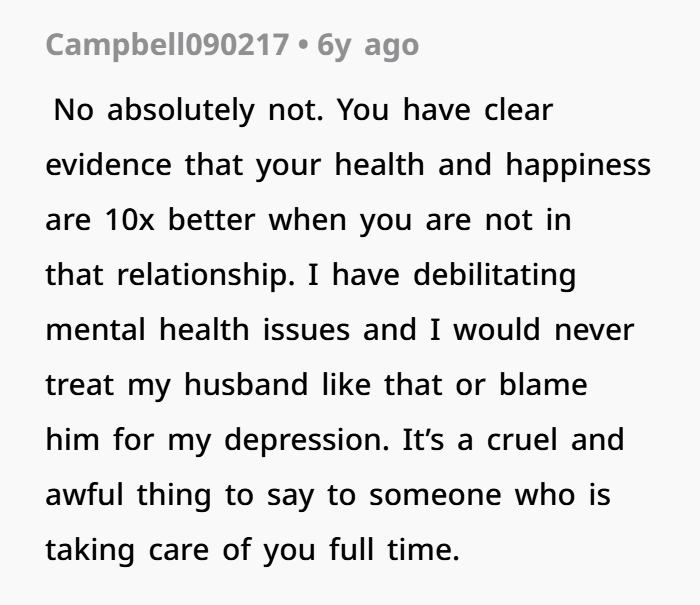
My family believes I should give the marriage another chance.
They say marriage requires commitment and that Denise needs support because she is struggling with depression.
I understand their point.
Depression is a serious mental health condition, and people who experience it deserve compassion and support.
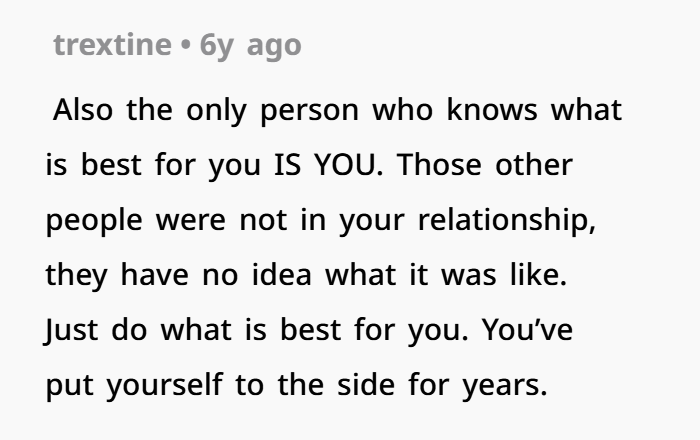
But I also believe that a relationship should not require one person to completely lose themselves.
Supporting a partner does not mean ignoring your own emotional health.
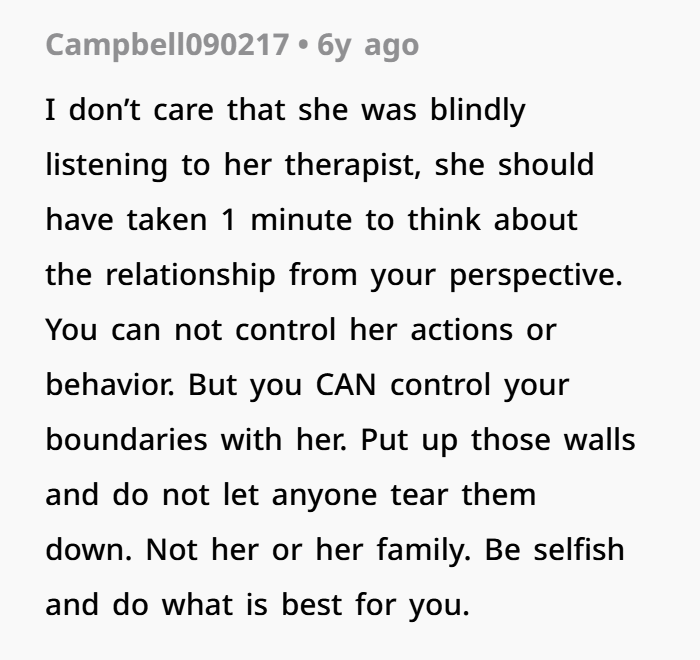
The Importance of Personal Boundaries
Many people struggle with the idea of leaving a relationship when their partner is going through a difficult time.
They may feel guilty.
They may wonder if they are being selfish.
But relationships need balance.
A person can care deeply about their partner while also recognizing their own limits.
A spouse is a partner, not a replacement for professional mental health support.
In many situations, counseling, therapy, and outside support can help both people manage difficult emotions and relationship challenges.
“When she was gone, for a while, I actually felt happy,” the husband admitted guiltily
Final Thoughts
Ending a marriage is never an easy decision.
It becomes even harder when mental health challenges are involved.
Depression can affect relationships, but it does not mean one person should ignore their own happiness and emotional well-being forever.
A healthy relationship requires love, respect, communication, and support from both partners.
Sometimes choosing yourself does not mean you do not care about another person.
Sometimes it means accepting that a relationship has reached a point where both people need a different path.
Moving forward can be painful, but it can also be the beginning of healing and personal growth.