My Future MIL Secretly Invited 12 People to Our Wedding—Then Paid for Only ONE!

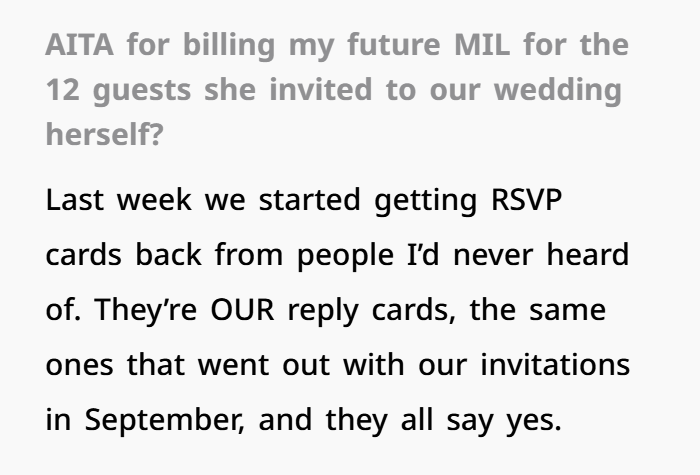
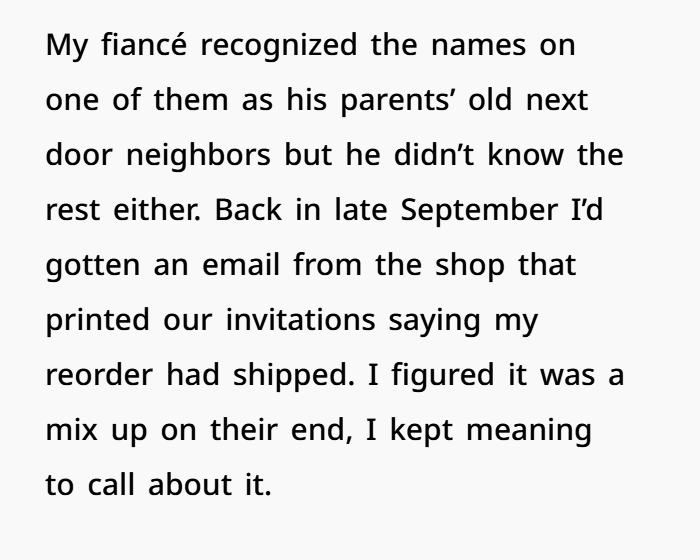
Wedding planning can be expensive, especially when you are paying for everything yourself. One bride found herself in a difficult situation after receiving RSVP cards from people she had never invited. She was confused because she and her fiancé had already made their final guest list. When she showed him the names, he recognized a few people who knew his family. It turned out that his mother had ordered extra wedding invitations without asking the couple. She had then mailed them to people she wanted at the wedding.
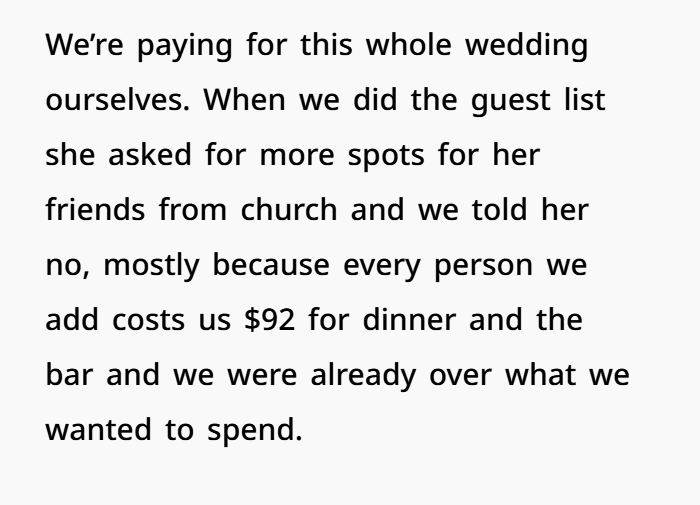
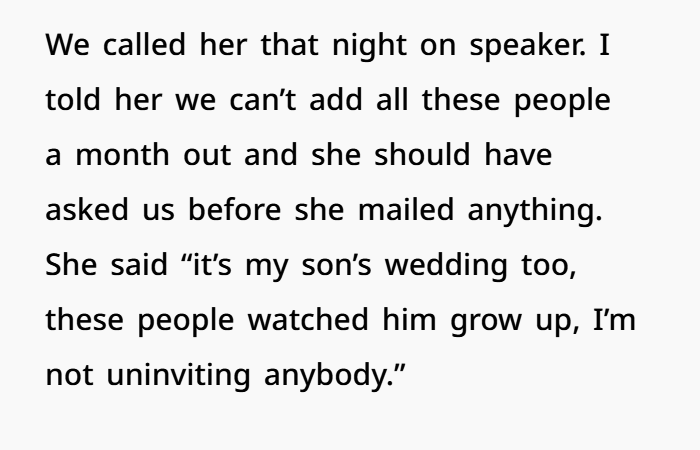
The bride and groom had been trying to manage their wedding expenses carefully. Their venue charged $92 per person for dinner and drinks, and they were already over their planned budget. The groom’s mother had previously asked if she could invite some church friends, but the couple explained that they could not afford more guests. She did not accept their answer. Because she had joined them when they chose their wedding stationery, the printing company knew who she was. The staff let her order more invitations and pay with her own credit card. When the couple found out, she said it was her son’s wedding too and that her friends had watched him grow up.
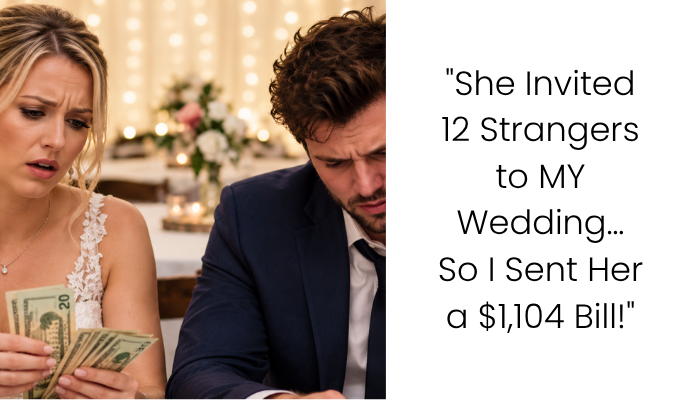
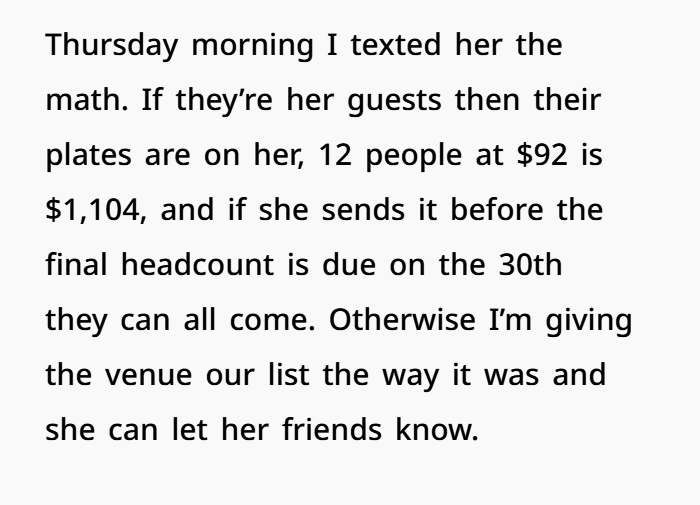
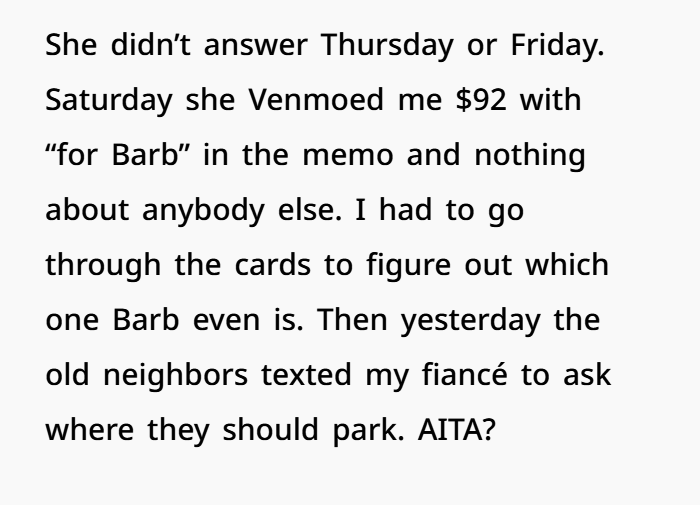
The bride did not think it was fair to pay for 12 extra guests. She calculated the additional wedding catering expenses and found that the total would be $1,104. Instead of changing her wedding budget, she sent her future mother-in-law a bill. She told her that the extra guests could attend if she paid the full amount before the venue’s final headcount deadline. Otherwise, the couple would keep their original guest list. After two days, the mother-in-law sent just $92 using Venmo. She wrote that the money was for Barb, one of the people she had invited.
Now the bride is dealing with another problem. The people who received the extra invitations believe they are welcome at the wedding. Some have already started planning their visit, and the groom’s former neighbors even asked about parking. The bride does not want to upset people who did nothing wrong, but she also wants to protect the money they have saved for their wedding. With the event planning deadline getting closer, she needs to make a decision. Should she allow the extra guests to attend, or should her future mother-in-law explain why their invitations were sent without permission?


Mother-in-Law Secretly Invites 12 Extra Wedding Guests, Leaving Couple With a $1,104 Bill
Weddings are supposed to be happy family celebrations. But planning one can become stressful when relatives start making decisions without asking.
That’s what happened to one bride and groom who were already struggling to stay within their wedding budget.
The couple was paying for everything themselves. They had carefully planned their guest list and knew they couldn’t afford to invite more people.
But the groom’s mother had other plans.
After the couple refused her request to add more guests, she secretly ordered matching wedding invitations and sent them to 12 people.
Now the couple is facing a possible $1,104 increase in wedding costs.
And the bride is wondering why she should have to pay for guests she never invited.
Why the Couple Refused to Invite More Guests
The couple had a simple reason for keeping their wedding guest list small.
They couldn’t afford more people.
Their wedding was already over budget, and every additional guest would cost $92.
That amount covered the per-person expense they had been quoted.
Adding 12 guests would mean spending another $1,104, even before any possible extra charges.
For a couple paying for their own wedding, that’s not a small amount.
Wedding planning comes with many expenses, including venue rental, catering services, decorations, photography, and transportation.
Even a carefully planned wedding budget can become difficult to manage when unexpected costs appear.
The couple had already explained this to the groom’s mother.
She knew they weren’t accepting more guests.
But instead of respecting their decision, she sent invitations anyway.
The Mother-in-Law Wanted Her Own Guests at the Wedding
The groom’s mother reportedly felt that she should have some control over the guest list because it was her son’s wedding too.
She wanted certain people, including longtime family friends, to attend.
It’s easy to understand why a parent might feel strongly about a child’s wedding.
They may want to celebrate with people who have known the family for years.
But there’s a difference between suggesting someone be invited and sending invitations without permission.
The bride and groom had already made their decision.
They were also the ones responsible for paying the wedding expenses.
By mailing invitations without telling them, the mother-in-law created a problem that the couple now has to solve.
Why Wedding Guest Lists Affect the Entire Budget
A wedding guest list isn’t just a list of names.
It affects almost every part of wedding planning.
Catering companies need to know how many meals to prepare.
Wedding venues need enough tables, chairs, and space for everyone.
Couples also have to plan seating arrangements and confirm their final guest count before the event.
Some wedding venue contracts include extra fees for last-minute changes.
That means adding guests isn’t always as simple as putting a few more chairs around a table.
In this case, the couple’s expected additional expense was clear.
| Expense | Amount |
|---|---|
| Cost per wedding guest | $92 |
| Additional guests | 12 |
| Total extra cost | $1,104 |
And if the venue charges for extra services, the final amount could be higher.
The bride and groom had already made their financial plans based on the original guest list.
The extra invitations put those plans at risk.
Why Family Boundaries Can Become Difficult During Weddings
Weddings often bring changes to family relationships.
Before marriage, parents may be used to helping their children make important decisions.
But when two adults get married, they begin building a life together.
That means making their own choices about money, family events, and personal responsibilities.
Psychiatrist Murray Bowen studied how family relationships can influence people’s behavior.
His work suggests that major life changes can bring tension when family members have different expectations.
A wedding is a good example.
Parents may feel deeply involved in the celebration, while the couple wants to make their own decisions.
Neither feeling is unusual.
The problem starts when someone ignores a boundary that has already been clearly explained.
Here, the couple had said they couldn’t afford more guests.
The mother-in-law knew that but decided to send invitations anyway.
Why Some People Push Back After Being Told No
There’s another reason family disagreements can become complicated.
Sometimes, people react strongly when they feel they are losing control over a decision.
Psychologist Jack Brehm described this idea through something called psychological reactance.
In everyday language, it means that being told no can sometimes make a person more determined to get what they want.
The mother-in-law may have felt disappointed when the couple refused her request.
She may have believed her preferred guests deserved to be included.
But nobody can know her exact reasons without hearing her explanation.
What is clear is that she went ahead with the invitations after the couple had already refused.
Her decision created both a financial problem and an uncomfortable family situation.
Should the Mother-in-Law Pay for the Extra Guests?
The bride believes the mother-in-law should pay for the people she invited.
Her argument is easy to understand.
The couple didn’t approve the extra invitations.
They also didn’t agree to spend another $1,104.
So why should they be responsible for the additional wedding costs?
As a practical solution, asking the mother-in-law to cover the expense seems reasonable.
If she pays and the wedding venue can accommodate the guests, everyone may still be able to attend.
However, there is an important difference between asking someone to pay and having a legal right to collect money from them.
Under general U.S. contract principles, one person usually cannot create a binding financial obligation for another person without permission or legal authority.
The mother-in-law sending invitations doesn’t automatically mean the couple agreed to pay for those guests.
But sending her a bill also doesn’t automatically mean she legally owes the money.
Any legal responsibility would depend on the circumstances, agreements, and applicable laws.
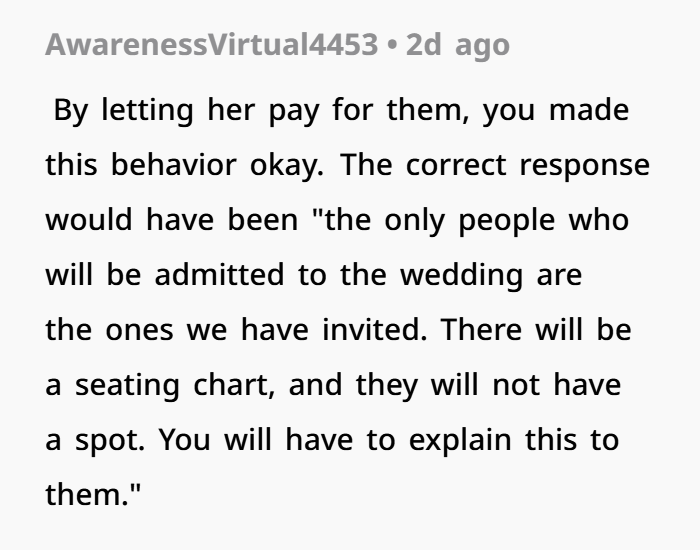
For now, the couple’s most practical option may be to keep the original guest count unless the extra costs are covered.
The $92 Venmo Payment Created Another Problem
The situation became more confusing when the mother-in-law sent the bride $92 through Venmo.
She included the note “for Barb.”
That payment covered the cost of one additional guest.
But what about the other 11 people?
The payment may suggest that the mother-in-law was willing to cover Barb’s cost without paying for everyone else.
However, that is only one possible explanation.
The couple still has to decide what to do about the remaining guests.
Should Barb be included because her cost was covered?
Should the other 11 people be told they cannot attend?
These are difficult questions, especially because the guests may have no idea that anything is wrong.
The Extra Guests May Have Already Made Plans
One of the most uncomfortable parts of this story is that the invited guests may be completely unaware of the disagreement.
They received wedding invitations that looked official.
The invitations even included RSVP cards.
From their point of view, they were invited to celebrate with the couple.
Some may have already purchased outfits or arranged transportation.
Others might have booked hotel rooms or planned time away from work.
The story mentions former neighbors asking about parking arrangements.
That suggests at least some of the guests were already preparing for the wedding.
Imagine traveling to a wedding only to discover that your invitation was never approved.
It would be disappointing and embarrassing.
And the guests may have done nothing wrong.
They simply trusted the invitations they received.
What Should the Couple Do About the Uninvited Guests?
The couple has two main options.
They can allow the additional guests to attend if the venue has space and the extra costs are covered.
Or they can keep their original guest list and explain the mistake to the people who received unauthorized invitations.
Neither option is perfect.
Allowing everyone to attend could protect the guests from embarrassment, but it may put more financial pressure on the couple.
Refusing the extra guests would protect the wedding budget, but it could disappoint people who believed they were invited.
The best approach may be to make a decision quickly.
If the mother-in-law won’t pay and the couple cannot afford the extra cost, the guests should be contacted before they spend more money on travel or hotel bookings.
A polite explanation could help avoid confusion on the wedding day.
Why the Groom Should Speak With His Mother
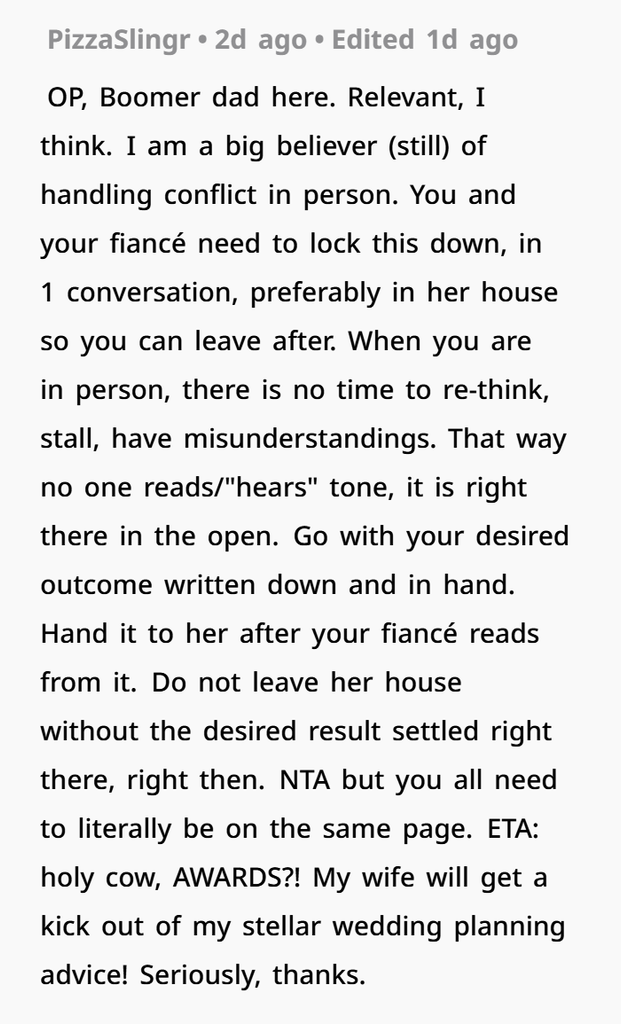
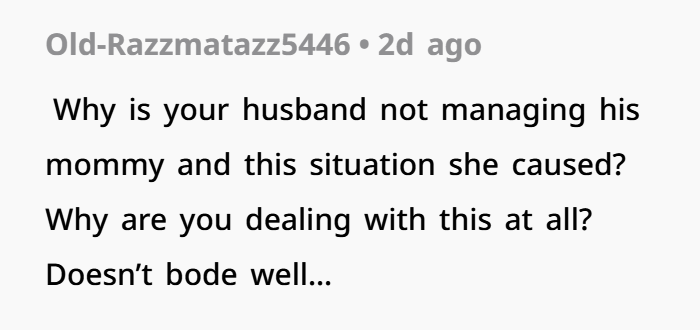
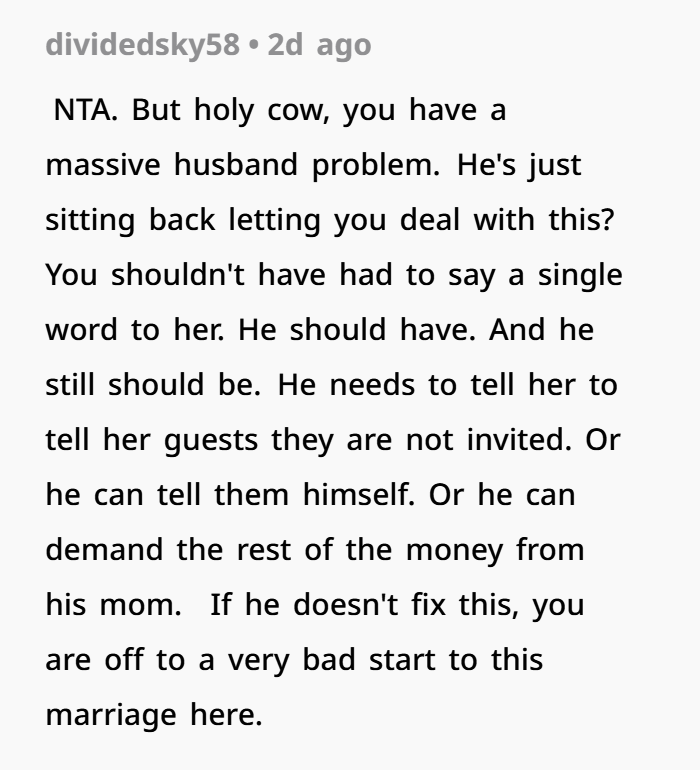
The bride shouldn’t have to handle this situation by herself.
The disagreement involves the groom’s mother, so he should help resolve it.
The couple can first agree on what they want to do.
Then the groom can explain their decision to his mother.
He doesn’t need to start an argument.
He can simply explain that they have a fixed wedding budget and cannot accept additional guests without approval.
If the extra invitations need to be canceled, he should also help contact the people who received them.
Working together is important.
Marriage involves shared decisions, especially when money and family relationships are involved.
The bride and groom should feel like they are on the same team.
Why Checking the Wedding Venue Contract Matters
Before making a final decision, the couple should review their wedding venue contract.
Many venues require a final guest count several days or weeks before the wedding.
Catering companies use that number to prepare meals and organize staff.
Once the deadline passes, adding guests may be difficult.
Some venues may charge additional fees, while others may not have enough space.
That’s why couples should understand their wedding payment schedule and guest count requirements.
It also helps to keep written records of important wedding arrangements.
Knowing exactly what the venue allows can make it easier to decide whether adding guests is even possible.
In this case, the couple may not have the option of adding 12 people, even if the mother-in-law offers to pay.
Is the Bride Wrong for Refusing to Cover the Cost?
Based on the details shared, the bride has a reasonable reason to be upset.
She and her fiancé were paying for the wedding themselves.
They had already explained their financial limits.
The mother-in-law knew they couldn’t afford more guests but sent invitations anyway.
The bride isn’t simply trying to exclude people.
She’s trying to avoid an expense she never agreed to.
For many couples, $1,104 could go toward savings, household expenses, or other important financial goals.
Spending that money unexpectedly could affect their plans after the wedding.
Still, the couple should remember that the invited guests may not know about the disagreement.
Handling the situation politely and early could prevent more problems.
Could This Disagreement Affect Future Family Relationships?
The wedding will eventually be over, but the family relationship will continue.
That’s why this situation matters beyond the extra bill.
If the mother-in-law understands why her actions caused problems, the family may be able to move forward.
An apology and an agreement about future boundaries could help rebuild trust.
But if she continues ignoring the couple’s decisions, similar disagreements could happen later.
Family visits, holiday plans, household spending, and other personal choices can also create tension when boundaries aren’t respected.
The couple doesn’t need to turn this into a lasting family conflict.
They simply need to make their expectations clear.
And the mother-in-law needs to understand that being part of the family doesn’t mean making decisions for the couple without asking.
Final Thoughts
This wedding disagreement may have started with 12 extra invitations, but the real issue is much bigger than a $1,104 bill.
The bride and groom had already decided how many guests they could afford.
The mother-in-law wanted more people to attend and sent invitations without permission.
Now the couple is left dealing with the cost and the confusion.
Asking her to cover the additional expense is a reasonable option.
But if she refuses, the couple may need to keep their original guest list and contact the extra guests before the wedding.
The most important thing is for the bride and groom to make the decision together.
Family members can offer suggestions and share their excitement, but the couple should have the final say over their wedding plans and budget.
After all, a wedding should be about celebrating a new marriage, not creating unexpected financial pressure.
What would you do if your future mother-in-law secretly invited 12 extra wedding guests? Would you ask her to pay, or would you tell the guests they couldn’t attend?
See The Comments Below