My Wife Falsely Accused Me of Hurting Our Daughter

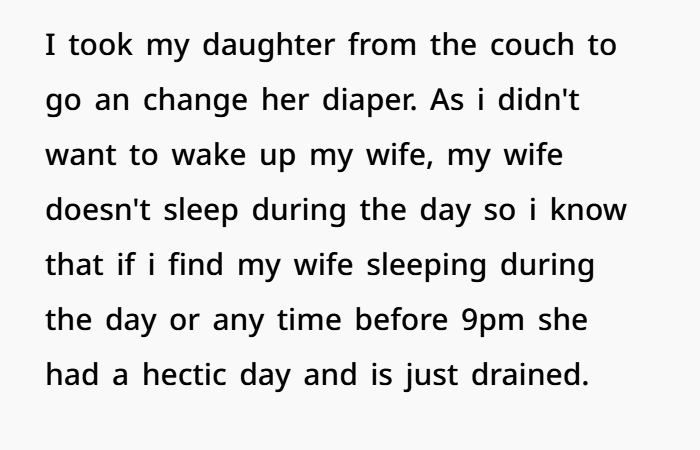
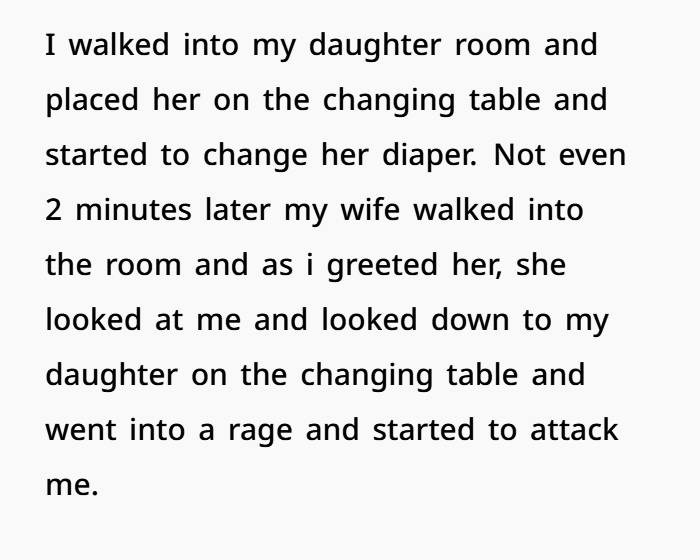
One father says his life changed completely in just a few minutes after a serious family misunderstanding. He came home from work and wanted to help his tired wife by quietly changing his 6-month-old daughter’s diaper while everyone rested. However, the situation quickly became stressful when his wife woke up, saw what was happening, and became very concerned about their baby’s safety.
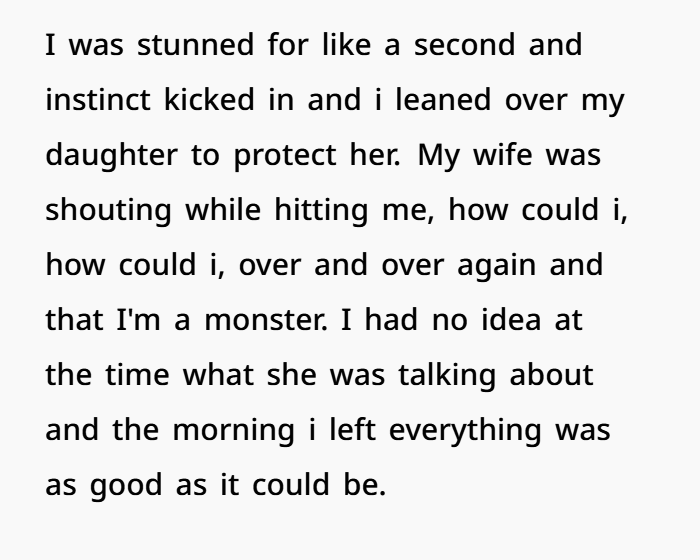
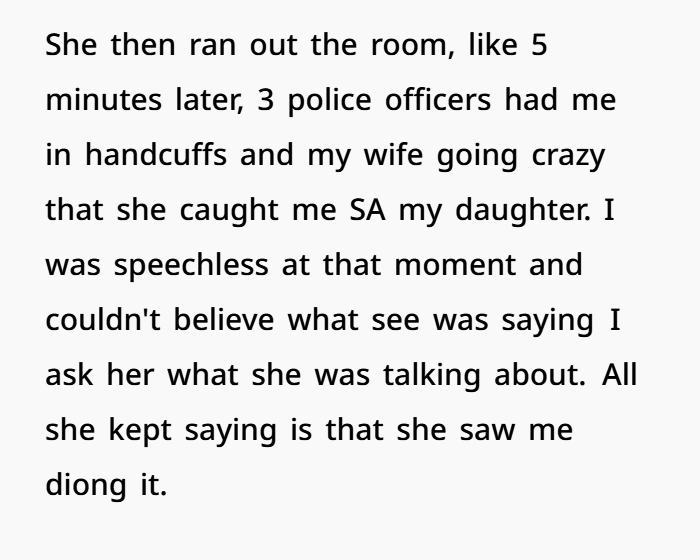
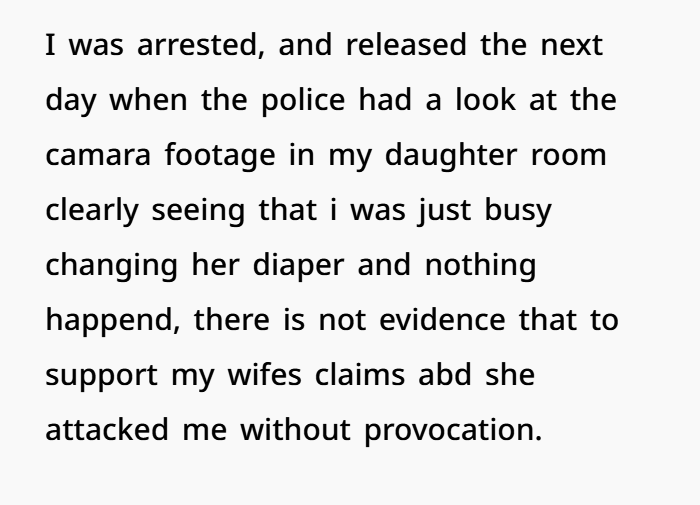
The disagreement became serious when the police were called after the mother’s concerns. The father says he was shocked and deeply hurt by the accusations. He explained that security camera footage from the nursery later showed that he was only taking care of his baby, and after reviewing the footage, authorities allowed him to leave. The experience left him feeling emotionally damaged and unable to move forward as if nothing happened.
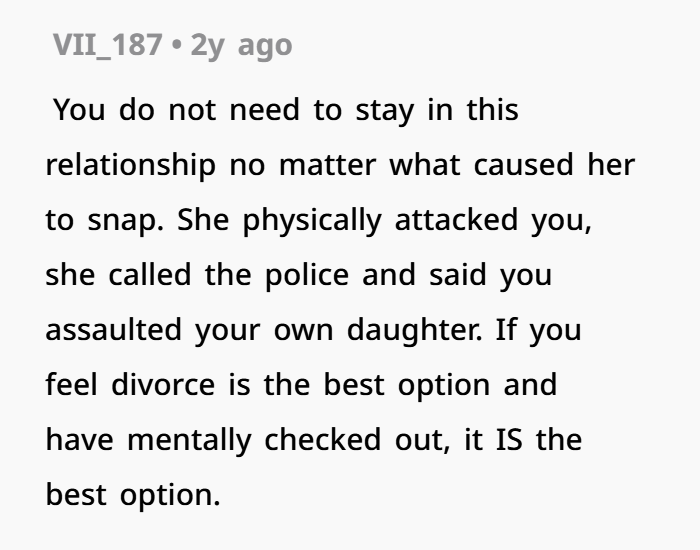
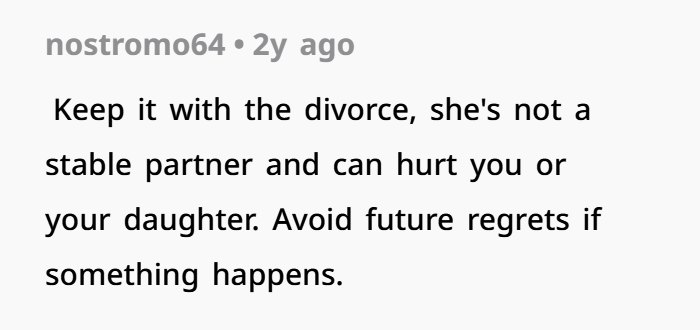
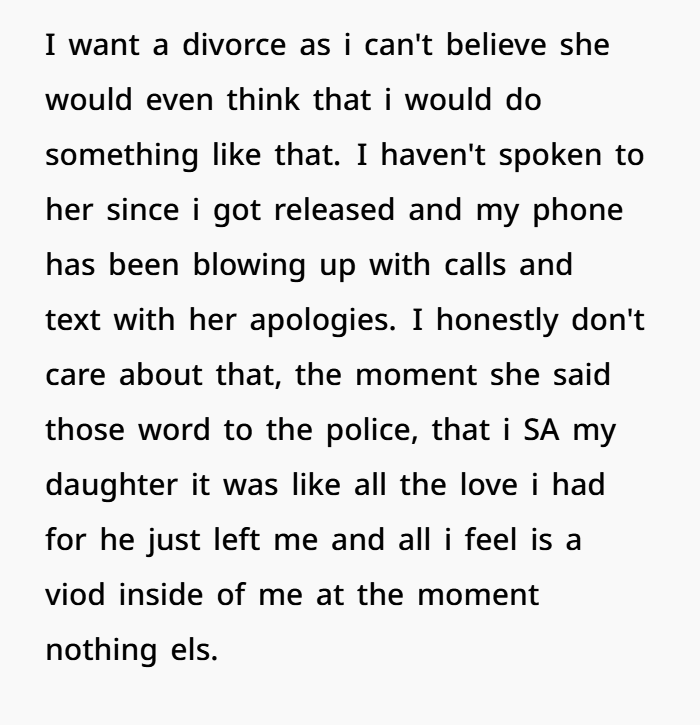
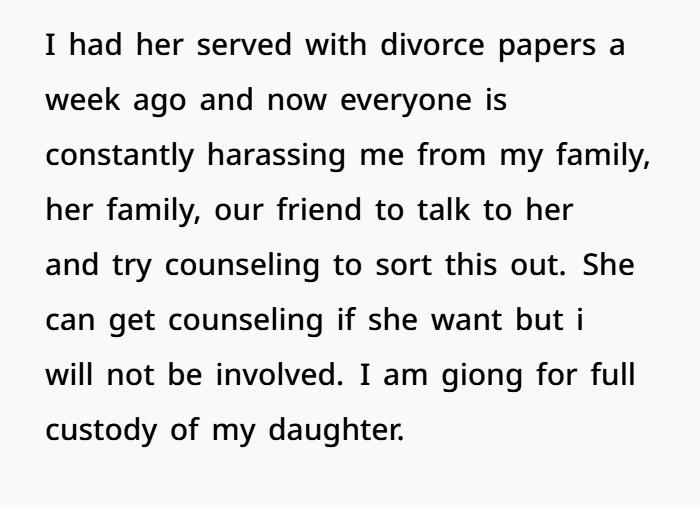
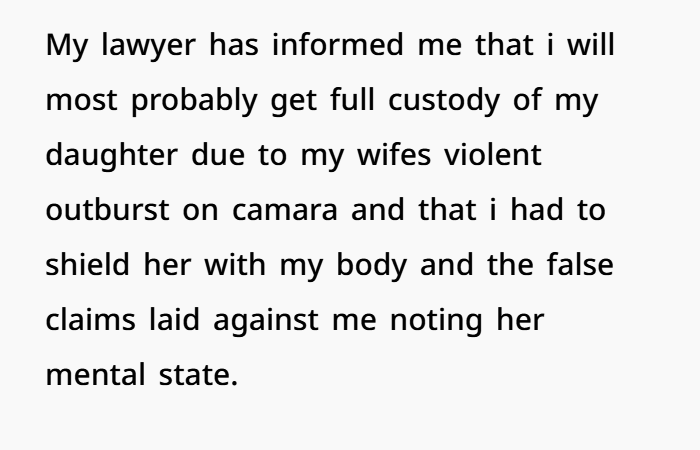
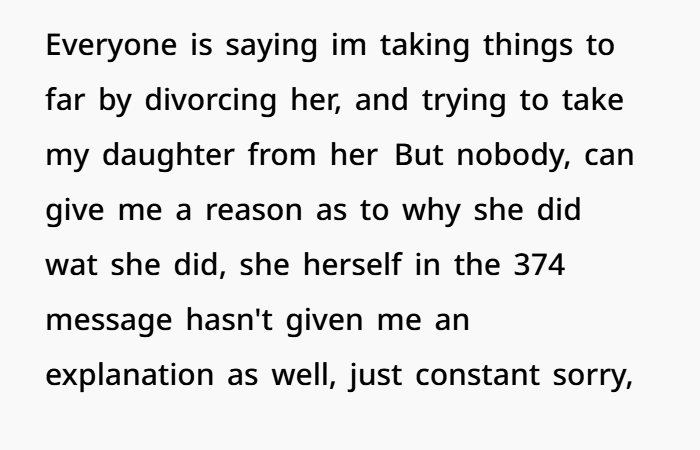
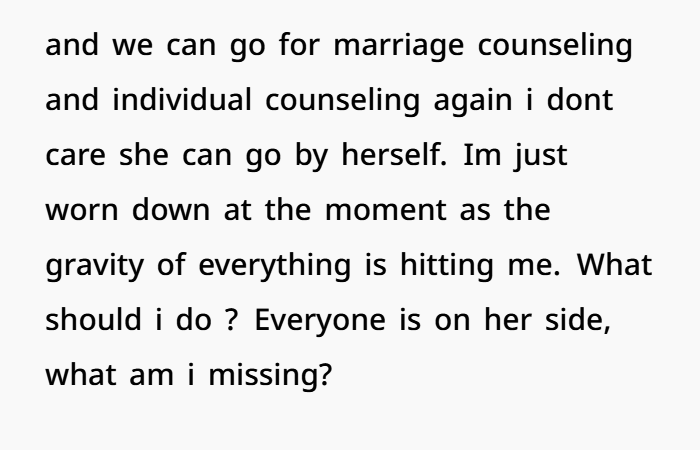
After the incident, the father says his feelings about his marriage changed. Even though his wife apologized and both families encouraged them to try marriage counseling and rebuild trust, he decided to move forward with a divorce. He is also asking for custody arrangements that he believes are best for his daughter’s future and well-being.
This situation highlights how important trust, communication, and emotional support are in relationships. Serious misunderstandings between parents can create lasting stress, especially when children, family safety, and legal concerns are involved. While every family situation is different, many experts agree that respectful communication, professional counseling when needed, and focusing on a child’s best interests can help families handle difficult moments.


When Trust Breaks: How One Moment Can Change a Family Forever
Some family situations are painful because they show how quickly life can change.
A normal day can suddenly become a moment that changes everything.
One misunderstanding, one emotional reaction, or one serious accusation can completely affect a relationship, a family, and a person’s future.
This is why situations involving parents, children, and serious accusations are so difficult to talk about.
They involve emotions, trust, mental health, and sometimes legal issues all at the same time.
The Emotional Impact of Serious Accusations
When someone is accused of something serious involving their own child, the emotional impact can be overwhelming.
Even if the situation is later explained differently or a person is cleared, the experience can leave lasting emotional pain.
For a parent, being seen as a possible danger to their child can feel like an attack on the most important part of their identity.
It is not only about a relationship.
It is about being questioned as a parent and as a person.
Many people find it extremely difficult to move forward after feeling betrayed by someone they trusted deeply.
Why Saying Sorry May Not Fix Everything
People often believe that an apology can solve every problem.
Sometimes apologies do help.
Couples can recover from many painful situations through honest communication, counseling, and time.
However, some experiences damage trust in a deeper way.
When police become involved or when serious allegations are made, the emotional impact can be much bigger than a normal relationship argument.
The person who experienced the accusation may remember:
- The fear of losing their child
- The stress of legal problems
- The feeling of being misunderstood
- The pain of losing trust in someone close
Those feelings do not disappear immediately after an apology.
The Other Side: Understanding Emotional Health
At the same time, difficult situations are not always simple.
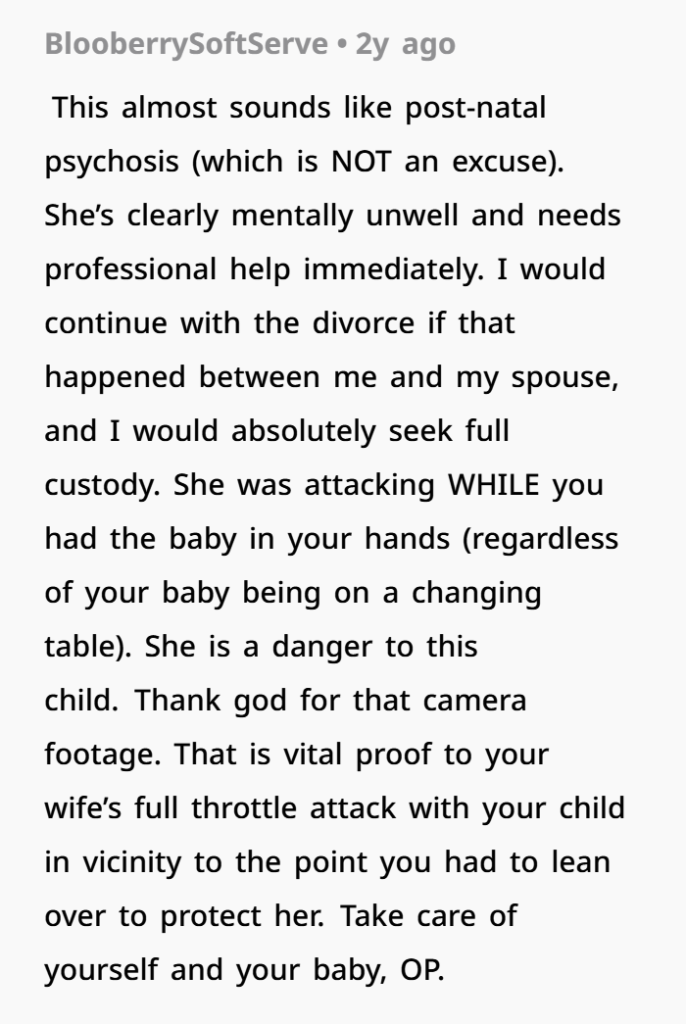
Sometimes people react in extreme ways because they are struggling emotionally or mentally.
After childbirth, some parents experience serious postpartum mental health challenges.
Many people know about postpartum depression, but other issues can also happen, including:
- Postpartum anxiety
- Extreme fear about baby safety
- Intrusive thoughts
- Severe stress
- Emotional overwhelm
- Sleep-related problems
New parents often experience major changes after a baby arrives. Lack of sleep, hormones, physical recovery, and constant worry can affect emotional wellbeing.
Understanding these challenges does not mean ignoring harmful actions.
It means recognizing that mental health support can be important when someone is struggling.
Trust Is the Foundation of a Relationship
A healthy relationship depends on trust and emotional safety.
When trust is seriously damaged, rebuilding it can take a lot of time.
Some people may be able to move forward after a painful event. Others may feel that the relationship has changed permanently.
Both reactions can happen.
A person who feels deeply hurt may not be refusing forgiveness because of anger. Sometimes they are simply trying to process a traumatic experience and protect their emotional wellbeing.
Why Custody and Family Decisions Become Complicated
When children are involved, family situations can become even more serious.
Parents naturally want to protect their children and create a safe environment.
If there are concerns involving conflict, violence, emotional instability, or legal reports, custody decisions may become complicated.
Family courts usually focus on factors such as:
- Child safety
- Parent stability
- The child’s best interests
- Documented concerns
- The overall family environment
These decisions are often about creating a safe and healthy situation for the child.
Both Parents May Be Experiencing Pain
One of the hardest parts of situations like this is that multiple people may be struggling at the same time.
One person may feel hurt, betrayed, and afraid.
Another person may be dealing with guilt, confusion, fear, or a mental health crisis.
This does not make the situation easy.
It shows why emotional support, professional guidance, and careful communication can be important.
Why Families Often Encourage Forgiveness
When a family sees a marriage in trouble, many people immediately hope for reconciliation.
They may say:
“Think about the child.”
“Try counseling.”
“Do not give up too quickly.”
These feelings often come from wanting to protect the family.
However, family members may not always understand the full emotional impact that both people are experiencing.
A relationship cannot heal only because others want it to.
Healing requires honesty, safety, trust, and willingness from everyone involved.
The Fear of It Happening Again
One major challenge after a serious conflict is the fear that the situation could happen again.
A person may wonder:
“Can I trust this situation in the future?”
“Will another misunderstanding create the same problem?”
“Will we ever feel safe again?”
These questions can create long-term stress.
A healthy relationship requires both people to feel emotionally secure.
The Importance of Support and Professional Help
When families experience serious conflict, getting support can be valuable.
Professional resources such as relationship counseling, mental health support, and legal guidance can help people understand their options and make thoughtful decisions.
The goal should always be creating the safest and healthiest environment possible, especially when children are involved.
The Difficult Reality of Broken Trust
The saddest part of situations like this is that everyone involved can experience loss.
A parent may lose the relationship they once knew.
Another parent may face emotional struggles and consequences.
A child may grow up surrounded by family changes they never expected.
Sometimes love is present, but a painful event changes the relationship forever.
Trust, safety, and emotional wellbeing are important parts of any family.
When those things are damaged, rebuilding them takes honesty, patience, and a commitment to creating a healthier future.
Readers’ Comments Speak Out