His “Best Friend” Wants Me Gone… And I Think She’s Playing Me

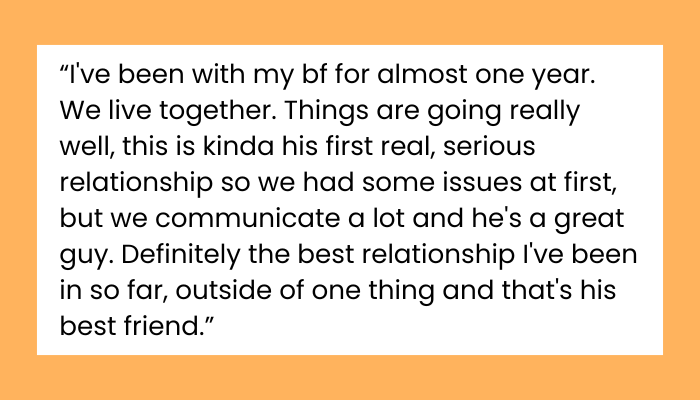
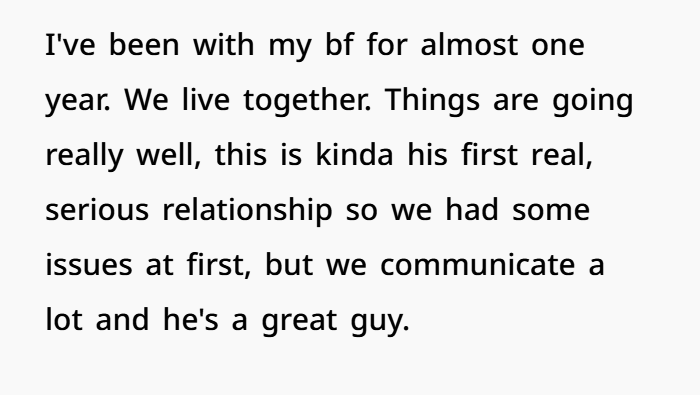
At the beginning, this relationship felt healthy and positive. The couple communicated well, supported each other, and built a comfortable life together. They lived together, created daily routines, and handled normal relationship challenges. Since this was his first serious relationship, she tried to be patient and understanding. She wanted to build trust and create a strong connection instead of bringing jealousy or unnecessary problems into the relationship.
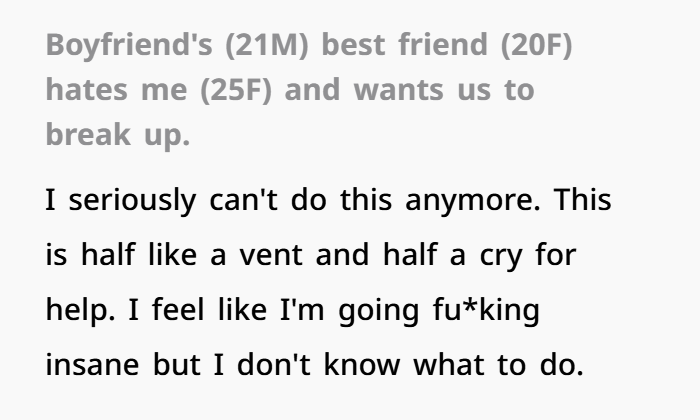
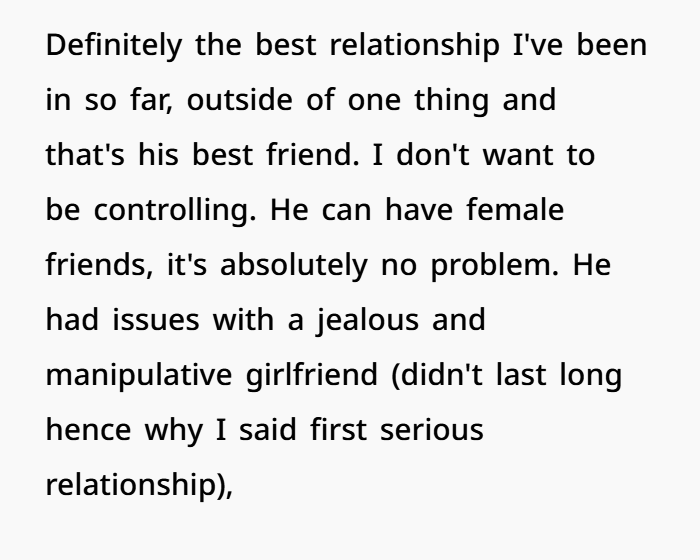
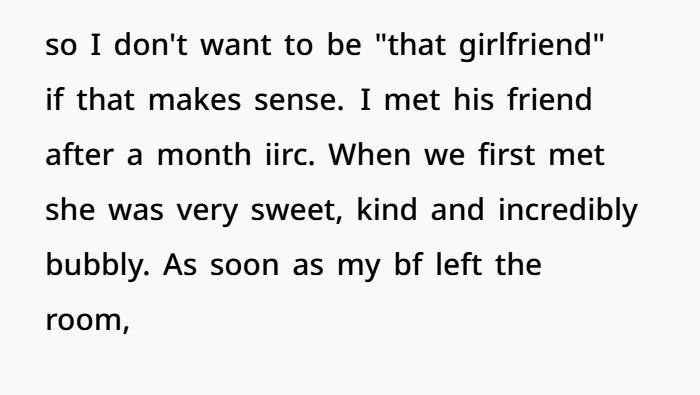
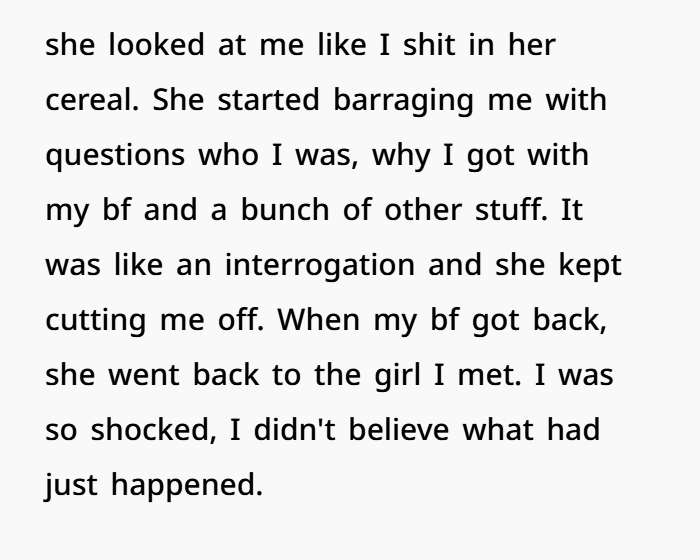
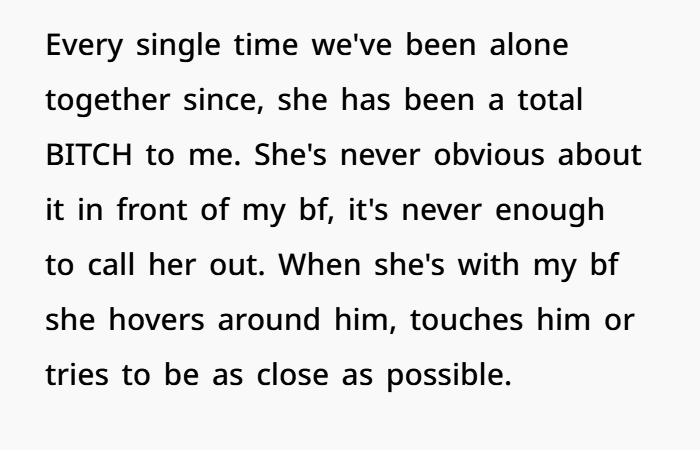
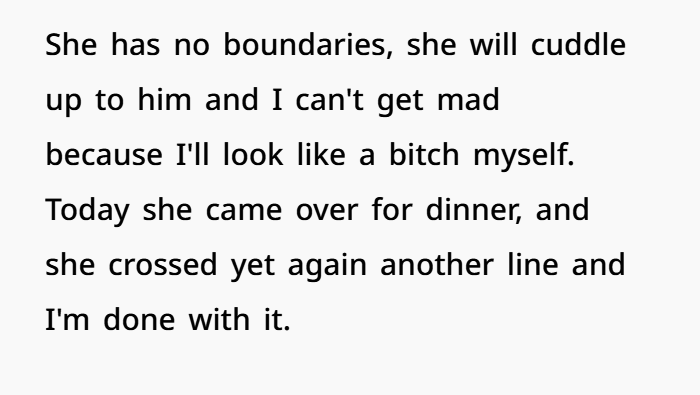
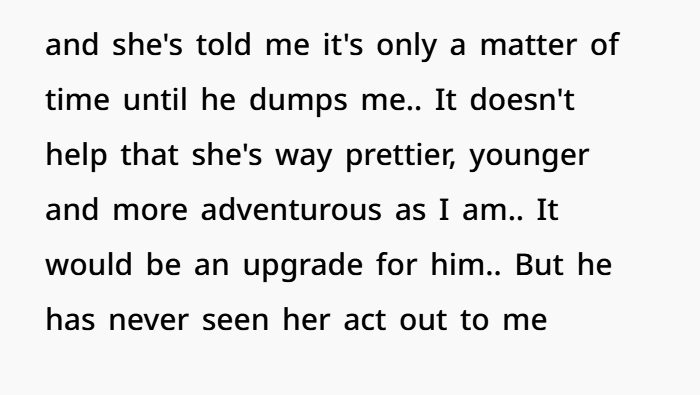
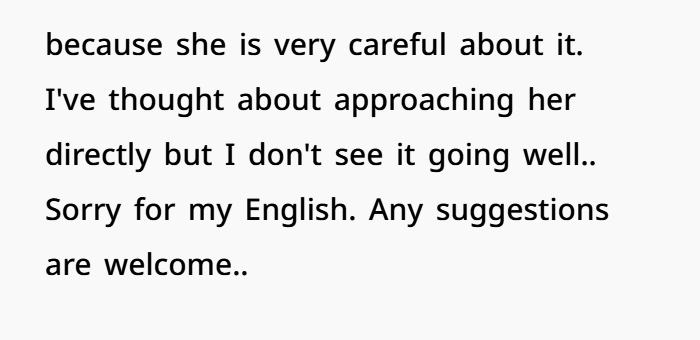
However, she started noticing problems involving her boyfriend’s best friend. From the start, the friend’s behavior felt different. She acted kind and friendly when the boyfriend was around, but when they were alone, she seemed cold and unfriendly. Nothing was obvious enough to prove her intentions, but the repeated behavior made her feel uncomfortable.
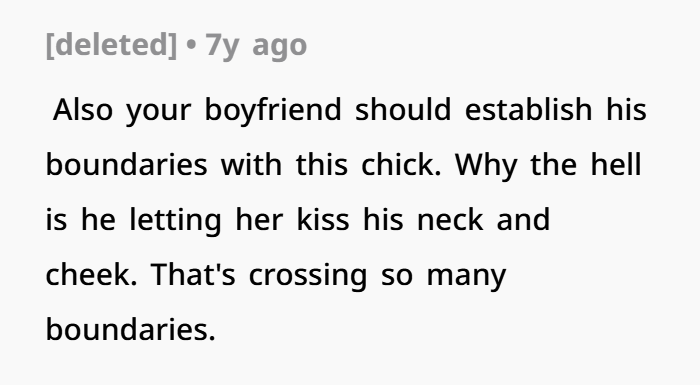
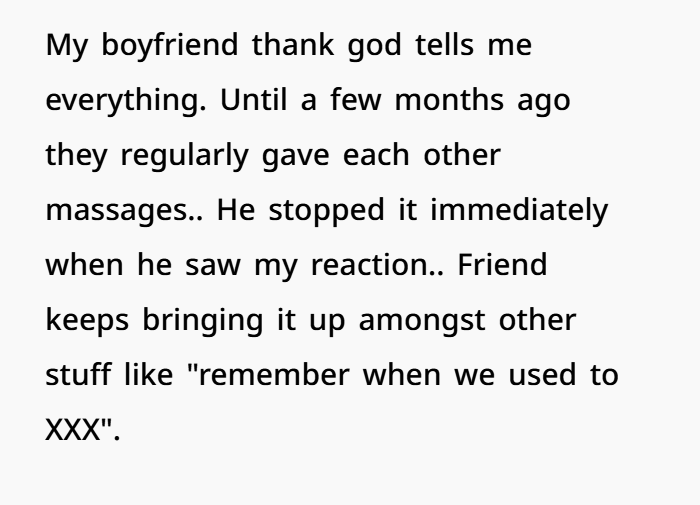
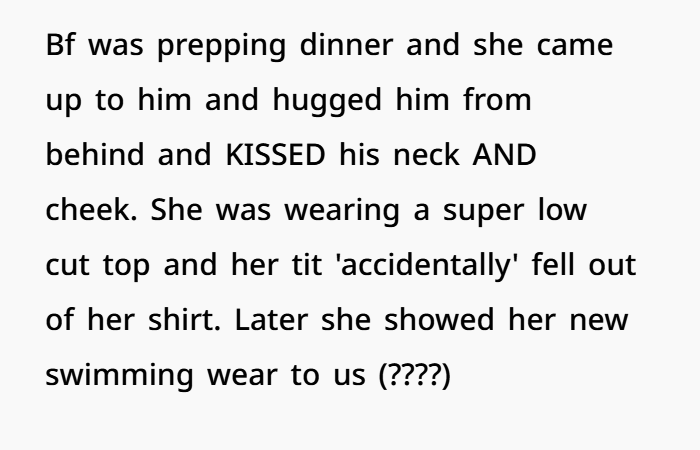
Over time, the situation became more difficult. The friend started showing more physical closeness with her boyfriend, including touching, sitting very close, and acting overly comfortable around him. She also brought up their past relationship experiences in a way that made the girlfriend feel uneasy. Small comments and actions began to feel like they were crossing personal boundaries.
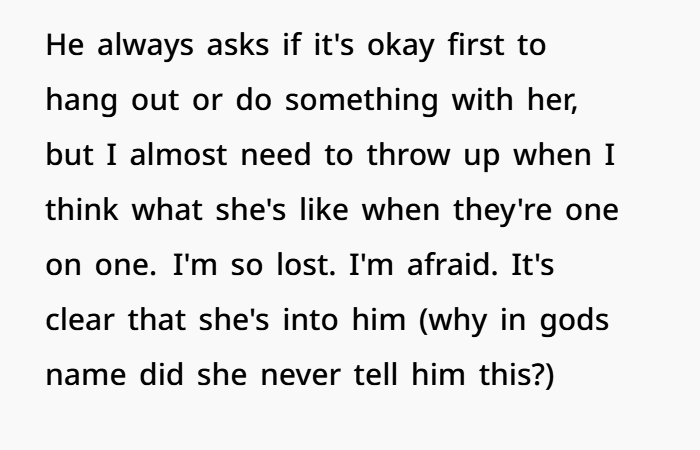
The hardest part for her was feeling unsure about what to do next. If she spoke up, she worried she would look jealous or insecure. If she stayed quiet, she felt like she was ignoring her own feelings. She also did not want to lose a good relationship because of another person’s actions.
Situations like this can be challenging because they involve trust, communication, and relationship boundaries. Having an honest conversation with a partner about feelings and concerns can help create understanding and protect a healthy relationship.
When a Partner’s Best Friend Crosses Boundaries: Understanding Trust and Healthy Relationships
At first, this situation may look like a simple problem with a jealous friend.
But the real issue is often deeper.
Sometimes relationship problems are not caused by one big event. They happen because of unclear boundaries, uncomfortable behavior, and a lack of communication between partners.
When someone outside the relationship starts creating confusion or stress, it can affect trust, confidence, and emotional well-being.
When Someone’s Behavior Feels Different Around Others
One thing that can feel confusing is when a person acts very friendly in front of others but behaves differently in private.
This type of behavior can make someone question their own feelings.
You may start thinking:
- “Am I imagining this?”
- “Am I being too sensitive?”
- “Is something actually wrong?”
In healthy relationships, your concerns should be taken seriously.
If someone’s actions repeatedly make you uncomfortable, it is worth having an honest conversation instead of ignoring the feeling.
Why Physical Boundaries Matter
Friendships can look different for everyone.
Some people are naturally affectionate, and some friendships include physical gestures like hugs or playful behavior.
However, when someone is in a committed relationship, physical boundaries become important.
Actions like excessive touching, romantic-style affection, or behavior that feels intimate can create confusion and hurt feelings.
Healthy relationships usually require clear boundaries with other people.
The goal is not to control friendships. The goal is to make sure both partners feel respected and secure.
When Comments Create Relationship Stress
Certain comments can also damage trust.
For example, telling someone that their partner will eventually leave them can feel hurtful and disrespectful.
Even if the person says it as a joke, repeated comments like this can create insecurity and tension.
Good friendships should support healthy relationships, not create fear or competition.
Looking at the Partner’s Role
It is easy to focus only on the outside person, but there is another important part of the situation.
A relationship has two people in it.
Your partner’s response matters.
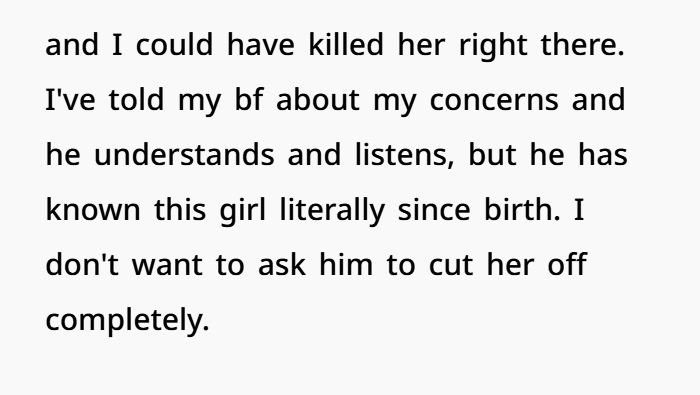
From this situation, it sounds like the boyfriend has shown some positive signs. He communicates, he has made changes when concerns were raised, and he tries to consider his partner’s feelings.
Those are healthy relationship behaviors.
However, there may still be a need for stronger boundaries.
Sometimes people struggle to notice problems with long-term friends, especially friends they have known for many years.
A person may see that friendship as completely normal because it has been part of their life for so long.
But even old friendships need healthy limits when someone enters a serious relationship.
The Importance of Clear Relationship Boundaries
Trust does not mean ignoring uncomfortable situations.
Strong relationships are built on communication, respect, and understanding.
Clear boundaries may include:
- Avoiding physical behavior that feels inappropriate
- Being open about one-on-one situations with other people
- Respecting your partner’s feelings
- Avoiding conversations that create unnecessary emotional closeness
These boundaries are not about controlling someone.
They are about protecting the emotional safety of the relationship.
Comparing Yourself to Someone Else
One of the hardest parts of this situation is the feeling of comparison.
You may start thinking:
“She is younger.”
“She is more attractive.”
“She is more exciting.”
But these thoughts often come from insecurity created by a stressful situation.
A strong relationship is not built only on appearance.
Long-term love depends on trust, compatibility, emotional connection, and shared values.
If your partner has chosen to build a life with you, that choice matters.
When Ongoing Stress Affects Confidence
Even confident people can feel insecure when they constantly experience relationship stress.
Being around someone who makes you feel uncomfortable can slowly affect your confidence.
You may become more alert, question situations, or worry about things you normally would not think about.
That does not automatically mean you are overreacting.
It may simply mean your emotional needs are asking for attention.
What You Can Do Next
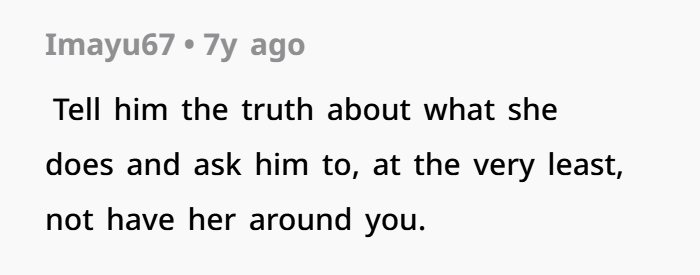
The most important conversation is not with the friend.
It is with your partner.
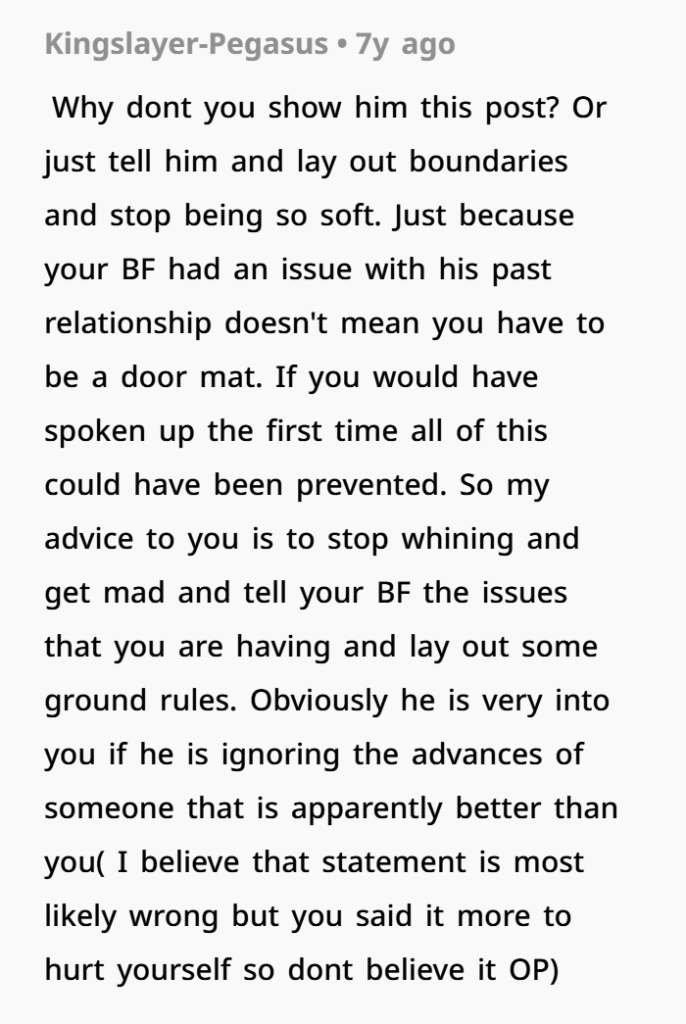
Try to have a calm and honest discussion.
Instead of blaming, explain how the situation makes you feel.
You could say:
“I trust you, but this situation is making me uncomfortable. I want us to create stronger boundaries so both of us feel respected and secure.”
A healthy partner will listen and try to understand.
Pay attention to how they respond.
If they care about the relationship, they will want to work together to find a solution.
Should You Confront the Friend?
Sometimes people feel the need to directly confront someone who has crossed boundaries.
However, that conversation does not always solve the problem.
The other person may deny the behavior, become defensive, or create more conflict.
If you choose to speak with them, staying calm and respectful is usually the best approach.
Focus on your boundaries instead of trying to prove their intentions.
The Real Issue Is About Respect
At the end of the day, the biggest issue is not the friend.
The bigger question is whether your relationship has healthy boundaries.
Your partner is responsible for deciding what behavior they allow from other people.
You are not in a relationship with the friend.
You are in a relationship with your partner.
A strong relationship does not require you to compete for attention. It requires both people to protect trust, communicate openly, and make each other feel valued.
When both partners create healthy boundaries, outside friendships can exist without damaging the relationship.
The Comments Are In