I Exposed My Dad’s Affair… Now His Whole Family Is Torn Apart

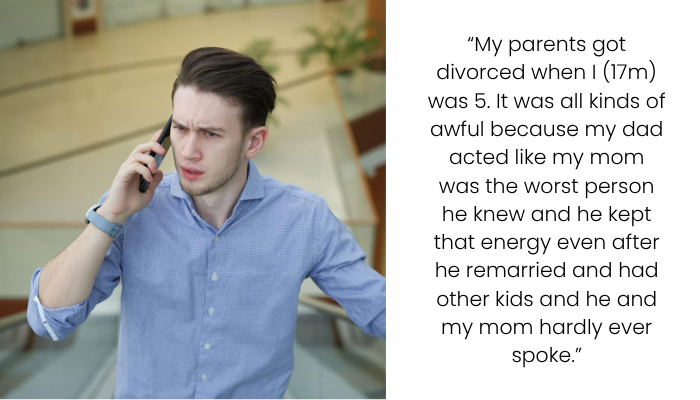
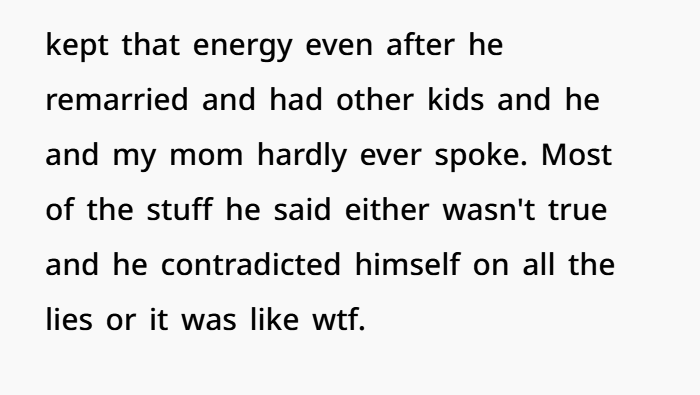
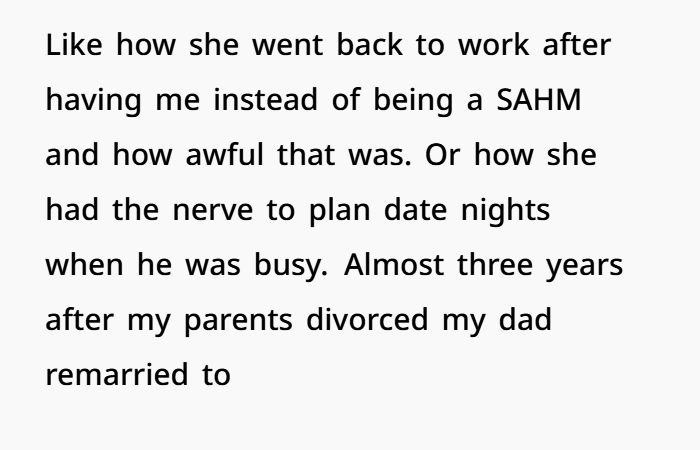
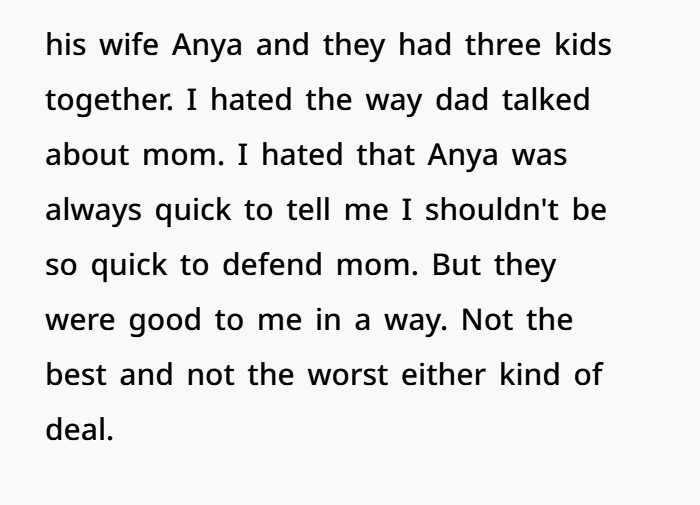
This story is about a 17-year-old who has been dealing with years of family problems, hurt feelings, and broken trust after his parents’ divorce. Since he was young, he heard his father speak negatively about his mother. His father created a certain image of her while starting a new life with his new wife, Anya. This left the teenager feeling confused and caught between different sides of his family.
Even though the relationship with his father was difficult, he did not completely cut contact. He continued to spend time with his father’s family, even though things were not always comfortable. The situation stayed the same until one important moment changed everything.
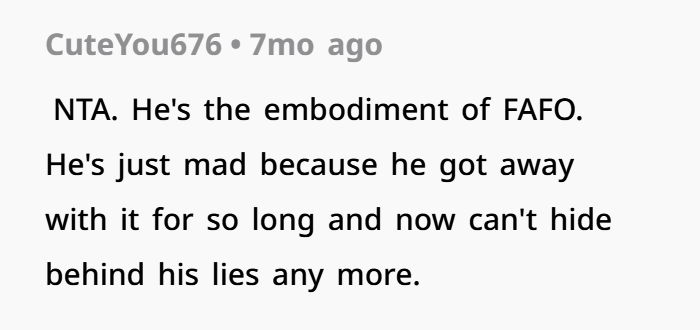
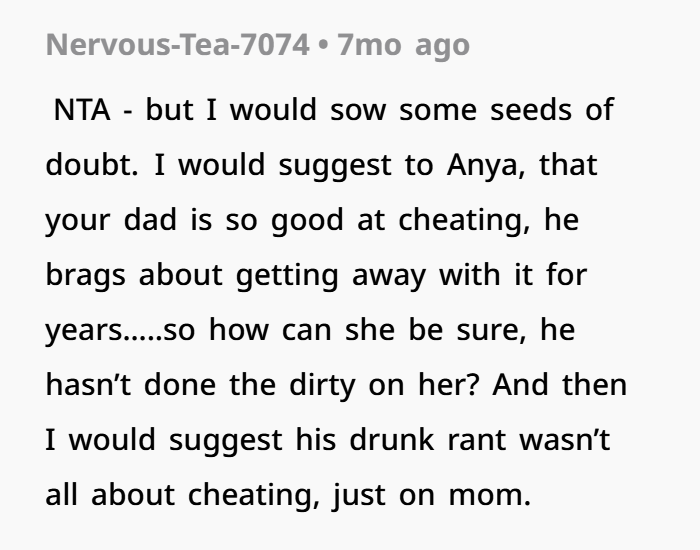
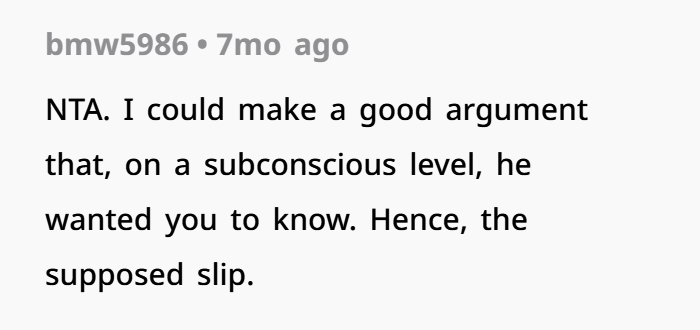
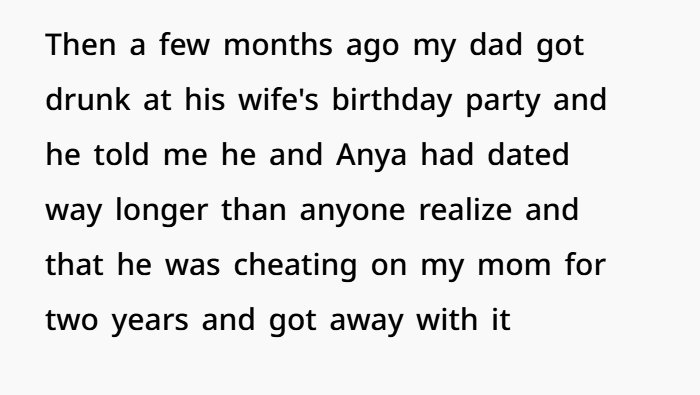
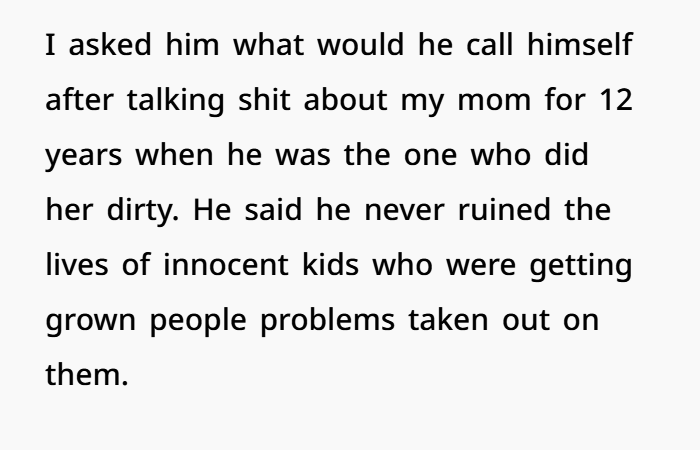
During a birthday party, his father was drinking and admitted that he had been unfaithful for years. He also said that he left his mother for Anya and acted like he had never faced consequences for his actions. Hearing this was extremely painful for his son because it changed everything he believed about his parents’ past.
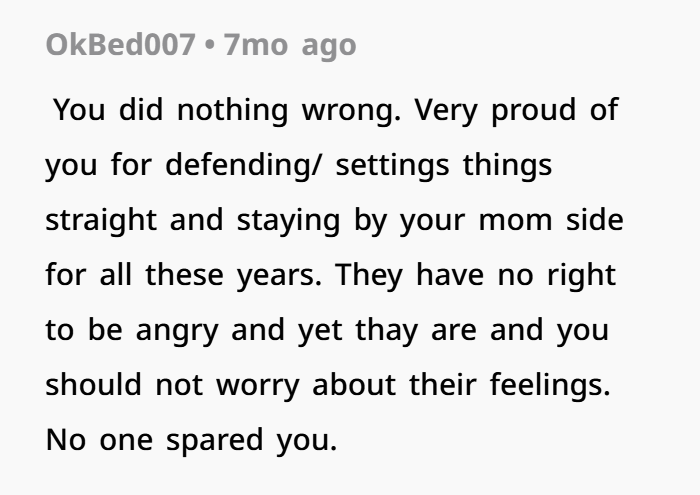
The teenager decided that his mother deserved to know the truth after years of being blamed and misunderstood. He told her what he had learned and later shared the information with his father’s family as well. This created a major family conflict. Some relatives became angry, stopped communicating with him, and blamed him for causing problems.
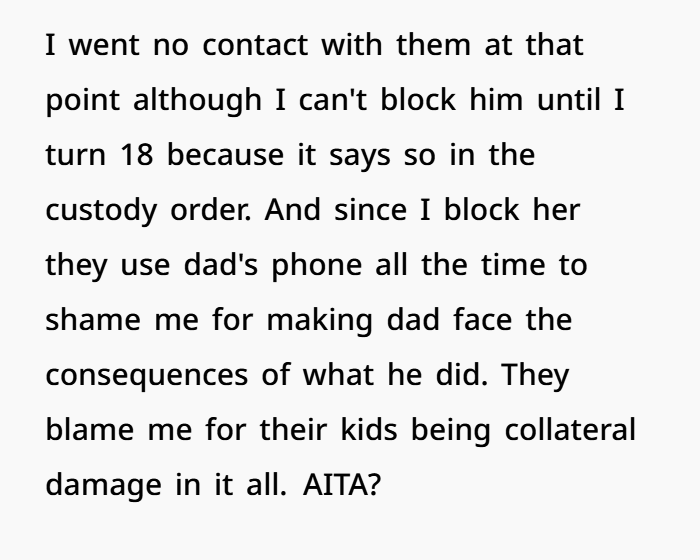
Now the teenager is questioning whether he made the right choice. He feels that he was protecting his mother and sharing the truth, while his father and stepmother believe he caused unnecessary damage. Situations involving divorce, family secrets, and trust issues can be very complicated, especially for children who are caught between parents. Finding healthy ways to communicate and handle emotions can help families move forward.
When Family Secrets Come Out: Understanding Truth, Trust, and Emotional Healing
Some family situations become complicated because they are not caused by one single event. They are built over years of hidden feelings, broken trust, and painful decisions.
This story is not only about a family disagreement. It is about how long-term dishonesty can affect relationships, emotional well-being, and the way people see each other.
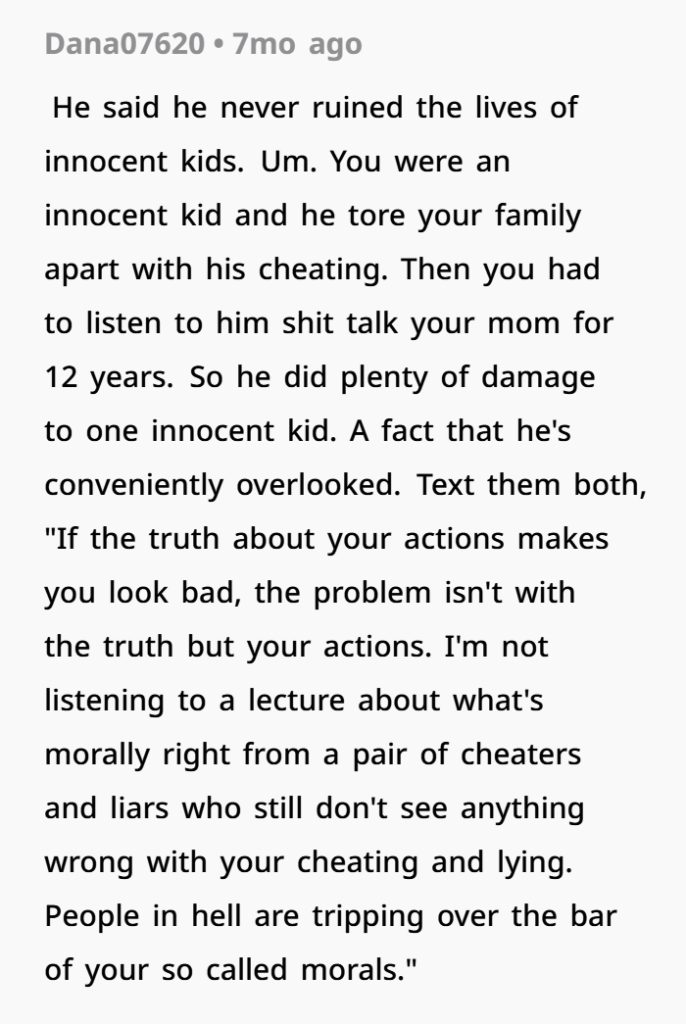
For many years, a child grew up hearing negative things about his mother from his father. The father regularly described the mother as difficult, selfish, or someone who was responsible for the problems in the marriage.
When a child hears the same message again and again, it can have a deep emotional impact. Children often trust the adults around them, so they may start believing stories without knowing the full truth. Family counselors often talk about how children caught between parents can experience stress, confusion, and emotional pressure.
A child should not have to carry the weight of adult relationship problems. But unfortunately, this happens in many families dealing with separation, divorce, or ongoing conflict.
The Truth Behind the Family Story
Later, the son discovered that the situation was very different from what he had been told.
The father had been unfaithful during the marriage and had hidden this reality while blaming the mother for the relationship problems. He admitted that he had left the marriage for another person and believed he would never be caught.
This changed everything.
For the son, it was not just learning about an affair. It was realizing that the story he had believed for years was incomplete and unfair.
When someone discovers that an important part of their family history was hidden from them, it can create a strong emotional reaction. They may feel anger, sadness, disappointment, or confusion. This type of experience can affect trust and emotional health.
How Hidden Truths Affect Relationships
Trust is one of the most important parts of any relationship. Whether it is a marriage, friendship, or family connection, honesty creates a strong foundation.
When someone hides important information for a long time, it can damage relationships because other people feel that their reality was controlled or changed without their knowledge.
In situations like this, people may try to avoid responsibility by focusing only on other people’s reactions instead of looking at their own choices.
Taking responsibility is an important part of healthy communication and conflict resolution. Without accountability, family problems often continue from one generation to another.
Why Telling the Mother Made Sense
When the son found out the truth, he decided to tell his mother.
From his point of view, this was about correcting a false story. His mother had spent years living with blame and criticism without knowing the complete situation.
Learning the truth may have been painful, but it also gave her a better understanding of what happened.
Many people who experience betrayal describe feeling two emotions at the same time: sadness because of what happened and relief because they finally understand the truth.
Healing from emotional pain often starts when people can clearly see what happened and stop questioning their own memories and experiences.
The Complicated Part: Telling Extended Family
The situation became more difficult when the truth reached other family members.
The son believed that his father’s relatives should know what really happened because they had supported his father’s version of events for years.
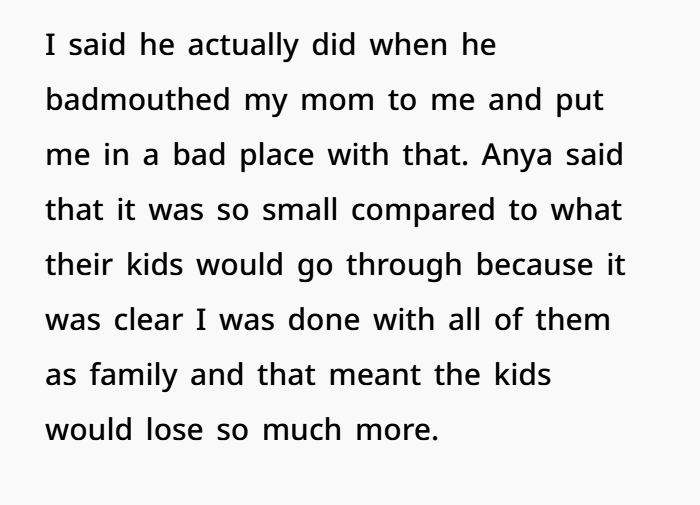
However, once the information spread, the reaction became much bigger than expected. Some family members completely rejected the father and also turned against his younger children.
This created another painful situation.
The younger children were not responsible for the choices made by adults. They did not create the conflict, and they should not have to carry the consequences of someone else’s decisions.
This is why family conflicts can become so complicated. One person’s actions may start a problem, but other people’s reactions can create additional harm.
Who Is Responsible for the Damage?
It is important to separate the cause of a problem from the reaction to it.
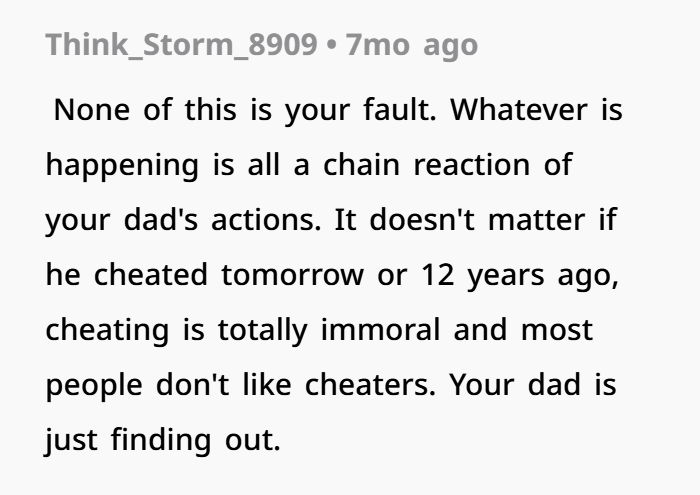
The father’s choices created the original situation. The dishonesty, the broken trust, and the hidden information were decisions made by adults.
At the same time, the extended family members made their own choices about how they responded.
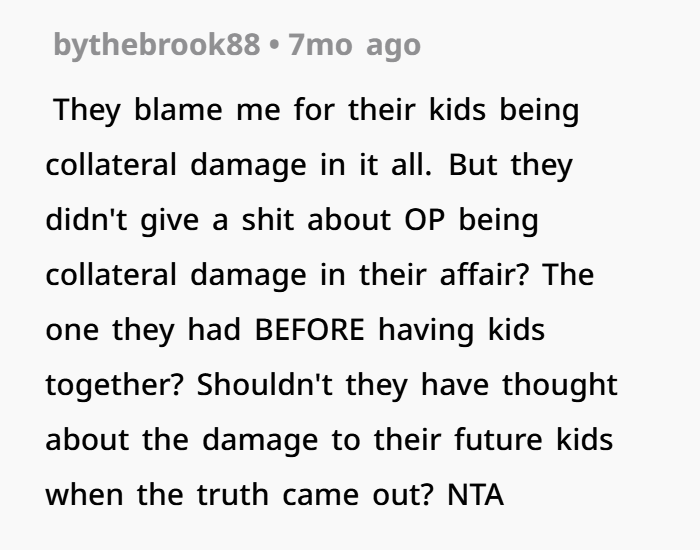
Blaming the person who revealed the truth for every reaction afterward ignores the original issue.
Both things can be true:
- The son had a reason to share the truth.
- The situation caused pain for people who were not directly involved.
Understanding both sides is important for healthy discussions about family relationships and emotional well-being.
The Impact on the Son
The son also experienced a difficult emotional journey.
Growing up around constant family conflict can place a lot of pressure on a young person. They may feel responsible for problems they did not create or feel forced to choose sides.
This is sometimes discussed in family counseling as a situation where children take on emotional responsibilities that belong to adults.
After years of stress, the son finally reacted when he discovered the truth. Expecting a teenager to handle such a painful moment with perfect calm and maturity may not be realistic.
Young people in difficult family situations need support, understanding, and healthy communication.
A Lesson About Honesty and Healing
Could the situation have been handled differently? Possibly.
The son could have shared the information only with his mother and avoided involving the wider family. A different approach might have reduced some of the conflict.
But the larger lesson remains the same.
Family problems are usually created by choices made over time, not by one moment when the truth finally comes out.
Honesty can be painful, but hidden problems often create deeper damage in the long run. Real healing usually requires truth, accountability, and respectful communication.
The truth does not create every problem. Sometimes, it simply reveals the problems that were already there.
The Most Honest Comments