I Left Home at Midnight on My 18th Birthday and Never Looked Back

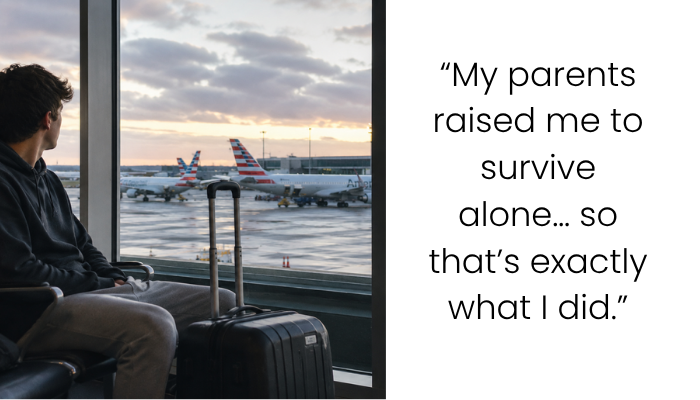
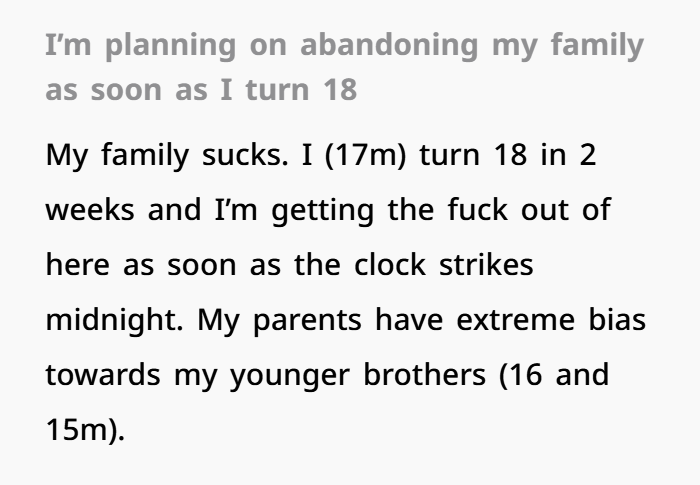
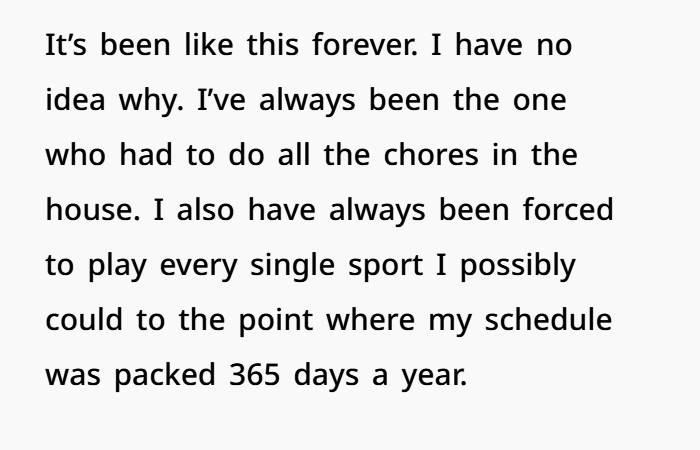
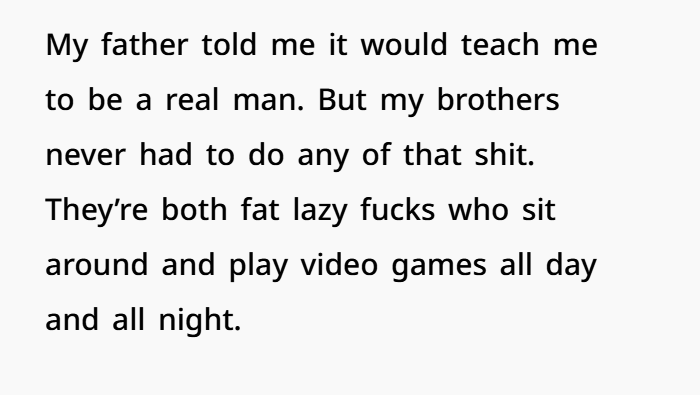
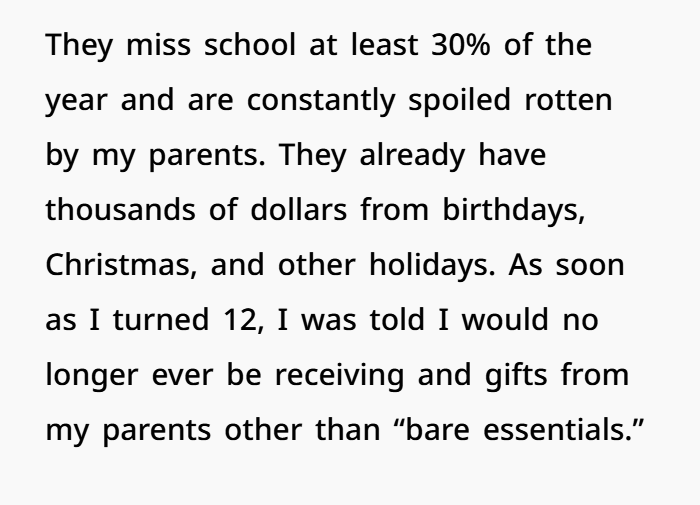
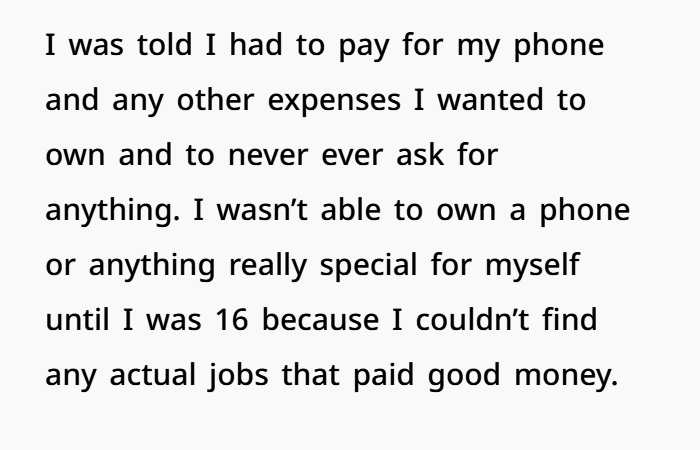
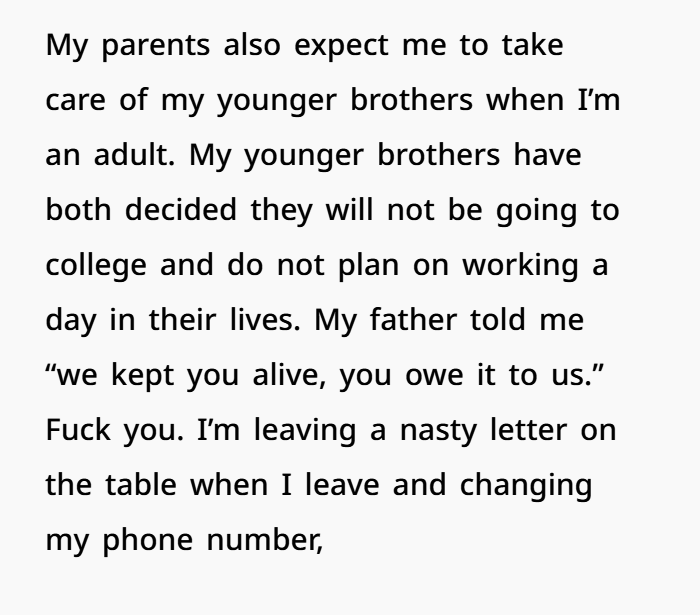
Family relationships can have a strong impact on a person’s emotional health and personal growth. In this story, an 18-year-old shared his experience of leaving home after years of feeling unhappy and unsupported. He said that while his younger brothers received more attention and fewer responsibilities, he often felt pressured to handle many tasks and follow strict rules.
According to him, he felt that his parents expected him to take on adult responsibilities at a young age. He believed he received less emotional support compared to his siblings and often felt that his efforts were not appreciated. Over time, these feelings created distance between him and his family.
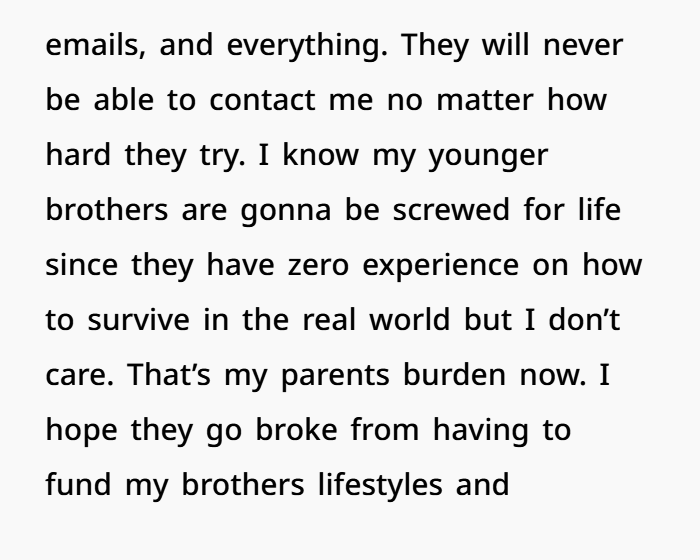
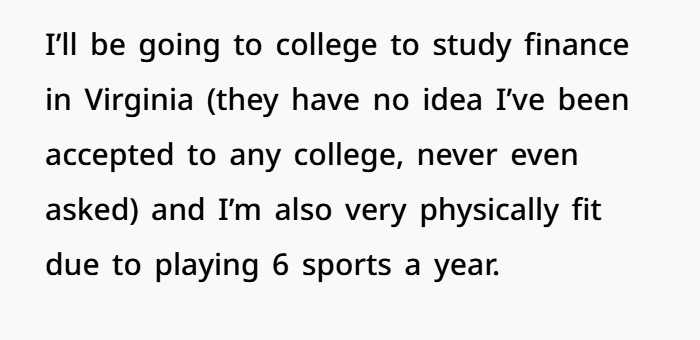
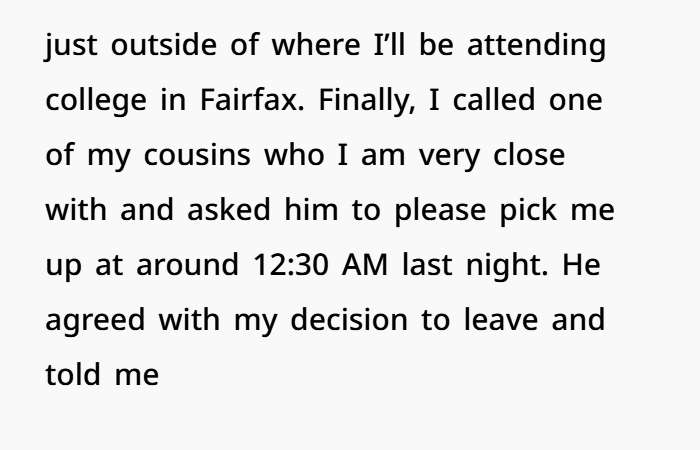
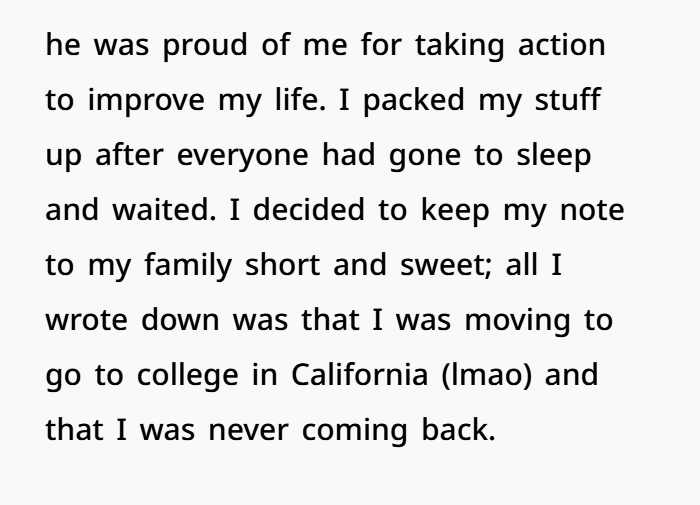
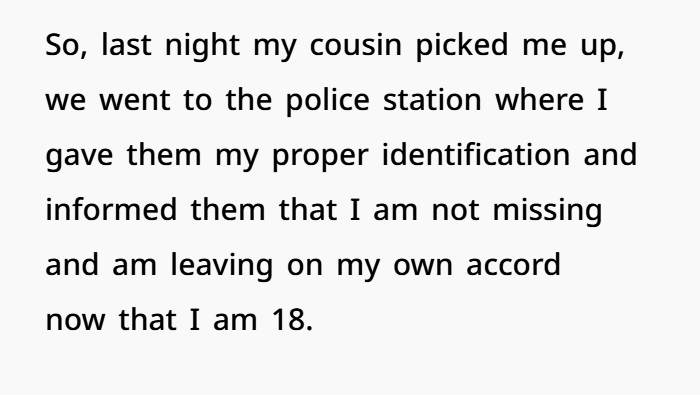
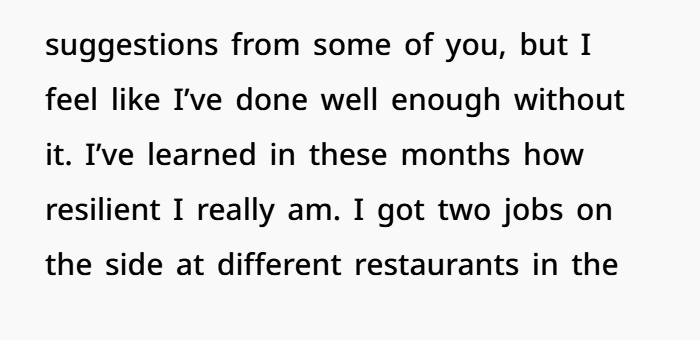
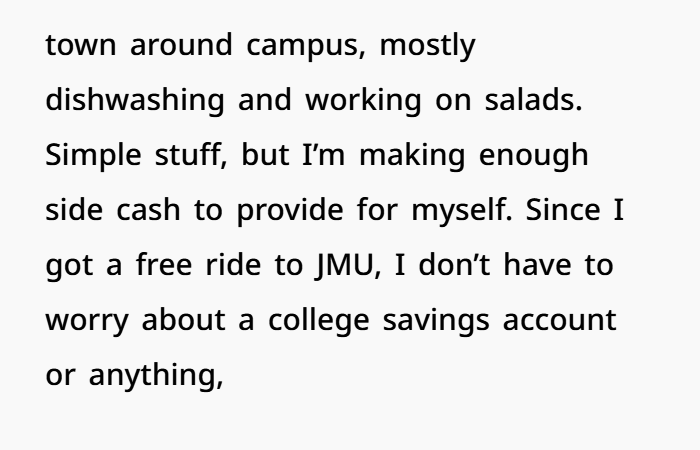
Before turning 18, he quietly prepared for a new chapter in his life. He applied to an out-of-state college, saved money, organized important documents, and made plans for moving away. Once he became a legal adult, he left home and started building an independent life in another state.
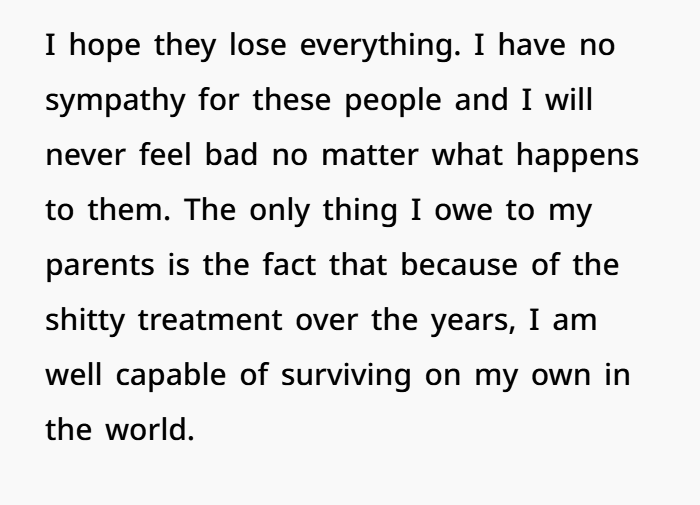
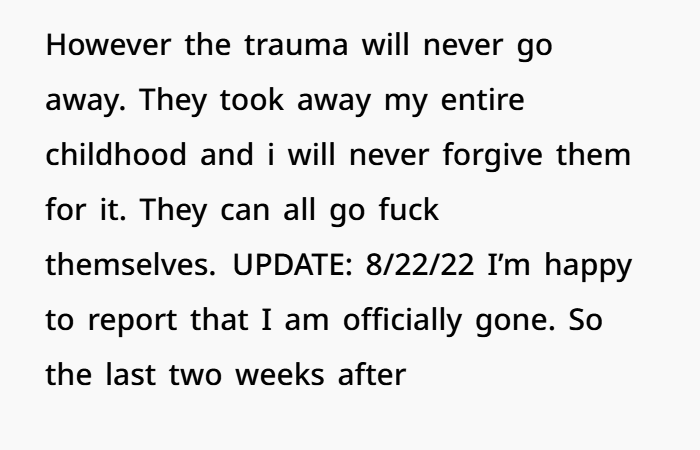
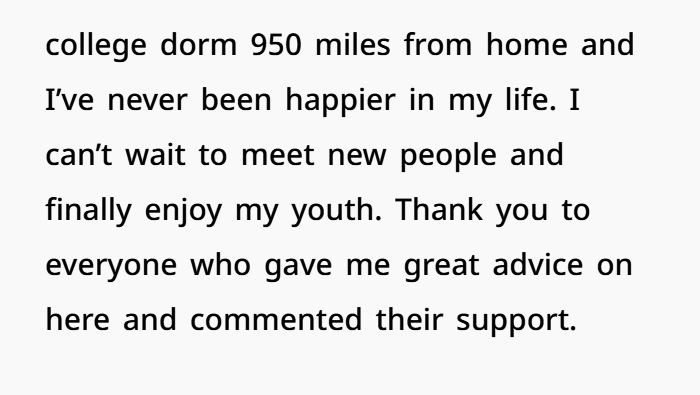
After the move, he said his life improved in many ways. He focused on his education, maintained strong grades, worked part-time, and created new friendships. His story has started conversations about family communication, emotional support, personal boundaries, and the importance of creating a healthy environment where every child feels valued.







A Young Man’s Story About Family Pressure, Independence, and Finding Peace
Some family stories become popular because they remind people of their own experiences.
This story connected with many readers because it was about something many people understand: feeling pressured, overlooked, or treated differently inside a family.
The main issue was not only about leaving home.
It was about years of emotional stress, family expectations, and the journey of becoming independent.
When One Child Carries Too Much Responsibility
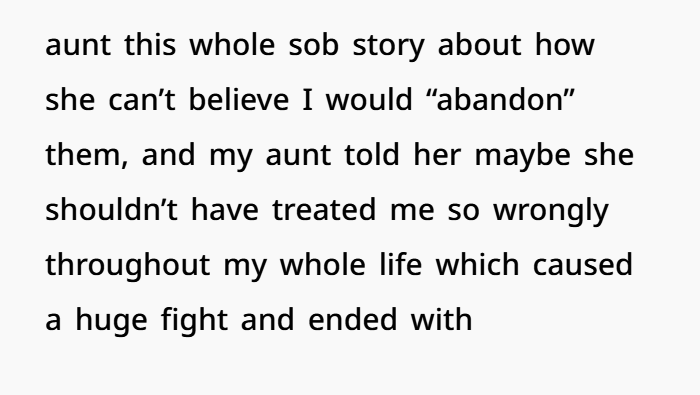
According to the story, the oldest son felt that he had been treated differently from his younger siblings.
He described growing up with many responsibilities, including strict rules, household duties, sports activities, and pressure to always perform well.
At the same time, he felt that his younger brothers had fewer expectations placed on them.
Family favoritism can affect children in different ways.
When one child is expected to be responsible all the time while others avoid consequences, it can create feelings of:
- Stress
- Resentment
- Loneliness
- Low self-worth
- Emotional exhaustion
Children need guidance and responsibility, but they also need support, encouragement, and a sense that they are valued.
The Difference Between Discipline and Pressure
Many parents want their children to become responsible adults.
Teaching children skills, encouraging education, and creating healthy routines can be positive.
However, problems can happen when one child feels like they must carry the entire family’s expectations.
There is a difference between helping a child grow and placing adult-level pressure on them too early.
A healthy family environment allows children to learn responsibility while still feeling supported.
Learning Independence at a Young Age
According to the story, the young man became very independent.
While preparing to leave home, he carefully planned his future. He organized important documents, arranged finances, planned his education, and created a path toward living on his own.
Many readers were surprised by how prepared he was.
Instead of making a sudden decision without planning, he spent time preparing for a major life change.
Independence often requires skills such as:
- Budgeting
- Organization
- Problem-solving
- Time management
- Personal responsibility
These skills helped him create stability during a difficult transition.
Starting a New Life
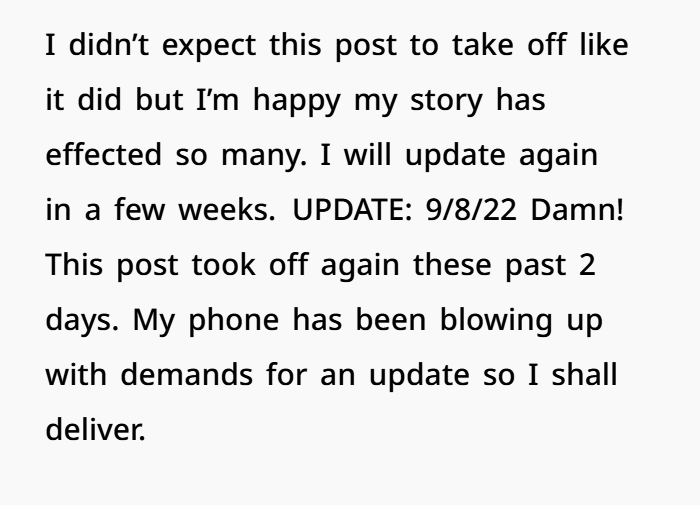
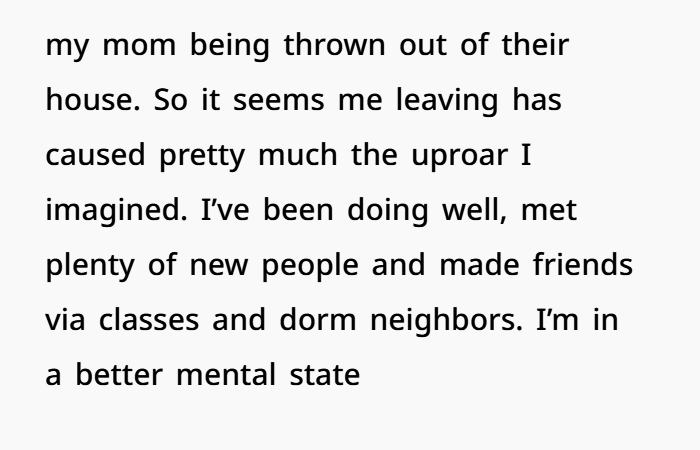
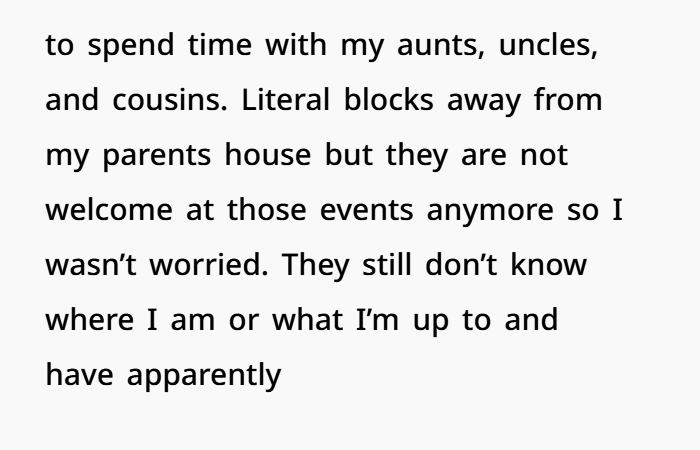
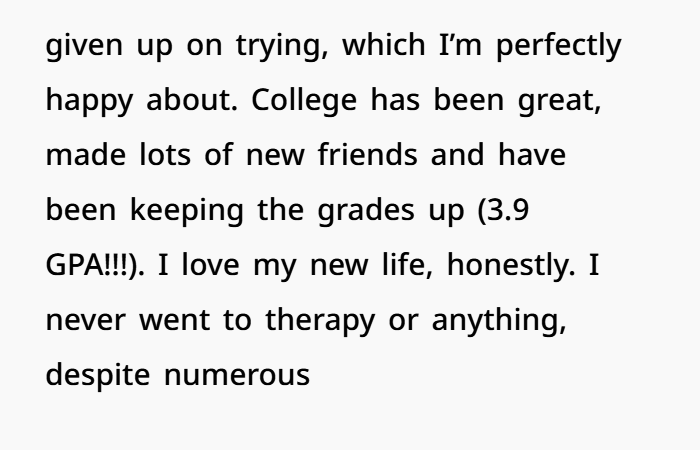
After leaving home, the updates shared that he adjusted well to his new environment.
He focused on college, work, friendships, and building a healthier daily routine.
Many people expected him to struggle after leaving his family situation, but according to the story, he found more peace and stability.
For some people, leaving a stressful environment can create space for personal growth.
A supportive environment can make it easier to focus on goals, education, and mental well-being.
The Impact of Emotional Neglect
Many discussions about this story focused on emotional neglect.
Emotional neglect does not always look obvious from the outside.
Sometimes it appears as:
- A child feeling ignored
- Unequal treatment between siblings
- Lack of emotional support
- Constant pressure to succeed
- Feeling responsible for other people’s problems
These experiences can affect confidence and relationships later in life.
Mental health professionals often encourage people who experienced difficult childhood environments to seek healthy support systems and learn positive coping strategies.
Parentification and Family Roles
Another topic readers discussed was parentification.
Parentification happens when a child is given responsibilities that are too heavy for their age.
Examples can include:
- Being expected to act like a parent to siblings
- Managing adult problems
- Feeling responsible for family decisions
Children can become very capable when they experience responsibility, but they also need the chance to simply be children.
A healthy family supports independence without making one child responsible for everyone else.
The Importance of Supportive Relationships
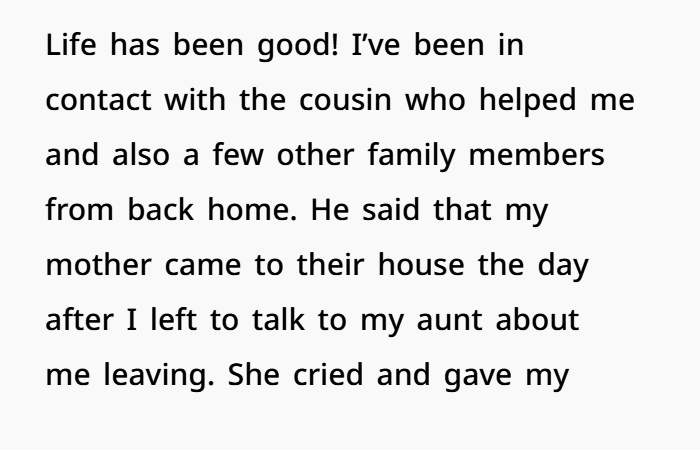
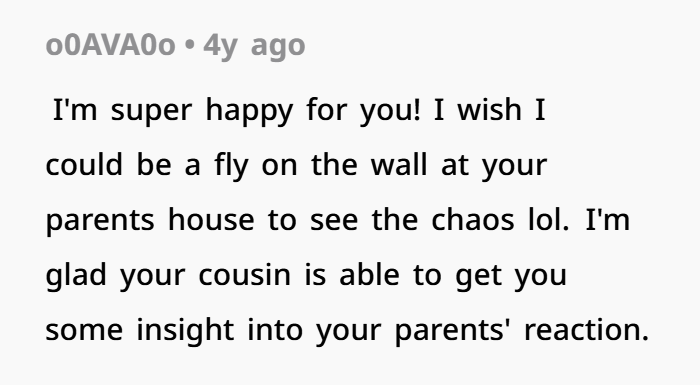
One important part of the story was the support he received from another family member.
Having even one person who listens and validates your feelings can make a big difference.
Supportive relationships can help people:
- Feel understood
- Build confidence
- Make healthier choices
- Recover from difficult experiences
Sometimes a single supportive person can provide hope during a very challenging period.
Setting Boundaries With Family
The story also raised a common discussion about family boundaries.
Some people believe family relationships should continue no matter what.
Others believe that creating distance can sometimes be necessary for emotional health.
Healthy boundaries may include:
- Limiting stressful conversations
- Creating personal space
- Protecting mental well-being
- Choosing healthier relationships
Every situation is different.
The important goal is creating a life where a person feels safe, respected, and emotionally healthy.
Healing After a Difficult Childhood
Leaving a difficult family environment can bring relief, but healing often takes time.
Many people continue working through past experiences even after their situation improves.
Helpful steps may include:
- Building strong friendships
- Developing healthy routines
- Learning emotional skills
- Speaking with a mental health professional when needed
Personal growth is a journey, not something that happens overnight.
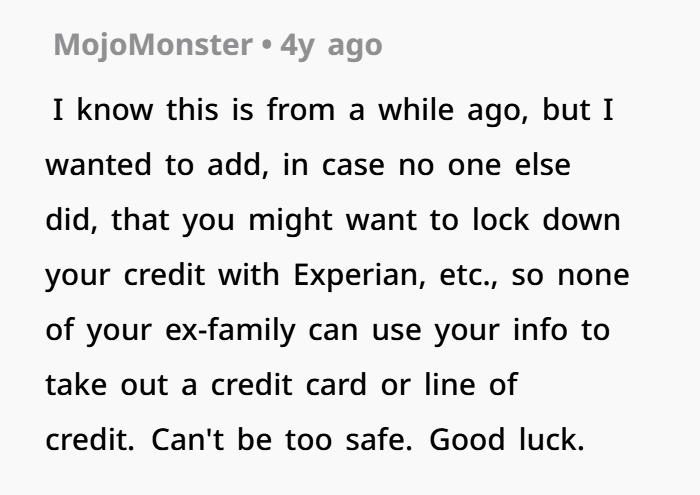
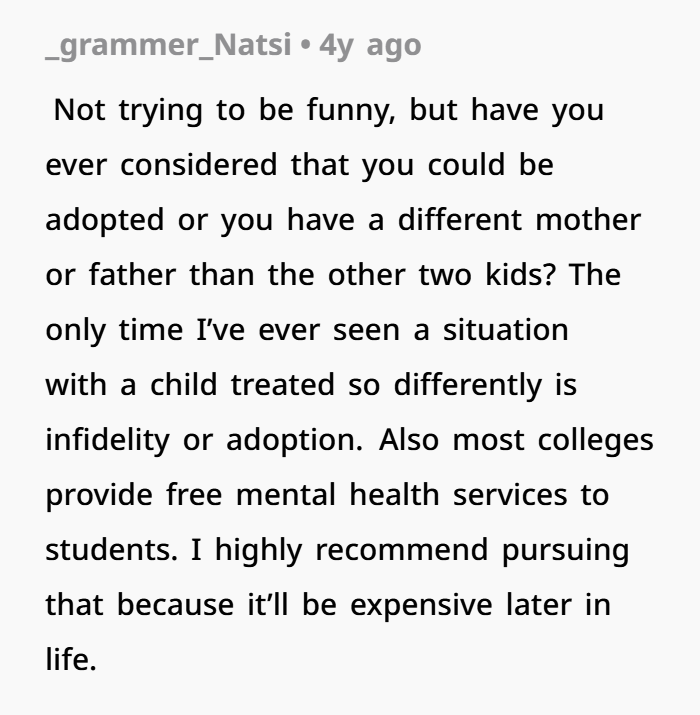
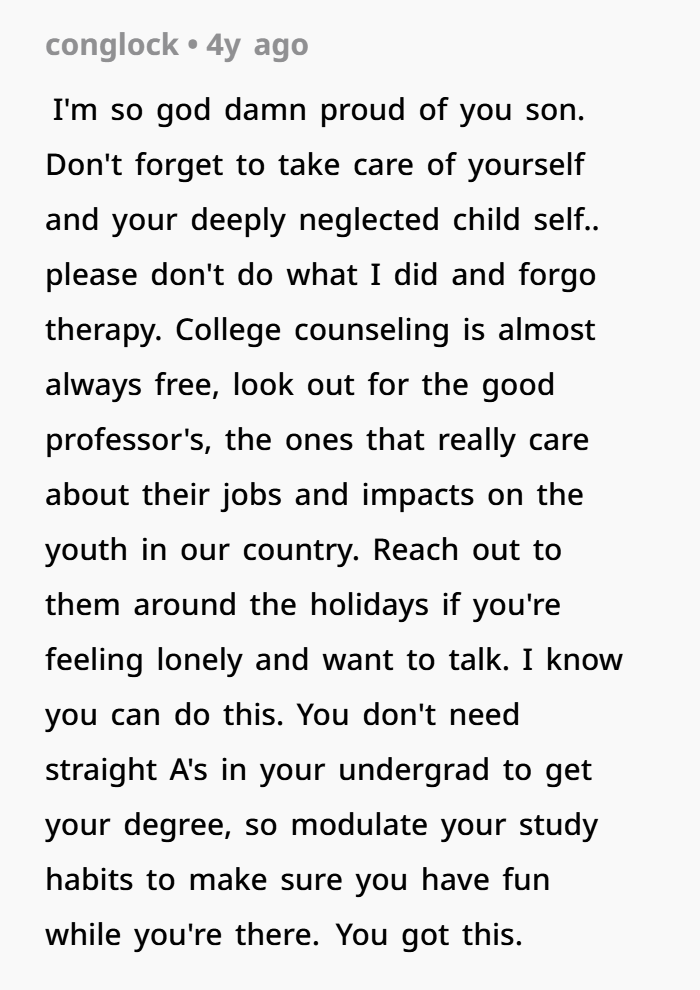
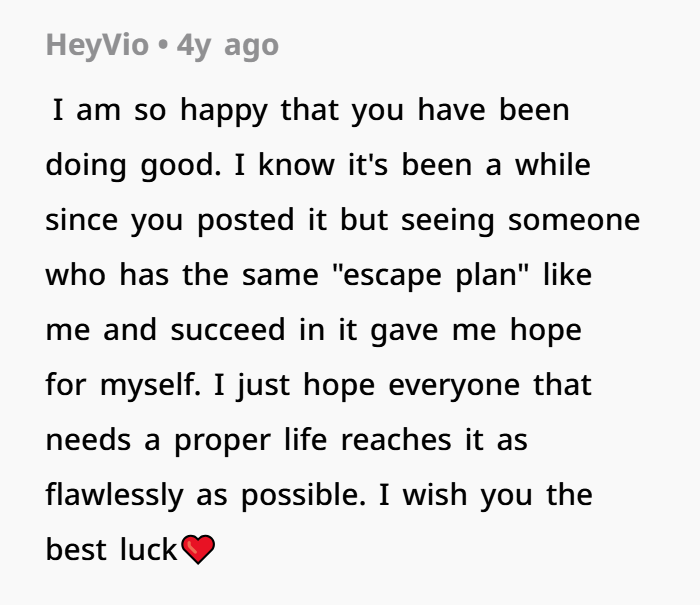
See The Comments Below



Final Thoughts
This story was not only about leaving home.
It was about a young person who felt overwhelmed by family expectations and decided to build a different future.
The biggest lesson is that children need more than rules and responsibilities.
They need support, understanding, and the feeling that they matter.
A healthier future often begins when people learn to value themselves and create relationships built on respect and care.