After 14 Years of Custody Battles, I Finally Gave Up My Parental Rights

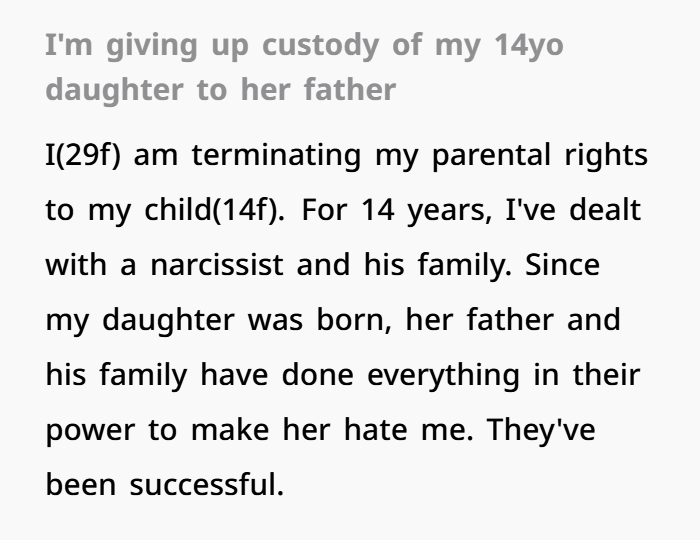
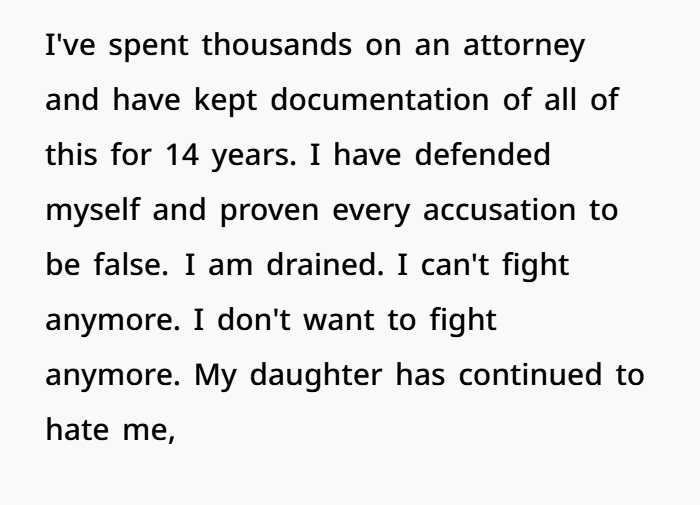
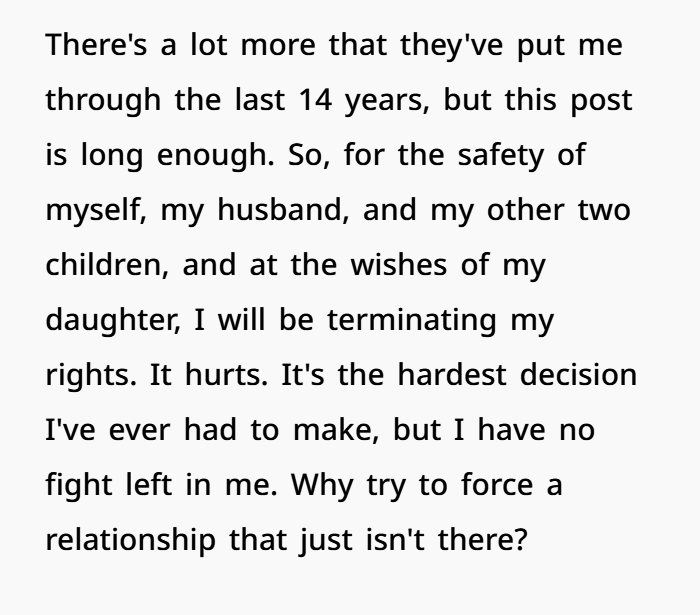
Child custody situations can be very emotional and stressful, especially when parents are involved in long legal disagreements. In this story, a 29-year-old mother shared why she decided to give up her parental rights to her 14-year-old daughter. She explained that after many years of conflict with her ex-partner and his family, she felt emotionally exhausted and unable to continue fighting.
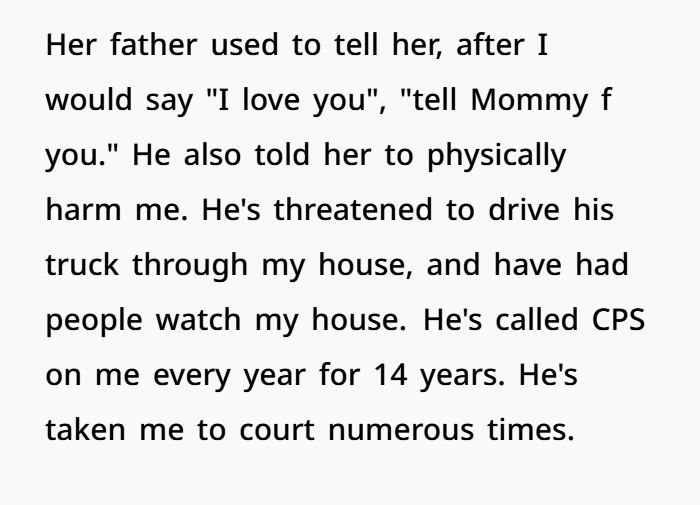
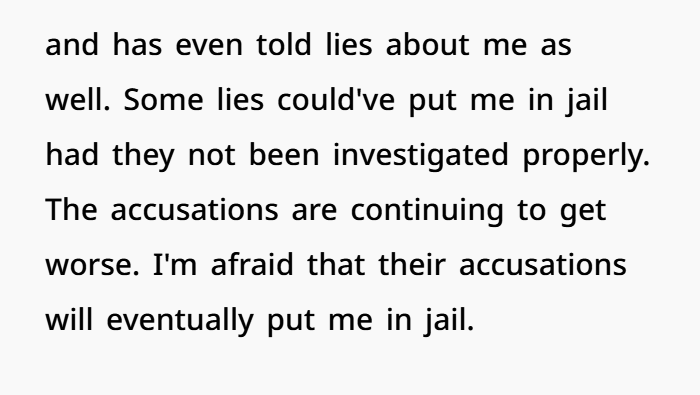
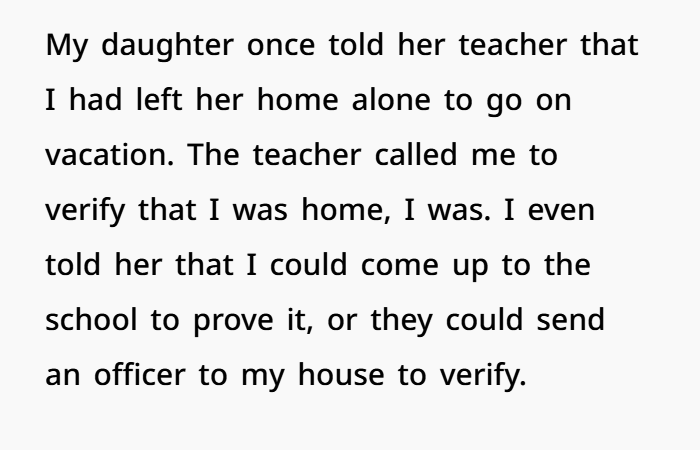
According to the mother, the problems began after her daughter was born. She said she faced years of family court issues, custody disputes, and repeated accusations that created ongoing stress. She claimed that many reports made against her were investigated and found to be untrue, but the legal battles and emotional pressure continued for many years.
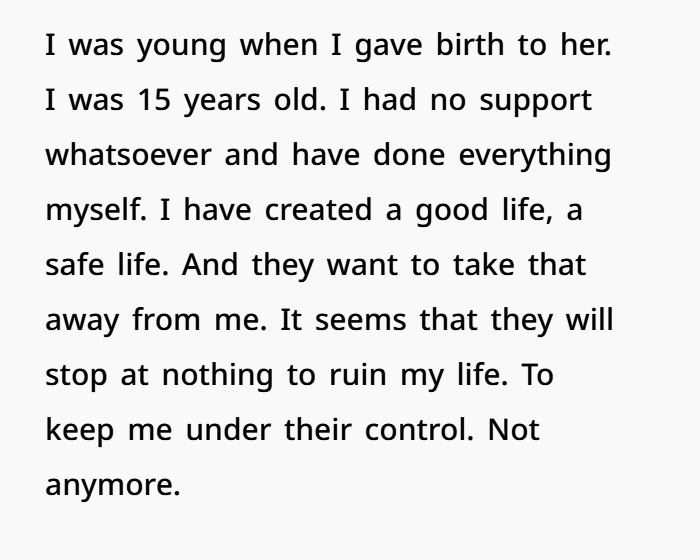
The situation was also difficult because she became a parent at a very young age. She said she worked hard to create a stable life, build a healthy relationship, and provide a supportive home environment. However, she felt that the ongoing conflict between both sides of the family made it harder to maintain a peaceful relationship with her daughter.
After years of emotional stress, the mother said she made the difficult decision to step away from her parental rights. She explained that the choice was not because she stopped caring about her daughter, but because she believed she could no longer continue in the same situation. The story highlights the challenges of family conflict, custody decisions, emotional health, and the importance of finding support during difficult life situations.


When Co-Parenting Becomes Too Difficult: The Emotional Side of Long Custody Battles
Some family stories become widely discussed because they touch a fear that many parents quietly carry: what happens when co-parenting becomes filled with constant conflict?
Many people who read this story did not question whether the mother loved her child. Instead, the bigger conversation was about how years of custody disagreements, emotional stress, and family conflict can affect a parent’s mental health and overall well-being.
Raising a child is already a major responsibility. But when parents are dealing with ongoing disagreements, legal problems, and communication issues, the situation can become extremely stressful for everyone involved.
The Emotional Impact of High-Conflict Co-Parenting
Co-parenting can be challenging even in peaceful situations. When two parents struggle to work together, children can sometimes feel caught between both sides.
Family experts often discuss how important it is for children to maintain healthy relationships with both parents whenever it is safe and possible. Experts also recognize that long-term family conflict can create emotional pressure for parents and children.
In some difficult custody situations, one parent may feel that the child is becoming distant or influenced by negative conversations about them. These situations can be very painful and complicated because family relationships involve emotions, history, and personal experiences that are not always easy to understand from the outside.
Years of Stress Can Affect Mental Health
The timeline of this story made many readers think deeply about the pressure involved. According to the mother’s account, the conflict lasted for many years.
Becoming a parent at a young age can already bring challenges. Teenage parents often have to balance education, work, finances, and personal growth while learning how to raise a child.
When legal battles, custody disagreements, and ongoing stress are added to the situation, the emotional burden can become overwhelming.
Long-term stress can affect many areas of life, including:
- Mental health and emotional stability
- Financial security
- Personal relationships
- Career growth
- Overall quality of life
Living with constant fear and uncertainty can leave people feeling exhausted and emotionally drained.
The Challenges of Custody Disputes and Legal Stress
Child custody cases can become emotionally and financially difficult for families. Court hearings, attorney expenses, paperwork, and legal decisions can create a huge amount of pressure.
Many parents involved in complicated custody situations describe feeling overwhelmed by the process. Even when a parent believes they are doing everything possible to protect their relationship with their child, the experience can still be mentally exhausting.
Legal costs can also become a major concern. Long custody disputes may involve thousands of dollars in expenses related to family law attorneys, court documents, and professional support.
This is why many families look for ways to reduce conflict and create healthier communication methods.
When Trust Between Parent and Child Breaks Down
One of the most emotional parts of the story was the discussion about trust.
A parent-child relationship is usually built on love, safety, and communication. When a parent feels they need to constantly defend themselves or document situations because of serious disagreements, it can show how much emotional damage has happened inside the relationship.
Many readers found this part heartbreaking because parents generally want their homes to feel like safe places, not places filled with fear and tension.
Protecting the Whole Family’s Well-Being
Another important part of the discussion was how family conflict can affect everyone in the household.
When parents create new families, custody struggles can sometimes impact spouses, stepchildren, and other family members too. The stress does not always stay between two people. It can affect the emotional health of the entire household.
Many people understand that parents have to consider the well-being of every person who depends on them.
The Difficult Conversation About Walking Away
One reason this story received so much attention is because many people struggle with the idea of a parent stepping away from a relationship with their child.
Society often teaches parents that they must continue fighting no matter how difficult things become. However, mental health professionals often highlight the importance of emotional well-being, healthy boundaries, and seeking support during extremely stressful situations.
Choosing distance does not always mean a person stops caring. Sometimes people reach a point where they believe they cannot continue living in constant conflict.
These decisions are deeply personal and usually involve years of emotional pain, difficult choices, and careful thought.
The Importance of Support and Professional Help
Experts often recommend support systems during high-conflict family situations. This may include:
- Family counseling
- Individual therapy
- Mediation services
- Legal advice from qualified family law professionals
- Healthy communication strategies
Getting professional guidance can help families make decisions based on emotional health, safety, and long-term stability.
Why This Story Connected With So Many People
At its core, this story was not only about custody battles or family court. It was about emotional exhaustion and the limits of what a person can handle.
Many readers connected with the idea that years of stress can change people. Constant conflict can affect confidence, relationships, finances, and mental health.
The situation also reminded people that family relationships can be complicated. Love is powerful, but sometimes difficult circumstances create challenges that are not easily solved.
The biggest lesson many people took from this discussion is that families need compassion, support, and understanding. Behind every custody story are real people dealing with emotions, struggles, and decisions that are often much more complicated than they appear online.
Healthy communication, professional support, and protecting mental well-being are important parts of navigating difficult family situations.
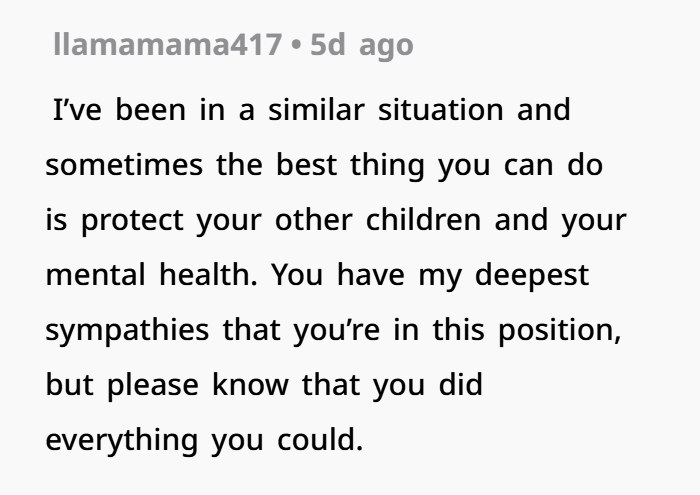
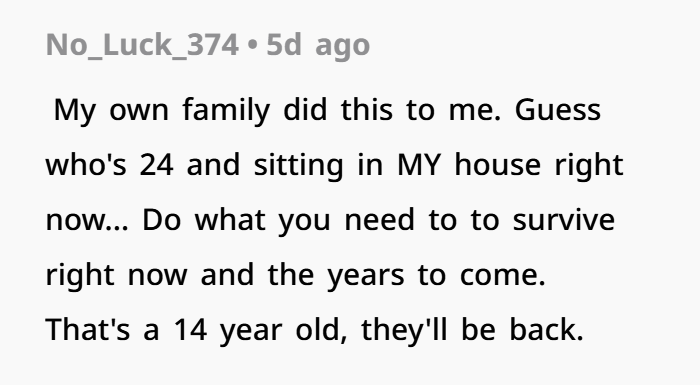
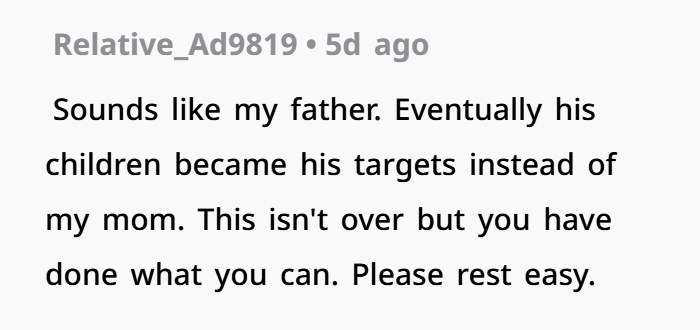
Netizens assured the poster that she had done nothing wrong, as the narcissist dad deserved to know that he had raised a monster