AITAH for laughing when my brother got diagnosed with diabetes?

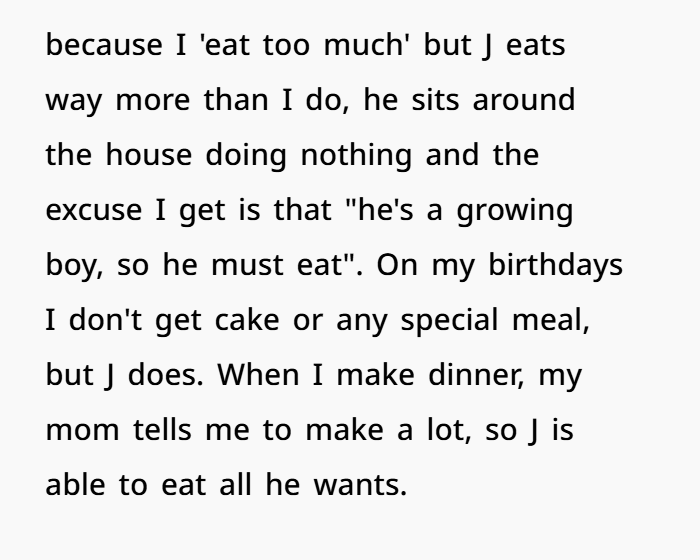
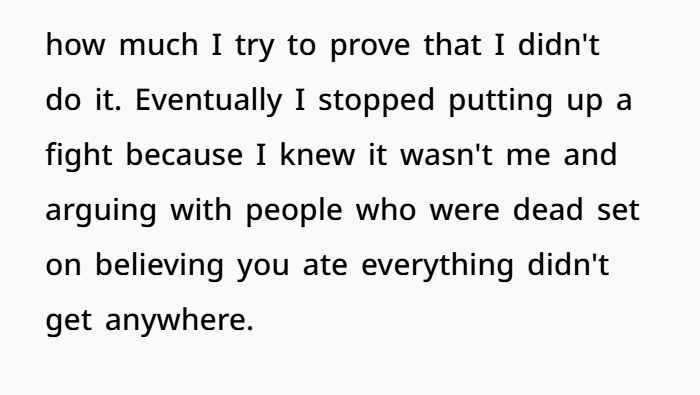
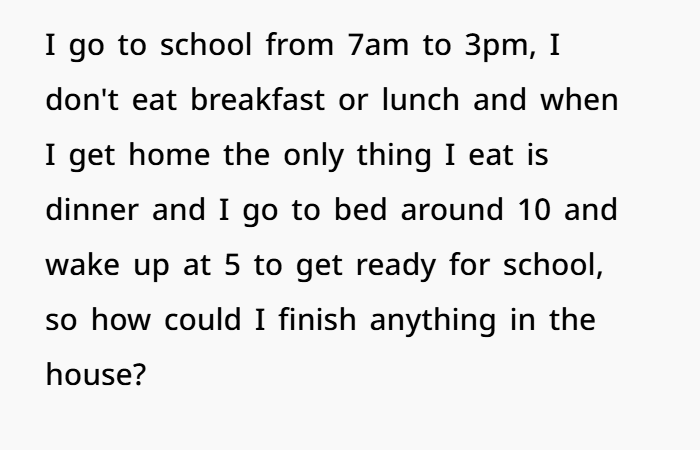
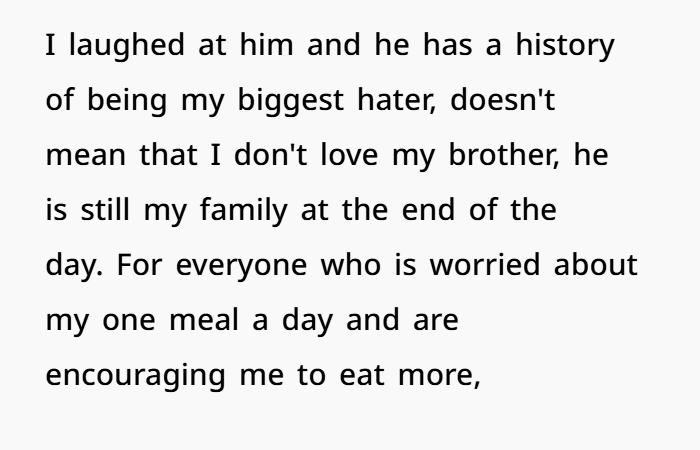
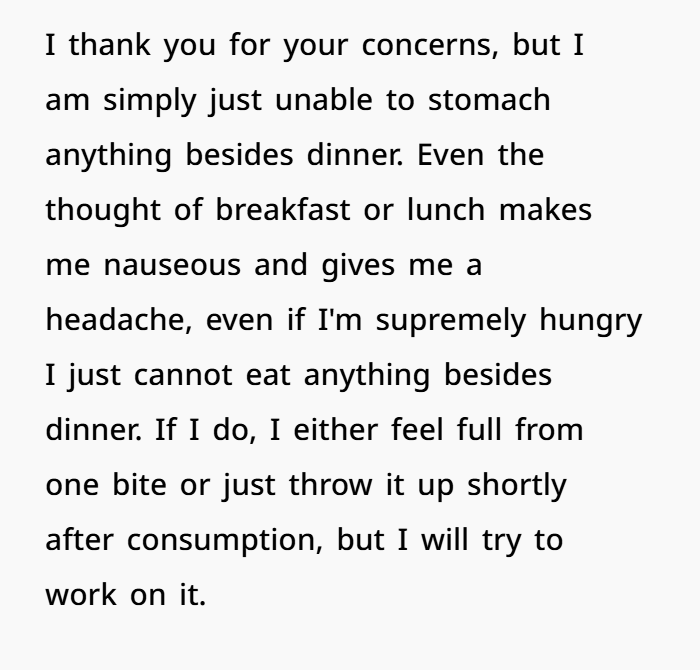
A person shared a story about years of feeling hurt and treated unfairly by their family. They explained that they were often blamed for things going missing, especially food from the fridge, and were called names about their weight. At the same time, they felt their brother received more support and fewer consequences for his actions.
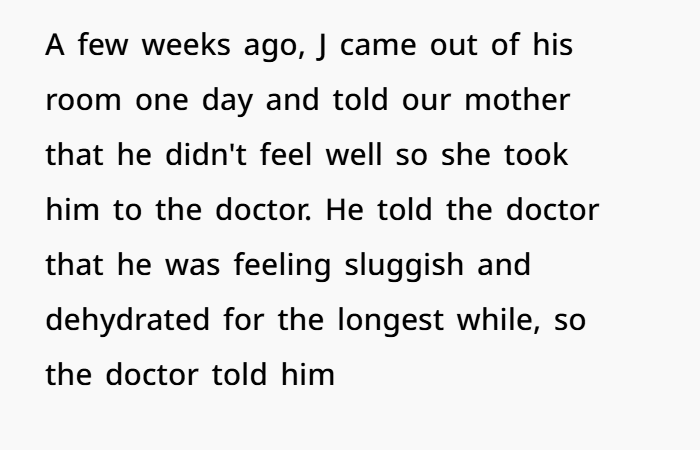
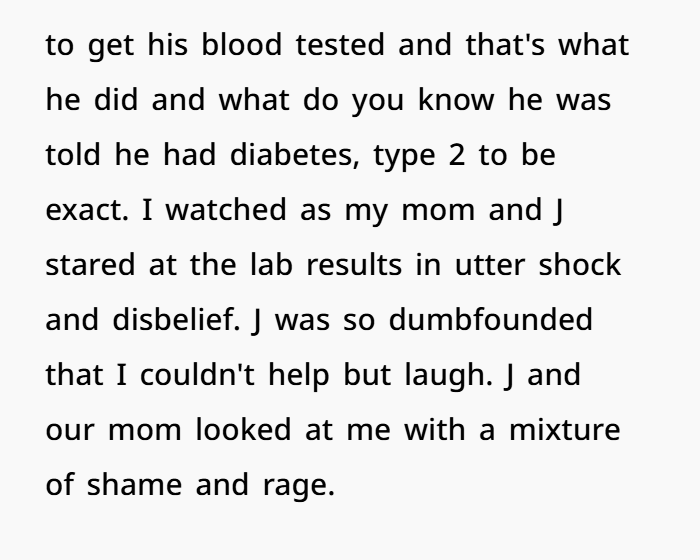
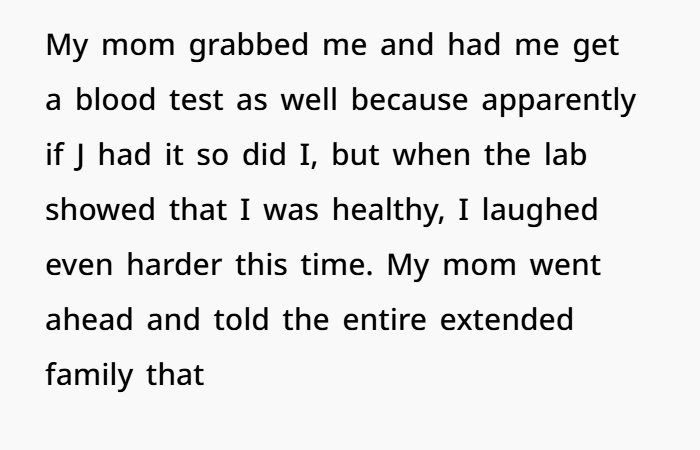
When their brother was diagnosed with Type 2 diabetes, they reacted by laughing. They explained that it was not because they wanted him to suffer, but because years of frustration and anger came out in that moment. The reaction was connected to old feelings of being ignored, judged, and treated differently.
Afterward, family members called the person cruel and insensitive. They felt misunderstood because, in their view, the reaction was not about making fun of someone’s health problem. It was about the pain and resentment they had carried for many years.
The situation made them think about family relationships, emotional healing, and the importance of dealing with past conflicts. While they still care about their brother, they also believe their own feelings and experiences deserve to be recognized and respected.
The author was consistently blamed by her family for finishing food and was mocked for being “fat”, while her older brother ate freely without consequence


I Laughed When My Brother Was Diagnosed With Diabetes — Was I Wrong?
Family relationships can be complicated.
Sometimes a single moment brings up years of old pain, anger, and disappointment.
This situation is not only about a diabetes diagnosis. It is also about family conflict, childhood experiences, feeling judged, and how unresolved emotions can affect the way people react.
When a person laughs after hearing that a family member is sick, many people may see it as cruel.
But sometimes emotions are more complicated than they appear.
Type 2 Diabetes Is A Serious Health Condition
First, it is important to understand what type 2 diabetes means.
Type 2 diabetes is a long-term health condition where the body has trouble using insulin properly or does not produce enough insulin.
This can cause high blood sugar levels.
If diabetes is not managed, it can increase the risk of serious health problems, including:
- Heart disease
- Kidney problems
- Nerve damage
- Vision problems
- Other long-term health complications
Many factors can contribute to type 2 diabetes, including genetics, lifestyle habits, age, and overall health.
A diabetes diagnosis is something that should be taken seriously.
Why Did I React That Way?
The difficult part of this story is understanding the emotions behind the reaction.
The person who laughed did not react because diabetes is funny.
The reaction came after years of feeling criticized and judged by family members.
They felt that their brother and family often focused on their eating habits, weight, and personal choices.
When someone experiences constant criticism, it can create anger and resentment over time.
Feeling ignored or unfairly treated by family can affect how people respond during emotional moments.
Sometimes a reaction is not only about what is happening today.
It is also connected to years of past experiences.
Old Family Problems Can Affect New Situations
When a serious health issue happens in a family, it can bring many emotions to the surface.
Some family members may feel fear and sadness.
Others may feel anger because of unresolved issues from the past.
For someone who has felt overlooked or blamed, a health diagnosis may bring up complicated feelings.
They may feel:
- Confused
- Guilty
- Angry
- Relieved
- Hurt
People do not always experience emotions in a simple way.
A person can care about someone and still have unresolved pain from the relationship.
Why Some People See The Reaction As Hurtful
At the same time, it is understandable why others reacted negatively.
Laughing after someone receives a serious diagnosis can look like celebrating another person’s suffering.
From the outside, people may not see the years of family conflict behind that reaction.
They may only see a person laughing at a loved one’s health problem.
A health condition like diabetes affects real people and can be difficult to manage.
Showing kindness during someone’s health struggles is important.
Both Things Can Be True
The situation does not have to be only one thing.
It can be true that:
- Diabetes is a serious illness.
- Laughing at someone’s diagnosis can hurt them.
- Family criticism and unfair treatment can create deep emotional wounds.
- A person may have complicated feelings because of past experiences.
Human emotions are not always perfect or logical.
Sometimes people react from pain before they have time to process what they are feeling.
Family Favoritism And Resentment
Many families experience problems with feeling treated differently.
A sibling may feel that another child receives more attention, support, or understanding.
Over time, these feelings can build.
When a major event happens, like illness or a personal crisis, old feelings may become stronger.
The health problem itself may not be the only issue.
It may also remind someone of years of feeling unseen or unheard.
What Happens Next Matters
A single emotional reaction does not have to define an entire relationship.
What matters is what happens afterward.
A person can take time to reflect and ask:
“Why did I feel this way?”
“Is my anger connected to old pain?”
“Do I want to repair this relationship?”
Healing family relationships often requires honest conversations, understanding, and sometimes professional support.
Learning From Difficult Family Situations
This story shows that family relationships can be emotionally complicated.
People can carry old wounds for years.
They can love family members while also feeling hurt by them.
The healthiest approach is usually finding a balance between compassion and personal boundaries.
You can acknowledge someone’s health struggles while also recognizing your own emotional experiences.
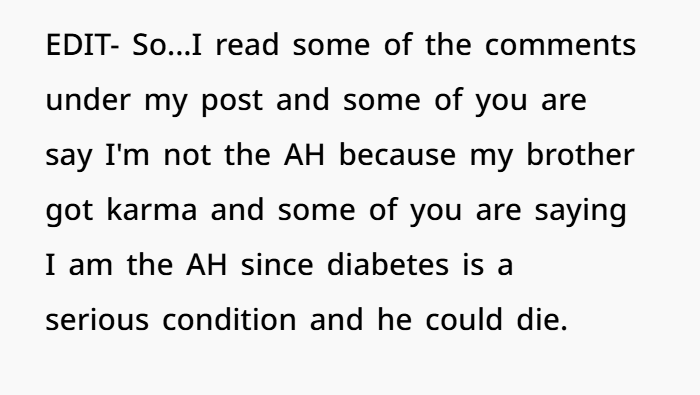
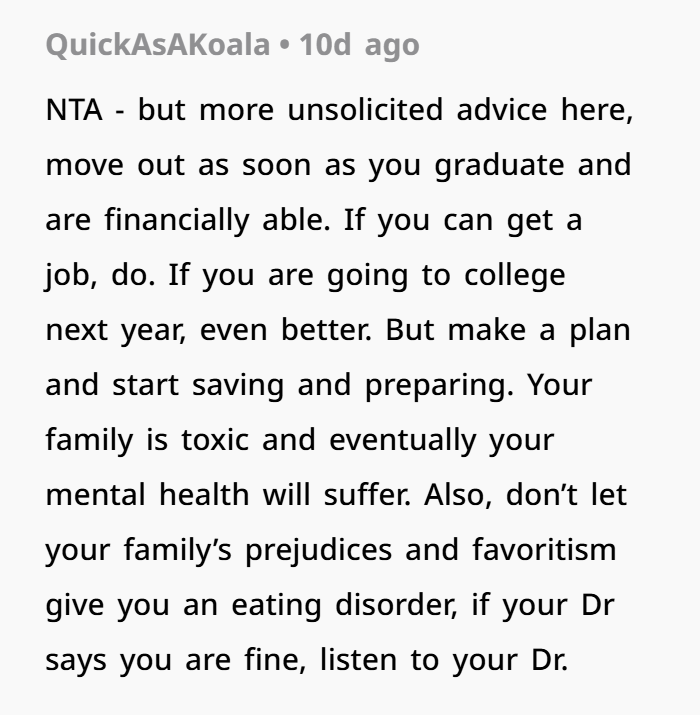
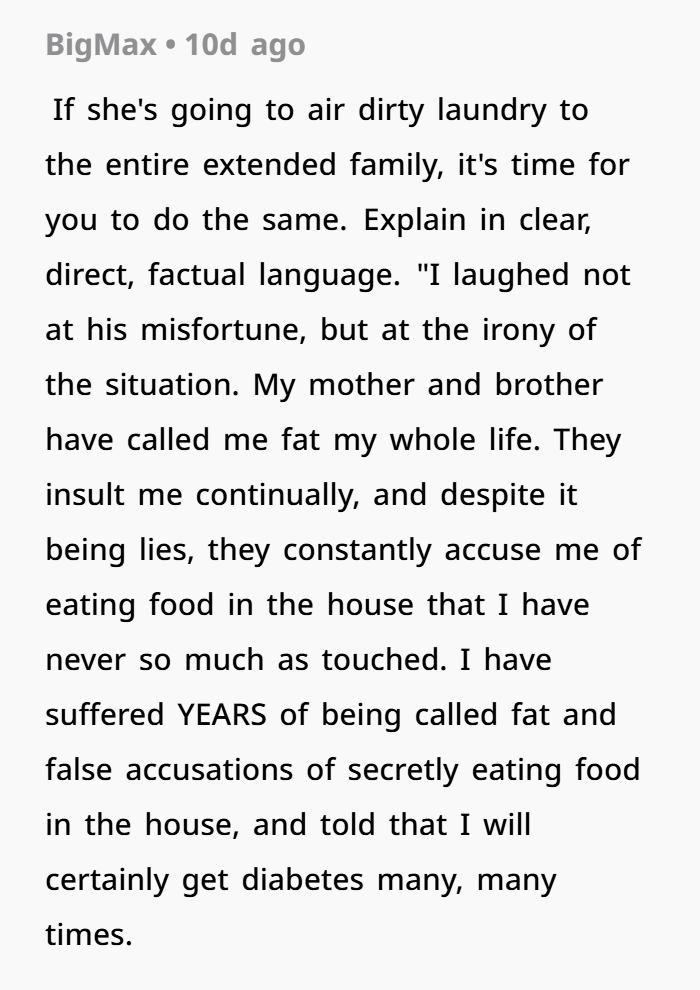
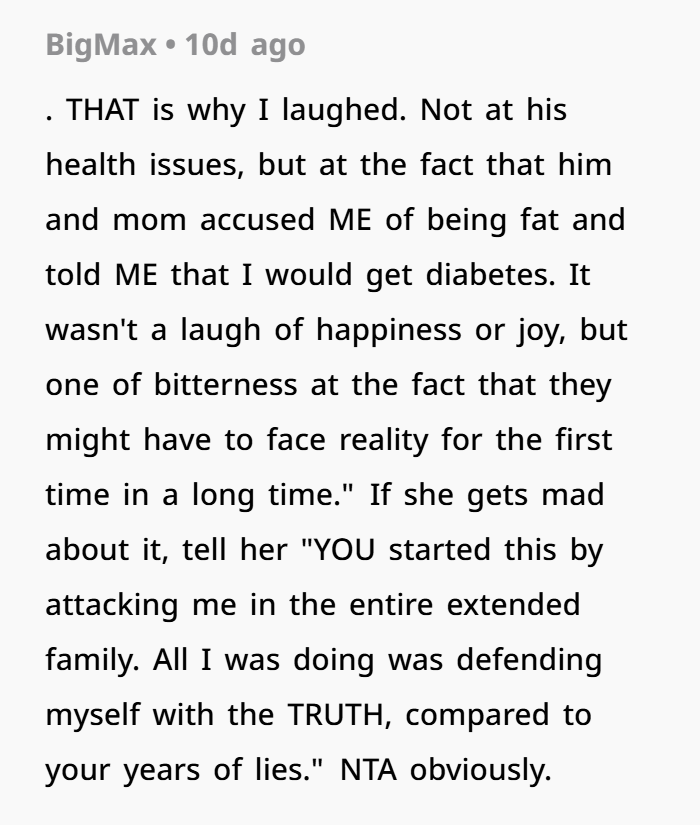
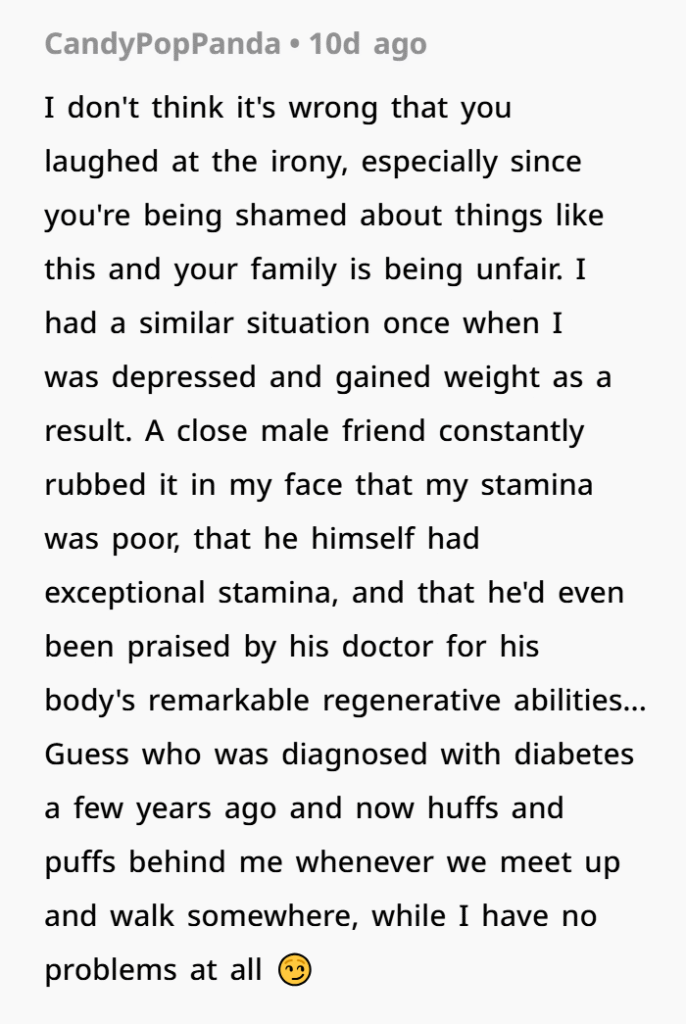
Netizens insisted the author’s laughter was at the irony and that she wasn’t wrong for that given the way she had always been treated by her family





Final Thoughts
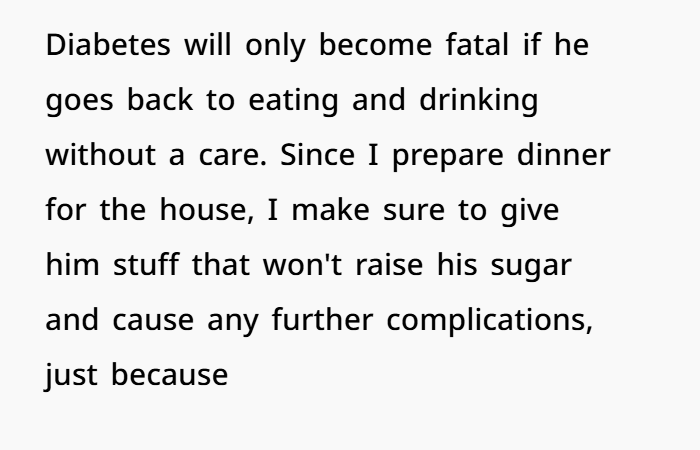
Laughing at a serious illness can be hurtful, and diabetes should always be treated with care and respect.
But emotional reactions often come from deeper places.
Sometimes a person is not reacting only to the current situation. They are reacting to years of feeling judged, ignored, or misunderstood.
The important thing is learning from the moment.
Health challenges require compassion, and family relationships require honesty, respect, and communication.