He Had a Girlfriend… But Kissed Me Anyway — Was I Wrong?

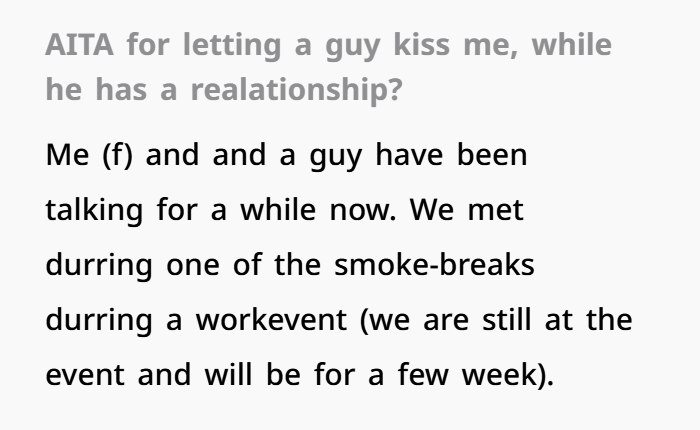
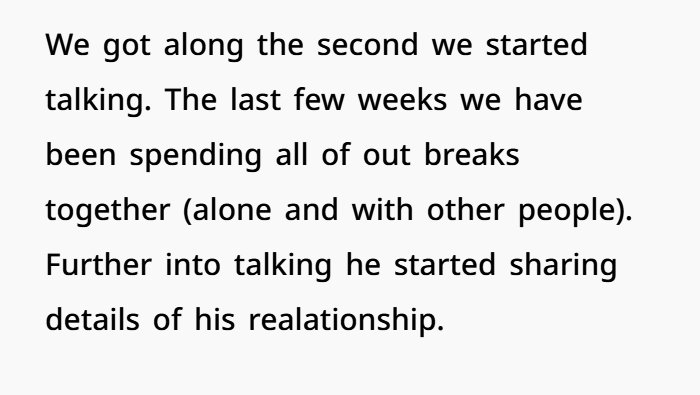
This situation is difficult because it involves emotions, attraction, and relationship boundaries. You met someone at work, and the two of you quickly connected. You enjoyed talking, spending breaks together, and sharing personal stories. Even though you knew he had a girlfriend, the friendship slowly became closer. Many people face similar situations and look for advice about workplace relationships, emotional connections, and setting healthy boundaries.
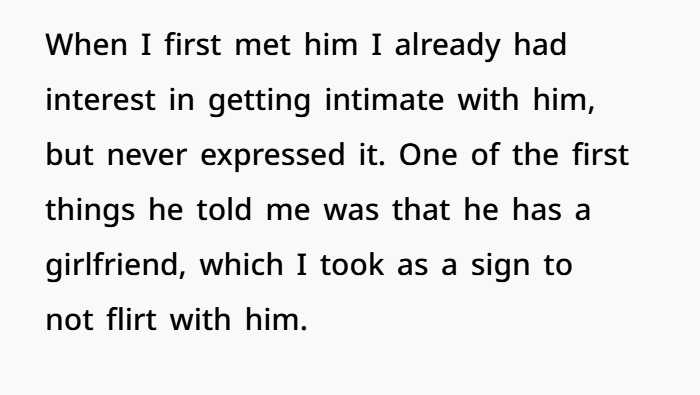
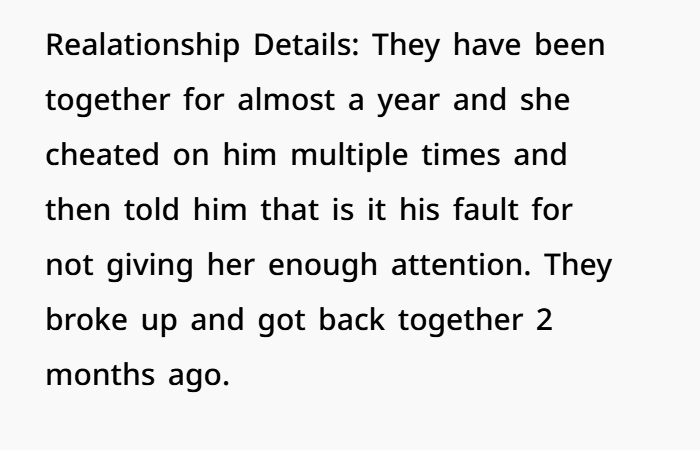
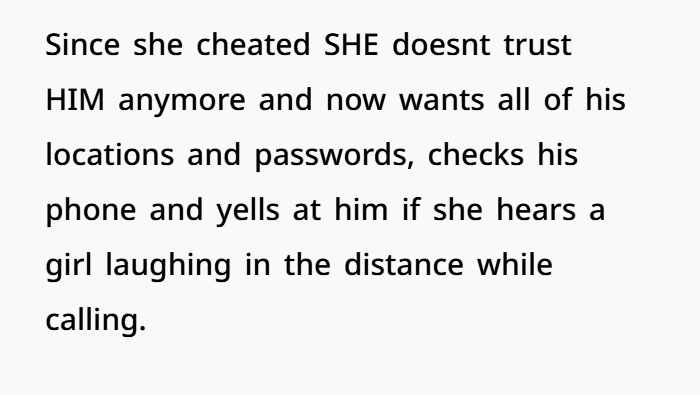
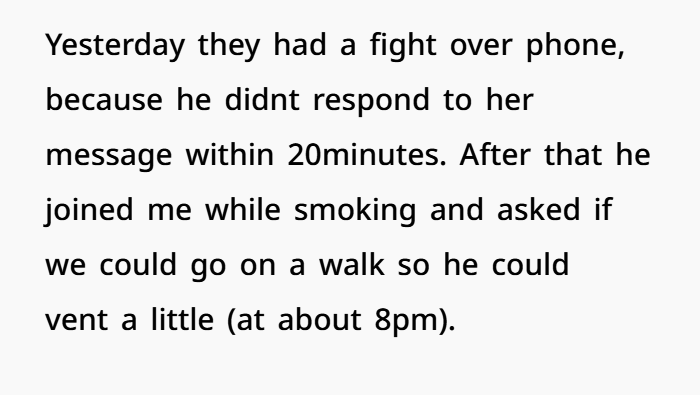
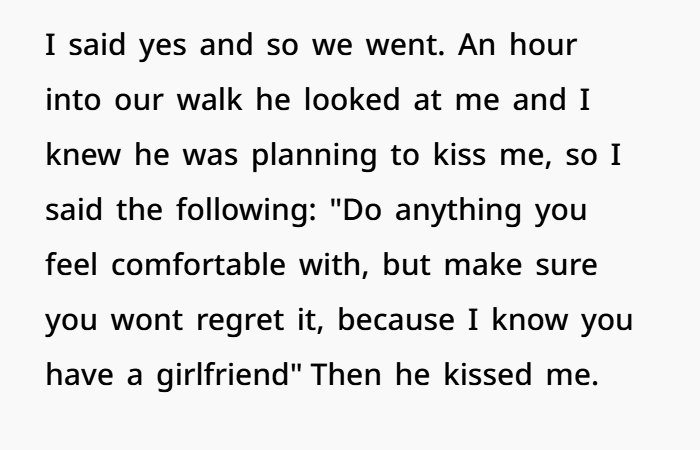
Things became more complicated when he started sharing problems about his relationship. He talked about frequent arguments, trust issues, and unhealthy behavior in his relationship. During an emotional conversation, he kissed you. You did not plan for it to happen, but you also did not stop it. After that moment, you started questioning your role and wondering if you were also responsible for what happened.
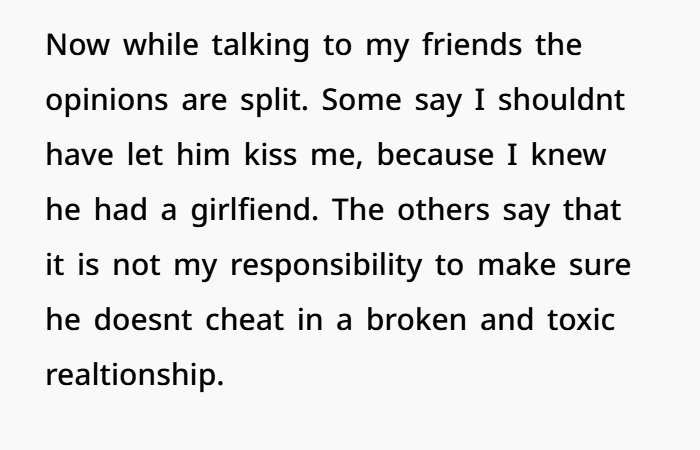
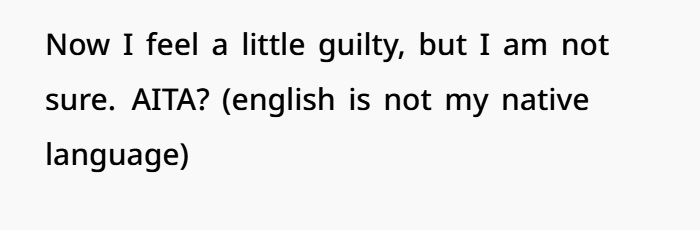
Some people may feel that a boundary was crossed because he was already in a relationship. Others may believe that he was responsible for making choices about his own relationship. The situation feels confusing because emotions can make decisions harder, especially when someone is dealing with personal struggles.
This kind of situation shows why communication, honesty, and clear relationship boundaries are important. When feelings become complicated, it can help to think carefully about personal values, respect for others, and the possible impact of each decision before moving forward.
Emotional Boundaries and Relationship Choices: Understanding a Complicated Situation
At first, this situation may seem like it is only about a kiss.
But the bigger issue is about something deeper:
- Emotional boundaries
- Relationship choices
- Trust
- Personal responsibility
- Understanding complicated feelings
Situations like this can happen when people become emotionally close while one person is already in a relationship.
When Someone Is Unhappy in Their Relationship
The person involved was already having serious problems in their relationship.
There were issues like:
- Broken trust
- Arguments
- Blame
- Emotional stress
When someone feels unhappy or unsupported, they may look for comfort from another person.
Having someone listen, understand, and provide emotional support can create a strong connection.
This is especially true when people spend a lot of time together, such as at work or in other close environments.
However, emotional support can sometimes become confusing when one person starts developing feelings outside their relationship.
How Emotional Connections Can Become Complicated
Many relationships that cross boundaries do not start suddenly.
They often build slowly.
It may begin with:
- Frequent conversations
- Sharing personal problems
- Feeling understood
- Spending more time together
- Becoming emotionally dependent
At some point, the connection can move beyond friendship.
This is why emotional boundaries are important.
Knowing where a friendship ends and a romantic connection begins can help people avoid situations that create hurt for everyone involved.
Understanding Your Role in the Situation
It is important to recognize that the person who is in the relationship has the main responsibility for protecting that commitment.
They made the promise to their partner.
If they are unhappy, the healthier choices are usually:
- Having an honest conversation
- Seeking relationship counseling
- Creating distance
- Ending the relationship before starting something new
However, there is also a personal responsibility on the other side.
If you know someone is in a relationship and you notice the connection becoming more than friendship, setting clear boundaries can prevent a painful situation.
This does not mean you are responsible for someone else’s choices.
It means you are responsible for your own actions.
Feeling Guilty Can Be a Sign of Self-Awareness
Feeling uncomfortable afterward does not mean someone is a bad person.
Sometimes guilt is a sign that your actions did not fully match your personal values.
Instead of using guilt only as punishment, it can be helpful to use it as a lesson.
Ask yourself:
- Did my actions match the person I want to be?
- Would I make the same choice again?
- What boundaries do I need in the future?
Self-reflection can help people make healthier decisions.
A Difficult Relationship Does Not Excuse Crossing Boundaries
Someone being unhappy in a relationship can explain their emotions.
But it does not automatically make every decision acceptable.
A difficult relationship should be handled honestly.
Starting a new emotional or romantic connection before ending the current relationship can create more pain and confusion.
Healthy relationships usually require:
- Honesty
- Respect
- Clear communication
- Emotional responsibility
The Importance of Workplace Boundaries
Workplace relationships can become complicated because people spend a lot of time together.
When emotions become involved, it can affect:
- Daily communication
- Professional comfort
- Team relationships
- Future interactions
Maintaining healthy workplace boundaries can protect both personal and professional well-being.
Before becoming involved with someone from work, it is important to consider the possible consequences.
What Matters Moving Forward
Instead of focusing only on who is “wrong,” it can be more helpful to focus on what can be learned.
This situation shows the importance of:
- Recognizing emotional limits
- Respecting existing relationships
- Communicating honestly
- Making choices that match your values
Mistakes can happen.
What matters is how people respond afterward.
Taking responsibility, learning from the experience, and making healthier choices in the future are important parts of personal growth.
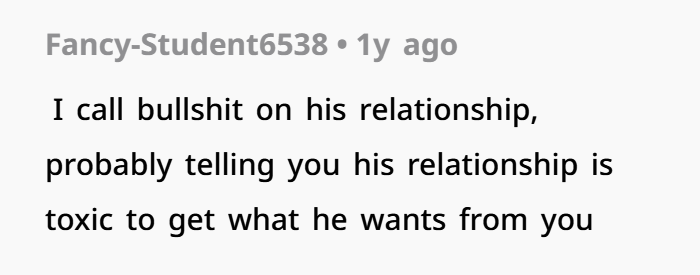
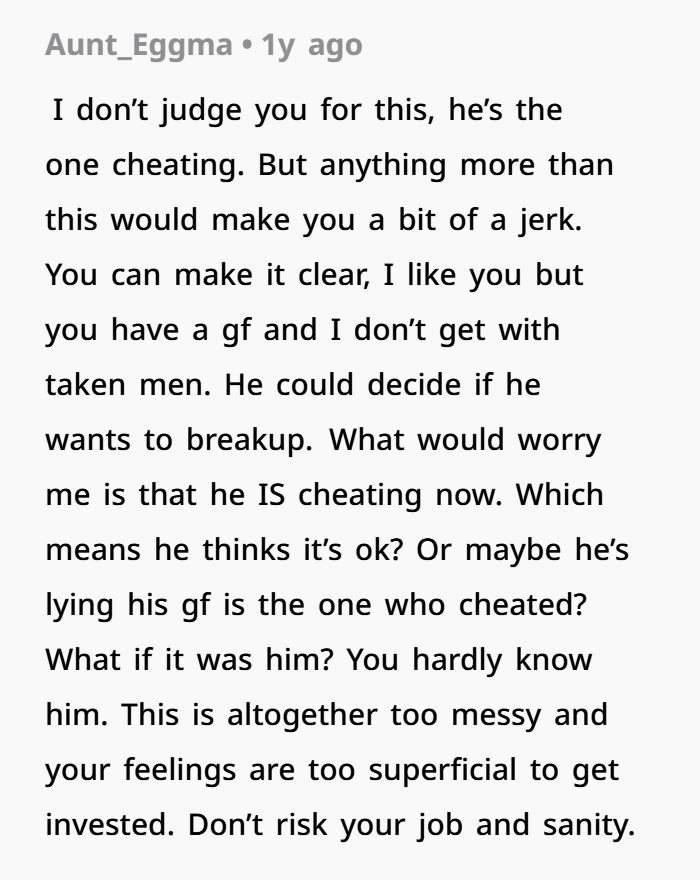
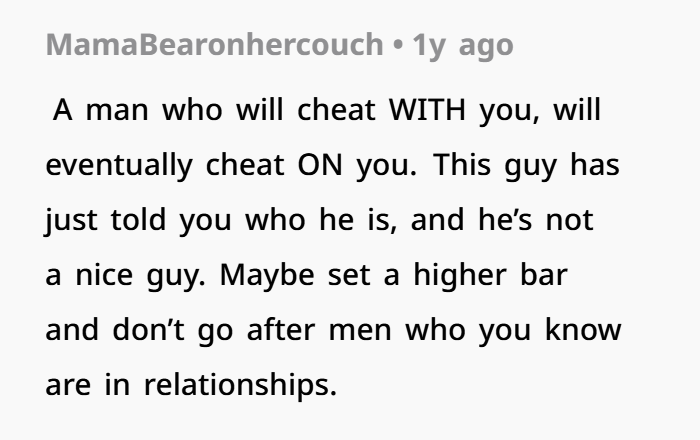
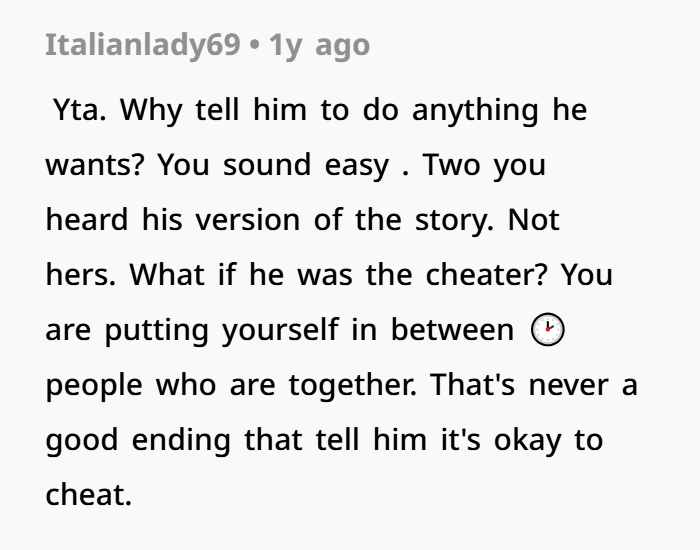
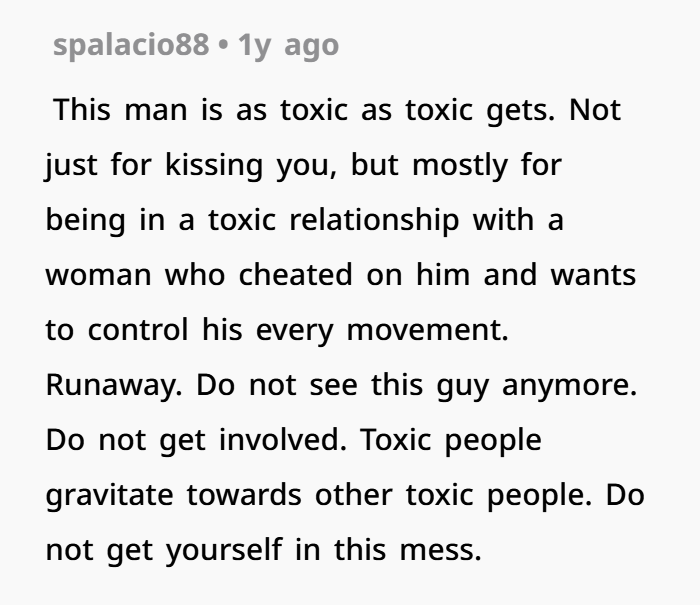
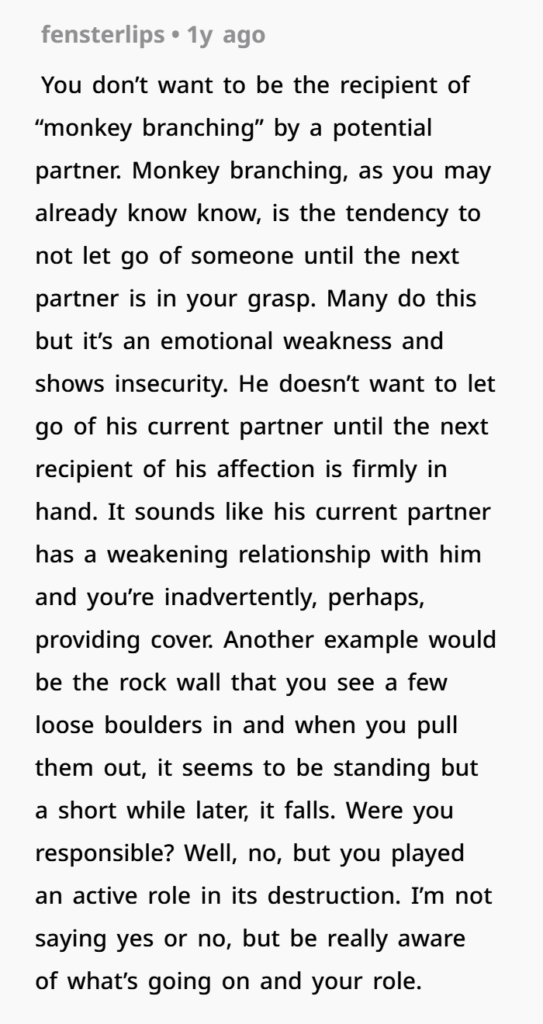
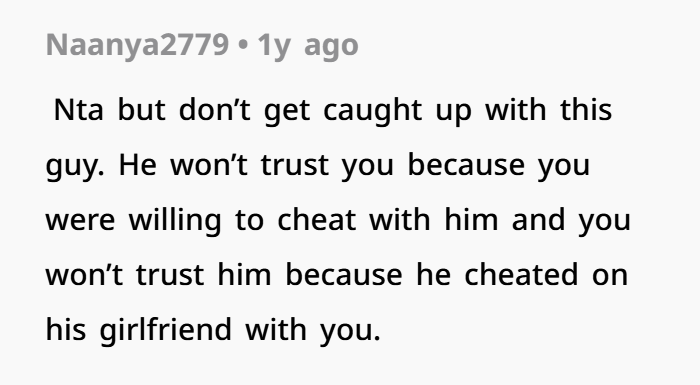
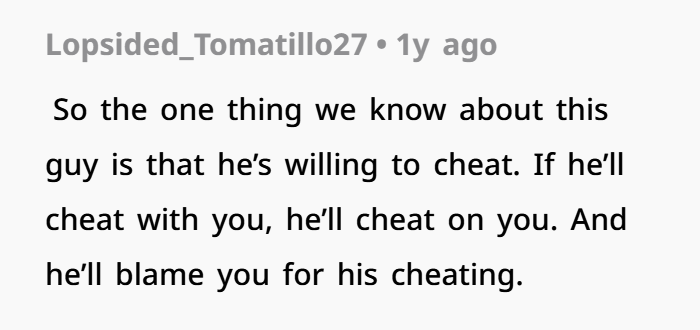
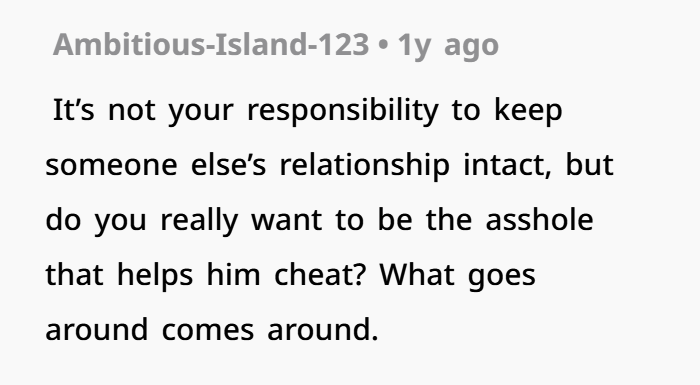
Comments From The Community
Final Thoughts
This situation is not only about one moment.
It is about how emotional connections develop and how people handle complicated feelings.
The person in the relationship is responsible for their commitment.
At the same time, everyone involved can benefit from understanding boundaries and making thoughtful choices.
A better question than “Who is the bad person?” is:
“Did my actions reflect the kind of person I want to be?”
That question can lead to honesty, growth, and healthier relationships in the future.