After a Drastic Change, a Wife’s Cheating Is Revealed—But the Hospital Uncovers Why

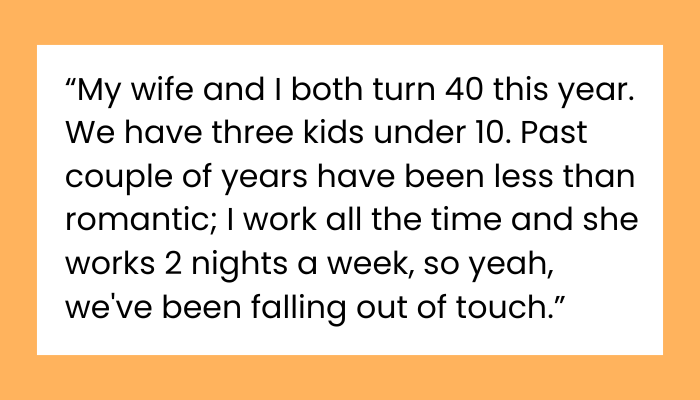
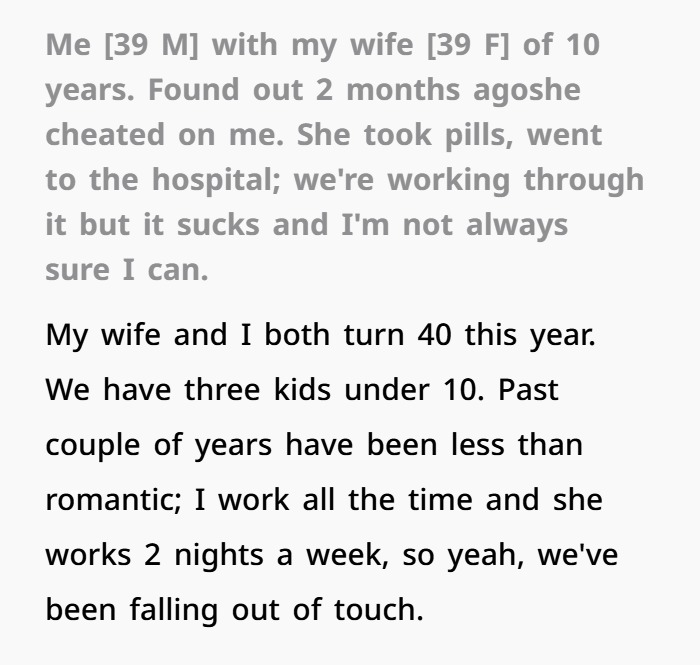
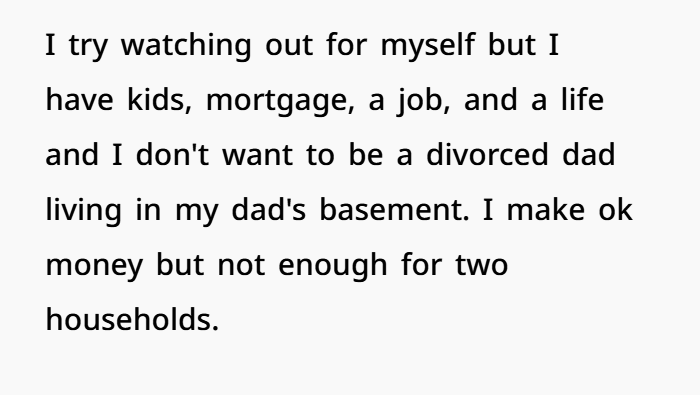
After 10 years of marriage, three children, and a life built together, a husband faced a situation he never expected. Their relationship had been difficult for some time. Long work hours, stress, and emotional distance slowly created problems between them.
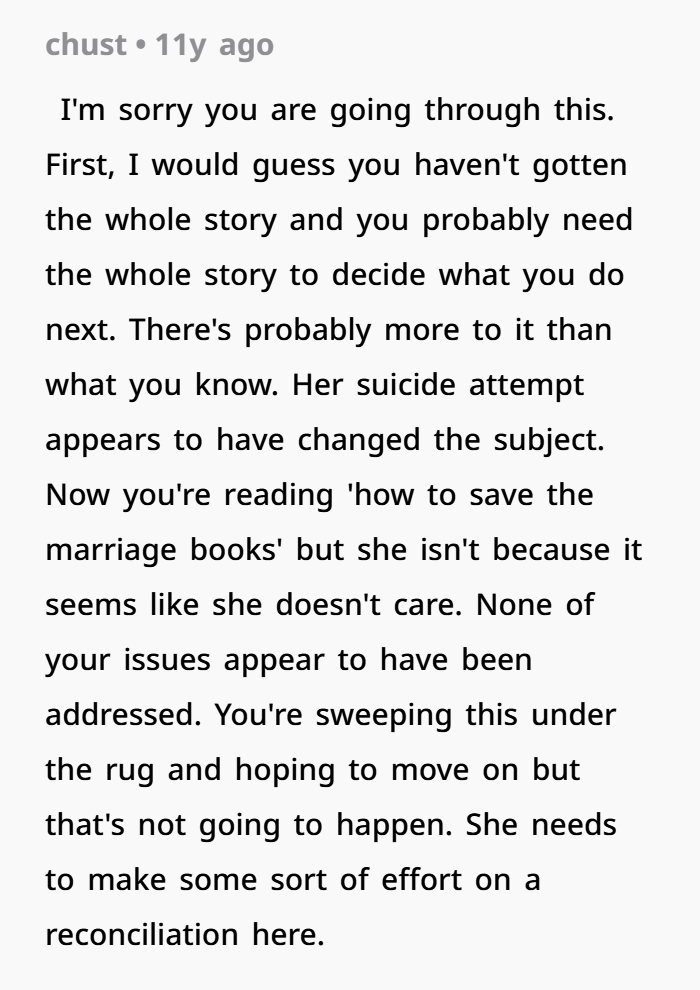
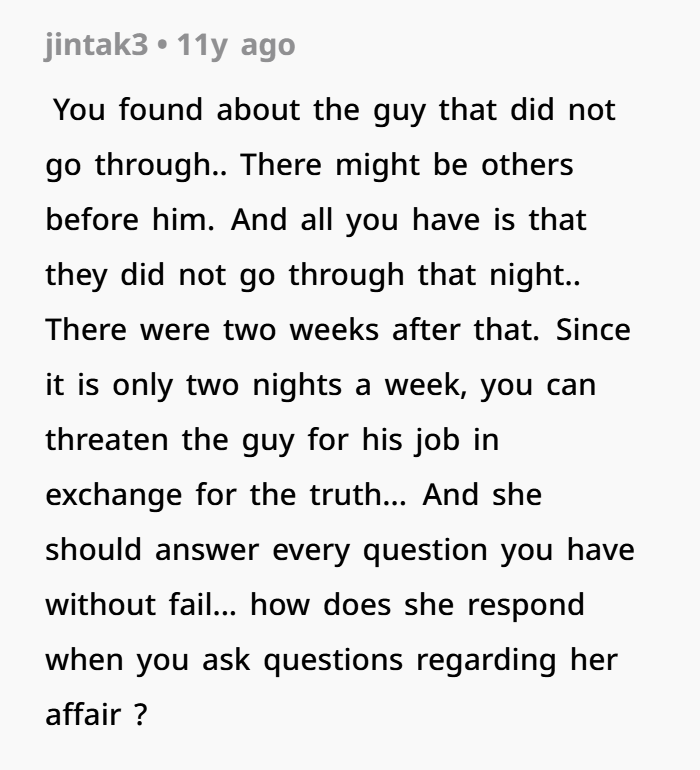
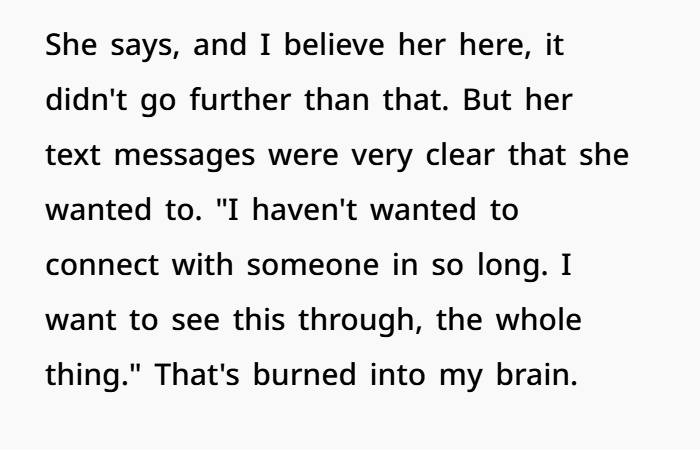
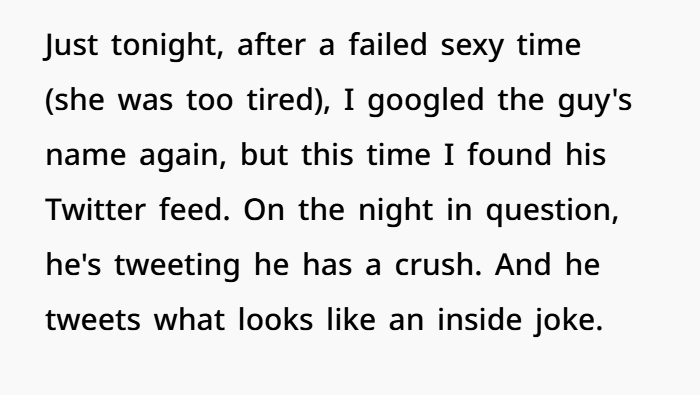
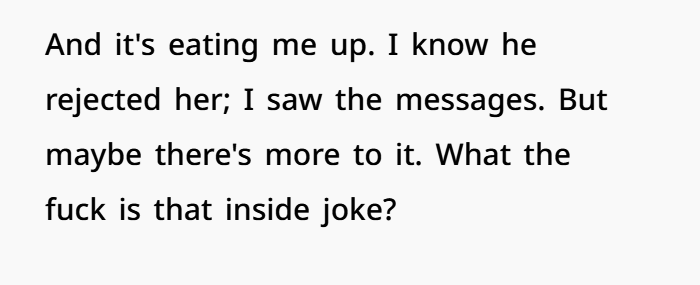
Over time, he started noticing changes. His wife’s behavior seemed different, they argued more often, and he felt that something was wrong. Later, he looked through her messages and discovered that she had developed an emotional connection with a coworker. She admitted that they had kissed, but the messages showed that she had stronger feelings and wanted the relationship to continue.
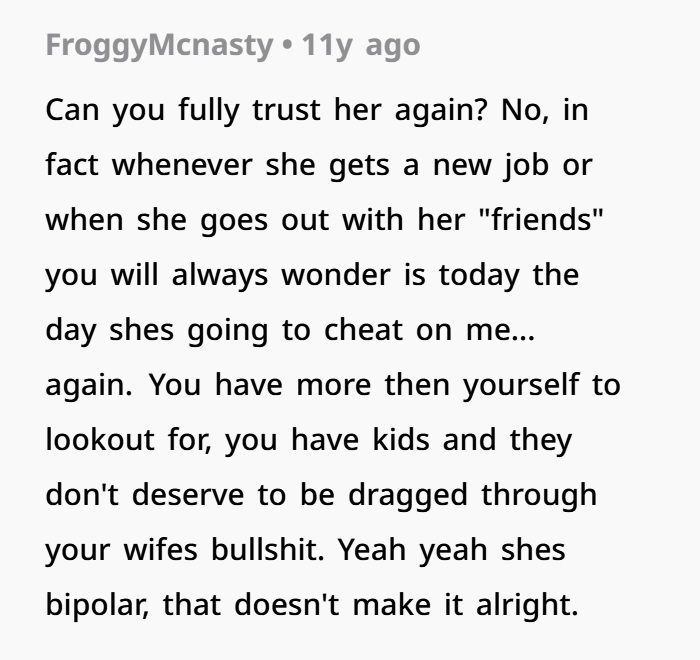
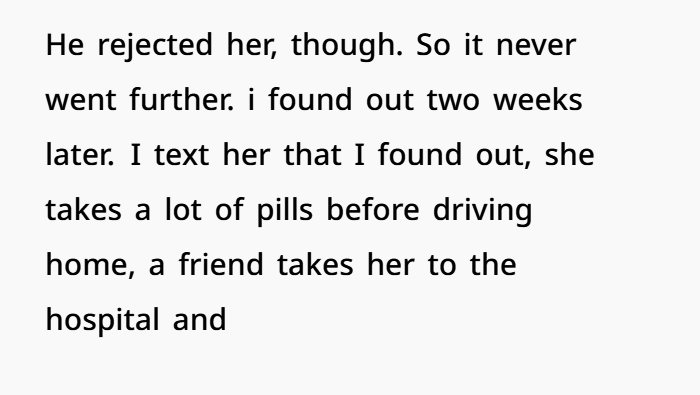
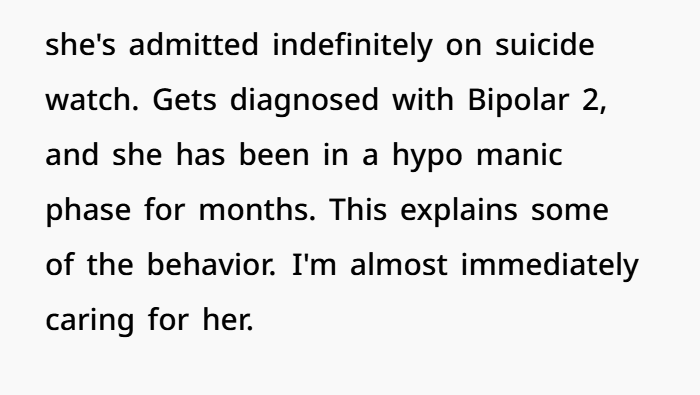
Instead of ending the marriage right away, the situation became much more complicated. After the truth came out, his wife experienced a serious emotional crisis and needed medical care. Later, she was diagnosed with Bipolar II disorder, and doctors believed her actions happened during a period of increased mood symptoms. The situation became connected to mental health, trust, responsibility, and healing.
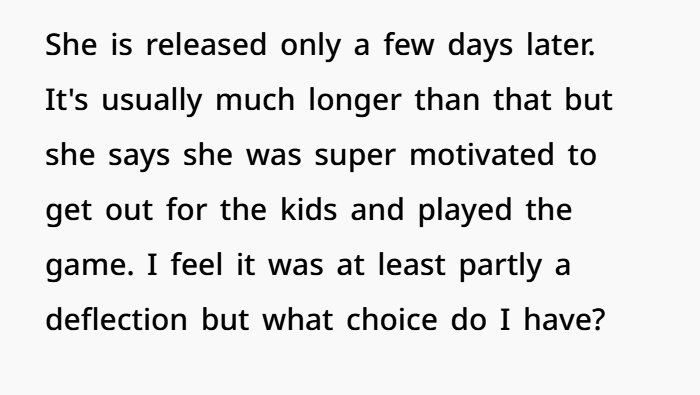
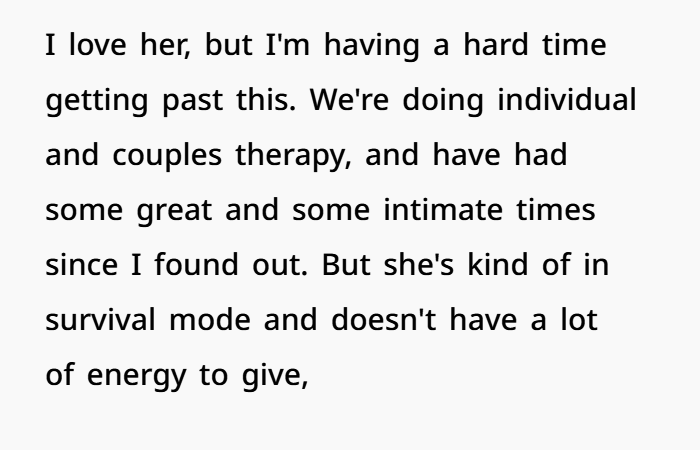
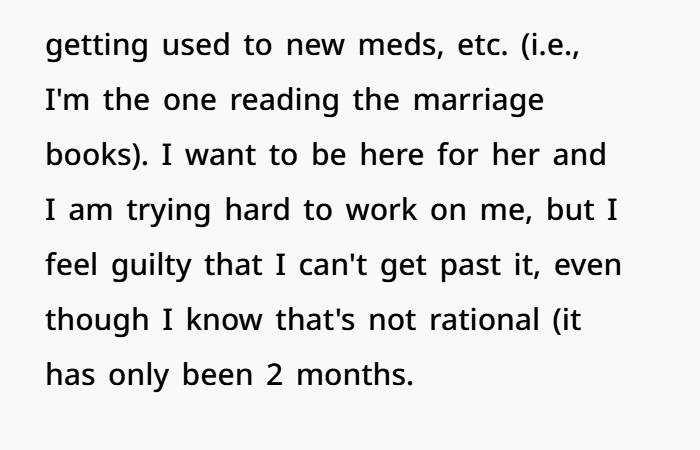
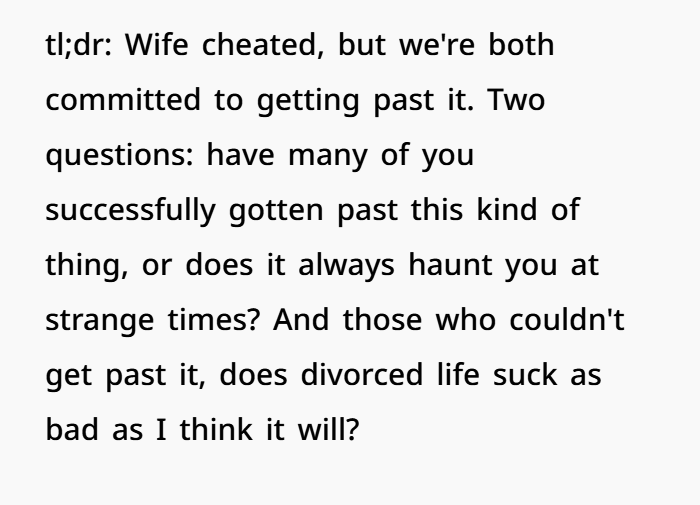
Now, only a few months later, they are attending therapy and trying to repair their marriage. He continues to support his wife and care for their children, but he is still struggling with the pain of the betrayal. The memories of the messages and what happened continue to affect him.
He is now wondering if the pain will ever fully disappear or if rebuilding the relationship means learning to live with the hurt. Situations involving infidelity, mental health challenges, and marriage problems can be very difficult. Healing often requires time, honest communication, professional counseling, and effort from both partners.

Healing After Infidelity: Understanding Trust, Mental Health, and Relationship Recovery
Dealing with cheating in a marriage can be one of the most painful experiences a person goes through.
It is not only about what happened.
It is also about broken trust, emotional pain, fear about the future, and the question of whether the relationship can become safe again.
When mental health challenges are also involved, the situation can feel even more complicated.
There is no simple answer or quick solution.
Why Emotional Betrayal Hurts So Much
Many people think cheating is only about physical actions.
But emotional connections outside a marriage can also cause deep pain.
When a partner develops feelings, attachment, or a strong connection with someone else, the hurt partner may feel replaced, rejected, or unsafe.
The painful part is often not only the event itself.
It is the feeling that someone you trusted was building a separate emotional world without you.
That is why thoughts about the situation can keep coming back.
Your mind is trying to understand something that changed your sense of trust and security.
Understanding Mental Health and Responsibility
In this situation, a Bipolar II diagnosis is an important part of the conversation.
Some people with Bipolar II may experience periods of hypomania, which can include:
- Increased energy
- Impulsive decisions
- Strong emotions
- Risk-taking behavior
- Changes in judgment
Mental health conditions can influence how someone thinks and behaves.
However, understanding a reason behind a behavior does not mean ignoring the impact it had on another person.
Two things can be true at the same time:
A mental health condition may explain certain behaviors.
The hurt caused to a partner still needs to be recognized.
Healthy relationship recovery requires both compassion and accountability.
When One Person Becomes the Caregiver
After a major relationship crisis, couples can sometimes fall into an unhealthy pattern.
One person becomes responsible for everything:
- Supporting their partner emotionally
- Managing daily life
- Providing financial stability
- Helping with recovery
At the same time, that same person is also dealing with their own pain.
This can create emotional exhaustion.
The hurt partner also needs care, support, and space to heal.
Recovery should not depend on only one person doing all the work.
Why Betrayal Thoughts Keep Coming Back
After infidelity, many people experience repeated thoughts about what happened.
They may:
- Search for information online
- Look at social media accounts
- Replay conversations
- Think about details again and again
This is a common response after a painful betrayal.
The brain often tries to find answers because uncertainty feels uncomfortable.
People may think:
“If I understand every detail, maybe I will finally feel better.”
But sometimes searching for more information creates more stress instead of peace.
Healing usually comes from rebuilding safety, not from collecting every possible detail.
Can Couples Recover After Cheating?
Yes, some couples are able to rebuild their relationship after infidelity.
But recovery usually does not mean going back to the way things were before.
Many couples have to create a new relationship based on stronger communication and clearer expectations.
Important parts of rebuilding trust include:
Honest Communication
Both partners need to be able to talk openly about what happened and how they feel.
Accountability
The person who caused the hurt needs to take responsibility without avoiding difficult conversations.
Patience
Healing does not happen in a few weeks.
Many couples need months or even years to fully rebuild trust.
Emotional Safety
The hurt partner needs space to express pain without being made to feel guilty for having feelings.
Two Months After Betrayal Is Still Early
If the discovery happened only recently, it is normal to still feel confused and overwhelmed.
Early recovery can feel unstable.
Some days may feel better.
Other days may bring back anger, sadness, or fear.
This does not mean healing is impossible.
It means the emotional wound is still fresh.
Staying Together or Separating
Many people struggle with the question:
“Should I stay or should I leave?”
Both choices can be difficult.
Staying May Mean:
- Working on rebuilding trust
- Managing painful memories
- Going through couples counseling
- Creating a new relationship together
Leaving May Mean:
- Adjusting to a new lifestyle
- Handling financial changes
- Creating a new routine
- Finding independence
There is no single choice that works for everyone.
The right decision depends on the relationship, the people involved, and whether real change is happening.
The Real Question Is About Safety
The biggest question is not only:
“Can I forgive this?”
A deeper question is:
“Can I feel loved, respected, and emotionally safe again?”
Trust is rebuilt through actions over time.
Words alone are not enough.
What to Look For Moving Forward
If you are trying to understand whether recovery is possible, pay attention to these things:
1. Is There Real Accountability?
A partner should be able to acknowledge the hurt they caused without only focusing on explanations.
2. Is The Effort Balanced?
Healing should not be one person’s responsibility.
Both partners need to participate.
3. Are Your Feelings Respected?
You should be able to express pain without being dismissed.
4. Is Trust Slowly Improving?
Honesty and transparency are important parts of rebuilding a relationship.
Final Thoughts
Infidelity can deeply affect a person’s emotional health and sense of security.
Adding mental health challenges can make the situation more complex, but it does not remove the need for honesty, responsibility, and healing.
Recovery takes time.
The goal is not to erase the past.
The goal is to decide whether both people are willing to create a healthier future through communication, trust, and consistent effort.
The Comments Are In