He Wanted Half the House but None of the Risk: I Called Off the Wedding


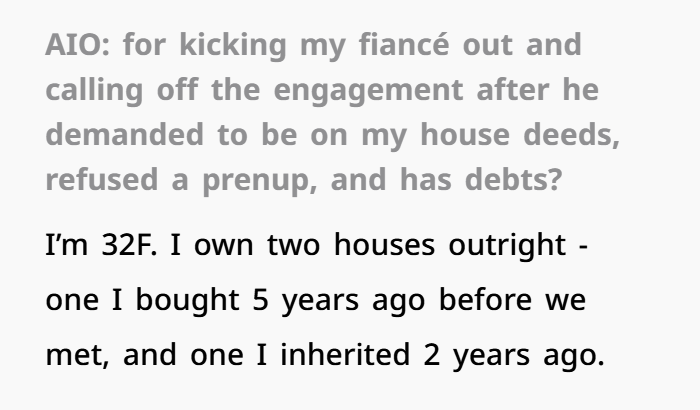
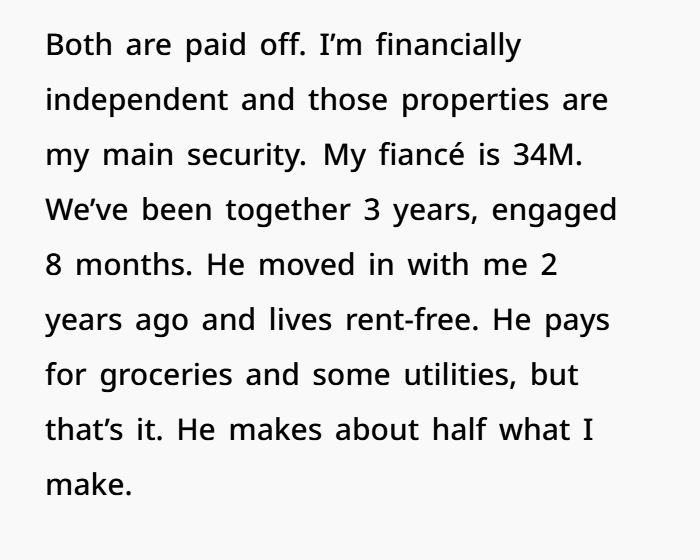
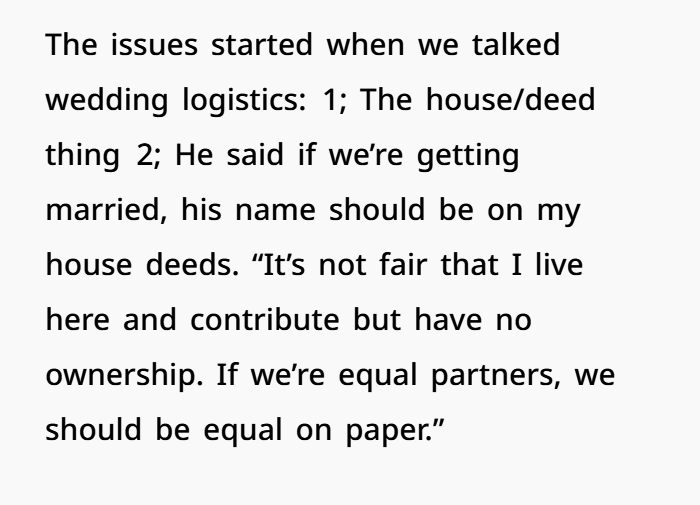
Money problems can create serious challenges in relationships, especially when couples have different ideas about finances and future planning. In this story, a 32-year-old woman started questioning her engagement after her fiancé asked to be added to the ownership documents of her two fully paid homes. One home was bought before they started dating, and the other came from a family inheritance.
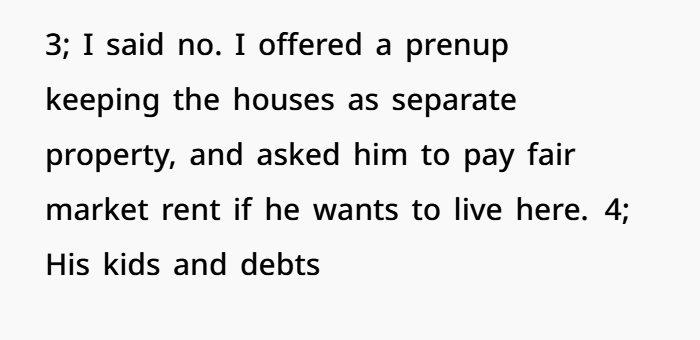
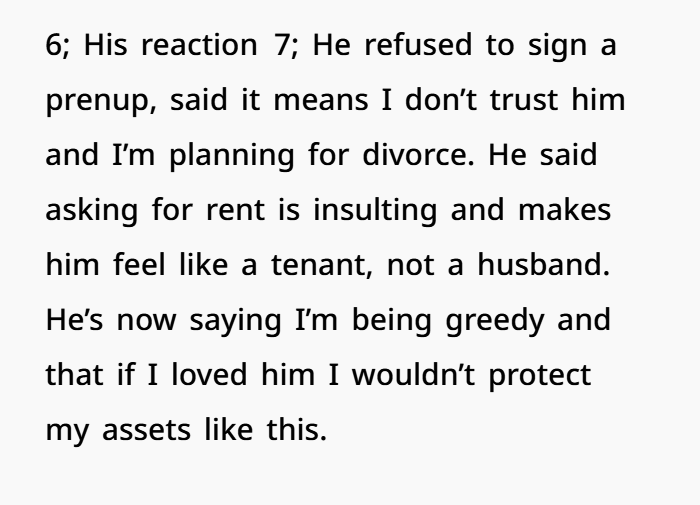
The woman wanted to create a prenuptial agreement to protect her property and personal assets before marriage. However, her fiancé became upset and felt that a prenup showed a lack of trust. He believed she was already thinking about divorce, while she saw it as a way to create clear financial boundaries and protect what she had built.
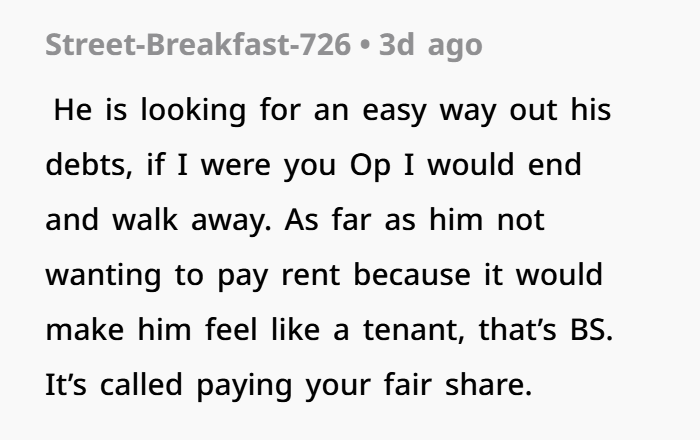
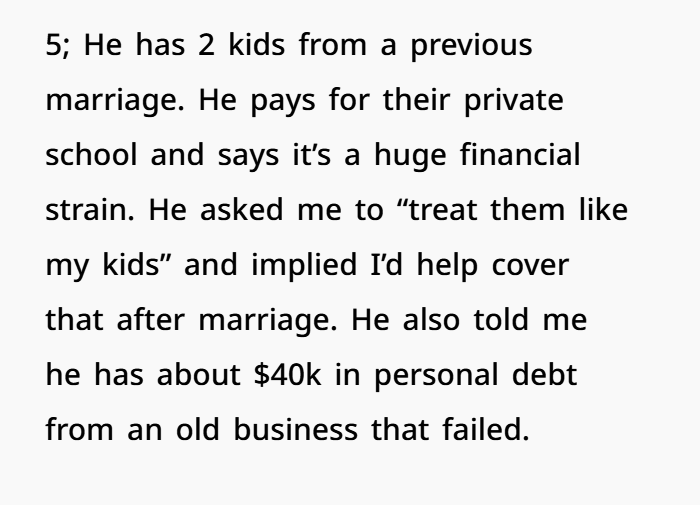
The situation became more difficult when she learned more about his financial situation. He shared that he had about $40,000 in debt from business expenses and other responsibilities. He also expected that their finances would become connected after marriage. At the same time, he had been living in her home for years without paying regular rent or making equal financial contributions.
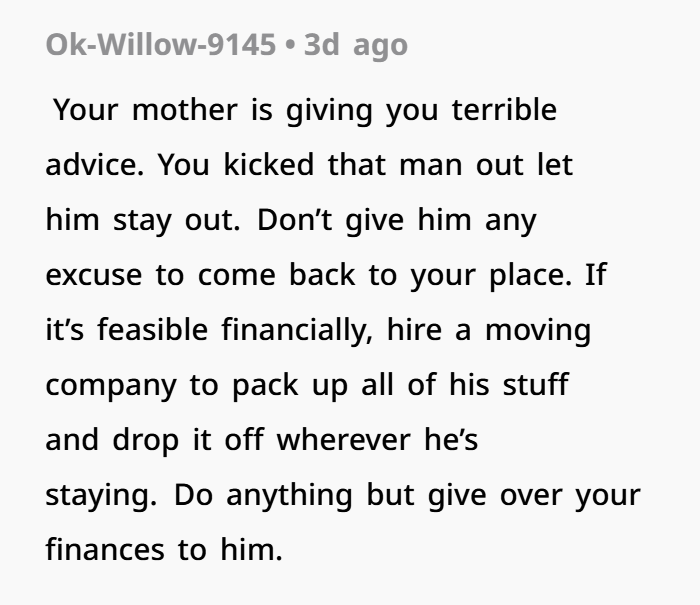
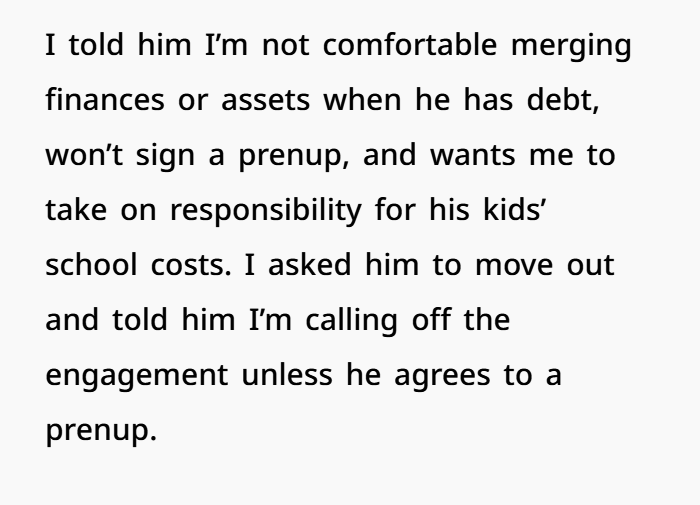
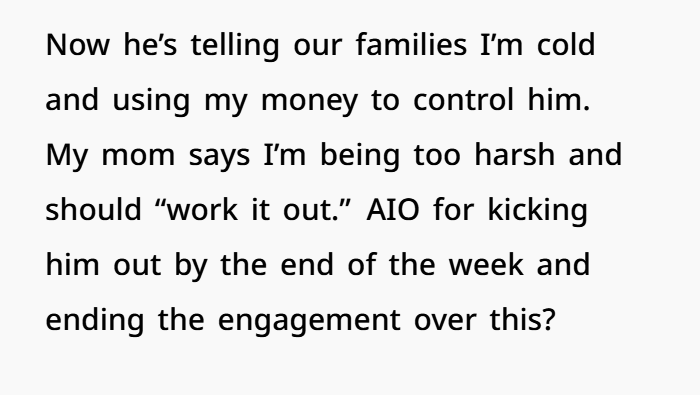
The woman decided she did not want to combine bank accounts or take responsibility for debts that were not hers. She asked for fair financial arrangements and wanted a legal agreement before marriage. When they could not agree on money, property ownership, and financial responsibilities, she ended the relationship and asked him to move out. The story shows why honest conversations about budgeting, debt, real estate, and financial planning are important before marriage.

Why Financial Boundaries Matter in Relationships: The Real Lesson Behind a Viral Engagement Story
Some relationship stories become popular online because they bring up topics many people think about but do not always talk about openly.
This story started a big conversation about love, money, financial security, and what happens when two people have very different ideas about marriage and finances.
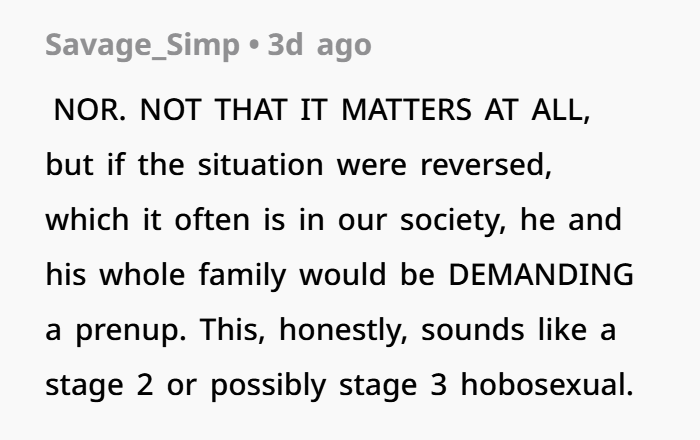
Many readers agreed that the biggest issue was not only about money. It was about trust, respect, expectations, and whether both partners were bringing fairness into the relationship.
Love and Money Are Connected
People often say that love should be separate from money, but the truth is that finances are a major part of adult relationships.
When couples get married, they usually need to discuss important financial topics such as:
- Income and expenses
- Savings goals
- Debt
- Real estate ownership
- Future investments
- Family responsibilities
These conversations are not always romantic, but they can help couples avoid serious problems later.
In this story, many people focused on the fact that one partner already owned valuable properties before the relationship began. These assets were connected to years of work, financial planning, and personal history.
For many people, protecting those assets felt like a reasonable financial decision.
Why Asset Protection Matters Before Marriage
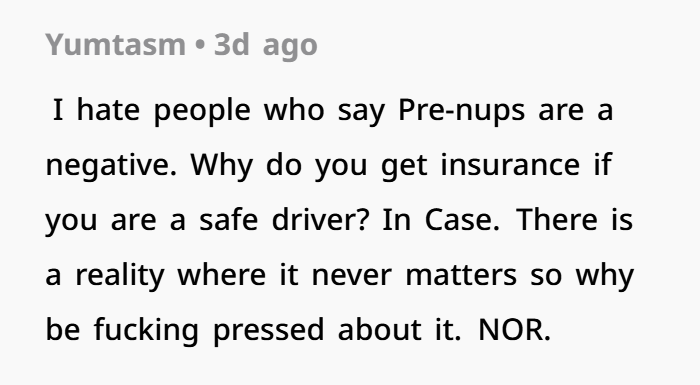
A common topic in situations like this is a prenuptial agreement, often called a prenup.
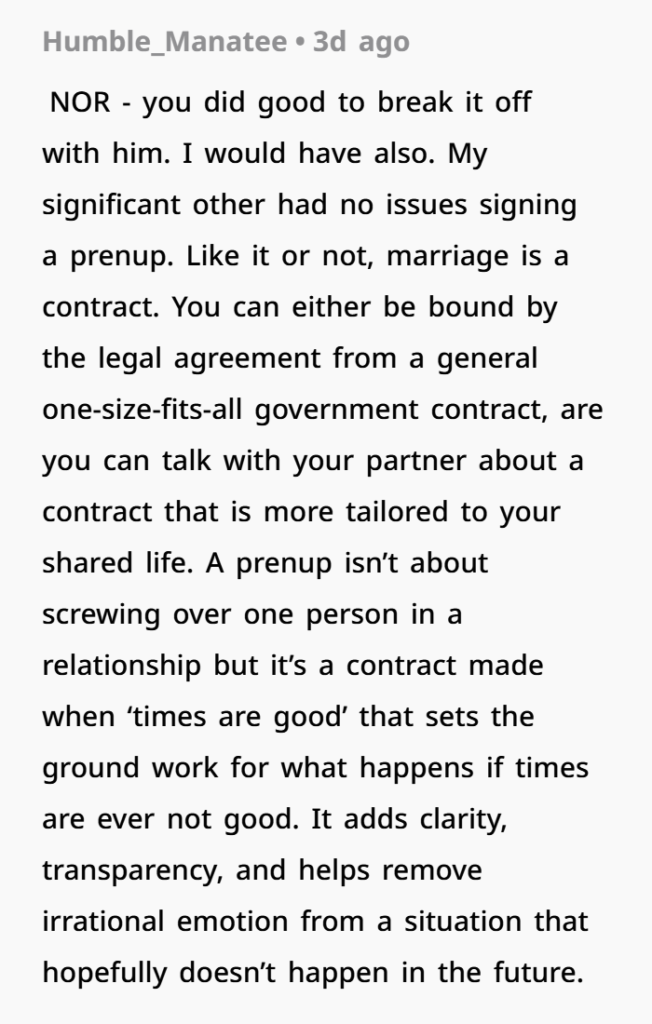
A prenup is a legal agreement that helps couples decide how certain financial matters will be handled before marriage. Family law attorneys often explain that prenups are not only for wealthy people. They can be useful for anyone who has:
- Real estate investments
- Inherited property
- Business ownership
- Personal savings
- Children from previous relationships
- Different financial situations
A prenup does not mean someone expects a marriage to fail. For many couples, it is simply a way to create clear expectations and protect both people.
Financial advisors often compare prenups to other forms of financial planning because they encourage honest conversations about money before marriage.
The Importance of Financial Compatibility
One major discussion around this story was whether both partners had similar financial values.
Every relationship looks different. Some couples share everything equally, while others divide responsibilities in different ways.
The important part is that both people understand and agree on the arrangement.
Financial problems often happen when couples have different expectations about spending, saving, debt, or lifestyle choices.
For example, one person may believe property should stay separate, while another may expect shared ownership after marriage. Neither person can avoid this conversation because unclear expectations can create resentment.
Debt and Money Transparency in Relationships
Another issue that caught people’s attention was reported business debt.
Having debt does not automatically mean someone is irresponsible. Many businesses fail, and financial setbacks can happen to anyone.
However, honesty about money is extremely important in serious relationships.
Before marriage, couples should discuss:
- Existing debt
- Credit history
- Financial responsibilities
- Future goals
- Major expenses
Financial transparency helps couples make informed decisions together.
Real Estate Ownership Is a Serious Decision
Many readers also discussed the idea of adding someone to a property deed.
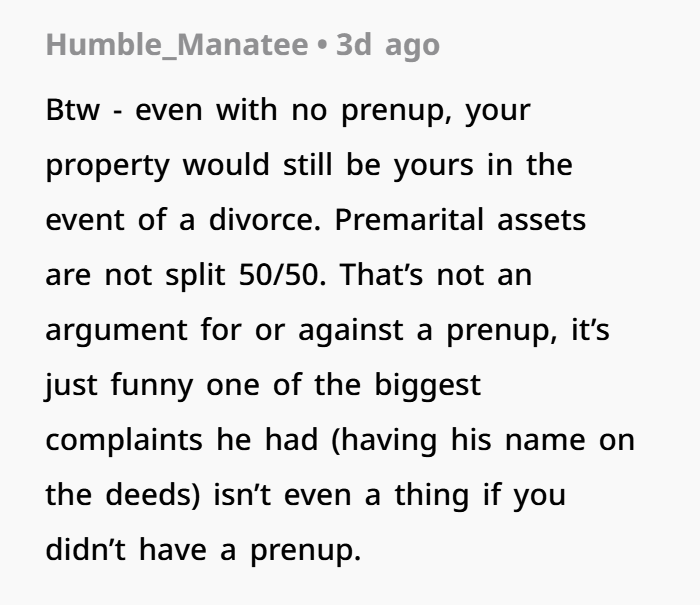
Real estate ownership is not just a romantic gesture. A property deed is a legal document that creates ownership rights.
Before making changes to property ownership, experts usually recommend speaking with a qualified real estate attorney or financial professional.
Important questions to consider include:
- Who paid for the property?
- Who is responsible for expenses?
- What happens if the relationship ends?
- Are both people comfortable with the legal agreement?
Protecting property does not mean someone does not care about their partner. It means understanding the long-term impact of major financial decisions.
Fairness Matters in Relationships
Many people discussing this story focused on the balance of responsibilities.
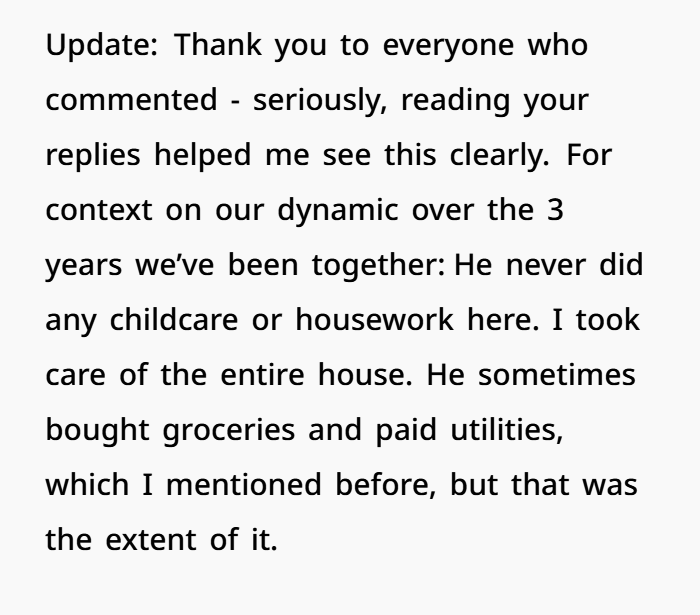
In healthy relationships, contributions do not always have to be exactly equal. One partner may contribute more financially, while another may contribute through childcare, household responsibilities, or emotional support.
The important thing is that both partners feel valued and respected.
Problems can develop when one person feels they are carrying most of the responsibility while the other person expects additional benefits without a clear agreement.
Blended Families Need Honest Financial Conversations
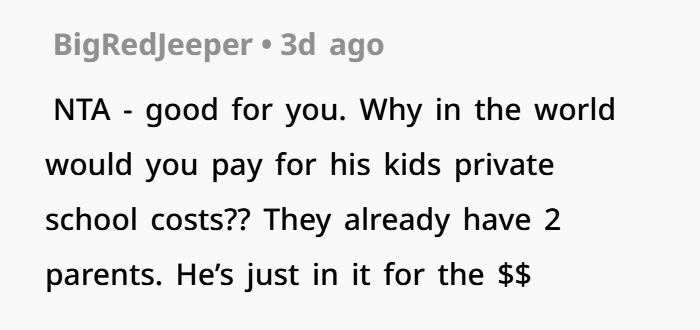
Another important topic was supporting children in a blended family.
When someone enters a relationship with children, financial discussions become even more important.
Couples may need to talk about:
- Education expenses
- Healthcare costs
- Daily living expenses
- Long-term family goals
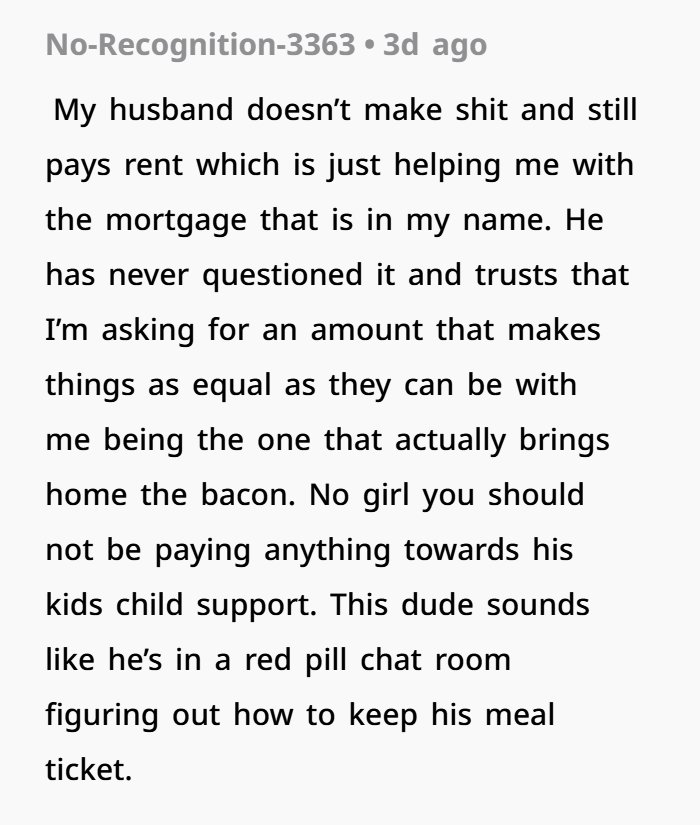
Helping a partner’s children can be a meaningful part of a relationship, but both people should agree on expectations before taking on major financial responsibilities.
Protecting Your Financial Future Is Not Selfish
One reason this story connected with many people was because it challenged the idea that protecting money or property is somehow unromantic.
Many people, especially women, have been criticized for wanting financial independence or protecting assets they worked hard to build.
However, financial security is an important part of personal stability.
Having savings, owning property, and creating a financial plan are responsible choices. Setting boundaries around money does not mean someone lacks love or commitment.
The Bigger Lesson Behind the Story
At the end of the day, many people felt this situation was about much more than property or money.
The real questions were about:
- Trust
- Respect
- Shared goals
- Financial responsibility
- Long-term compatibility
Money conversations often reveal deeper differences between two people.
A strong relationship requires more than feelings. It also requires honesty, communication, and agreement about important life decisions.
The biggest lesson many people took from this story was simple: protecting your financial future is not a sign of being cold or selfish. Clear financial boundaries can help create healthier relationships and stronger long-term partnerships.
See The Comments Below