He Said I Should ‘Man Up’ Over Marvel—But My Twin Brother Died Watching WandaVision

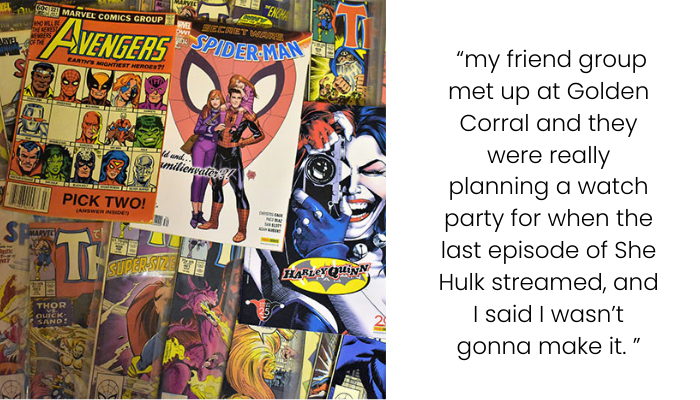
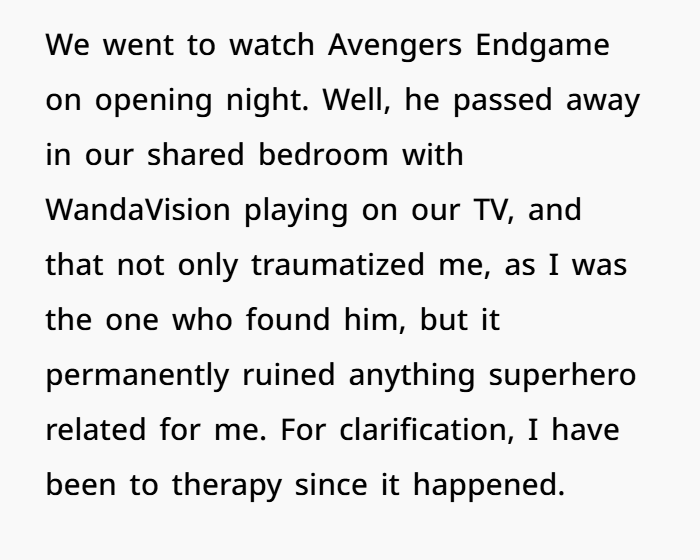
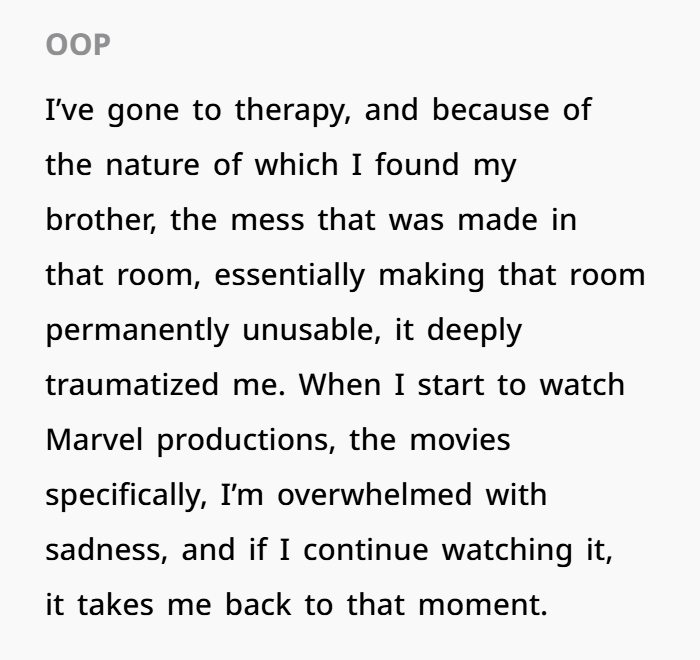
Losing a sibling is one of the most painful experiences a person can go through. In this story, a 17-year-old shares how losing his twin brother changed his life. His brother passed away in their shared room while they were watching WandaVision, and since that day, anything connected to Marvel has become a difficult reminder of that loss.
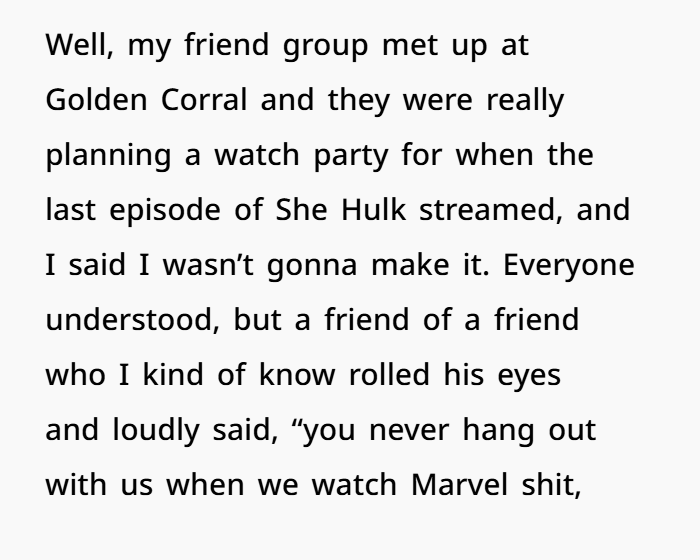
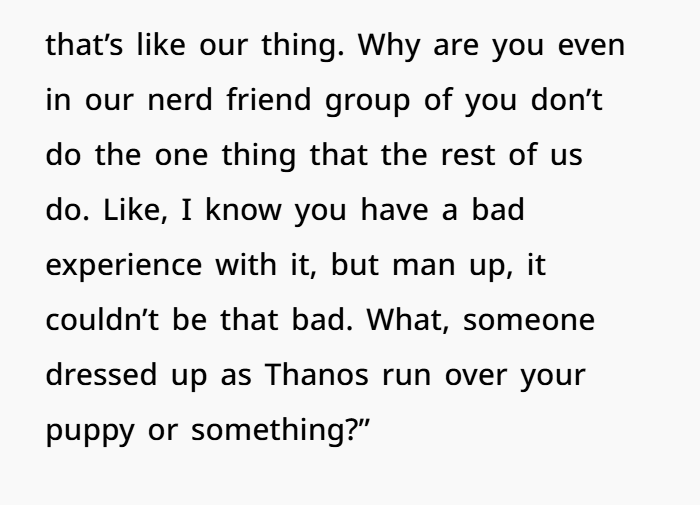
The teenager has worked through his grief with support and therapy, but superhero movies are still something he avoids. When his friends planned a Marvel movie night, he politely decided not to join. Most of his friends understood his choice, but one person in the group did not know the reason behind it and made an insensitive joke.
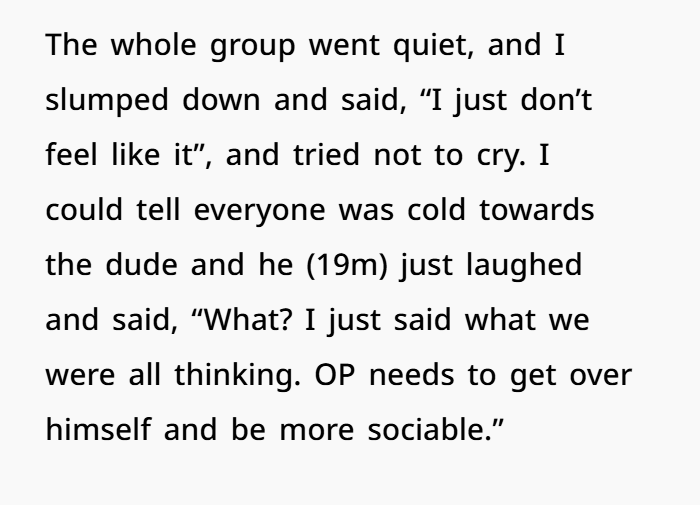
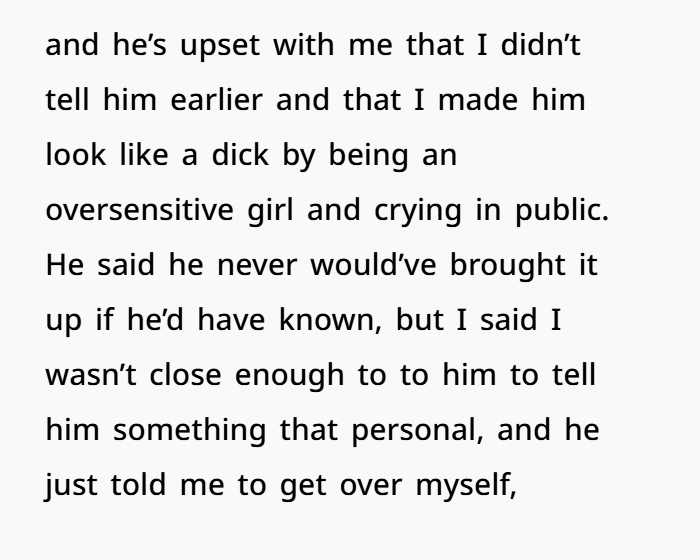
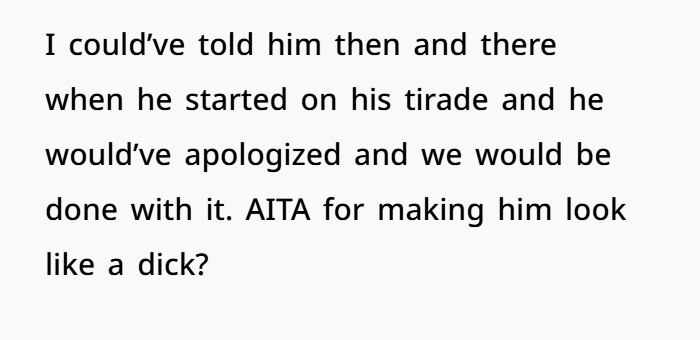
The situation became worse when the person continued making comments after the teenager did not respond the way he expected. Later, the rest of the group learned the truth and supported the teenager. The person who made the comments reached out and blamed him for the situation, saying he made him look bad.
Now, the teenager is wondering if he should have explained his personal situation from the beginning or if it was okay to keep his reason private. This story shows the importance of grief support, emotional boundaries, mental health awareness, and respecting what others may be going through. Everyone handles loss differently, and people deserve kindness when dealing with painful memories.
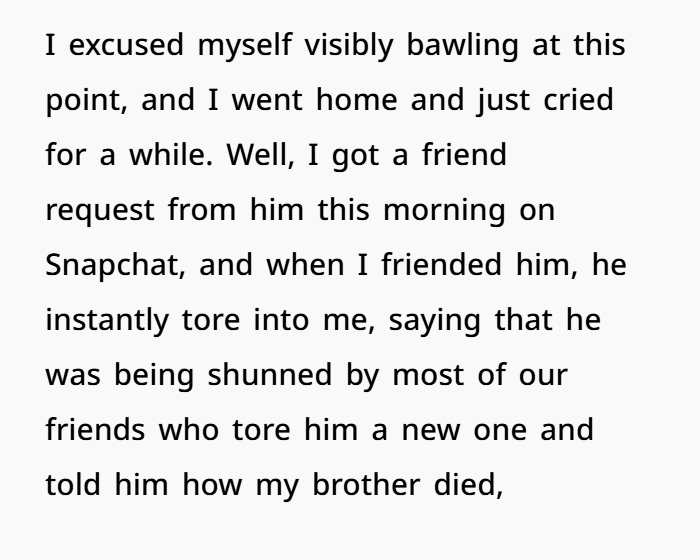
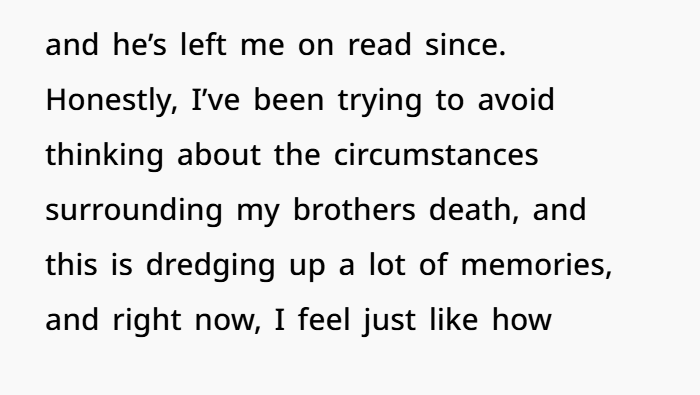
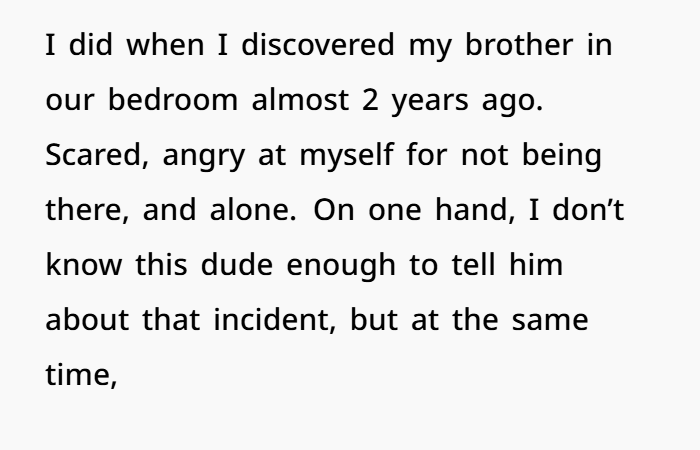
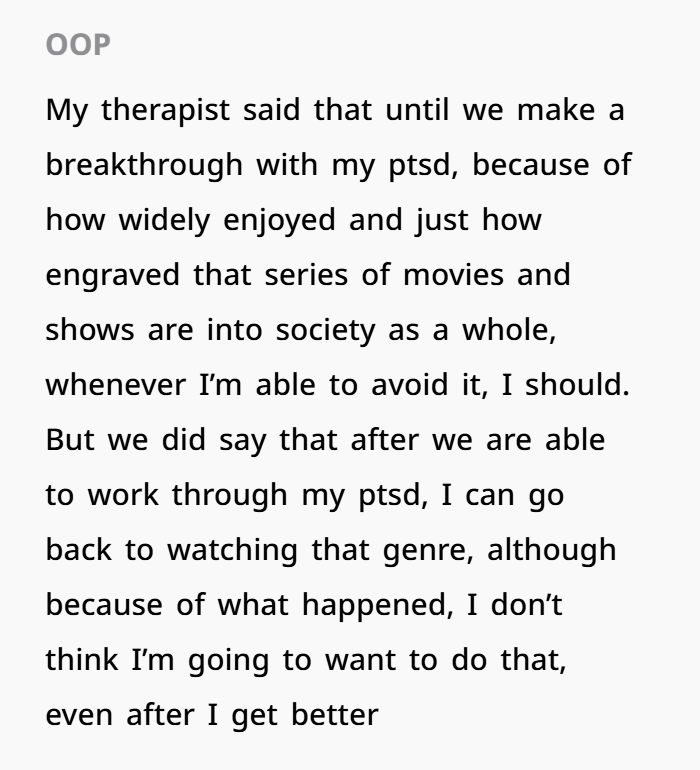
The 17-year-old poster was very close to his twin, but lost him while watching a Marvel movie, and the series became a PTSD trigger for him
When a Hobby Becomes a Painful Reminder: Understanding Grief, Trauma Triggers, and Emotional Boundaries
Grief can change the way we experience everyday things.
A song, a movie, a place, or even a simple activity can suddenly bring back strong memories of someone we lost.
For some people, things that once brought happiness can become connected to sadness after a traumatic experience.
This is what happened in this story.
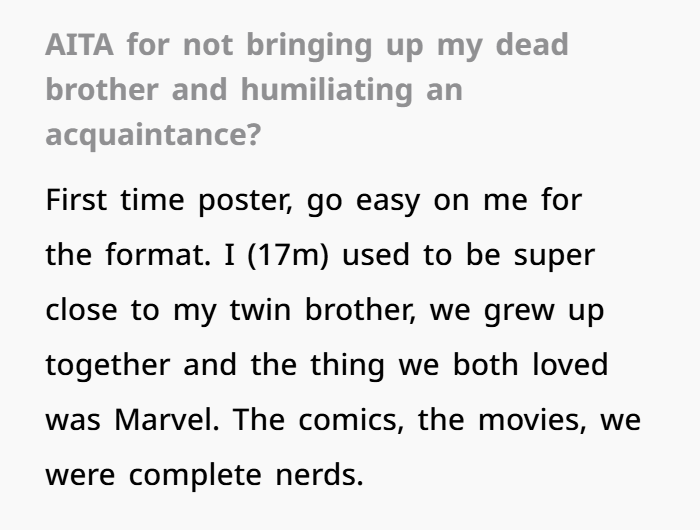
A teenager shared a special love of Marvel with his twin brother. Watching superhero movies and shows was not just entertainment for them. It was a way they connected and spent time together.
After his brother passed away, those memories became painful.
How Grief Can Change Everyday Experiences
When someone loses a loved one, their brain often connects certain memories, places, or activities with that loss.
A person may feel emotional when they:
- Hear a specific song
- Visit a familiar place
- Watch a favorite movie
- See something connected to the person they lost
These reactions are common during grief.
Mental health professionals often describe these experiences as emotional triggers. A trigger can bring back intense feelings connected to a painful event.
It does not mean someone is weak or unable to move forward.
It means the memory was important.
Why Some Jokes Can Hurt More Than People Realize
During a dinner with friends, someone made a joke about Marvel that crossed a line.
The person making the joke may not have understood the connection between Marvel and the teenager’s loss.
However, making jokes about someone’s pain or mocking an emotional reaction can be deeply hurtful.
Sometimes people say things without knowing the full story.
But when someone reacts with sadness, the respectful response is usually kindness and understanding.
A person does not need to know every detail of someone’s trauma to treat them with compassion.
The Importance of Emotional Boundaries
Everyone has personal experiences they may not feel ready to share.
A person is not required to explain their grief, trauma, or private struggles to every person they meet.
Sharing painful experiences is a personal choice.
Some people talk about their emotions openly. Others need more time before they feel comfortable opening up.
Both choices are okay.
Healthy relationships are built on respect, not pressure.
Handling Difficult Moments During Grief
The teenager in this situation tried to leave instead of starting an argument.
That response shows an attempt to protect his own emotional well-being.
When people experience intense emotions, they may need space before they can talk calmly.
Healthy coping strategies during grief can include:
- Taking time alone when needed
- Talking with trusted friends or family
- Writing down feelings
- Speaking with a mental health professional
- Joining grief support groups
There is no single “correct” way to grieve.
Everyone processes loss differently.
Why Telling Someone to “Move On” Can Be Harmful
Many people have heard phrases like:
“Just get over it.”
“Be stronger.”
“Don’t be so sensitive.”
While these comments may be meant to help, they can make someone feel dismissed.
Grief is not something people can simply turn off.
Showing emotions does not mean someone is weak.
Being able to talk about sadness, loss, and pain is part of emotional health.
When Someone Responds Defensively
Sometimes people react badly when they realize they have hurt someone.
Instead of apologizing, they may become defensive because admitting they were wrong feels uncomfortable.
A healthier response would be:
“I didn’t realize that hurt you. I’m sorry.”
Taking responsibility is an important part of healthy communication.
Blaming the person who was hurt does not solve the problem.
The Role of Support From Friends
Support from friends and community can make a big difference after a loss.
When people around someone acknowledge their feelings, it can help them feel less alone.
Simple actions can matter:
- Listening without judgment
- Offering kindness
- Respecting boundaries
- Checking in when someone is struggling
Emotional support is an important part of the healing process.
The Lesson About Compassion
This situation shows why empathy matters.
You never know what someone else may be carrying.
A person who seems quiet, emotional, or sensitive may be dealing with something much deeper than you can see.
Before judging someone’s reaction, it is worth remembering that everyone has experiences others may not know about.
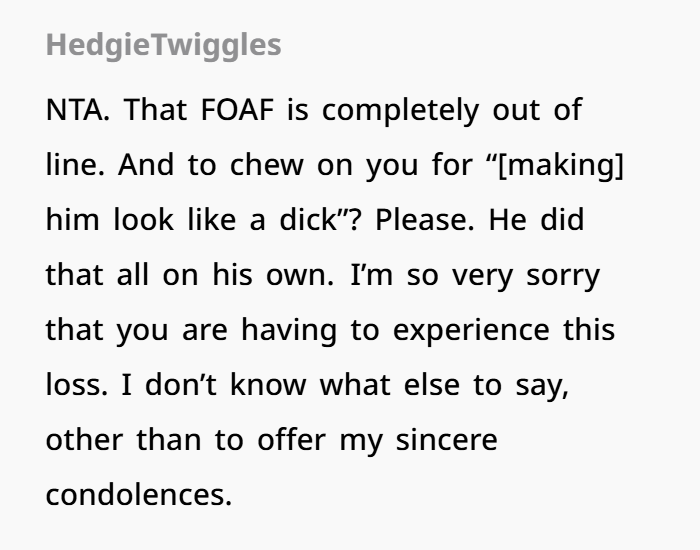
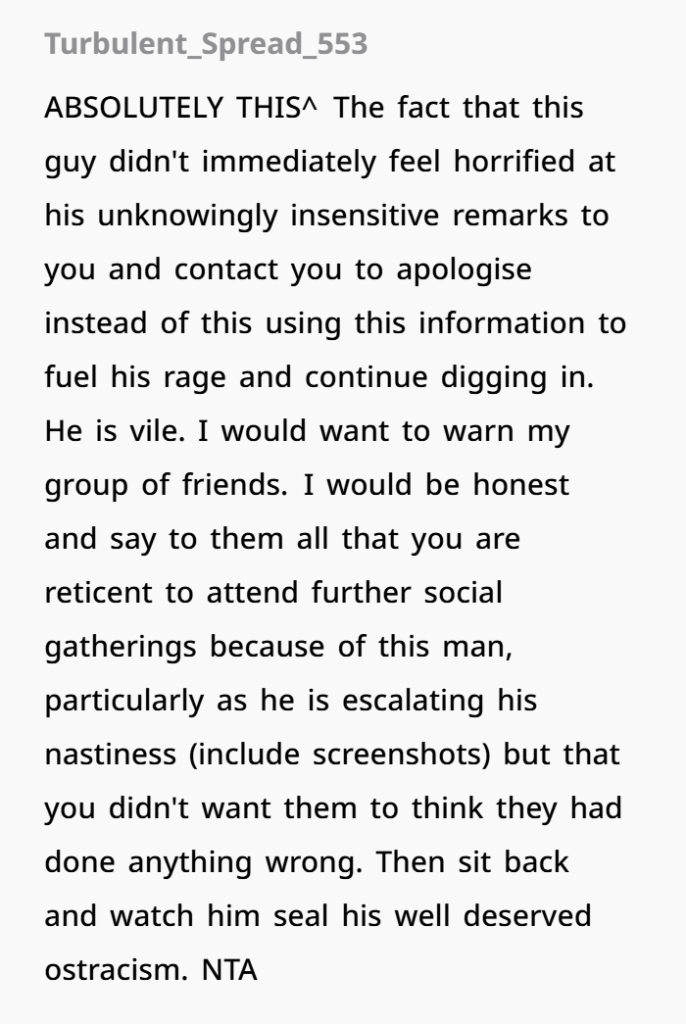
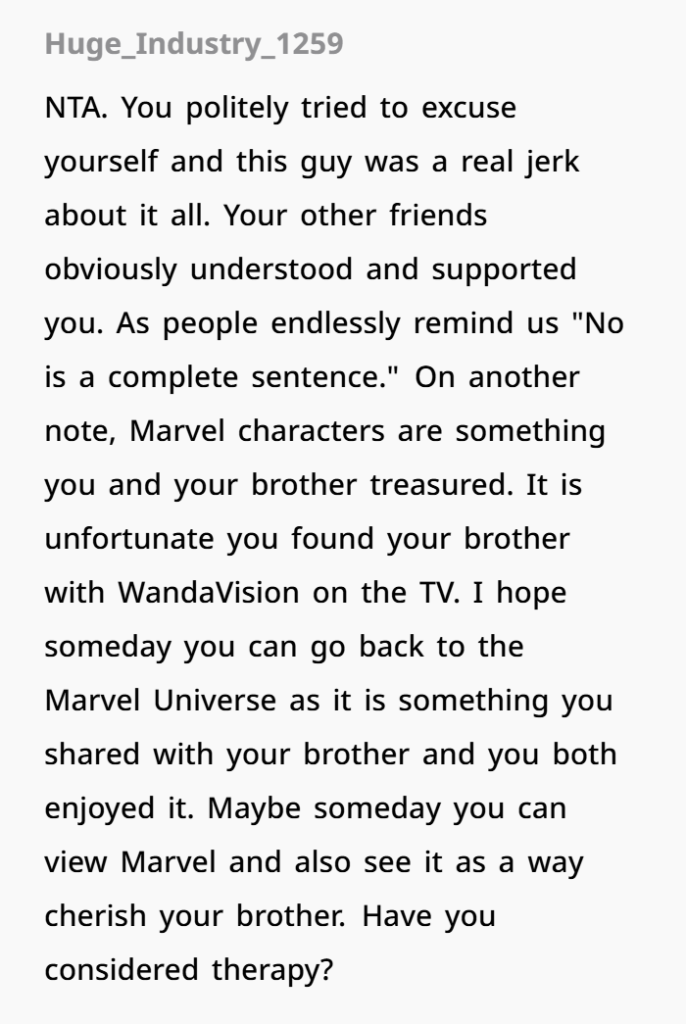
Netizens expressed their sympathy to the poster, while also applauding his other friends for kicking the toxic guy out of their group

Moving Forward After Loss
Healing after losing someone takes time.
There is no schedule for grief, and there is no perfect way to handle painful memories.
Sometimes things that once brought happiness may hurt for a while.
With time, support, and healthy coping methods, many people find ways to remember their loved ones while continuing their own lives.
The most important thing is this:
People deserve kindness when they are hurting.
Grief is personal. Emotional boundaries matter. And everyone deserves the space to heal in their own way.