AITA for wanting to use my property?


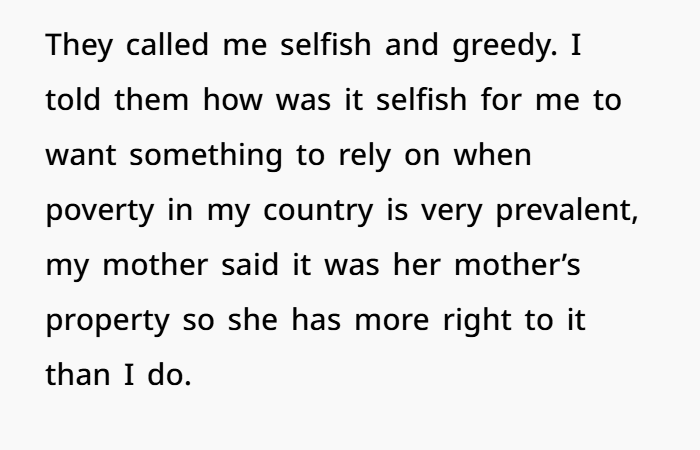
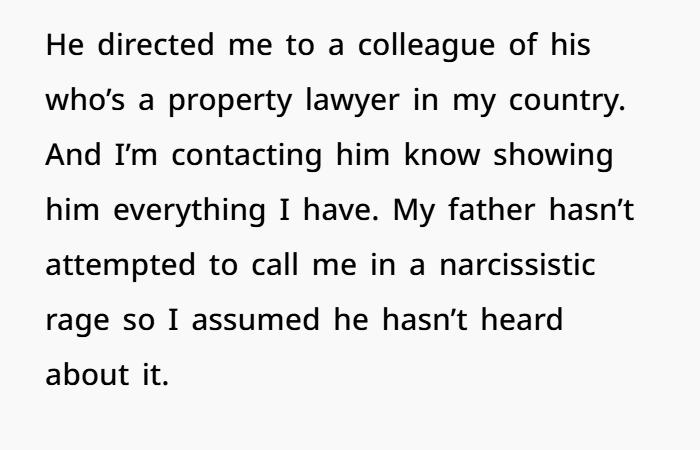
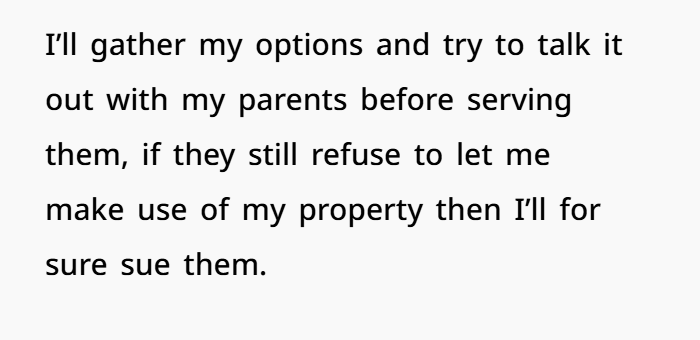
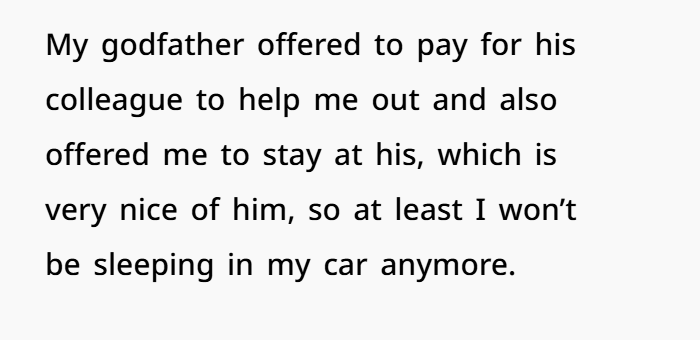
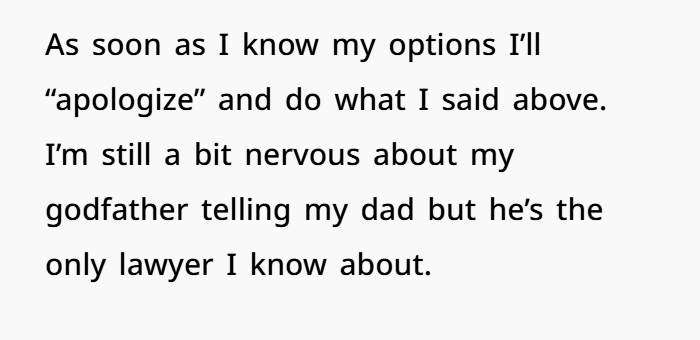
What started as an exciting new chapter in a young woman’s life turned into confusion about a family property she inherited from her grandmother.
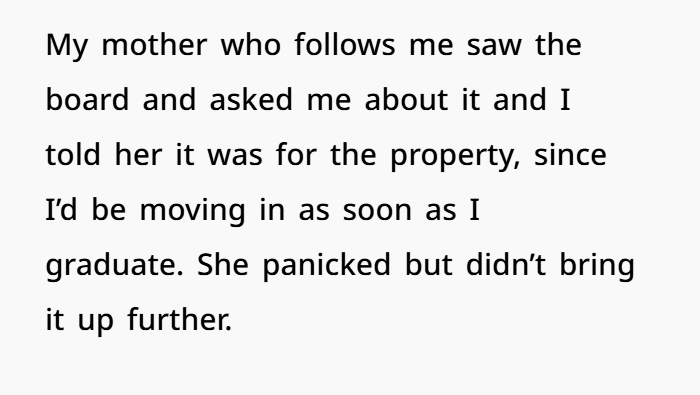
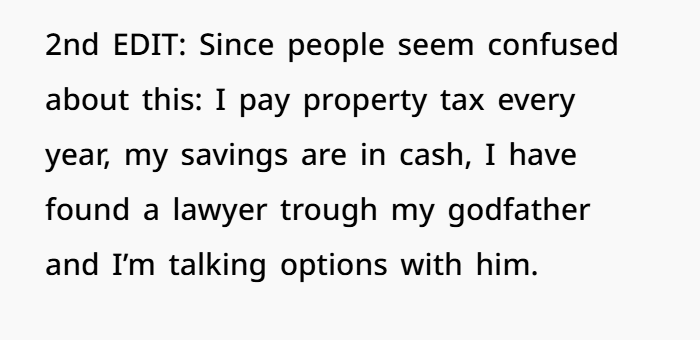
When her grandmother passed away, she was only 18 years old. At that time, she trusted her parents to handle all legal and financial matters related to the house. She was still in school and focused on building her future, so she believed everything was being managed properly.
A few years later, after finishing college and getting a job in the same city as the property, she started planning to move into her inherited home. She was happy and even began looking for home decor ideas and home improvement inspiration to prepare the house.
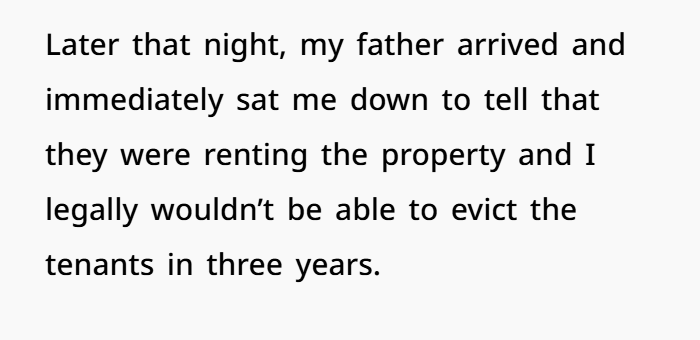
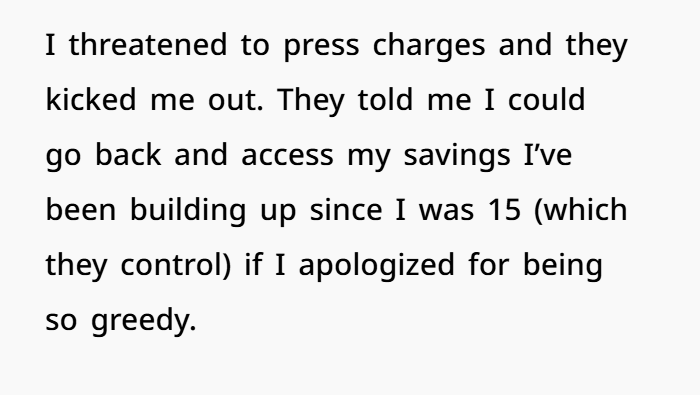
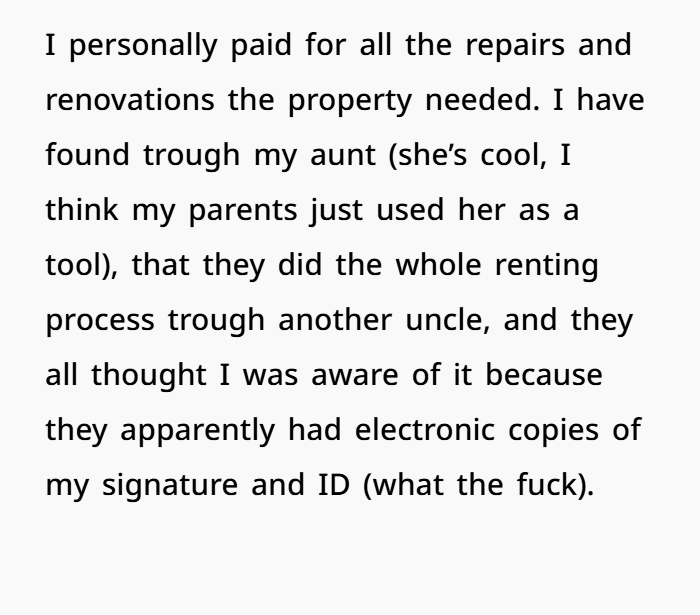
During this time, she discovered something unexpected. She found out that the house had been rented out for several years. This surprised her because she was not involved in any decisions about the property and did not know how it had been managed.
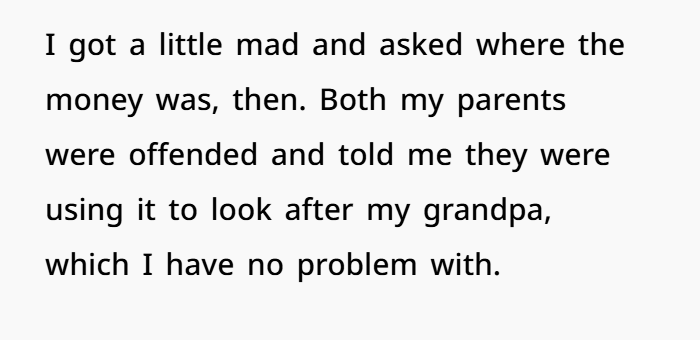
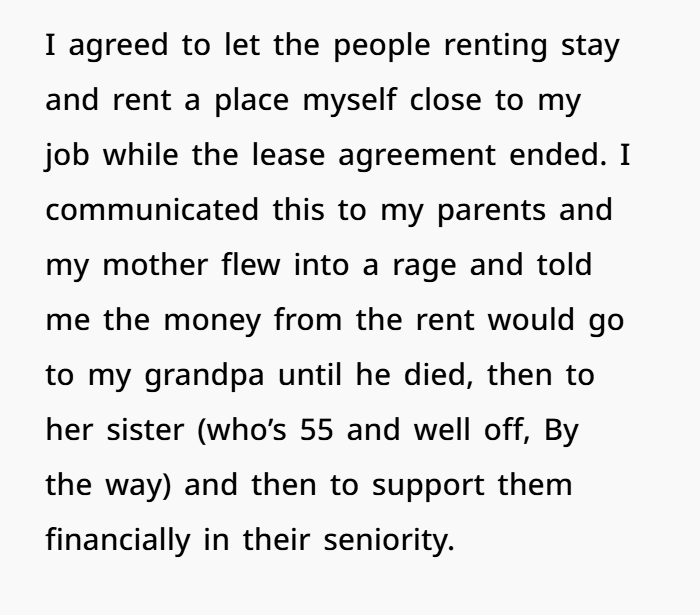
As she looked deeper, she started asking questions about the rental history, property ownership records, and money earned from rent. She also wanted to understand how the rental income had been used over the years.
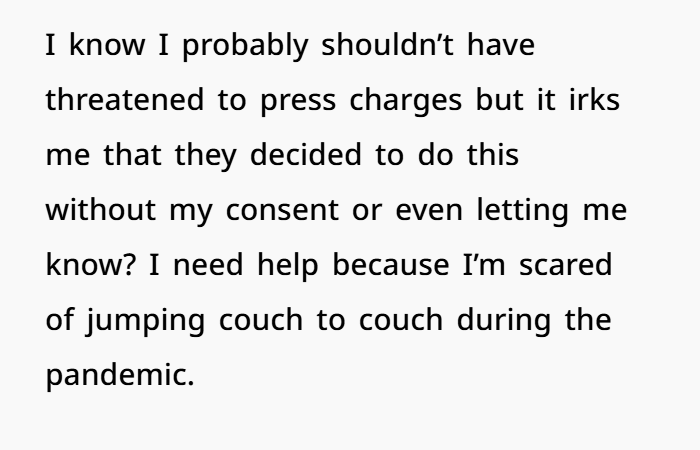
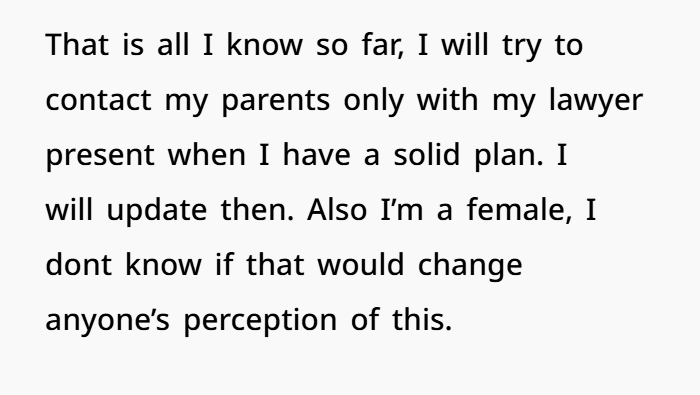
These questions led to serious discussions within the family. Things became tense when she asked for clear answers about her rights as the property owner and how the estate had been handled.
What seemed like a simple plan to move into her inherited home turned into a much bigger issue. It raised important topics like inheritance rights, estate planning, property management, rental income, and financial responsibility within families.
In the end, the situation showed how important it is for families to be open and clear when managing inherited property. Proper communication, legal awareness, and transparent handling of assets can help avoid misunderstandings and protect everyone’s rights in the long run.


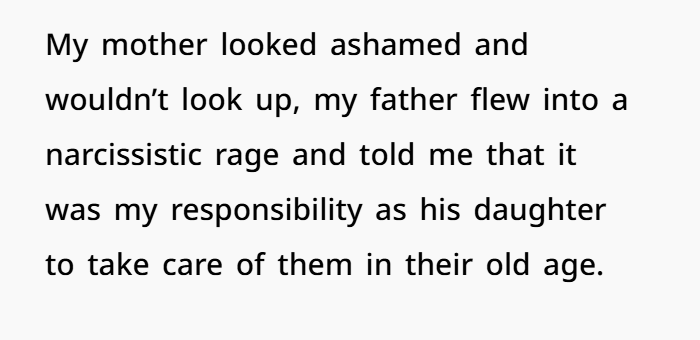
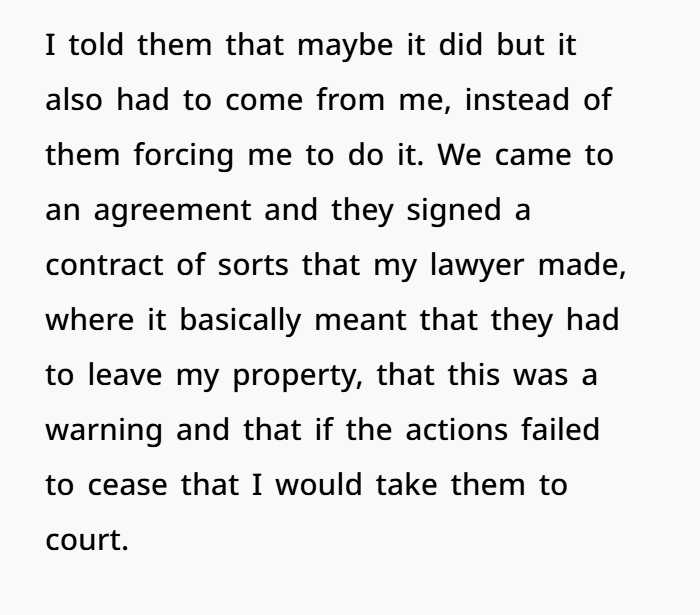
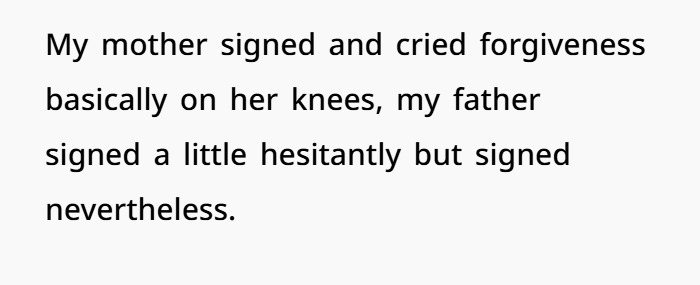
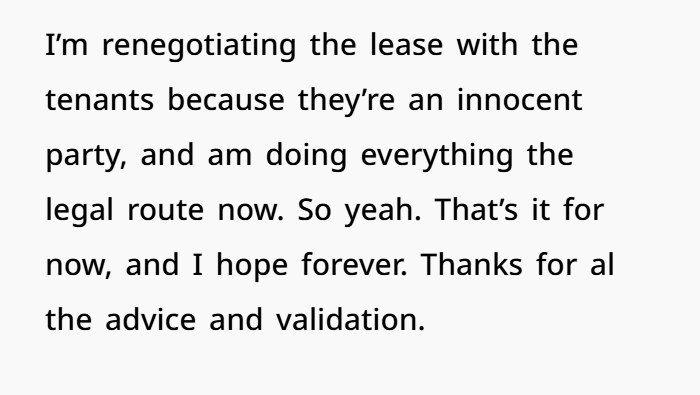

Family property can sometimes lead to misunderstandings, especially when different family members have different expectations. Even if relatives feel strongly about how a property should be used, legal ownership is usually decided by official documents and inheritance records.
When a home or other asset is passed down through a will or inheritance process, the person named as the beneficiary normally becomes the legal owner. This means they have the right to decide how the property is used, managed, or maintained.
Inherited property often has both emotional and financial importance, so disagreements can happen within families. For this reason, estate planning experts often recommend keeping clear records and having open conversations so everyone understands what is legally decided.
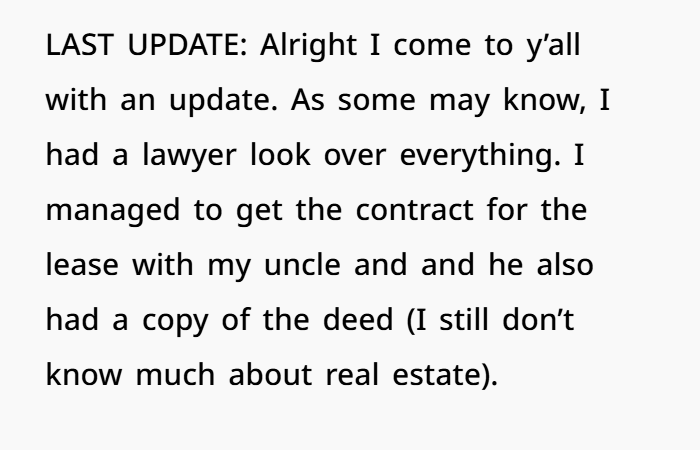
In cases where a property is rented out, ownership documents become even more important. Rental agreements, management decisions, and financial transactions are usually handled by the legal owner or someone they officially authorize. Proper paperwork helps avoid confusion and protects everyone involved.
Financial experts also point out that rental income can become an important long-term source of money. Even small monthly rent payments can add up over time, so it is important that all income is properly recorded and managed in a transparent way.
Family disputes over inheritance can be sensitive because they are not only about money. They are also connected to emotions, memories, and family relationships. This mix of financial and emotional issues can make disagreements harder to solve.
Sometimes, family members also struggle with balancing independence and responsibility. While helping relatives financially is common, it usually works best when there is clear communication and agreement, rather than assumptions.
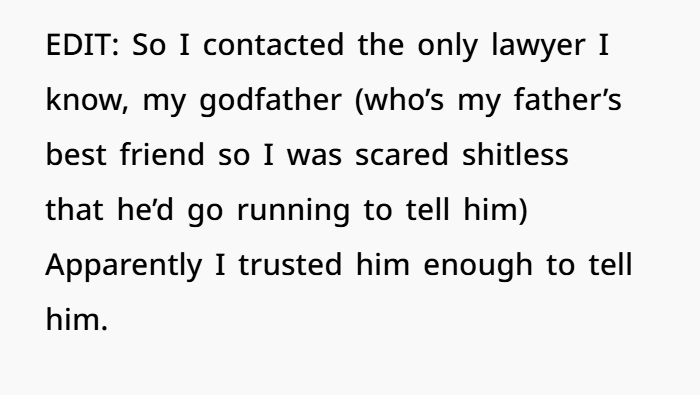
One of the best ways to avoid problems is to seek professional guidance. Real estate advisors, estate planning lawyers, and financial planners can help families understand legal rights, tax responsibilities, and proper property management practices.
In many situations, these issues can be resolved through calm discussion or written agreements instead of long legal fights. This approach can reduce stress, protect finances, and help preserve family relationships.
A clear estate plan is especially important for preventing confusion in the future. A properly written will, updated property records, and organized financial documents make it easier for heirs to manage assets without conflict.
Estate planning also helps protect important assets like real estate, rental properties, savings, and investments. Financial professionals often suggest reviewing these plans regularly so they stay updated with life changes and family needs.
See The Comments Below
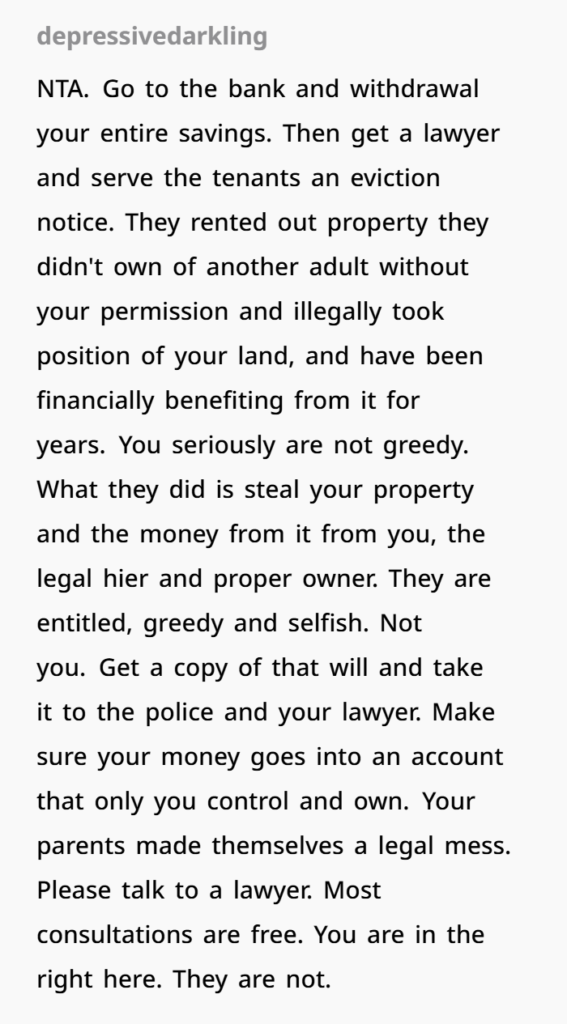
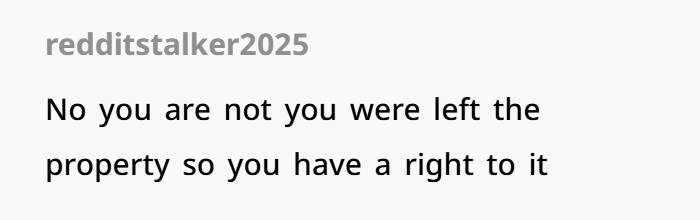
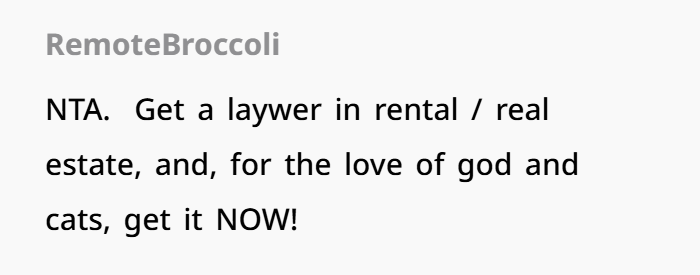


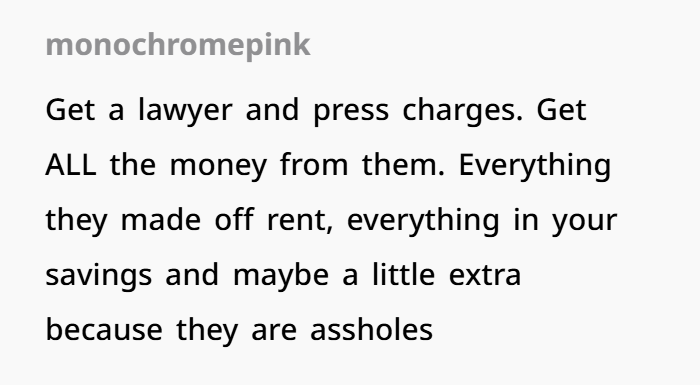
Inherited property is both a personal and financial responsibility. Understanding ownership rights, maintaining clear records, and seeking professional legal or financial guidance can help prevent misunderstandings and protect important family assets. In many situations, transparency, communication, and proper planning are the best tools for preserving both wealth and family relationships.