My MIL Re-Decorated My Entire House While I Was Pregnant… So I Cut Her Off

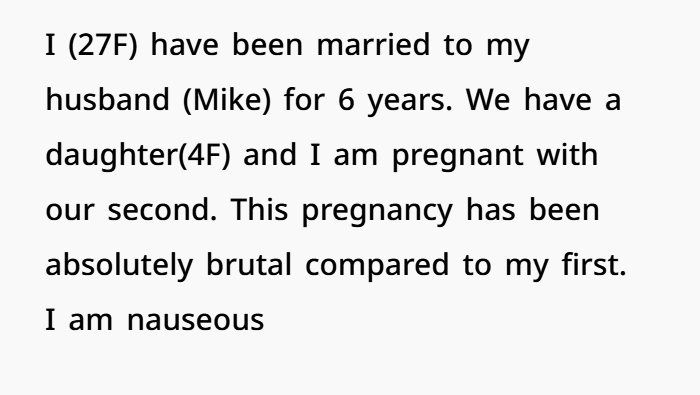
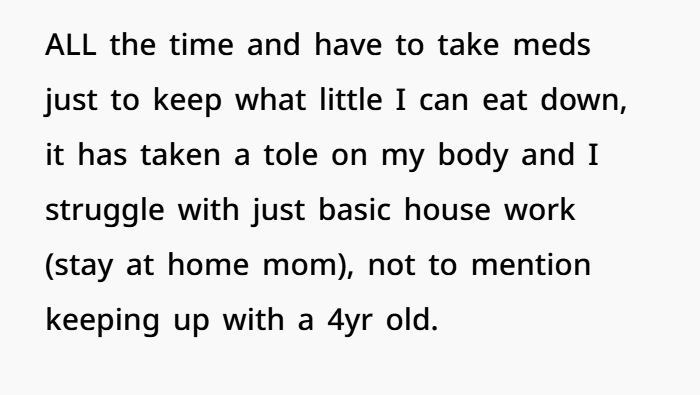
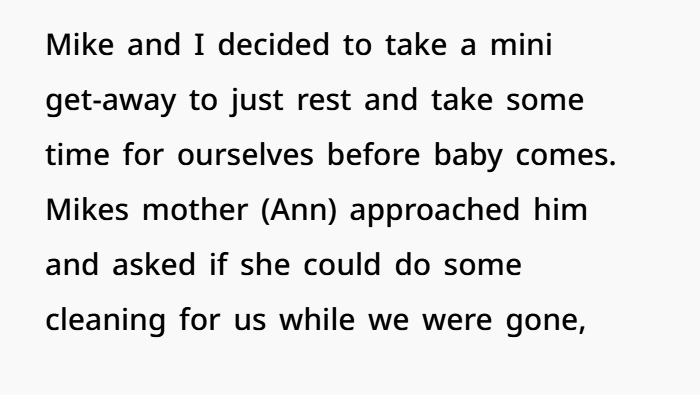
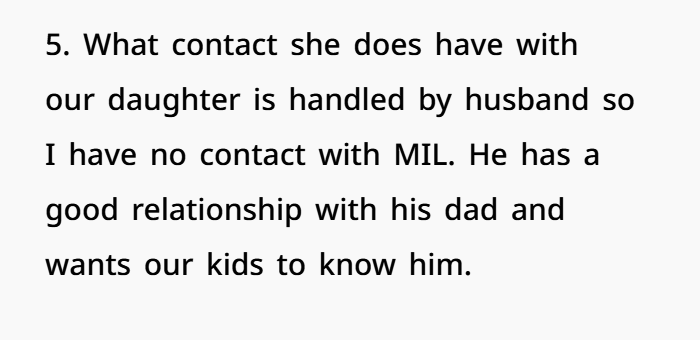
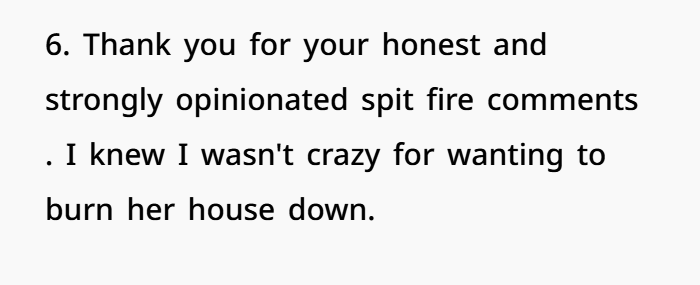
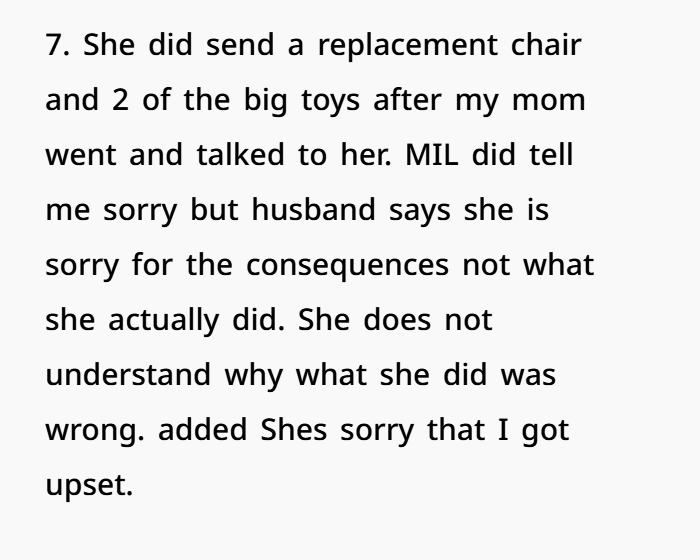
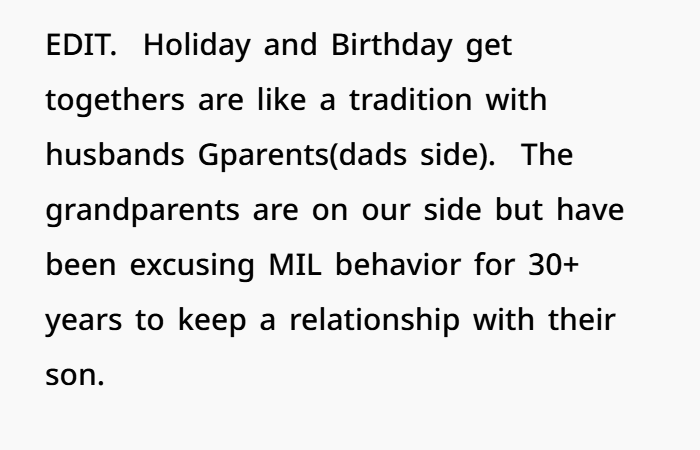
A 27-year-old pregnant woman shared a difficult experience involving her mother-in-law and her home. During a challenging pregnancy, she agreed to let her mother-in-law help with some cleaning around the house. She expected simple help with chores, but the situation became very different from what she imagined.
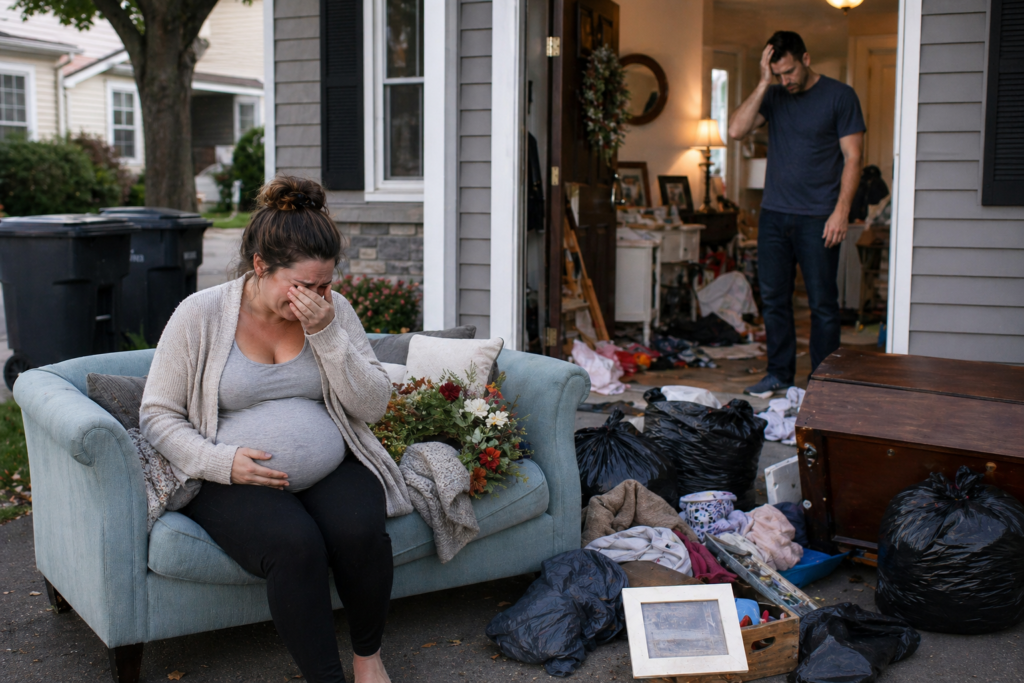
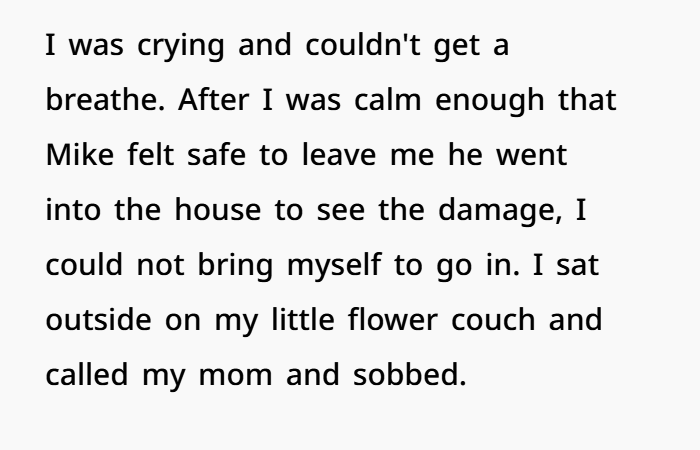
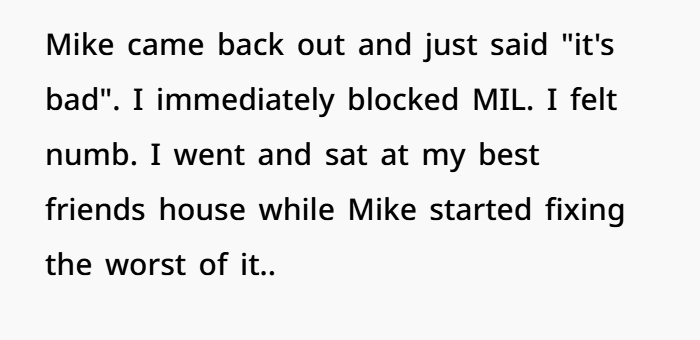
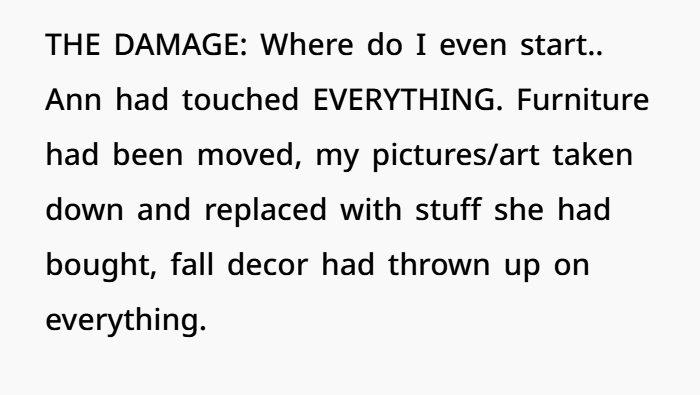
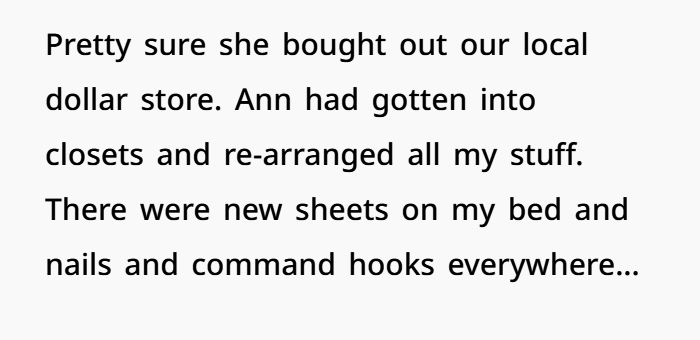
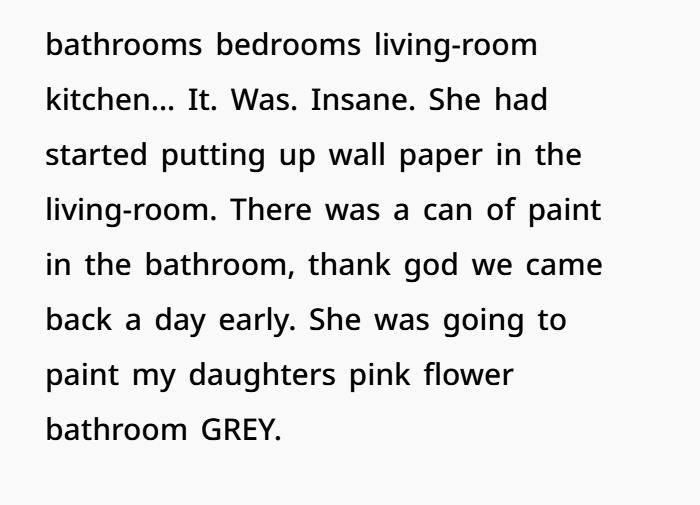
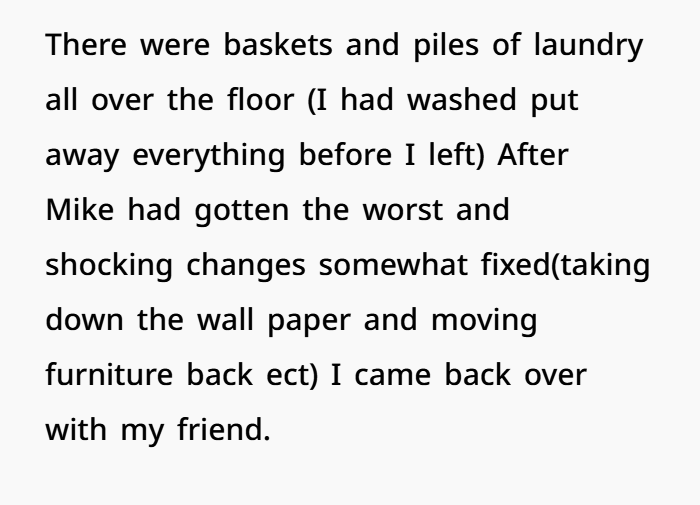
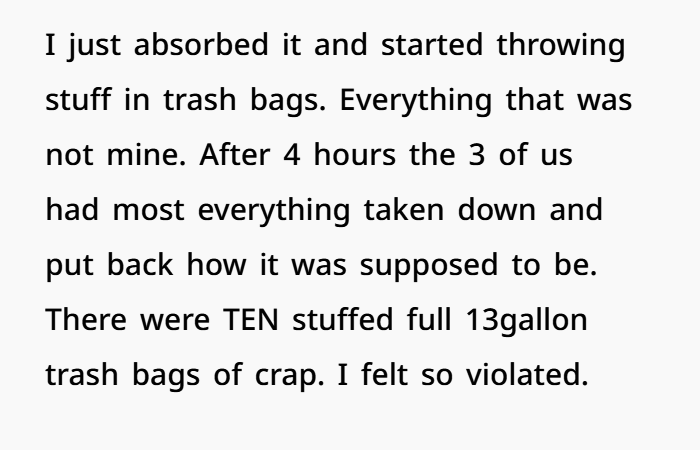
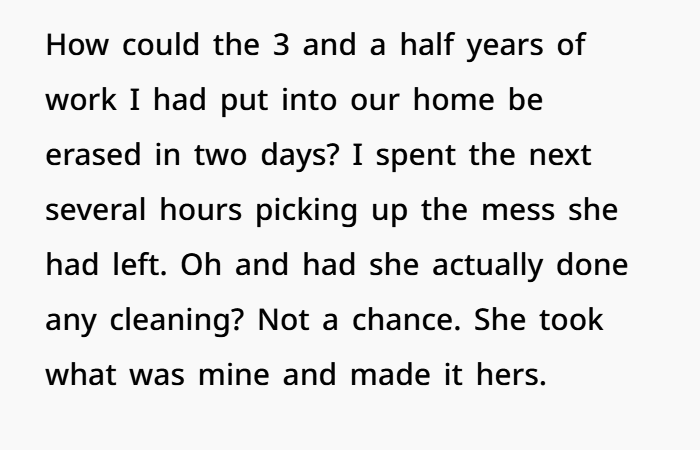
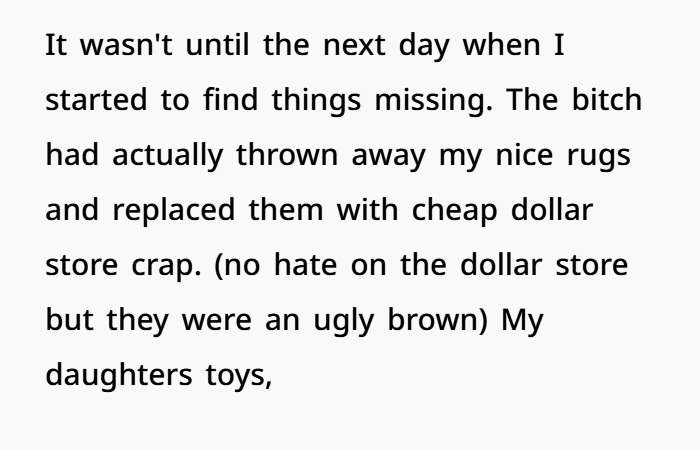
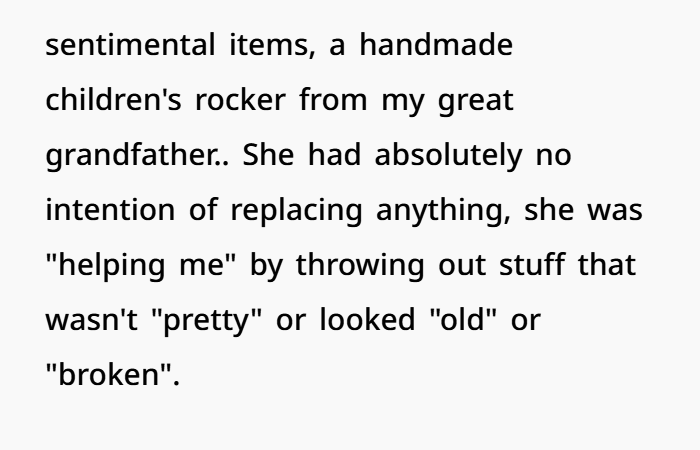
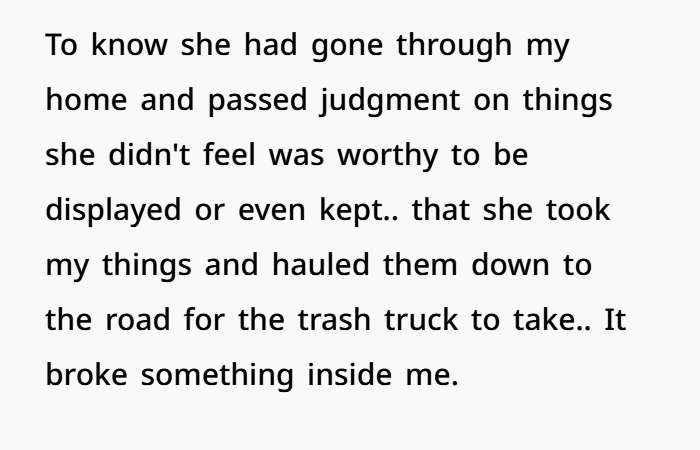
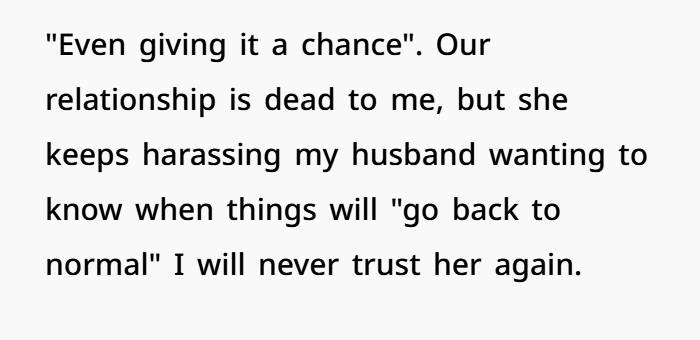
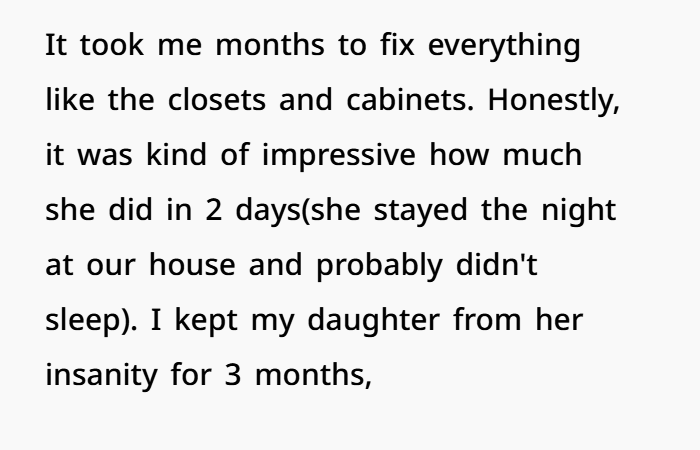
When she returned home early, she found that many things had been changed. Furniture had been moved, decorations were replaced, personal items were removed, and there were even plans to repaint parts of the house. Instead of feeling helped, she felt like her personal space had been changed without her permission. The surprise caused so much stress that she experienced a panic attack before entering her home.
For the woman, the issue was not only about cleaning or decorating. Her home was a place where she had created memories and felt comfortable. Seeing so many changes made her feel hurt and overwhelmed, especially while dealing with pregnancy-related stress.
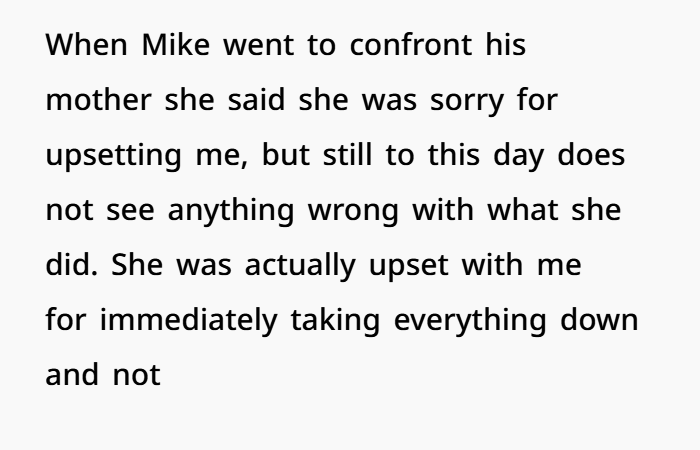
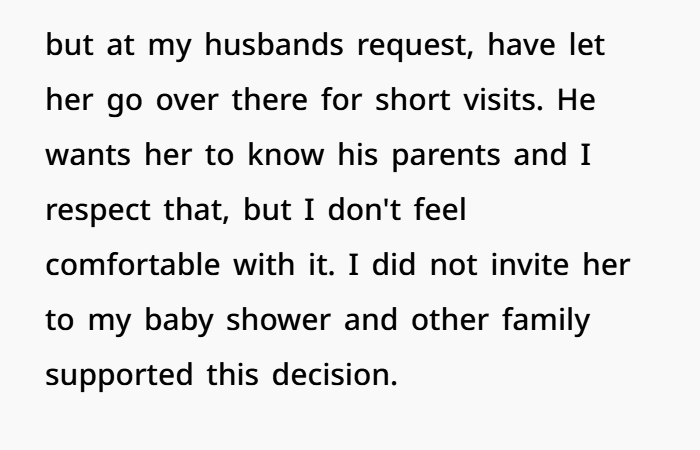
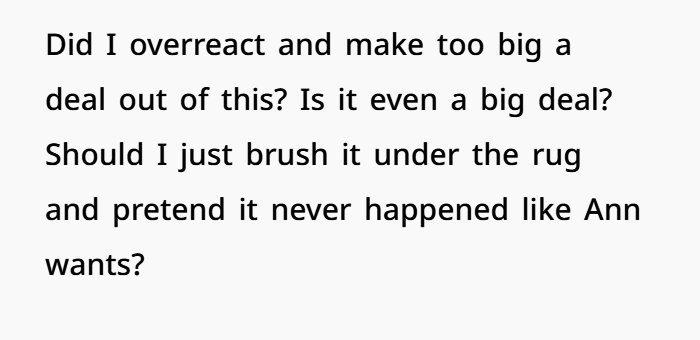
The situation created tension between her, her husband, and her mother-in-law. The husband wanted to keep peace, but the woman felt that her personal boundaries had not been respected. The experience raised important questions about communication, family boundaries, and respecting someone’s home and personal choices. It also shows why asking for permission before making major changes to another person’s space is important.


When Family Help Turns Into a Boundary Problem
At first, this story may look like a simple problem between a homeowner and a mother-in-law.
But when you look closer, it is really about something bigger:
- Personal boundaries
- Family relationships
- Respect
- Emotional safety
- Trust
Sometimes people say they are “helping,” but their actions can still make others feel uncomfortable or hurt.
Helping Is Different From Taking Control
There is a big difference between offering help and making decisions for someone else.
Helping might look like:
- Asking what is needed
- Cleaning with permission
- Organizing things the owner agrees with
- Supporting without taking over
But when someone changes a home, removes belongings, or makes major decisions without approval, it can feel like a violation of personal space.
A home is not only a physical place.
For many people, it represents:
- Comfort
- Privacy
- Memories
- Personal choices
- A sense of safety
That is why unexpected changes inside a home can feel very emotional.
Why Boundaries Matter in Families
Family relationships can be complicated because people often have different ideas about what is acceptable.
One person may think:
“I am helping.”
Another person may feel:
“My choices were ignored.”
Both people may see the situation differently.
However, healthy family relationships require respect for boundaries.
Having access to someone’s home does not always mean having permission to make major changes.
Clear communication is important.
When Personal Belongings Are Changed or Removed
Belongings often have emotional value.
A piece of furniture may not just be an object.
It may represent:
- Family history
- Special memories
- Important relationships
- Personal meaning
Something that looks old or unnecessary to one person may be priceless to someone else.
This is why removing or changing personal items without asking can cause deep emotional pain.
The Emotional Impact of Losing Control
Many people underestimate how strongly people can react when their personal space changes suddenly.
A home often feels like a place where people can relax and feel in control.
When someone enters that space and changes everything without permission, it can create feelings of:
- Stress
- Anxiety
- Anger
- Sadness
- Feeling unheard
The problem is usually not only the physical changes.
It is the feeling that someone else made important choices without respecting you.
Pregnancy and Stress Make Situations More Sensitive
Pregnancy can already be an emotional and physically demanding time.
Many expecting parents deal with:
- Physical discomfort
- Hormonal changes
- Health concerns
- Emotional stress
- Preparing for a baby
Extra family conflict during this period can feel overwhelming.
Supportive family members can make pregnancy easier by offering kindness, patience, and respect.
The Role of the Spouse in Family Conflicts
When family conflicts happen after marriage, the spouse often has an important role.
A healthy marriage usually requires partners to support each other and create shared boundaries.
This does not mean someone must completely cut off their family.
It means the couple should agree on what feels respectful and comfortable for their household.
In some situations, couples may benefit from:
- Relationship counseling
- Family therapy
- Better communication strategies
Understanding the Difference Between Care and Control
Sometimes controlling behavior does not look obvious at first.
It may appear as:
“I am only trying to help.”
“I know what is best.”
“I did this because I care.”
But real care includes listening.
True support respects another person’s choices.
A helpful person asks:
“What would make your life easier?”
A controlling person decides:
“What I think you need.”
That difference matters.
Why Trust Can Be Hard to Repair
When someone crosses a major boundary, rebuilding trust can take time.
An apology can help, but many people also need to see:
- Understanding
- Responsibility
- Changed behavior
- Respect for future boundaries
Without those things, people may continue feeling cautious.
Is Taking Space Unreasonable?
Sometimes people choose distance after a painful family conflict.
This does not always mean they want punishment or revenge.
Sometimes it means they need space to protect their emotional wellbeing.
Healthy boundaries can include:
- Less contact
- Clear communication rules
- More privacy
- Time to rebuild trust
Every family situation is different.
The Bigger Lesson
This story is not only about a house being changed.
It is about feeling respected in your own space.
Family members can have good intentions and still make mistakes.
But strong relationships require more than good intentions.
They require:
- Respect
- Communication
- Accountability
- Understanding
Real help does not take away someone’s control over their own life.
The strongest family relationships are built when people support each other while still respecting personal boundaries.
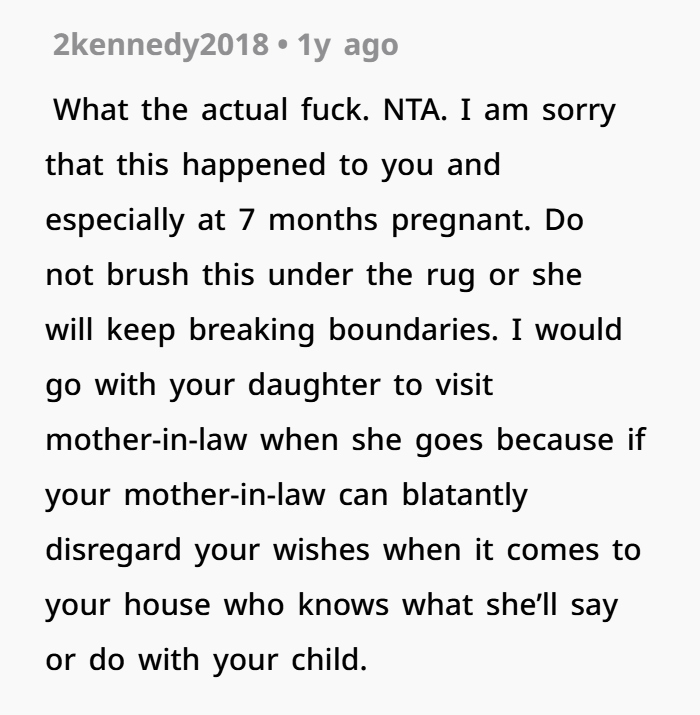
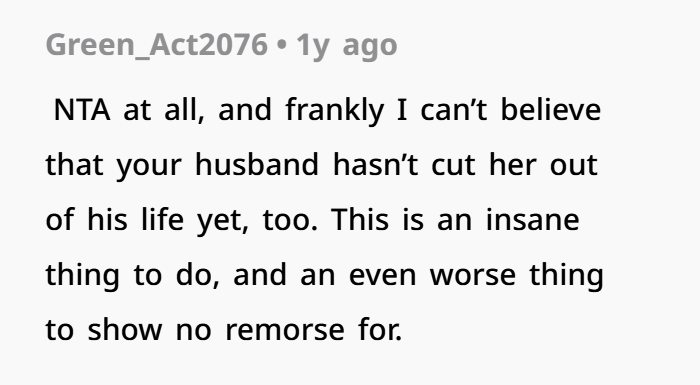
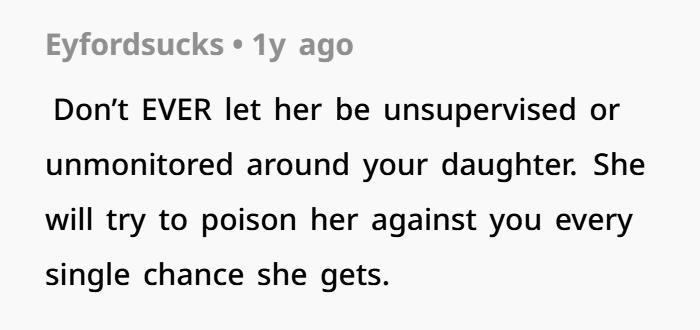
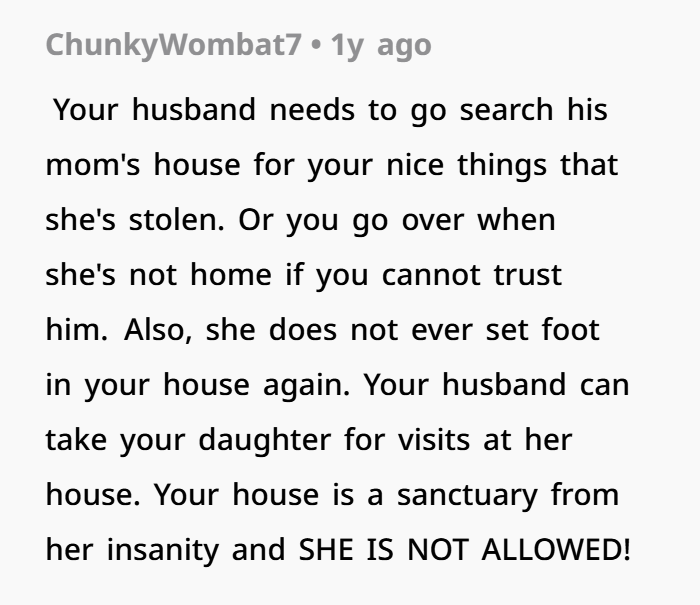
Top Comments From Readers