“She Kept Reaching Across Me to Shut My Window Shade” A Plane Passenger’s Petty Revenge Is Dividing the Internet

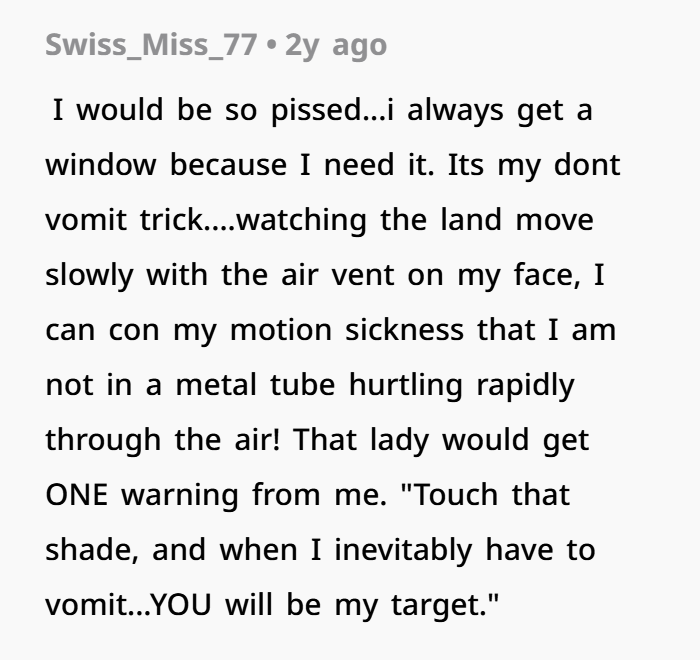
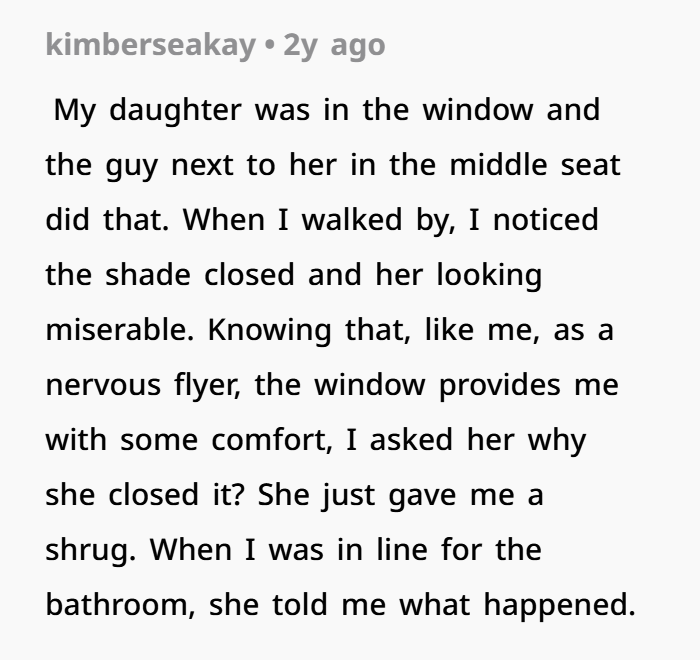
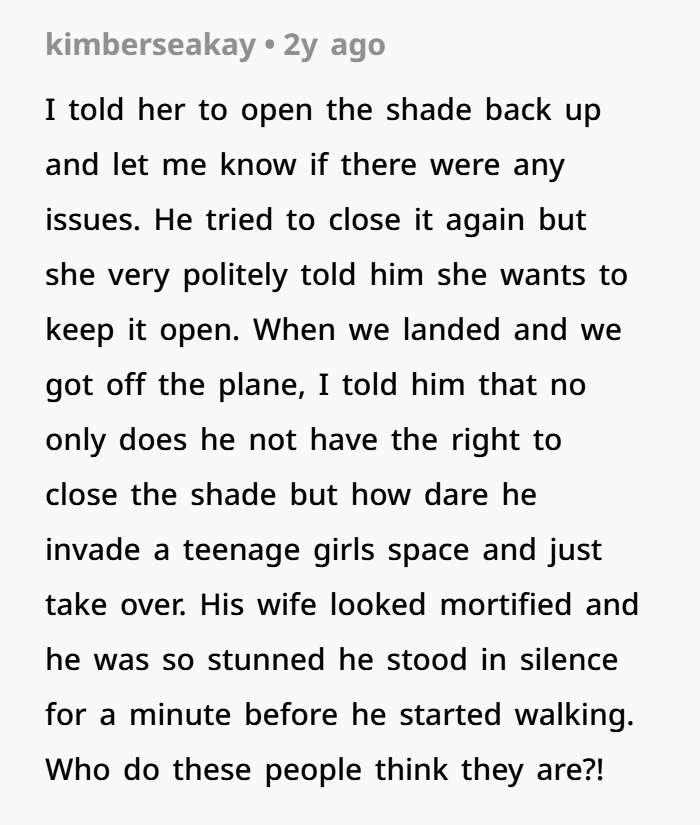
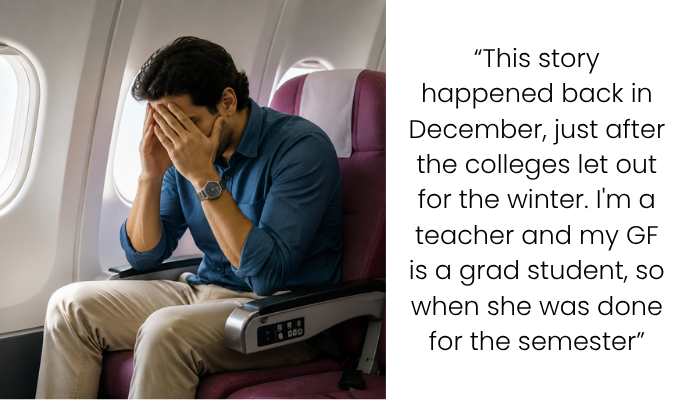
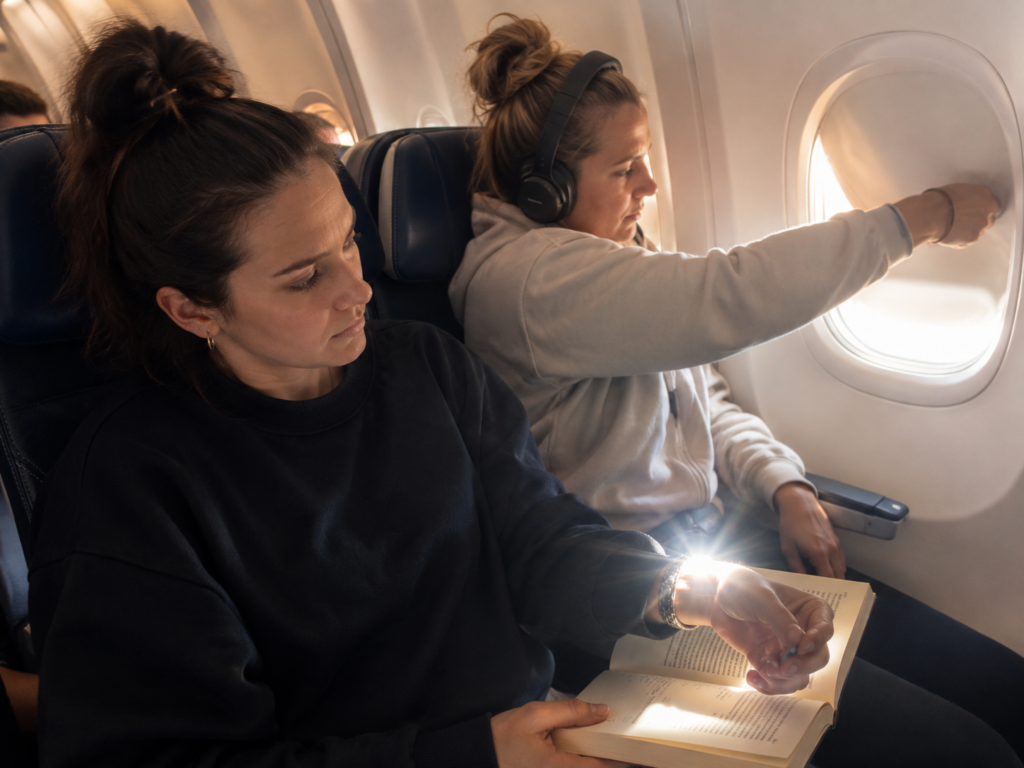
A passenger shared a frustrating airplane experience online that started with a small disagreement and later turned into a tense situation during the flight. The traveler was sitting in a window seat on a short daytime flight when the person sitting next to them repeatedly closed the airplane window shade without asking.
Each time the traveler opened the window again, the other passenger would reach over and close it later. According to the story, the main problem was not the sunlight. The passenger felt it was about basic airplane etiquette, personal space, and respecting another person’s comfort during travel.
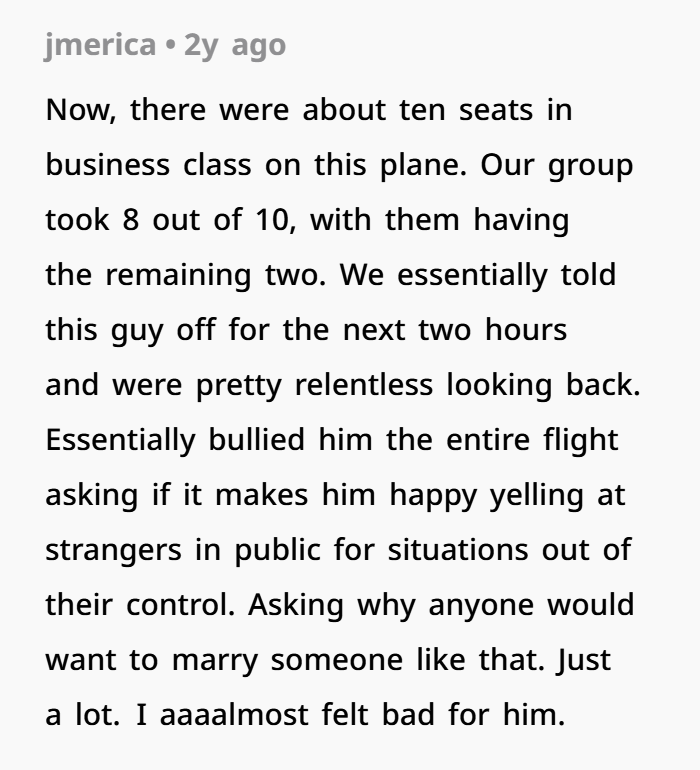
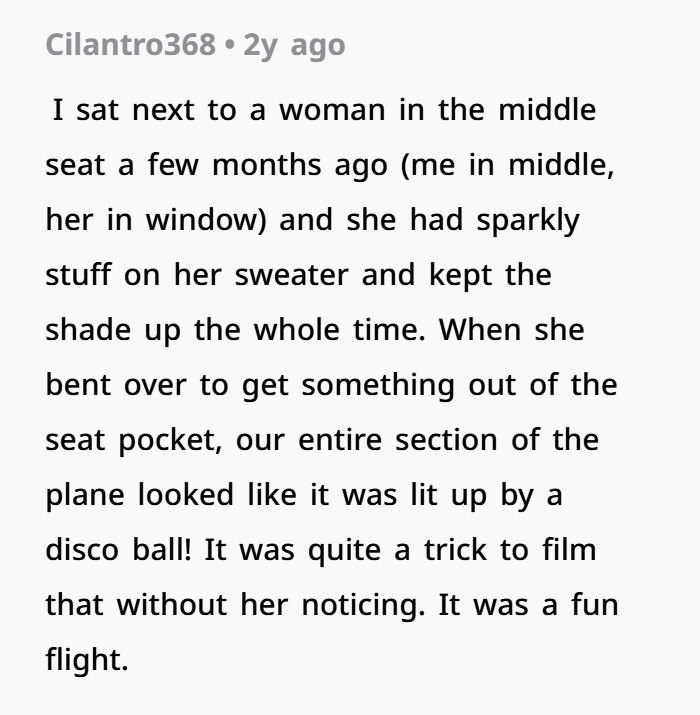
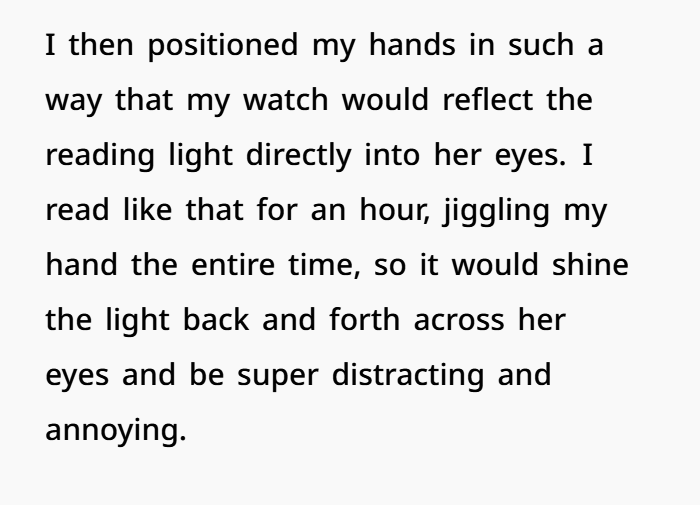
Instead of speaking directly about the issue, the traveler responded with small actions that they felt showed their frustration. They turned on the overhead reading light and positioned their watch in a way that reflected light toward the other passenger. The situation created tension throughout the flight.
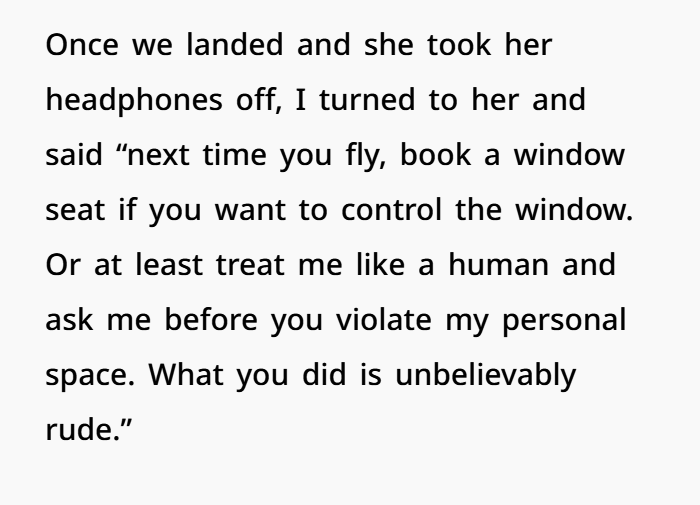
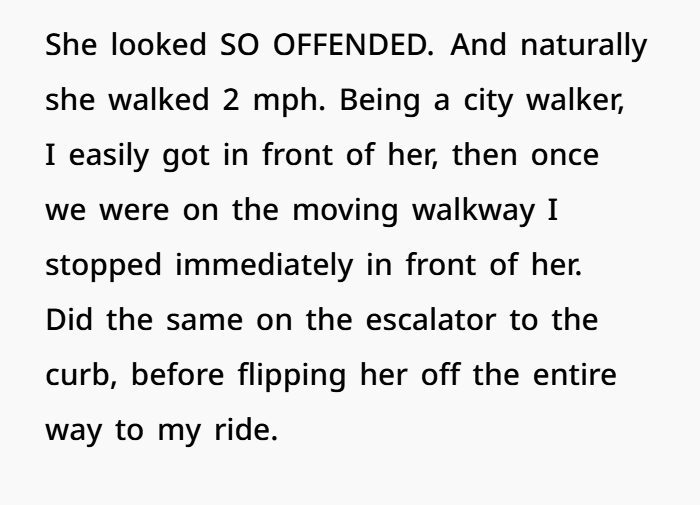
After the plane landed, the uncomfortable interaction continued with sarcastic comments and more awkward moments in the airport. The story gained attention online because many people had different opinions about travel manners, passenger behavior, and how people should handle conflicts in shared spaces. Some felt the frustration was understandable, while others believed a calm conversation would have been a better solution.
Airplane Etiquette: Why Small Problems Become Big Conflicts
Air travel can be stressful for many people.
Airports are crowded, flights can be uncomfortable, and passengers often deal with long lines, delays, limited space, and tiredness.
When people are already stressed, even small problems can feel much bigger.
That is why airplane etiquette creates so many strong opinions online.
A simple situation, like a disagreement about an airplane window shade, can quickly become a conversation about respect, communication, and personal boundaries.
The Real Problem Was Not Just the Window Shade
At first, this story sounds like a small travel issue.
One passenger kept closing the airplane window shade.
But many people reacted strongly because the problem was not only about sunlight.
The bigger issue was how the situation was handled.
The traveler felt that the other passenger was reaching across their personal space and changing something connected to their seat without asking.
There was no polite conversation.
There was no simple request.
That made the action feel disrespectful to many readers.
Understanding Airplane Seating Etiquette
Many travelers follow certain unspoken rules when flying.
For example:
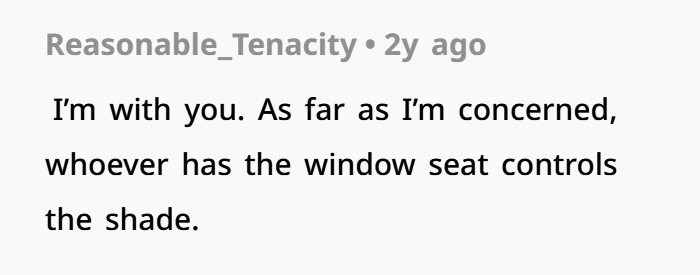
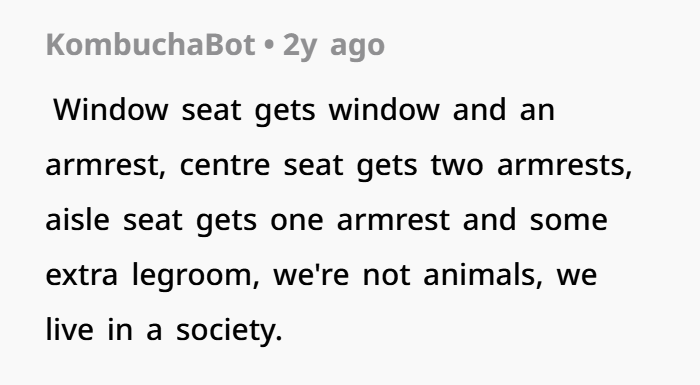
- The window-seat passenger usually controls the window shade.
- The aisle-seat passenger has easier movement.
- The middle-seat passenger often gets both armrests.
These rules are not official airline policies, but many passengers follow them because they help make flights more comfortable.
When someone ignores these social rules, frustration can grow quickly.
Why Communication Matters During Flights
The situation may have been avoided with one simple sentence:
“Would you mind lowering the shade? The light is bothering me.”
A polite request gives the other person a chance to respond.
They may agree.
They may explain their preference.
They may find a compromise.
The important thing is that both people feel respected.
Many conflicts become worse when people skip communication and assume the other person has bad intentions.
How Small Conflicts Can Escalate
One interesting part of this story is how quickly the situation grew.
Instead of solving the problem directly, both people became more frustrated.
The passenger responded with a form of silent revenge by using their watch to reflect light.
Some people online found this funny because many travelers understand the feeling of being annoyed by rude behavior.
Others felt the response went too far.
This shows how quickly small disagreements can turn into bigger conflicts.
Why People Enjoy Petty Revenge Stories
Petty revenge stories often become popular online because they feel relatable.
Almost everyone has experienced a frustrating moment with a stranger.
Maybe someone cut in line.
Maybe someone ignored personal space.
Maybe someone was rude in a public place.
Most people choose not to react because they want to avoid conflict.
So when someone finally responds, some readers enjoy seeing that frustration expressed.
However, there is usually a point where a response becomes less satisfying and more negative.
When Revenge Goes Too Far
After the flight, the situation continued in the airport.
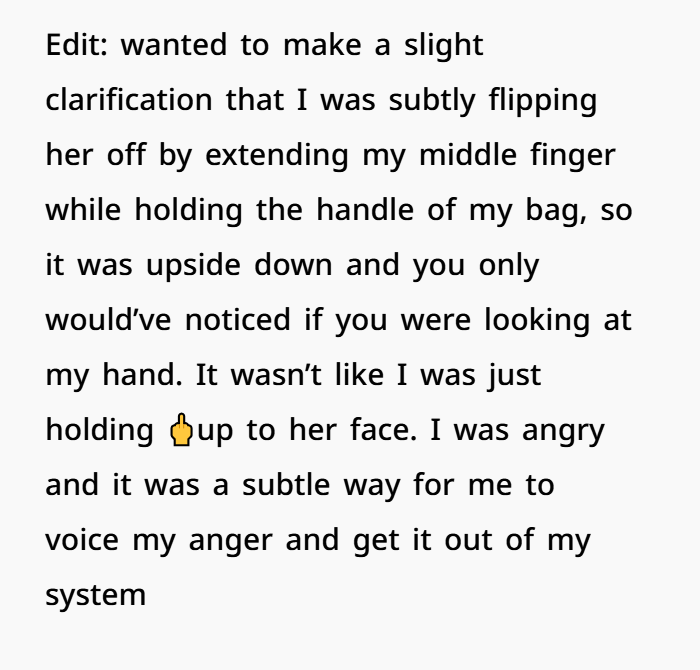
The traveler admitted to slowing down the other person and continuing the disagreement through small actions.
At that point, many people felt the conflict had moved beyond the original issue.
The problem was no longer just the window shade.
It became about anger and frustration.
This is why online reactions were mixed.
Some people understood the frustration.
Others felt that continuing the conflict after the flight was unnecessary.
The Psychology Behind Public Conflicts
Many everyday conflicts follow a similar pattern.
One person feels disrespected.
The other person reacts.
Then both sides become more emotional.
This is called an escalation cycle.
It can happen in many places:
- Airports
- Roads
- Stores
- Public transportation
- Crowded events
A small problem can become much larger when people respond with anger instead of communication.
Travel Stress Can Affect Behavior
Air travel creates a unique environment.
People may already be dealing with:
- Lack of sleep
- Tight schedules
- Crowded spaces
- Flight delays
- Noise
- Anxiety
When people are tired or uncomfortable, they may become more sensitive to small problems.
A situation that would normally feel minor can suddenly feel extremely frustrating.
This is one reason airplane arguments happen so often.
Finding Balance Between Comfort and Respect
Passengers have different needs during flights.
Some people prefer the window open because they enjoy the view.
Others prefer it closed because they want to sleep, reduce glare, or avoid discomfort.
There is not always one perfect answer.
The best approach is usually respect and communication.
A passenger’s comfort matters, but so does another person’s personal space.
The Bigger Lesson About Respect
This story was not really about an airplane window.
It was about how people handle small disagreements.
The passenger felt that their space was ignored.
The other traveler may have wanted a more comfortable flight.
Both people had a concern, but the conflict grew because they did not communicate clearly.
Many everyday problems can be solved with patience, kindness, and a simple conversation.
Sometimes the smallest acts of respect can prevent the biggest arguments.
Good travel experiences are not only about comfortable seats or smooth flights.
They are also about how passengers treat each other.
See The Comments Below