Petty Fence Revenge: When “I Built My Fence” Means “Don’t Trespass”

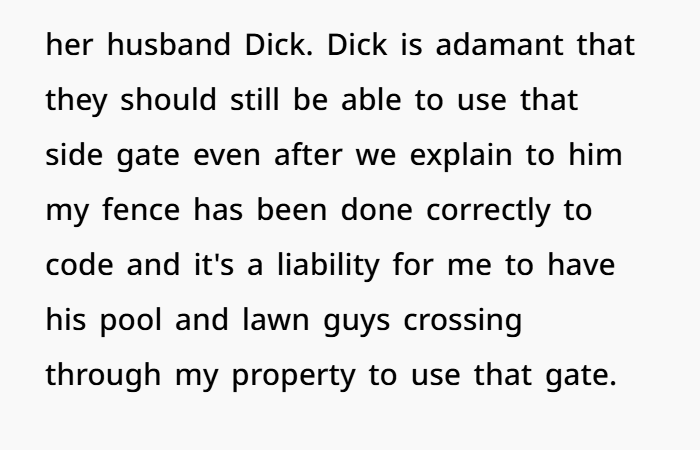
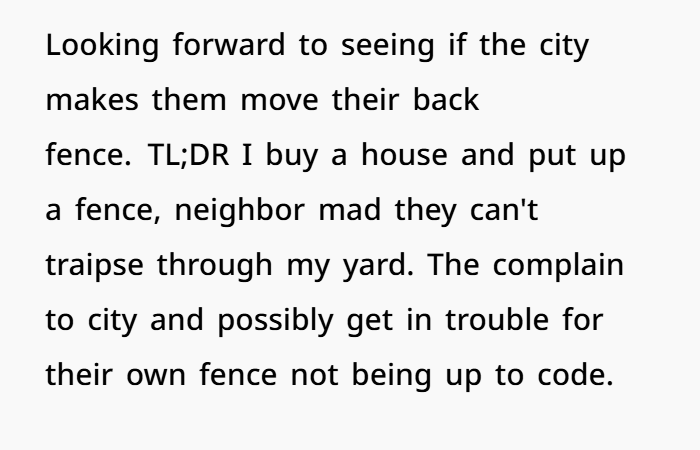
A homeowner shared a story about a disagreement with a neighbor after installing a new fence around their property. Before building the fence, the homeowner completed a property survey, hired professionals, and made sure everything followed local building rules. The fence was placed completely on the homeowner’s land and passed the required inspection.
After the fence was finished, the neighbor became upset because she could no longer use a side gate near her swimming pool. She wanted the homeowner to move the gate so she could continue accessing that area. She even threatened to contact the city about the fence.
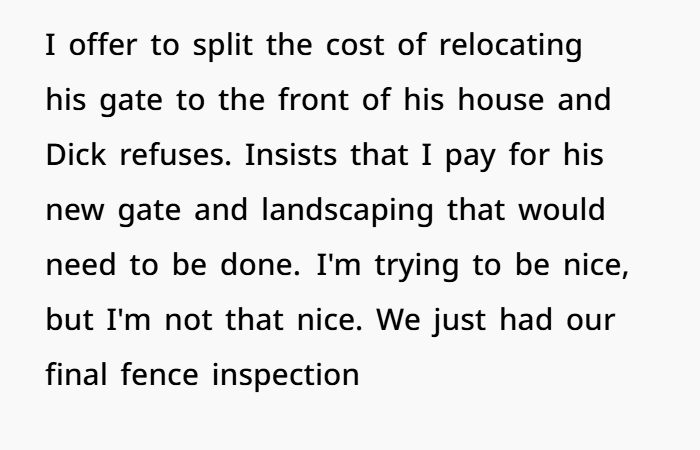
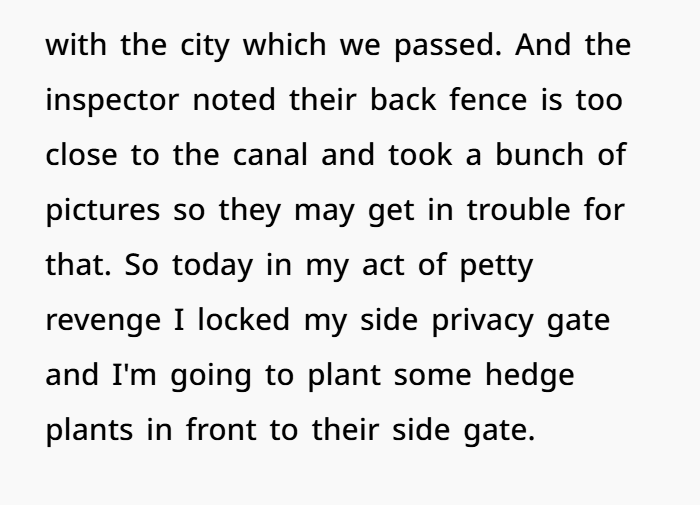
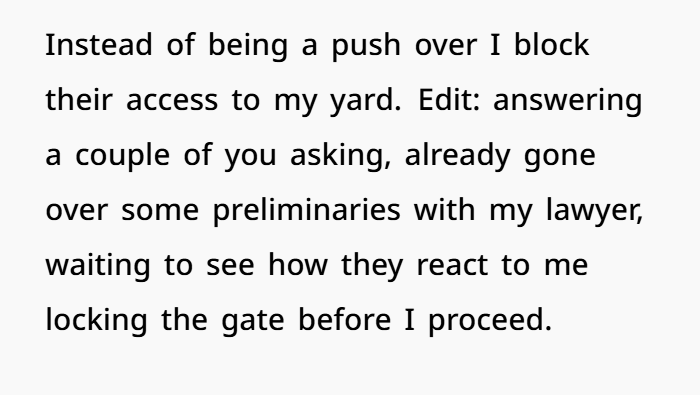
The homeowner explained that the fence was built legally and offered to help share the cost if a new solution could be arranged. However, the neighbor did not agree to the plan. Because of this, the homeowner decided to secure their own gate and add hedges for extra privacy.
The situation created tension between the neighbors, but the homeowner felt they had the right to protect their property. The story shows why clear property boundaries, proper planning, and respectful communication are important when dealing with home improvement projects and neighborhood concerns.
A woman’s neighbor was furious that a new, legally installed fence would block her unofficial shortcut
My Neighbor Wants To Use My Yard After I Built A Fence — Do I Have To Allow It?
Owning a home usually means wanting privacy, safety, and control over your own space.
But sometimes, problems with neighbors can make things stressful. One common issue is disagreement over fences, property lines, and access to certain areas.
If a neighbor has been using part of your yard for a long time, they may feel like they should continue using it. But does that mean they have a legal right to do so?
Let’s look at the basics of property boundaries, fence ownership, and neighbor rights.
Who Owns The Fence?
The answer often depends on where the fence was built.
If a fence is completely inside your property line, it is usually considered your fence. You are responsible for maintaining it, and you generally control who can use gates connected to it.
If a fence sits directly on the property boundary line, it may be considered a shared fence. In many areas, neighbors may have shared responsibilities for maintenance and repairs.
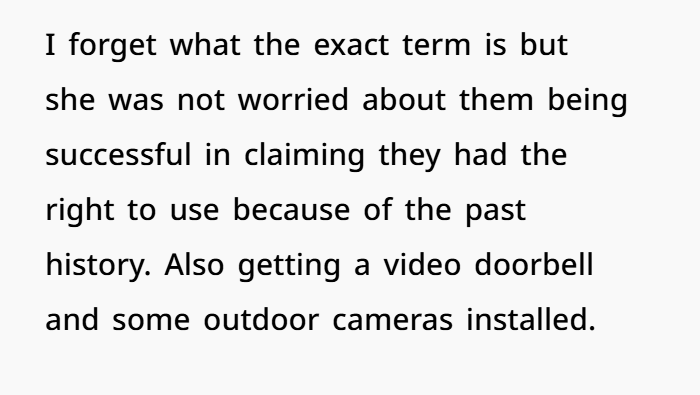
In this situation, a property survey was completed, the fence was built according to local rules, and the city approved the work.
That information can help show that the fence belongs to the homeowner and is located on their own property.
Does A Neighbor Automatically Have The Right To Use Your Gate?
A common misunderstanding is that using someone’s property for years automatically creates a right to continue using it.
That is not always true.
A neighbor does not usually have automatic access to another person’s yard just because there was an old gate, shortcut, or informal arrangement.
A legal right to use someone else’s property is often called an easement or right of way.
An easement may come from:
- A written agreement
- Property documents
- A legal process that recognizes long-term use in certain situations
Without a legal easement or permission from the homeowner, a neighbor may not have the right to continue crossing private property.
Why A Homeowner May Choose To Lock A Gate
A fenced yard provides many benefits.
Homeowners often install fences for:
- Privacy
- Security
- Pet safety
- Creating a personal outdoor space
In this case, the homeowner wanted a safe and private yard for themselves and their dog.
Locking a gate and limiting access can be a reasonable way to protect personal property.
Setting a boundary around your home does not automatically mean you are being unfriendly.
Sometimes it simply means you are taking care of your own space.
A Compromise Was Offered
The homeowner did not ignore the neighbor’s concerns.
They offered to help move the gate and share the cost of making changes.
That was a reasonable attempt to find a solution.
However, if a neighbor does not accept a possible compromise, the homeowner may decide to keep their original property boundaries.
Good neighbor relationships require cooperation from both sides.
Is Blocking The Old Access Being Mean?
There is an important difference between protecting your property and intentionally trying to upset someone.
A fence built only to annoy a neighbor may create legal problems in some locations.
However, a fence built for normal reasons like privacy, safety, and protecting a pet is different.
The fact that a neighbor dislikes the change does not automatically mean the homeowner did something wrong.
A person can respect their neighbors while still protecting their own property rights.
What If The Neighbor Complains?
Property disputes can sometimes become bigger than expected.
A neighbor may complain to the city, question the fence, or claim they have a right to access the property.
That is why keeping records is important.
Useful documents may include:
- Property surveys
- Fence permits
- Inspection approvals
- Written conversations with neighbors
These records can help explain the situation if questions come up later.
Understanding Property Rights Can Prevent Conflict
Many neighbor disputes happen because people have different assumptions.
One person may think:
“I have always used this path, so I should be allowed to keep using it.”
The homeowner may think:
“This is my property, and I want control over my own yard.”
The best way to handle these situations is to understand the actual property boundaries and local laws.
Personal opinions and past habits do not always determine legal rights.
Tips For Handling A Fence Or Property Boundary Dispute
If you are dealing with a similar neighbor issue, these steps may help:
Check Your Property Lines
A professional survey can confirm where your property begins and ends.
Communicate Calmly
Try to explain your concerns without creating unnecessary conflict.
Keep Important Documents
Save surveys, permits, and written agreements.
Learn Local Property Laws
Rules about fences, easements, and access can vary by location.
Get Professional Advice If Needed
If the disagreement becomes serious, a local property attorney can explain your options.
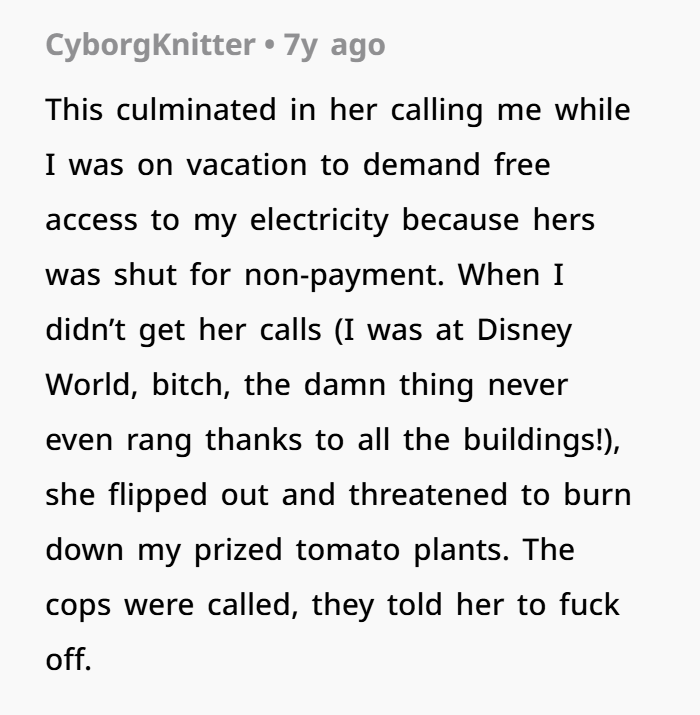
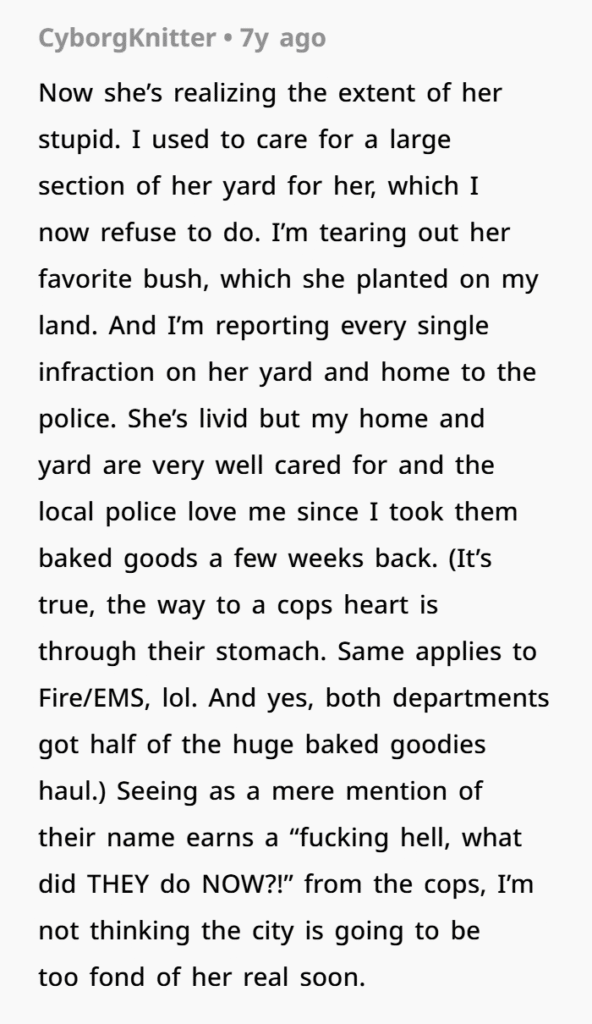
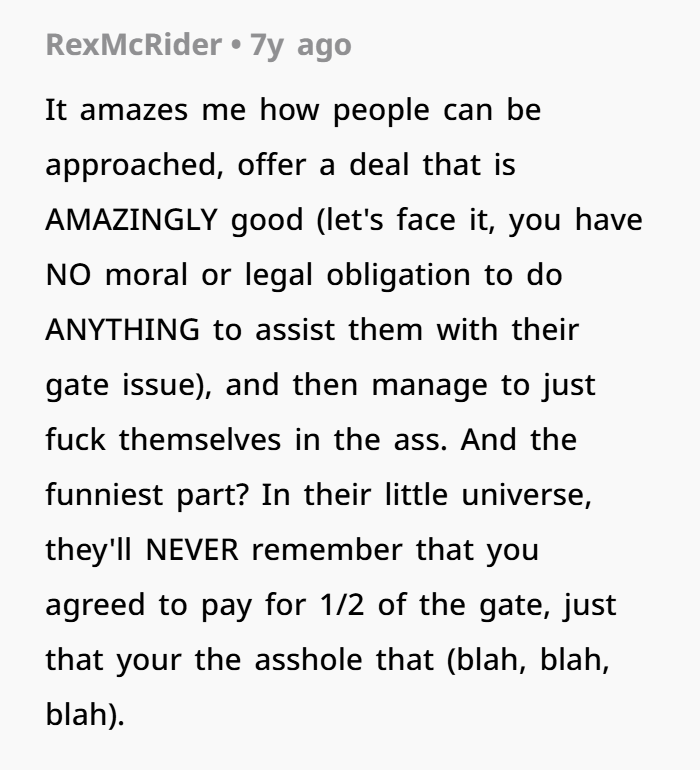
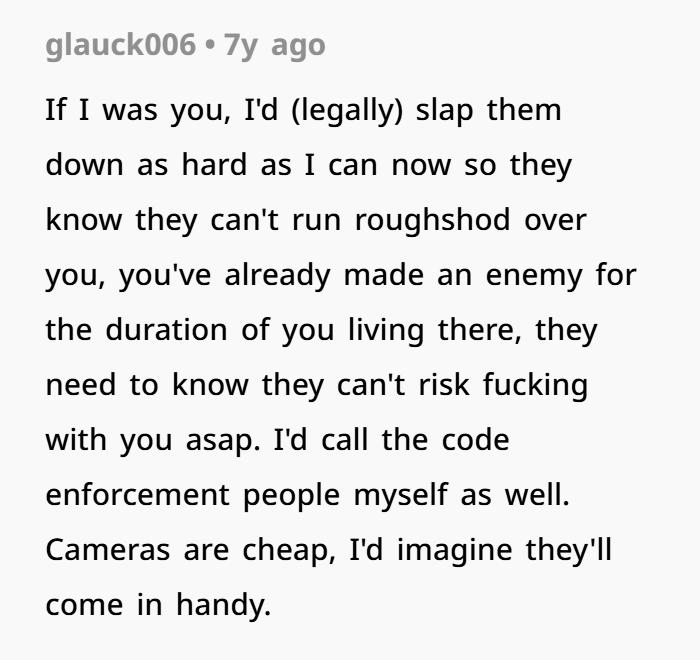
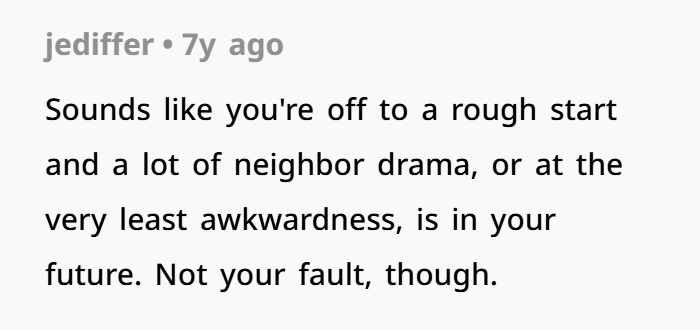
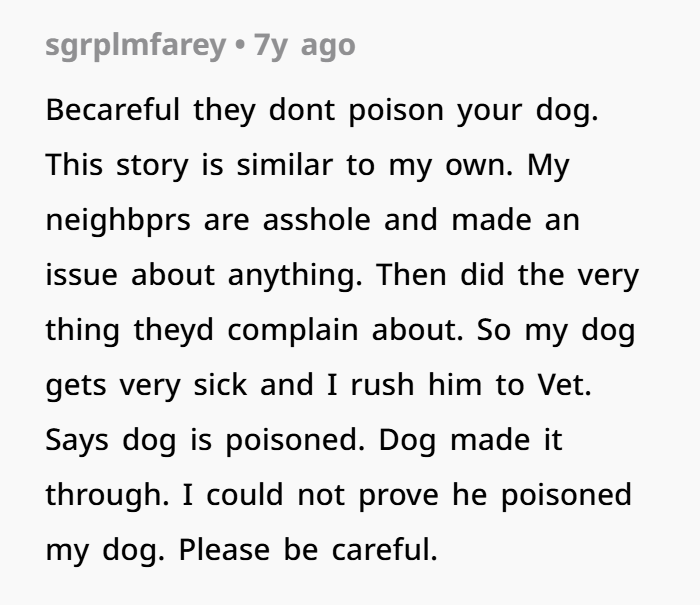
The internet cheered her on, calling it a perfect case of a petty neighbor playing themselves

Final Thoughts
A neighbor using part of your property in the past does not always mean they have a permanent right to continue doing so.
Homeowners have the right to enjoy their property, create boundaries, and protect their privacy.
At the same time, respectful communication can help prevent long-term neighbor conflicts.
A fence is not only a physical barrier. It can also represent personal boundaries and ownership.
Protecting your home and your privacy is a normal part of being a responsible homeowner.