They Tested Her for a Year to See If She Was a Gold Digger So She Walked Away

A 24-year-old woman was in a serious relationship with her fiancé for almost four years. Her fiancé had a successful career in the tech industry and earned a high salary. She had a normal income, but money was never a major problem between them.
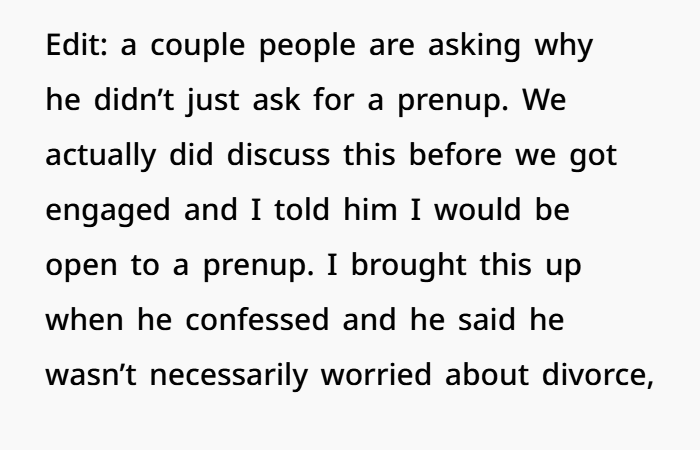
They shared expenses, discussed financial planning, and even talked about a prenuptial agreement to protect their future finances. They planned a simple honeymoon and believed they were building a strong relationship based on trust and commitment.
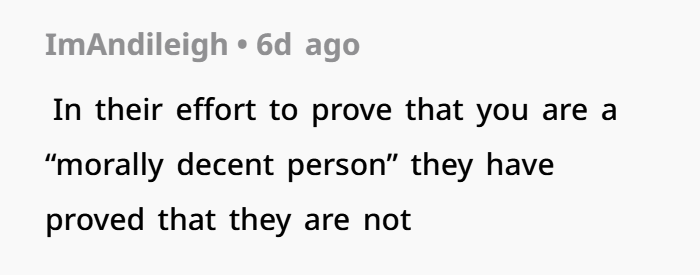
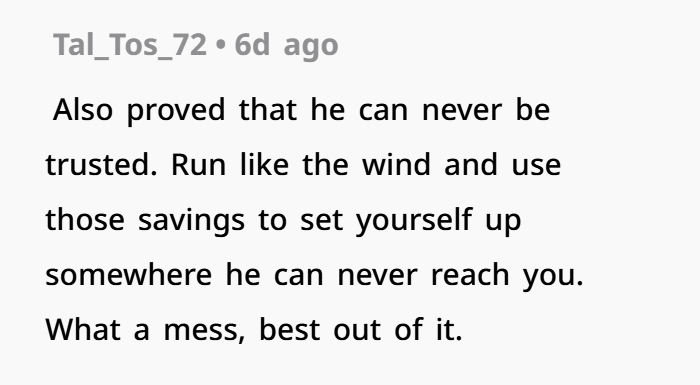
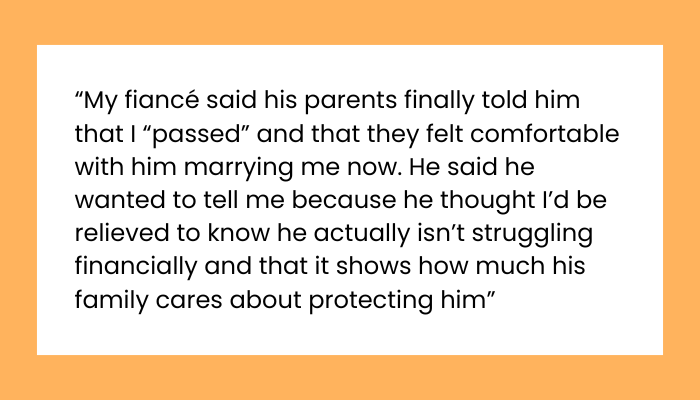
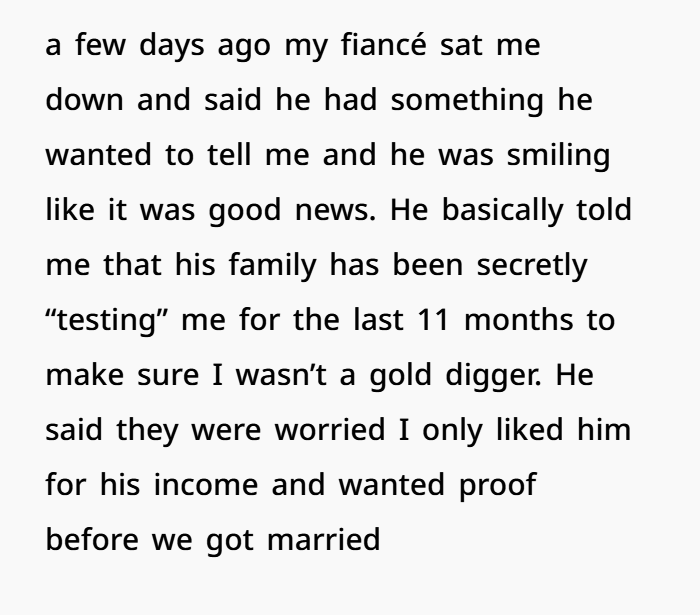
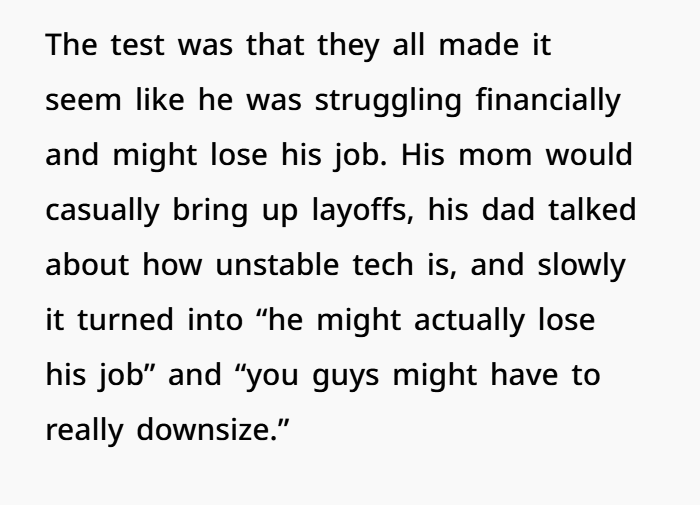
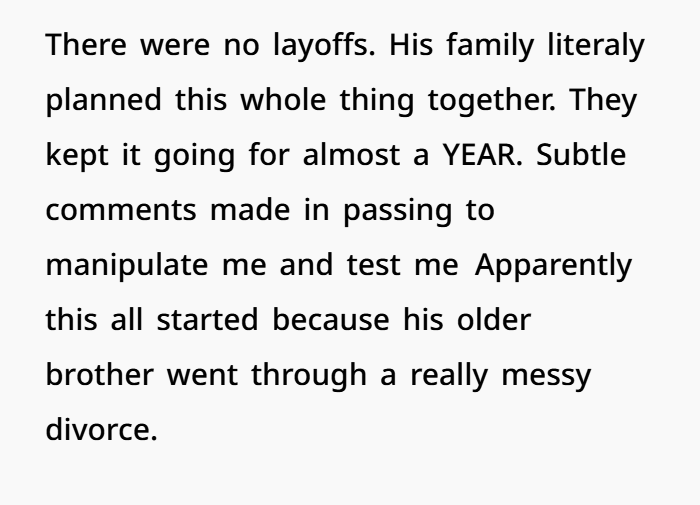
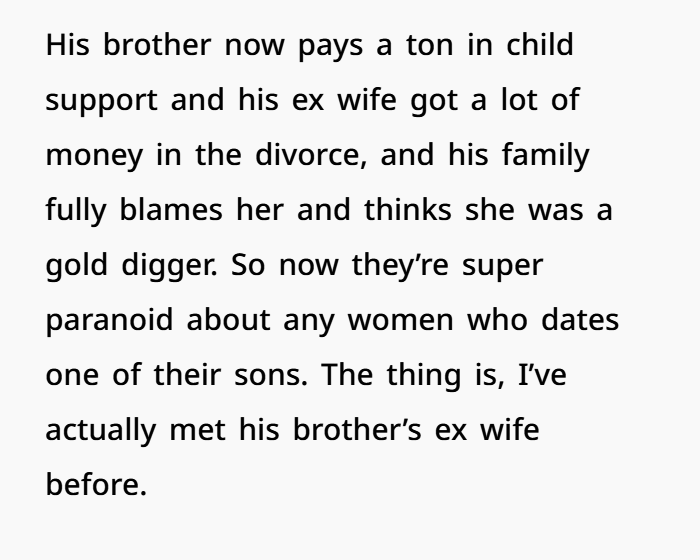
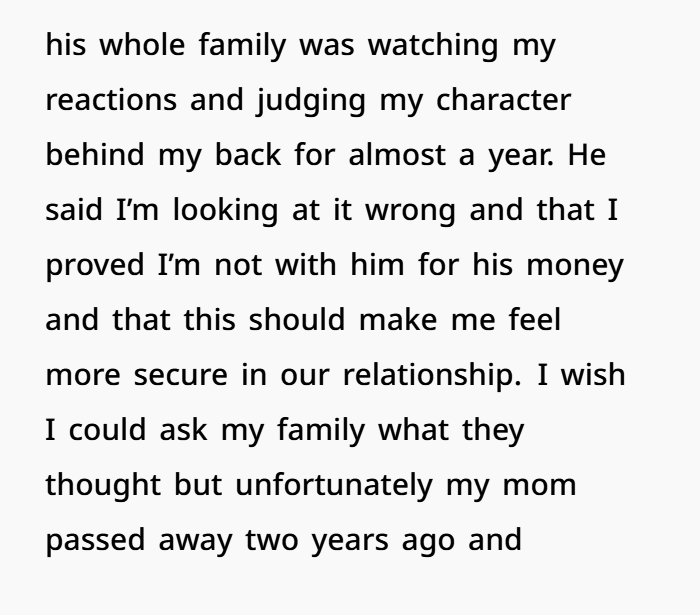
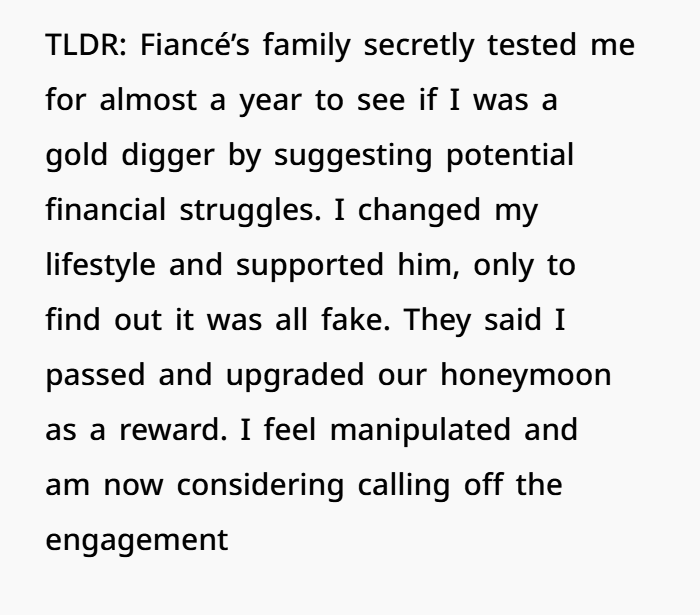
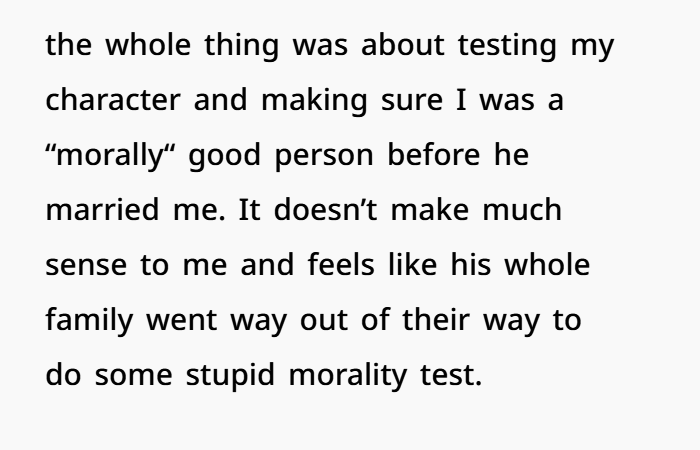
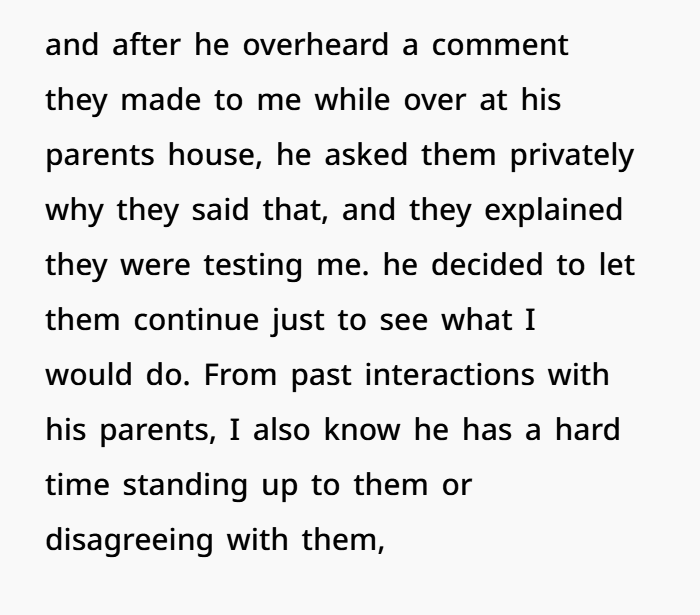
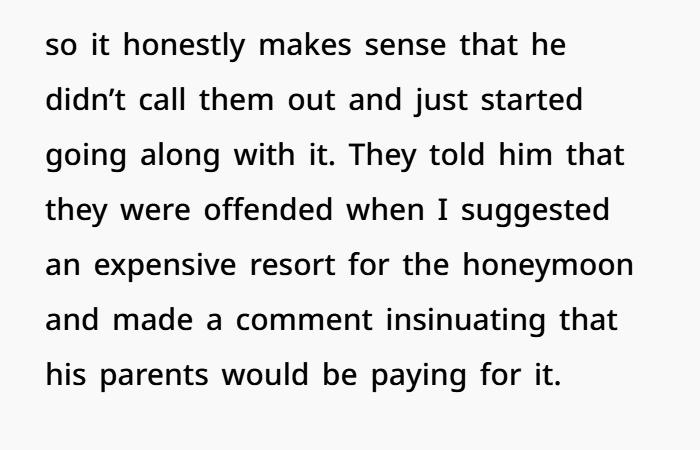
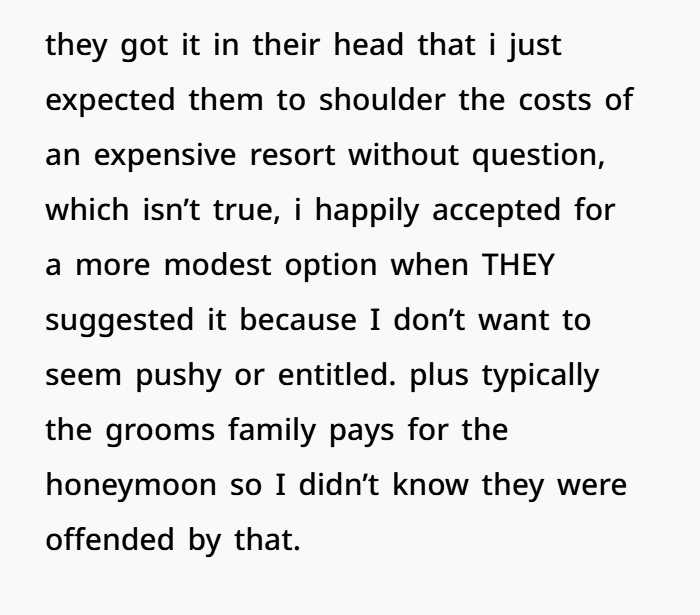
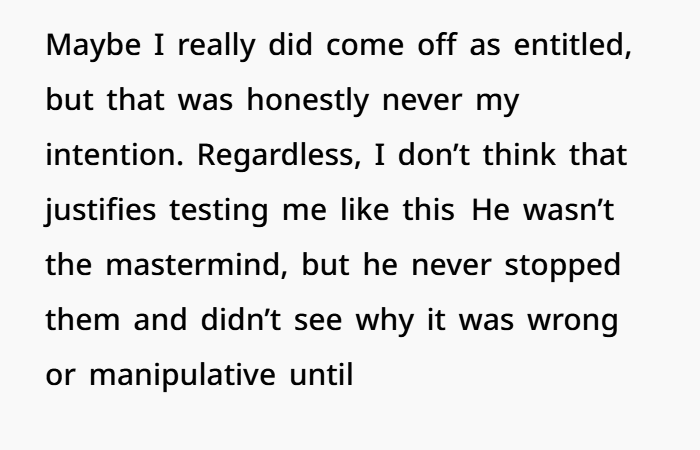
However, one day her fiancé told her something unexpected. He explained that his family had secretly tested her for almost a year to see if she was only interested in his money. They pretended that he might lose his job, face financial problems, or no longer have the same income.
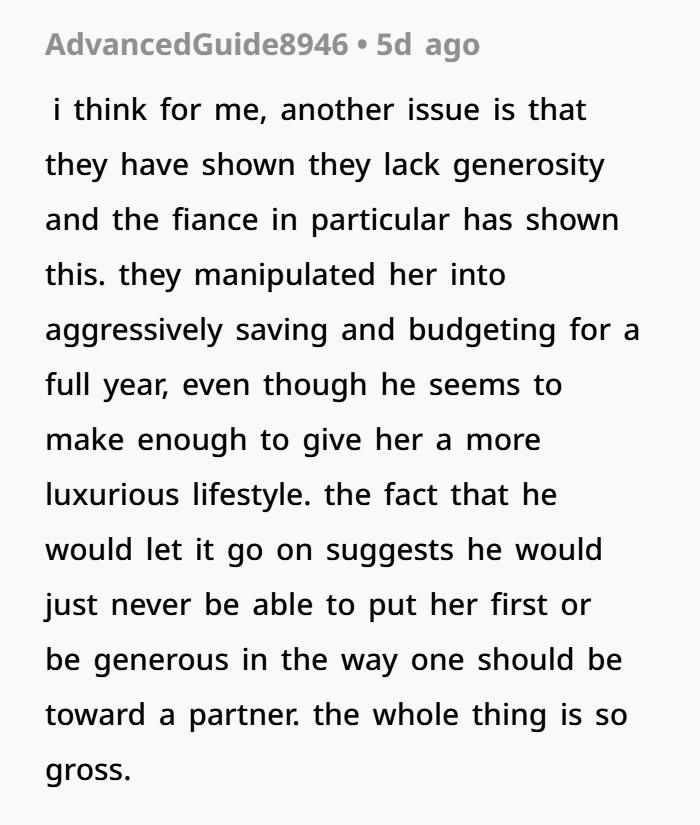
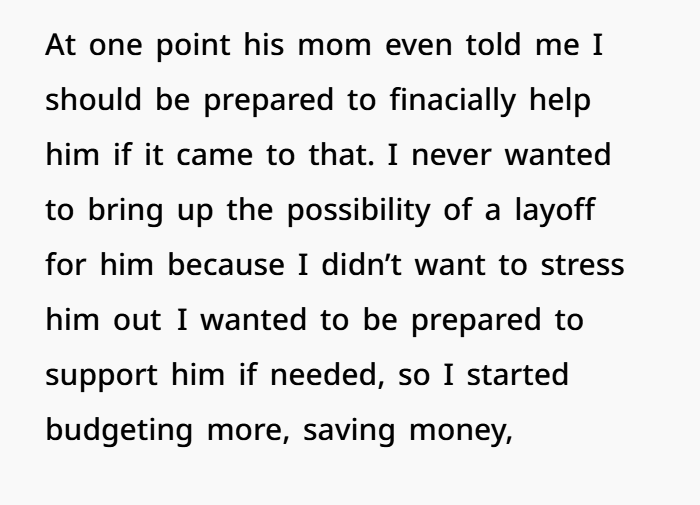
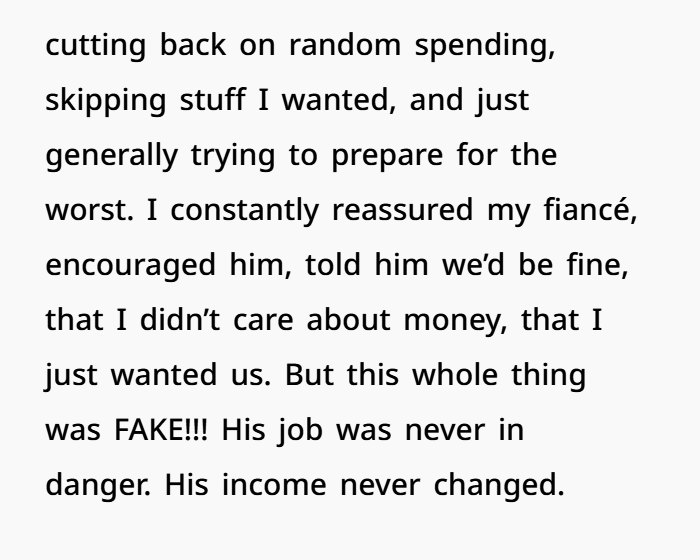
During that time, she tried to support him. She reduced her spending, saved more money, and showed him that she cared about their relationship, not his salary or financial status. She believed she was building a future with the person she loved.
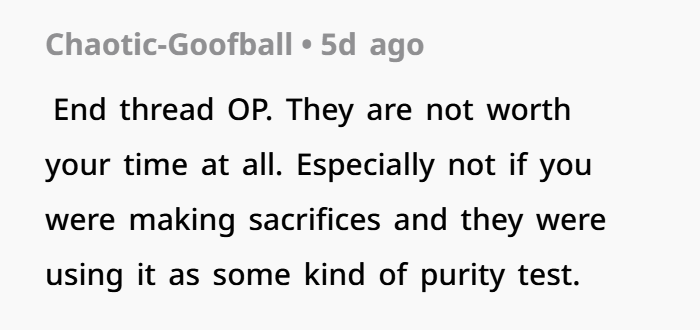
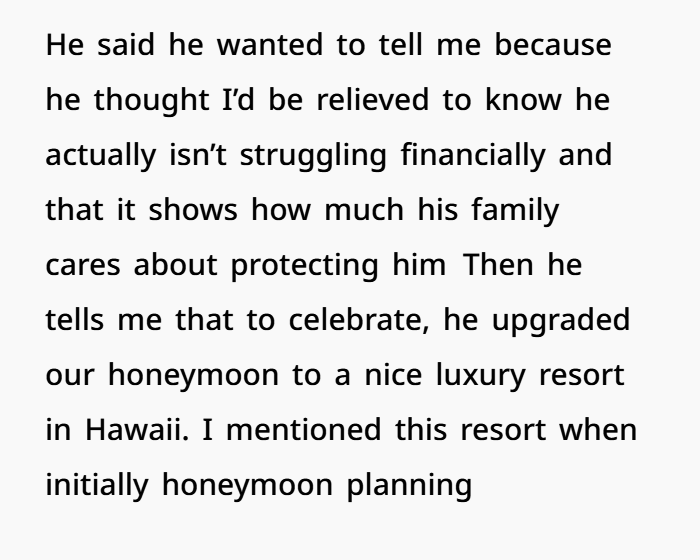
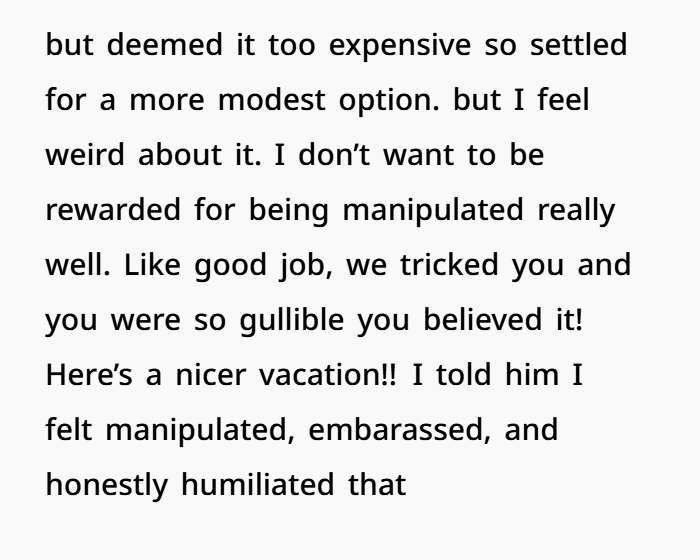
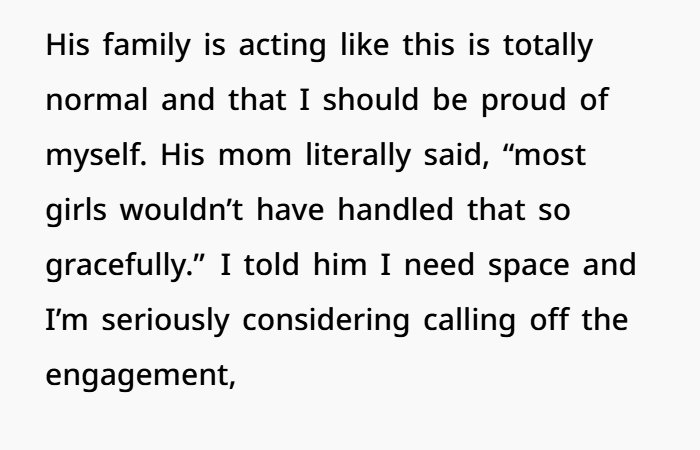
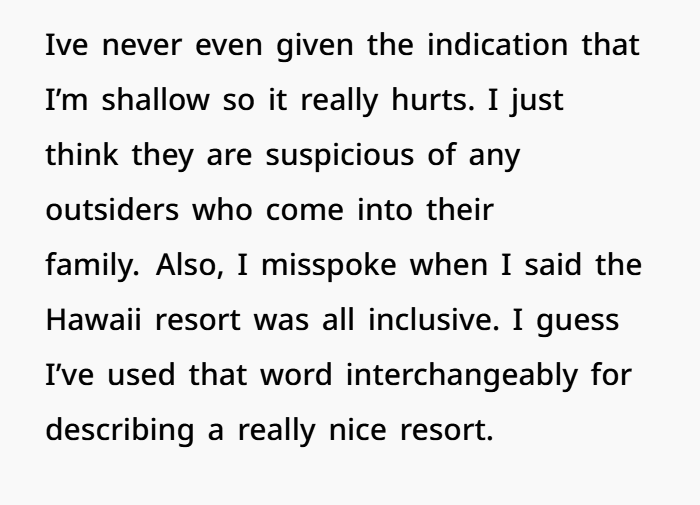
Later, his family told her that she had “passed” their test. As a reward, they gave the couple a more expensive honeymoon package. However, instead of feeling happy, she felt hurt and uncomfortable. She felt that her loyalty had been tested in a way that was unfair and damaging to the trust in their relationship.
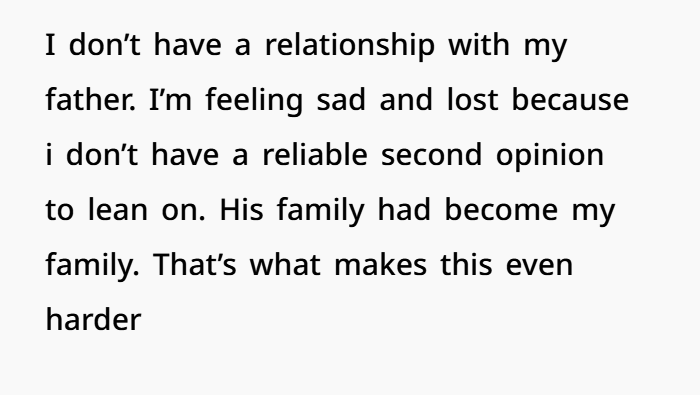
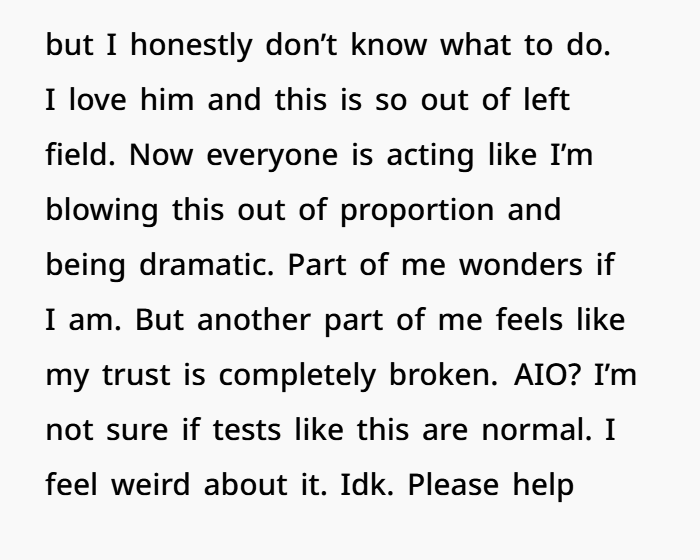
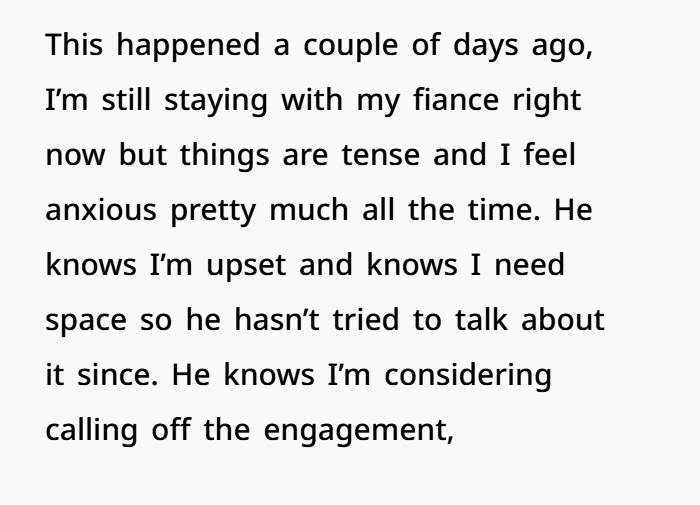
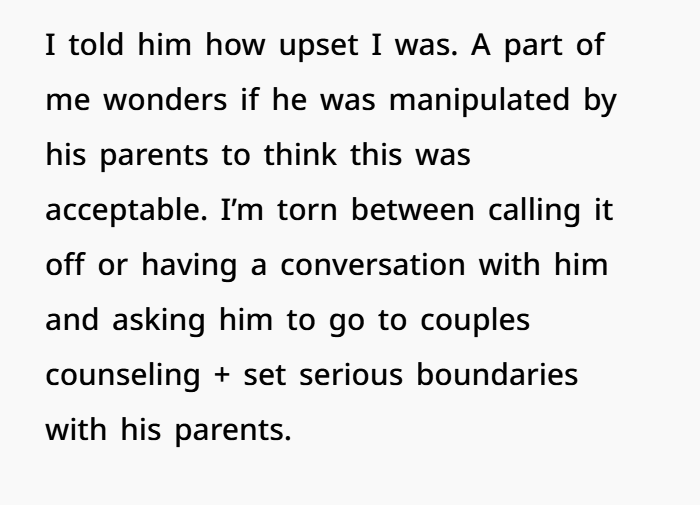
Now she is questioning whether she can marry someone who believed a secret relationship test was acceptable. The situation has made her think about trust, communication, and healthy boundaries in marriage.
Strong relationships are usually built on honesty and respect. Financial discussions are important in marriage, but testing a partner through deception can create serious trust issues that may take time to repair.
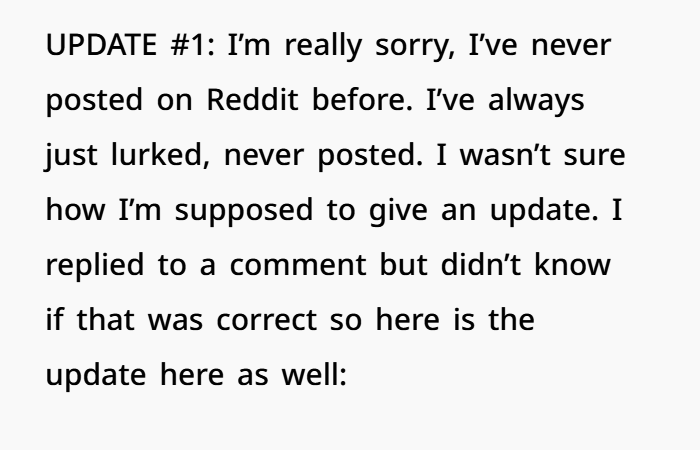
But she recently realized it was all a lie



When a Relationship Becomes a Test: Trust, Family Pressure, and Marriage Decisions
At first, this situation may look like a simple relationship disagreement.
But when you look deeper, it is really about trust, honesty, family boundaries, and emotional safety in a relationship.
A healthy marriage is built on open communication and respect. It is not built on secret tests, hidden plans, or trying to prove someone’s loyalty.
Why Secret Loyalty Tests Can Damage Relationships
Some people believe testing their partner can reveal their true character.
However, relationship experts often warn that secret tests can create serious trust problems.
A healthy relationship requires honest conversations.
Instead of secretly testing someone, couples should talk openly about:
- Money
- Values
- Future plans
- Family expectations
- Marriage goals
When one person secretly creates a situation to judge the other person, it can make the relationship feel less like a partnership and more like an exam.
The hidden message becomes:
“I do not trust you enough to ask directly.”
That can create emotional distance before a marriage even begins.
Family Involvement Can Create More Problems
The situation became even more complicated because the fiancé’s family was involved.
When family members become heavily involved in a couple’s decisions, it can create unhealthy pressure.
Family support can be valuable, but there should still be clear boundaries.
A marriage involves two people first.
When relatives start making decisions, creating plans, or testing a future spouse, it can damage the couple’s ability to build their own relationship.
This is especially important before marriage because couples need to learn how to solve problems together.
Financial Concerns Are Real, But There Are Better Solutions
It is understandable that people worry about money.
Many couples today discuss:
- Income
- Savings
- Debt
- Investments
- Property ownership
- Future financial goals
Financial planning is an important part of a healthy marriage.
However, pretending to lose a job or creating a fake financial crisis is not the same as responsible money management.
If someone is worried about protecting their assets or building financial security, there are healthier options.
For example:
- Honest money conversations
- Creating a budget together
- Speaking with a financial advisor
- Discussing a prenuptial agreement
A prenup is a legal agreement that can help couples protect assets and clearly understand financial responsibilities before marriage.
That is a normal part of financial planning for many couples.
Money Should Not Become a Character Test
The biggest problem in this situation was not the concern about money.
The problem was turning money into a test of someone’s personality.
There is a difference between asking:
“Are we financially compatible?”
and asking:
“Can we trick this person and see how they react?”
The first question helps build a strong marriage.
The second can create fear and mistrust.
A partner should not have to prove they are a good person by suffering through a fake hardship.
The Emotional Impact of Being Tested
For almost a year, she changed her behavior because she believed the financial situation was real.
She adjusted her spending.
She saved more money.
She worried about the future.
Meanwhile, other people knew it was not real.
That creates an unfair situation because one person has important information while the other person does not.
Even if the goal was not to hurt her, the result was emotional stress and a loss of trust.
Trust is one of the most important parts of a long-term relationship.
Once someone feels like they were secretly judged or watched, it can be difficult to feel emotionally safe again.
A Relationship Should Not Feel Like a Performance
Another issue was the idea of a reward after passing the test.
The luxury honeymoon became connected to her behavior during the experiment.
But healthy relationships should not work like a reward system.
Love is not something a person earns by passing tests.
A strong marriage is based on:
- Respect
- Support
- Understanding
- Teamwork
Partners should not feel like they are constantly being evaluated.
The Importance of Setting Boundaries Before Marriage
Marriage is more than a wedding ceremony.
It connects two people emotionally and legally.
Marriage can affect:
- Shared finances
- Property decisions
- Taxes
- Inheritance
- Future planning
Because marriage has serious long-term effects, it is important to understand your partner’s values before making that commitment.
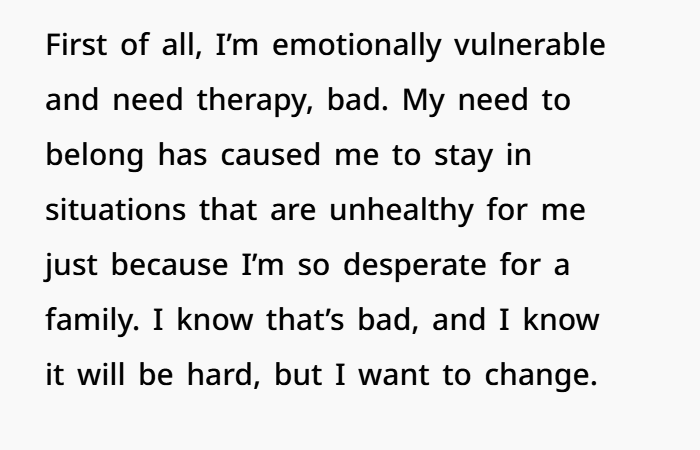
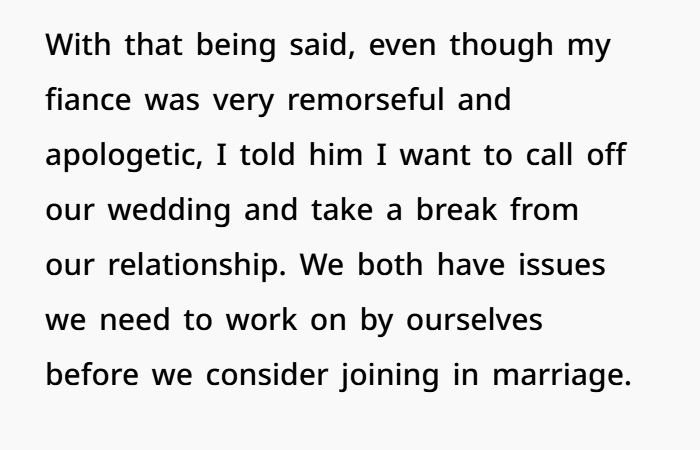
If someone discovers a major trust issue before marriage, taking time to think is a reasonable choice.
Pausing a wedding does not mean someone does not care.
Sometimes it means they are protecting their future.
His Role in the Situation
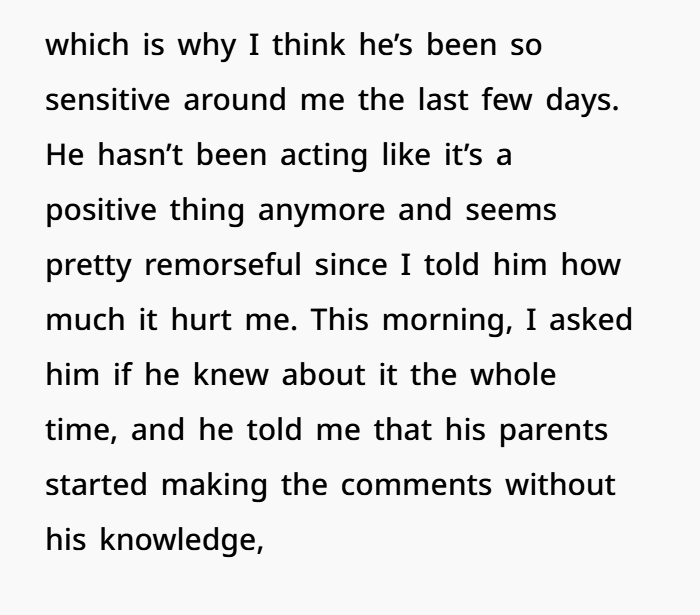
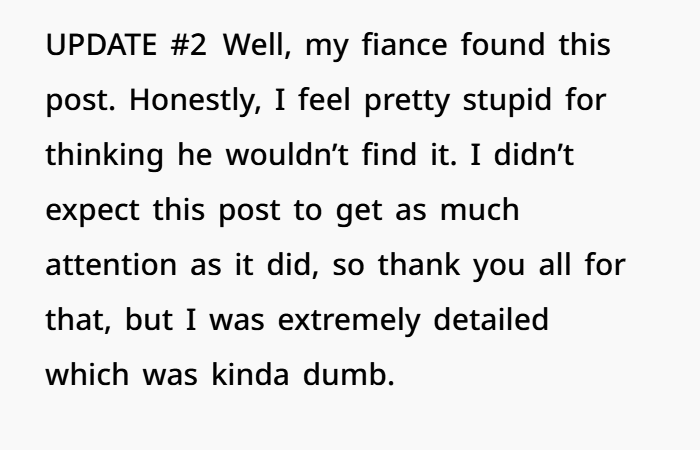
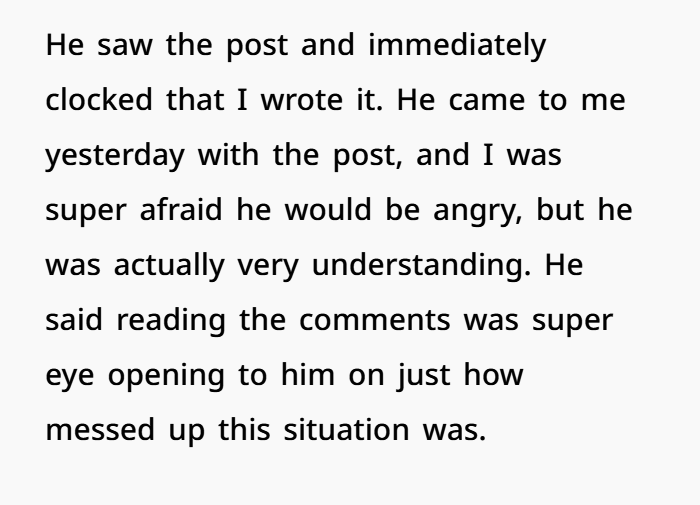
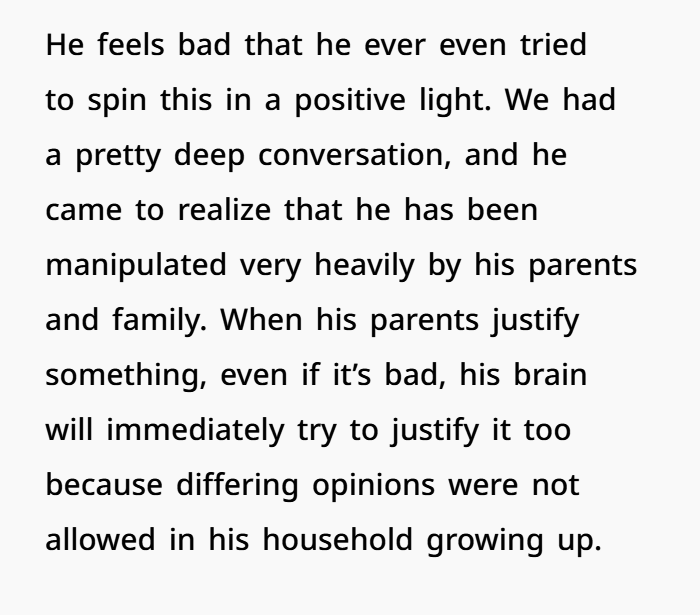
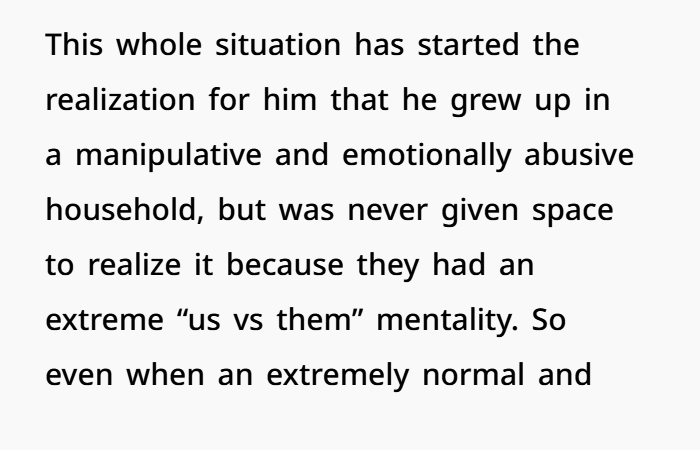
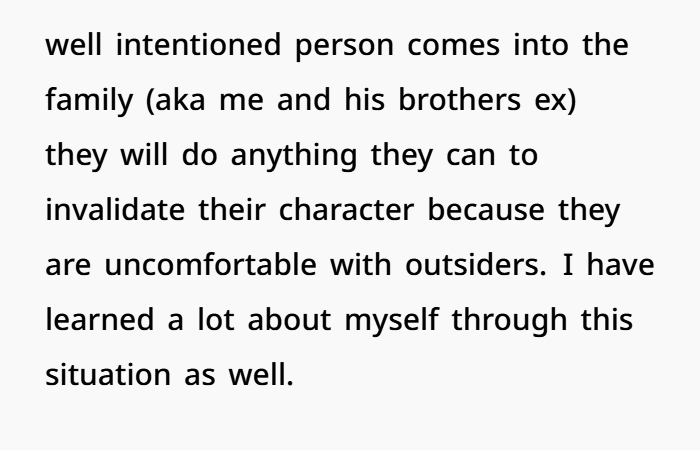
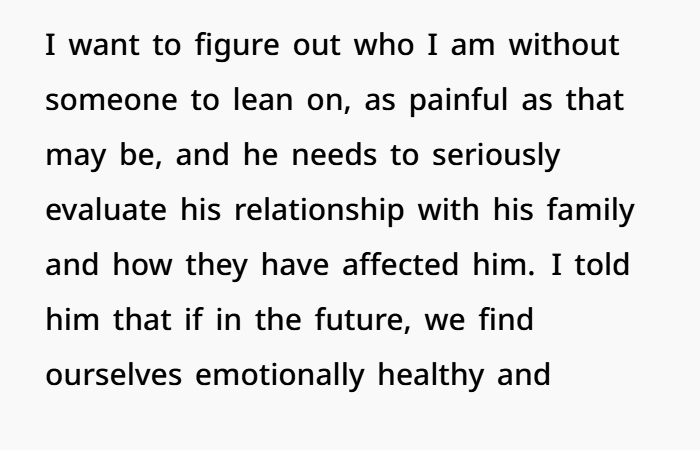
The fiancé admitted that he struggled to disagree with his family.
This is something many adults experience.
Some people grow up in families where avoiding conflict feels normal.
However, marriage requires the ability to make decisions as a couple.
A person does not have to reject their family, but they do need healthy boundaries.
Before getting married, both partners should ask:
- Can we make decisions together?
- Can we protect our relationship from outside pressure?
- Can we communicate honestly?
These questions matter.
Why Her Decision Makes Sense
Choosing to delay the wedding does not mean she was being dramatic.
She experienced a major break in trust.
She also lost confidence in the way decisions were being handled.
Taking time apart can allow both people to:
- Reflect
- Improve communication
- Create stronger boundaries
- Understand what they truly want
Sometimes space helps couples rebuild.
Sometimes it shows them that they want different things.
Both outcomes are possible.
The Bigger Lesson About Marriage and Trust
This story is not really about a fake job loss.
It is about how people handle fear.
Fear about money, divorce, or being hurt in the future can make people make unhealthy choices.
But strong marriages are not built on fear.
They are built on:
- Honesty
- Transparency
- Mutual respect
- Emotional security
Financial planning is important.
Protecting assets is important.
Talking about future goals is important.
But secretly testing someone is not the same as building trust.
Final Thoughts
Before marriage, couples should have difficult conversations instead of creating difficult situations.
Questions about money, family, and values should be discussed openly.
A partner should feel like a teammate, not someone being investigated.
Love is important, but love alone is not enough.
A successful marriage also needs trust, honesty, and respect.
When those things are damaged, taking time to rebuild them may be the healthiest decision for everyone involved.
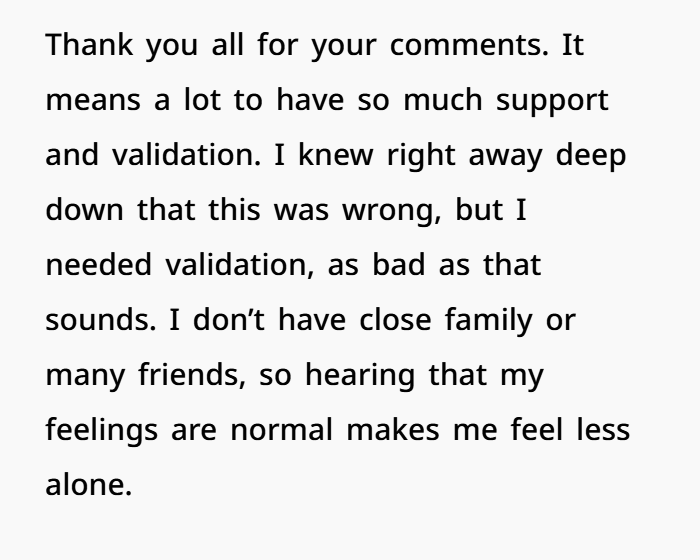
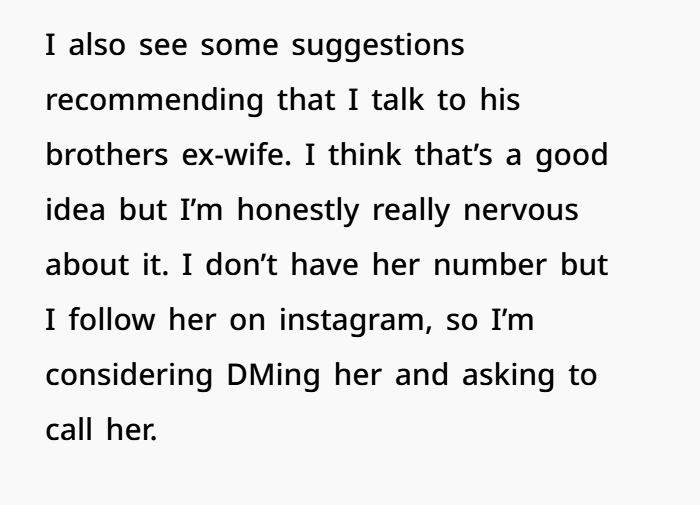
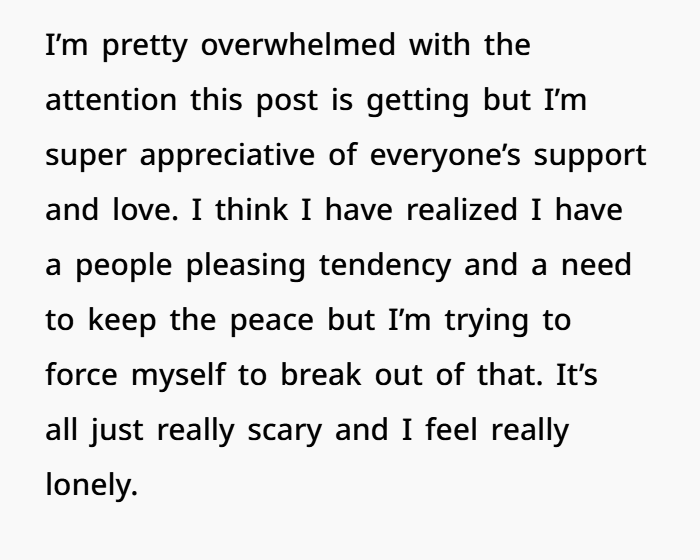
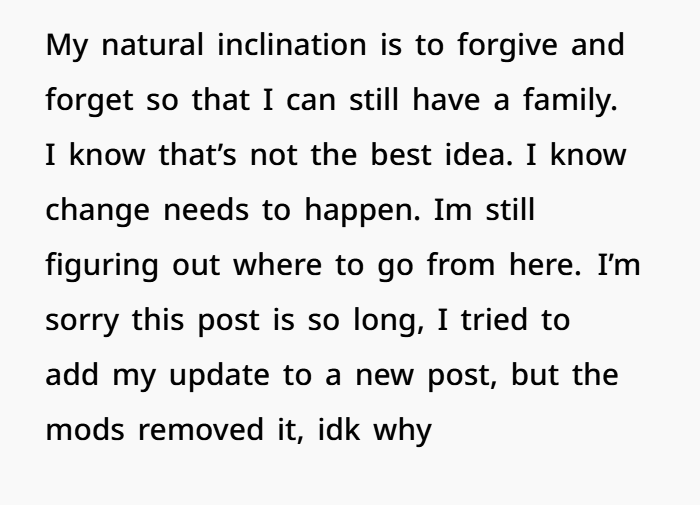
The woman engaged with people in the comments