My Husband Never Left His Mother’s House Mentally” The Breaking Point That Ended a Young Marriage

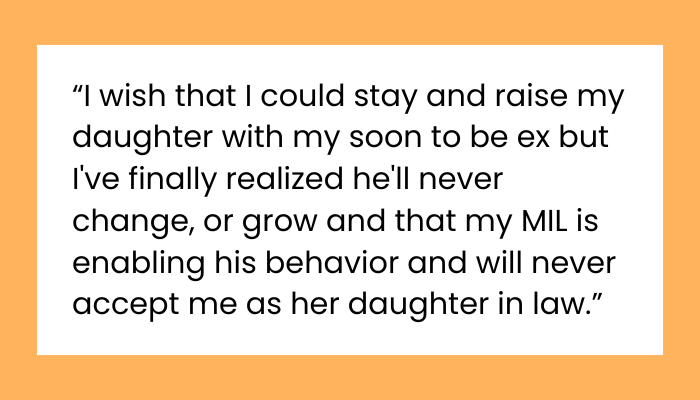
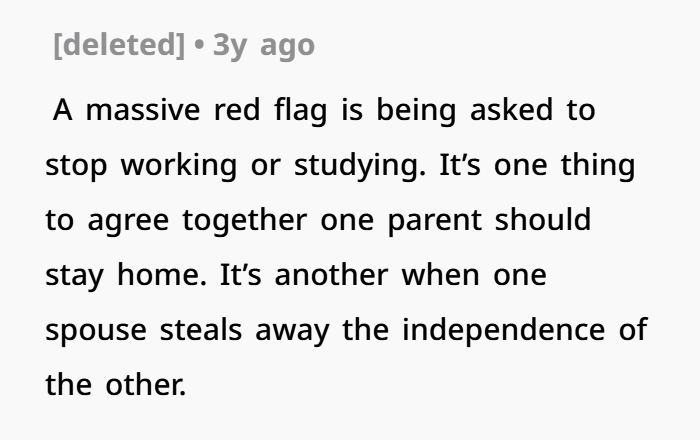
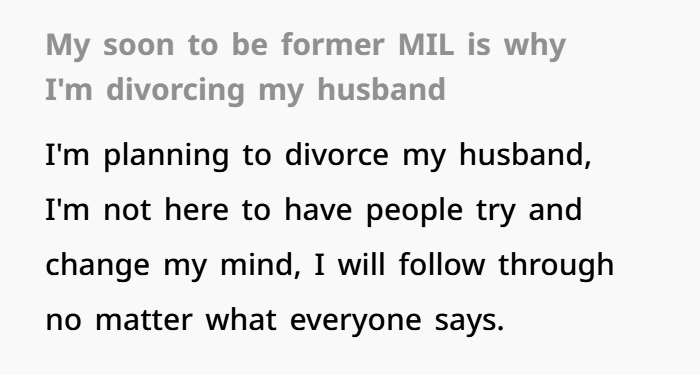
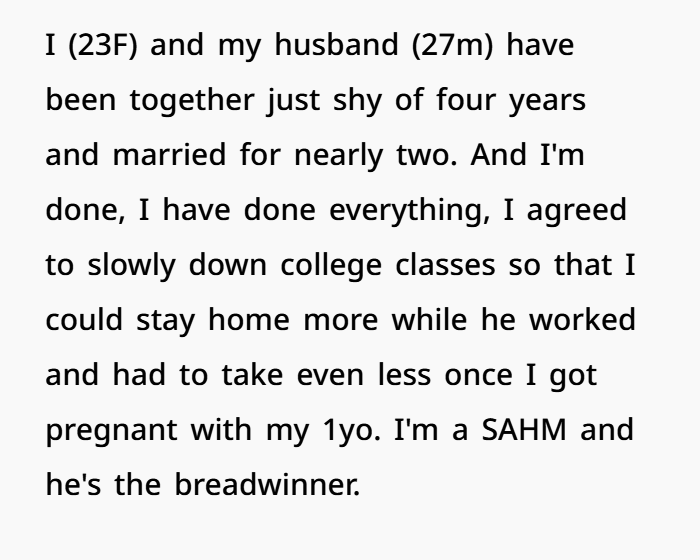
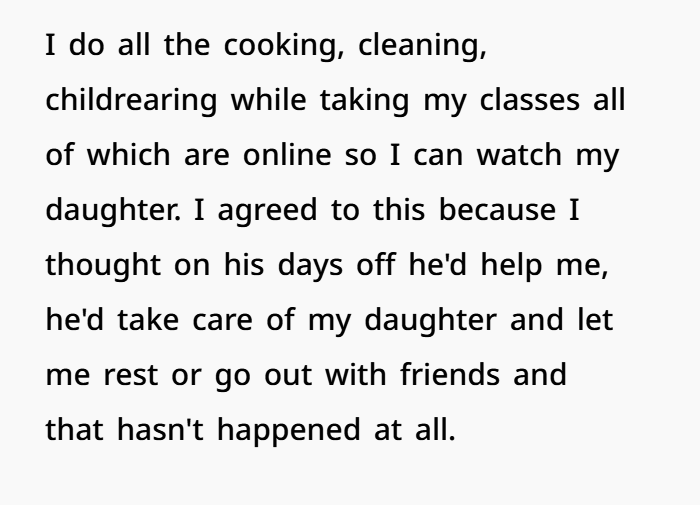
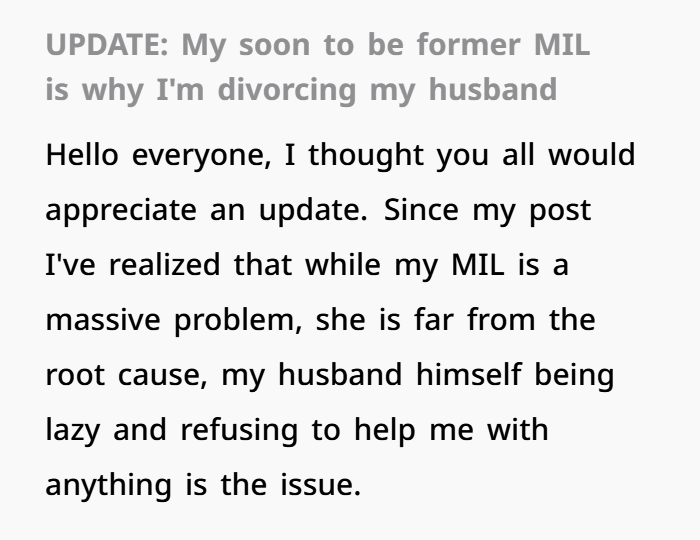
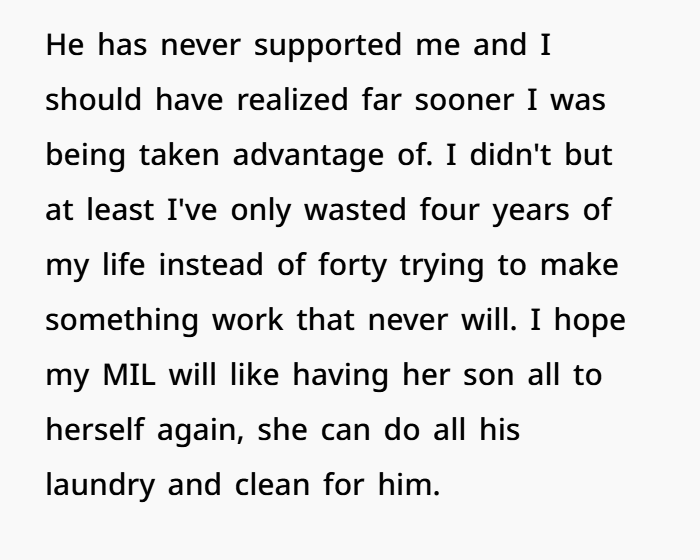
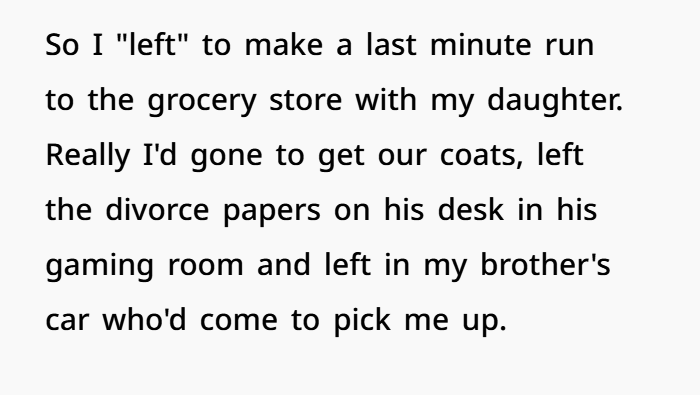
A 23-year-old mother shared her story about wanting to leave her marriage after years of feeling emotionally tired and unsupported. She explained that she had changed her college plans and became a stay-at-home mom while managing many responsibilities. She took care of their child, handled household tasks, prepared meals, and continued online classes, but she felt like she was doing everything alone.
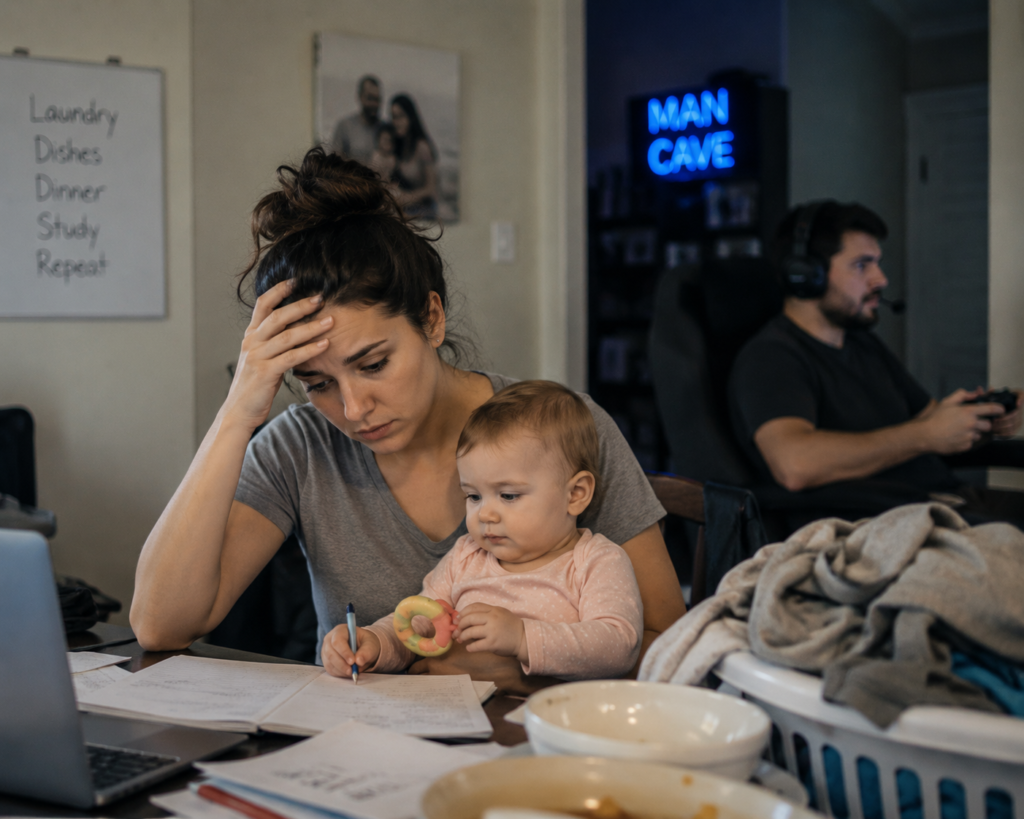
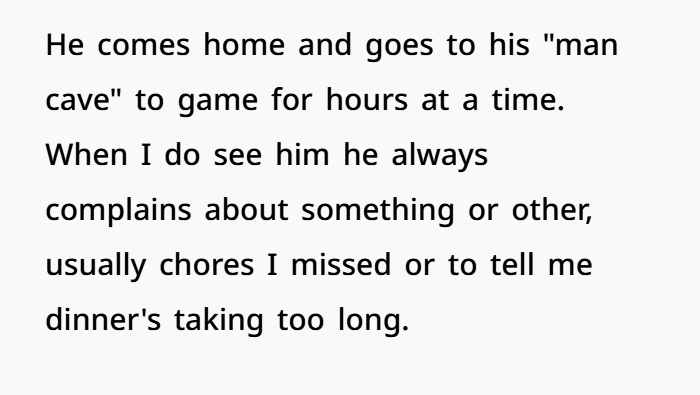
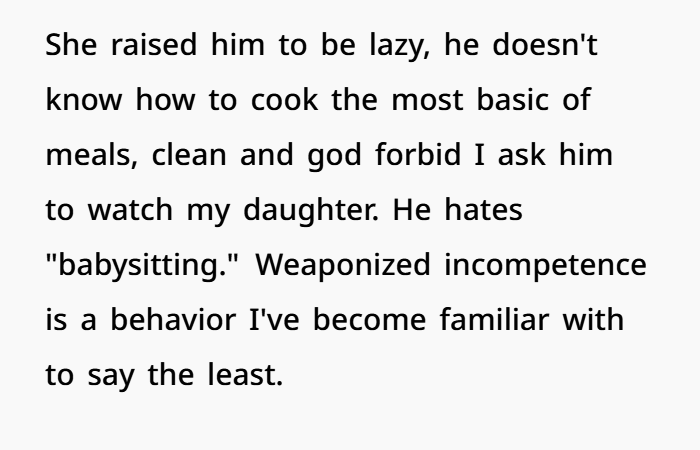
According to her, her husband did not take an equal role in parenting or household responsibilities. She said that after coming home from work, he often spent hours playing video games instead of helping with family tasks. She also felt hurt when he became upset if the house was not clean or dinner was not ready. Over time, she felt more like she was carrying the entire mental load of the family.
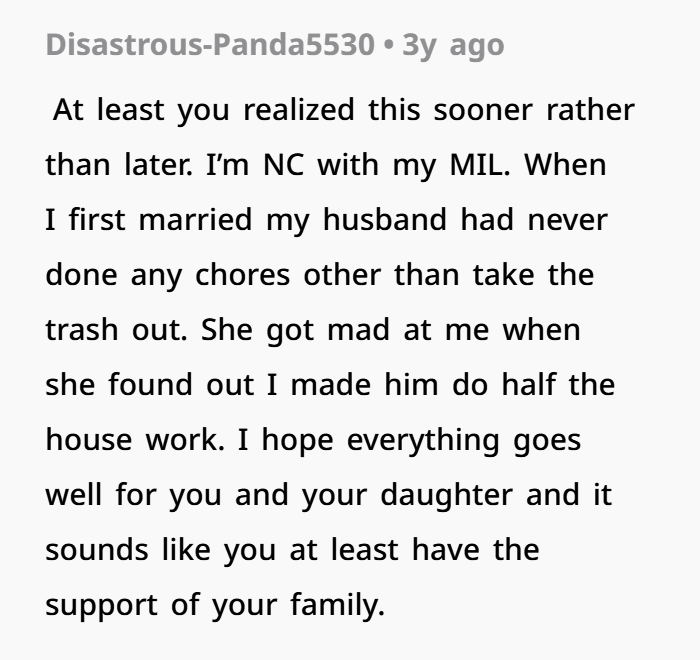
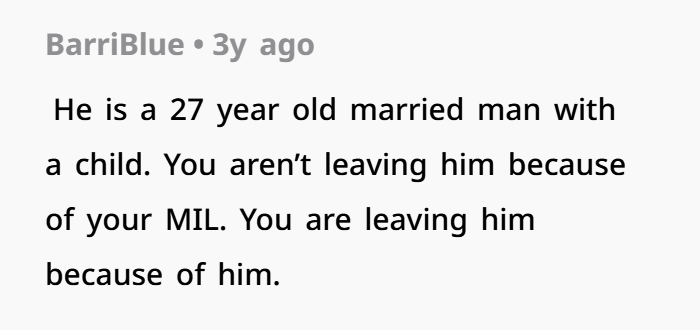
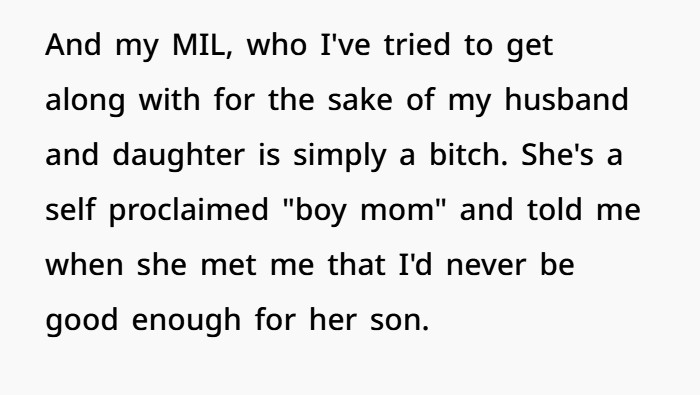
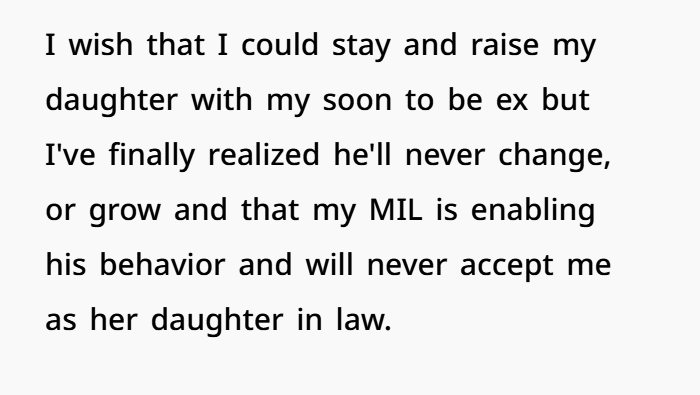
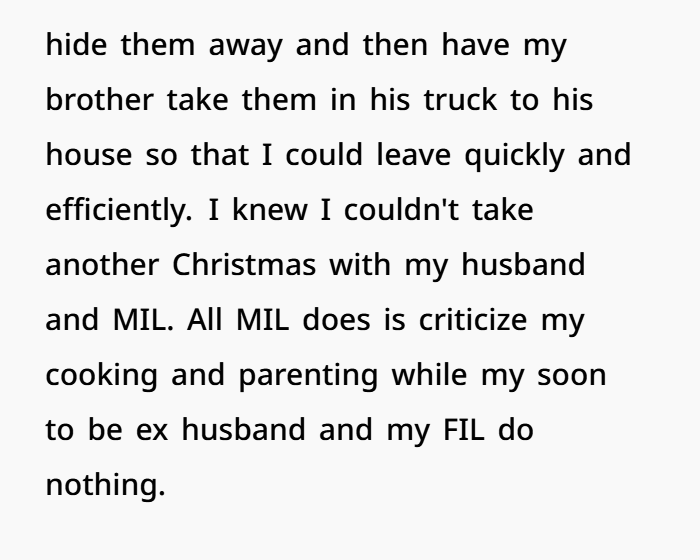
She also shared that problems became harder because of ongoing family conflicts, especially with her mother-in-law. The woman said her husband’s mother often became involved in their disagreements and criticized her during difficult moments. Instead of solving problems together as a couple, she felt her husband turned to his family for support, which created more stress in their relationship.
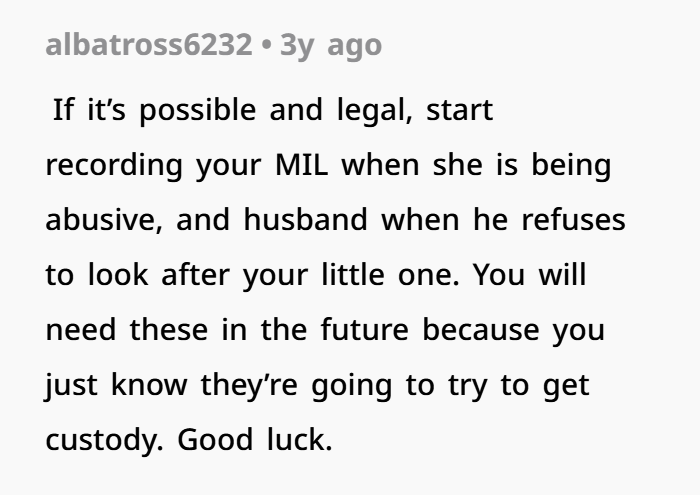
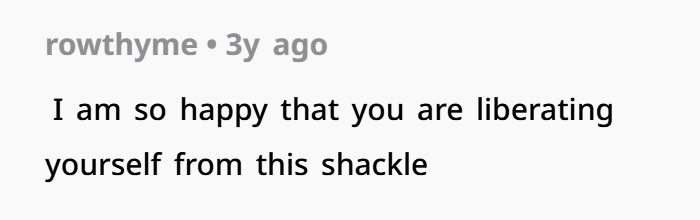
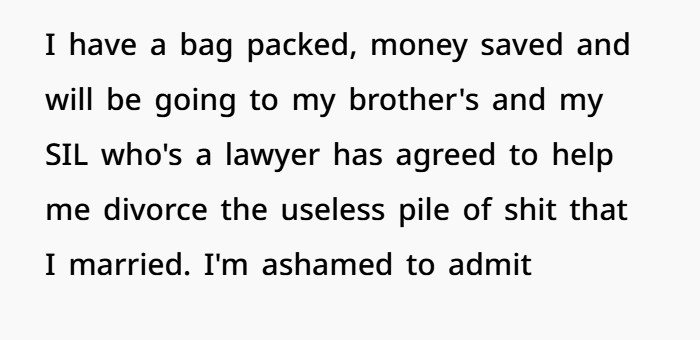
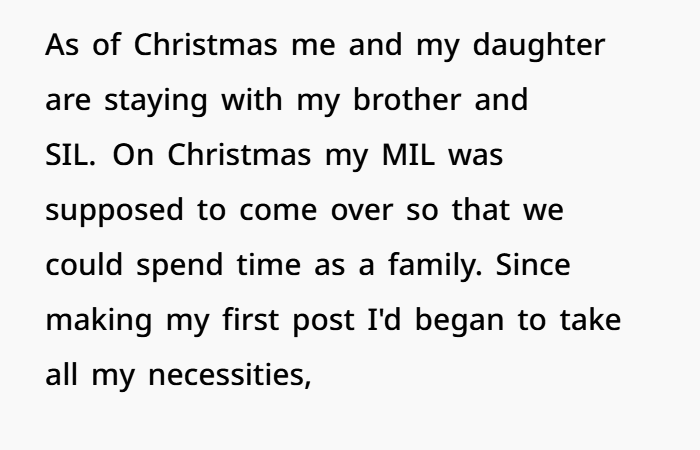
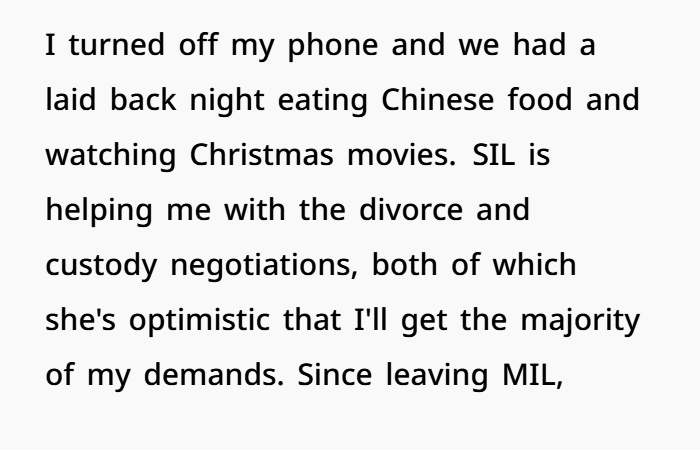
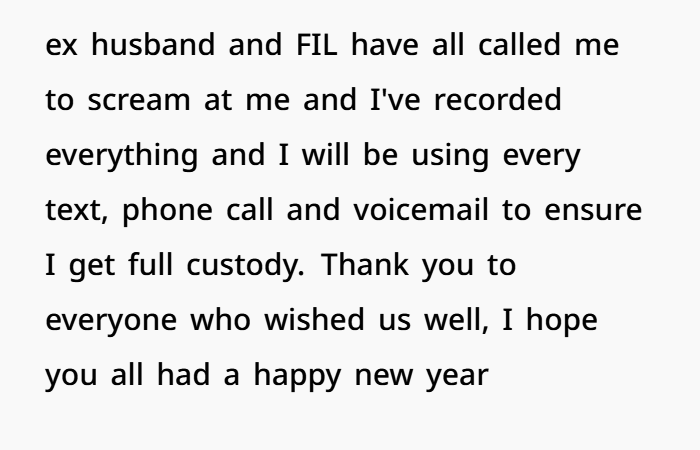
After years of feeling overwhelmed and emotionally alone, the mother decided to make changes in her life. She started saving money, preparing important belongings, and making plans to stay with a family member while considering divorce. Her story highlights the importance of communication, shared responsibilities, emotional support, and healthy boundaries in marriage and family relationships.

When Family Boundaries and Marriage Problems Become Connected
Many people found this story emotional because it shows a problem that happens in some relationships:
A marriage is not always affected by only two people.
Sometimes family expectations, parenting styles, and unhealthy boundaries with relatives can also create stress inside a relationship.
When outside family members become too involved, it can make a marriage much harder to manage.
When a Partner’s Family Affects the Relationship
The woman in this story shared that her first experience with her future mother-in-law was uncomfortable.
She felt that she was judged and made to feel like she was not good enough for her partner.
In a healthy family relationship, parents usually want their adult children to build strong and independent lives.
However, some parents may struggle when their children become adults and create their own families.
This can lead to:
- Difficulty accepting a partner
- Too much involvement in personal decisions
- Conflict between spouses
- Stress around family relationships
Healthy boundaries are important in marriage because couples need space to make their own decisions together.
The Importance of Adult Responsibility in Marriage
Another major issue in the story was the difference in household responsibilities.
The woman explained that she was managing many daily tasks, including childcare, cooking, cleaning, and education.
At the same time, she felt her husband was not sharing enough responsibility at home.
A strong marriage usually requires teamwork.
Both partners contribute in different ways, including:
- Parenting
- Household tasks
- Emotional support
- Financial planning
- Daily decision-making
When one person feels responsible for everything, resentment can slowly grow.
Understanding the Mental Load
Many relationship experts talk about the “mental load” in families.
The mental load is the invisible work involved in managing a household.
It includes things like:
- Remembering appointments
- Planning meals
- Organizing schedules
- Tracking children’s needs
- Thinking ahead about daily responsibilities
This work can be exhausting because it continues even when a person is not physically doing a task.
When couples share the mental load fairly, both partners often feel more respected and supported.
When One Partner Avoids Responsibilities
The term “weaponized incompetence” is often used in conversations about relationships.
It describes situations where someone appears unable or unwilling to handle basic responsibilities, causing the other partner to take over more and more tasks.
However, every situation is different.
Sometimes people need better communication, clearer expectations, or support to improve their habits.
The important part is that both partners should be willing to learn, grow, and contribute.
A healthy relationship requires effort from both people.
The Role of Hobbies and Personal Time
The story also mentioned gaming.
Having hobbies is not automatically a problem.
Many people enjoy gaming, sports, reading, or other activities while still being caring partners and parents.
The problem happens when personal activities completely replace family responsibilities or emotional connection.
A healthy balance allows people to enjoy their interests while still showing up for their relationships.
Why Emotional Support Matters
A relationship is not only about completing tasks.
People also need appreciation, kindness, and emotional support.
When someone works hard every day but feels ignored or criticized, they may begin to feel lonely inside the relationship.
Over time, a lack of emotional connection can become just as painful as practical problems.
Simple things like saying “thank you,” helping without being asked, and showing understanding can make a big difference.
How Family Involvement Can Create More Conflict
Family support can be valuable.
Parents and relatives can provide advice, childcare help, and encouragement.
But problems can happen when family members become too involved in private relationship issues.
Marriage counseling often emphasizes that couples need healthy boundaries with extended family.
Partners should usually try to solve problems together before bringing others into every disagreement.
When one partner feels that outside family members are always taking sides, it can create more distance and frustration.
Why Some People Stay in Difficult Relationships
Many people stay in unhealthy relationships because they hope things will improve.
They may think about:
- Their children
- Their shared history
- Their family dreams
- The possibility of change
Sometimes people do not recognize how serious problems have become because they slowly adjust to them over time.
Small disappointments can become normal if they happen repeatedly.
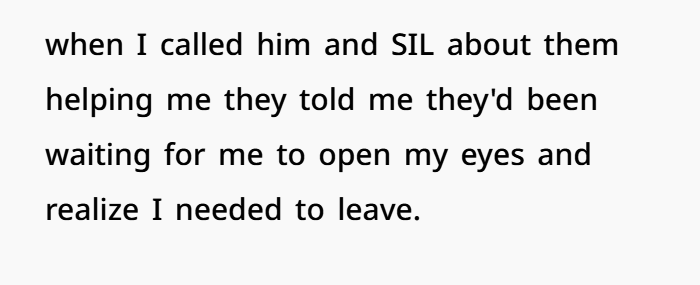
That is why support from trusted friends and family can sometimes help people see their situation more clearly.
Personal Growth and Making Difficult Decisions
Leaving a relationship is a very personal decision.
Some couples are able to rebuild trust through honest communication, counseling, and real effort.
Others realize that the relationship no longer provides the support and respect they need.
The important thing is that people deserve relationships where they feel valued, heard, and supported.
Personal growth often means recognizing what is healthy and what needs to change.
Building Healthier Relationships
A strong relationship is built on:
- Respect
- Communication
- Shared responsibilities
- Emotional support
- Healthy boundaries
Family members can be an important part of life, but couples also need their own identity and connection.
The biggest lesson from stories like this is that love alone is not always enough.
A healthy marriage requires teamwork, maturity, and a willingness from both partners to grow together.
When both people take responsibility and support each other, relationships have a stronger chance of becoming happier and more balanced.
Readers’ Comments Speak Out