When Allergies Disrupt the Office: How Far Is Too Far?

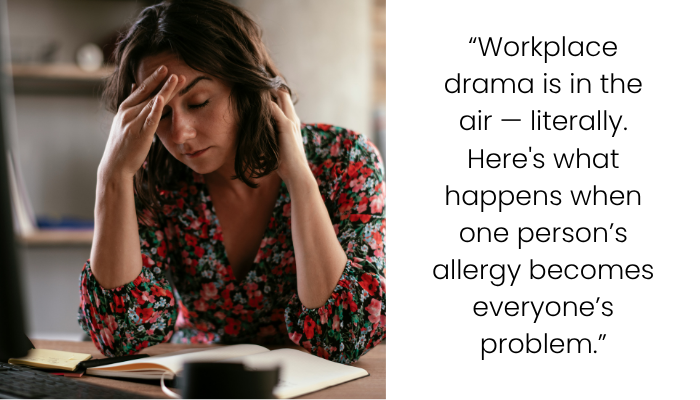
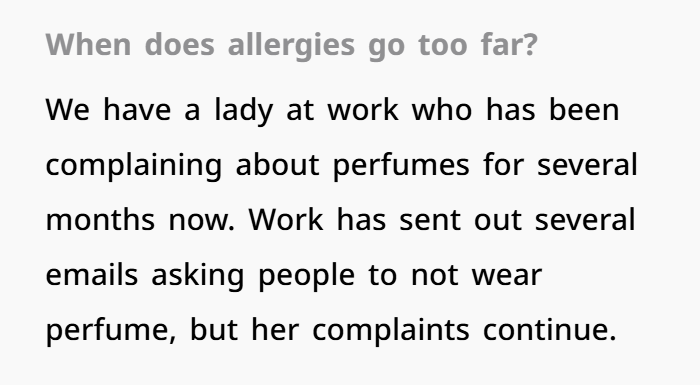
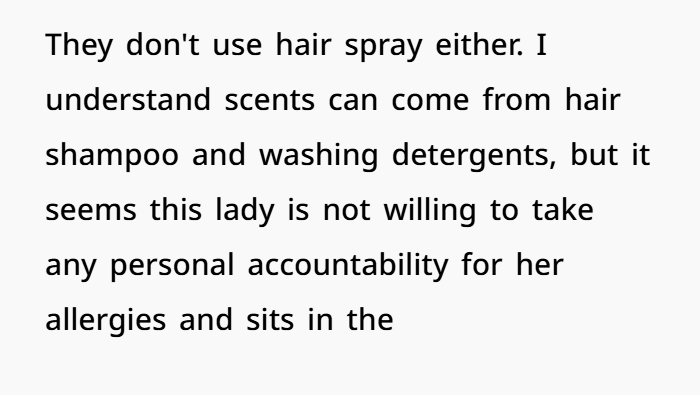
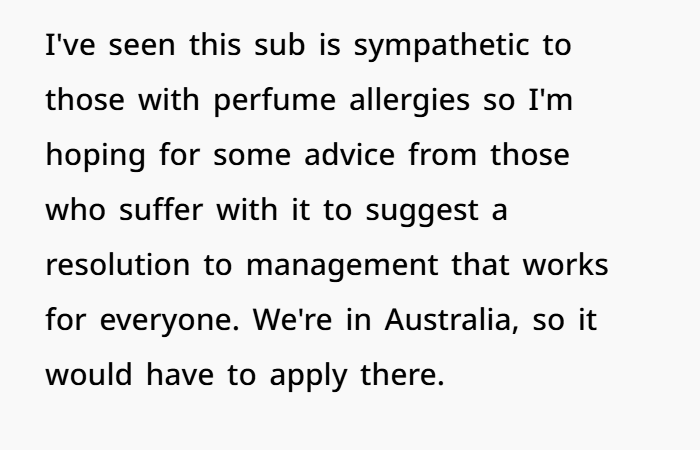
A workplace in Australia faced a difficult situation when an employee reported having a strong reaction to perfume and other fragrances. The employee said certain smells caused health problems, and the company took steps to create a more comfortable work environment for everyone.
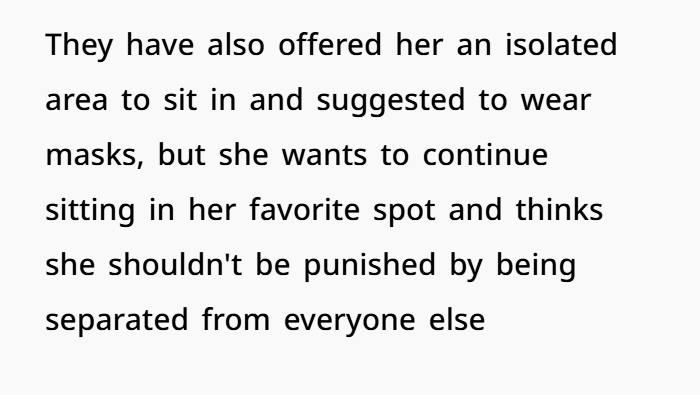
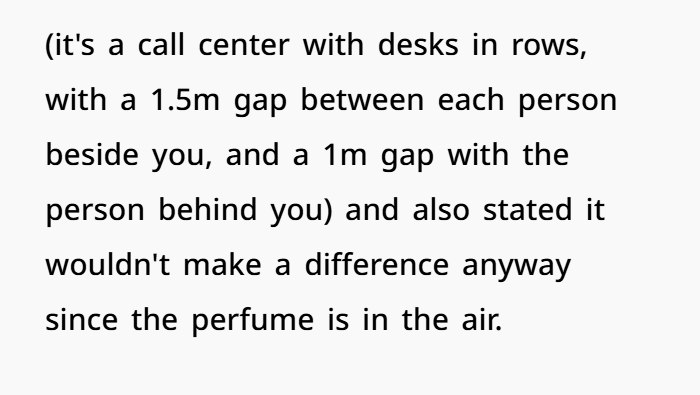
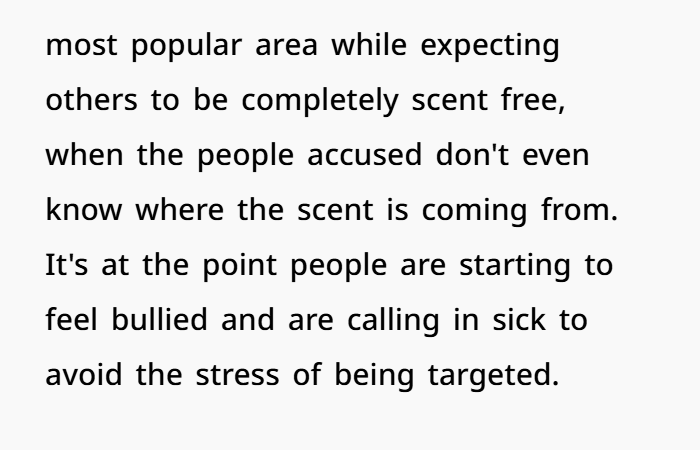
Management introduced several solutions, including a fragrance-free workplace policy, suggesting protective options, and offering different seating arrangements. However, the problem continued to create stress among employees. Some coworkers felt uncomfortable because they believed they were being blamed for smells they did not realize they were carrying.
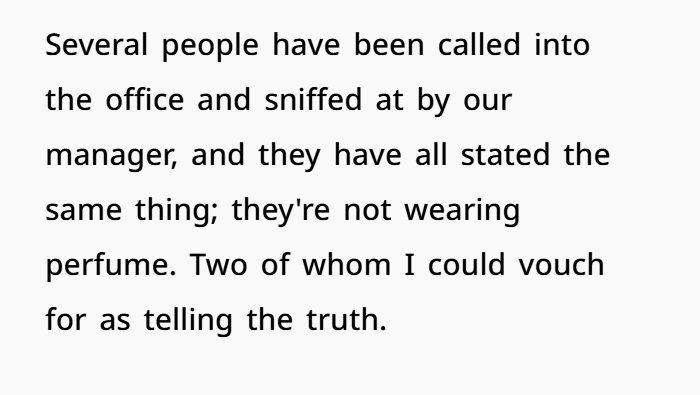
The situation became more complicated when some employees felt the workplace rules were creating tension between team members. Managers and HR became involved to help find a fair solution, but the disagreement affected workplace relationships and employee morale.
This situation shows how important it is for companies to handle health concerns, employee rights, and workplace policies carefully. A respectful approach, clear communication, and fair workplace accommodations can help create a safer and more positive environment for everyone.
An employee seeked advice online after their perfume-allergic coworker made office life miserable for everyone
Workplace Fragrance Sensitivity: Finding a Fair Balance for Everyone
Workplace scent issues can be difficult to handle because they involve both health concerns and personal comfort.
Some people are very sensitive to fragrances from perfumes, cleaning products, body lotions, or laundry products. For them, certain smells can trigger real symptoms like headaches, nausea, breathing problems, or difficulty concentrating.
At the same time, other employees also deserve to feel comfortable and respected at work.
Finding the right balance is the challenge, especially in shared workplaces like offices, customer service centers, and open-plan workspaces.
What Is Fragrance Sensitivity?
Fragrance sensitivity means that a person may have strong reactions to certain smells or chemicals found in everyday products.
Possible triggers can include:
- Perfume and cologne
- Scented lotions
- Hair products
- Cleaning sprays
- Laundry detergent
- Air fresheners
Some people experience symptoms such as:
- Headaches
- Dizziness
- Coughing or sneezing
- Breathing discomfort
- Nausea
- Trouble focusing
People experience these reactions differently. While medical opinions about fragrance sensitivity can vary, many workplaces recognize that employees may need support when certain environmental factors affect their ability to work comfortably.
A healthy workplace should take employee concerns seriously while also considering the needs of the entire team.
What Employers Can Do
Employers have a responsibility to provide a safe and respectful workplace.
This does not always mean creating a completely scent-free environment. In many cases, the goal is to reduce possible triggers and find practical solutions.
Helpful steps may include:
- Sharing workplace guidelines about strong fragrances
- Improving office ventilation
- Creating a lower-scent workspace option
- Encouraging respectful conversations
- Offering reasonable workplace adjustments
Many businesses already have workplace health and safety policies that help employees manage different needs.
The key word is balance.
A solution should support the employee experiencing sensitivity without creating unnecessary stress for everyone else.
When Workplace Accommodation Becomes Difficult
Supporting a health concern is important, but the process also needs to remain fair.
Problems can happen when a workplace situation turns into constant monitoring, blame, or conflict.
For example, it can become unhealthy if:
- Employees feel they are being watched for normal personal products
- Coworkers are accused without evidence
- Managers start checking people’s scents directly
- Team members feel embarrassed or targeted
A workplace should never become a place where employees feel anxious about being judged or blamed.
Health concerns should be handled professionally through managers or human resources, not through personal investigations between coworkers.
The Rights of All Employees Matter
A workplace is made up of many different people, and everyone deserves respect.
Employees who experience fragrance sensitivity deserve support and understanding.
Other employees also have the right to:
- Be treated fairly
- Avoid unnecessary embarrassment
- Work without fear of being blamed
- Have their concerns heard
A respectful workplace considers everyone’s wellbeing.
The goal should not be to decide who is “right” or “wrong.” The goal should be creating a system that allows people to work together successfully.
Why Identifying the Source Can Be Difficult
One challenge with workplace scent issues is that the source is not always obvious.
A person may not be wearing perfume but may still carry scents from:
- Shampoo
- Laundry products
- Hand cream
- Deodorant
- Hair products
Many everyday items contain fragrance.
This means that completely removing all smells from a workplace can be difficult.
Instead of focusing on blaming individuals, workplaces often get better results by creating practical guidelines that everyone can follow.
Creating a Fair Workplace Solution
A good solution should protect employee health while maintaining a positive work environment.
Some possible approaches include:
Create a Lower-Scent Area
A designated area with fewer strong fragrances can help employees who are sensitive without requiring the entire workplace to follow strict rules.
Improve Air Quality
Better ventilation, air circulation, or air purification can help reduce many workplace irritants.
Encourage Respectful Communication
Employees should raise concerns through proper workplace channels instead of confronting coworkers directly.
Managers and HR teams can help solve problems fairly.
Offer Flexible Options
Depending on the workplace, flexible schedules or remote work options may help reduce stress and improve productivity.
Focus on Education
Instead of creating fear around fragrances, employers can educate staff about being considerate in shared spaces.
Simple awareness can prevent many problems.
The Importance of Workplace Respect
The best workplaces are built on understanding.
Employees may have different health needs, personal preferences, and comfort levels.
A coworker’s concern should not be ignored, but one person’s needs should also not create unnecessary pressure on everyone else.
Good workplace policies protect health while also protecting dignity.
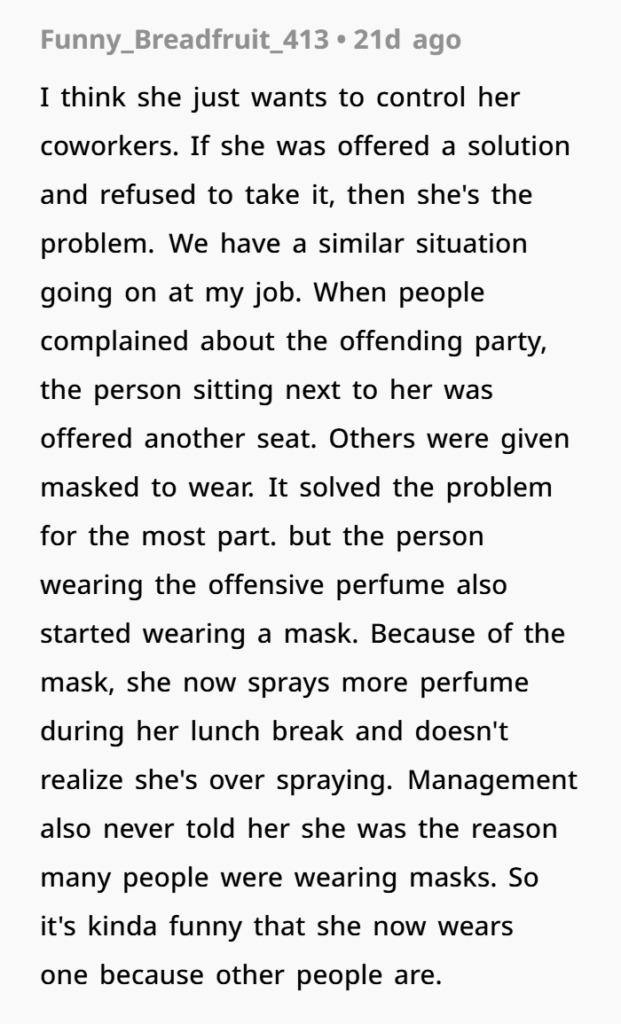
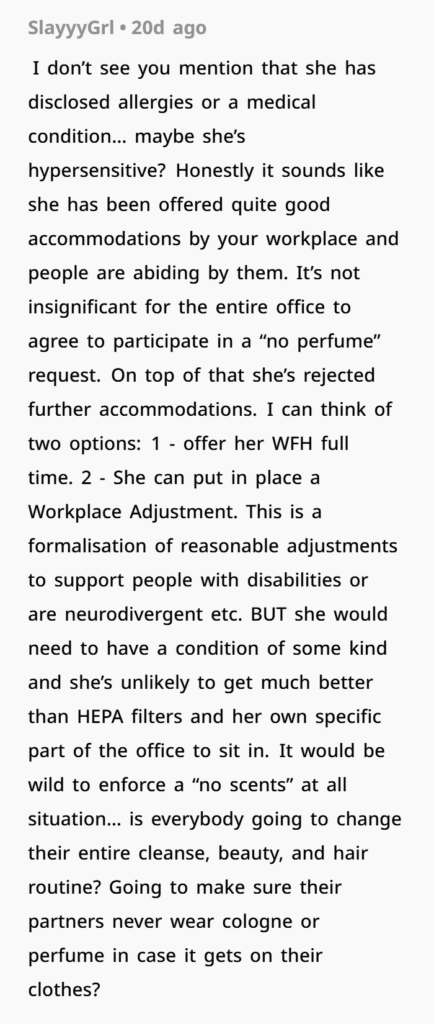
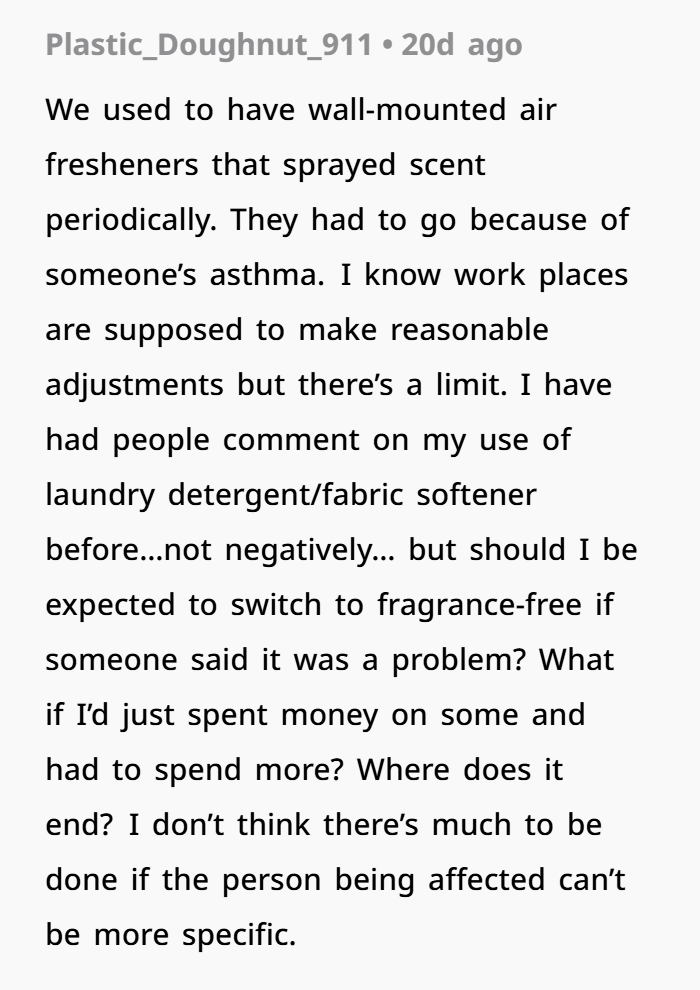
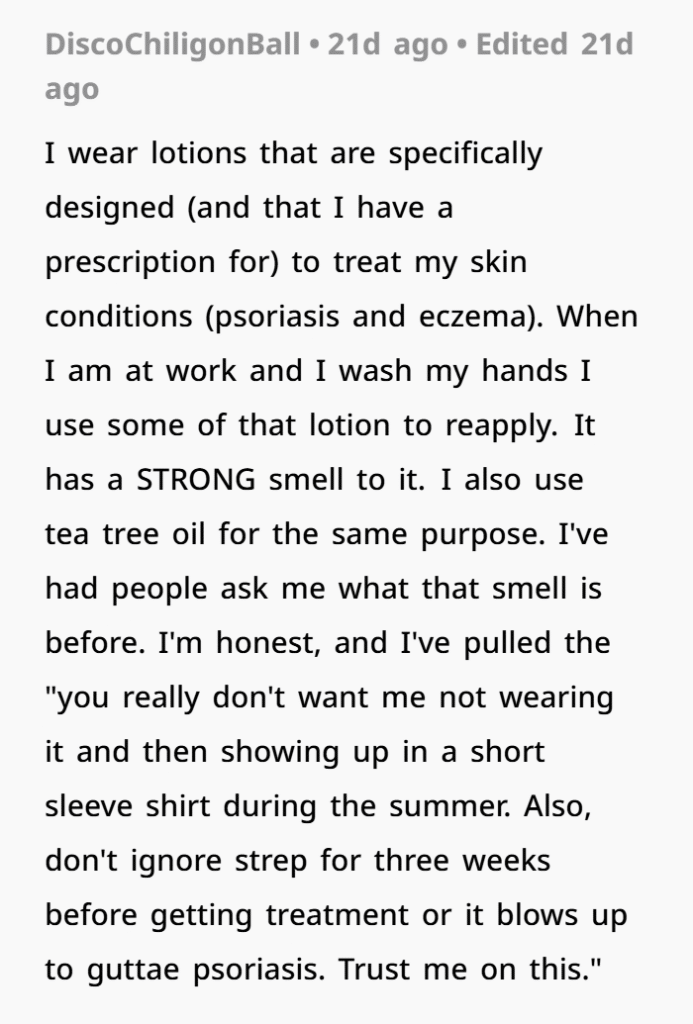
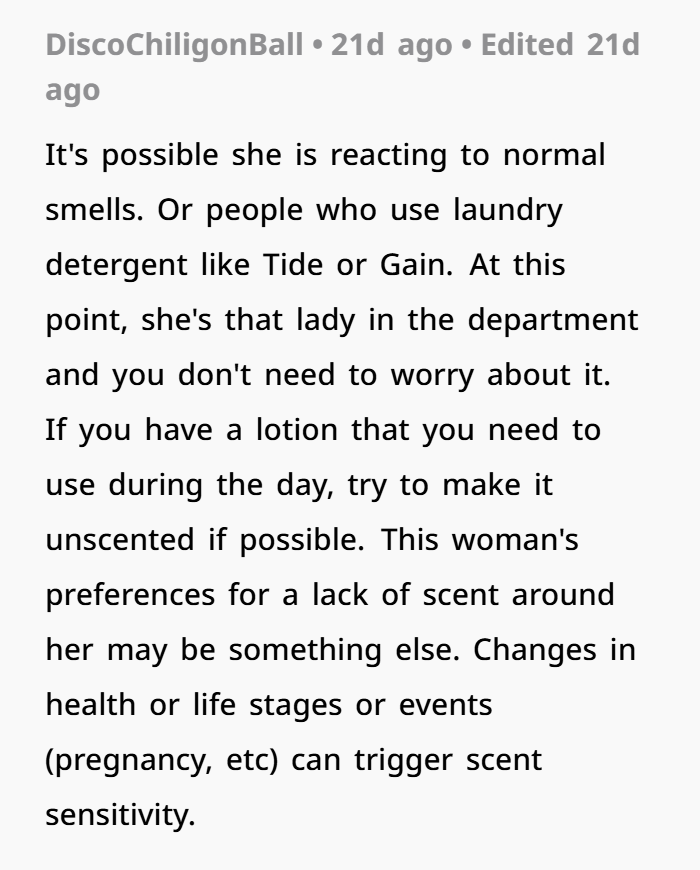
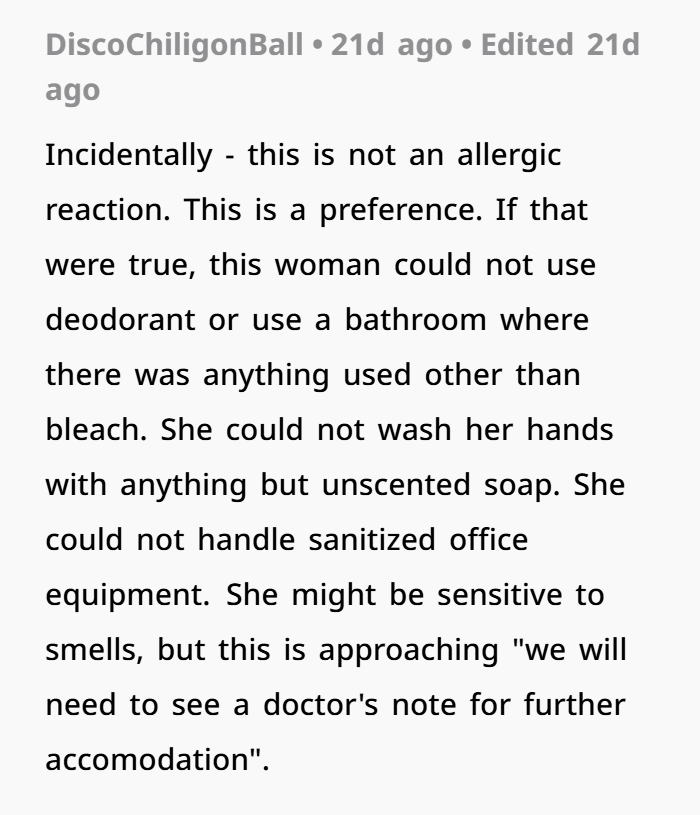
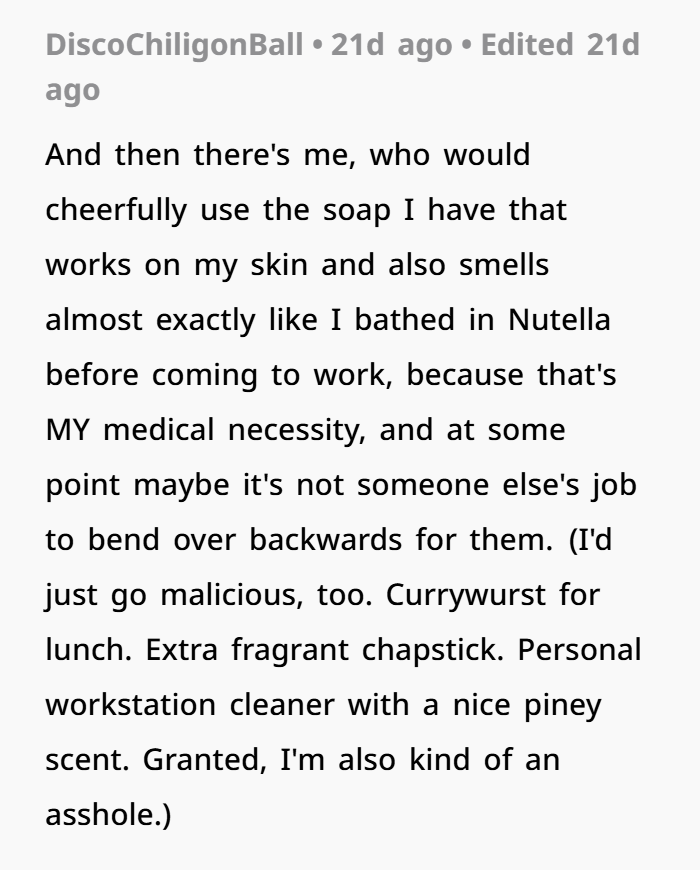
People online chimed in with advice, though many agreed that the woman was being quite unreasonable
Final Thoughts
Fragrance sensitivity in the workplace is a complicated issue because it involves health, communication, and employee relationships.
The answer is not always a complete fragrance ban or ignoring someone’s concerns.
The best approach is a balanced one:
- Listen to health concerns
- Create reasonable adjustments
- Avoid blaming individuals
- Protect everyone’s comfort and respect
A healthy workplace is one where employees feel supported, valued, and able to do their jobs without unnecessary stress.