My Future MIL Acts Like I’m Stealing Her Husband… But It’s Her Son

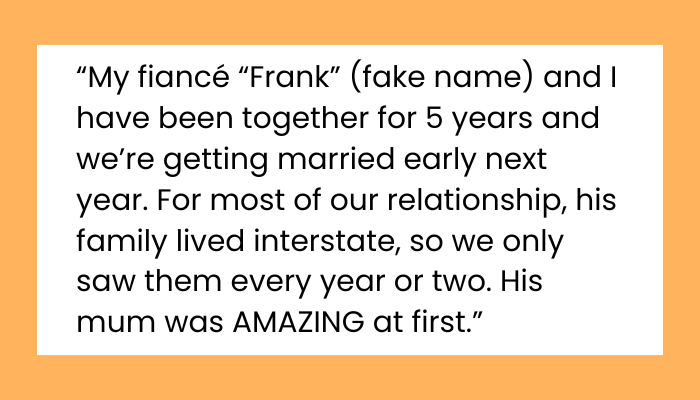
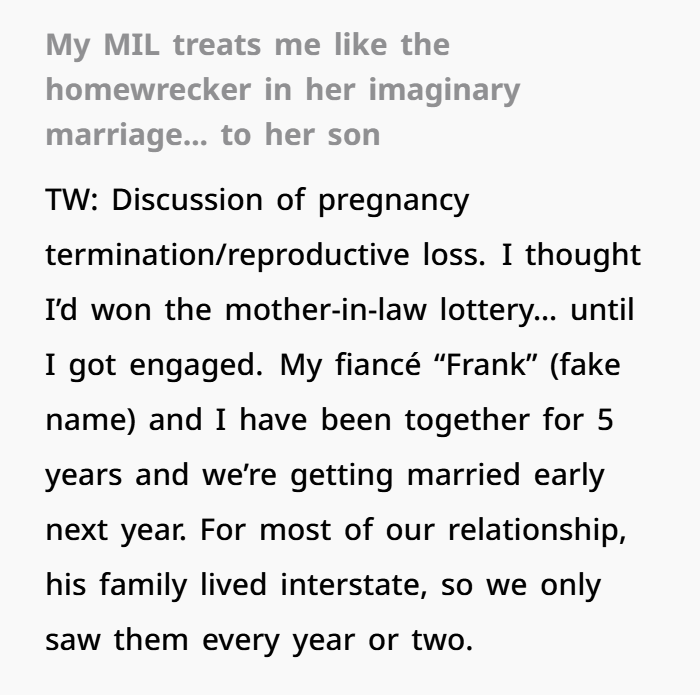
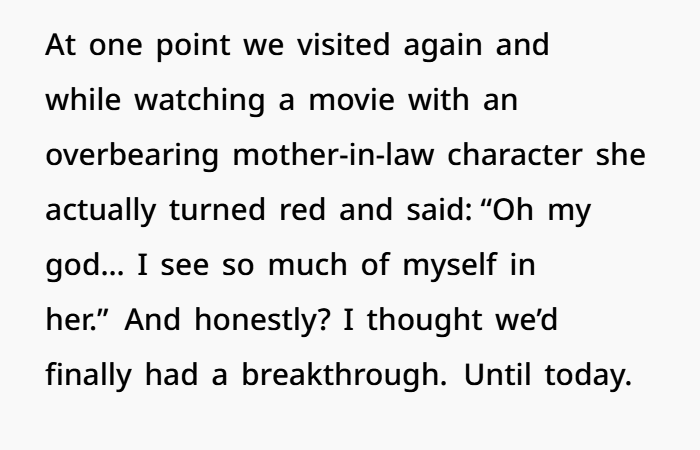
Family relationships can change over time, especially when a couple moves toward marriage. In this story, a woman shared that she originally had a very positive relationship with her fiancé’s mother. She felt welcomed, supported, and believed she had a kind future mother-in-law.
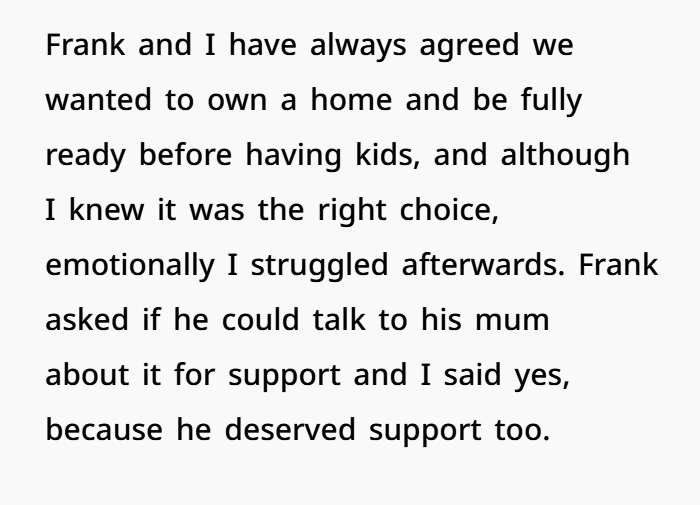
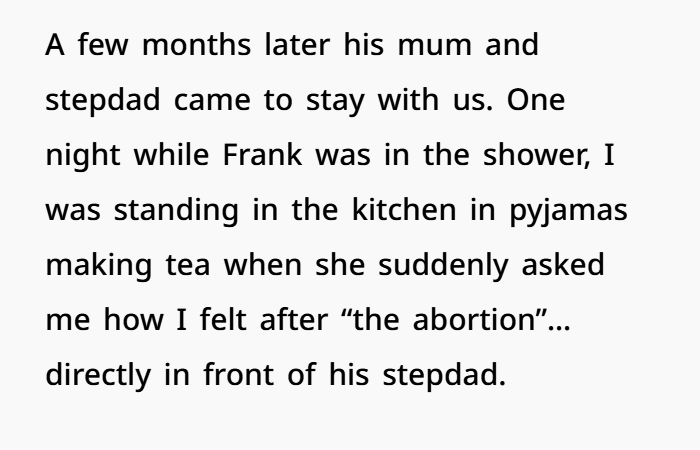
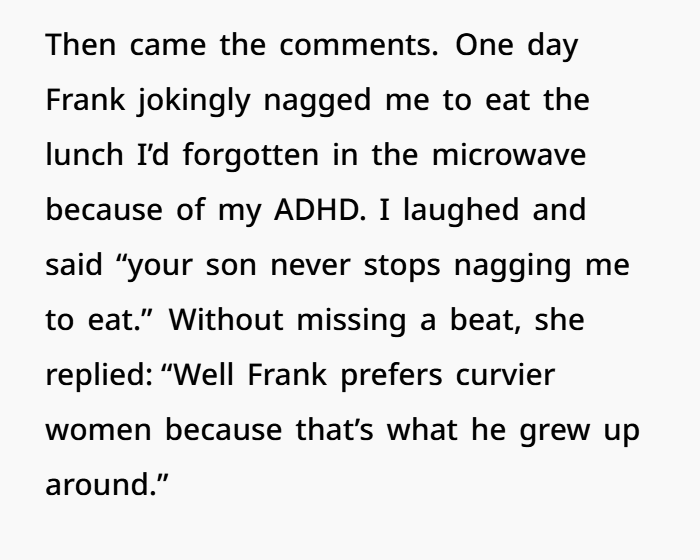
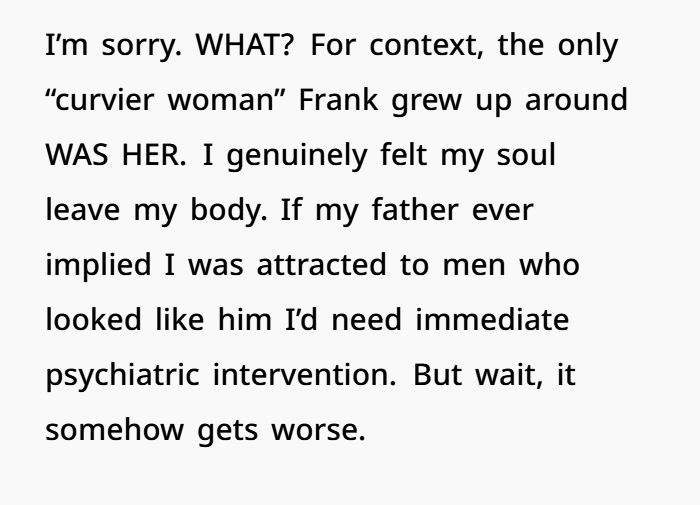
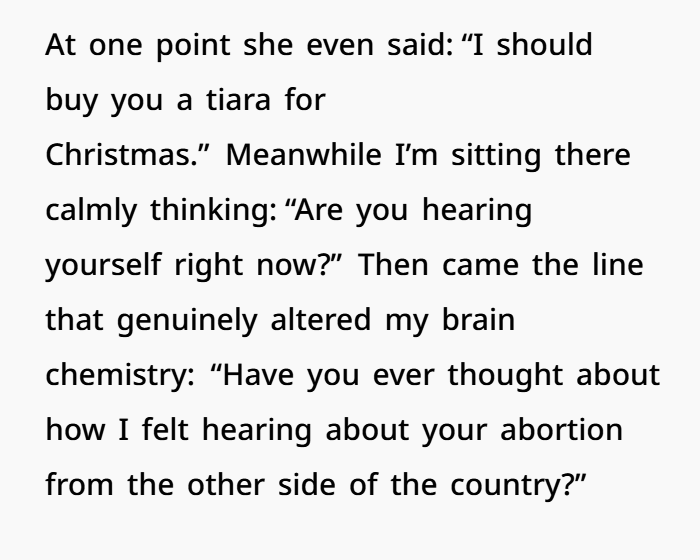
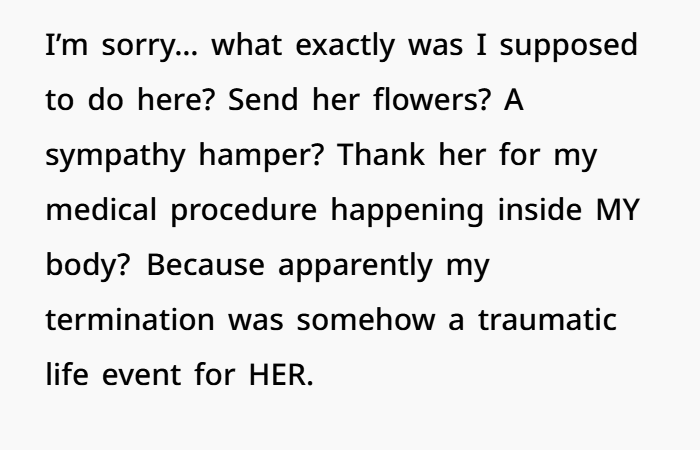
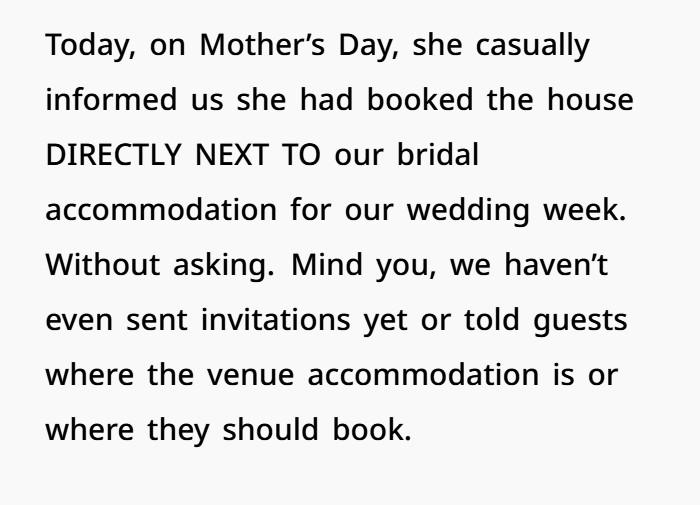
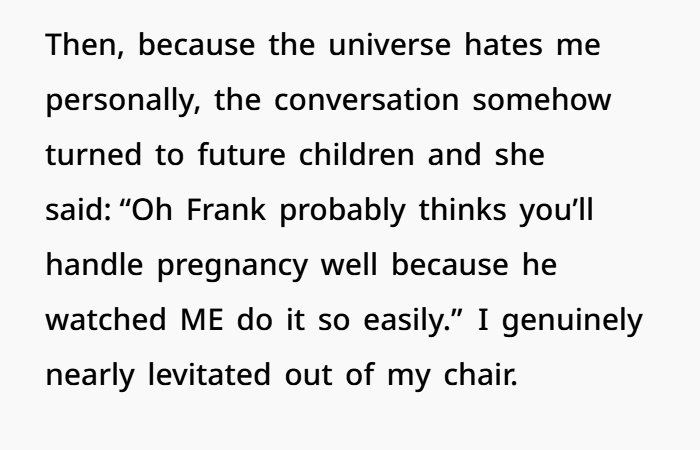
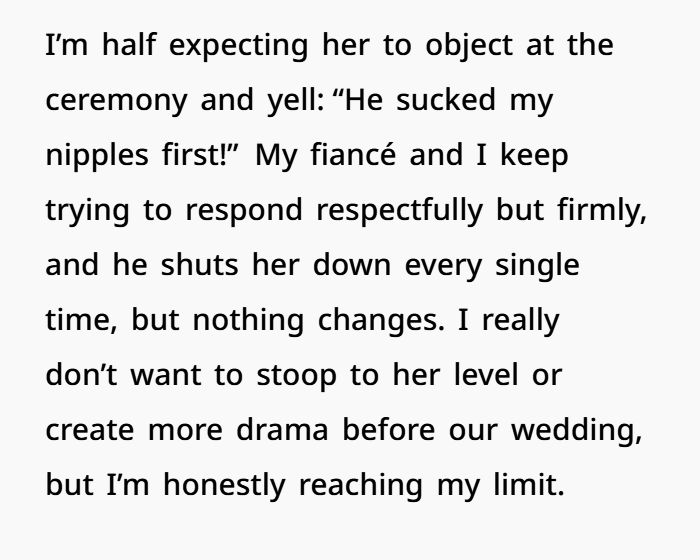
However, things started to feel different as the relationship became more serious. The woman said her future mother-in-law began making uncomfortable comments about topics like marriage, pregnancy, personal choices, and appearance. Over time, she felt that some conversations crossed personal boundaries and made her feel judged.
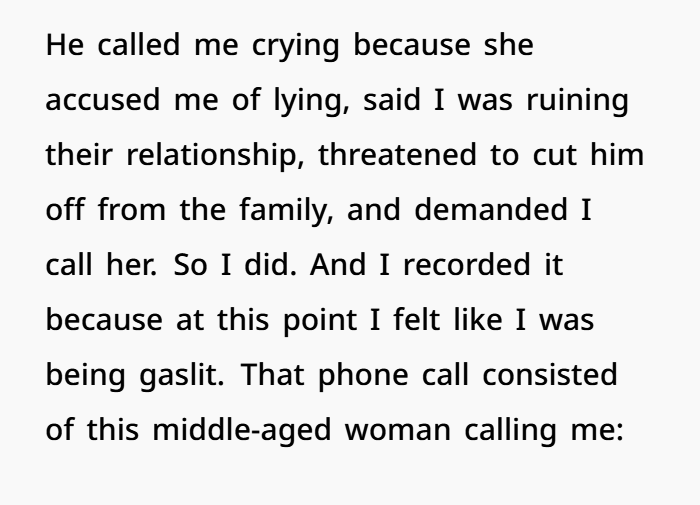
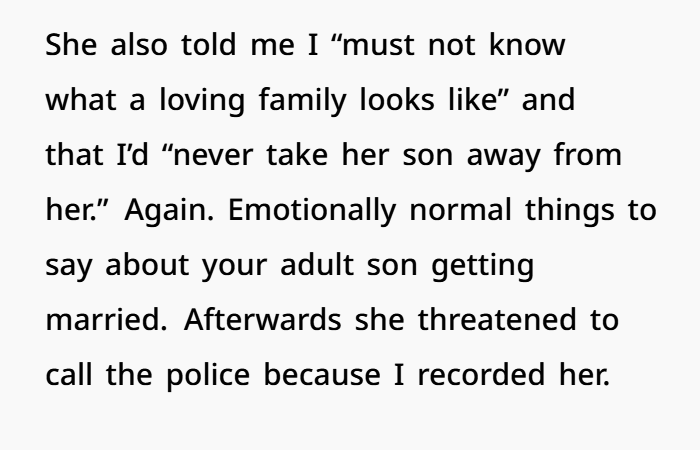
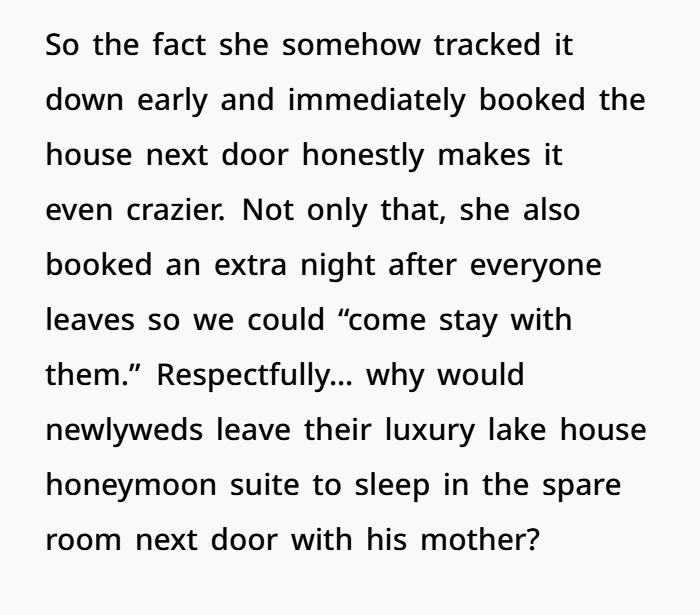
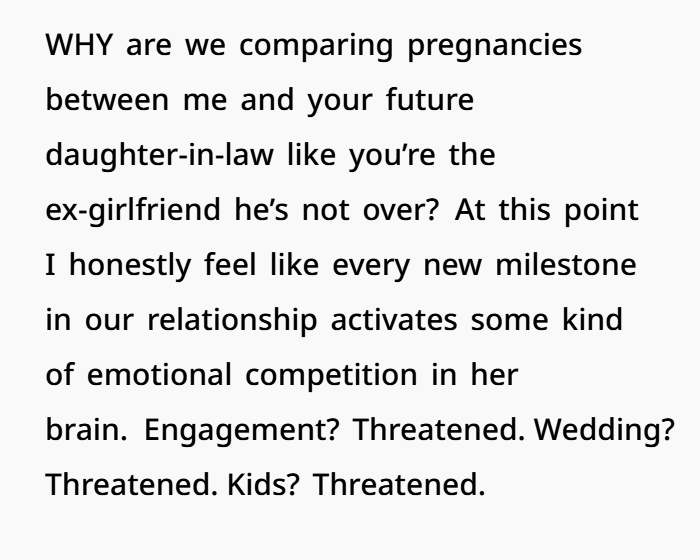
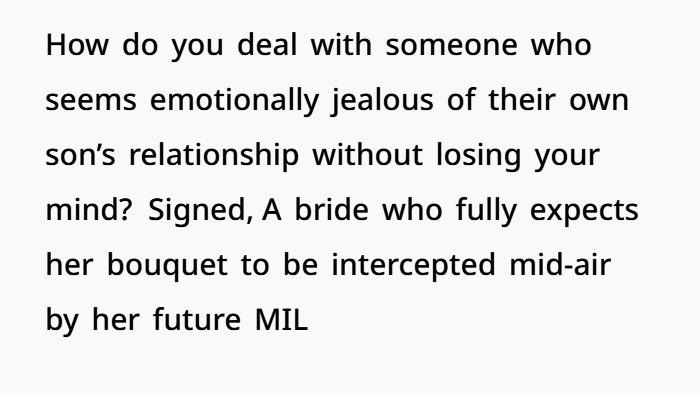
The situation became more stressful as the wedding plans moved forward. According to the woman, her future mother-in-law became upset about the couple’s relationship and made comments suggesting that she was losing her son. There were also disagreements about privacy, family involvement, and respecting the couple’s decisions.
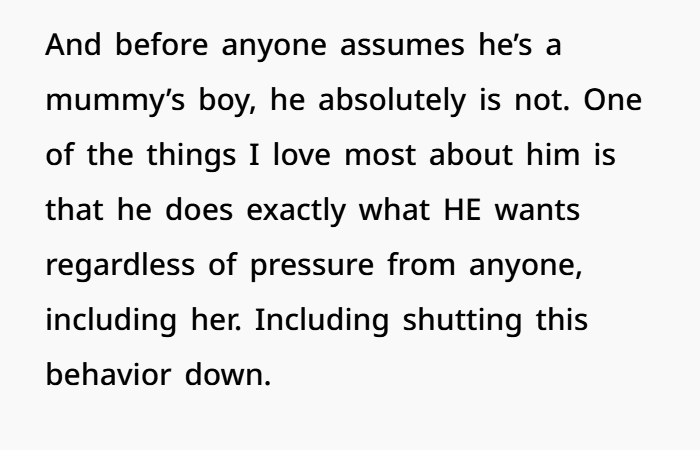
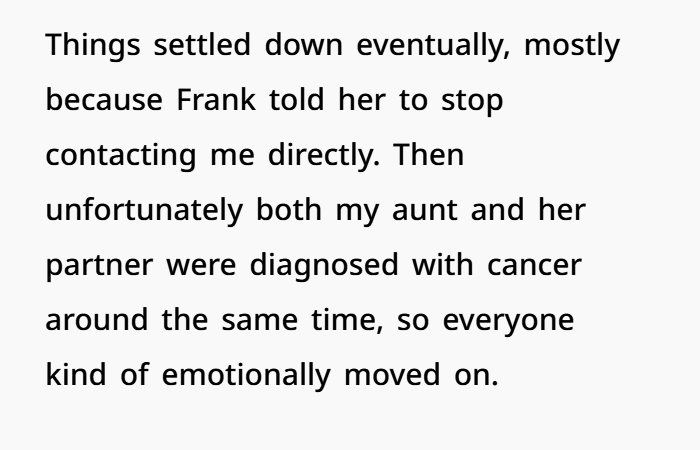
The woman explained that her fiancé supported her and tried to create healthy boundaries with his mother. He defended their relationship and worked to handle the family conflict. However, the ongoing tension continued to create emotional stress for everyone involved.
The story highlights the importance of communication, respect, and boundaries in family relationships. When couples get married, it is important for both partners and their families to understand that a new marriage creates a new family unit that needs trust, support, and mutual respect.










When Family Boundaries Become a Challenge in Relationships
Family relationships can be beautiful, but they can also become complicated when people struggle with change.
One common challenge happens when parents have difficulty accepting that their adult children are building their own lives, relationships, and families.
A wedding, engagement, pregnancy, or major life change can bring strong emotions for everyone involved. Sometimes those emotions lead to misunderstandings, conflict, and problems with personal boundaries.
When Parents Struggle With Their Child’s Independence
Many parents feel a strong connection with their children.
That bond is natural and healthy. However, problems can happen when a parent finds it difficult to accept that their child is becoming more independent.
Family therapists sometimes describe unhealthy family patterns as situations where personal boundaries become unclear. This can happen when a parent becomes too involved in their adult child’s decisions, relationships, or private life.
Healthy family relationships require balance.
Parents can stay close to their children while also respecting:
- Their personal choices
- Their romantic relationships
- Their privacy
- Their independence
Why Major Life Events Can Create Conflict
Certain moments can bring hidden family tensions to the surface.
Events like:
- Engagements
- Weddings
- Moving homes
- Pregnancy
- Becoming grandparents
can create emotional changes.
Some parents may feel worried about losing their connection with their child. Others may struggle with the idea that their role in their child’s life is changing.
These feelings are normal, but how someone handles them makes a big difference.
Healthy responses include support, respect, and allowing the couple to create their own life together.
The Importance of Personal Boundaries
One of the biggest issues in many family conflicts is a lack of boundaries.
Boundaries help people understand what information, decisions, and personal moments should remain private.
Examples of healthy boundaries include:
- Respecting private conversations
- Asking before sharing personal information
- Allowing couples to make their own decisions
- Giving newly married couples space
- Avoiding pressure or guilt
Without boundaries, even small situations can become stressful.
When Private Topics Become Family Conflicts
Personal topics such as health decisions, relationships, and future plans require sensitivity.
Discussing someone’s private matters without their permission can make them feel uncomfortable or exposed.
Good communication means understanding that some conversations belong only between the people directly involved.
Respecting privacy helps build trust in families.
Why Wedding Boundaries Matter
Weddings are emotional milestones.
They represent a couple starting a new chapter together. While family members often want to celebrate and participate, it is important that the couple’s wishes remain the priority.
A supportive family member understands that:
- The wedding belongs to the couple
- The couple needs personal space
- Traditions can be discussed respectfully
- Support does not mean taking control
Healthy involvement means being present without overwhelming the couple.
The Role of a Supportive Partner
A strong relationship often depends on how partners handle family challenges together.
When conflicts happen, couples benefit from:
- Open communication
- Mutual support
- Clear boundaries
- Respectful problem-solving
A partner who listens and supports their spouse can help prevent outside pressure from damaging the relationship.
Marriage counseling experts often highlight that couples who communicate clearly are better prepared to handle difficult family situations.
Why Future Children Can Create More Pressure
Family boundaries often become even more important when children enter the picture.
Grandparents can have a wonderful role in a child’s life, but parents still need to make decisions about:
- Parenting choices
- Family routines
- Healthcare decisions
- Visits and schedules
Clear communication helps prevent misunderstandings.
The goal should always be creating a safe and positive environment for the child.
Using Humor During Difficult Situations
Many people use humor when dealing with stressful or uncomfortable situations.
Laughing about an awkward moment can sometimes help people manage emotions and reduce tension.
However, humor should not replace important conversations about respect and boundaries.
Healthy relationships need both kindness and honest communication.
Building Healthier Family Relationships
Family disagreements do not always mean relationships cannot improve.
Many conflicts become easier when people focus on:
- Listening instead of blaming
- Respecting personal limits
- Accepting different opinions
- Giving each other space
- Communicating calmly
Every family has challenges. The difference is how those challenges are handled.
The Comments Are In








The Bigger Lesson
Strong family relationships are built on love, respect, and understanding.
Parents can remain important parts of their children’s lives while also allowing them to grow, make choices, and create their own families.
The healthiest relationships are not based on control. They are based on trust.
Learning to respect boundaries can help families stay connected while allowing everyone to feel valued and supported.hip and surviving the family chaos together long term.