Nanny Refuses “No Pants” Potty Training Plan in Her Own Apartment

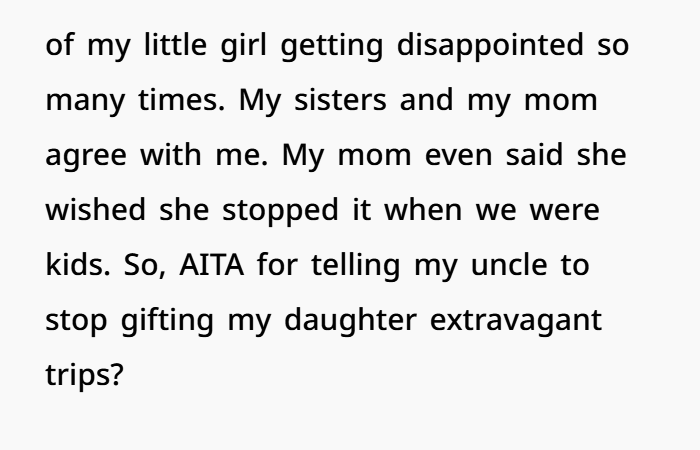
A mother wanted to stop a painful family tradition before her young daughter experienced the same disappointment she once felt. For many years, her uncle had a habit of giving children “dream vacation” gifts during birthdays and holidays. Instead of real presents, he would give cards with pictures of exciting places like theme parks, zoos, aquariums, and family resorts. He would talk about fun trips and special memories, but the vacations never actually happened.
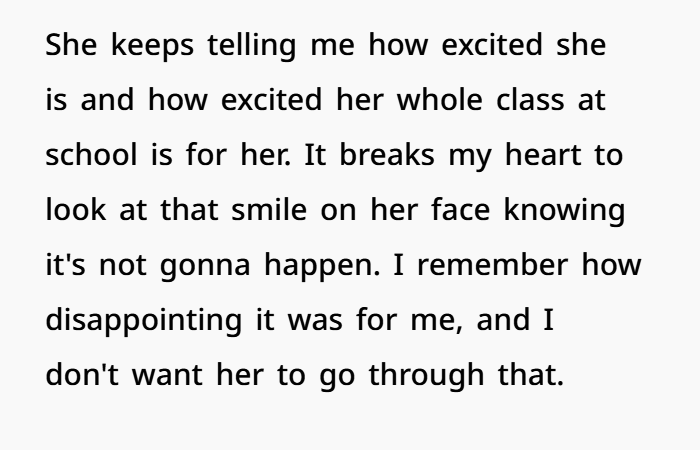
When she was a child, these gifts made her feel excited at first but deeply disappointed later. As she grew older, she realized her uncle may not have been trying to hurt anyone. She believed his actions were likely connected to money problems and personal struggles. However, when her own 5-year-old daughter received a birthday card promising a big weekend getaway with hotel stays, rides, snacks, and activities, she knew she had to handle the situation differently.
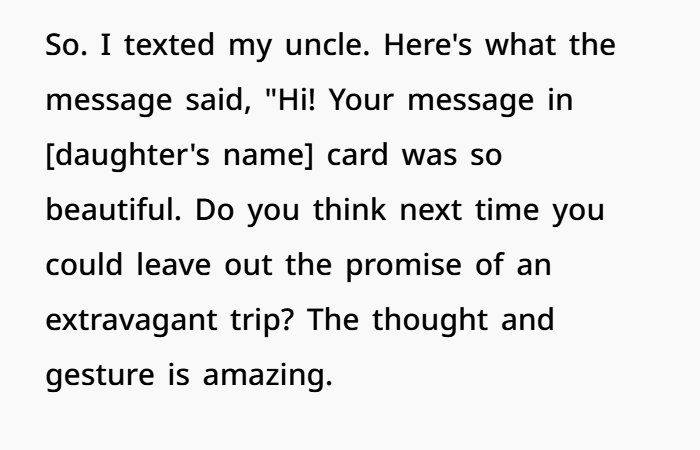
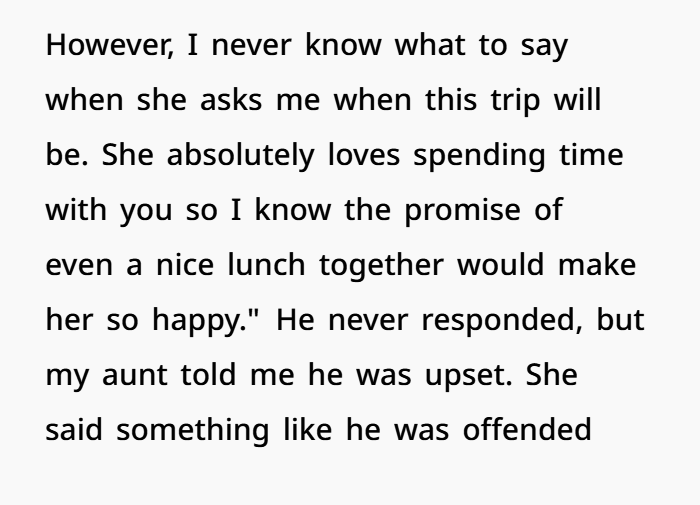
Her daughter became extremely excited about the promised trip. She talked about it with family members, friends, and everyone around her. The mother worried that her child would eventually feel the same sadness and confusion she had experienced as a kid. Wanting to protect her daughter’s emotions, she sent her uncle a respectful message asking if future gifts could focus more on simple family time, meaningful experiences, and realistic plans instead of expensive vacation promises that may not happen.
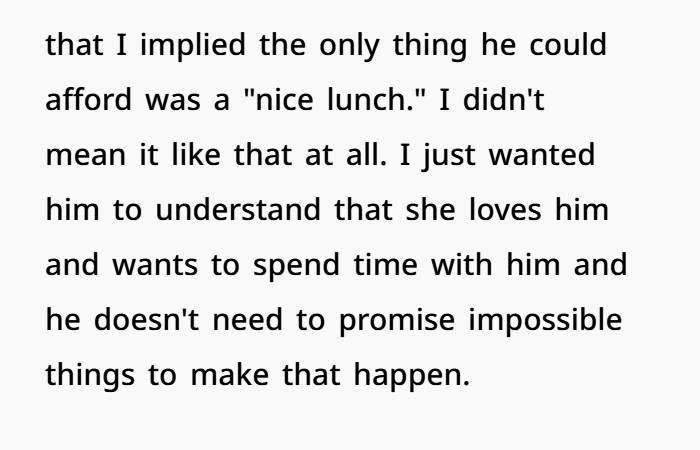
The uncle felt hurt and believed the message was a criticism of his financial situation. The mother now wonders if she was wrong for speaking up or if she was simply trying to create a healthier family environment. Many parents believe that honest communication, emotional support, and realistic expectations are important parts of raising happy and confident children. This situation shows how small family traditions can sometimes have a big impact on childhood memories and family relationships.





When Good Intentions Still Hurt: The Importance of Keeping Promises to Children
Family traditions are often created with love. Many adults want to make children feel special, create happy memories, and give them something exciting to look forward to.
But sometimes, even when someone has a good heart, their actions can still lead to disappointment.
This is what makes situations like this so complicated.
The uncle in this story probably never wanted to hurt anyone. He likely wanted to bring happiness to the children in his family. He may have imagined taking them on fun vacations, visiting theme parks, or creating unforgettable experiences.
Maybe when these promises first started, he truly believed those plans would happen one day.
But life can be unpredictable. Financial struggles, personal challenges, and changing circumstances can make big dreams difficult to achieve. Over time, a promise that started with good intentions can become something that creates emotional pain.
Many people who face money problems still want to feel generous. They want their family members to know they care. Sometimes, making exciting promises feels like a way to show love, even when the reality is more complicated.
However, good intentions do not always remove the impact of broken promises.
Children Believe What Adults Tell Them
Young children see the world differently from adults.
A child does not usually hear a promise about a vacation and think, “Maybe this will happen someday.”
They believe it is real.
A child starts imagining the experience. They picture the rides, the hotel, the food, the fun activities, and the memories they will make. They may tell their friends because, in their mind, the exciting event is already part of their life.
That is why repeated broken promises can be difficult for children.
They are not only disappointed about missing a trip or activity. They may also begin to question whether they can trust what adults tell them.
Over time, children may start learning things like:
- Do not get too excited because plans might change.
- Do not fully believe every promise.
- Expect disappointment before something happens.
These lessons can affect a child’s emotional wellbeing and the way they understand trust and relationships.
The Parent’s Concern Is About Trust, Not Money
The mother in this situation was not asking for expensive vacations or demanding gifts.
She understood that money can be difficult and that not everyone can afford luxury experiences. Her concern was not about the cost of a trip.
Her concern was about her daughter’s feelings.
Parents have a responsibility to protect their children emotionally as well as physically. That means helping children handle disappointment and making sure they are not repeatedly placed in situations where they feel let down.
The mother was trying to explain that simple, realistic moments can often mean more than big promises.
A family lunch, a day at the park, baking together, or spending quality time can become beautiful childhood memories.
Children often remember love, attention, and connection more than expensive experiences.
Why Family Conversations Can Be Difficult
One reason situations like this continue for years is because family members often avoid uncomfortable conversations.
Nobody wants to hurt someone’s feelings. Nobody wants to talk about money problems, personal struggles, or broken promises.
Sometimes relatives stay quiet because they think they are being kind.
But avoiding the conversation can sometimes create bigger emotional problems later.
The adults may understand that a promised vacation is unlikely to happen, but children do not have the same understanding. They only know that someone they trust made a promise.
This is why honest and gentle communication is important in family relationships.
Money and Emotions Are Often Connected
Financial stress can bring many emotions, including embarrassment, worry, and feelings of not being enough.
For some people, giving big promises or planning grand experiences is connected to wanting to feel successful and valued.
The uncle may not have been trying to deceive anyone. He may have simply wanted to feel like someone who could create special memories for his family.
But children do not see the financial situation behind the promise.
They only experience whether the promised moment happens or not.
The Emotional Work Parents Carry
Broken promises can also create stress for parents.
The mother may have to answer difficult questions:
“When are we going?”
“Why has it not happened yet?”
“Can I tell my friends?”
“What should I bring?”
These conversations can be painful, especially when the parent remembers having similar experiences during their own childhood.
Many adults understand their childhood experiences differently when they see the same patterns affecting their own children.
Something that once felt normal may suddenly feel painful when they watch their child experience it.
A Better Way to Create Childhood Memories
The most meaningful childhood memories usually come from genuine connection.
A child does not need expensive vacations to feel loved.
They need adults who spend time with them, listen to them, and create moments they can trust.
A small but real experience can have a lasting impact.
A promised adventure that never happens can create sadness, even when it was offered with love.
The important lesson is not that people should stop dreaming or sharing excitement with children. It is that adults should try to make promises they can realistically keep.
Love is not measured by expensive gifts, luxury vacations, or big surprises.
Sometimes the strongest family bonds are built through simple moments, honest conversations, and dependable actions.
In this situation, the mother was not trying to criticize her uncle. She was trying to protect her daughter from a pattern that had affected her own childhood.
Setting healthy boundaries with family members can be difficult, but it can also be an important part of positive parenting.
At the end of the day, children do not need perfect families.
They need caring adults who help them feel safe, valued, and able to trust the people around them.
Readers’ Comments Speak Out