My In-Laws Offered Us Their $2 Million House Rent-Free — So Why Am I Hesitating?


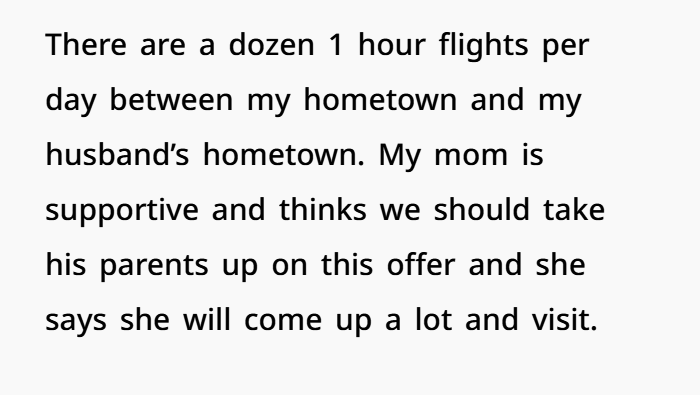
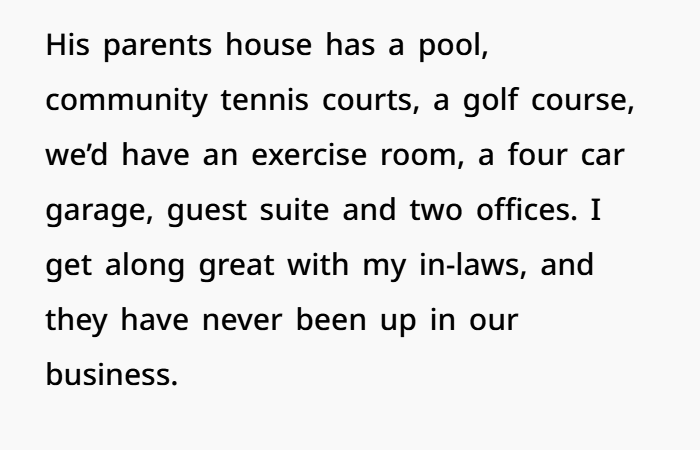
Living in a $2 million home for free may sound like an easy decision, but this couple sees things differently. The husband’s parents are offering them a large home in a gated community. There would be no monthly rent, property tax payments, or maintenance costs, making it a very attractive real estate opportunity.
The couple currently rents in an expensive city and does not believe they could easily afford a similar home there. Both partners work from home, so they would not need to find new jobs after moving. They also plan to start a family, and having more space and access to good schools could make family life easier.
The wife, however, would have to give up something important. Her family and support network would be six hours away. Her husband already has friends and connections in the town they would move to, but she does not. For her, the decision is about more than housing costs or getting a beautiful home.
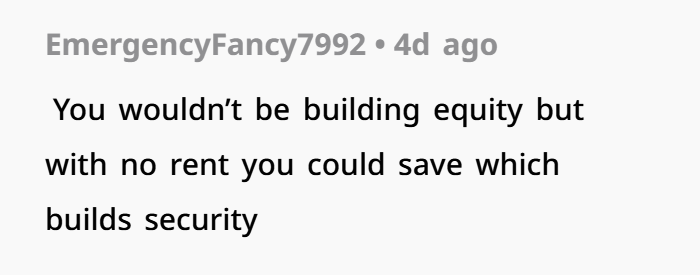
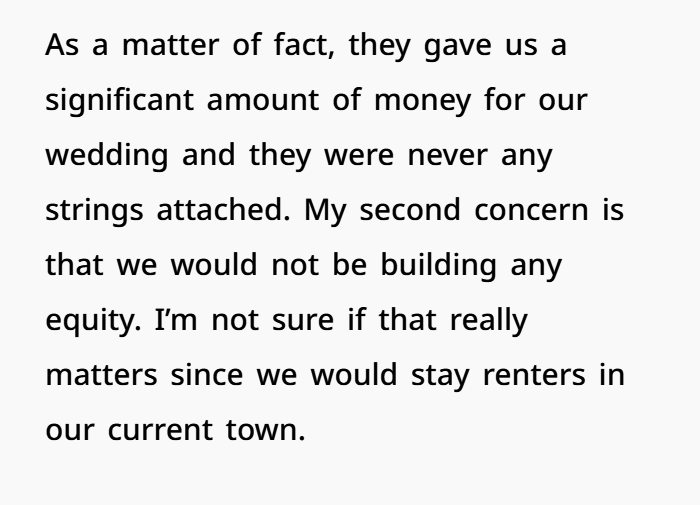
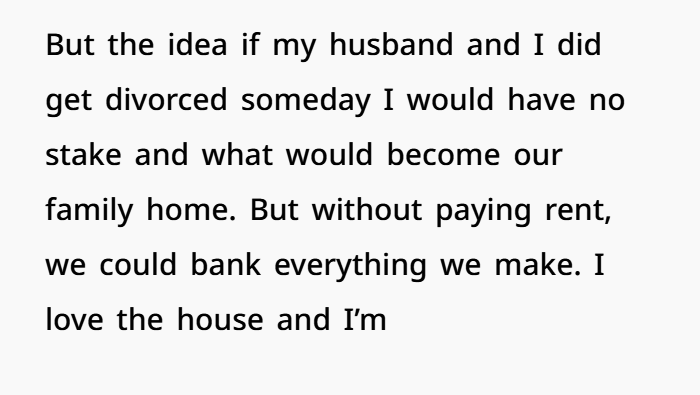
She is also concerned about financial security and property ownership. The home would remain in her in-laws’ names, meaning she would not automatically gain equity by living there. Her husband may receive the property as an inheritance in the future, but she is thinking about what could happen if their plans or relationship changed before that point. For her, understanding the long-term financial impact is just as important as the money they could save today.

Why Free Housing Still Needs Smart Financial Planning
Living in a house without paying rent sounds like an easy financial win. In many ways, it is.
But free housing does not mean there is nothing to plan.
The real question is not simply $0 rent versus paying rent. The couple also needs to think about savings, investments, home ownership, financial security, and their future as a family.
If they use this opportunity wisely, living rent-free could help them build serious long-term wealth.
Free Housing Could Save Them Thousands
Housing is usually one of the biggest expenses in a household budget.
If the couple currently spends thousands of dollars every month on rent, removing that payment could create a huge amount of extra money.
Instead of paying rent, they could put some of that money toward an emergency fund, retirement savings, investment accounts, or a future home purchase.
Over many years, those savings could become very valuable.
However, there is one important rule: they actually need to save the money.
If they move into a free house and simply spend more on shopping, vacations, cars, and other lifestyle expenses, they could miss much of the financial benefit.
Home Equity Is Not the Only Way to Build Wealth
One concern is that the couple will not build home equity while living in a property they do not own.
That is a fair concern.
When homeowners make mortgage payments, part of those payments may help them build equity in their property over time.
But real estate is not the only way to build wealth.
A person with very low housing costs may have more money available for retirement accounts, diversified investments, cash savings, or other financial goals.
For example, imagine the couple would normally pay $4,000 per month for housing.
If they invested $4,000 each month for 10 years and earned a hypothetical average return of 6% per year, they could end up with roughly $655,000.
That return is only an example. Investment returns are never guaranteed, and investments can lose value.
The point is simple: not owning the house does not automatically mean they cannot build wealth.
The House Is Not Their Asset
This is one of the most important details.
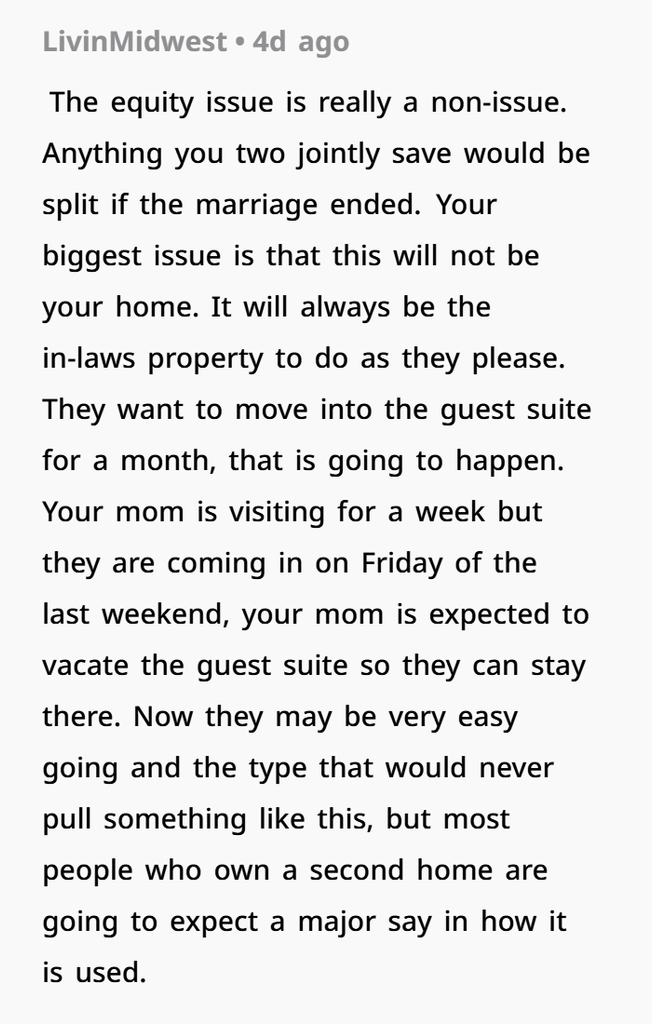
The husband’s parents own the property.
Even if the couple lives there for many years, they should not automatically think of it as their own financial asset.
The husband may expect to inherit the house in the future, but an expected inheritance is not the same as owning an asset today.
Family circumstances can change.
The owners could decide to sell the property. They could need money for retirement, healthcare, long-term care, or other expenses. Estate plans can also change over time.
For that reason, good financial planning should not depend on receiving an inheritance in the future.
The Wife’s Financial Concerns Are Reasonable
The wife is also right to think about her own financial security.
Depending on local law and individual circumstances, inherited property may sometimes be treated differently from property purchased together during a marriage.
That means the couple should not simply assume that a future inherited house would automatically become an equally shared marital asset.
Property and inheritance laws can be complicated and vary by location. If ownership rights are an important part of their decision, getting advice from a qualified local attorney or financial professional would be sensible.
This is not about expecting a marriage to fail.
It is about making sure both people understand their finances and have long-term financial security.
Build Assets Outside the Property
One practical solution is to build wealth outside the house.
The couple could look at how much they currently spend on rent and decide in advance what they will do with the savings.
They might put money toward:
- Retirement accounts
- Diversified investment accounts
- An emergency fund
- Cash savings
- A future home down payment
- Other long-term financial goals
Automatic monthly transfers could make this easier.
Instead of waiting until the end of the month to see what is left, they could move a set amount into savings and investments as soon as they receive their income.
That turns free housing into a real wealth-building opportunity.
Don’t Depend on a Future Inheritance
It can be tempting to think, “We will eventually own this house anyway.”
That may happen, but it is not guaranteed.
Parents may live for many more years. They may sell the house, change their estate planning, or need to use their assets for other expenses.
This is especially important when thinking about retirement planning, healthcare costs, insurance, and long-term care.
A possible inheritance can be a wonderful future benefit, but it should not replace the couple’s own financial plan.
They should build their future using the income and assets they control today.
Find Out What “Rent-Free” Really Means
The couple should also ask what is included in the free housing arrangement.
There may be no rent, but owning and maintaining a large property can still involve significant costs.
Who will pay the utilities?
Who handles repairs?
Who pays for landscaping, pool maintenance, renovations, or major replacements?
Are there any insurance-related expenses the couple will be expected to cover?
They should also discuss what would happen if the parents decided to sell the house or use it for something else.
Having these conversations before moving can prevent confusion later.
A simple written occupancy agreement may also be useful. Depending on the situation, a local real estate attorney can explain what type of agreement makes sense.
Moving Has Costs That Are Not Financial
Money is only part of this decision.
The wife would also be moving away from her current family, friends, and support system.
Her husband would be returning to an area he already knows.
That creates an important difference.
He already has connections there. She would have to start building new ones.
This becomes even more important if the couple plans to have children.
Having trusted family nearby can make childcare and everyday parenting much easier. A family member who lives several hours away may visit often, but that is not the same as having someone close enough to help on short notice.
The free housing has real financial value, but the emotional and social side of moving also deserves attention.
She Needs Her Own Community
If they accept the house, the wife should have the chance to create her own life in the new area.
She could build new friendships, find hobbies, develop professional connections, and create routines that feel like her own.
This matters because she should not feel like a guest in her husband’s old life.
They are building a new family together. Their new home should eventually feel like a shared home, even if they do not legally own the property.
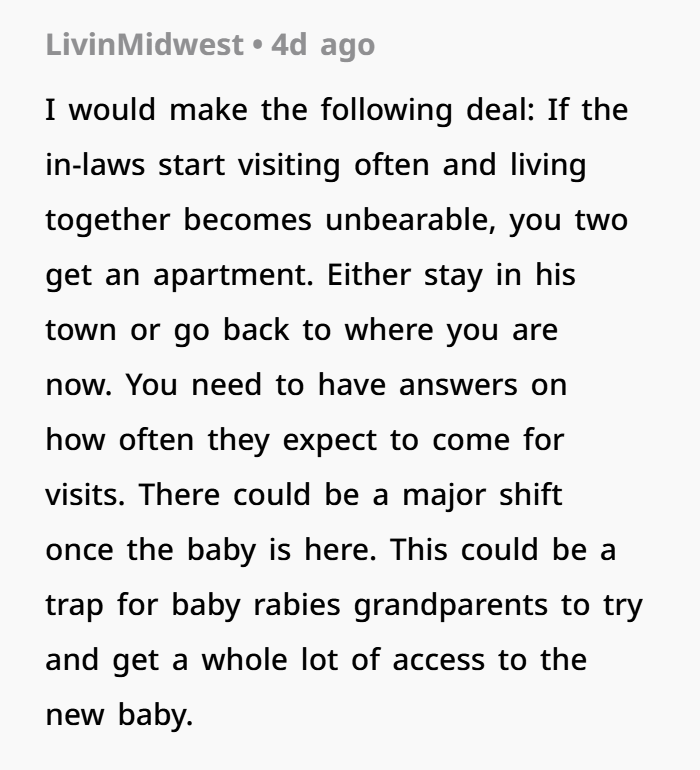
The In-Laws Sound Respectful
One positive part of the situation is the relationship with the husband’s parents.
Based on the information provided, they appear to be generous without trying to control the couple.
They also live several hours away and do not seem to interfere with everyday decisions.
That can make a major difference.
Family housing arrangements are often easier when everyone respects privacy and personal boundaries.
Even with a good relationship, however, clear expectations about money and the property are still helpful.
The Verdict
Taking the free housing offer could be a very smart financial decision, but the couple should treat the money they save as their real financial benefit. They should not treat the house as an asset they already own.
Instead of spending the extra money, they could use the opportunity to increase retirement savings, build investment accounts, create a strong emergency fund, and possibly save for their own real estate in the future.
They should also understand who pays the property’s expenses and avoid building their financial plan around a future inheritance.
The wife’s concerns about leaving her support system and protecting her own financial independence are reasonable as well. Those issues should be part of the decision.
If they create clear boundaries and a strong financial plan, the offer could give them something extremely valuable: years of very low housing costs while they save money, invest for the future, and build long-term financial security together.
The Most Honest Comments