Customer Made Me Drop Plates Then Blamed Me for “Ruining Their Meal”

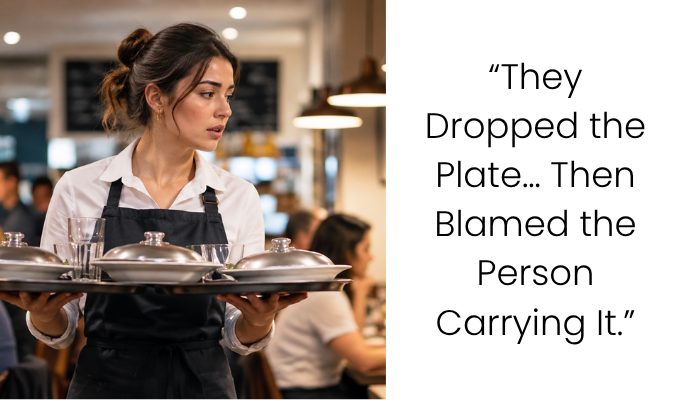
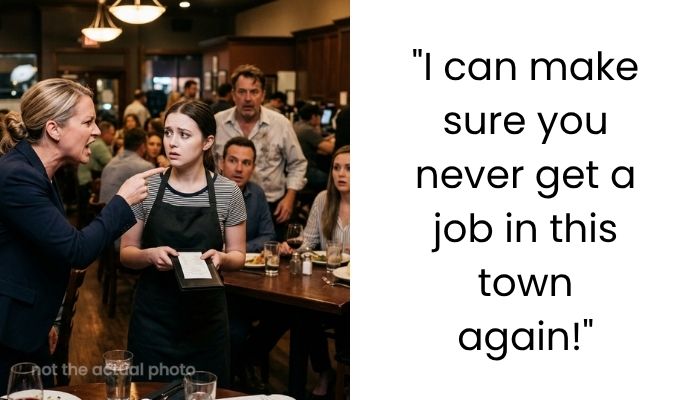
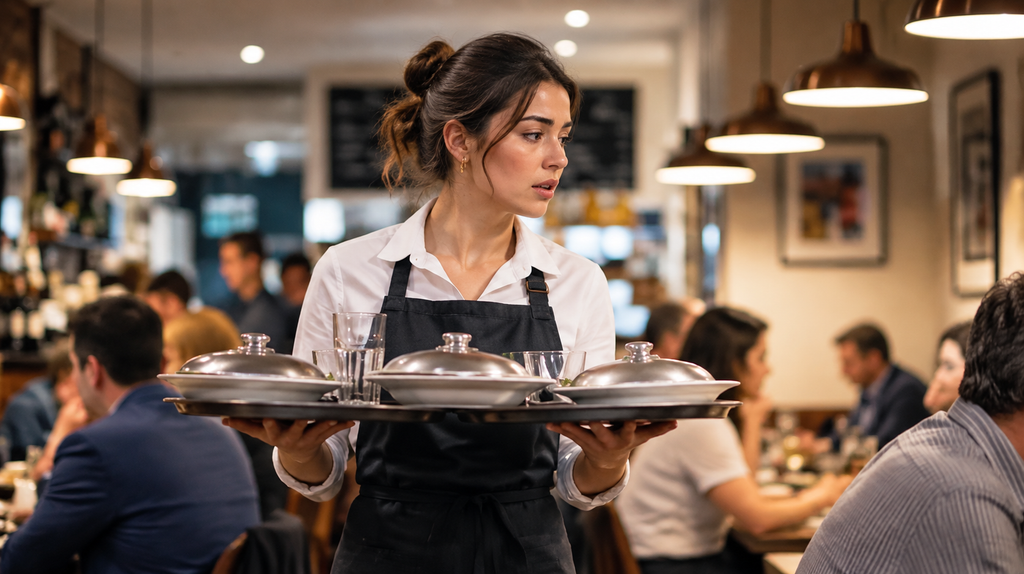
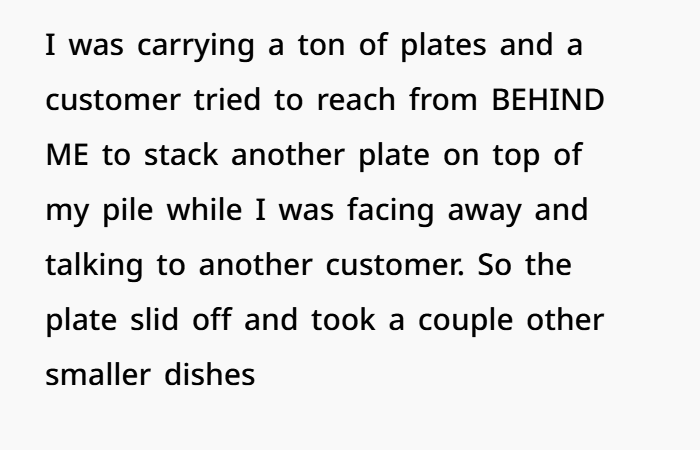
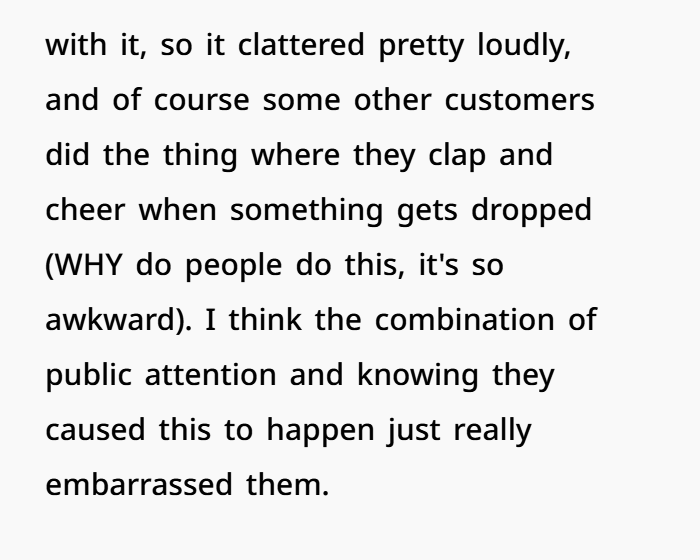
A restaurant server described a stressful moment that happened while working a busy shift. The server was carrying a stack of dishes when a customer reached from behind and placed another plate on top. The added weight made the plates fall, causing them to break and creating a mess in the dining area.
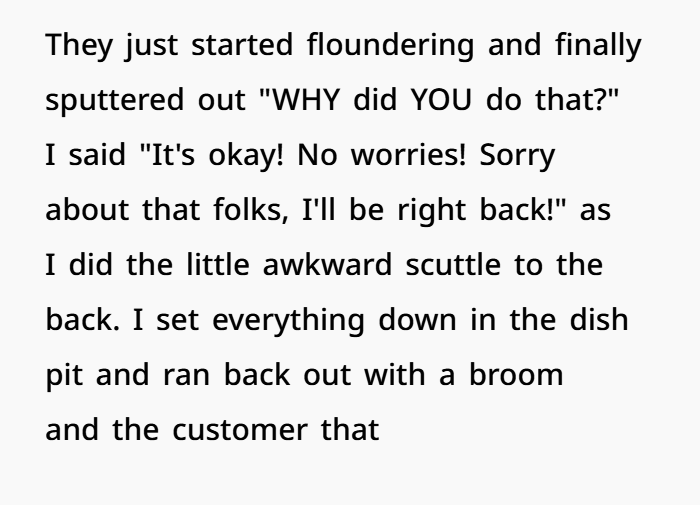
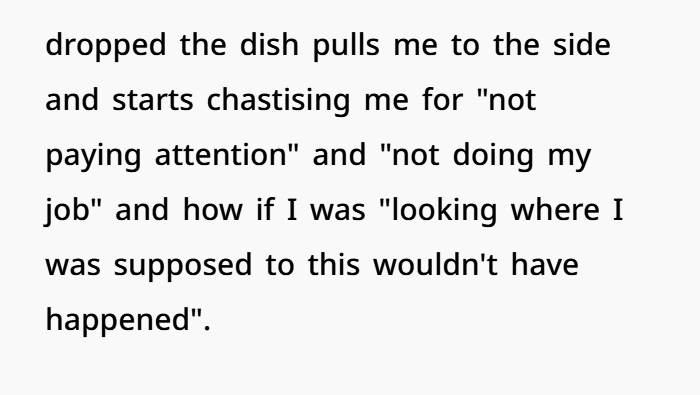
The server quickly reacted by apologizing and cleaning up the broken dishes. They believed the customer might feel embarrassed, but the customer instead blamed the server for the accident. The server tried to explain that the problem happened because another plate was added while the dishes were already being carried.
The customer was not satisfied and decided to report the situation to the restaurant manager. They claimed the server was responsible and had provided poor service. The manager reviewed the security footage and found that the server had handled the situation correctly.
The server was relieved that the truth was clear. They also felt surprised because similar restaurant accidents usually happen without conflict. A positive dining experience depends on teamwork, kindness, and understanding between restaurant staff and customers. Good customer service works best when everyone communicates respectfully.
Customer Service, Responsibility, and Why People Shift Blame
Mistakes can happen in any workplace, especially in busy customer service jobs like restaurants. Employees deal with many situations every day, including spilled drinks, broken dishes, incorrect orders, and busy schedules.
Most small accidents are easy to solve when everyone stays calm. However, a simple mistake can become a bigger problem when people become upset or start blaming each other.
Why People Sometimes Blame Others
When something embarrassing happens, some people may find it difficult to accept their own role in the situation.
Psychologists describe this as self-serving bias. It means people sometimes explain events in a way that protects their feelings or makes them appear less responsible.
For example, if someone causes an accident in a public place, they may feel uncomfortable. Instead of admitting their mistake, they may focus on another person’s actions.
This reaction can make a small problem more stressful than it needs to be.
Safety Rules in Restaurants
Restaurants are busy environments where employees often carry food, drinks, and dishes while moving around customers.
Servers are trained to handle trays and dishes carefully, but they also need enough space and attention to work safely.
When extra items are placed on a tray or stack without warning, it can create a safety problem. The employee may not expect the additional weight, which can affect balance and increase the chance of an accident.
Clear communication between customers and staff can help prevent these situations.
The Role of Customer Service Workers
Customer service employees are often expected to stay friendly and professional, even when problems happen.
Their job is to listen to concerns, help customers, and find solutions. However, providing good customer service does not mean employees should accept blame for every situation.
A professional response usually includes:
- Listening carefully
- Staying respectful
- Explaining the situation clearly
- Finding a fair solution
Employees can be helpful while still protecting reasonable workplace boundaries.
How Small Problems Become Bigger Conflicts
Many disagreements become worse because people react emotionally instead of trying to understand what happened.
When an accident occurs, a calm conversation can often solve the problem quickly.
Both customers and employees can help by:
- Staying polite
- Avoiding personal attacks
- Understanding that mistakes happen
- Focusing on solutions
Respectful communication makes difficult situations easier for everyone.
Why Facts Matter in Workplace Disputes
When there is a disagreement between a customer and an employee, it is important to look at the facts.
Managers may review different sources of information, including employee explanations, customer feedback, and security camera footage, to better understand the situation.
Having clear information helps businesses make fair decisions and improve customer service.
The Challenges of Working in Customer Service
People who work in restaurants and other service jobs often manage many emotions during their shifts.
They may need to stay calm and positive while helping customers, even during stressful moments.
This requires patience, professionalism, and strong communication skills.
At the same time, customer service workers also deserve respect while doing their jobs.
Creating Better Customer Experiences
Good customer experiences happen when both sides treat each other with respect.
Customers want to feel heard and supported, while employees need a safe and respectful workplace.
When everyone accepts that mistakes can happen and focuses on solving problems, conflicts are usually easier to handle.
Opinions Flooded In
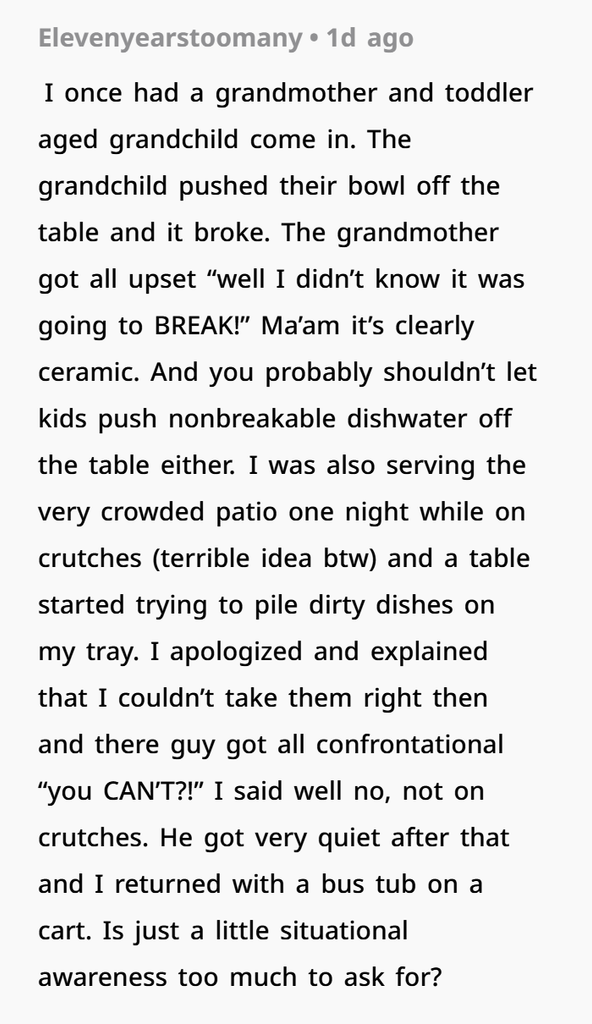
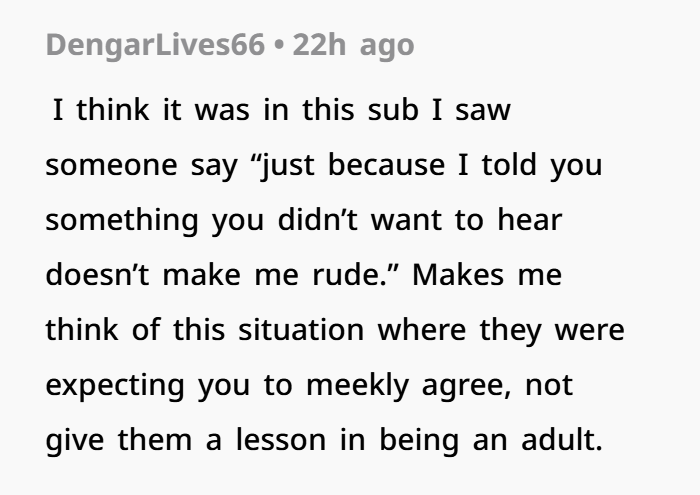
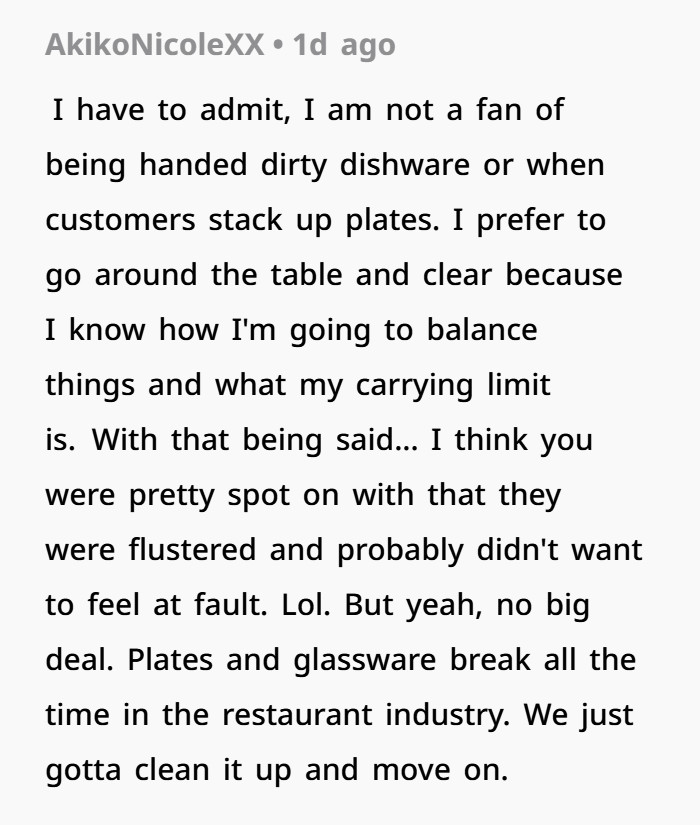
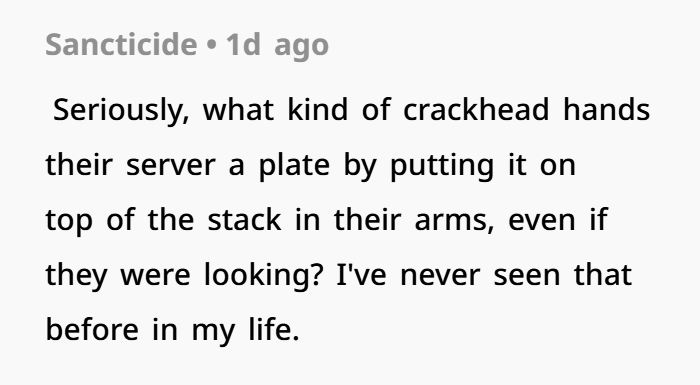
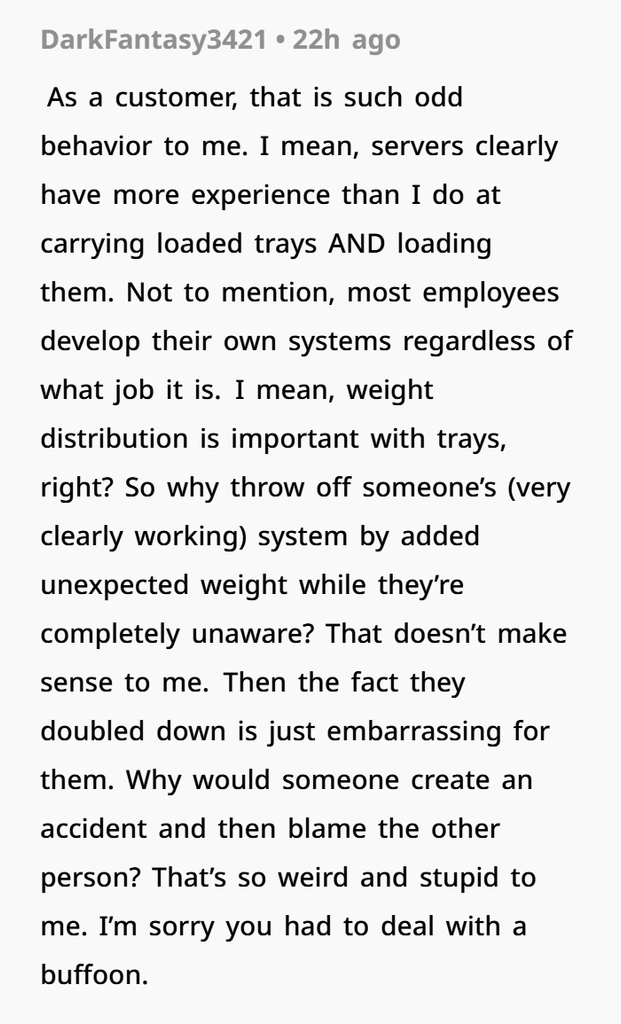
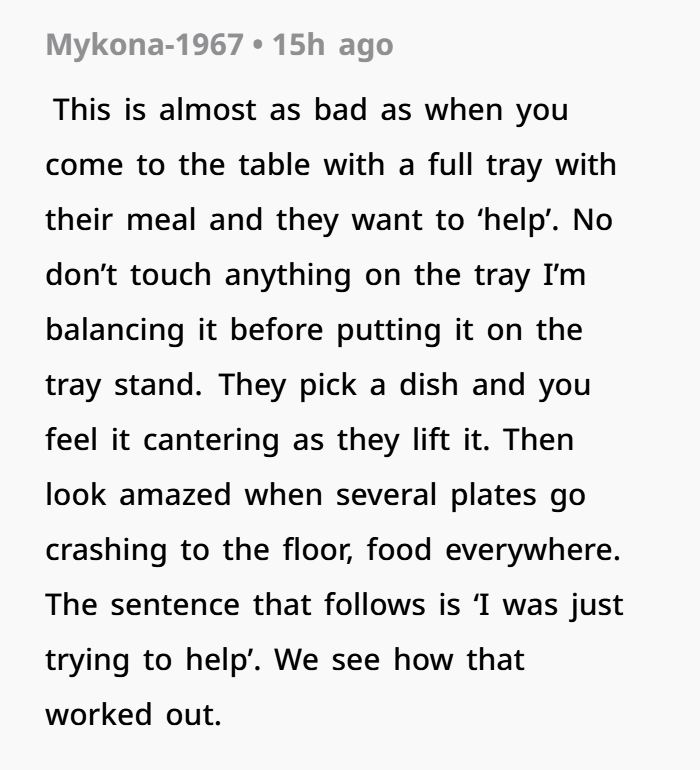
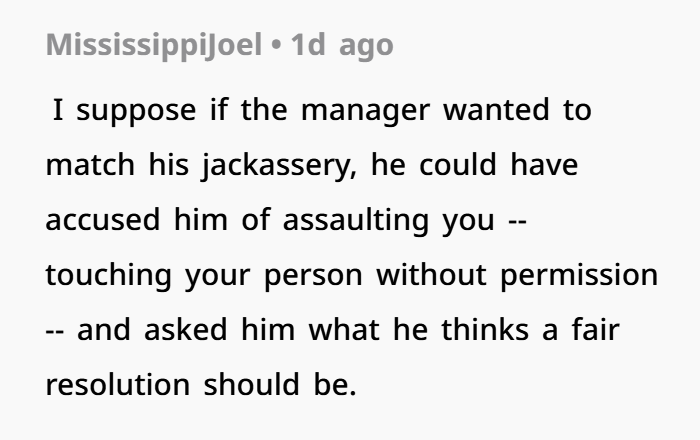
Workplace accidents are a normal part of busy environments. A dropped plate or spilled drink does not have to become a major conflict.
The way people respond after a mistake matters most.
Taking responsibility, communicating clearly, and showing respect can help resolve problems quickly and create a better experience for both customers and employees.