My Neighbors Stopped Paying for Our Shared WiFi, So I Cut Them Off

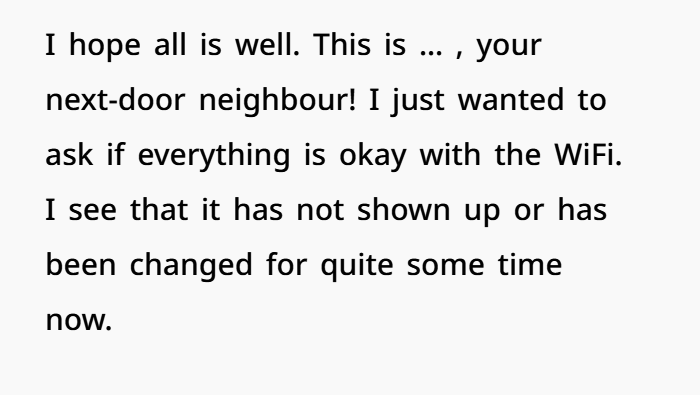
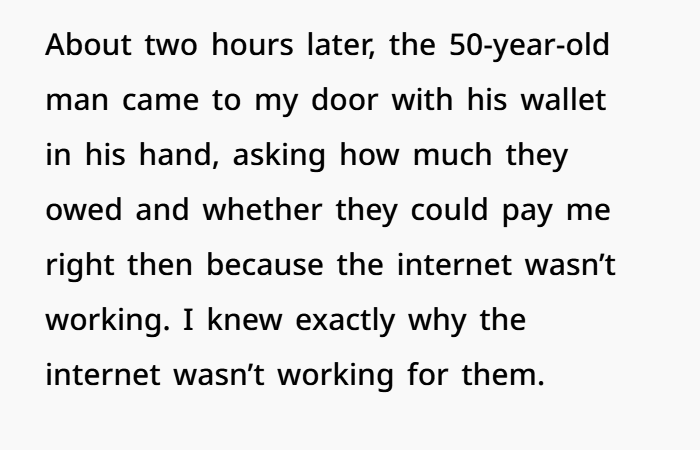
A woman thought sharing her WiFi with a neighbor would be an easy way for both households to manage internet costs. The 26-year-old lives with her fiancé in an apartment complex. When they improved their home internet connection, a 50-year-old neighbor asked to share the service. He agreed to contribute toward the monthly internet bill. For the first few months, the arrangement worked without any major problems.
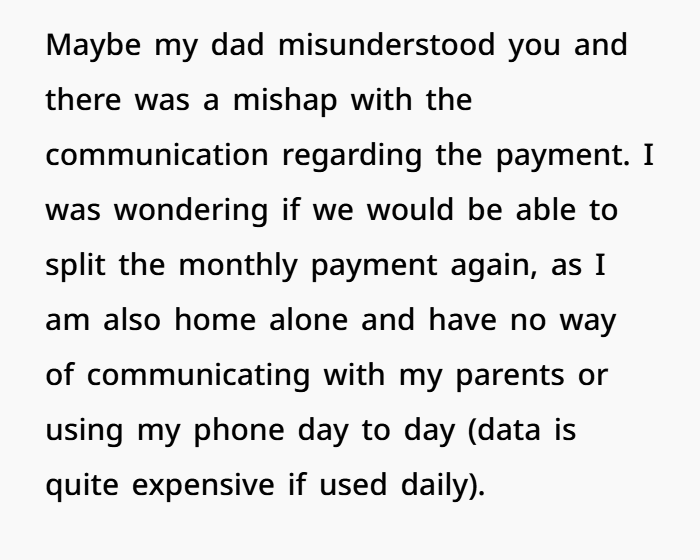
Over time, the payments became inconsistent. The neighbor’s household had three people using the connection, while the woman and her fiancé were responsible for paying the internet provider. After six months, the couple also became unhappy with the quality of their service and moved to a better internet plan. The new service cost more, but it offered a more reliable connection. When the old WiFi disappeared, the neighbor’s 20-year-old daughter asked for the new password because using mobile data every day was too expensive. The woman agreed and allowed the family to keep using their internet.
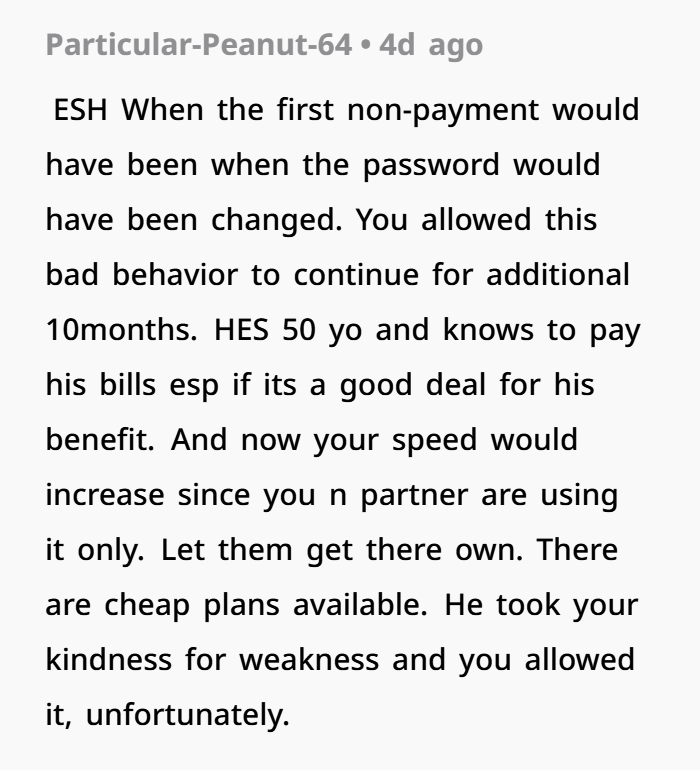
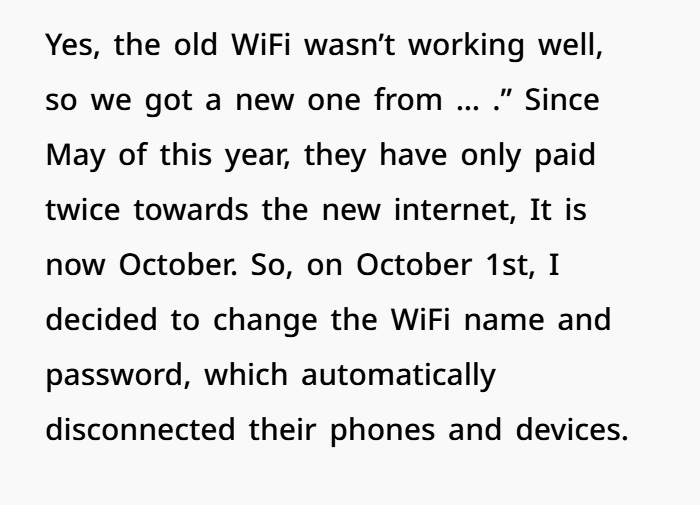
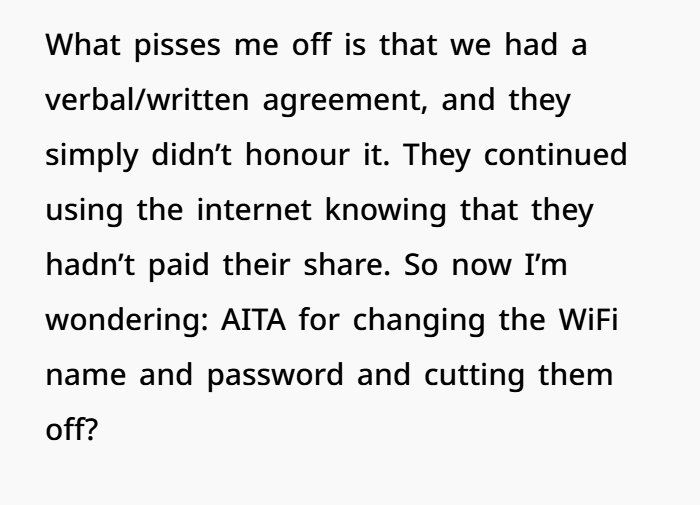
The neighbors still did not pay regularly. Between May and October, they contributed only twice. The woman eventually decided that the arrangement was putting an unfair cost on her household budget. On October 1, she changed both the WiFi name and password, which disconnected every device from the neighboring apartment. She no longer wanted to keep reminding another household to pay its agreed share of a monthly service.
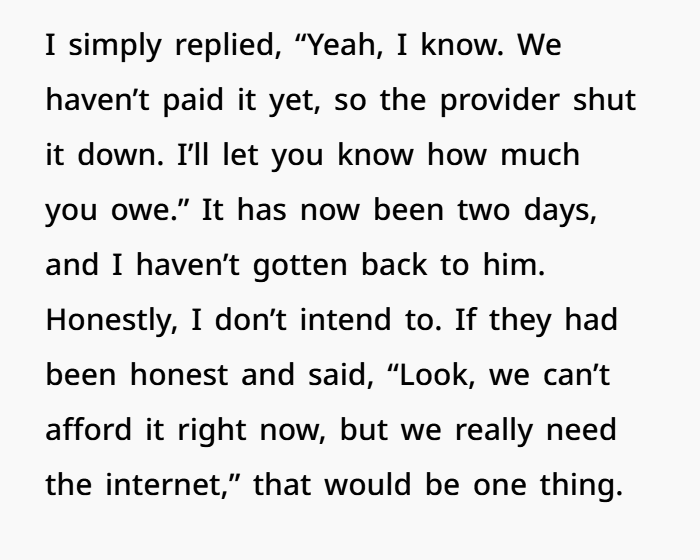
The neighbor came to her door within two hours with money and asked about the internet. She told him she would work out how much he owed, but she did not provide the new password. After two days, she decided not to continue the arrangement at all. She understood that people can sometimes face financial challenges, but her concern was the lack of regular payments and communication. In the end, she felt that keeping household finances separate and setting clear boundaries would be easier than continuing to share an important service like home internet.

Sharing WiFi Is a Favor, Not an Unlimited Subscription
The main question here is simple: Did the narrator have to keep sharing her WiFi after the neighbors stopped paying their share?
No.
The internet account belonged to the narrator. She paid the monthly bill and was responsible for the service.
She had made a private deal with her neighbors. They could use her home internet if they helped with the cost.
Once they stopped paying regularly, that deal was no longer working.
One Late Payment Is Understandable
Almost everyone has forgotten a bill at some point.
A payment can be a few days late because someone is busy, dealing with an unexpected expense, or simply forgot.
That is very different from going months without paying.
According to the story, the neighbors only contributed twice between May and October.
During that time, their internet access continued.
The narrator still had to pay her internet service provider every month.
After several missed payments, it was reasonable for her to decide she did not want to continue the arrangement.
The Password Change Got an Immediate Response
The timing is interesting.
For months, the missing payments did not seem urgent.
Then the narrator changed the WiFi password.
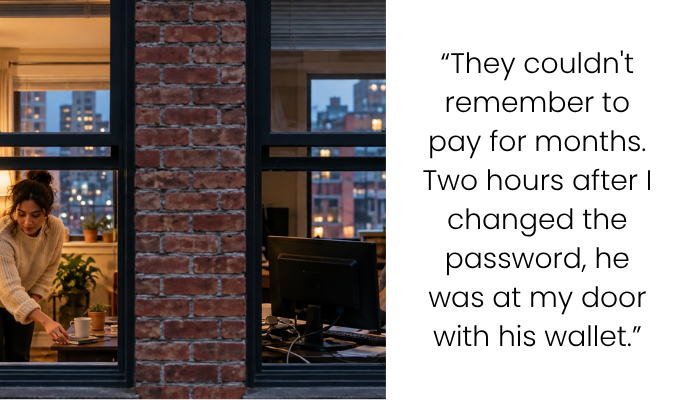
About two hours later, the neighbor came over with his wallet and asked how much money he owed.
That does not automatically mean he had bad intentions.
People can have financial problems. When a household budget is tight, families may have to decide which monthly bills need attention first.
But one thing is clear.
The loss of internet access created urgency.
As long as the WiFi continued working, there was no immediate consequence for missing payments.
Once the connection stopped, the original agreement suddenly became important again.
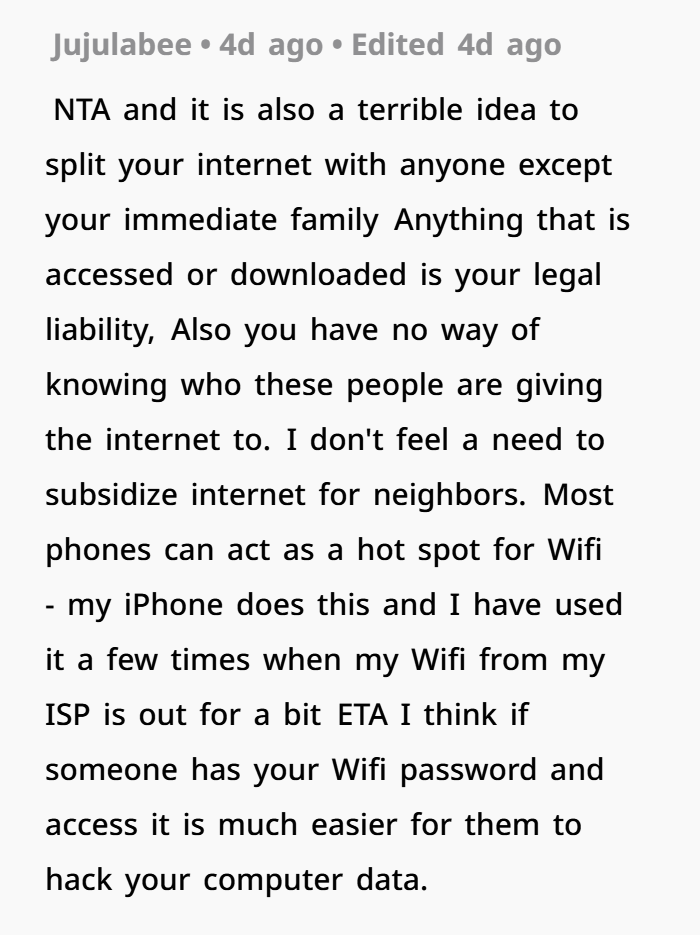
Sharing WiFi Also Comes With Security Questions
Money is not the only reason to think carefully about sharing a home internet connection.
There is also WiFi security.
Most homes have several devices connected to the same network.
Phones and laptops are obvious examples. But a home network may also include smart TVs, tablets, printers, gaming systems, security cameras, video doorbells, and other smart home devices.
This makes basic cybersecurity and online privacy important.
The Federal Trade Commission recommends taking steps to secure home wireless networks and routers.
The Cybersecurity and Infrastructure Security Agency also recommends good security practices for wireless networks, including changing default router credentials and using proper security settings.
In simple terms, it is smart to know who has access to your home WiFi.
One Password Can Connect Many Devices
Giving your WiFi password to one neighbor does not always mean one extra device.
An entire household may use that password.
That could mean several phones, laptops, tablets, TVs, or other connected devices.
Even if you completely trust your neighbors, it becomes harder to control how widely the password is shared.
Someone may give it to a family member or visitor without thinking much about it.
That is why changing a WiFi password from time to time can be a reasonable part of home network security.
A private WiFi password does not have to remain the same forever.
A Guest Network May Be a Better Choice
If someone wants to share internet access with visitors, a guest network can sometimes be a better option.
Many modern routers allow users to create a separate WiFi network for guests.
This can provide internet access without giving visitors the same connection to the main home network.
It can be useful when friends or relatives visit regularly.
But that does not mean the narrator needs to create a guest network for her neighbors.
She is also allowed to stop sharing completely.
The Daughter’s Message Changes the Tone a Little
The neighbor’s 20-year-old daughter makes the situation more complicated.
According to the story, she was polite.
She explained that she was alone, did not have affordable mobile data, and thought there may have been some confusion about the payment.
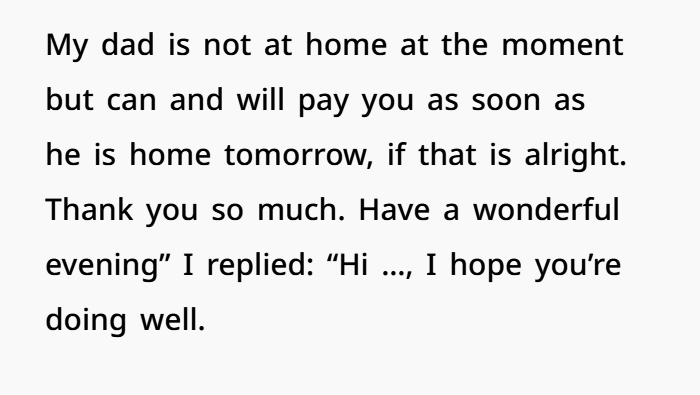
She also offered to have her father pay when he returned.
It is understandable to feel sympathy for her.
Reliable internet access has become an important part of everyday life. People use it for work, online classes, banking, job searches, communication, shopping, and entertainment.
Suddenly losing that access can be stressful.
Still, feeling sympathy for someone does not mean you have to provide free internet indefinitely.
The Daughter May Not Be Responsible
It is also possible that the daughter had little to do with the original agreement.
If her father was responsible for making the payments, she may have believed everything was being handled.
There is no reason to automatically blame her.
But the narrator can feel sorry for the daughter without continuing to provide WiFi to the whole household.
If the neighbors need reliable internet every day, they need a dependable long-term plan.
That may mean purchasing their own home internet service or consistently paying their agreed share.
Depending on a neighbor’s private WiFi can easily become complicated when money is involved.
The Narrator Made One Unnecessary Mistake
The narrator had every reason to stop sharing her WiFi.
But she did make one mistake.
She was not honest about why the internet stopped working.
When the neighbor came over, she reportedly told him that the internet provider had disconnected the service because the bill had not been paid.
That was not what happened.
She had changed the password herself.
There was really no need to make up another explanation.
She could have simply told him that the payment arrangement was no longer working and she had decided to stop sharing her internet.
That would have been much clearer.
A Direct Conversation Would Have Been Better
Money conversations can feel uncomfortable, especially between neighbors.
But avoiding the truth can create even more confusion.
The neighbor may now believe that paying the missing amount will automatically restore his internet access.
The narrator apparently does not want that.
If the arrangement is over, it is better to say so.
Clear communication helps everyone understand what happens next.
It can also reduce the chance of a small disagreement turning into a bigger neighborhood problem.
The Old Money and New Password Are Two Different Issues
There are actually two separate questions here.
The first is whether the neighbors should continue receiving WiFi access.
The second is whether they still owe money from the previous agreement.
Changing the password answers the first question.
The narrator has decided that the neighbors no longer have permission to use her home internet.
The unpaid money is a separate issue.
If the amount is small, she may decide that continuing to argue about it is not worth the stress.
If the amount is larger, she could give the neighbor a simple record showing what was agreed upon, what was paid, and what remains unpaid.
Either way, she does not have to provide the new password.
Clear Agreements Help With Household Expenses
This situation is also a good reminder about personal finance and household budgeting.
Informal arrangements can work well, but expectations need to be clear.
If people are splitting an internet bill, utility bill, subscription, or another regular household expense, everyone should know how much they need to pay and when the payment is due.
It can also help to keep the agreement in writing.
A simple text message can sometimes prevent arguments months later.
Clear records are especially useful when payments are made at different times.
No one has to depend on memory.
Your WiFi Password Is Still Yours
There is a simple point that can get lost in this story.
Sharing your WiFi password once does not give another person permanent access to your network.
The account holder can change the password.
They can decide which devices and people are allowed to connect.
There are many reasonable reasons for doing this.
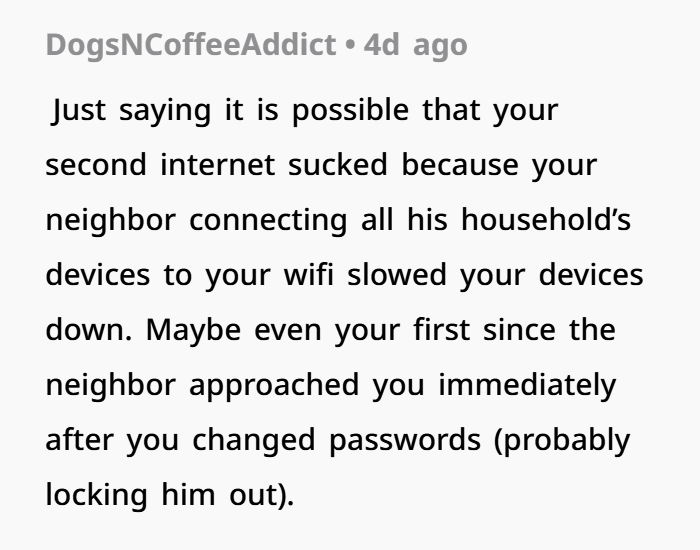
Maybe too many devices are connected. Maybe the internet speed is suffering. Maybe there are concerns about router security or online privacy.
Or maybe an informal payment agreement simply stopped working.
In this case, the last reason appears to be the main one.
The Real Problem Is Trust
This story may look like it is about WiFi, but the bigger issue is trust.
The narrator continued providing internet access.
The neighbors were supposed to contribute toward the cost.
When the payments became inconsistent, the arrangement stopped feeling fair.
There is also an important difference between stopping someone’s internet service and stopping them from using your internet.
The narrator did not cancel an account that belonged to her neighbors.
She simply stopped sharing her own private connection.
The neighbors can still look for an internet plan that fits their budget, use mobile data, or make another legitimate arrangement.
Having someone’s password in the past does not create a permanent right to their home network.
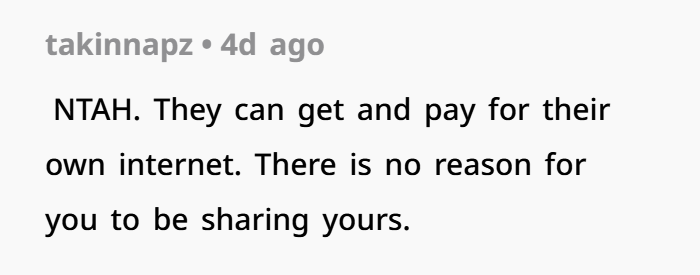
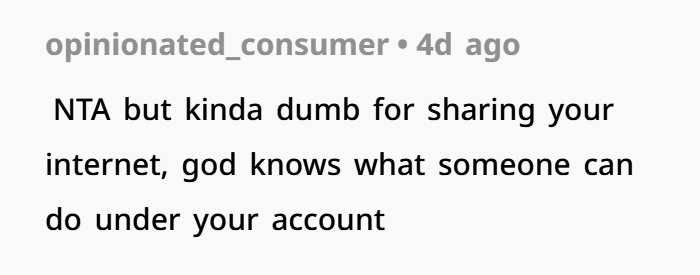
Final Verdict: NTA
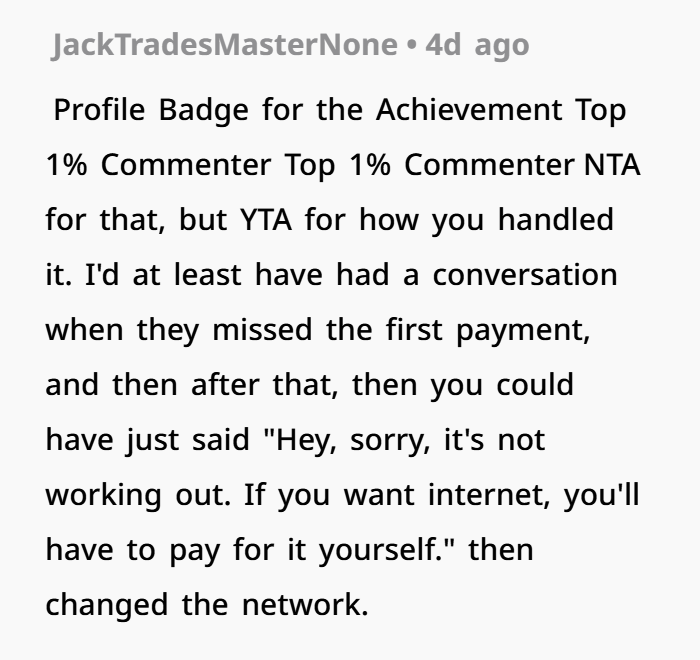
The narrator was reasonable to change the WiFi password.
She paid for the home internet service and was responsible for the account. The neighbors were allowed to use it because they had agreed to contribute toward the cost.
After months of inconsistent payments, she was not required to keep sharing.
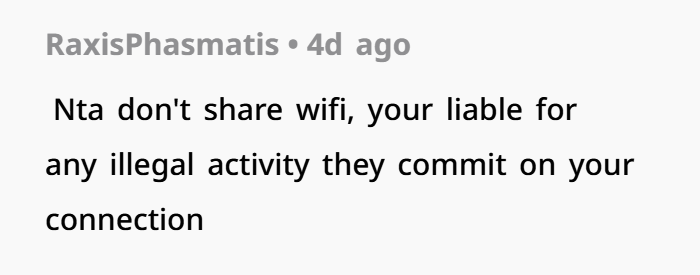
There are also practical reasons to control access to a home network, including WiFi security, cybersecurity, online privacy, router security, and connected smart home devices.
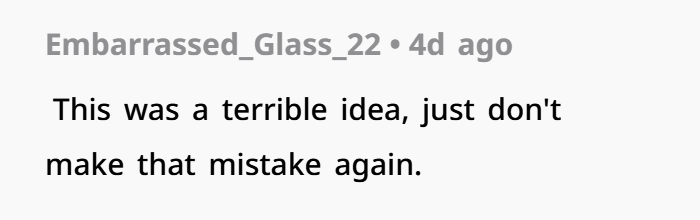
The narrator’s only real mistake was not being direct afterward.
Instead of blaming the internet provider, she could have simply said that the old payment arrangement was no longer working and she had decided to end it.
That would have been more honest and easier for everyone to understand.
But it does not change the final answer.
Sharing WiFi was a favor based on an agreement. It was never an unlimited subscription.
When the neighbors stopped keeping up their side of that agreement, the narrator had a reasonable right to stop sharing her connection.
See The Comments Below