My Boss Told Me Not to Use My Feeding Pump at Work… Am I Overreacting?

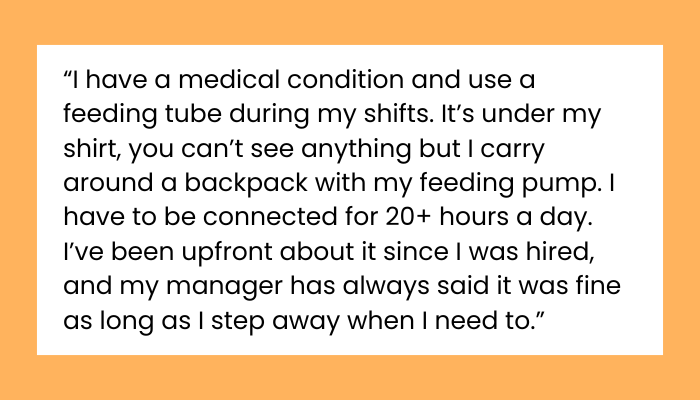
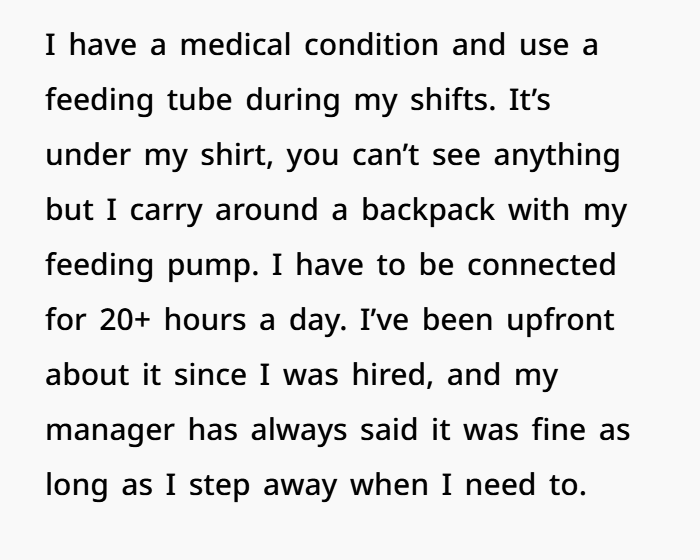
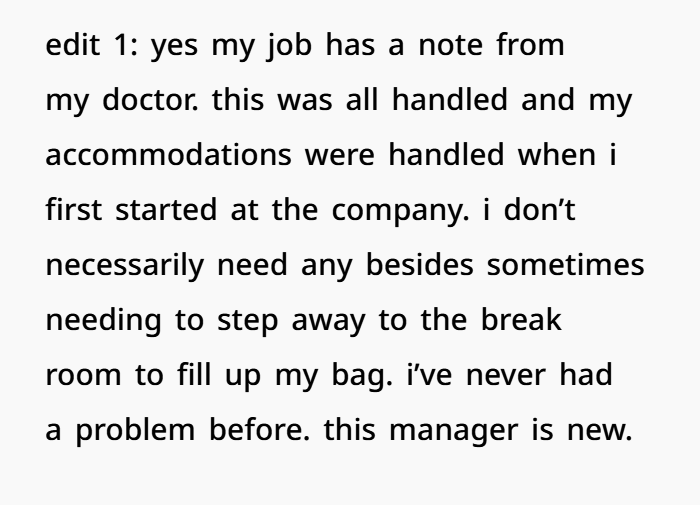
A 21-year-old woman shared a workplace experience involving her medical needs and a new manager. She has a health condition that requires her to use a feeding tube pump during work shifts. Her workplace already knew about her situation, and the device was usually quiet and did not affect her daily work. She only needed to make small adjustments when necessary.
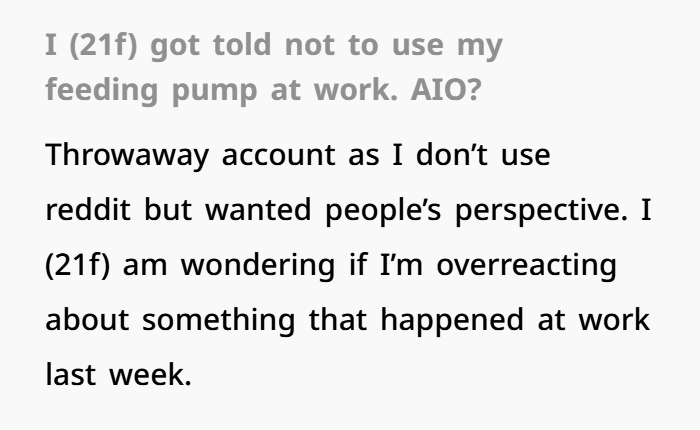
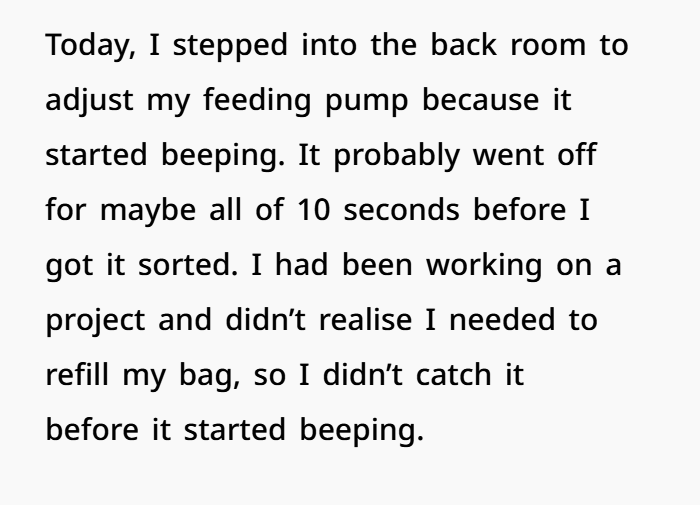
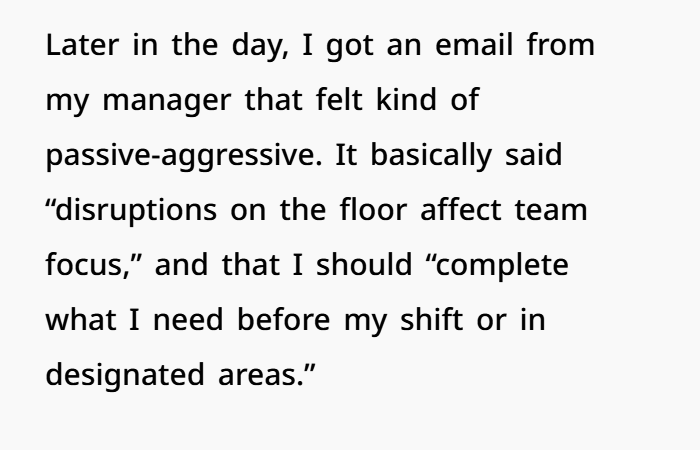
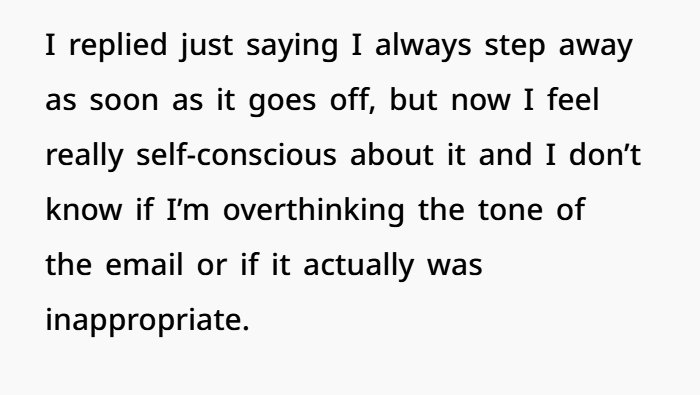
The situation changed after a new manager joined the team. One day, the pump made a short beeping sound for a few seconds. The woman fixed the issue quickly, but the manager later sent an email describing it as a workplace disruption. The manager suggested that she handle the device outside of work areas or use specific locations instead.
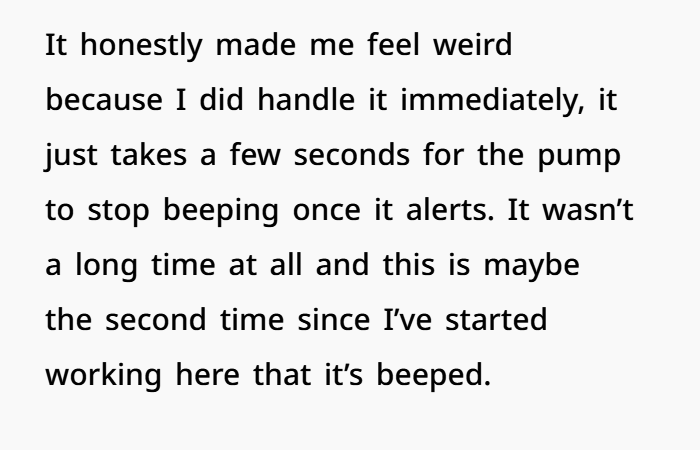
The woman felt uncomfortable with the response because she believed she had followed the workplace rules and handled the situation responsibly. She felt that extra attention was placed on her medical condition even though the issue was rare and quickly resolved.
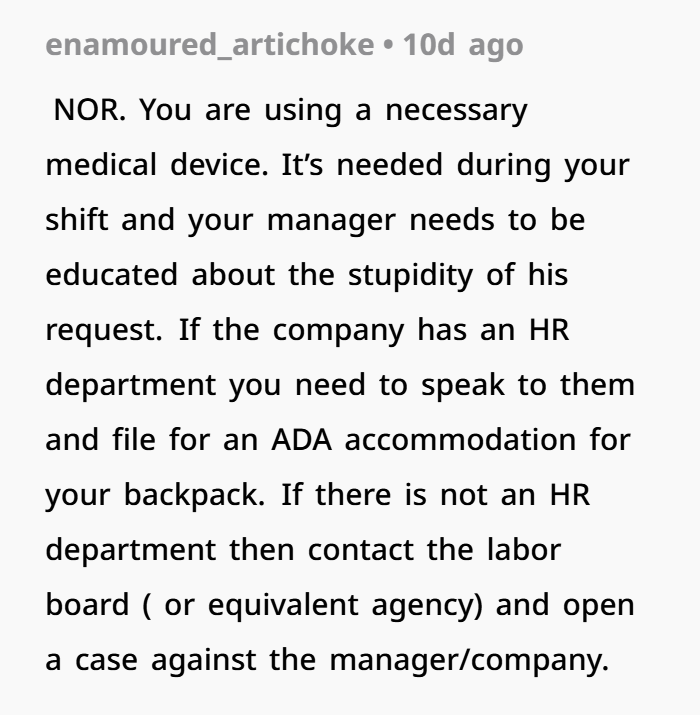
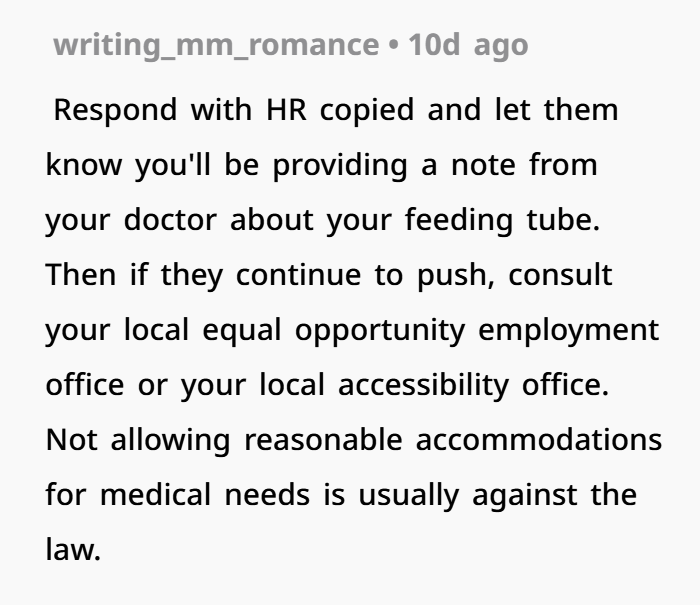
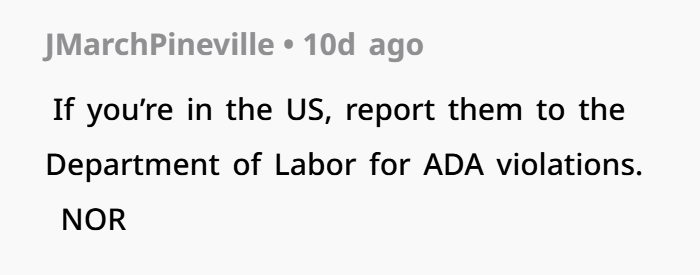
The situation made her question whether she was overreacting or whether her manager handled the matter unfairly. It also brought attention to important topics such as workplace accommodations, disability rights, and creating a respectful environment for employees with medical needs. Many workplaces aim to support employees by providing reasonable accommodations and treating everyone with fairness and respect.

When Medical Needs and Workplace Communication Become a Challenge
Sometimes a workplace situation is about more than one email or one small event.
It can involve important topics like:
- Employee rights
- Workplace accommodations
- Medical needs
- Communication between employees and managers
That is why situations like this can feel stressful and confusing.
A Medical Need Should Be Treated With Respect
In this situation, the employee was using a feeding pump as part of their medical care.
A medical device is not a personal preference.
It is something a person needs to manage their health.
When a workplace already knows about a medical condition and has approved accommodations, employees should be able to manage their health needs while doing their job.
The issue is not only the sound of the device.
The bigger concern is whether the employee feels supported and respected while handling a necessary medical need.
Why Small Situations Can Feel Bigger
The pump only made noise for a short time, and the employee handled the situation quickly.
In many workplaces, small sounds and interruptions happen every day.
Phones ring.
People have conversations.
Equipment makes noise.
A brief medical device alert is not the same as someone intentionally causing a distraction.
That is why the employee felt uncomfortable when the situation was described as a workplace disruption.
The Importance of Workplace Communication
The way managers communicate matters.
A message about a problem can feel very different depending on the wording.
Supportive workplace communication usually focuses on:
- Understanding the situation
- Finding solutions
- Respecting employee needs
- Following company policies
When communication sounds like blame instead of support, employees may feel singled out or uncomfortable.
New Managers May Need More Information
One important detail in this situation is that the manager was new.
Sometimes new managers do not fully understand every employee’s situation.
They may not know:
- Existing workplace accommodations
- Medical needs
- Previous conversations
- Company procedures
This does not mean poor communication should be ignored.
However, it does show why proper training and information sharing are important during management changes.
The Role of Workplace Accommodations
Many workplaces have policies that support employees with medical conditions or disabilities.
These accommodations help employees continue doing their jobs while managing health needs.
Examples may include:
- Flexible scheduling
- Medical equipment use
- Adjusted work arrangements
- Additional support when needed
The goal of accommodations is to create a fair and inclusive workplace.
Employees should not feel pressured to hide necessary medical care.
Why Employee Wellbeing Matters
A healthy workplace should allow employees to feel safe discussing important needs.
When someone feels judged for managing a medical condition, it can create extra stress.
Over time, that stress may affect:
- Mental health
- Job confidence
- Workplace satisfaction
- Overall wellbeing
Good employers understand that supporting employees also helps create a stronger workplace culture.
How to Handle a Situation Like This Professionally
The employee’s response was helpful because it stayed calm and focused on facts.
When discussing workplace concerns, it is usually best to explain:
- What happened
- Why the medical need is necessary
- How the situation was handled
- What support is needed moving forward
Keeping the conversation professional helps everyone focus on solutions.
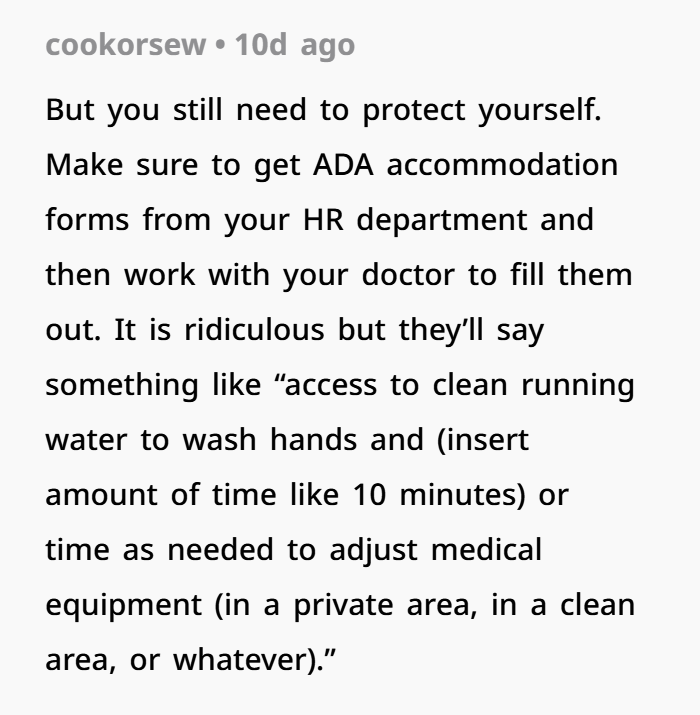
Why Involving HR Can Help
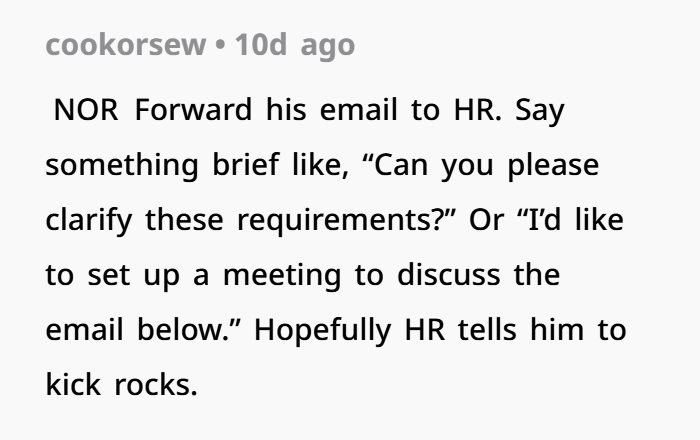
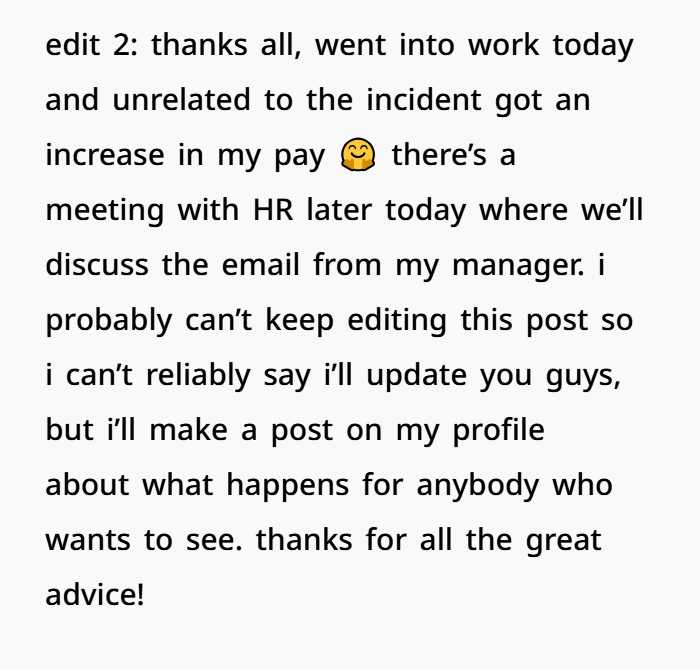
When HR becomes involved, it can create an opportunity to improve communication.
HR can help by:
- Reviewing workplace policies
- Clarifying accommodations
- Helping managers understand employee needs
- Preventing future misunderstandings
The goal is usually not to create conflict.
The goal is to make sure everyone understands expectations.
Preparing for an HR Conversation
During a meeting with HR, it can help to focus on clear information.
Important points may include:
- The medical condition is documented
- The equipment is necessary
- Existing accommodations were already approved
- The situation was handled appropriately
- The communication caused concern
This keeps the conversation focused on workplace practices rather than personal disagreements.
Subtle Workplace Concerns Can Be Difficult to Recognize
Sometimes workplace problems are not obvious.
They may appear as:
- Uncomfortable comments
- Different treatment
- Lack of understanding
- Poor communication
These situations can make employees question whether their concerns are valid.
However, feeling uncomfortable after a workplace interaction is a reason to ask questions and seek clarification.
A Balanced View of the Situation
Not every workplace mistake is intentional.
Sometimes problems happen because of:
- Lack of training
- Poor communication
- New management
- Misunderstandings
The important part is how the situation is handled afterward.
A supportive workplace should be willing to listen, learn, and improve.
The Bigger Lesson
Managing a medical condition while working can already be challenging.
Employees should not feel like their health needs are a problem.
Good workplace relationships are built through:
- Respect
- Clear communication
- Understanding
- Inclusion
A medical accommodation is not a special favor.
It is a way to help employees do their jobs while taking care of their health.
A workplace that values its employees understands the difference between a real need and a disruption.
The Comments Are In