My Housemate Turned the Living Room Into His Bedroom… and I’m Losing It

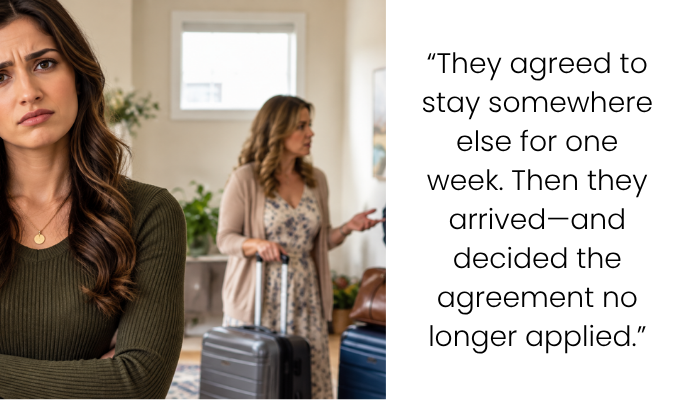
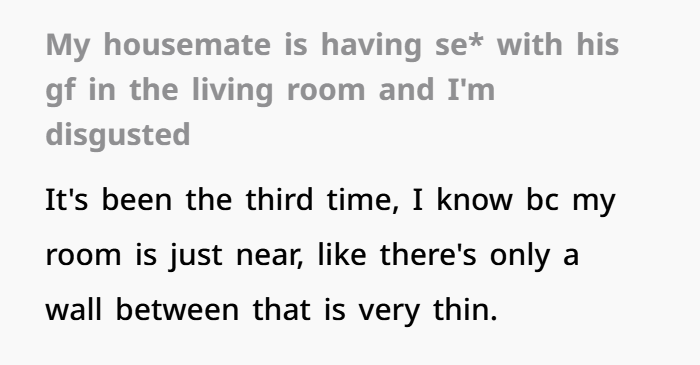
Sharing a home with roommates can be a good experience, but it can also create unexpected problems. In this situation, what started as a normal shared housing arrangement became uncomfortable because of one roommate’s behavior.
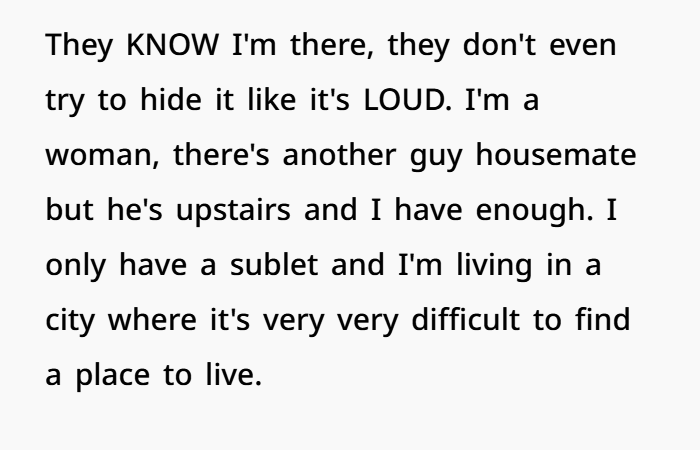
The problem was that one housemate was being very loud and intimate in a shared area of the home. It happened more than once, and she did not seem to consider that another person was nearby. The lack of privacy and respect for common spaces made the living situation stressful.
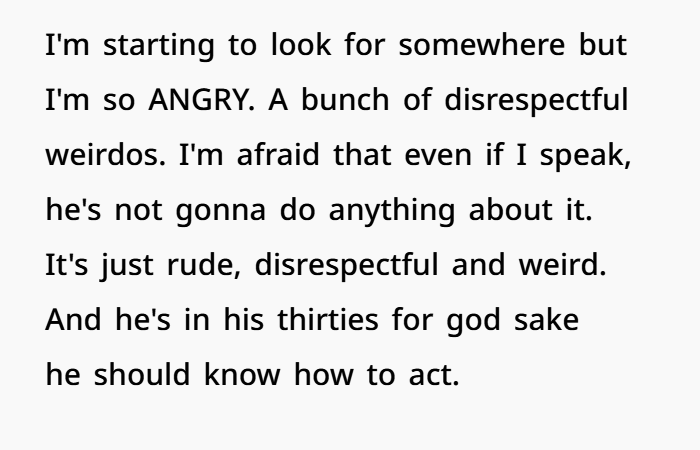
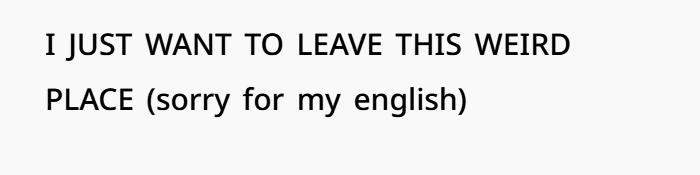
The person dealing with this problem feels stuck because finding a new place to live is not easy. She is renting through a sublease in a difficult housing market, so moving out quickly may not be possible. She worries that speaking up could create more tension without actually solving the problem.
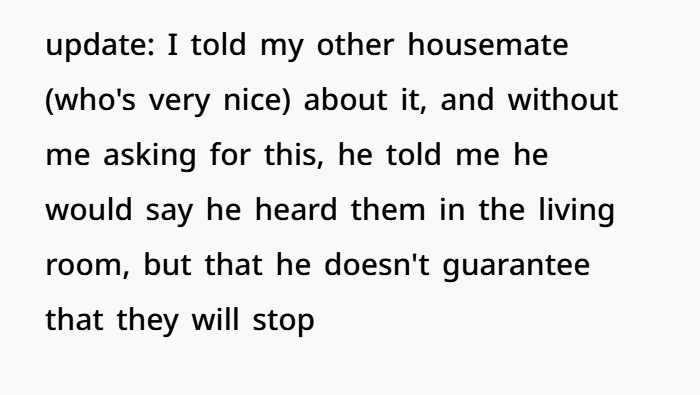
She has also talked with another roommate who understands the situation, but there is still no clear solution. The issue is not only about noise. It is about feeling comfortable, respected, and safe in your own home.
Good roommate relationships often depend on clear communication, shared expectations, and respect for personal boundaries. When problems happen, discussing them calmly or looking into rental agreements and housing rights can help people find a fair solution.
When Roommates Cross Boundaries: Understanding Shared Housing Rules and Respect
Living with roommates can be challenging.
Most problems start with small things:
Noise.
Guests.
Cleaning.
Shared spaces.
But sometimes a roommate situation becomes more serious because it affects your comfort and ability to feel relaxed at home.
This type of problem is not only about being annoyed.
It can involve personal boundaries, shared housing rules, and understanding your rights as a tenant.
The Real Problem Is Not Privacy — It Is Shared Space
Having a private relationship is a normal part of life.
The issue is not that people have a personal life.
The issue is when private behavior happens in a shared area and affects other people living in the home.
A living room, kitchen, or hallway is not the same as a private bedroom.
Common areas are shared spaces that everyone should be able to use comfortably.
When someone uses a shared area in a way that makes others uncomfortable, it can create tension and conflict between roommates.
Why Shared Space Rules Matter
Many rental homes have basic expectations about shared living.
Even when rules are not written down, most roommates expect:
- Respect for quiet hours
- Reasonable noise levels
- Consideration for others
- Proper use of common areas
Some rental agreements may also include rules about noise, disturbances, or behavior that affects other tenants.
The main issue is usually not the activity itself.
The issue is whether someone’s actions are disturbing other people’s ability to enjoy their home.
The Idea of “Quiet Enjoyment”
Many rental agreements include the idea of quiet enjoyment.
This generally means tenants should be able to live in their home without unreasonable disturbances.
The exact rules depend on local laws and the rental agreement.
However, repeated loud noise or behavior that affects other residents may become a concern in some housing situations.
If a problem continues, tenants may look into:
- Their lease agreement
- Local tenant resources
- Property management policies
- Legal advice for renters
Understanding your rights can help you make informed decisions.
Why This Situation Can Feel So Stressful
A home should feel comfortable and safe.
When someone’s behavior repeatedly makes you uncomfortable, it can affect your daily life.
You may feel:
- Stressed
- Frustrated
- Unable to relax
- Uncomfortable using shared areas
For many people, especially those living in shared housing, privacy and personal space are very important.
Feeling uncomfortable in your own home can create emotional stress over time.
Should You Say Something or Stay Quiet?
Many people avoid speaking up because they worry about conflict.
This is especially true when:
- You are renting a room
- The housing market is difficult
- You do not know how the other person will react
However, staying silent can also create more stress.
A calm conversation is often the first step.
Option 1: A Simple Indirect Approach
If direct communication feels uncomfortable, another roommate can sometimes bring up the issue.
For example:
“Hey, just letting you know, sound travels a lot in this apartment.”
This approach can work if the person does not realize how much their behavior is affecting others.
Sometimes people are simply unaware.
Option 2: A Direct but Respectful Conversation
If the problem continues, a calm conversation may be necessary.
The goal is not to attack someone.
The goal is to explain the problem.
A simple message could be:
“Hey, I wanted to mention that noise from the living room can be heard from my room. It is making me uncomfortable. Could you please keep private activities in your room?”
A respectful conversation focuses on the behavior, not the person.
Option 3: Create Clear House Rules
If multiple roommates are involved, it may help to create general house rules.
These rules can cover:
- Noise levels
- Guest behavior
- Shared spaces
- Quiet hours
- Respect for privacy
Making it a group discussion can reduce the feeling that one person is being targeted.
Option 4: Check the Lease or Speak With Management
If the issue continues and affects your ability to live comfortably, checking the lease agreement may help.
Look for information about:
- Noise complaints
- Shared areas
- Tenant responsibilities
- Disturbance policies
If needed, property management may be able to explain available options.
The best approach is usually to document problems calmly and communicate clearly.
Option 5: Finding a New Place
Sometimes the best solution is leaving.
Moving is not always a failure.
A living situation may simply no longer be healthy or comfortable.
Finding a new home can be a reasonable choice if:
- Your boundaries are repeatedly ignored
- You feel uncomfortable in your own space
- Communication has not helped
Your home should support your well-being.
The Bigger Lesson About Roommate Relationships
Shared housing requires more than splitting rent and bills.
It requires:
- Respect
- Communication
- Consideration
- Understanding personal boundaries
Small issues can become major conflicts when people ignore how their actions affect others.
A good roommate relationship is not about being perfect.
It is about making sure everyone feels comfortable and respected.
At the end of the day, home should be a place where you can relax.
Everyone deserves a living environment where they feel safe, comfortable, and respected.
Readers’ Comments Speak Out