Wife Stunned as Husband Urges Her To Give In to His Mom’s Baby Name Choice to Keep the Peace

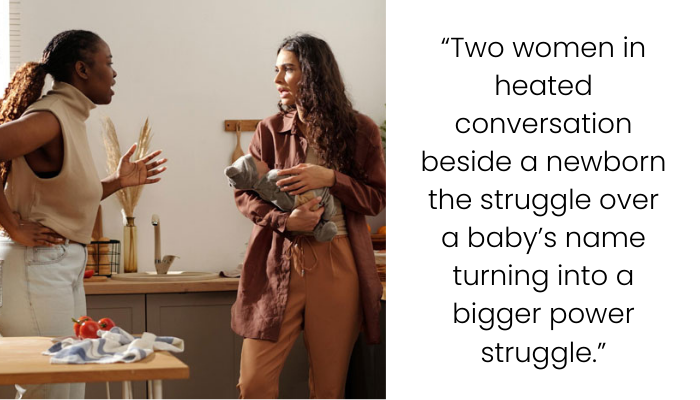
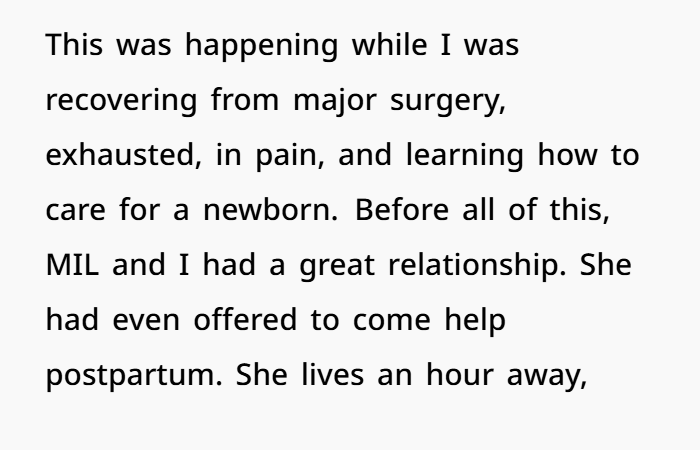
A new mother shared a difficult experience after the birth of her baby. She had a challenging delivery that included an early birth, an emergency C-section, and a difficult recovery. During a time when she wanted to focus on bonding with her daughter, she found herself dealing with family conflict over the baby’s name.
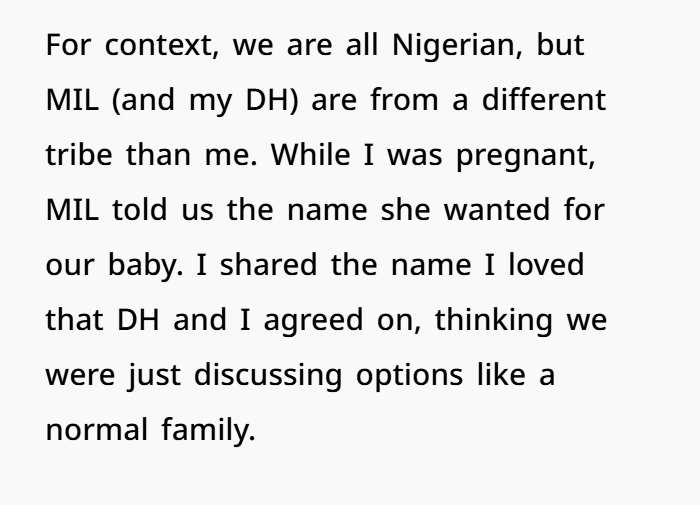
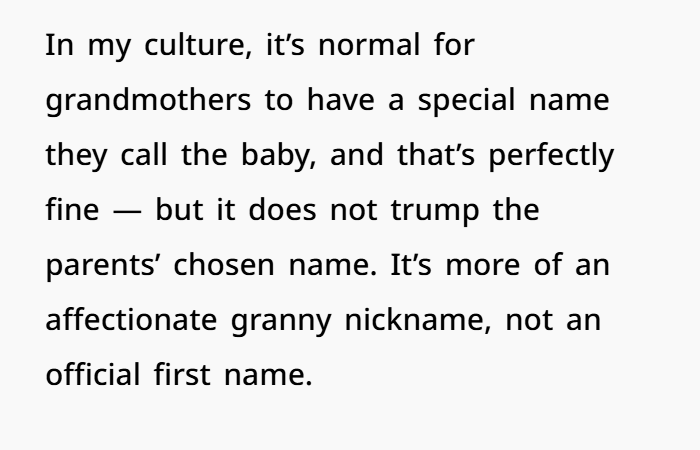
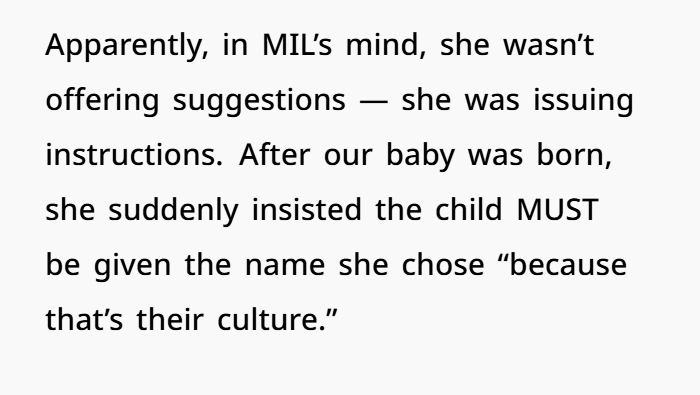
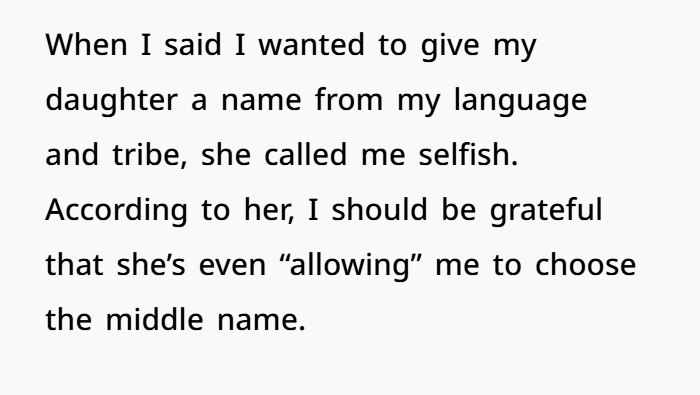
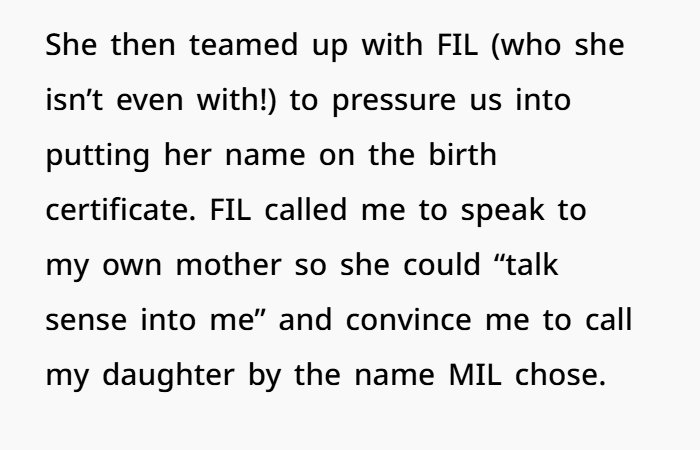
Her mother-in-law strongly wanted the baby to have a name she chose and said it was important because of their family culture. The mother disagreed because she also wanted to honor her own background and choose a name that had meaning to her. When she shared her feelings, she was called selfish.
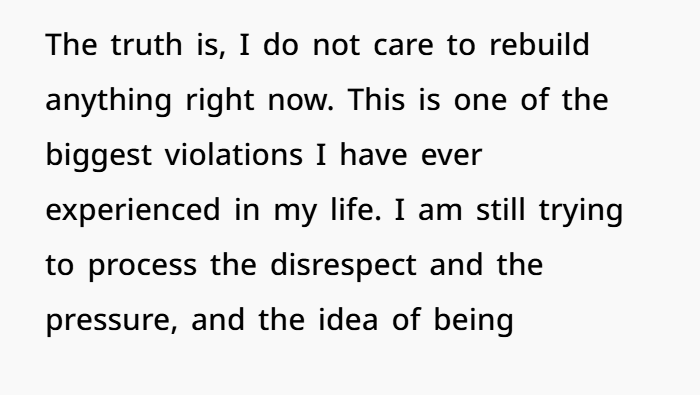
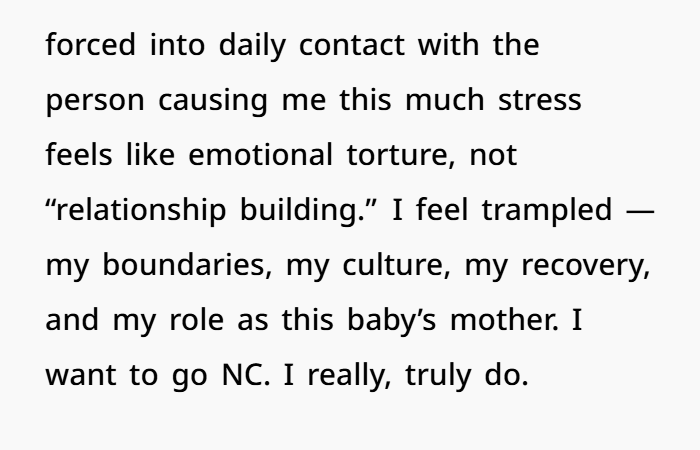
The disagreement became more stressful when other family members got involved. Her father-in-law contacted her family, and her husband asked her to agree just to avoid arguments. At the same time, she felt that her mother-in-law was crossing personal boundaries by expecting frequent updates and constant access to the baby.
The new mother now feels overwhelmed and unsure how to handle the situation. She wants to protect her relationship with her family while also making sure her own choices, cultural values, and role as a parent are respected. The situation shows how important communication, healthy boundaries, and mutual respect are during major life changes like becoming a parent.
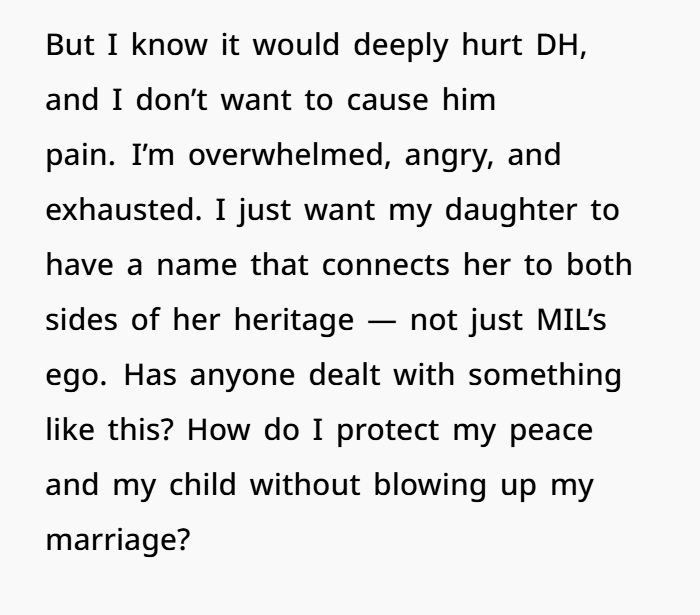
Just two days after an emergency C-section, a new mom’s mother-in-law demanded the right to name the baby



When Grandparents Pressure Parents About Baby Names: How to Set Healthy Boundaries
Choosing a baby name is one of the most personal decisions parents make. A name is not just a word. It can represent family history, culture, identity, values, and the hopes parents have for their child.
Because baby names carry so much meaning, disagreements can become emotional, especially when grandparents or other family members have strong opinions.
Many families have beautiful naming traditions. Older family members may suggest names, share cultural meanings, or take part in naming ceremonies. These traditions can create a strong connection between generations.
However, there is an important difference between sharing a tradition and taking control of the decision.
Cultural Traditions Should Include Respect and Choice
Culture and family heritage are important parts of many children’s identities. Grandparents often want to pass down meaningful names, family stories, or traditions.
It is understandable that a grandmother may feel excited about choosing a name or continuing a family tradition. However, parents usually make the final decision because they are the ones who will raise the child and guide their identity.
A cultural tradition can be a beautiful suggestion, but it should not become pressure or a demand.
A respectful approach allows everyone to share ideas while still respecting the parents’ wishes.
Who Should Decide a Baby’s Name?
Parents and grandparents often have different roles.
Grandparents can offer advice, share family history, and suggest meaningful names. Their experience and opinions can be valuable.
But choosing the baby’s official name is generally a decision for the parents.
A baby’s name will appear on important documents, be used at school, and become part of the child’s identity for life. That is why parents usually need to feel comfortable and connected to the choice.
When another family member tries to make the decision without agreement, it can create stress and conflict.
Why Baby Name Pressure Feels So Difficult After Birth
The period after having a baby can be physically and emotionally challenging. New mothers often need time to recover, adjust to new routines, and bond with their baby.
If you are already recovering from a difficult pregnancy or birth experience, extra pressure from family members can feel overwhelming.
A situation that started as support can sometimes turn into control.
For example, a family member may offer help after the baby arrives, but later start making decisions, giving unwanted advice, or expecting their opinions to be followed.
This can leave new parents feeling like their choices are not being respected.
Feeling Unsupported by Your Partner
A partner’s support is extremely important during the early stages of parenthood.
Sometimes one partner avoids conflict with their own family because they do not want arguments. While this may come from a good place, it can leave the other partner feeling alone.
When it comes to major parenting decisions, couples usually need to work together and communicate clearly.
Your partner does not have to disrespect their parents, but they should help create healthy boundaries and support the decisions you make together.
A strong partnership means facing difficult conversations as a team.
How to Handle a Controlling Mother-in-Law About Baby Names
If a family member is putting pressure on you about your baby’s name, calm and clear communication can help.
Start by talking with your partner privately.
Ask questions like:
- What name do we both want for our child?
- Which traditions are meaningful to us?
- How can we respect both families without giving up our choice?
Once you agree as parents, communicate the decision together.
A united approach can prevent misunderstandings and reduce family tension.
Consider a Compromise If It Feels Right
Some families choose to include both sides of the family through a middle name or additional name.
For example, parents may choose their preferred first name while using a meaningful cultural name as a middle name.
This can be a wonderful way to honour family traditions without giving away the parents’ main choice.
However, a compromise should only happen if both parents genuinely want it. It should not come from pressure or guilt.
Set Boundaries Around Help and Communication
Family support after having a baby can be valuable, but parents also need privacy and time to adjust.
If a grandparent wants frequent updates, daily video calls, or constant involvement, it is okay to create a routine that works for you.
You might say:
“We love that you want to be involved. We would like to have regular family time while also having quiet time to adjust as new parents.”
Clear boundaries do not mean you do not love your family. They simply create a healthier relationship.
Ask Family Members to Support in Helpful Ways
Sometimes people who want to help simply need direction.
Instead of allowing someone to take over decisions, give them specific ways they can support you.
Helpful examples may include:
- Preparing meals
- Helping with household tasks
- Spending time with the baby while parents rest
- Sharing family stories and traditions
Support feels better when it respects the parents’ choices.
Protect Your Emotional Health as a New Parent
The early months of parenting can be exhausting. Stress, lack of sleep, and family disagreements can make the experience harder.
Make sure you have your own support system, whether that includes your partner, friends, relatives, or a parenting support group.
Your feelings matter. If you feel constantly overwhelmed, talking with a qualified professional can also be helpful.
Remember Your Role as a Parent
You are allowed to make decisions for your child.
Respecting family traditions does not mean giving up your own voice.
A child can learn about both sides of their heritage while still having parents who make thoughtful choices about their future.
Healthy family relationships are built on love, respect, and communication — not pressure.
A Simple Way to Talk to Your Mother-in-Law
You can keep the conversation kind but firm:
“I really appreciate how much you love our baby and how meaningful this name is to you. We understand why it matters. After discussing it together, we have decided on the name we feel is right for our child. We would love to include our family traditions in other ways, and we appreciate your support as we start this new chapter.”
This approach shows respect while protecting your role as parents.
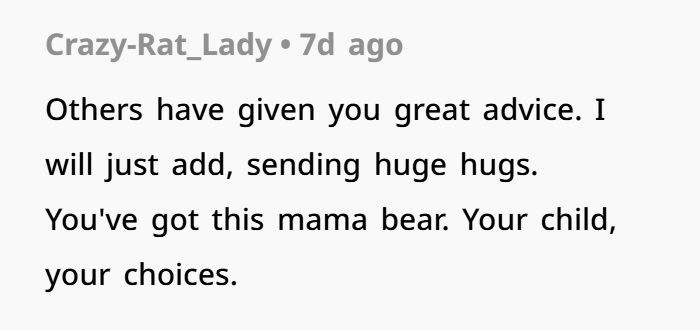
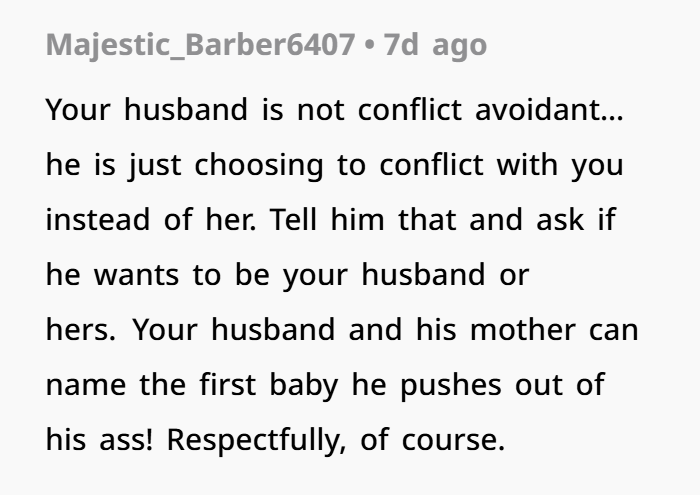
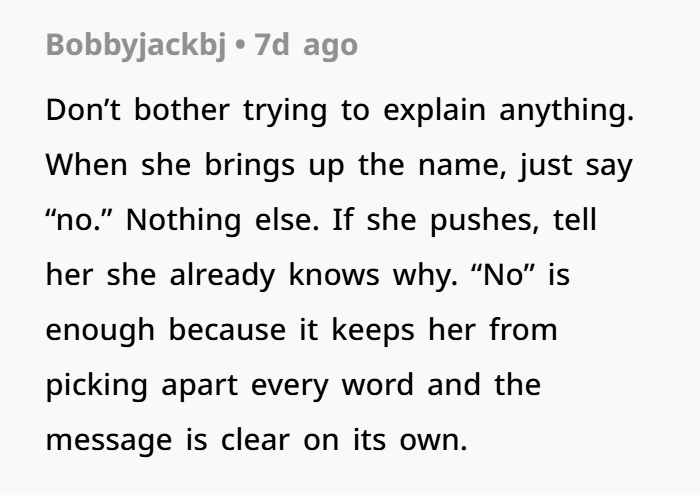
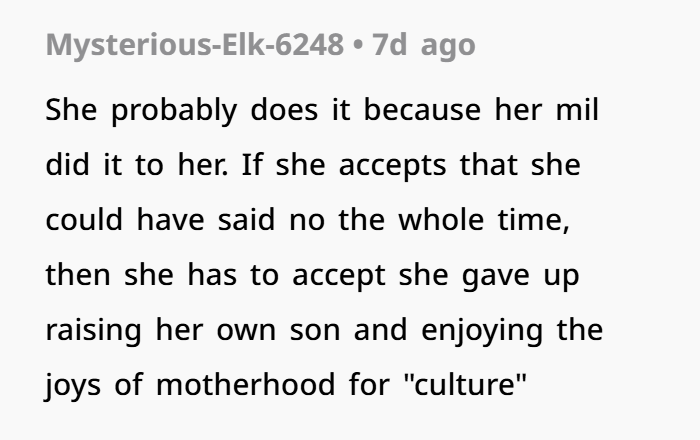
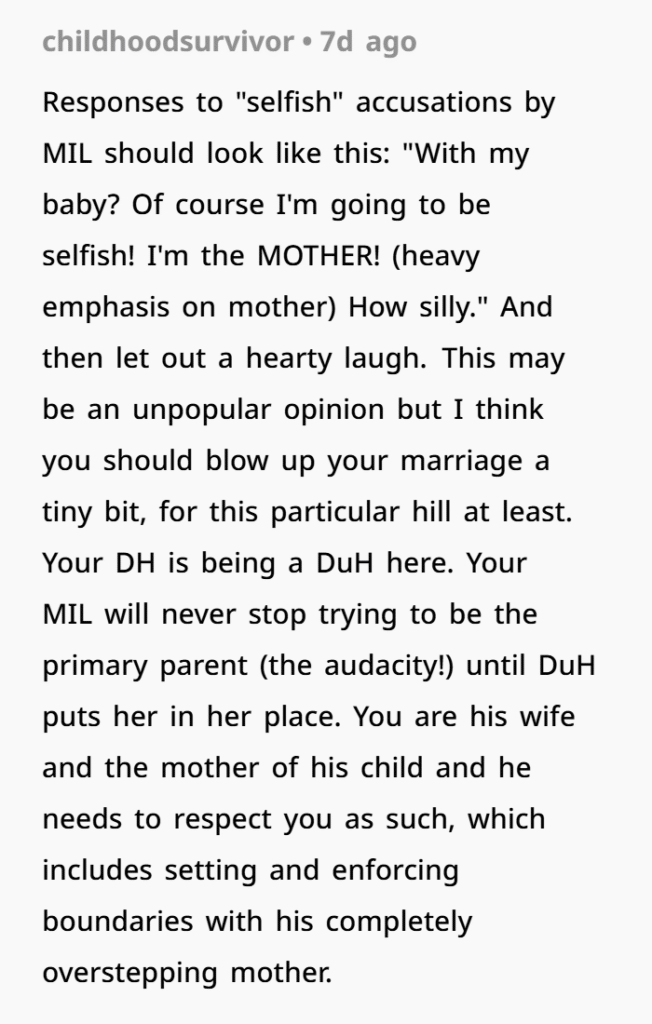
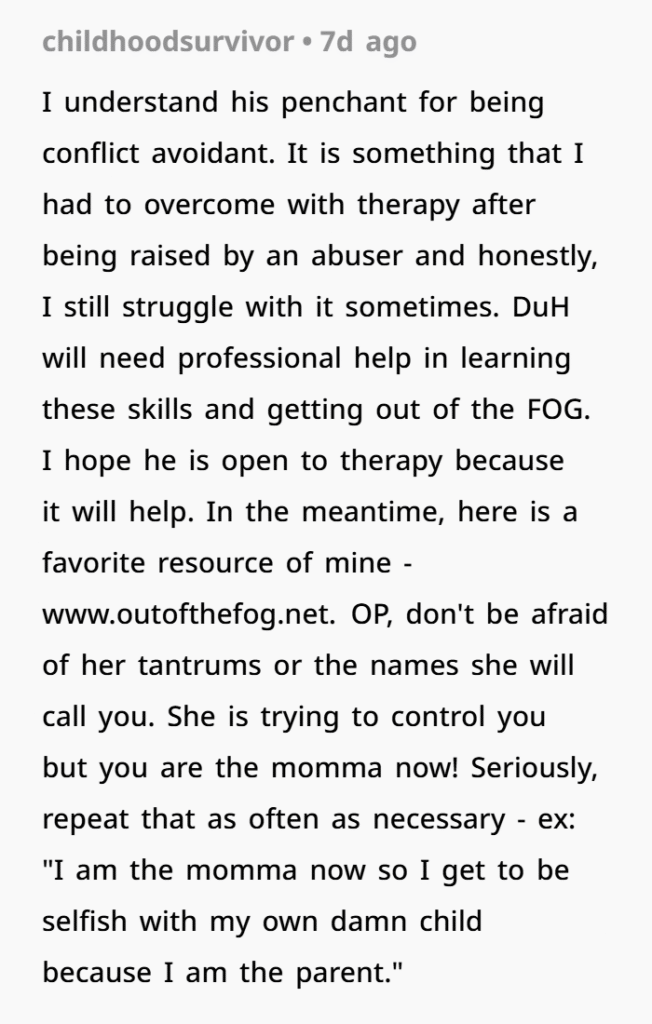
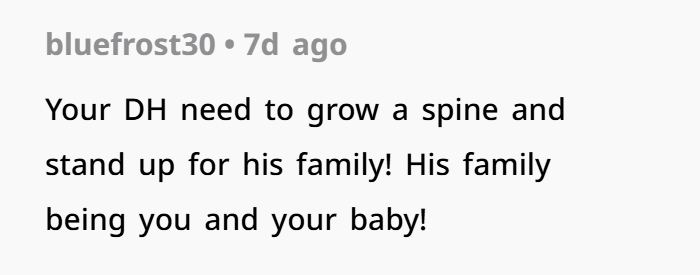
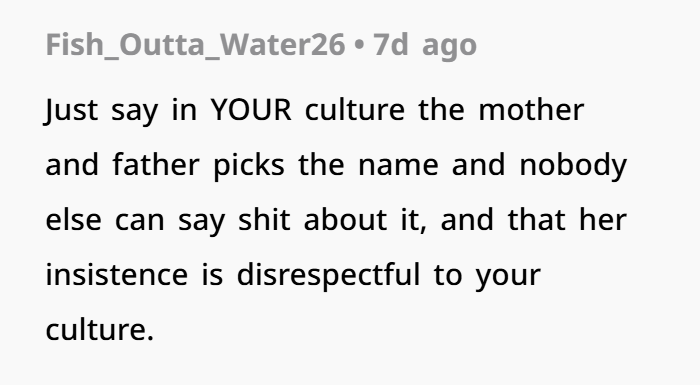
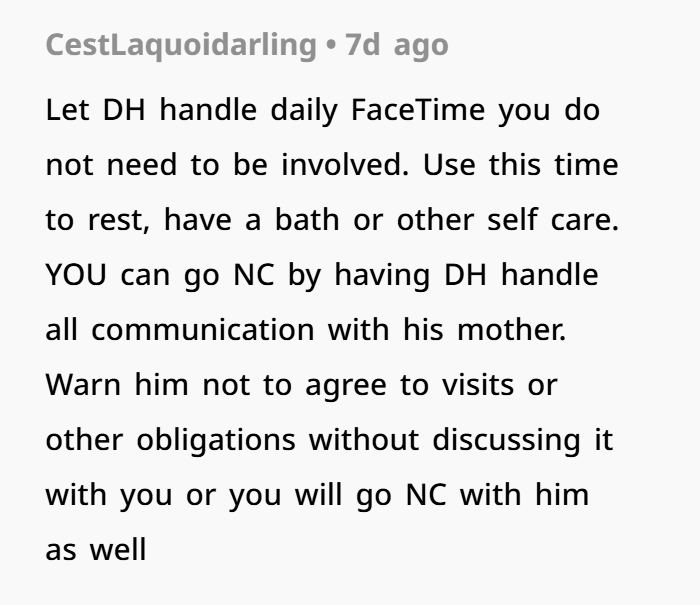
The internet unanimously stands behind the mother, urging her husband to stand up for her, too
Final Thoughts
Baby name disagreements with grandparents can be emotional because they involve love, culture, and family expectations.
Grandparents can have an important place in a child’s life, but parents need the freedom to make important decisions.
Setting boundaries around baby names, postpartum support, and parenting choices is not selfish. It is part of creating a healthy family environment.
A child benefits most when they are surrounded by family members who respect each other and work together with love.