He Said No to Being Her “Man of Honor” — Then His Coworker Completely Lost It

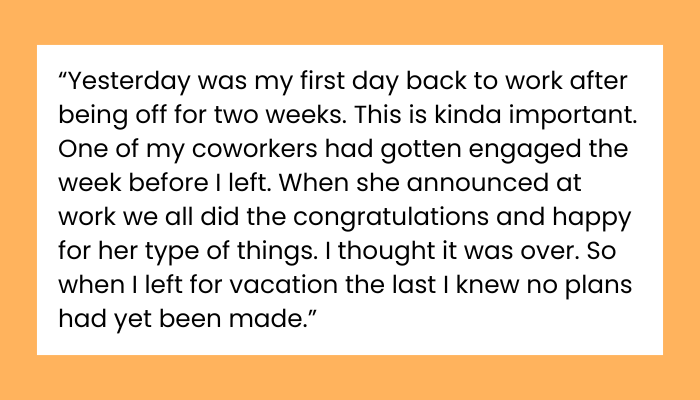
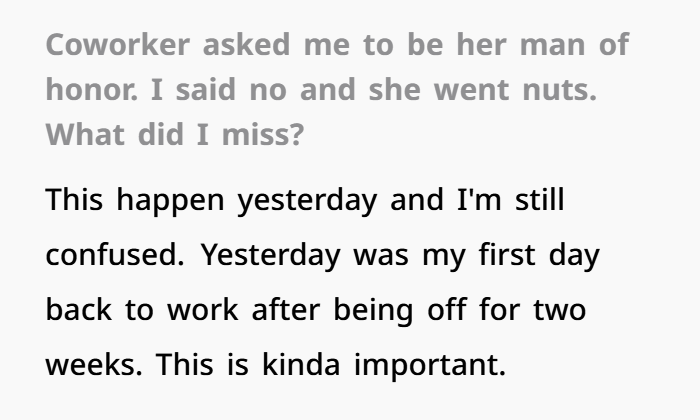
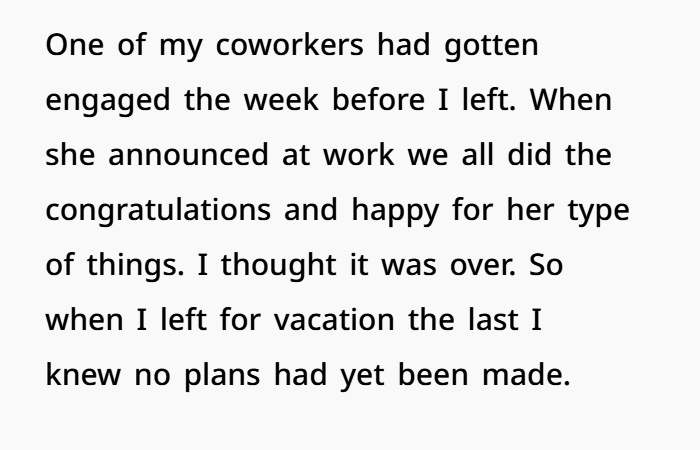
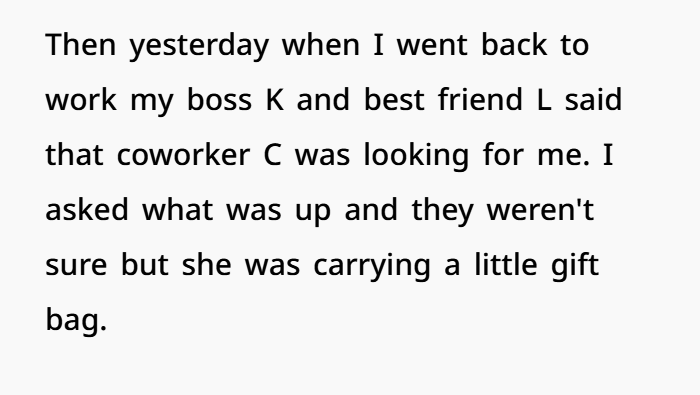
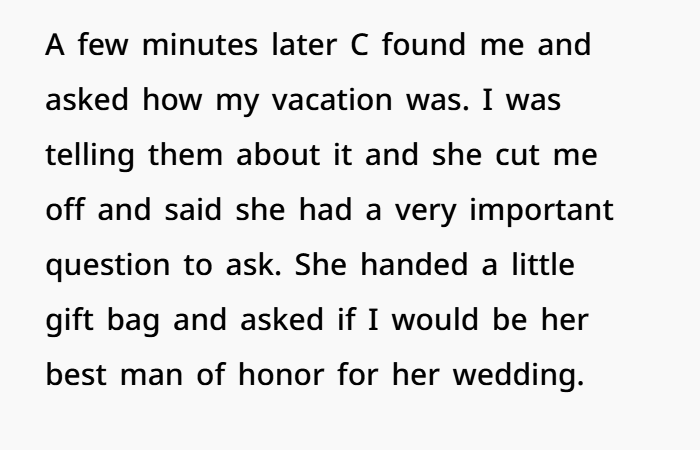
A nurse shared a surprising experience about an uncomfortable situation with a coworker. After returning to work from a two-week vacation, he expected normal conversations with his hospital team. Instead, a coworker he was not very close with gave him a gift and asked him to be the “man of honor” at her wedding.
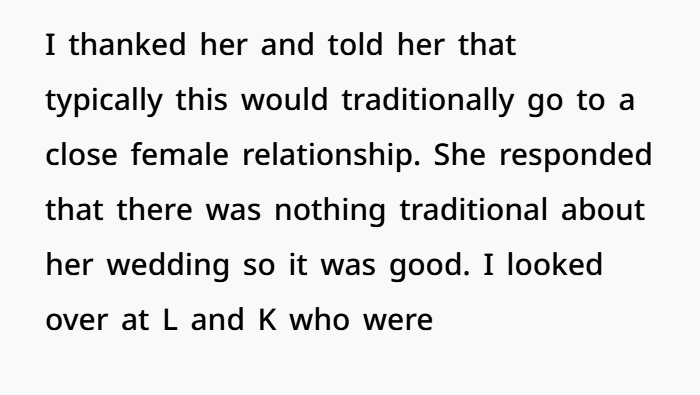
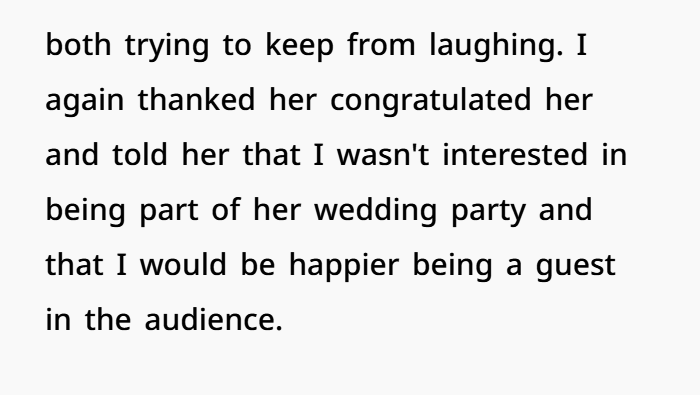
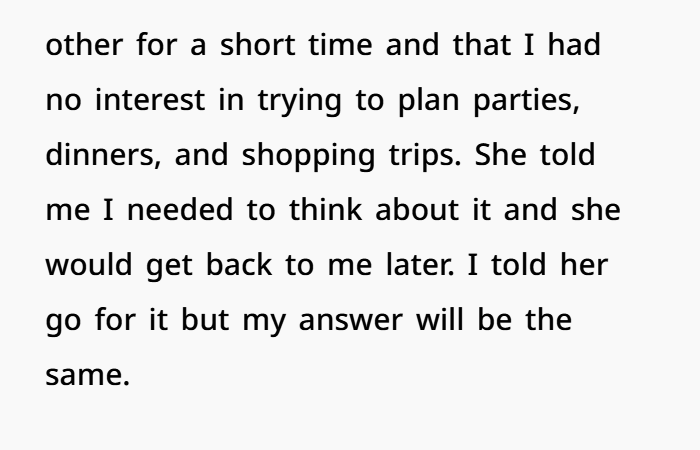
At first, he thought the offer was kind, but he was surprised because they were not close friends outside of work. They had only worked together for about six months and did not spend much personal time together. He politely declined the role, believing the situation would end there.
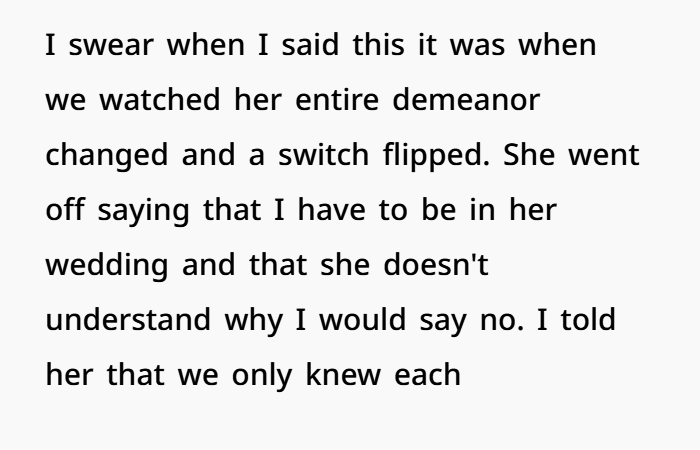
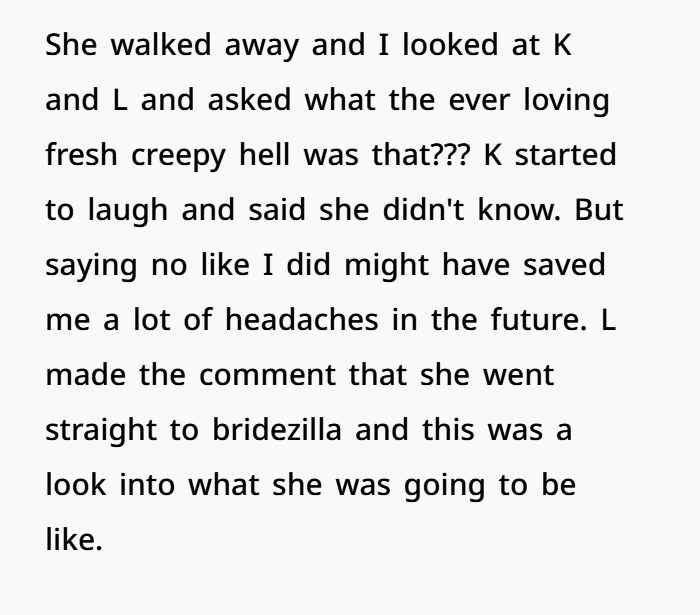
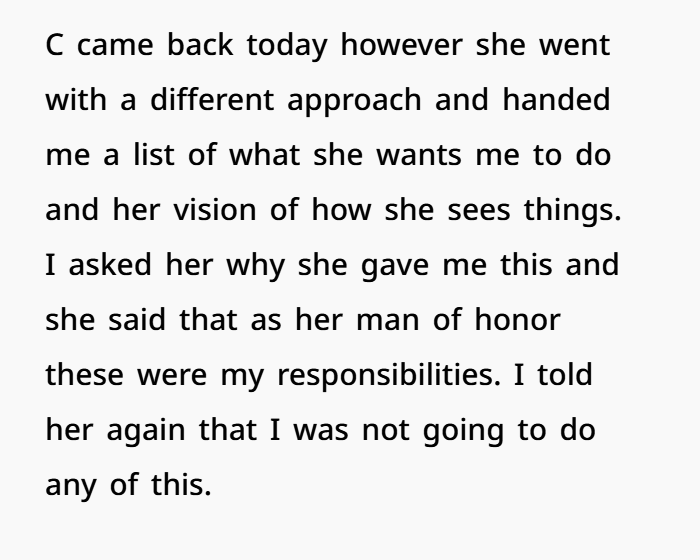
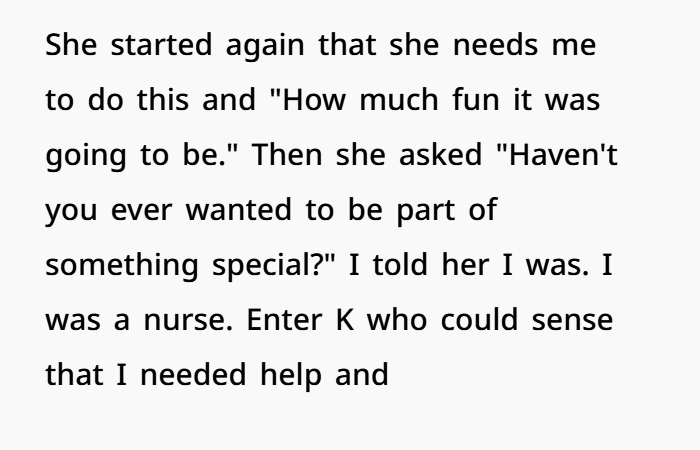
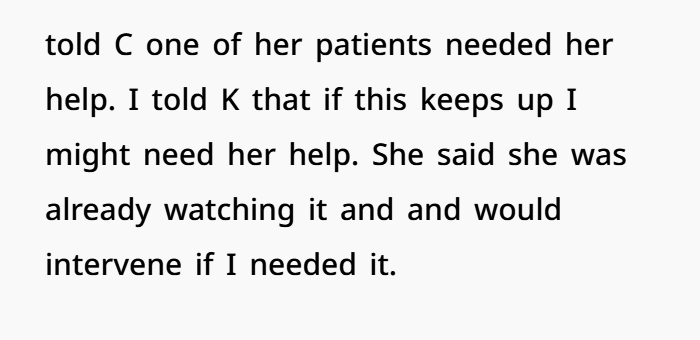
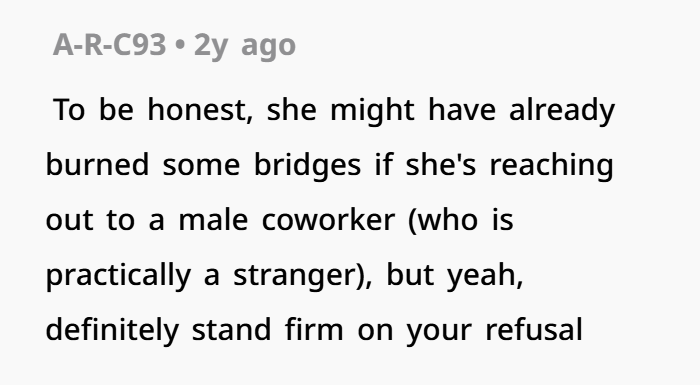
However, his coworker became upset and had a strong reaction. She expected him to accept the role and later shared a list of wedding responsibilities she wanted him to handle. The situation became uncomfortable because the conversation involved other coworkers and happened in their workplace.
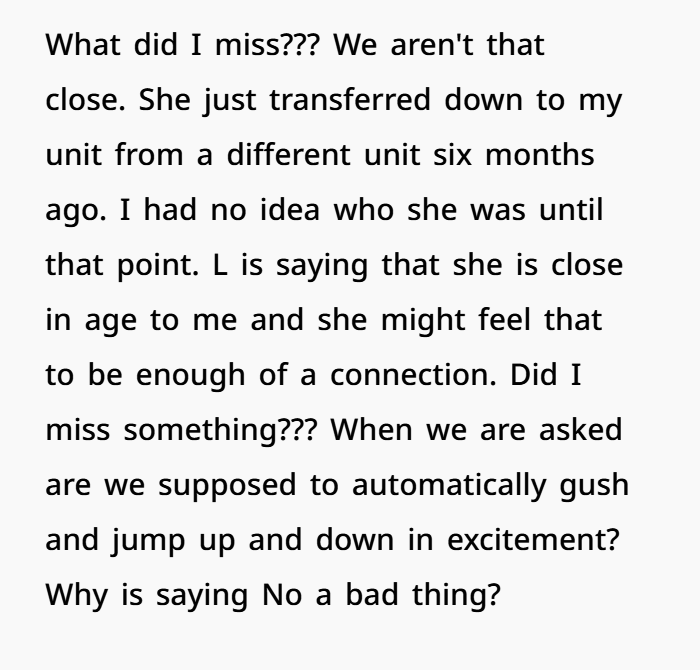
The nurse started wondering if he had done something wrong by setting a personal boundary. The experience raised questions about workplace friendships, professional relationships, and how employees should handle personal requests from coworkers.
This story shows why clear communication and healthy workplace boundaries are important. Employees can be friendly while still keeping professional limits. Respecting personal choices and maintaining a positive work environment can help prevent unnecessary workplace stress.

Why Saying No to a Wedding Role Does Not Make Someone Rude
At first, this story may seem like it is about a wedding. But the bigger issue is really about personal boundaries, workplace relationships, and respecting someone’s choices.
Many people supported the nurse in this situation because saying no to being part of a wedding party is not wrong. Someone can feel disappointed, but disappointment does not mean another person should be pressured into saying yes.
The problem was not the invitation. The problem was what happened after the answer was given.
A Coworker Is Not Always a Close Friend
Working with someone does not automatically mean you have a deep personal friendship.
Healthcare workers often build strong connections because they work long hours, handle stressful situations, and support each other during difficult moments.
However, there is still a difference between:
- A workplace friendship
- A close personal friendship
- A lifelong relationship
A role like maid of honor, best man, or another important wedding position is usually given to someone very close, such as a family member or longtime friend.
A coworker can be important without being part of someone’s closest circle.
Wedding Roles Can Be a Big Responsibility
Being in a wedding party is not always a simple favor.
It can involve:
- Wedding events
- Travel expenses
- Special clothing
- Gifts
- Planning responsibilities
- Time away from work
- Emotional energy
For someone working in a demanding career, these responsibilities may feel overwhelming.
Healthcare jobs can already involve long hours, stress, and emotional pressure. It is reasonable for someone to decide they do not have the time or energy for extra commitments.
Why Respecting a “No” Matters
A healthy relationship requires respect for personal boundaries.
When someone declines an invitation, the respectful response is to accept the answer.
A person may say no because of:
- Time limitations
- Financial concerns
- Personal priorities
- Work responsibilities
- Comfort level
A refusal does not mean someone dislikes you. It simply means they are making a choice that works for their own life.
When Asking Turns Into Pressure
The situation became uncomfortable when the coworker continued pushing after receiving an answer.
Explaining why someone should accept can sometimes create pressure instead of a friendly conversation.
Comments that make someone feel guilty, such as suggesting they do not care or are missing something important, can make the other person feel responsible for someone else’s emotions.
People should be able to make personal decisions without feeling forced.
Keeping Workplace Relationships Professional
Workplaces can become difficult when personal disagreements start affecting daily work.
This is especially true in healthcare settings, where employees need to focus on teamwork and patient care.
Professional workplaces should encourage:
- Respectful communication
- Healthy boundaries
- Cooperation
- A comfortable work environment
If personal situations begin creating tension, managers may need to step in and help keep things professional.
Why Weddings Can Create Strong Emotions
Weddings are meaningful events, but they can also create stress.
Many people put a lot of pressure on weddings because of:
- Family expectations
- Financial costs
- Social media comparisons
- Desire for a perfect event
Sometimes this pressure can cause people to become overly emotional or expect too much from others.
Understanding stress can explain certain behaviors, but it does not excuse ignoring another person’s boundaries.
Handling Rejection in a Healthy Way
Being told no can feel disappointing.
However, emotionally healthy responses include:
- Accepting the answer
- Respecting the other person’s choice
- Finding another solution
- Moving forward without resentment
A person’s decision not to participate in a wedding does not define the value of the relationship.
The Importance of Personal Boundaries
Boundaries are an important part of healthy relationships.
They allow people to protect:
- Their time
- Their money
- Their energy
- Their personal comfort
Respecting boundaries helps build trust and prevents unnecessary conflict.
Comments You Can’t Miss
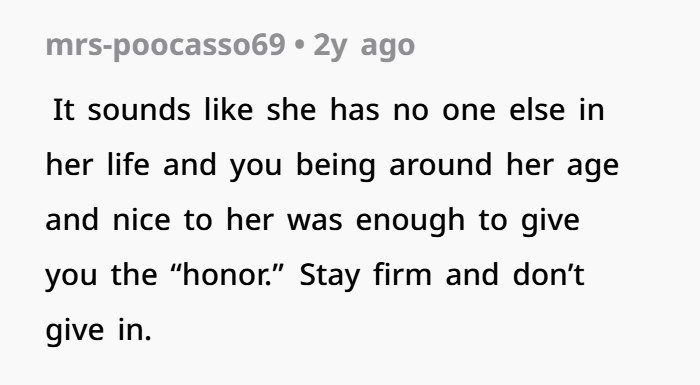
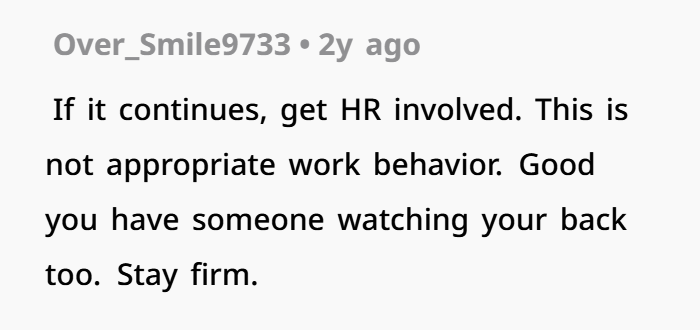
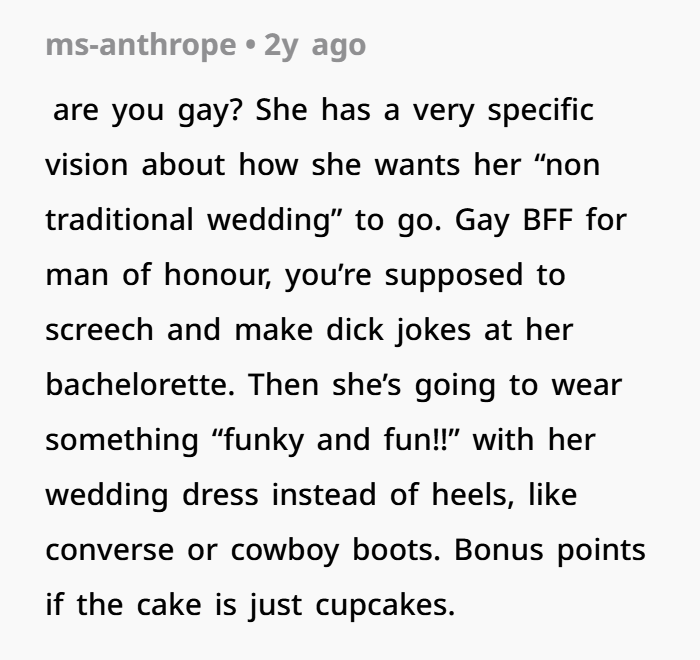
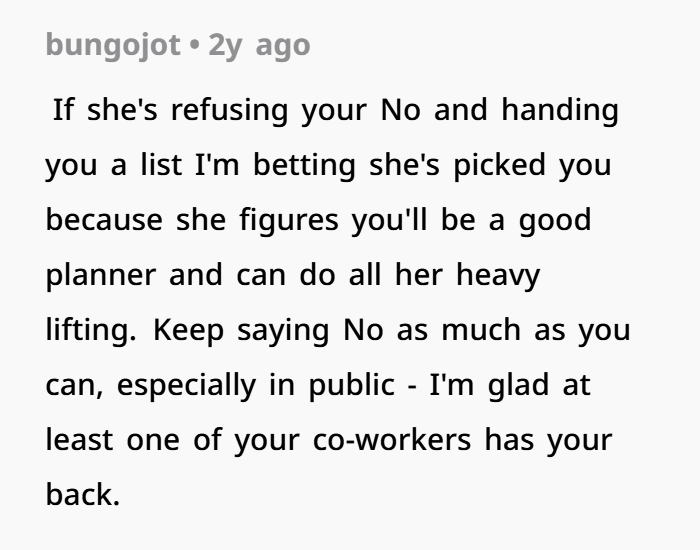
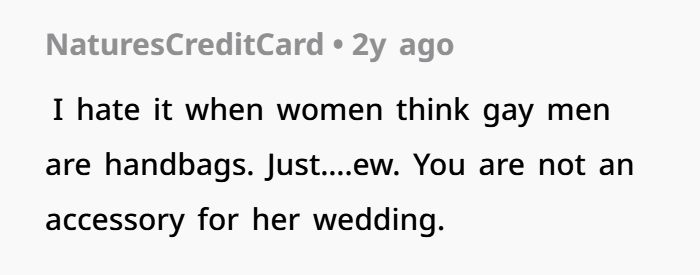
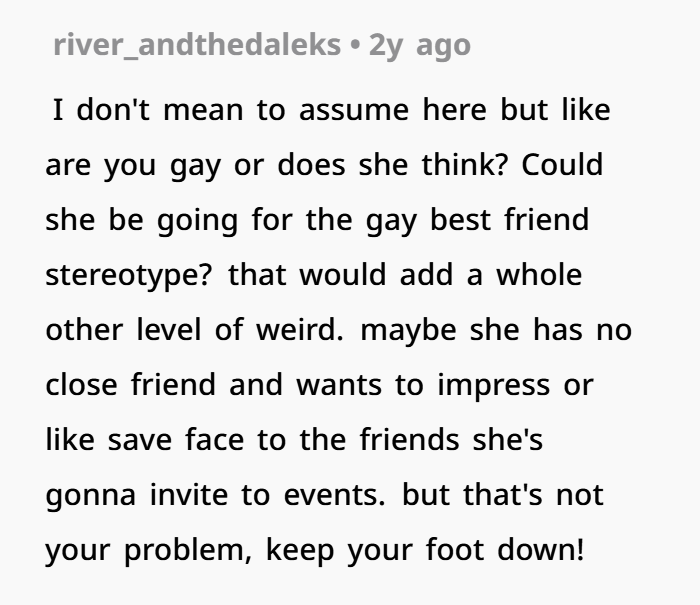
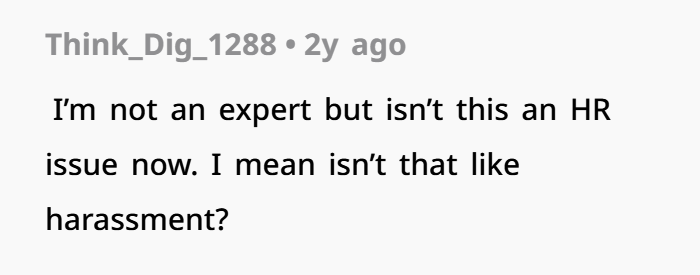
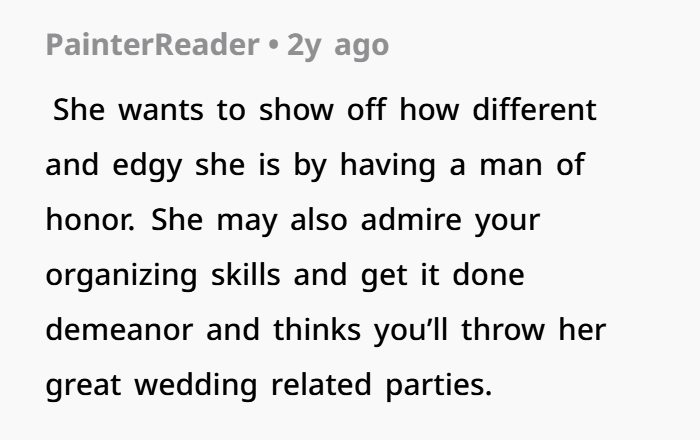

Final Thoughts
The nurse in this situation was not wrong for saying no. Joining a wedding party is a personal choice, not an obligation.
A respectful invitation allows the other person to decide freely. A respectful friendship also accepts that decision.
The biggest lesson is simple: people should be allowed to set boundaries without feeling guilty.
Good relationships are built on respect, understanding, and the ability to accept each other’s choices.