Strangers Took My Beach Chairs and Cooler, Then Told Me “Finders Keepers”

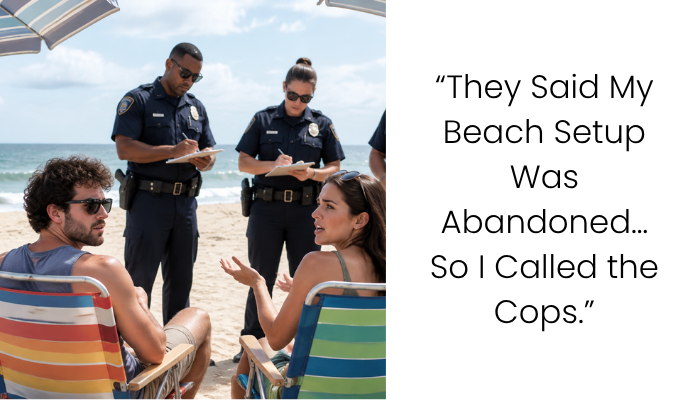
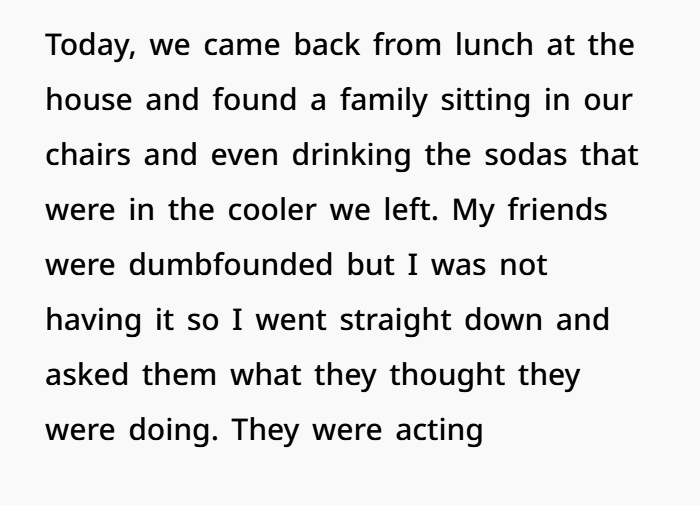
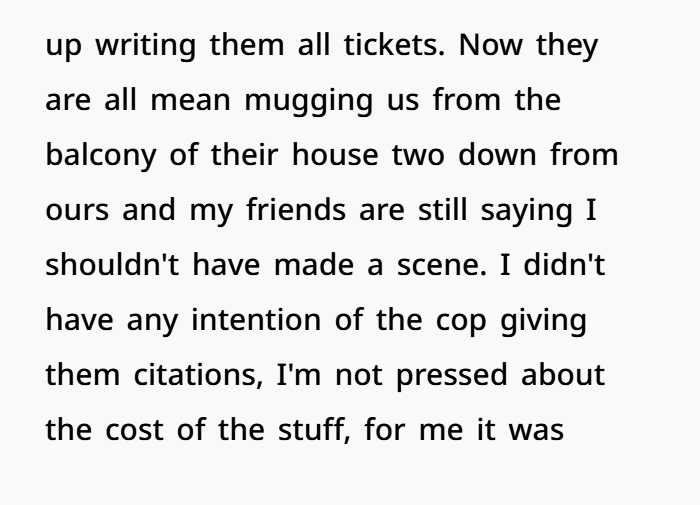
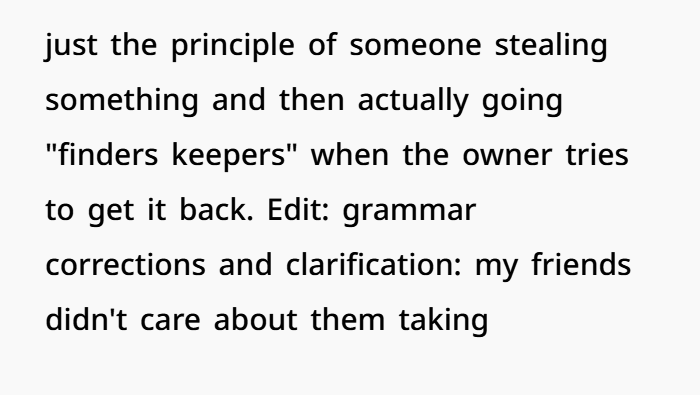
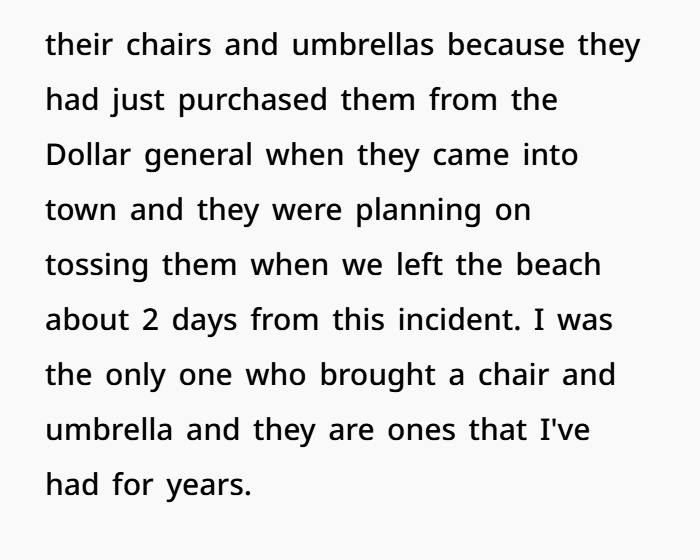
A disagreement happened at a quiet beach during an off-season vacation. The narrator was visiting with friends and staying in a nearby rental home. Since the beach was only a short walk away, they created a routine of leaving their beach chairs, umbrella, and cooler on the sand while going back for lunch. They believed their personal items were safe because the area was mostly empty.
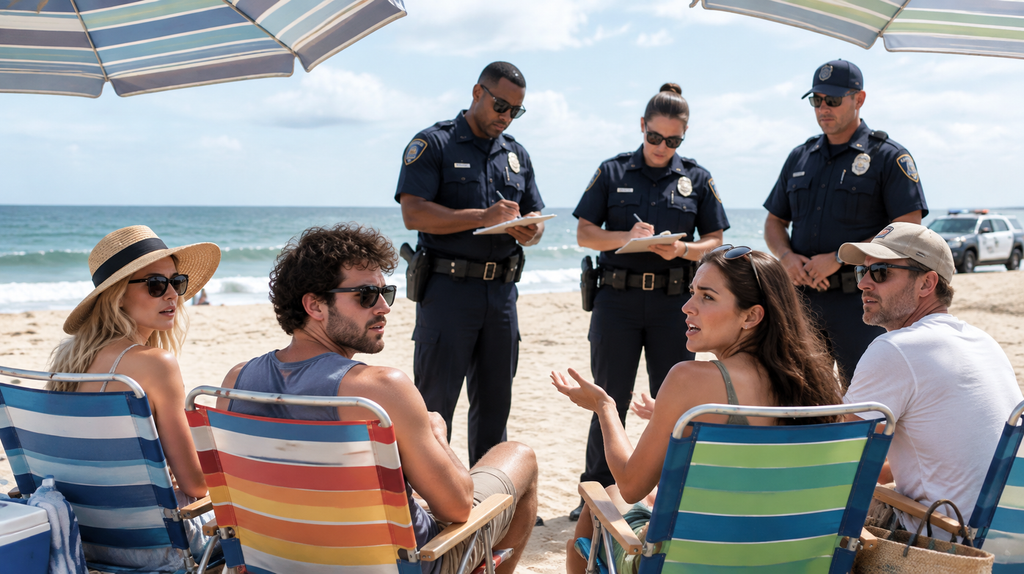
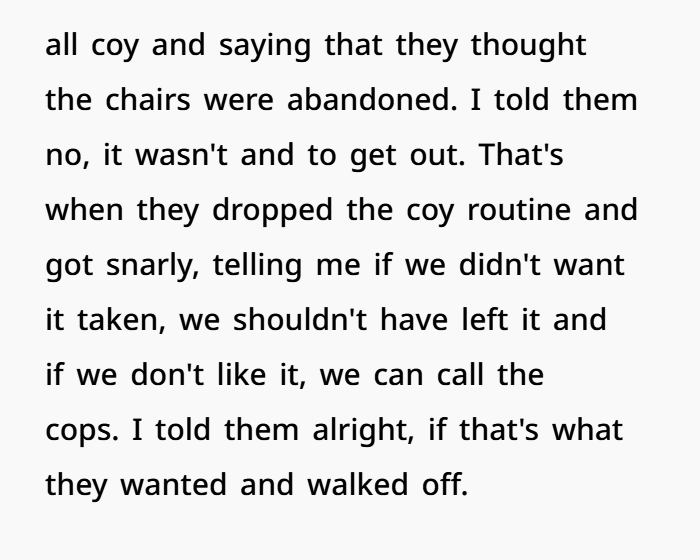
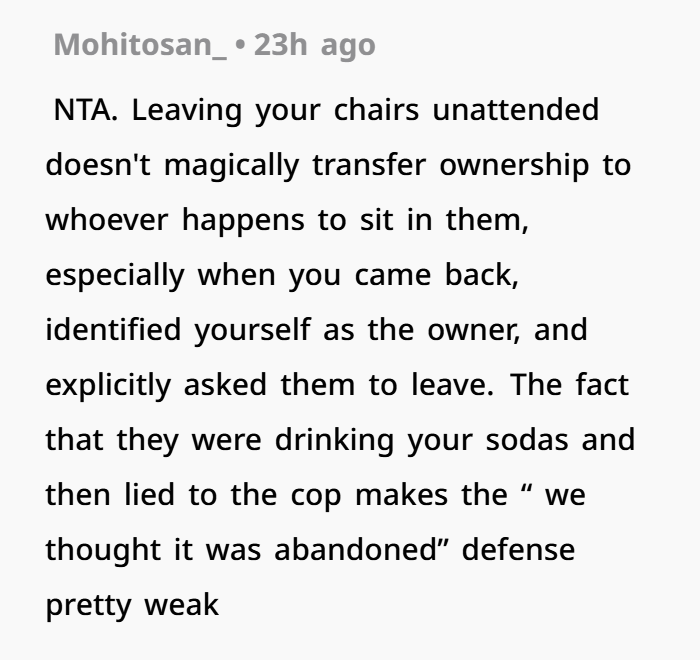
One day, when they returned to the beach, they found another family using their belongings. The family was sitting in their chairs and using items from the cooler. The family said they thought the beach setup had been left behind and was no longer wanted. However, the conversation became tense when the owners asked them to return the items.
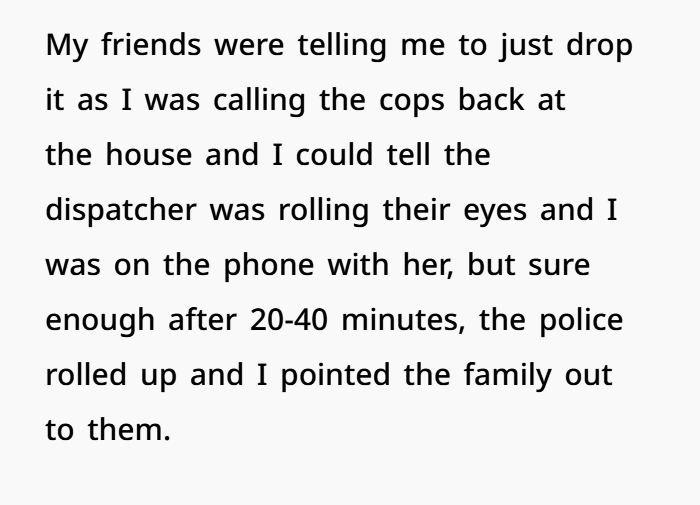
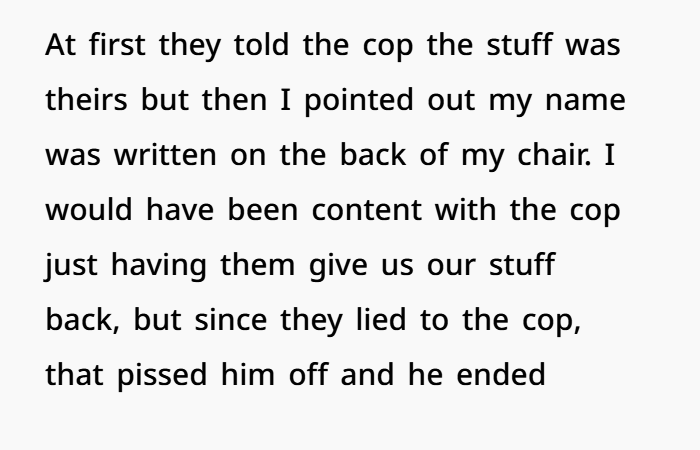
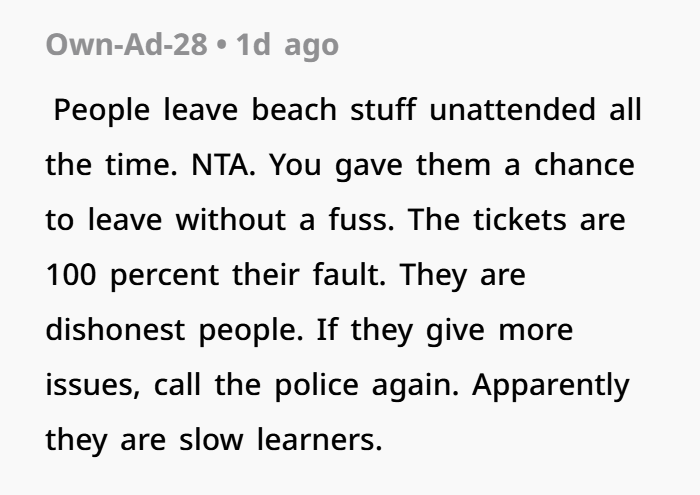
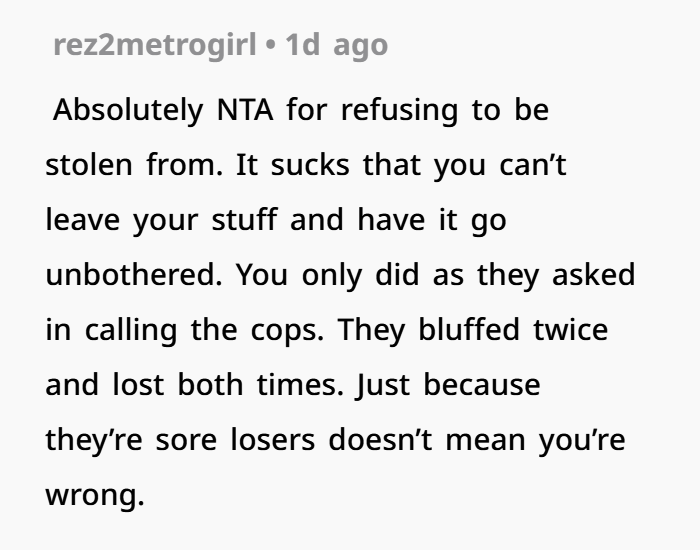
The family argued that people should not leave personal belongings unattended if they do not want others to take them. They also said the owners could contact the police if they disagreed. The narrator decided to report the situation and ask for help. During the discussion, the family first claimed the items were theirs, but the narrator was able to show identifying details on the beach chair.
The authorities helped return the belongings to the owners and the family received citations for their actions. The narrator felt they were protecting their personal property and setting a clear boundary. Some friends, however, believed the situation could have been solved through a simple conversation. The incident showed why clear communication and respect for other people’s belongings are important.
Abandoned Property: Understanding Ownership and the Finders Keepers Idea
Many people know the phrase “finders keepers” and believe that finding something means they can keep it. However, ownership is not always that simple.
When someone leaves an item somewhere, it does not automatically mean they have abandoned it. The most important question is whether the owner truly planned to give it up or if they simply left it there for a short time.
This topic often comes up with personal belongings left in public places like beaches, parks, and other shared areas.
Leaving Something Behind Does Not Always Mean It Is Abandoned
A person may leave a beach chair, umbrella, bag, or cooler in one spot while they go for lunch, take a walk, or spend time nearby.
They may still plan to come back.
An item is usually considered abandoned when the owner no longer wants it and has no intention of returning for it.
For example, leaving an old broken chair behind at the end of a trip is different from leaving a chair on the beach while taking a short break.
The situation around the item matters.
Different Types of Personal Property
When people talk about lost or abandoned items, there are usually three common situations:
Lost Property
Lost property is something a person accidentally loses.
Examples include losing a wallet, phone, sunglasses, or another personal item without knowing where it went.
Forgotten or Misplaced Property
Sometimes people put an item somewhere on purpose but forget to take it with them later.
For example, someone may leave a bag near a seat and walk away without remembering it.
Abandoned Property
Abandoned property is something a person intentionally leaves behind because they no longer want it.
The key difference is the owner’s intention. A person must usually show that they gave up their connection to the item.
Why the Situation Around the Item Matters
When deciding whether something looks abandoned, people often look at the details.
Some things that may matter include:
- How long the item has been left there
- Whether the area suggests temporary use
- Whether personal belongings are nearby
- Whether there are signs someone plans to return
- Whether the owner can be identified
For example, a beach chair next to a cooler, towel, and personal items may suggest that someone is still using the area.
A single item left alone for several days may create a different impression.
Public Spaces and Personal Belongings
Beaches, parks, and other outdoor areas are shared public spaces. Because of this, many locations have rules about leaving personal belongings unattended.
Some places may restrict leaving chairs, umbrellas, or other equipment overnight. These rules help:
- Keep public areas clean
- Make maintenance easier
- Prevent safety problems
- Make sure public spaces remain available for everyone
However, a person briefly stepping away during the day is usually different from leaving items behind for a long time.
Why Quick Assumptions Can Create Problems
A person who finds an unattended item may think it has been abandoned. However, taking someone’s belongings without knowing the full situation can lead to disagreements.
Before removing or keeping an item, it is better to consider whether the owner may return.
If possible, people can:
- Look for contact information
- Ask nearby people if they know the owner
- Report valuable items to the proper authorities
These simple steps can help avoid unnecessary conflicts.
When Ownership Disputes Become More Serious
Sometimes a small misunderstanding can become a bigger issue when people disagree about who owns an item.
There is a difference between saying, “I found this item,” and claiming ownership without clear proof.
Property disputes can become more complicated when incorrect information is shared with others or with authorities.
The best approach is to stay calm, communicate clearly, and focus on finding a fair solution.
Respecting Belongings in Shared Spaces
Public areas work better when people respect each other’s personal belongings.
Many people follow a simple rule: do not take unattended items unless there is a clear reason to believe they have truly been abandoned.
At the same time, people using public spaces should also take responsibility for their belongings. Leaving valuable items unattended for long periods can increase the chance of confusion, loss, or disputes.
How to Prevent Property Conflicts
A few simple steps can help protect personal items:
- Add your name or contact details to valuable belongings
- Avoid leaving items unattended for extended periods
- Learn local rules for beaches and public areas
- Communicate clearly when sharing public spaces
- Ask for help if you find something valuable
Small actions can prevent bigger problems.
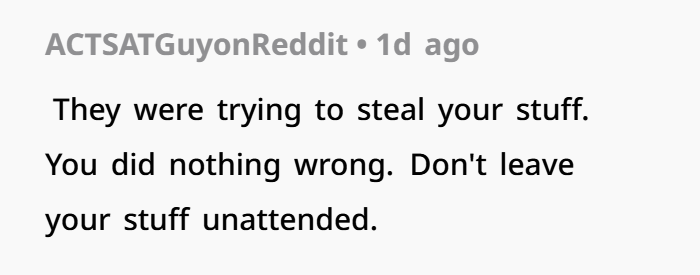
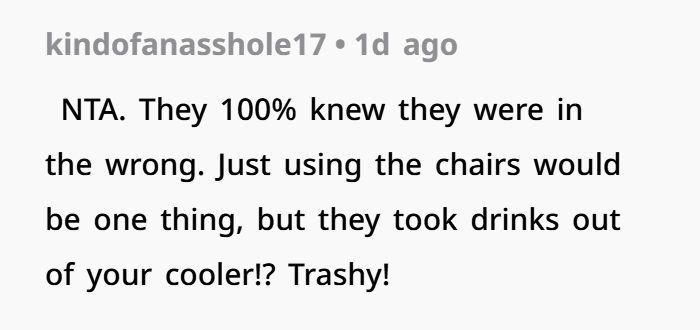
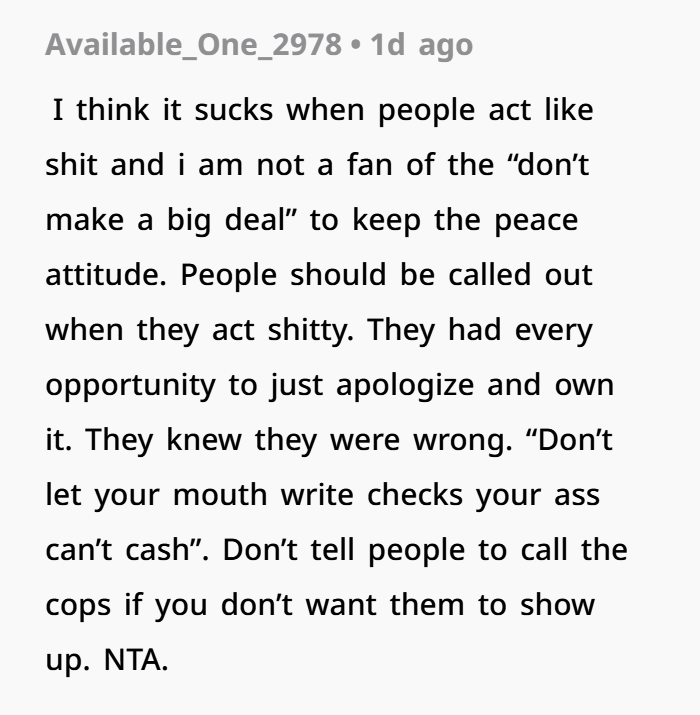
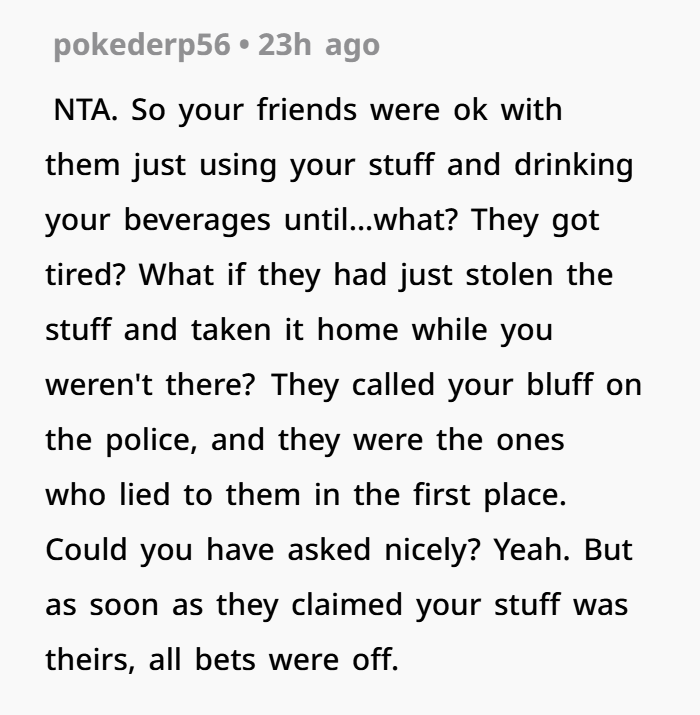
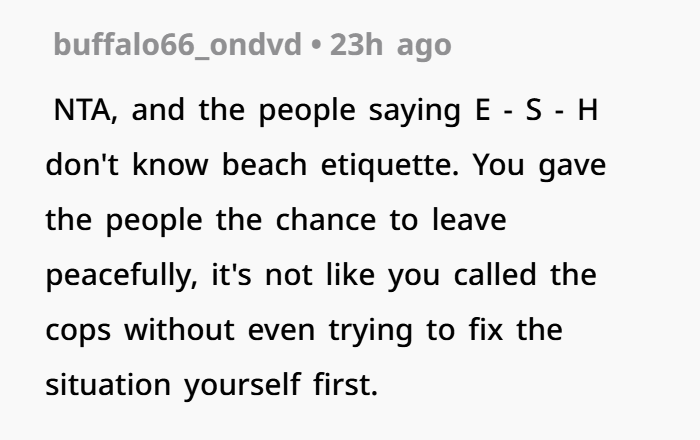
Readers’ Comments Speak Out
Final Thoughts
The idea of “finders keepers” sounds simple, but real-life ownership questions are often more complicated.
An item left in a public place is not automatically abandoned. The owner’s intention, the situation, and the length of time the item has been left behind all matter.
Respecting personal property rights, following public space rules, and communicating clearly can help prevent conflicts and create a safer experience for everyone.