My Husband Chose His Adult Kids After a False CPS Report — Did I Waste My Life?

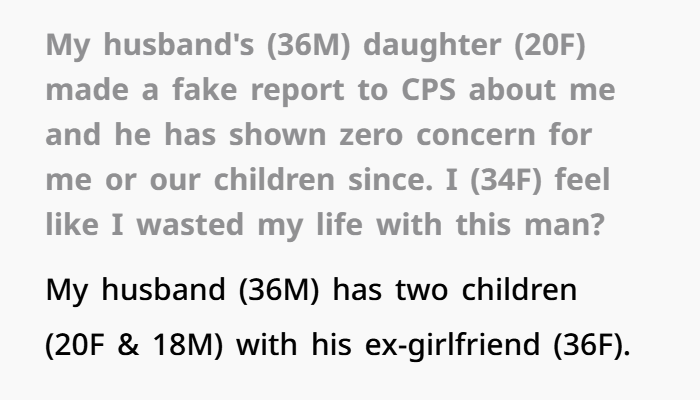
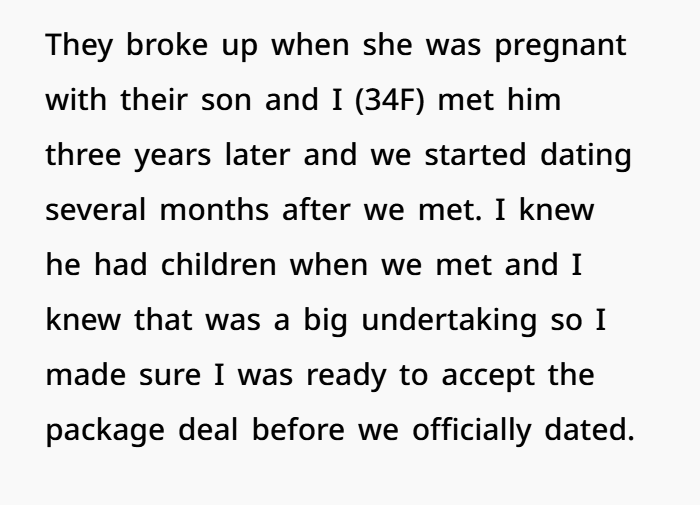
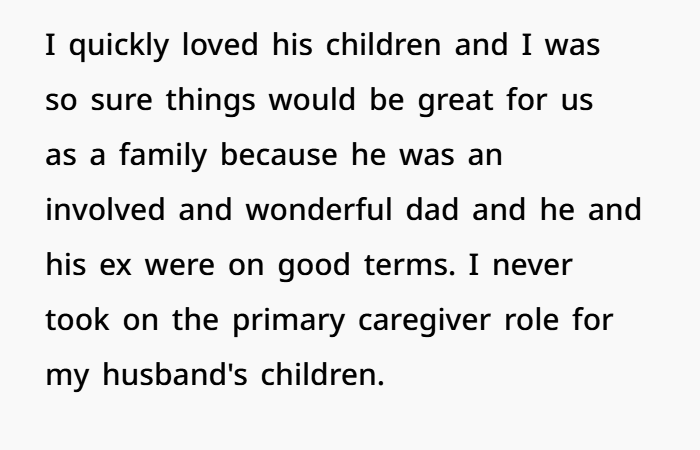
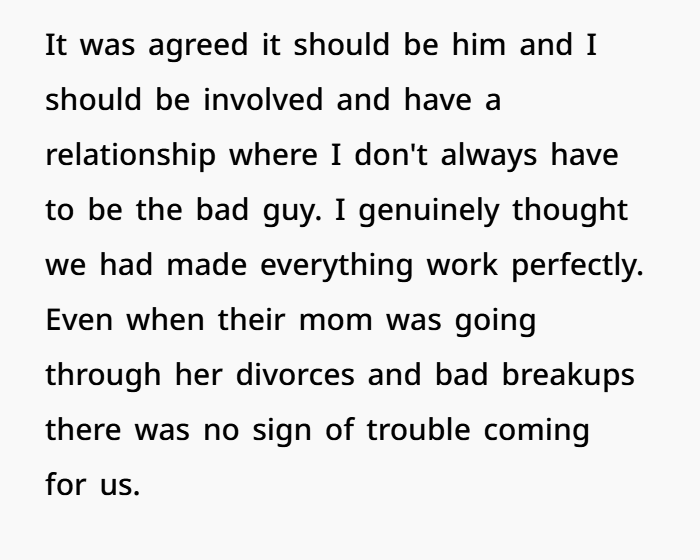
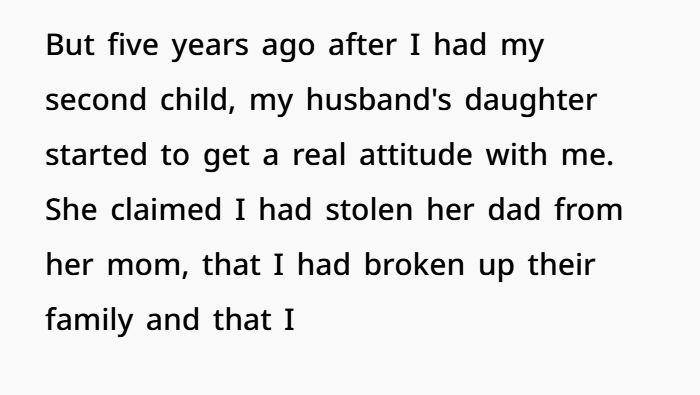
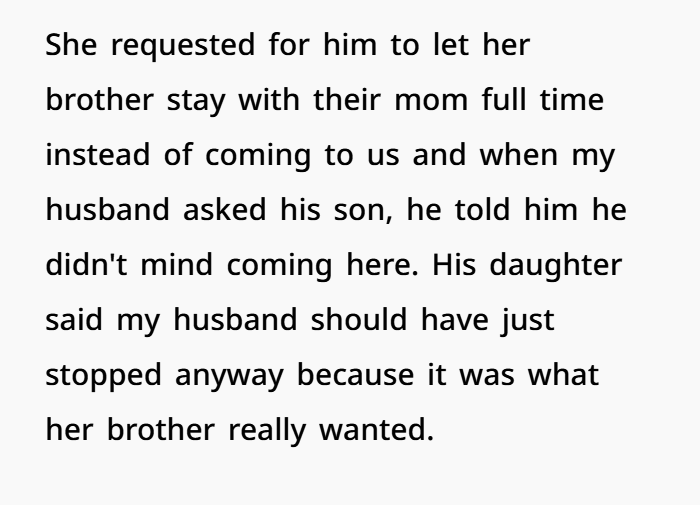
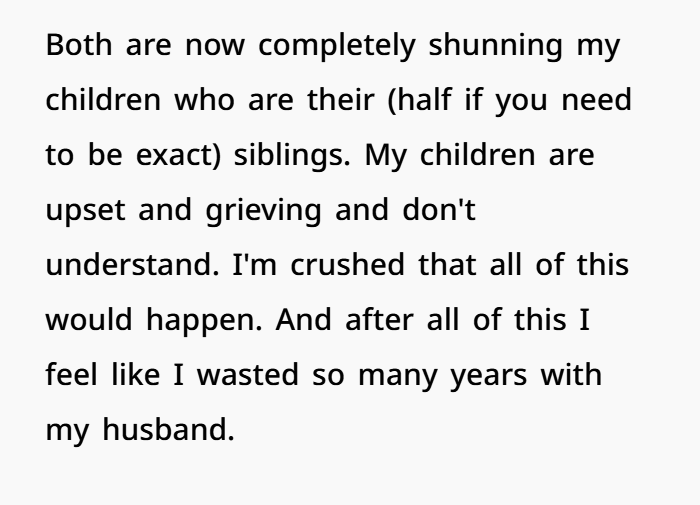
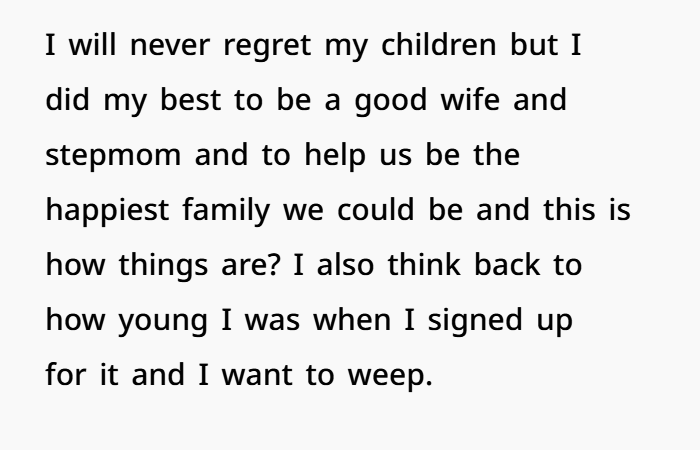
A woman opened up about the painful experience of watching her blended family struggle. She entered the marriage knowing she would become a stepmother and wanted to build a meaningful relationship with her husband’s children. She shared that she spent years trying to show love, care, and support.
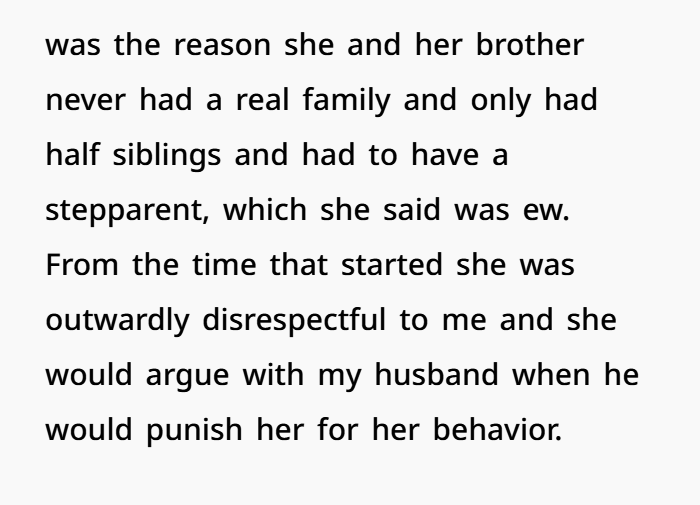
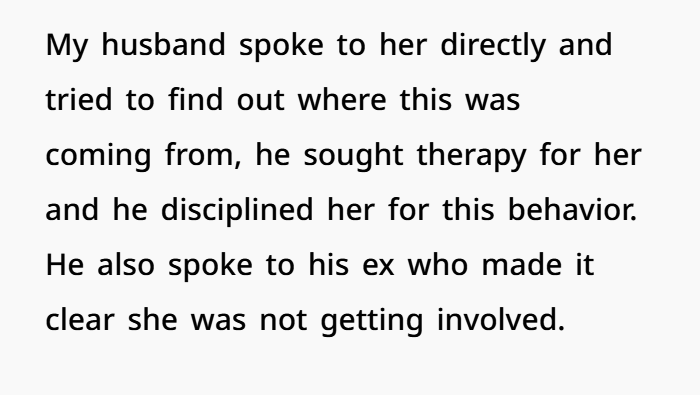
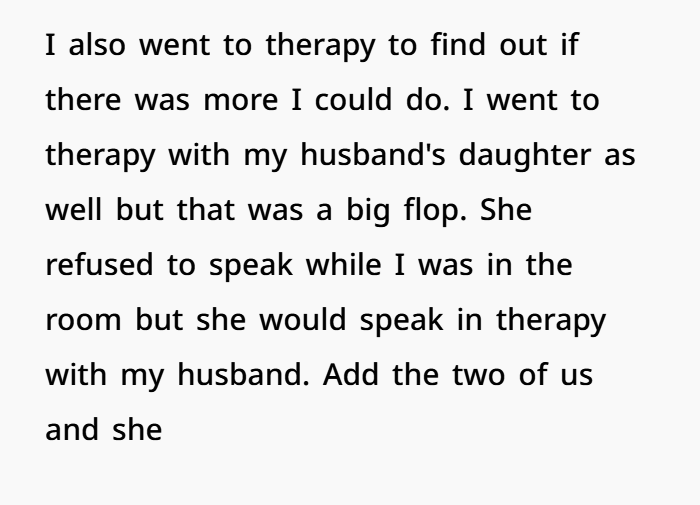
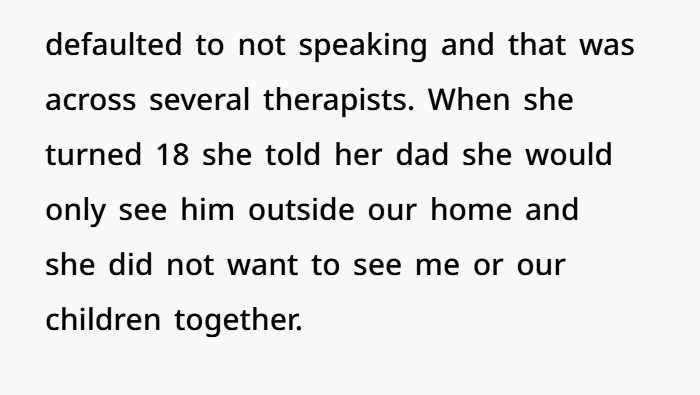
According to her story, family relationships became harder with time. She says there were ongoing disagreements and emotional challenges that affected the household. She tried different ways to improve things, including patience, understanding, and seeking help through family counseling.
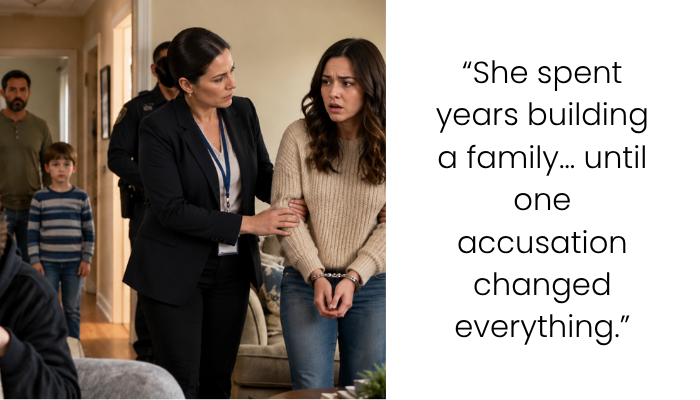
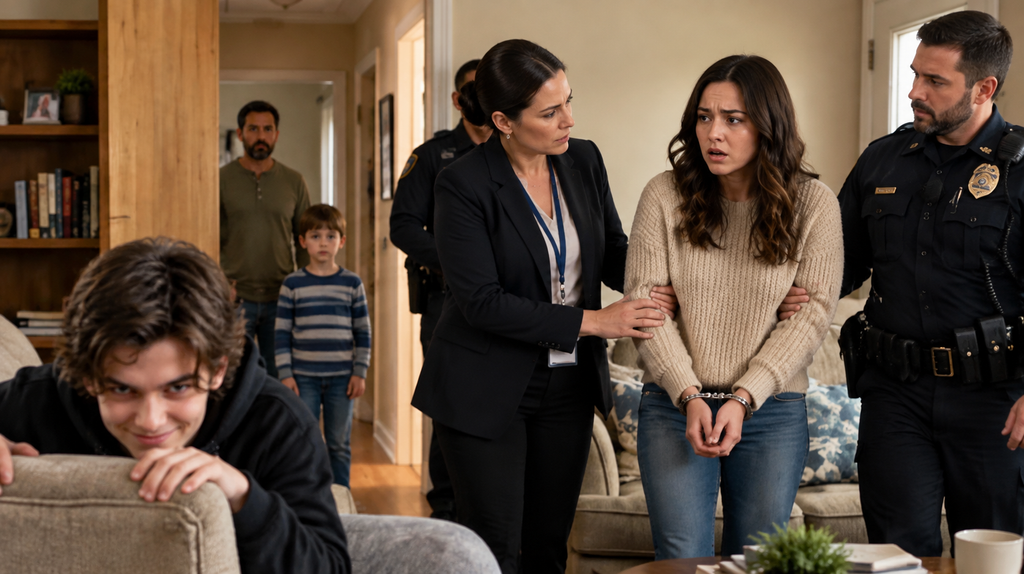
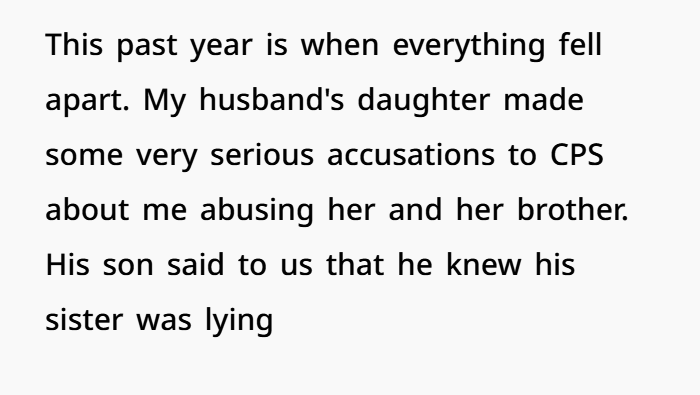
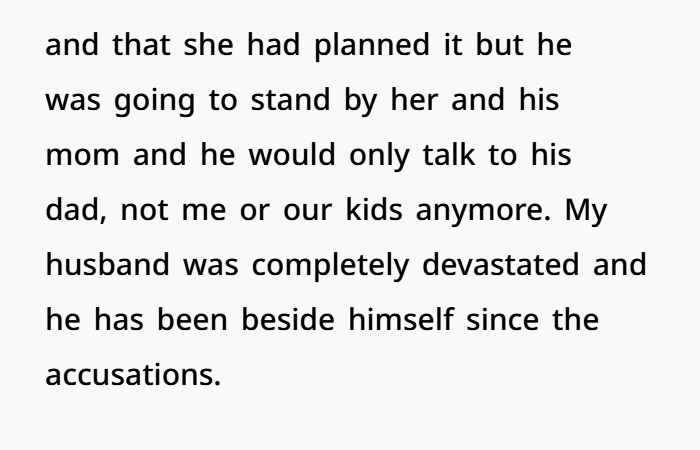
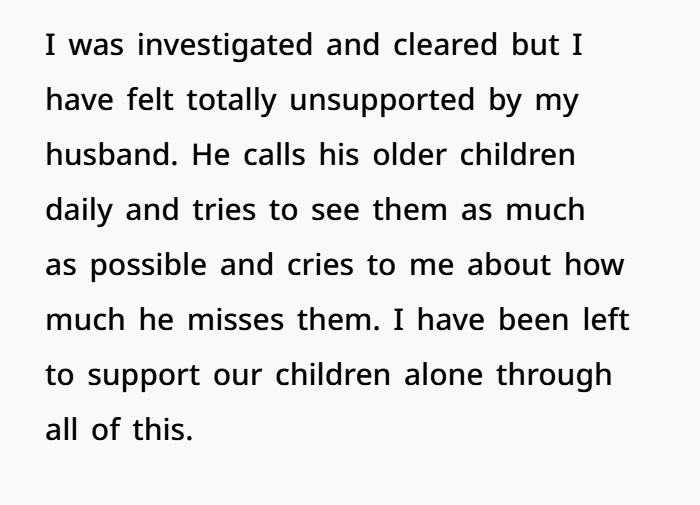
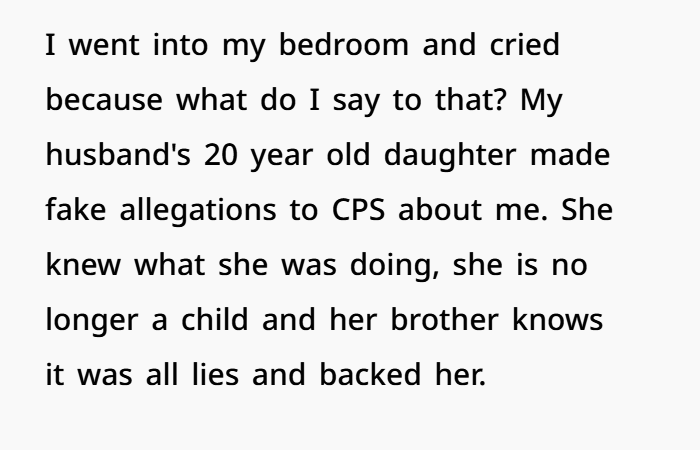
She says the biggest turning point came when her husband’s adult daughter reportedly made allegations that resulted in a CPS investigation. She states that she was cleared after the process, but the experience changed how she viewed her marriage and family relationships.
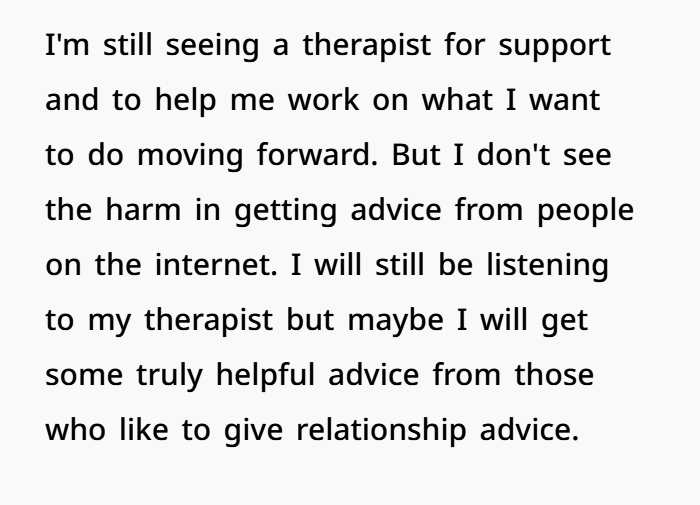
Now, she is questioning the sacrifices she made and wondering how to move forward. Her story highlights the importance of emotional well-being, healthy family relationships, and finding support during difficult times.

When Blended Families Struggle: Step-Parent Challenges, Family Conflict, and Healing
Blended families can bring new happiness, love, and fresh beginnings. Many people create beautiful families after divorce, separation, or major life changes. However, combining two families can also bring emotional challenges that are not always easy to handle.
A blended family may include step-parents, stepchildren, biological children, and new family roles. Everyone involved may have different feelings, expectations, and experiences. When these emotions are not discussed openly, misunderstandings can grow and relationships can become difficult.
Why Stepparent Relationships Can Be Challenging
One of the biggest challenges for a stepparent is understanding that love does not always create an instant family bond.
Many stepmothers and stepfathers enter a relationship with good intentions. They want to support the children, create a peaceful home, and build a strong family connection. However, children may not always see the new family member in the same way.
Sometimes, children connect the stepparent with painful changes from the past. They may feel that accepting a new parent figure means they are leaving behind their biological parent.
Family experts often call this a loyalty conflict. This happens when someone feels caught between two important relationships.
Children, including adult children, may struggle with feelings of sadness, anger, confusion, or fear after a family changes. They may worry that loving a stepparent means they are not being loyal to their original family.
How Past Family Changes Can Affect Relationships
Divorce, separation, or major family changes can leave emotional wounds that last for years.
Sometimes, a child may blame a new partner for changes that happened in the family. This does not always mean the stepparent caused the problem. It may come from personal hurt, misunderstandings, or unresolved feelings from the past.
When negative feelings continue for a long time, communication can become harder. Family members may stop listening to each other, and small disagreements can turn into bigger conflicts.
Building a healthy relationship takes time. Trust usually grows through patience, respect, and consistent actions.
The Importance of the Biological Parent’s Role
In blended families, the biological parent often plays an important role in helping everyone adjust.
A stepparent can provide care, kindness, and guidance, but the biological parent usually helps create a connection between the old family structure and the new one.
This may include:
- Supporting children through family changes
- Setting healthy boundaries
- Encouraging respectful communication
- Helping children understand new family roles
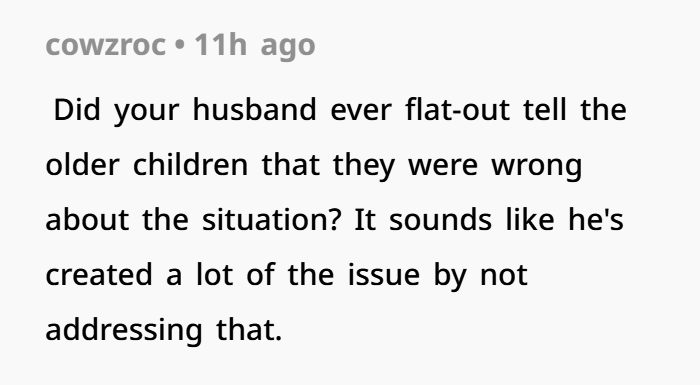
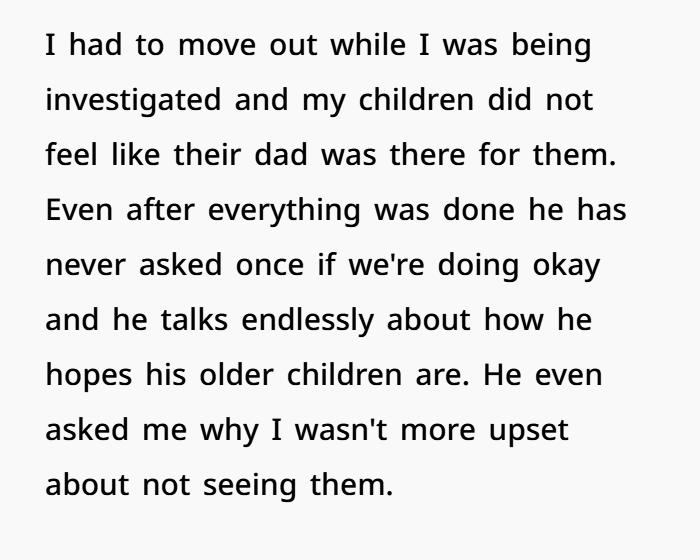
When the biological parent avoids difficult conversations, the stepparent may feel unsupported. At the same time, children may continue to struggle with their own emotions.
Finding balance is one of the hardest parts of creating a successful blended family.
How Family Conflict Can Affect a Marriage
Blended family problems can place a lot of stress on a marriage.
A couple may agree on family decisions privately, but challenges can appear when emotions become intense. One partner may feel stuck between supporting their spouse and maintaining a relationship with their children.
Over time, one person may begin to feel alone or emotionally exhausted.
Relationship experts often highlight the importance of marital support, teamwork, and open communication. Supporting a spouse does not mean ignoring children’s feelings. It means recognizing that every person in the family has emotional needs.
A healthy marriage requires both partners to feel respected, heard, and valued.
Understanding the Emotional Impact of Family Investigations
Family conflicts can become even more stressful when serious concerns or investigations are involved.
Child protective services (CPS) investigations exist to review concerns about child safety. These situations can be emotionally difficult for everyone involved.
Being part of an investigation can create feelings of fear, stress, and uncertainty. Even after a situation is resolved, some people may continue to experience emotional pressure.
It is important for families to focus on facts, professional guidance, and the official findings of the situation instead of making assumptions.
When families face serious conflicts, support from family counseling services, mental health professionals, and legal professionals can help people understand their options and manage stress.
When Someone Feels Alone in a Relationship
Sometimes the biggest pain after a family crisis is not only what happened. It is the feeling of not being supported afterward.
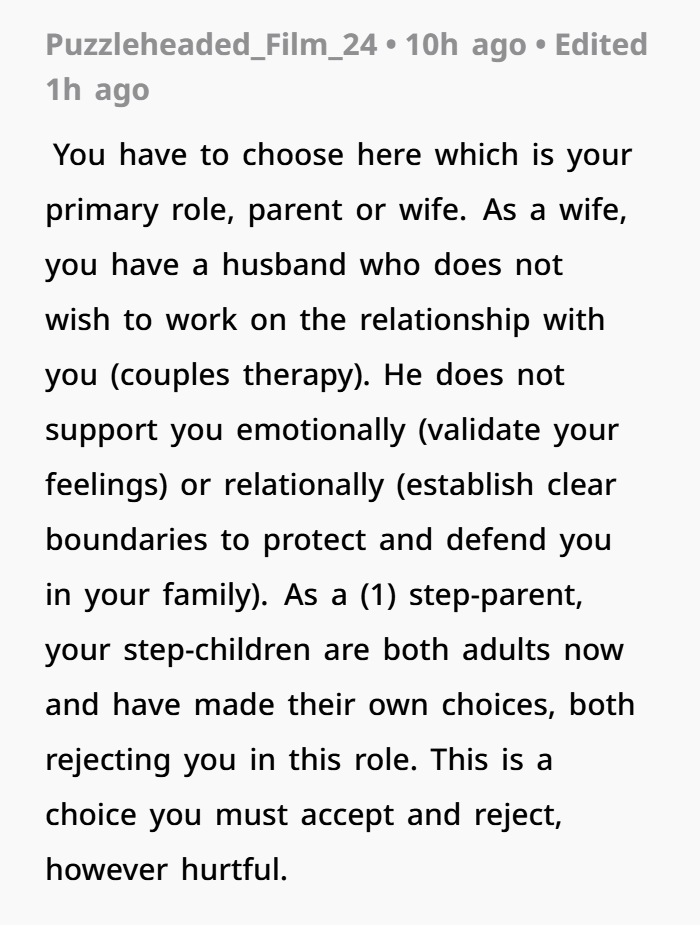
A person may feel hurt if their partner does not ask about their feelings, recognize their struggles, or provide emotional support during a difficult period.
This can create emotional distance in a marriage.
Emotional neglect does not always happen intentionally. Sometimes people become overwhelmed by their own stress, sadness, or personal struggles and fail to notice what their partner needs.
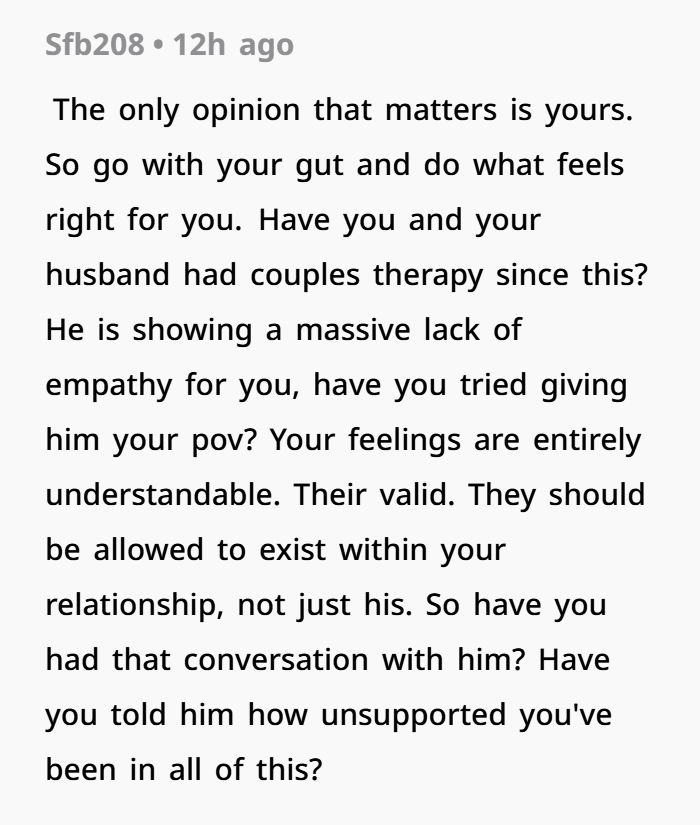
Learning to communicate feelings openly can help couples reconnect and rebuild trust.
Everyone in the Family Can Experience Pain
In difficult family situations, more than one person can be hurting at the same time.
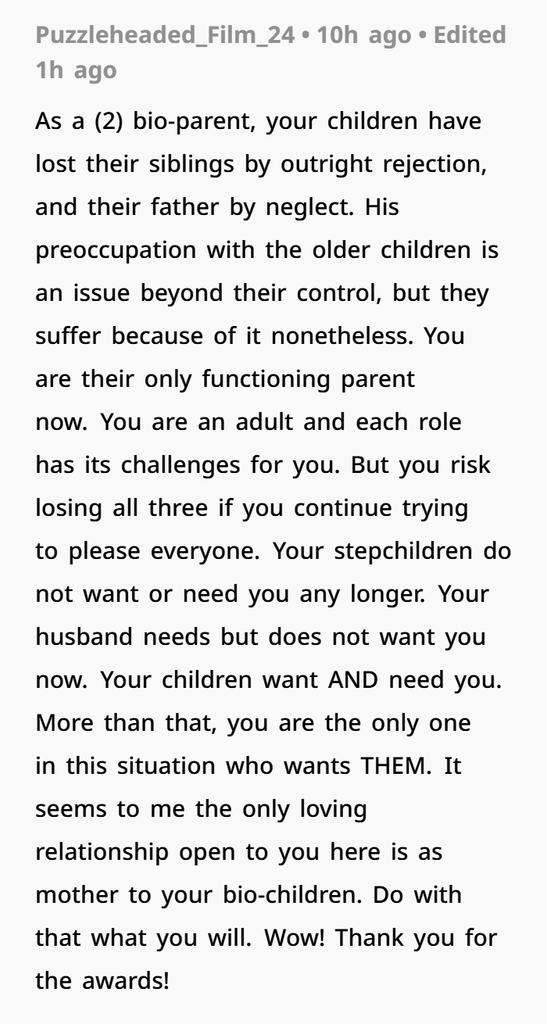
A parent may feel pain from losing a connection with a child. A spouse may feel ignored or unsupported. Children may feel confused by changes and disagreements between adults.
Each person’s feelings matter.
Family healing works best when people can share their experiences without competing over who has suffered the most.
Professional family therapy can provide a safe environment where family members can talk, listen, and understand each other better.
Forgiveness and Rebuilding Trust
Forgiveness and reconciliation are not the same thing.
Forgiveness may help someone let go of anger and move forward emotionally. However, rebuilding a relationship usually requires more time and effort.
Trust is rebuilt through:
- Honest conversations
- Consistent actions
- Respectful behavior
- Understanding each other’s feelings
A relationship cannot fully heal when only one person is trying.
Both partners need to recognize problems and work together if they want to create a stronger future.
Steps Toward Healing a Blended Family
Blended families often need extra patience and planning. Some helpful steps include:
- Creating clear family boundaries
- Having regular family conversations
- Practicing healthy communication
- Allowing relationships to grow naturally
- Seeking professional relationship counseling when needed
- Making time for emotional connection
Mental health support can also help individuals manage stress, anxiety, and difficult emotions during major family transitions.
Final Thoughts
Blended families can face complicated challenges, but difficult moments do not always mean relationships cannot improve.
A stepparent may struggle to feel accepted. Children may struggle with family changes. Parents may feel caught between different relationships.
The key is creating a family environment where everyone feels respected and heard.
Strong families are not perfect families. They are families that learn how to communicate, support each other, and work through challenges together.
With patience, understanding, and the right support, blended families can continue to grow and create healthier relationships over time.
Top Comments From Readers