Thrown Away as a Child, Then Expected to Hand Over Everything


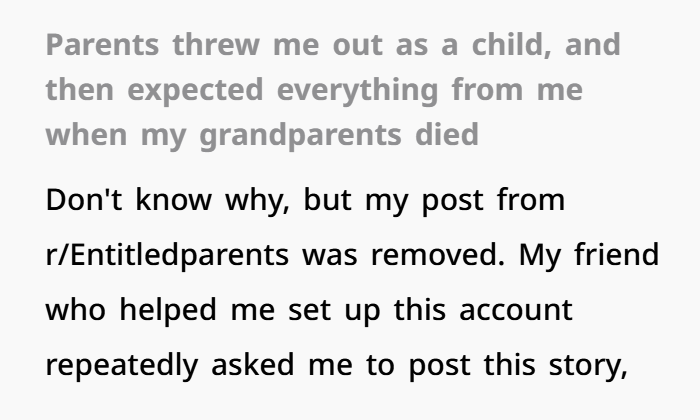
A man shared a difficult story about his family and a long-running conflict over inheritance. When he was young, his parents became teenagers when they had him. As he grew up, he felt that his parents blamed him for the changes in their lives. He often felt less loved and supported compared to his younger sister.
When he was around ten years old, his parents moved away and he stayed with his grandparents. His grandparents gave him the care, support, and stability he needed. They raised him with love and helped him build a better future. Over time, they became the people he considered his true family.
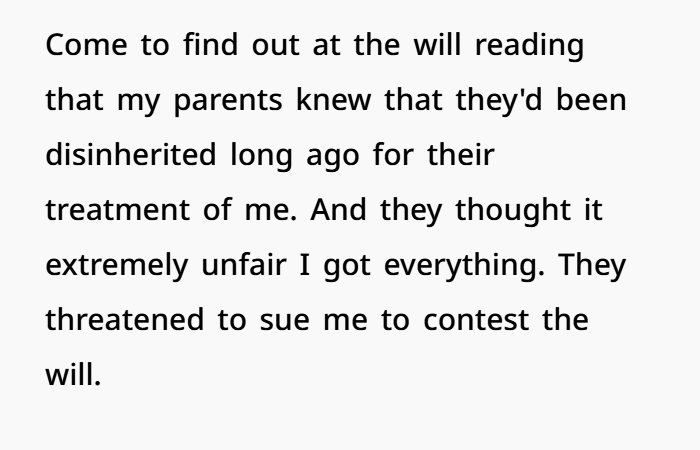
Years later, after his grandparents passed away, they left their assets to him through proper estate planning. He inherited their home, savings, vehicles, and personal belongings. The inheritance was legally arranged, but it created a conflict with his parents.
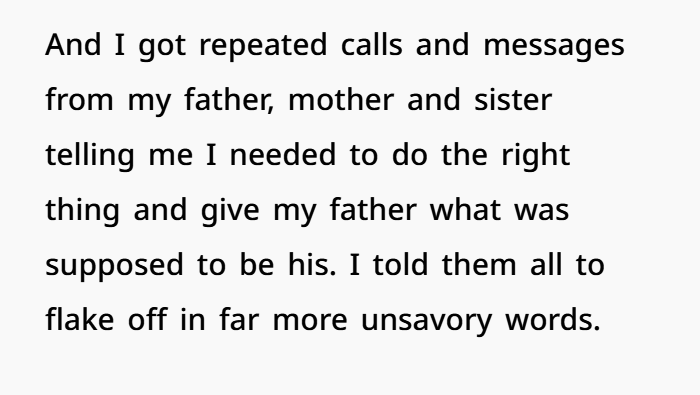
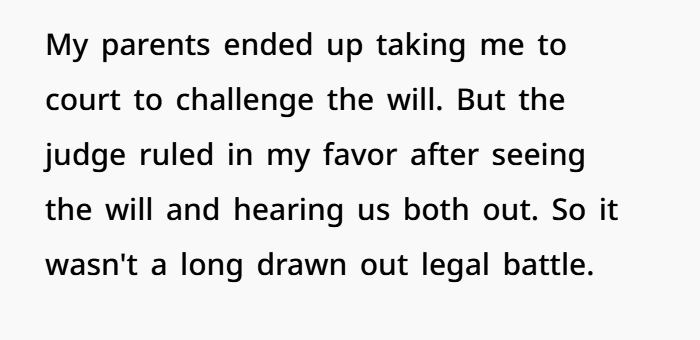
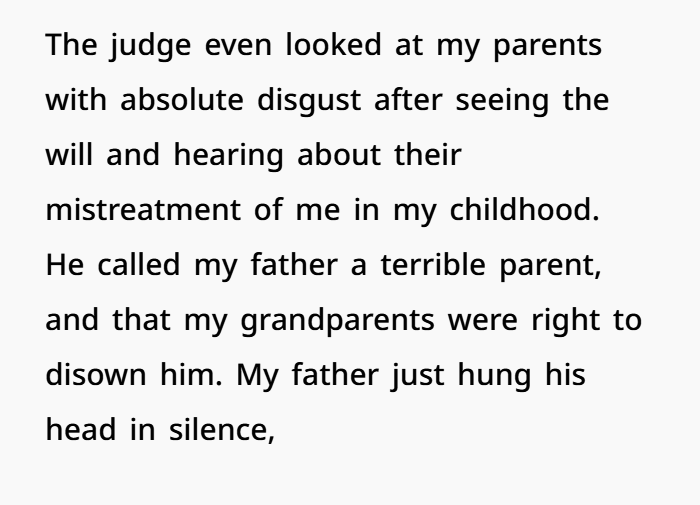
His parents later returned and wanted a share of the inheritance. This led to disagreements about family responsibilities, property rights, and the wishes of the grandparents. The situation became a legal dispute that brought up many painful memories from the past.
This story shows why estate planning, wills, and clear legal documents are important for protecting family assets. It also highlights how family relationships, financial planning, and communication can affect difficult decisions about inheritance and the future.


When Family Inheritance Becomes About More Than Money
Family inheritance disputes can be some of the most emotional legal problems people face. Unlike disagreements with strangers, family conflicts often include years of memories, hurt feelings, and unresolved issues.
Many times, the argument is not only about money or property. It can also be about feeling loved, supported, or forgotten.
That is why inheritance situations can become so complicated.
When Love Matters More Than Biology
In this story, the grandparents played a major role in the grandson’s life. They provided support, stability, and guidance when he needed it most.
They were there during important years and built a strong relationship with him.
Many people believe family is only about biology. However, strong family relationships are often built through care, trust, and effort.
A person who provides love and support can have a lasting impact, even if they are not a biological parent.
Why Estate Planning Is Important
Inheritance decisions are usually based on legal documents, not only family history.
Courts typically look at things like:
- A valid will
- Estate planning documents
- Property ownership records
- The wishes of the person who passed away
This is why estate planning is so important.
A clear estate plan can help reduce confusion and prevent family disputes after someone dies.
Many estate planning professionals recommend updating wills regularly and clearly explaining important decisions. This can help reduce the chances of probate disputes or challenges to the will.
A Will Can Decide Who Receives Assets
Many people assume children automatically inherit everything from their parents. However, inheritance laws can vary, and a person’s will can often direct assets to different people.
Depending on the situation, someone may leave assets to:
- Children
- Grandchildren
- Friends
- Charities
- Caregivers
- Other loved ones
If a legal estate plan is properly created, courts usually respect the person’s final wishes.
This is why careful financial planning and estate preparation are important.
The Emotional Side of Family Conflict
Inheritance disagreements are rarely only about assets.
Money often represents deeper feelings, such as:
- “Who cared about me?”
- “Who supported me?”
- “Who was there when I needed help?”
People who experience neglect or rejection during childhood may carry emotional pain into adulthood.
These experiences can affect confidence, trust, and relationships with others.
Some people become very independent because they learned early that they could not always rely on family members.
Financial Security Does Not Erase Emotional Pain
Having money and stability can solve many practical problems, but it cannot always heal emotional wounds.
A person can have:
- A comfortable home
- Financial savings
- A successful career
- Personal achievements
and still feel sadness about the relationships they never had.
Emotional healing often requires understanding, support, and time.
The Importance of Taking Responsibility
One difficult part of family conflicts is when people refuse to accept responsibility for their actions.
Sometimes parents or relatives blame others instead of recognizing their own mistakes.
This can create years of anger and resentment.
Healthy family relationships require honesty, accountability, and a willingness to improve.
Building Long-Term Financial Stability
The grandparents’ approach to money also highlights an important lesson about financial planning.
They focused on:
- Saving money
- Maintaining their property
- Reducing debt
- Preparing for the future
These habits can create long-term financial security.
Financial experts often recommend building an emergency fund, managing debt carefully, and planning ahead for future needs.
Small financial choices made over many years can create a strong foundation.
Why the Inheritance Meant So Much
The inheritance was not only about receiving money or property.
For the grandson, it represented something deeper.
It showed that the people who supported him recognized his importance and valued the relationship they built together.
The legal documents decided who received the assets, but the emotional meaning went beyond the estate.
People in the comments had encouraging words for the author







Final Thoughts
Family inheritance disputes often involve much more than finances. They can bring up old pain, family history, and questions about love and belonging.
Good estate planning can help protect a person’s wishes and reduce future conflicts. However, the emotional side of family relationships can be much harder to resolve.
In the end, true family is often defined by the people who show up, provide support, and care for you through life’s challenges.