When Loyalty Turns Ugly: Sister Drama, Affair Fallout & a Family Torn Apart

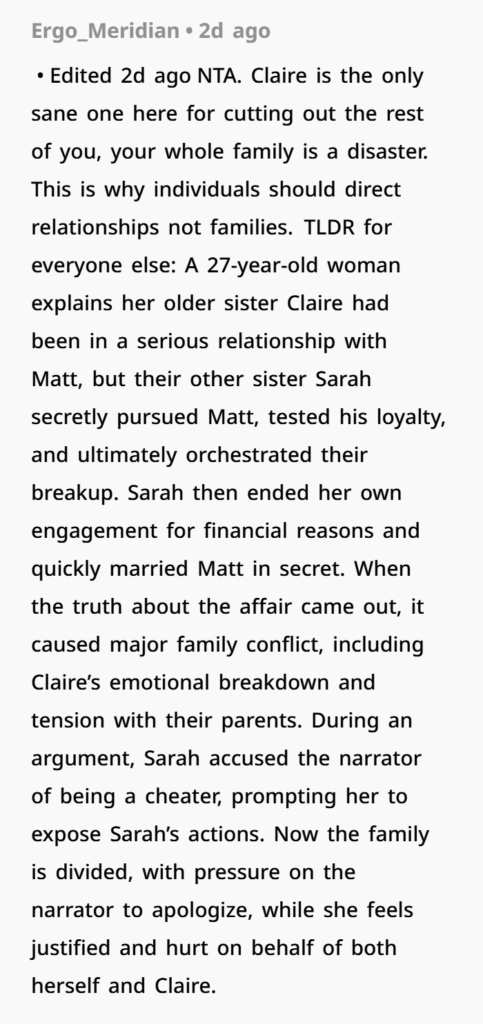
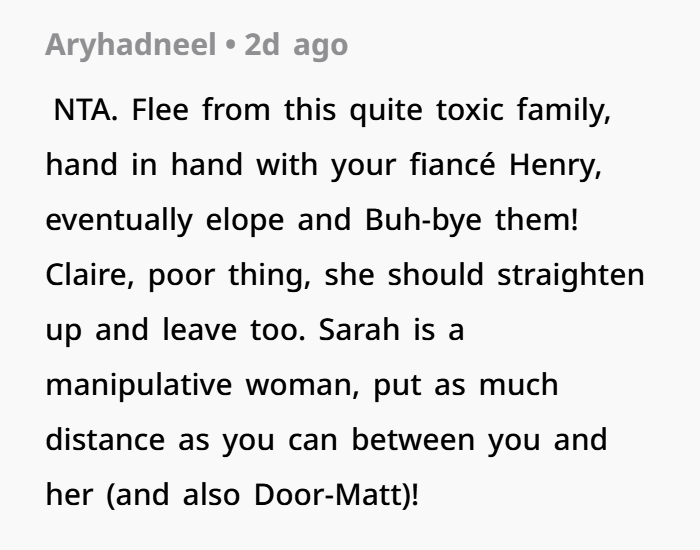
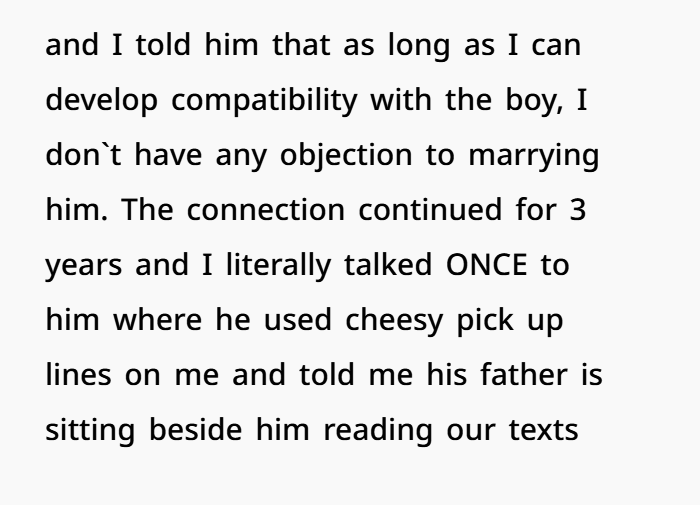
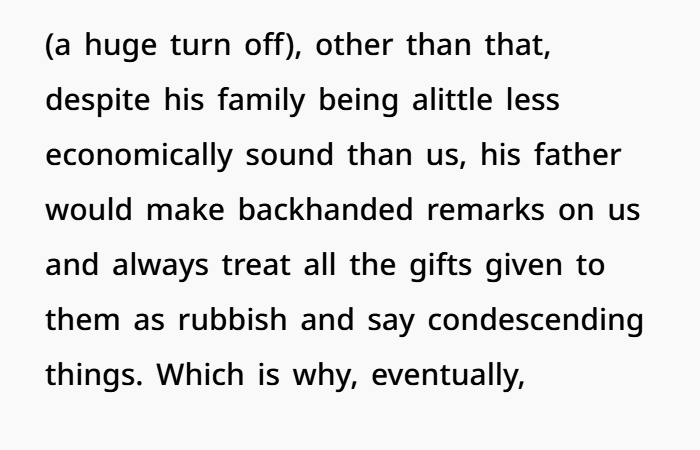
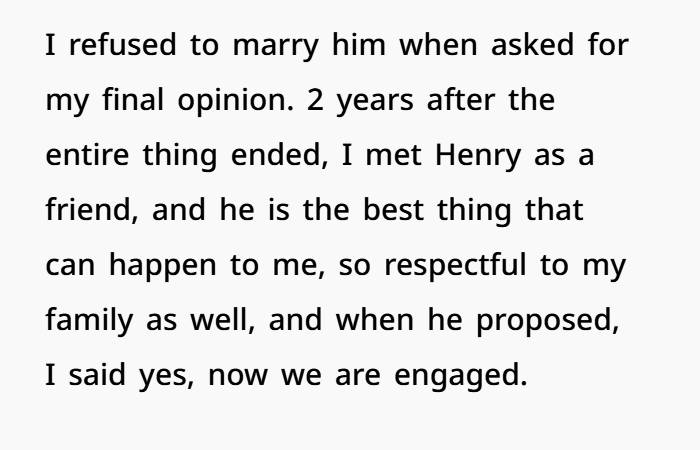
A 27-year-old woman shared a difficult family situation involving relationships, trust, and painful choices. She explained that while many people around her were dealing with complicated relationships, she had found happiness with her fiancé, Henry. Her own relationship felt stable, but her sisters were facing very different challenges.
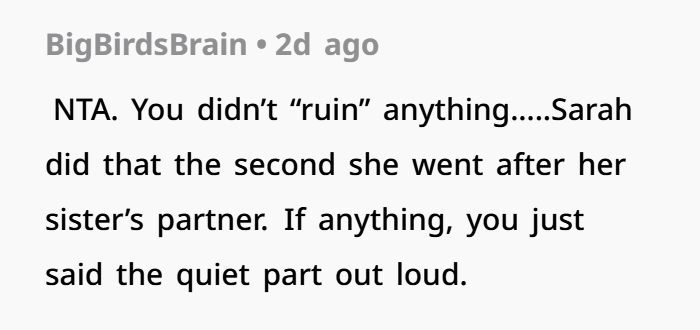
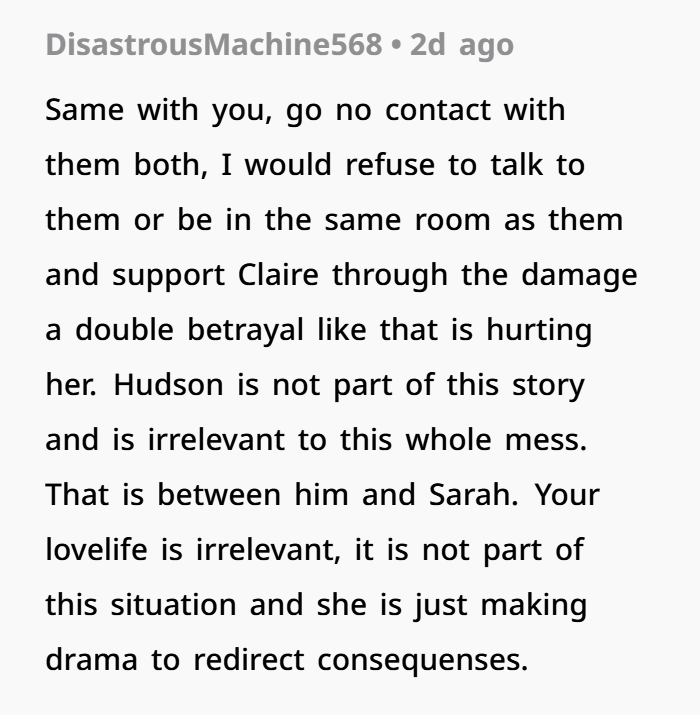
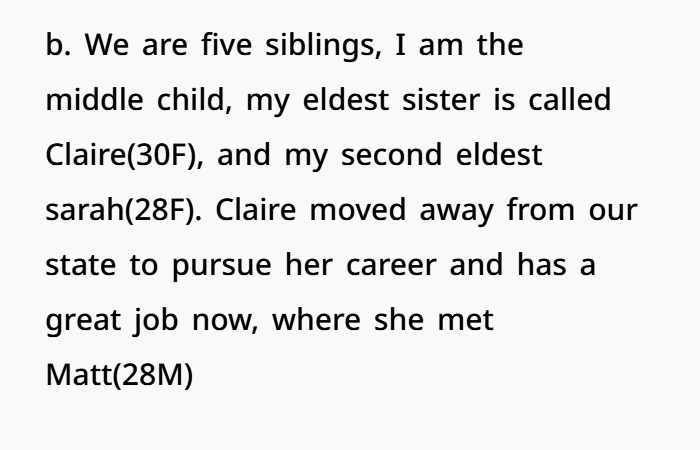
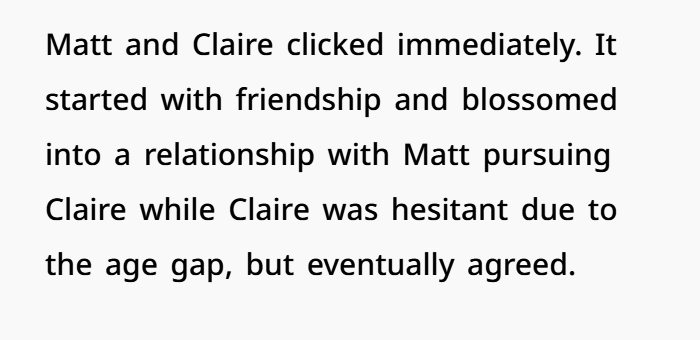
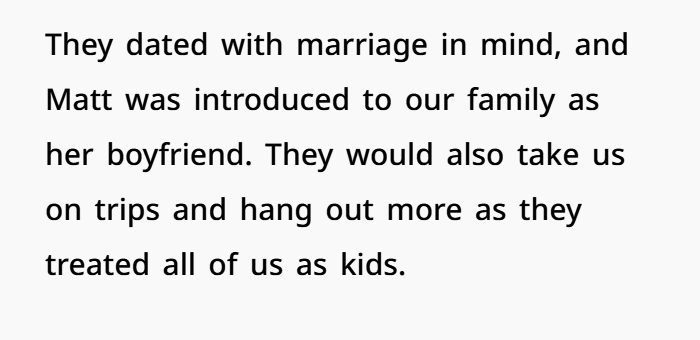
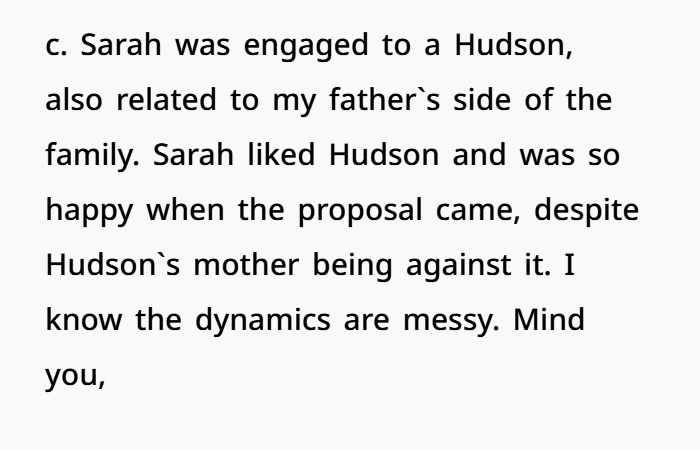
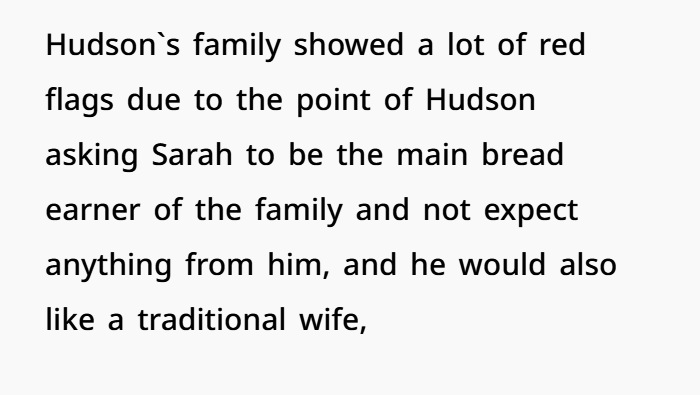
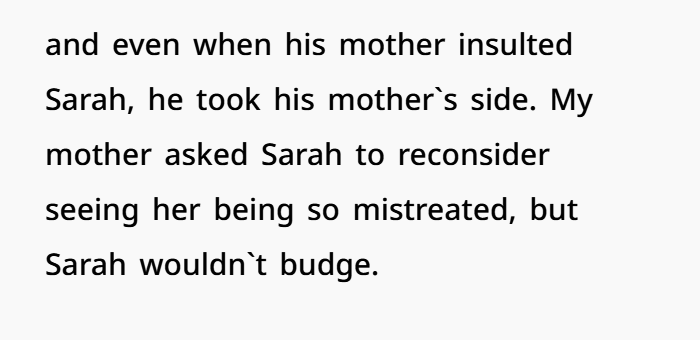
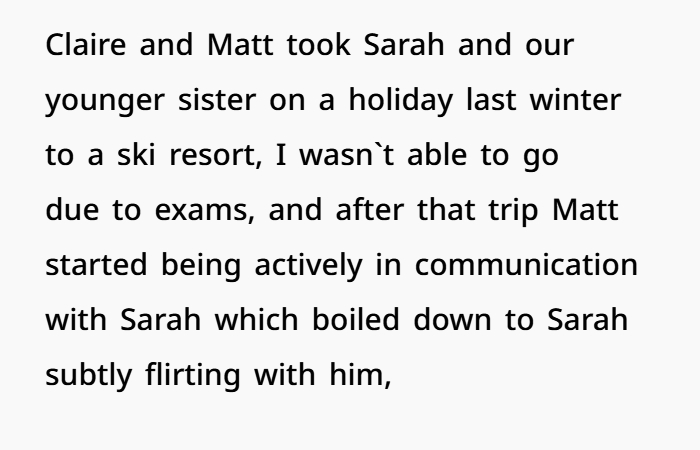
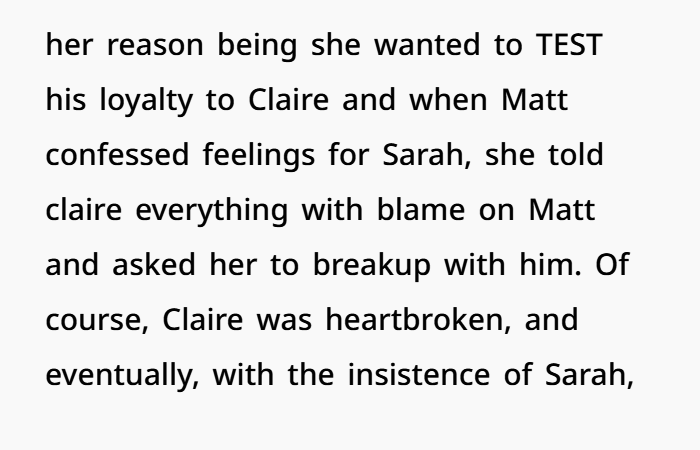
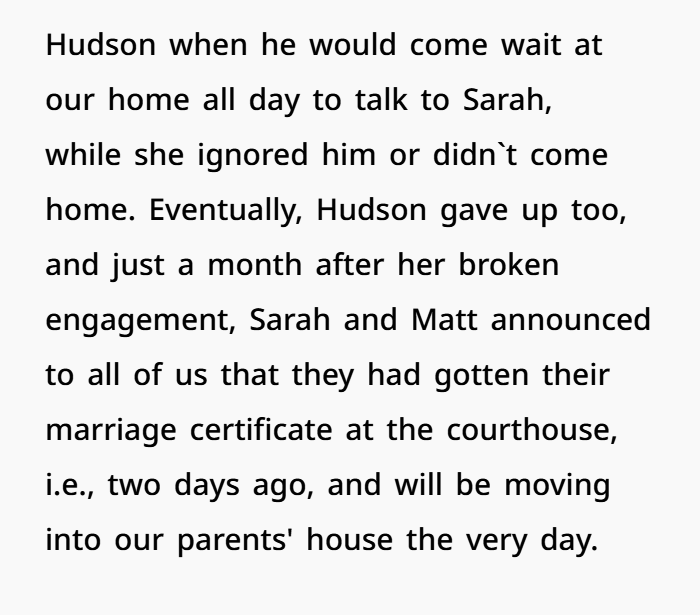
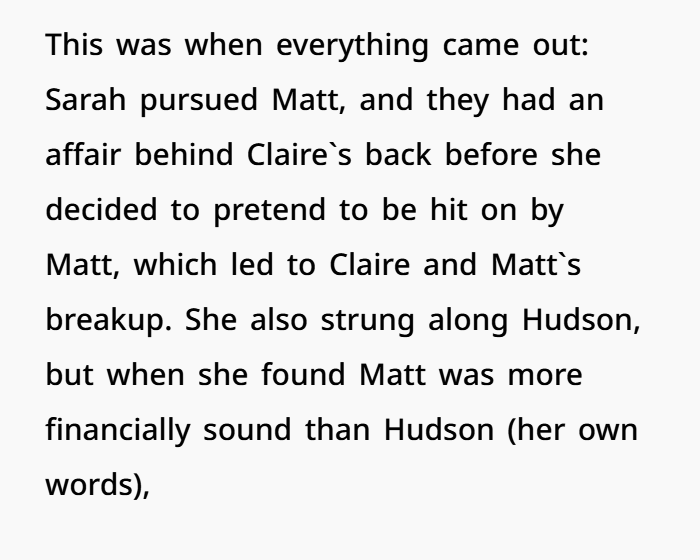
Her older sister, Claire, had a strong relationship with Matt, and their family believed they were a good match. However, another sister, Sarah, was engaged to Hudson, and there were already signs of problems in that relationship. After a family trip, Sarah became interested in Matt and said she was only trying to test his loyalty. However, the situation became more serious and turned into an emotional relationship.
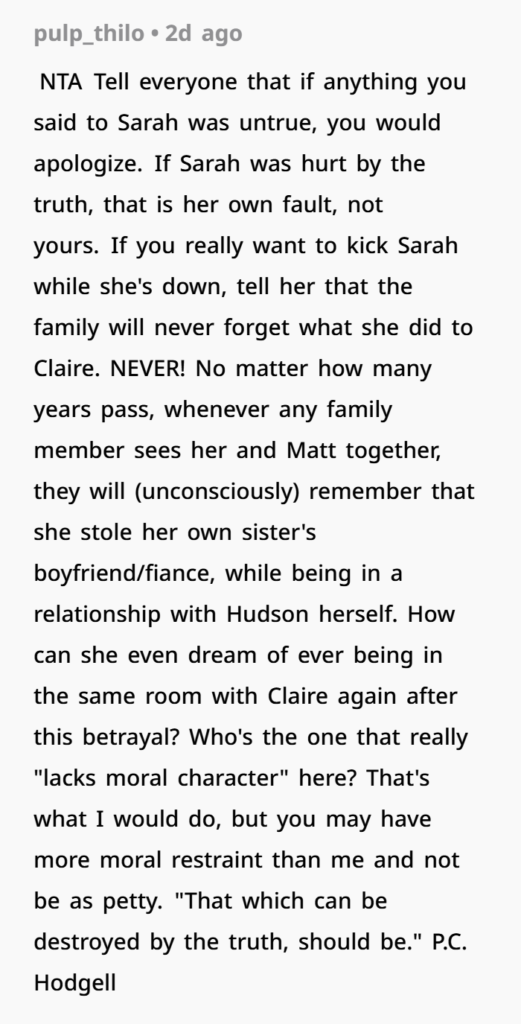
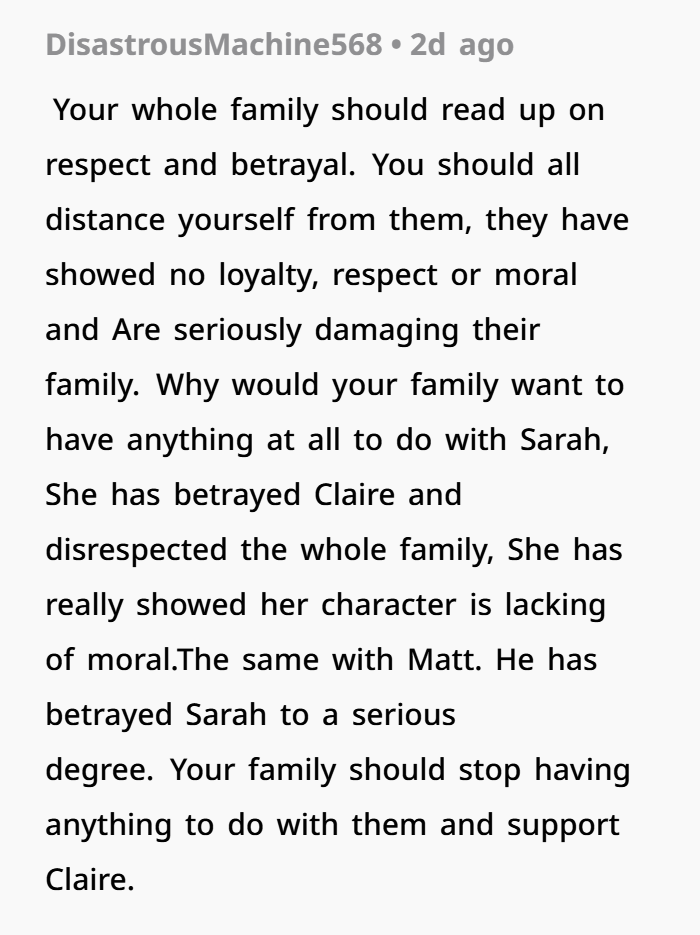
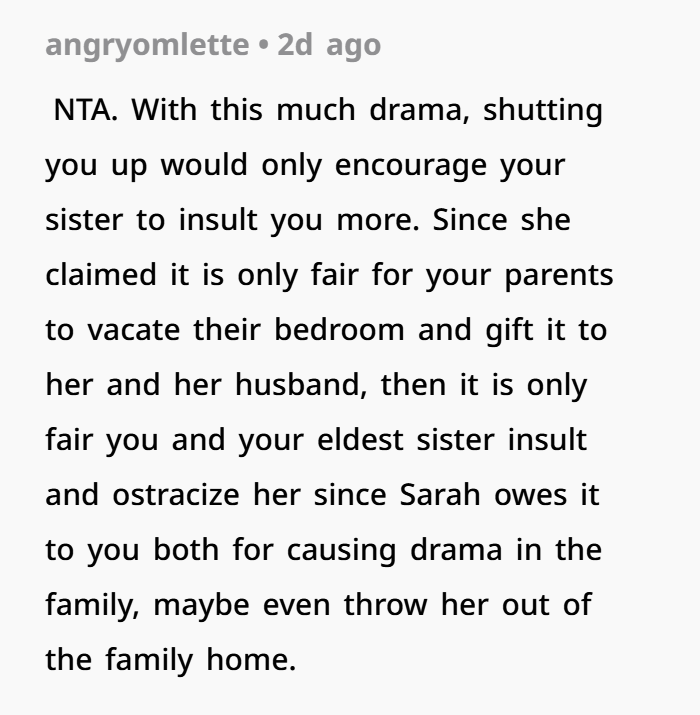
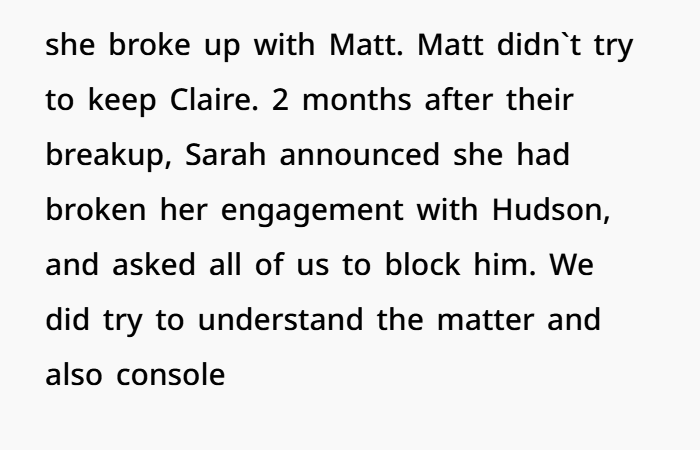
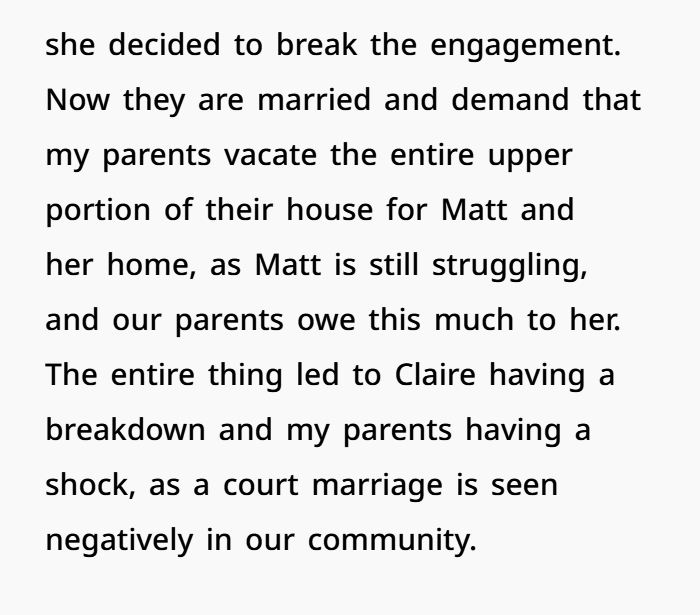
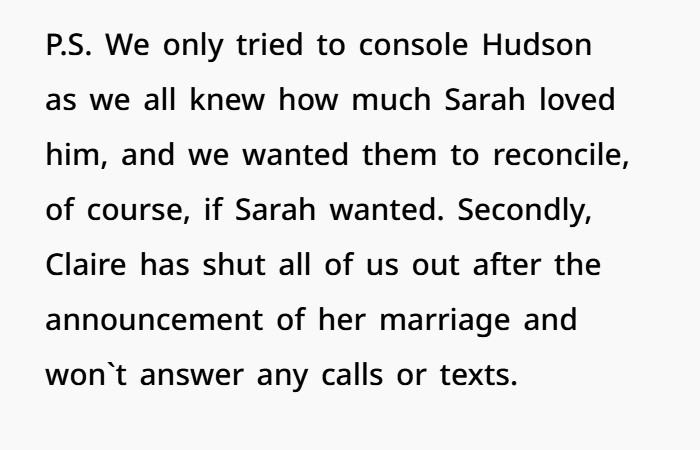
Claire was deeply hurt, and her relationship with Matt ended. Later, Sarah ended her own engagement with Hudson and secretly married Matt. This decision caused major conflict within the family and damaged many relationships.
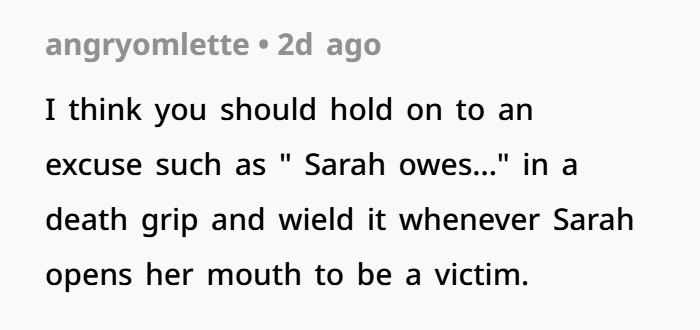
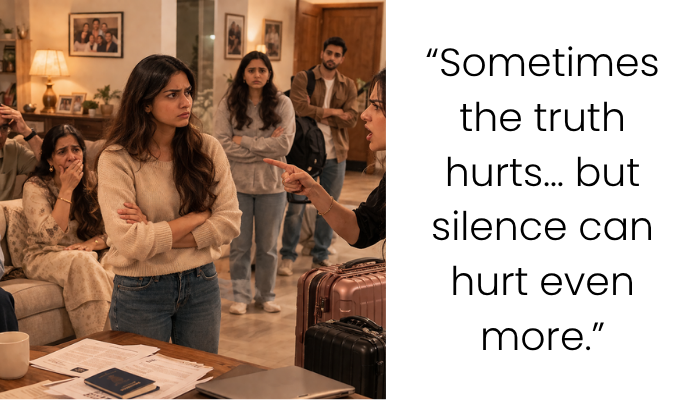
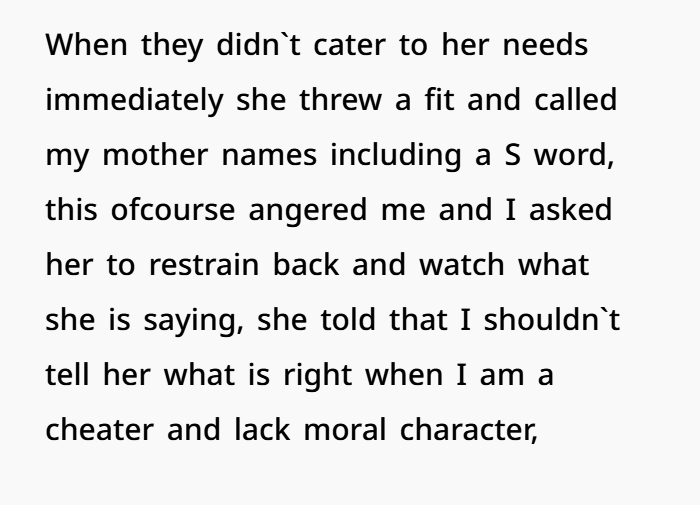
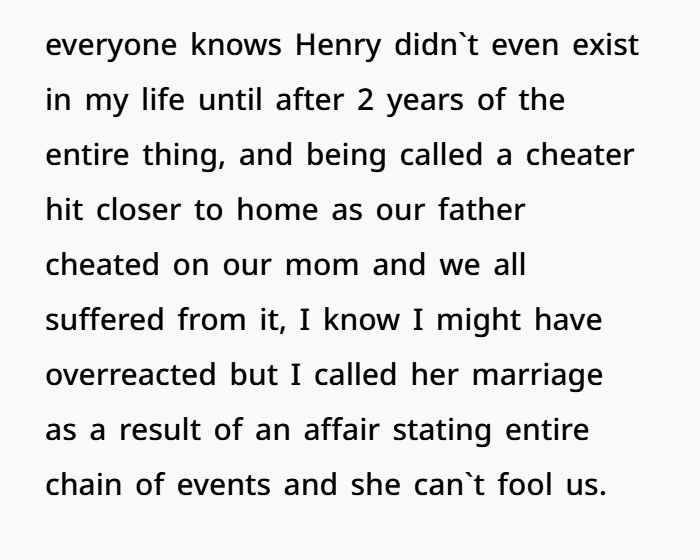
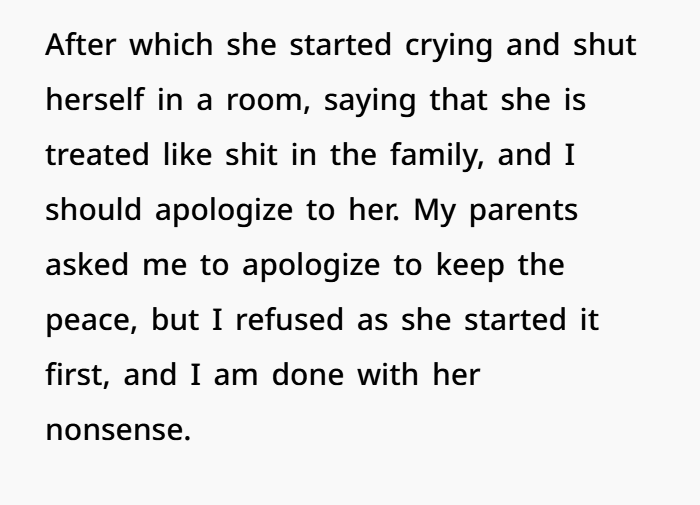
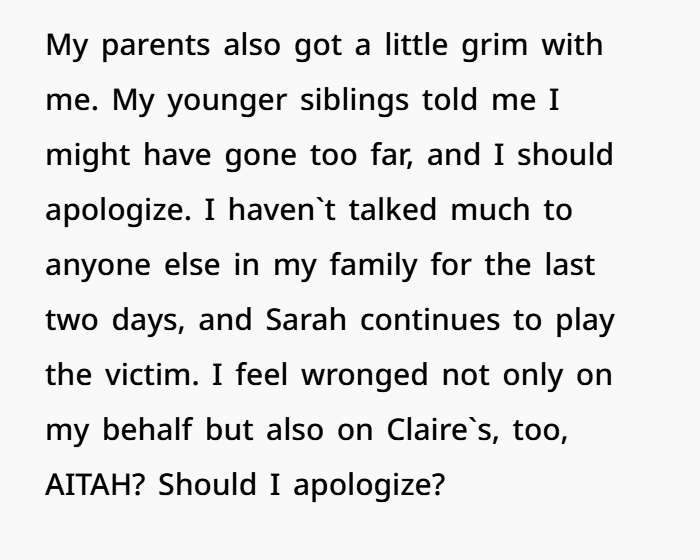
The situation became even more tense when Sarah accused the narrator of being dishonest. During the argument, the narrator pointed out that Sarah and Matt’s relationship had started in a way that hurt someone else. Now the family is divided, with many people dealing with anger, disappointment, and broken trust.
This story shows how important honesty, respect, and healthy relationship boundaries are. When trust is damaged, rebuilding family connections can be very difficult and often requires open communication and understanding.

Family Conflict, Broken Trust, and How to Handle Difficult Relationship Problems
Some family problems are much deeper than simple arguments. They can involve broken trust, emotional pain, relationship problems, and years of unresolved feelings.
When issues involve marriage, family expectations, and personal relationships, emotions can become very intense. People may feel hurt, betrayed, or misunderstood. These situations are difficult because they affect not only one person but the entire family.
Understanding Emotional Betrayal in Relationships
Trust is one of the most important parts of any relationship.
When someone develops a strong emotional connection with another person outside their relationship, it can create serious problems. Many relationship experts describe this as emotional betrayal because it involves secrecy, emotional attachment, and damaged trust.
A relationship does not only depend on physical actions. Emotional connection, honesty, and respect also matter.
When someone hides feelings or creates a connection that crosses relationship boundaries, it can deeply hurt their partner.
The Problem With “Testing Someone’s Loyalty”
Sometimes people explain their actions by saying they were only testing someone.
However, there is a difference between observing someone’s behavior and creating an emotional connection with them.
If a person continues building a connection after noticing attraction or interest, it is no longer just a test. It becomes a choice.
In difficult relationship situations, people may also try to explain events in a way that protects their own image. This can create more confusion because different people may hear completely different versions of the same story.
How Family Conflicts Can Become Bigger
In family disputes, the first version of a story often has a strong impact.
When someone shares their side first, others may form opinions before hearing all the details. This is a common challenge in family communication and conflict resolution.
Once emotions become involved, it can become difficult for people to look at the situation calmly.
Healthy conflict resolution requires listening to different perspectives and avoiding quick judgments.
Money and Relationship Decisions
Financial stability can be an important topic in relationships. Many couples discuss money, careers, and future plans before marriage.
However, choosing a partner mainly because of financial benefits can create questions about trust and relationship values.
Long-term relationships usually require more than financial security. They also need:
- Respect
- Emotional connection
- Honesty
- Shared goals
- Good communication
Money can be part of a healthy relationship, but it should not replace emotional compatibility.
Legal and Social Effects of Relationship Conflicts
Most relationship problems are personal matters rather than legal issues.
However, serious relationship conflicts can sometimes connect with legal topics, especially during divorce, financial disagreements, or family disputes. The rules depend on the location and specific circumstances.
In many cases, the biggest impact is not legal. It is emotional.
Broken trust can affect friendships, family relationships, and a person’s sense of safety.
When Past Hurt Affects Present Reactions
Sometimes people react strongly because a current situation reminds them of past pain.
A person who has experienced family conflict, betrayal, or difficult relationships may feel stronger emotions when a similar situation happens again.
This does not mean their feelings are wrong. It means old experiences can influence how people respond today.
Understanding emotional triggers can help people communicate better and avoid making decisions only from anger or hurt.
Truth, Timing, and Communication
One of the hardest parts of family conflict is knowing when to speak and when to wait.
Even if something is true, the way it is said matters.
Sharing information during an angry moment can sometimes make a problem worse. Calm communication usually creates a better chance of being heard.
At the same time, staying silent about serious problems is not always helpful either.
The goal should be honest communication without unnecessary attacks.
Setting Healthy Family Boundaries
Family relationships need boundaries too.
When conflicts become serious, people may need to create distance, set limits, or have difficult conversations about respect.
Living arrangements can also become a source of stress. When family members disagree about homes, personal space, or responsibilities, clear communication becomes very important.
Healthy boundaries help protect relationships instead of damaging them.
Should Someone Apologize?
In family conflicts, apologies can be complicated.
Sometimes a person may not regret their feelings but may regret the way they expressed them.
A meaningful apology can focus on behavior:
“I am sorry for the way I spoke. I was hurt and angry, but I could have handled it better.”
This type of apology does not mean accepting all blame. It simply shows emotional maturity and a willingness to improve communication.
Moving Forward After Broken Trust
There is rarely one simple solution for a serious family conflict.
People may choose different paths:
- Having an honest conversation
- Taking some time apart
- Setting stronger boundaries
- Seeking family counseling or relationship guidance
The most important thing is creating a healthier way to communicate.
The Bigger Lesson About Family and Relationships
Difficult family situations are rarely about one argument. They are usually the result of many emotions, choices, and misunderstandings building over time.
People can be hurt and still make mistakes. Someone can have a valid reason for being upset and still handle a situation in a better way.
The goal is not just proving who is right.
The goal is rebuilding trust, protecting emotional well-being, and finding a respectful way forward.
Because in real life, being right does not always solve a problem. Sometimes understanding, patience, and better communication matter even more.
See The Comments Below