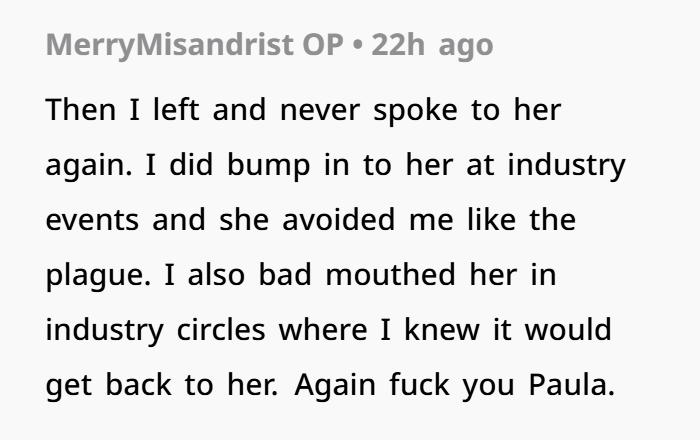
I Used My Boss’s Own Work Against Her And Watched Her Approve It


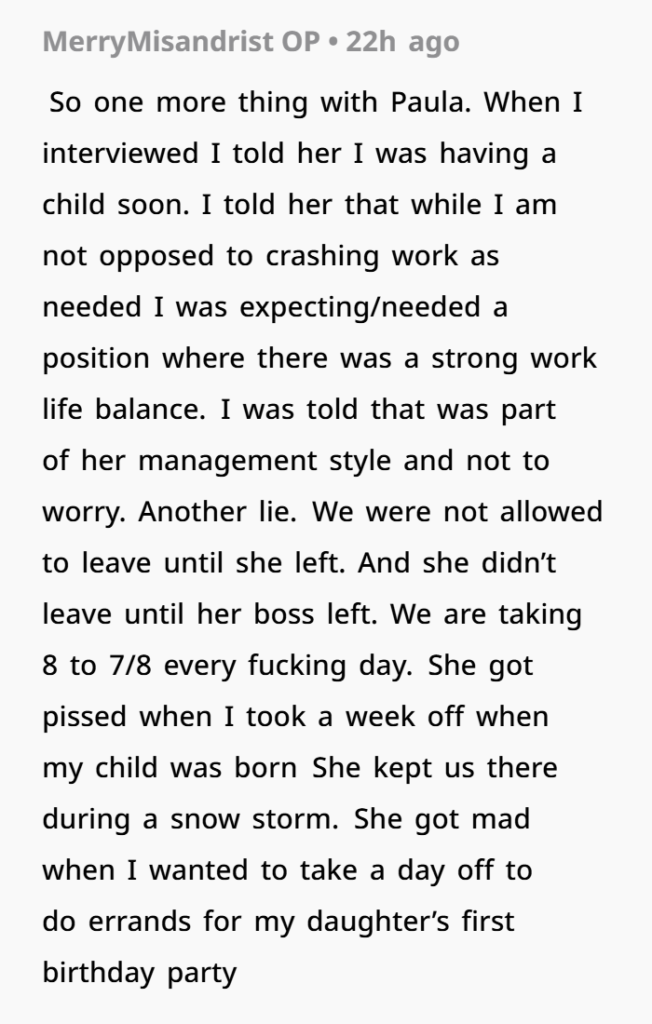
Nineteen years ago, I worked at State Street Bank in a financial operations role that was described as an important and highly visible position. It sounded exciting, but the daily reality was very different. The job taught me a lot about handling workplace pressure, professional challenges, and difficult office situations.
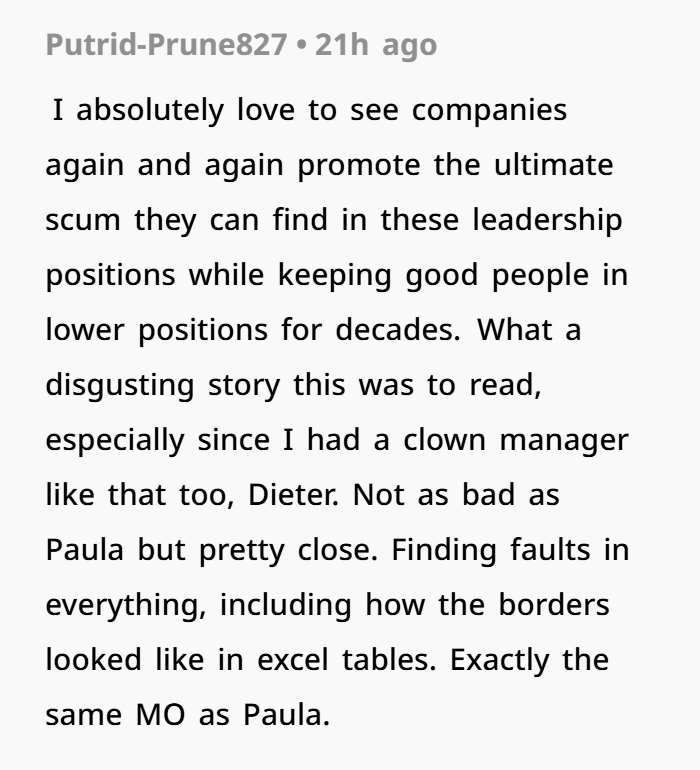
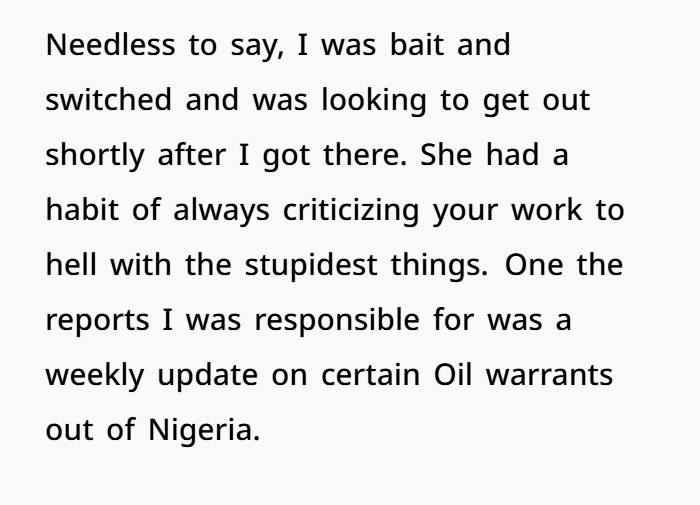
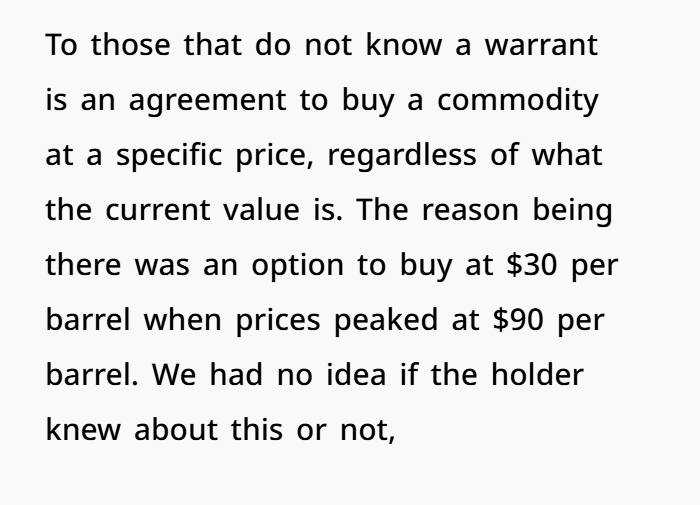
My manager, Paula, often made the work more stressful than it needed to be. My main responsibility was preparing weekly reports about Nigerian oil warrants and their connection to investment risks, market changes, and financial data. It involved careful financial analysis, risk management reporting, and making sure important information was accurate for business decisions.
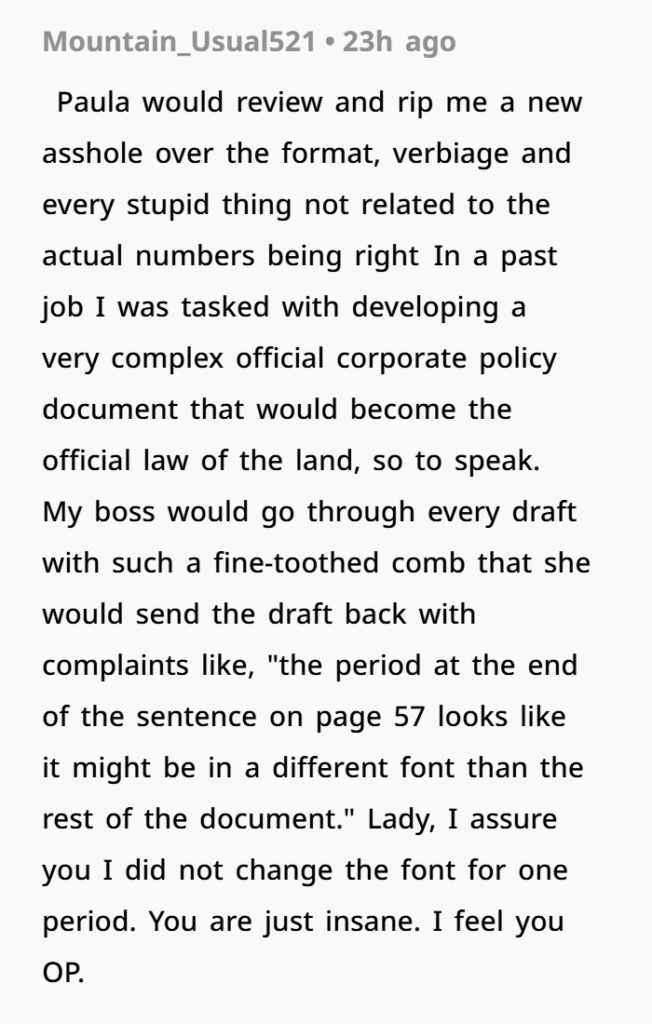
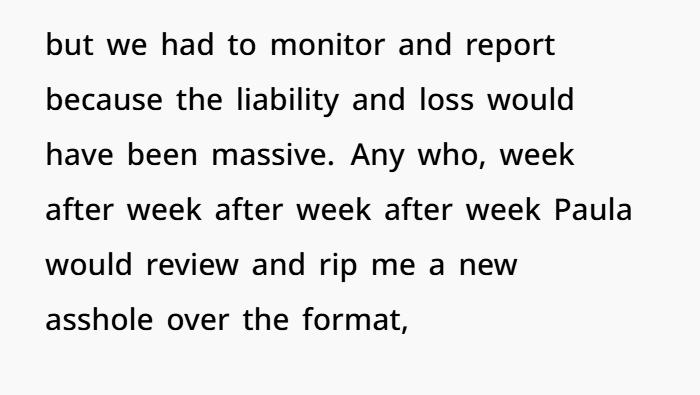
I spent a lot of time checking the numbers, reviewing reports, and making sure the information was complete. Even when the financial reports were carefully prepared and the data was correct, my work was often criticized. Instead of feeling supported, I felt like I was constantly trying to prove that my work was good enough.
Looking back, the experience taught me important lessons about workplace communication, professional growth, and managing stress in a corporate environment. A healthy workplace should encourage teamwork, respect, and clear feedback so employees can improve and succeed.
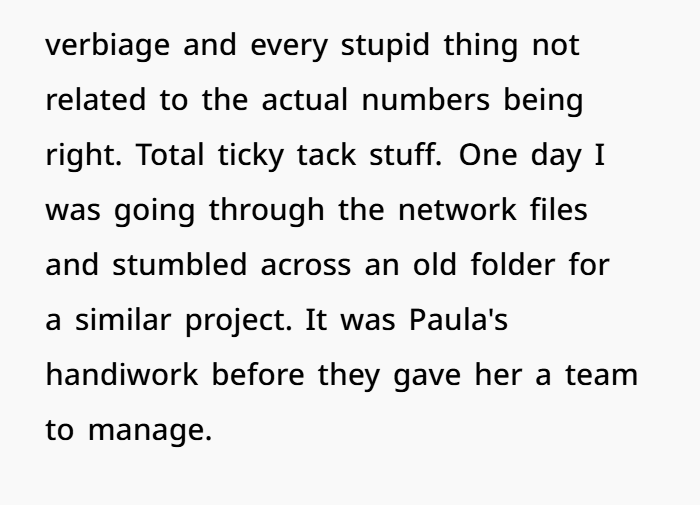
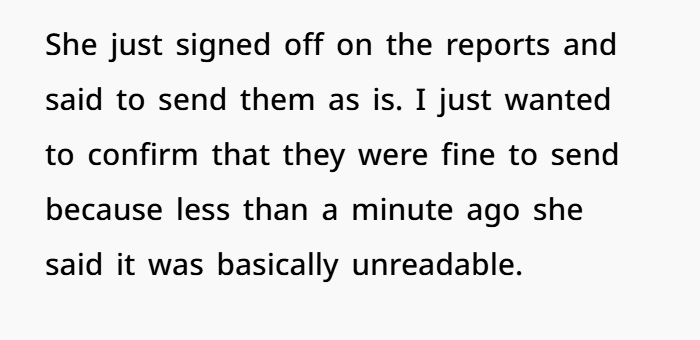
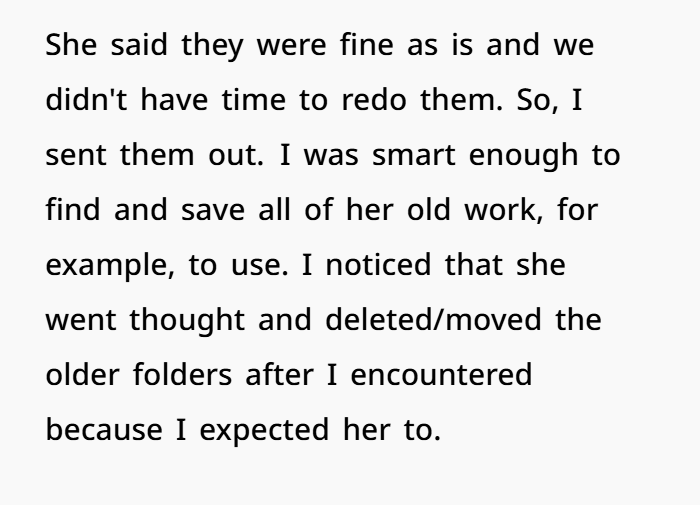
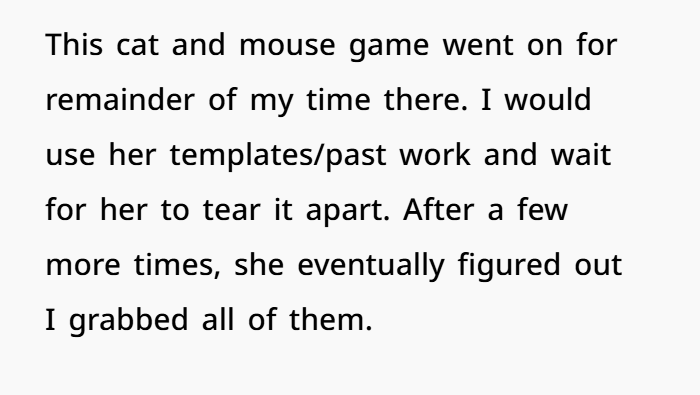
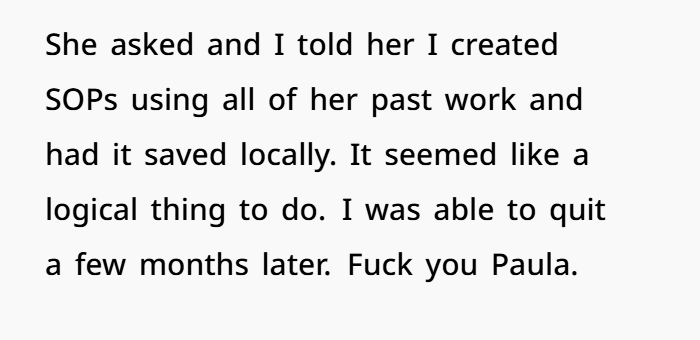
One man was facing an impossible boss who tore apart his reports for the most meaningless reasons
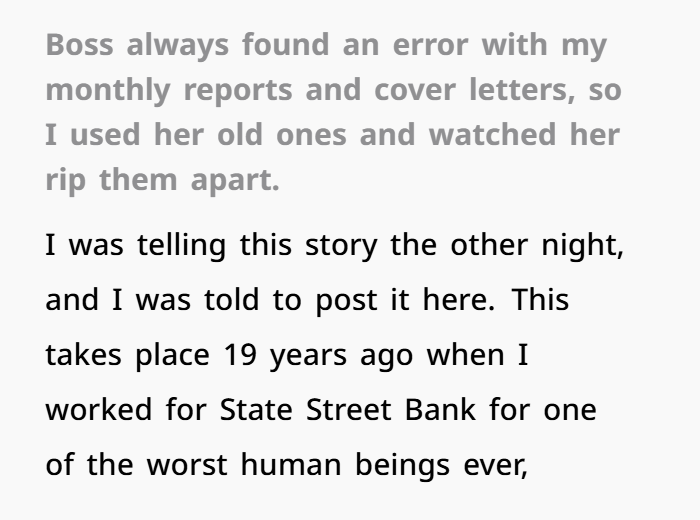
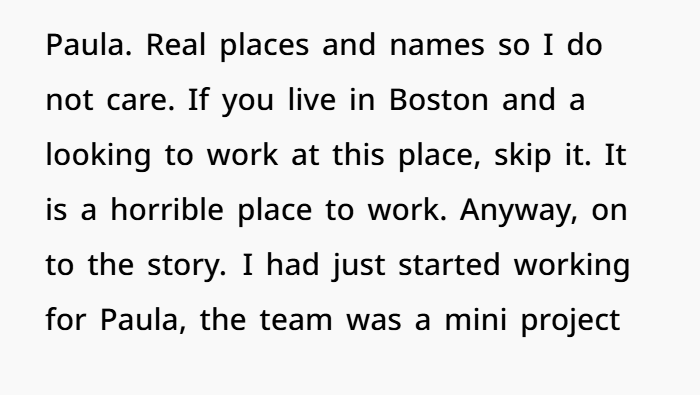
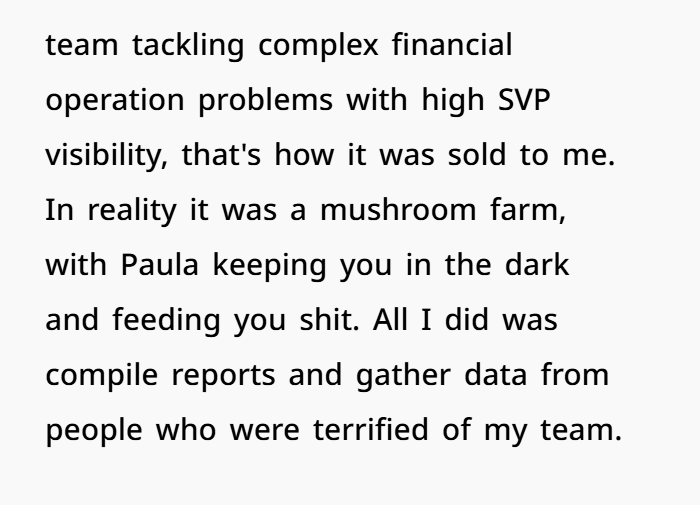
Micromanagement at Work: How Poor Leadership Can Affect Employees and Career Growth
A difficult manager can make even a good job feel stressful.
Many employees experience situations where they feel constantly watched, criticized, or unable to make decisions on their own. This type of workplace environment is often connected to poor management practices, especially micromanagement.
Micromanagement happens when a manager focuses too much on small details instead of trusting employees to complete their work. While some attention to detail is important, excessive control can affect employee confidence, motivation, and productivity.
How Micromanagement Affects Employee Performance
Workplace psychology research shows that employees usually perform better when they feel trusted and valued.
When managers focus only on small mistakes or unnecessary details, employees may start feeling anxious instead of motivated. Instead of thinking about improving their skills or creating better results, they may spend more time worrying about avoiding criticism.
This can create a workplace where employees feel like they are only trying to survive rather than grow.
Over time, constant negative feedback without meaningful support can lead to:
- Lower employee engagement
- Reduced creativity
- Less confidence
- Higher workplace stress
- Employee burnout
- Increased turnover
A healthy workplace usually focuses on clear goals, measurable results, and constructive feedback rather than constant monitoring.
The Psychology Behind Defensive Leadership
Leadership can become challenging when managers feel their skills or decisions are being questioned.
Some leaders may respond positively by listening, learning, and improving. Others may become defensive because accepting criticism feels like a threat to their authority.
In workplace psychology, this can happen when there is a gap between how someone views their leadership abilities and how others experience their management style.
A strong leader is usually willing to:
- Accept feedback
- Discuss problems openly
- Learn from mistakes
- Support team members
When a manager refuses to have honest conversations or avoids accountability, it can create trust issues within the team.
Good leadership is not about always being right. It is about creating an environment where employees and managers can improve together.
Why Workplace Documentation Matters
Keeping professional records is an important habit in many industries.
Employees often keep copies of important work documents, project updates, performance reviews, and communication with managers. This is not about creating conflict. It is about maintaining clear information.
Documentation can be especially valuable in industries where accuracy and compliance are important, such as:
- Financial services
- Accounting
- Banking
- Healthcare
- Technology
- Corporate management
Clear records help employees track their achievements, responsibilities, and important workplace discussions.
For example, saving previous reports, successful projects, or positive feedback can help show a person’s contributions during performance reviews or career discussions.
Protecting Your Career in a Difficult Workplace
When dealing with a challenging manager, employees can take practical steps to protect their professional growth.
Focus on Results
Keep track of your goals, completed projects, and measurable achievements. Clear results often speak louder than opinions.
Communicate Professionally
Try to keep workplace conversations respectful and solution-focused. Avoid emotional reactions, especially during stressful situations.
Keep Important Records
Maintain copies of relevant emails, project details, and performance information according to your company’s policies.
Build Professional Relationships
Strong relationships with coworkers, mentors, and other leaders can provide valuable support and career guidance.
Understand Company Policies
Knowing your company’s HR policies and performance review process can help you make informed decisions.
The Bigger Lesson About Workplace Culture
A company’s culture is strongly influenced by its leadership style.
Managers who encourage trust, teamwork, and open communication often create stronger teams. On the other hand, workplaces built around fear and excessive control can damage employee satisfaction and retention.
Good management is not about controlling every action. It is about helping employees succeed.
For professionals, learning how to handle difficult workplace situations, maintain documentation, and communicate effectively can make a major difference in long-term career development.
A healthy workplace allows people to contribute their ideas, develop their skills, and feel respected for the value they bring.
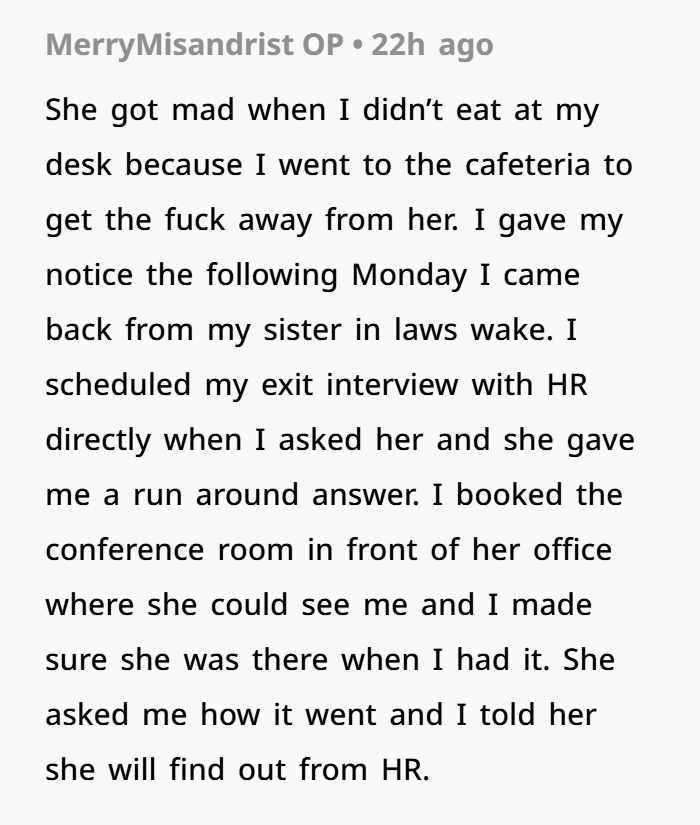
The internet erupted in applause for his perfectly executed act of revenge, wishing his boss a terrible day, wherever she might be