Caught Him Snooping My Phone… So I Snapped—Was I Wrong?

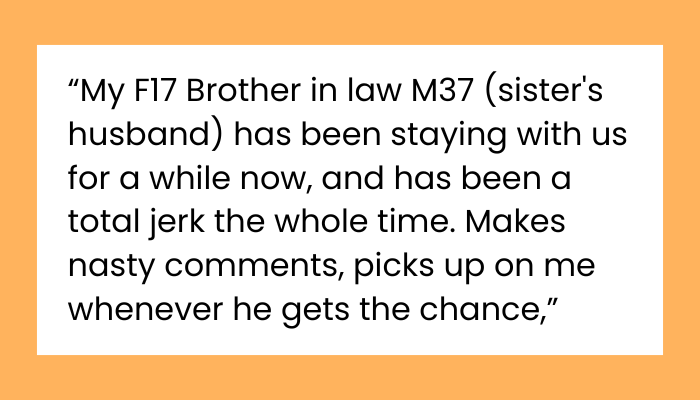
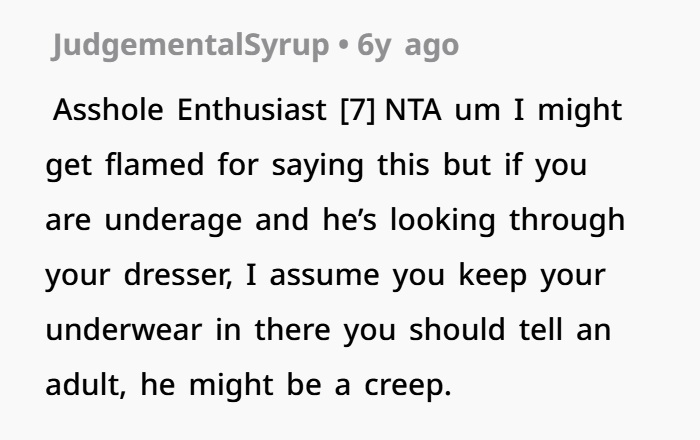
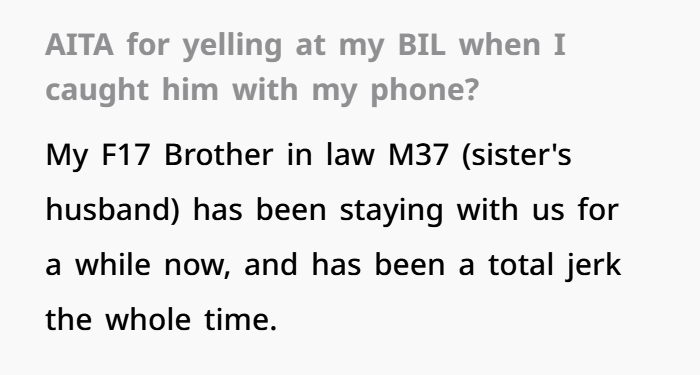
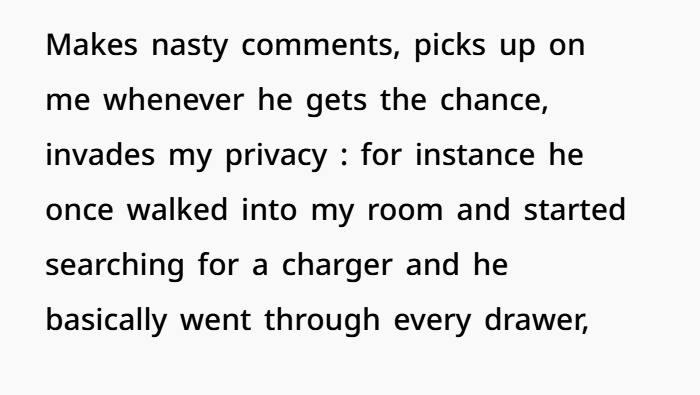
You are 17 years old, and having a 37-year-old houseguest who does not respect your privacy can feel very uncomfortable. Everyone deserves to have personal space, especially at home. Your brother-in-law has been entering your room without asking, looking through your belongings, and ignoring your concerns. These actions are not just frustrating—they are clear signs that your personal boundaries are not being respected.
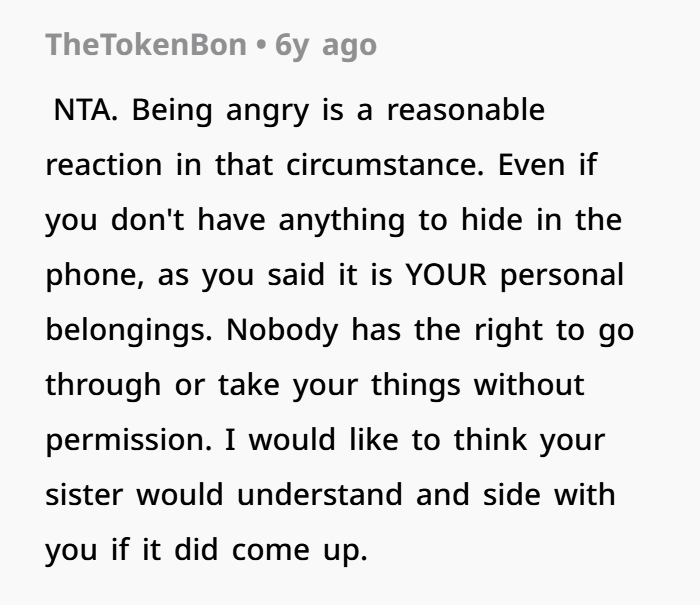
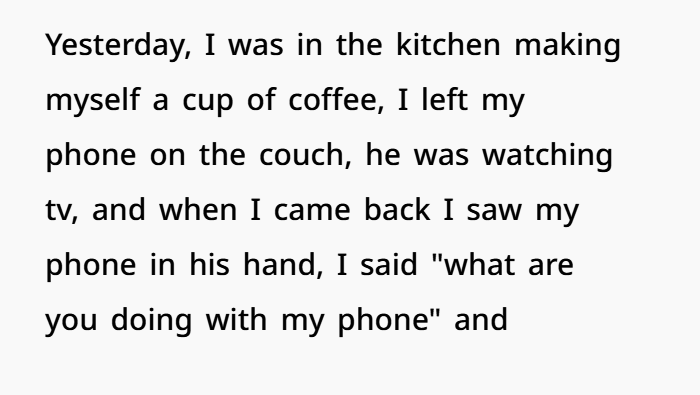
When you found him using your phone without permission, it was understandable that you felt upset. A phone contains private information like messages, photos, social media accounts, and personal details. Digital privacy is important, and accessing someone’s device without their approval is a serious matter. Trust and respect are important parts of any relationship, whether it is between family members or house guests.
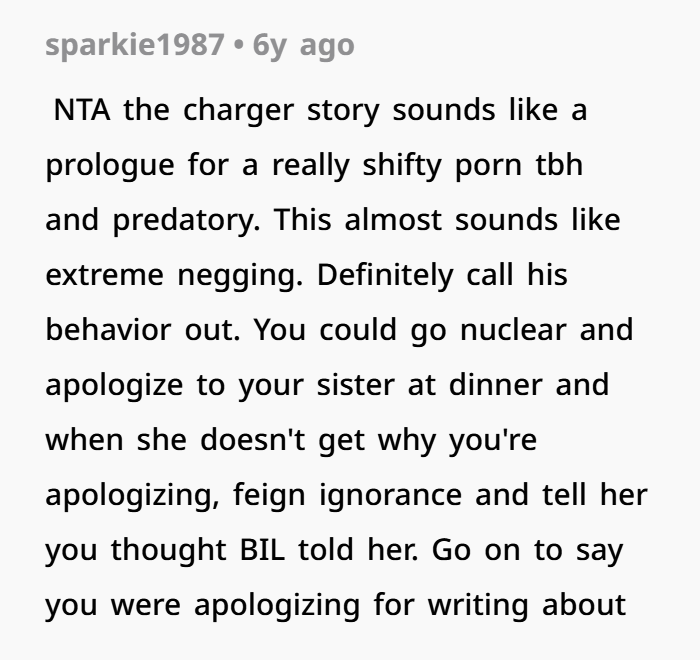
The way he responded also made the situation more difficult. Instead of apologizing or understanding why you were upset, he focused on accusing you of posting about him online. This shifted attention away from his own actions. In healthy communication, people should be able to talk about concerns, respect boundaries, and take responsibility when they make mistakes.
Your frustration came after dealing with repeated privacy issues, so it is normal to feel overwhelmed. Taking back your phone and speaking up happened because you felt your personal space was being ignored. Moving forward, it may help to have a calm conversation with a trusted family member about setting clear boundaries, protecting your personal information, and creating a safer and more respectful home environment.

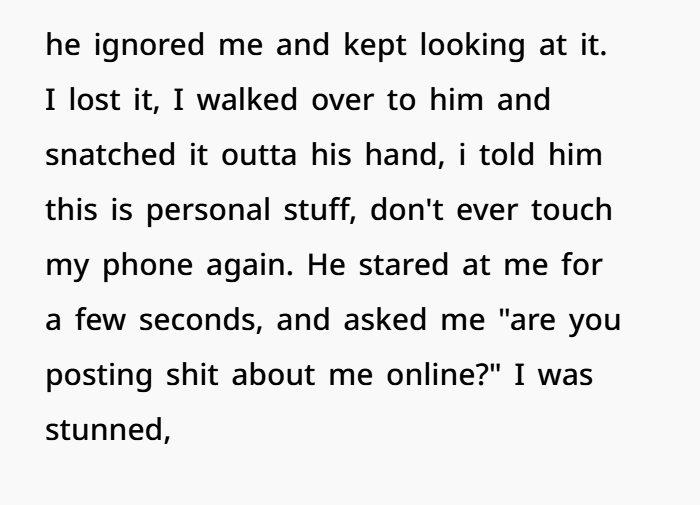
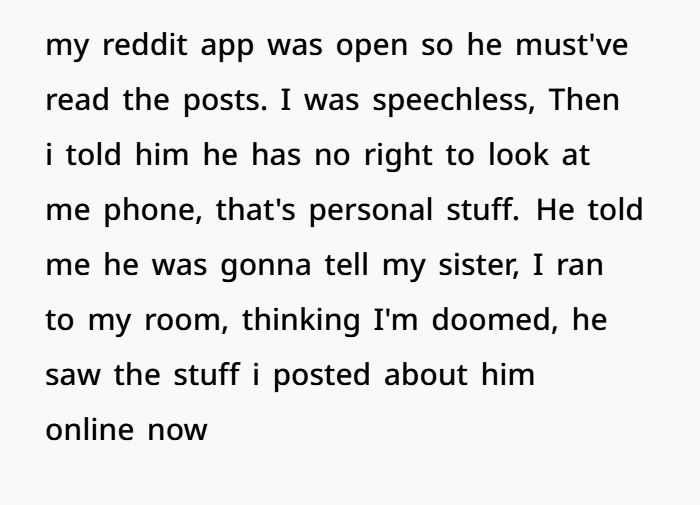
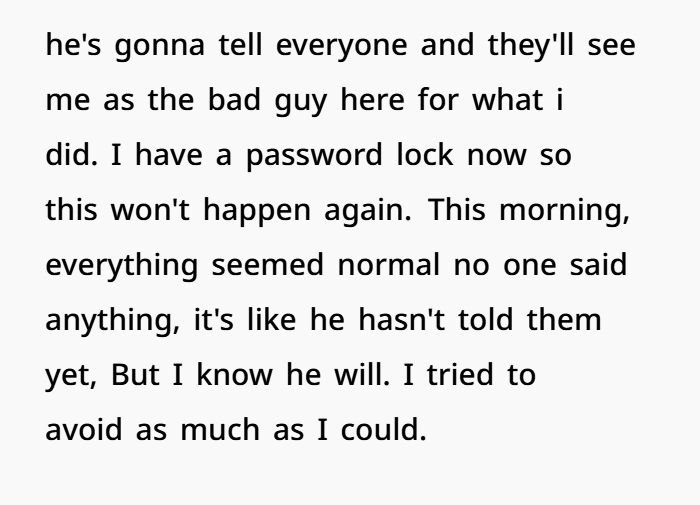


Was I Wrong for Getting Angry When My BIL Went Through My Phone?
Sometimes a family argument is not just about one small thing. It can be about respect, privacy, and personal boundaries.
In this situation, the main issue is not only the argument itself. The bigger issue is a repeated pattern of someone crossing your personal limits and making you feel uncomfortable in your own home.
Your reaction did not happen for no reason. You were not upset because of one random moment. You were reacting after several situations where your personal space and belongings were not respected.
There is a big difference between making a mistake once and repeatedly ignoring someone’s boundaries.
Personal Boundaries Matter, Even Inside a Family Home
Living with family does not mean people can access everything you own.
Everyone deserves basic respect and privacy, including teenagers. Your personal belongings, private conversations, and personal information should be treated with care.
From what you described, the behavior included things like:
- Entering your private space without asking
- Looking through your belongings
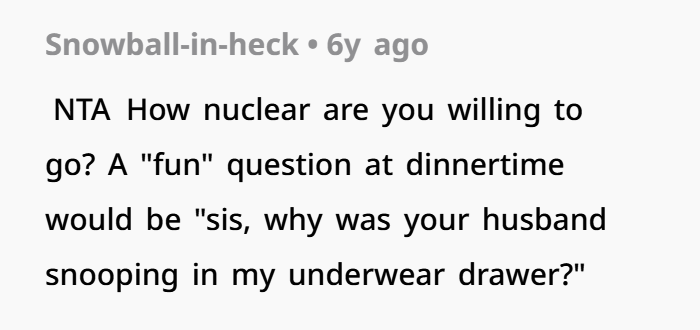
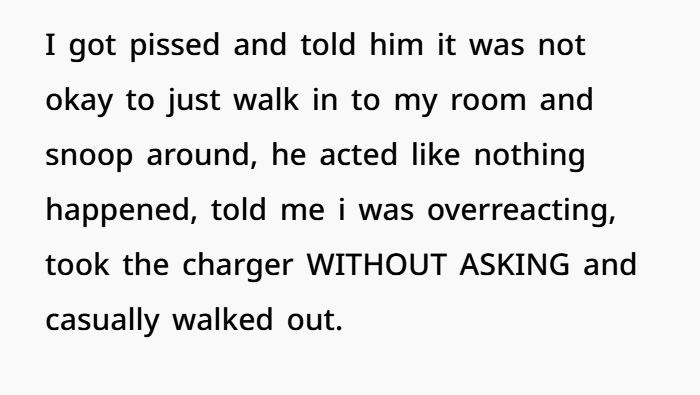
- Taking your things without permission
- Ignoring your concerns when you spoke up
- Using your phone without your consent
These actions can make a person feel like they do not have control over their own space.
A healthy relationship, even inside a family, requires trust and respect. Personal boundaries are important because they help people feel safe and valued.
Why Going Through Someone’s Phone Is a Serious Issue
Today, a phone is much more than just a device.
A phone can contain private messages, photos, social media accounts, personal notes, and sensitive information. It is a part of your digital life.
That is why digital privacy and online safety are becoming more important than ever.
Accessing someone’s phone without permission can be a serious privacy concern. Personal data protection is not only about companies and websites—it also matters in everyday relationships.
Even in a shared home, people should ask before using someone else’s device.
Seeing someone scrolling through your phone without your permission can feel like a major violation because it affects your sense of trust and security.
His Reaction Changed the Situation
One important part of this situation was his response.
Instead of focusing on the fact that he looked through your phone, he immediately asked if you were posting about him online.
That reaction can feel frustrating because it changes the focus of the conversation.
The main question was not:
“Are you talking about me online?”
The main question was:
“Why did you look through someone else’s private phone without asking?”
Sometimes during conflicts, people avoid discussing their own actions and instead focus on another person’s behavior. This can make the other person feel blamed or pressured.
Posting Online and Privacy Are Two Different Things
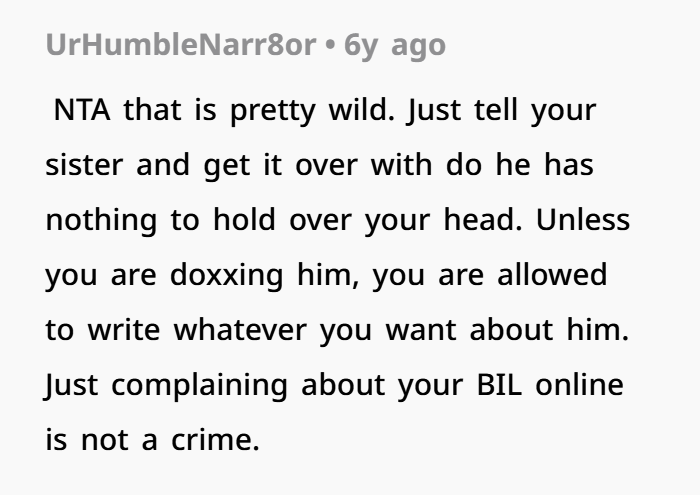
You may be worried that if he finds out about your posts, other family members will think you are the problem.
But context matters.
If you are sharing your own feelings or describing experiences that happened to you, that does not automatically mean you are creating drama.
At the same time, posting about family situations online can sometimes create more tension, especially when emotions are high. It is always a good idea to think carefully about what you share publicly.
However, someone being upset about a post does not give them the right to invade your privacy.
Both things can be true:
- Someone may dislike what is shared online.
- Someone still has no right to go through another person’s phone without permission.
Age and Power Differences Matter
The age difference in this situation is also important.
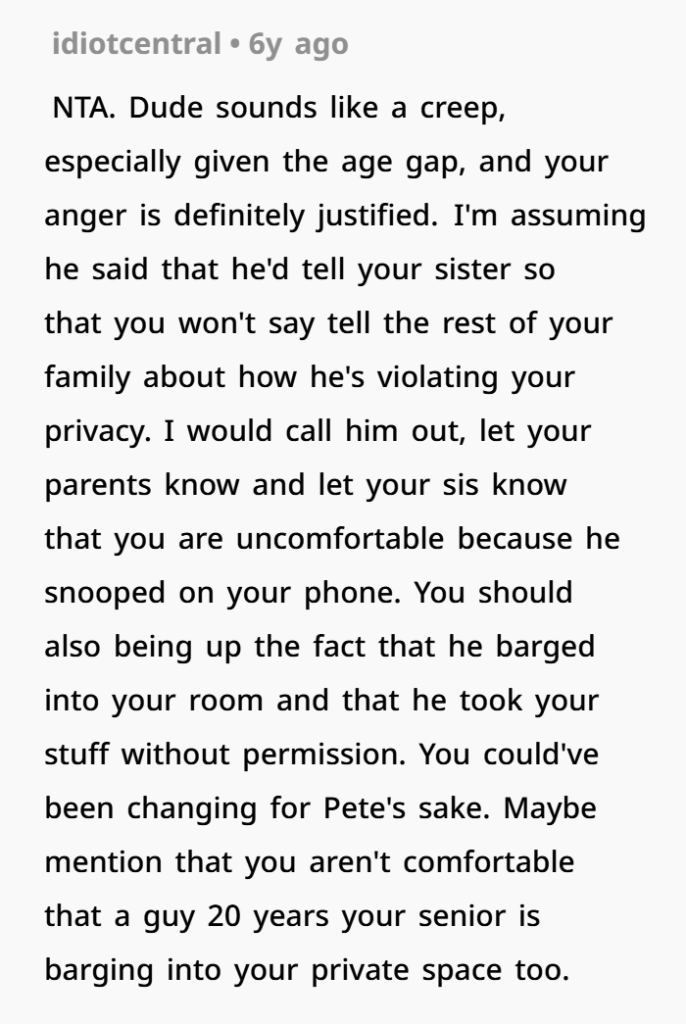
You are 17, and he is an adult. Adults have a responsibility to understand personal boundaries and treat younger people with respect.
A teenager should not have to constantly defend their private space from an older person in the home.
Healthy family relationships should be built on communication, respect, and trust—not fear or pressure.
You Do Not Need to Use Extreme Labels to Explain the Problem
You mentioned that you do not see him as something extreme, but simply as someone behaving badly.
That shows you are trying to be fair.
A person does not need to have a serious label for their actions to be wrong.
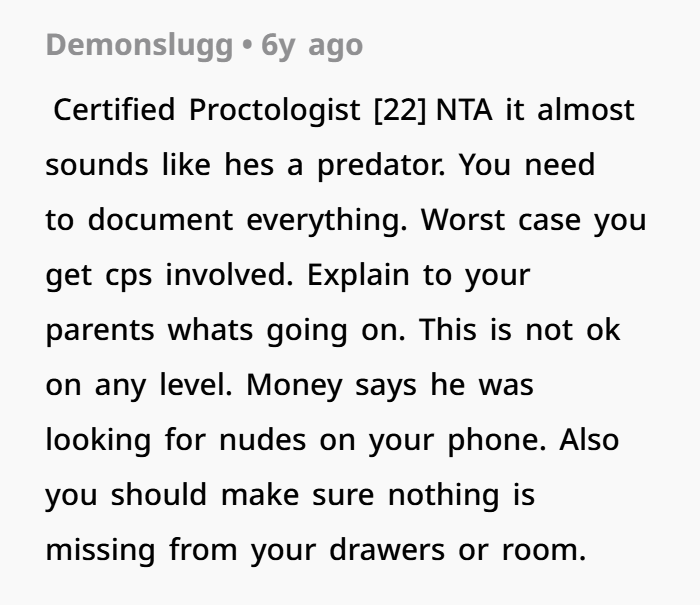
Someone can still behave in an unacceptable way by ignoring boundaries, taking personal items, or invading privacy.
The important thing is focusing on the behavior itself.
What You Can Do Going Forward
Instead of only focusing on the argument, think about protecting your peace and privacy.
1. Protect Your Digital Privacy
Keep your phone locked with a password or security feature.
Avoid leaving your phone unattended if you feel someone may access it without permission.
Good digital habits help protect your personal information.
2. Set Clear Boundaries
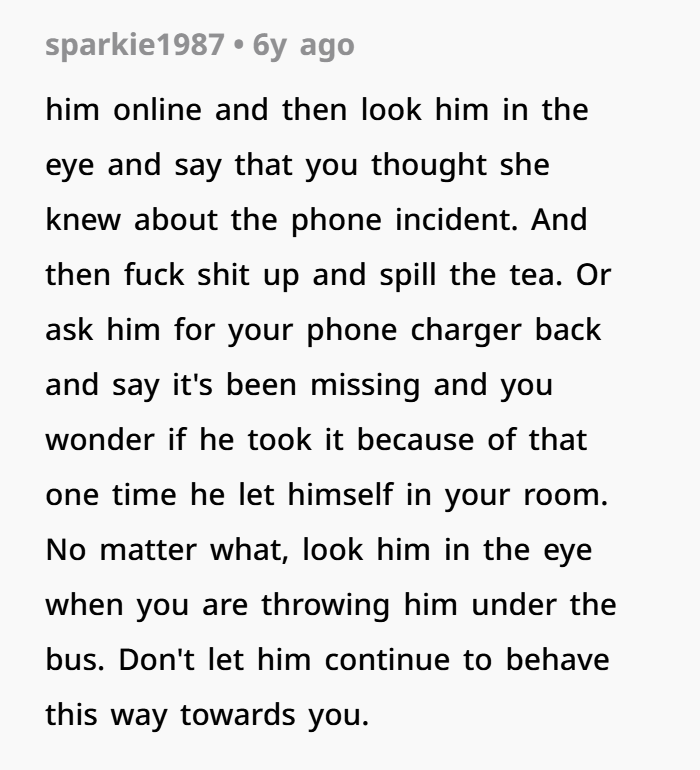
You do not have to start a fight to set a boundary.
A simple statement like:
“Please do not use my things or check my phone without asking.”
can clearly communicate your expectations.
3. Talk to Someone You Trust
If the behavior continues or becomes more stressful, speaking with a trusted adult can help.
Asking for support is not about creating problems. It is about making sure you feel respected and safe.
4. Stay Calm If the Situation Comes Up Again
If he brings up your posts, try to keep the conversation focused.
The main issue is still that your phone was accessed without your permission.
So, Were You Wrong for Yelling?
No, being upset after repeated boundary issues is understandable.
Your reaction came after feeling disrespected multiple times.
That does not mean every reaction is perfect, but your feelings make sense.
The bigger issue is not just one argument. It is about a repeated lack of respect for personal boundaries, privacy, and trust.
Everyone deserves to feel comfortable in their own home. Respecting someone’s space and digital privacy is a basic part of any healthy relationship.
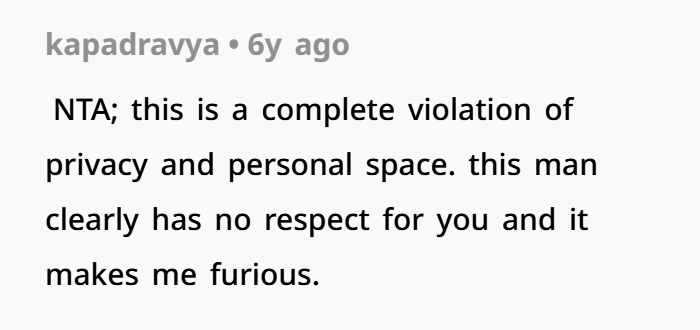
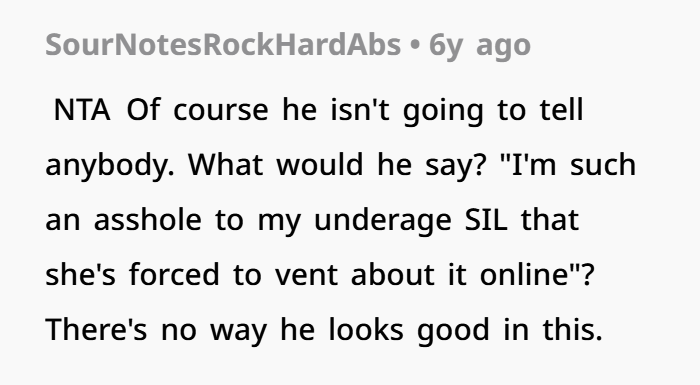
What The Comments Reveal