My Fiancée Wants Me to Cut Off My Parents Forever

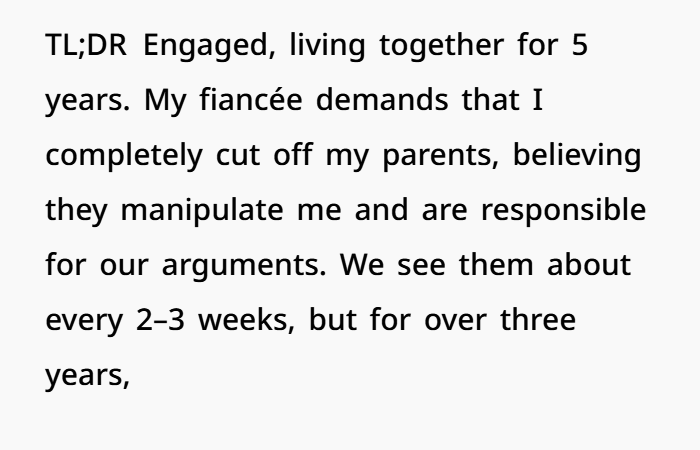
For almost 10 years, this couple built a life together. They lived in the same home, got engaged, planned their future, traveled together, and shared many everyday moments. From the outside, their relationship looked strong. However, over time, one major issue started creating stress between them — disagreements about his relationship with his parents.
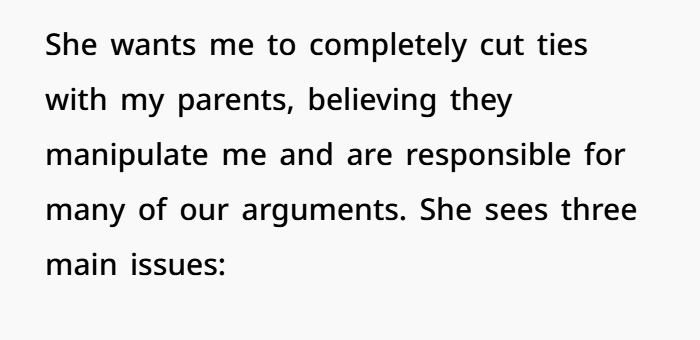
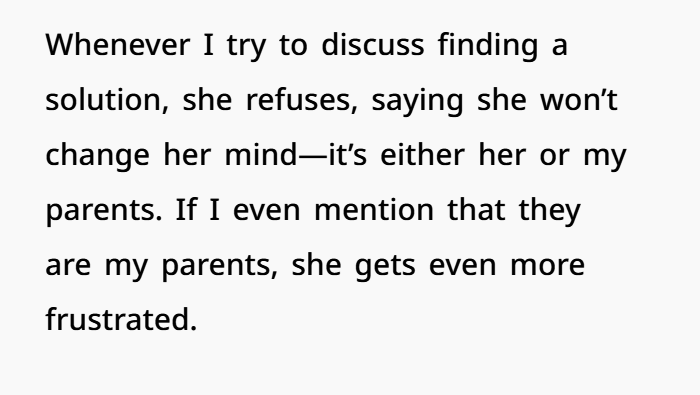
At first, the problem seemed small. They had conversations about family boundaries and different parenting styles. But as time passed, the disagreements became more serious. The couple started having more arguments, and he felt pressure to distance himself from his parents completely. The situation became less about their relationship and more about emotional stress, personal boundaries, and finding a balance between family and partnership.
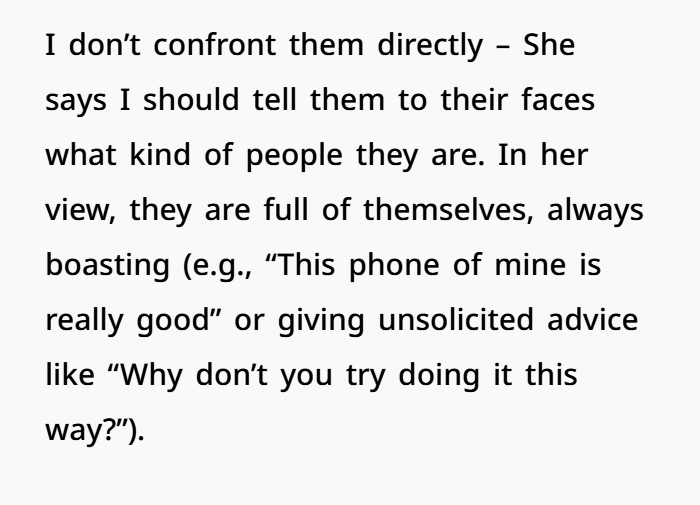
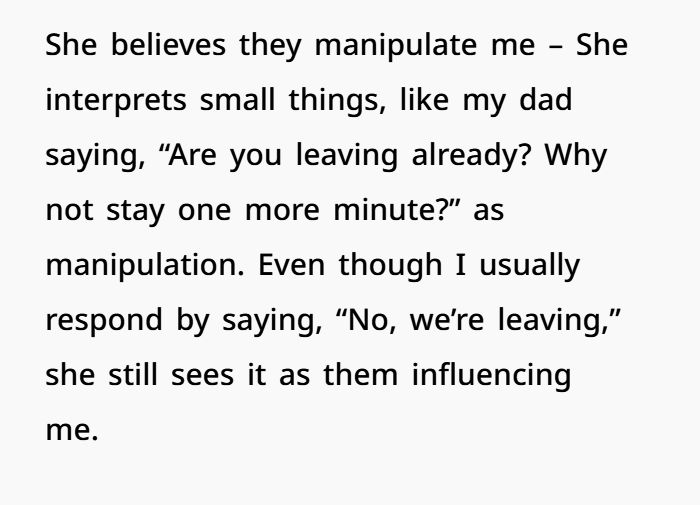
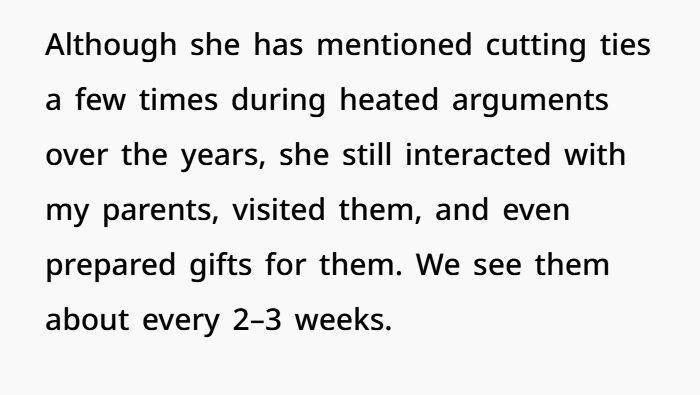
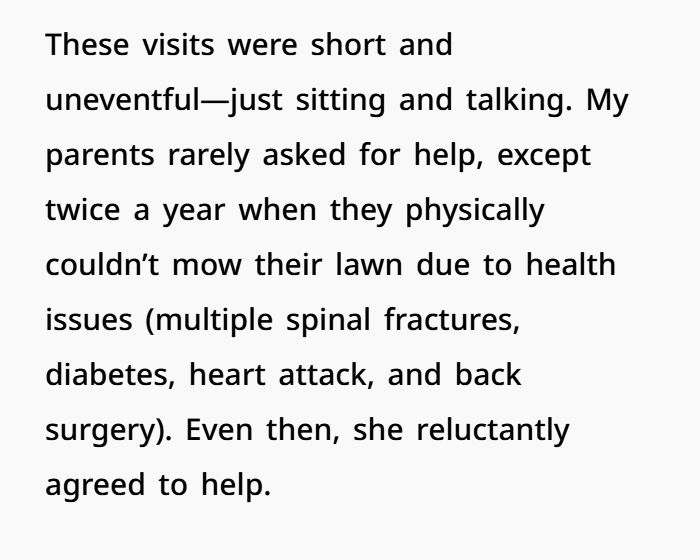
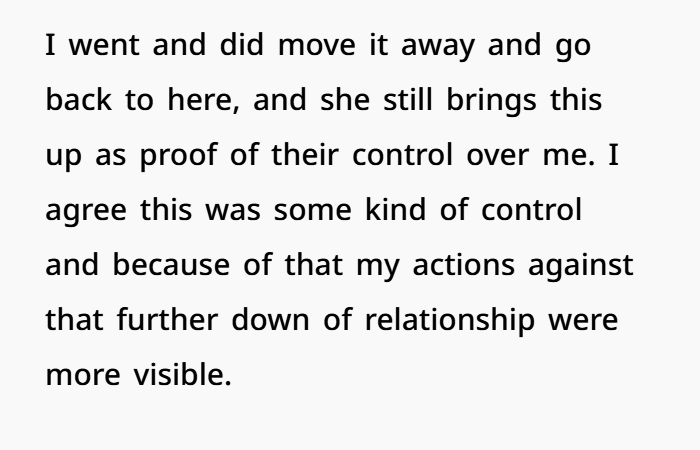
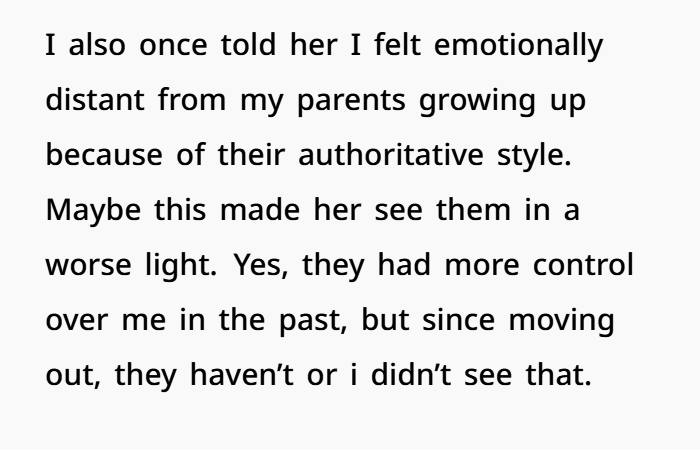
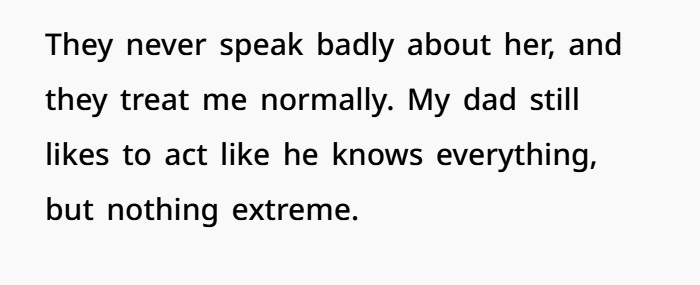
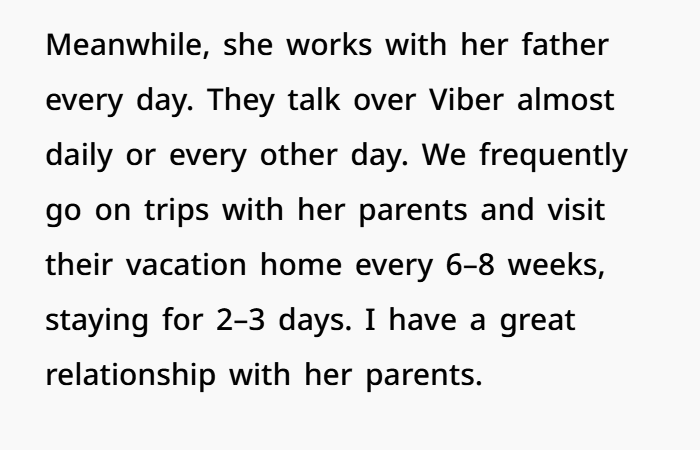
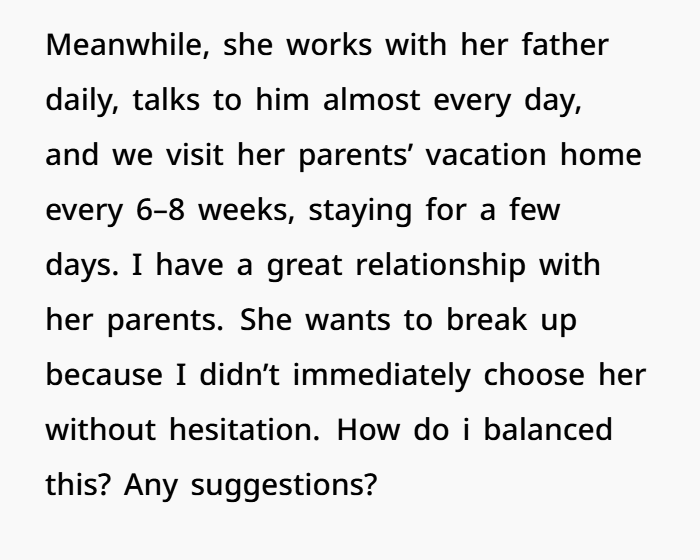
The challenge was that his parents did not appear to have extremely harmful behavior. His father could sometimes be difficult or controlling, but many situations involved normal family interactions, such as birthday messages, occasional visits, or asking for support during health concerns. At the same time, his fiancée remained very close to her own family and spent a lot of time with them.
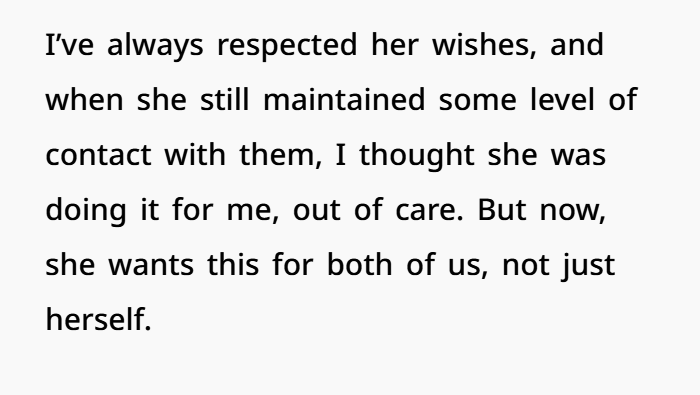
Now, he feels stuck between his love for his partner and his connection with his parents. After spending nearly a decade building a life together, he is struggling with questions about family loyalty, relationship expectations, and emotional well-being. This situation shows why healthy communication, mutual respect, and clear boundaries are important in long-term relationships.

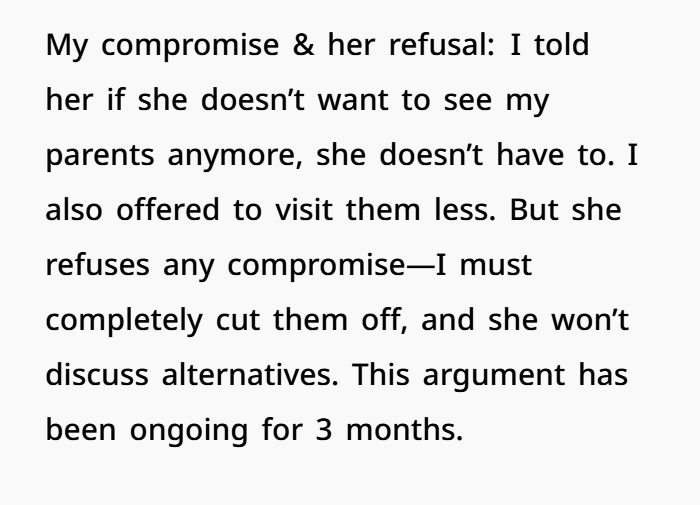
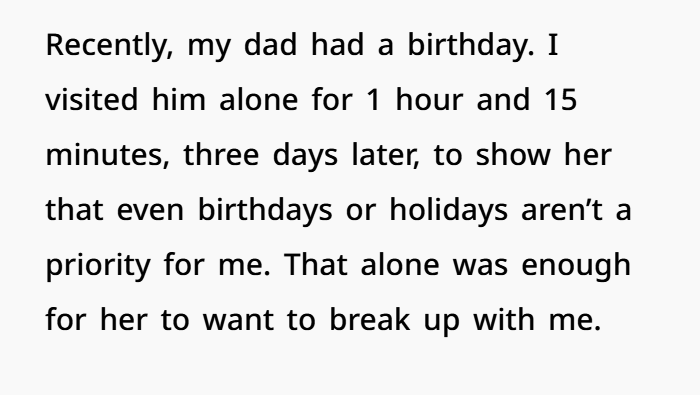
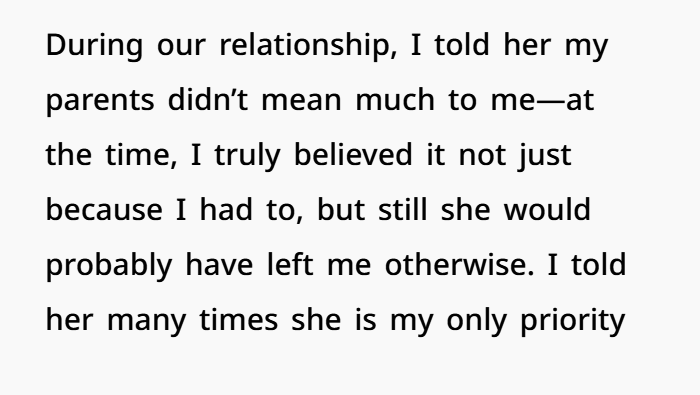
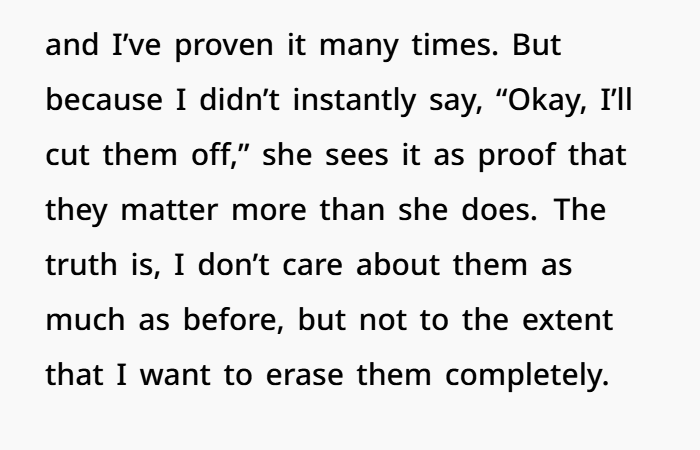
When Family Boundaries Become a Relationship Problem
Many people connected with this story because it is not only about parents.
It is about something much deeper:
Relationship boundaries, emotional balance, and how couples handle family connections.
Problems like this usually do not appear suddenly.
They often grow slowly through stress, disagreements, fear, and repeated emotional pressure. Over time, one person may feel stuck between keeping their relationship happy and staying connected to the people they love.
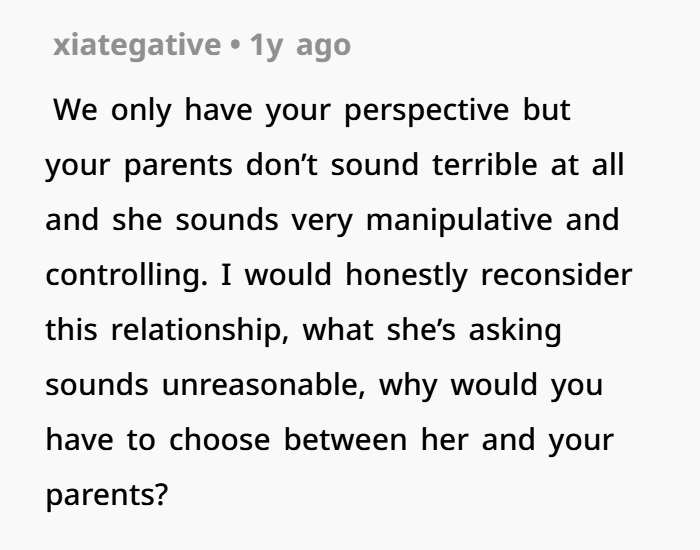
Choosing Your Partner Does Not Mean Losing Everyone Else
Many people believe that after marriage or engagement, your partner should become your biggest priority.
In a healthy relationship, that is often true.
Your partner should feel loved, respected, and supported.
However, there is a difference between choosing your partner and being forced to completely remove your family from your life.
Healthy relationships usually involve balance.
A person can build a strong relationship with their partner while still maintaining respectful connections with family members.
When Family Conflict Becomes Bigger Than the Original Problem
The issue in this situation seems to go beyond normal disagreements with in-laws.
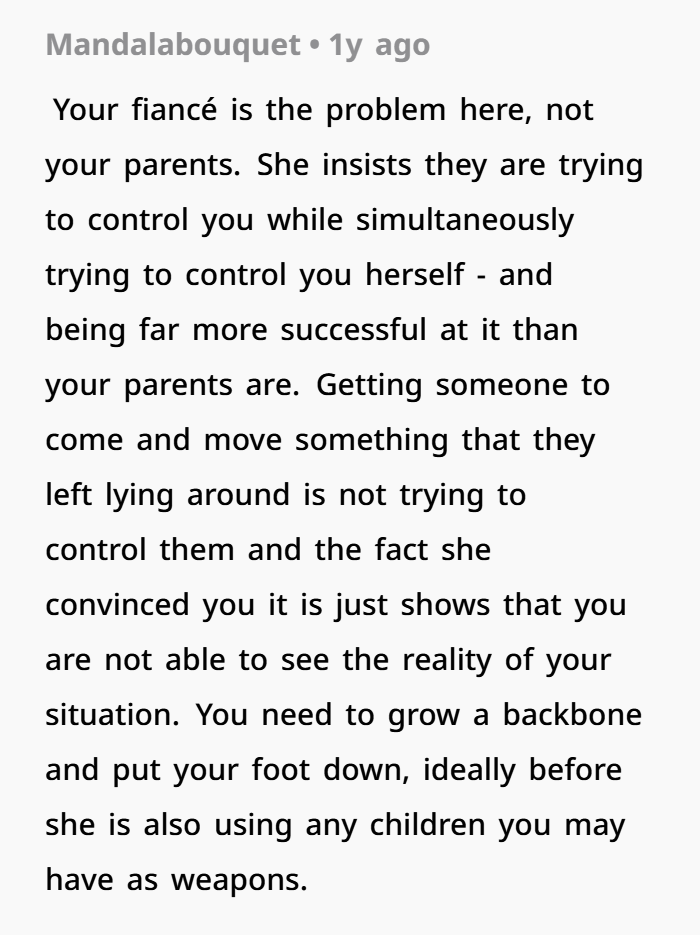
The concern is not simply that the fiancée does not enjoy spending time with his parents.
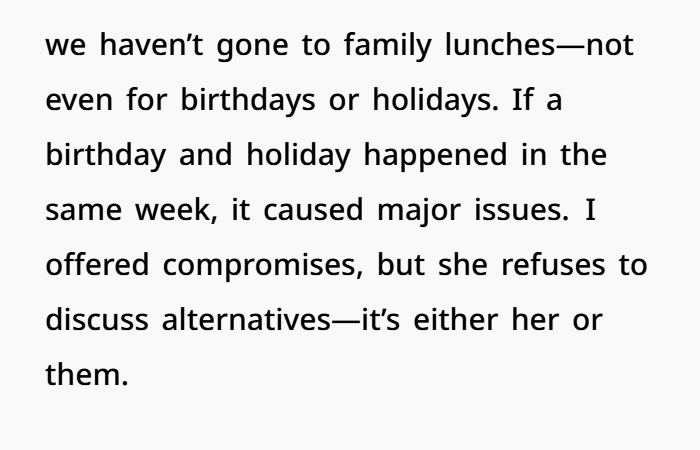
The bigger concern is that she appears to want complete distance:
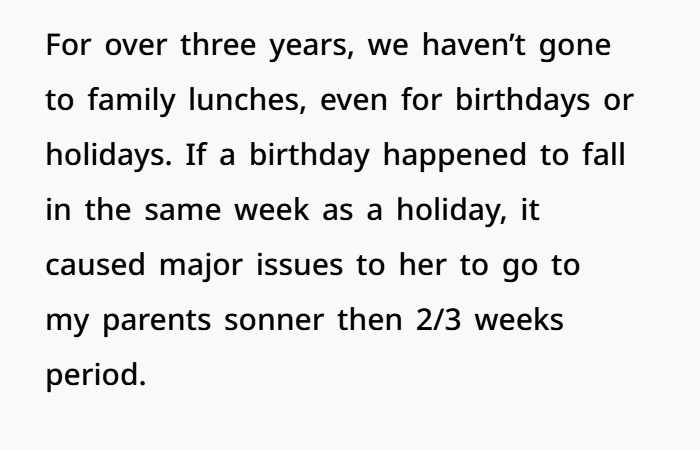
- No family gatherings
- No celebrations
- No visits
- No personal contact
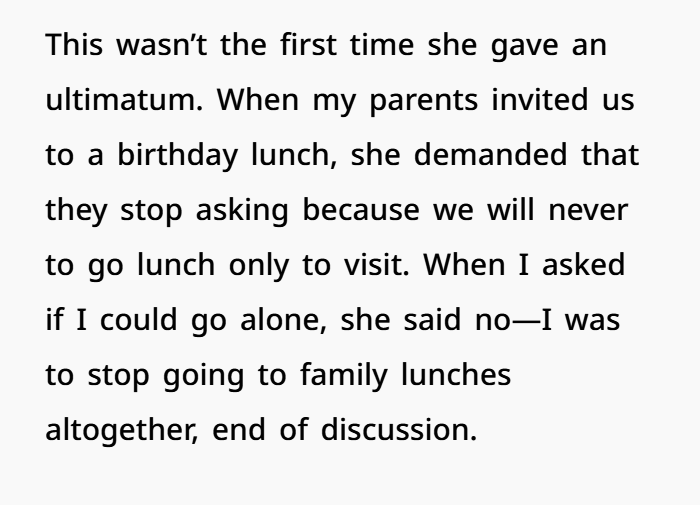
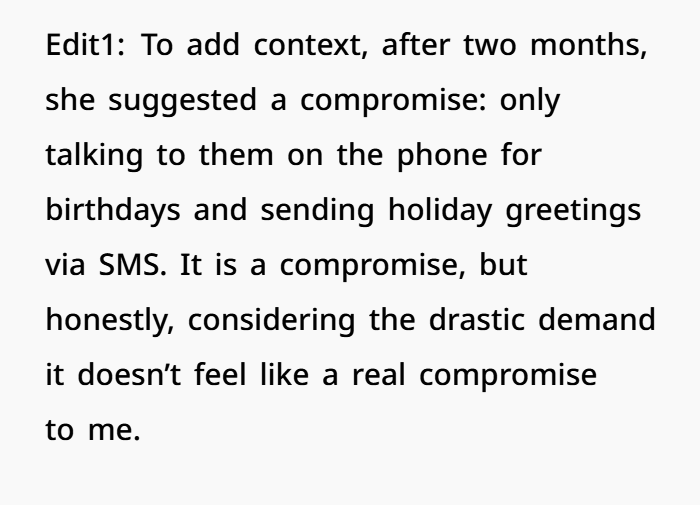
Even a short visit between him and his father became a serious relationship issue.
This changes the conversation because it becomes less about family disagreements and more about personal freedom, trust, and emotional boundaries.
The Importance of Healthy Boundaries
It is true that some people have difficult family relationships.
Some individuals grow up with:
- Controlling parents
- High family pressure
- Poor communication
- Unhealthy emotional patterns
In those situations, creating distance can sometimes be necessary for emotional wellbeing.
Protecting your mental health and creating healthy boundaries with family members can be a positive choice.
However, boundaries should usually be based on personal needs and mutual understanding, not pressure from one person.
Relationships Need Fair Expectations
One thing many people noticed in this story was the difference between how each person viewed family connections.
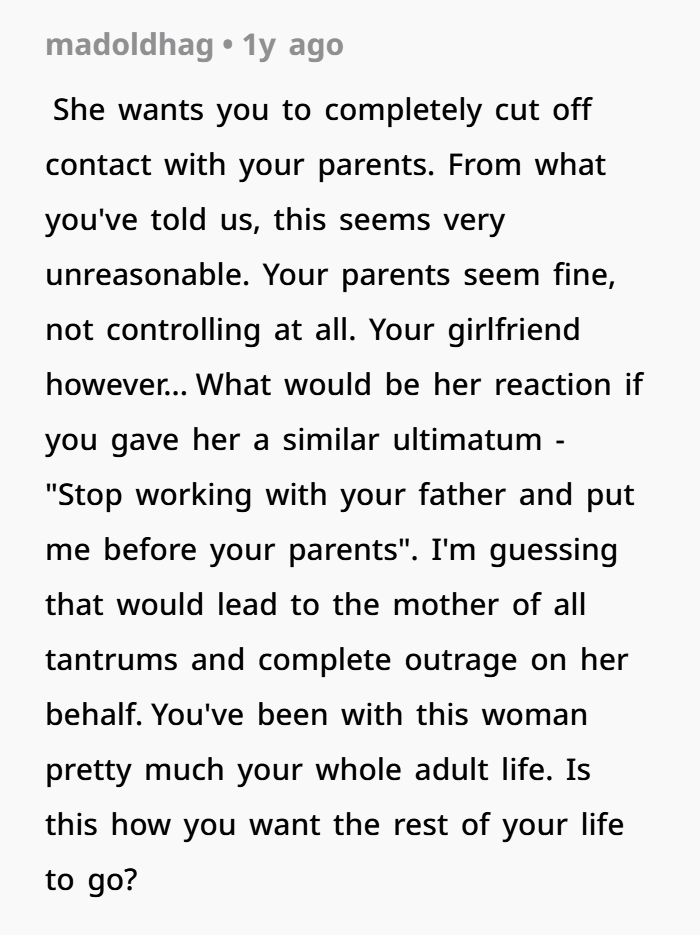
The woman remained very close with her own family.
She spoke with them often and spent a lot of time with them.
However, she expected her partner to have much less involvement with his family.
This creates a difficult situation.
Healthy relationship boundaries should usually apply equally to both partners.
Both people should feel that their needs, relationships, and emotions matter.
When one partner is asked to make sacrifices that the other person would not make, resentment can grow over time.
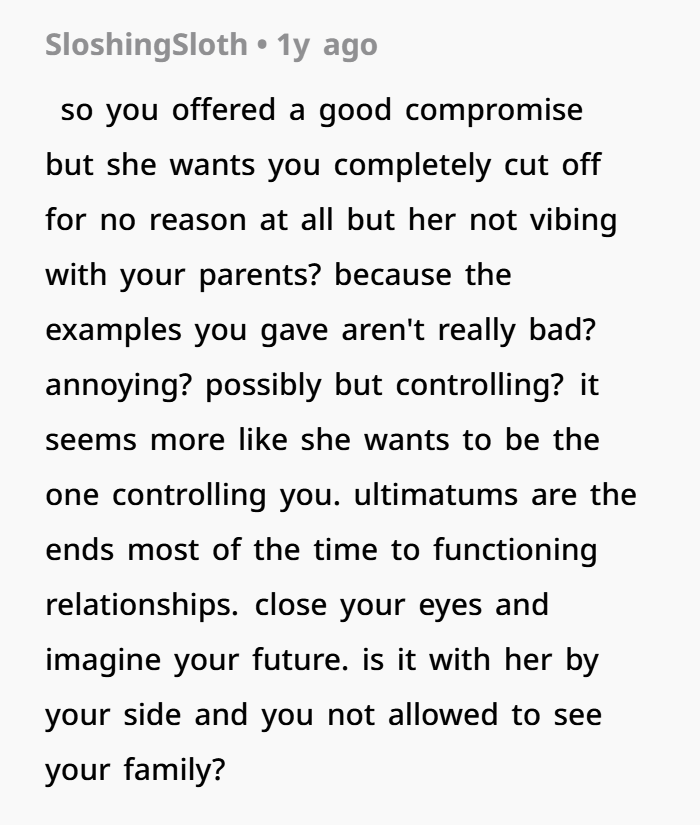
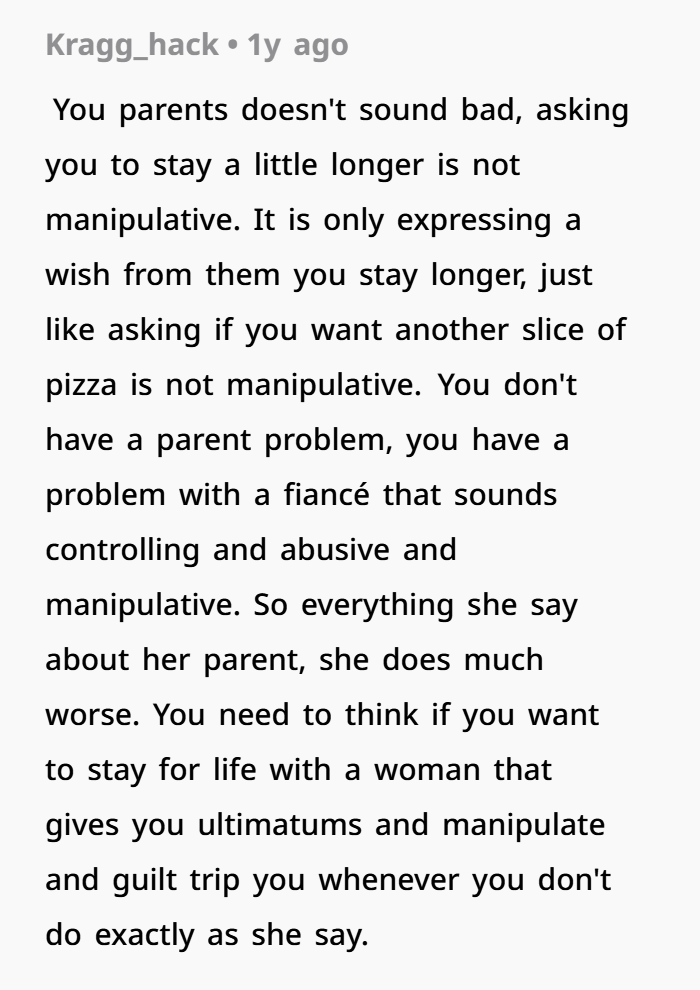
Why Ultimatums Can Damage Relationships
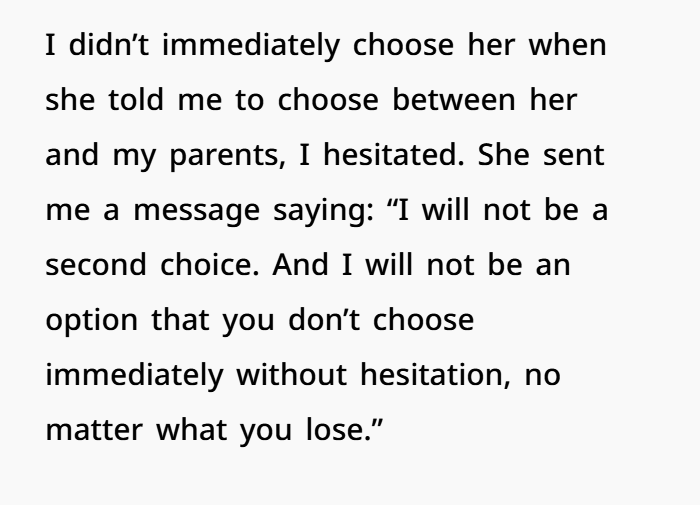
One of the most difficult parts of this situation is the idea of:
“Choose me or them.”
Ultimatums often create fear instead of connection.
Healthy couples usually try to solve problems through:
- Honest conversations
- Compromise
- Understanding each other’s feelings
- Finding solutions together
Sometimes people use strong demands because they feel hurt, insecure, or afraid of losing the relationship.
That does not always mean they have bad intentions.
But repeated ultimatums can make a relationship feel stressful and unsafe.
Understanding Family Estrangement
Family estrangement has become a common topic in conversations about mental health and relationships.
For some people, creating distance from family members is the healthiest choice.
This can happen when there is:
- Emotional abuse
- Serious manipulation
- Repeated harm
- Unsafe behavior
However, every family situation is different.
Not every difficult parent-child relationship requires complete separation.
Sometimes people can create healthier relationships through:
- Clear communication
- Limited contact
- Respectful boundaries
- More realistic expectations
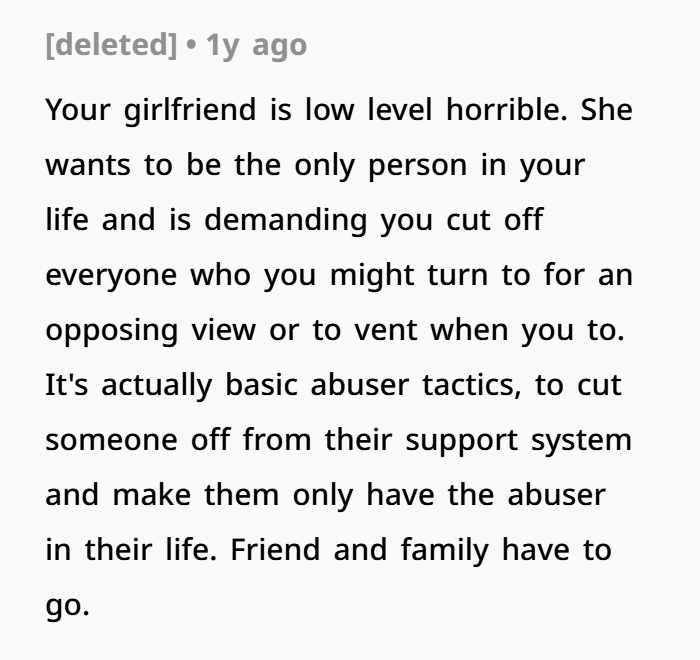
The Risk of Losing Your Support System
A healthy relationship should allow both partners to maintain connections outside the relationship.
Friends, family members, and personal interests can provide important emotional support.
When someone becomes disconnected from everyone except their partner, it can create emotional pressure.
A strong relationship should create security, not dependence based on isolation.
The Emotional Cost of Constant Conflict
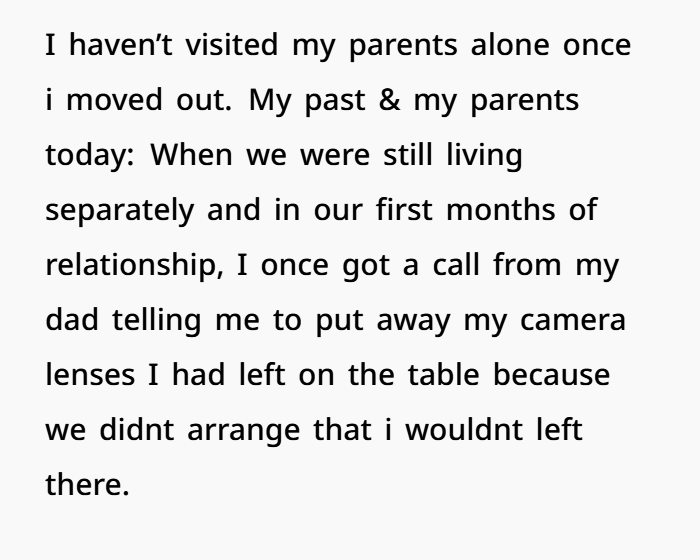
The person in this story explained that he had stopped visiting his parents alone because of relationship conflict.
That detail stands out because it suggests he may have been changing his behavior to avoid arguments.
Over time, constantly thinking:
“Will this upset my partner?”
“Will this create another fight?”
“Should I avoid this to keep peace?”
can become emotionally exhausting.
Keeping peace is important, but a person should not have to completely ignore their own needs and relationships.
Family Relationships Are Often Complicated
Real families are rarely perfect.
Parents can be difficult, emotional, overprotective, or controlling at times.
That does not always mean they are completely harmful.
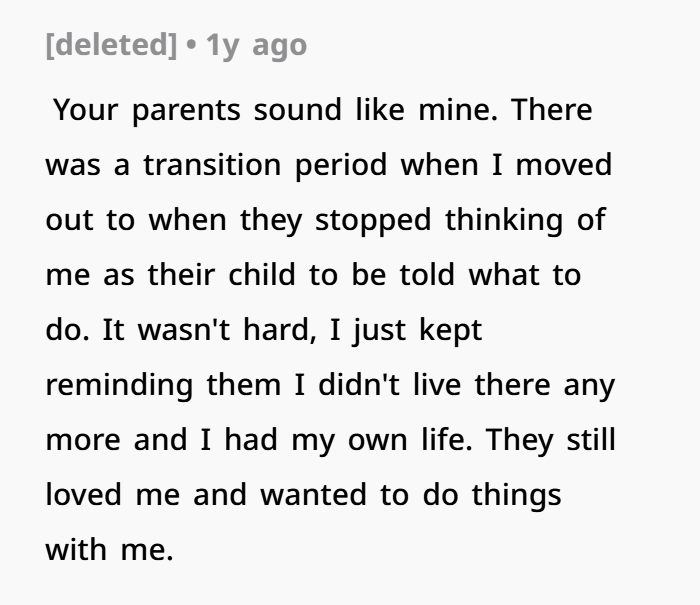
Many adults find ways to maintain relationships with imperfect family members while still protecting their own boundaries.
The goal is usually not perfection.
The goal is a healthier balance.
Marriage Requires Teamwork and Respect
Marriage does not automatically solve relationship problems.
In many cases, marriage makes existing issues more noticeable.
If couples already struggle with family boundaries, communication, or trust before marriage, those problems may become bigger later.
Future situations can bring more challenges:
- Holidays
- Children
- Family emergencies
- Health issues
- Caring for aging parents
These moments require teamwork and understanding.
The Importance of Emotional Independence
A healthy relationship allows both people to feel connected while still being individuals.
This means having:
- Personal choices
- Outside relationships
- Individual interests
- Emotional independence
Love should not require someone to completely disappear from their previous life.
A strong partnership is built when two people support each other while still respecting each other’s identity.
Finding Balance Instead of Taking Sides
The difficult part of situations like this is that there may not be one simple villain.
There may be:
- Past family issues
- Personal fears
- Communication problems
- Different expectations
- Emotional stress
Understanding all sides does not mean accepting unhealthy behavior.
It means recognizing that relationships are complicated.
The most important lesson is that healthy relationships need trust, respect, communication, and freedom.
A relationship should bring people closer together, not make one person feel trapped between love and loyalty.
Real emotional safety comes from compromise, understanding, and the ability to maintain healthy connections with the important people in your life.
The Comments Are In