I Slept in My Daughter’s Bed to Keep Her Warm… My Husband Thinks It Means Divorce

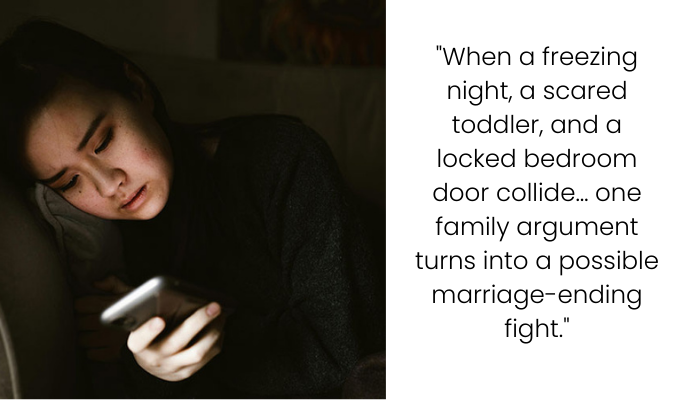
A young mother became worried when the temperature dropped to around six degrees. In Texas, winter storms can sometimes cause power outages, which means homes may lose heating during very cold weather. Since she had a young child, she wanted to be prepared in case the electricity stopped working.
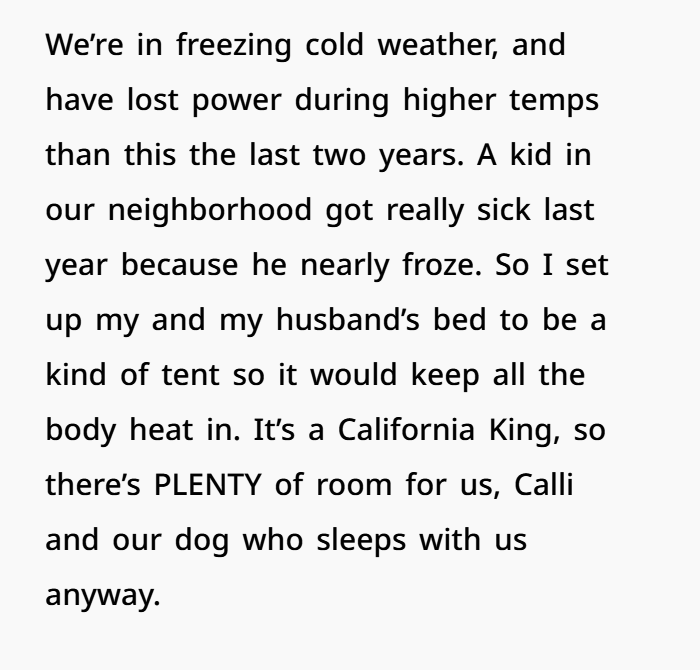
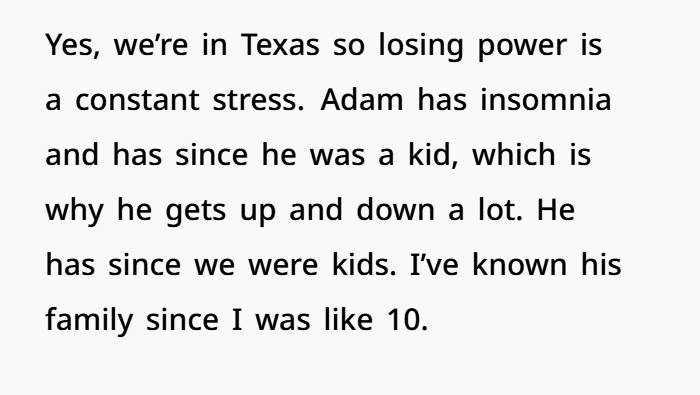
She created a simple emergency plan. She arranged their California King bed so that she, her husband Adam, their three-year-old daughter Calli, and their dog could stay warm together if the power went out overnight. Her goal was to use body heat and blankets instead of depending on electric heating.
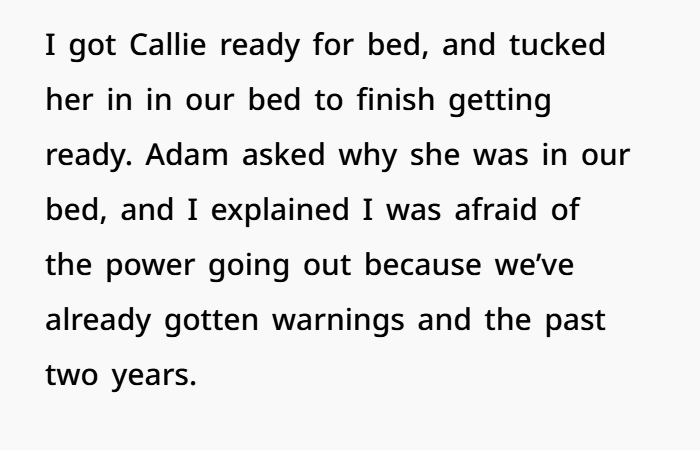
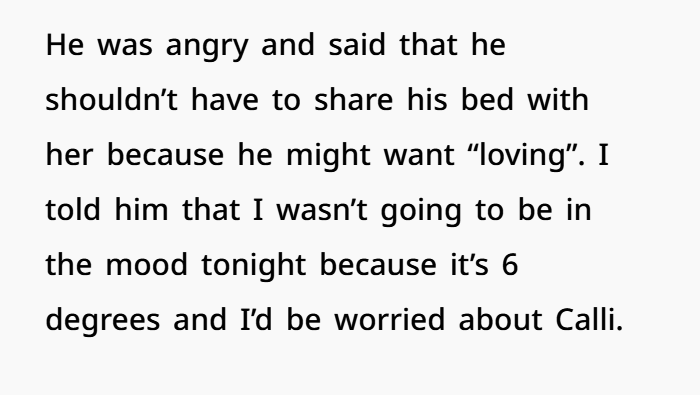
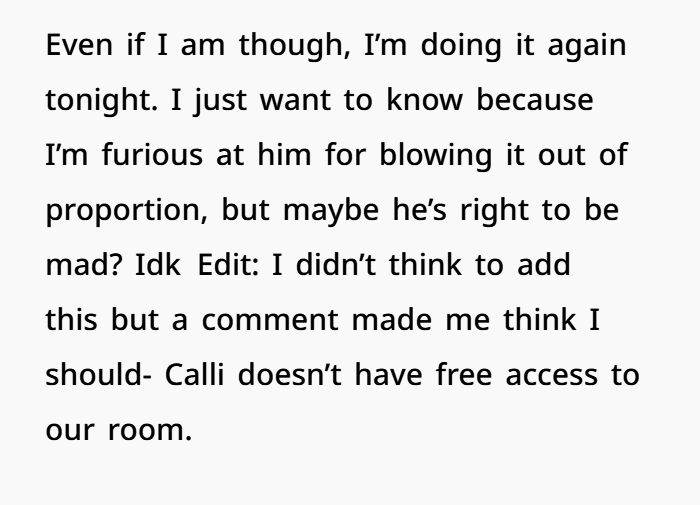
However, Adam did not feel comfortable with the plan. When he saw Calli sleeping in their bed, he became upset. He said he wanted their bedroom to remain private and mentioned that he might want personal time with his wife later. This created an argument about parenting choices, marriage boundaries, and personal space.
The mother decided not to continue the argument. Instead, she moved the blankets and warm setup to Calli’s smaller bed and slept there with her daughter. Adam stayed in the main bedroom by himself.
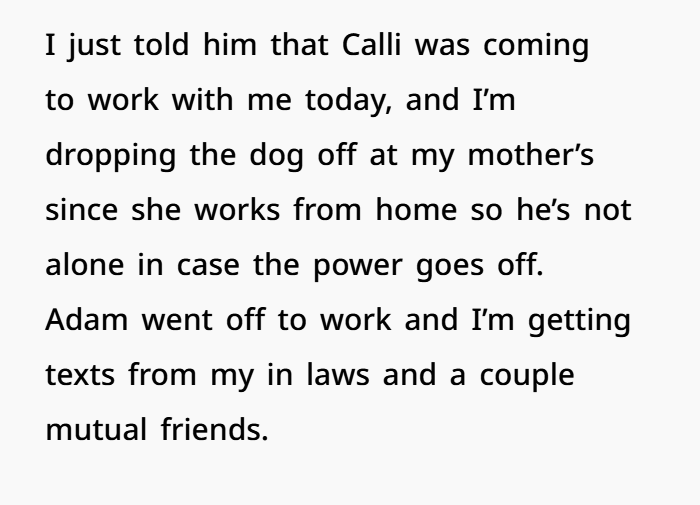
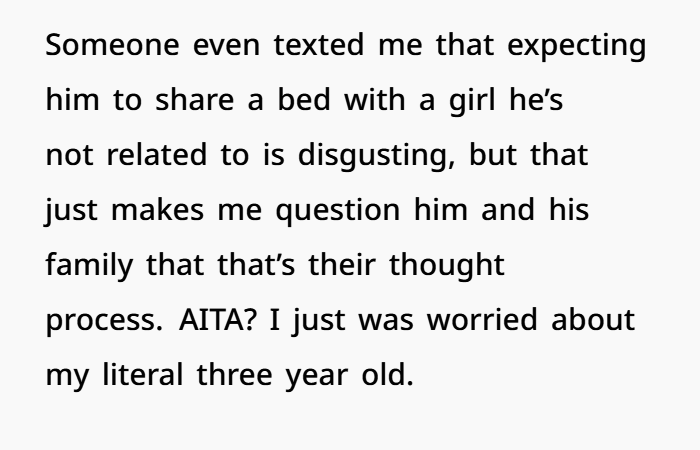
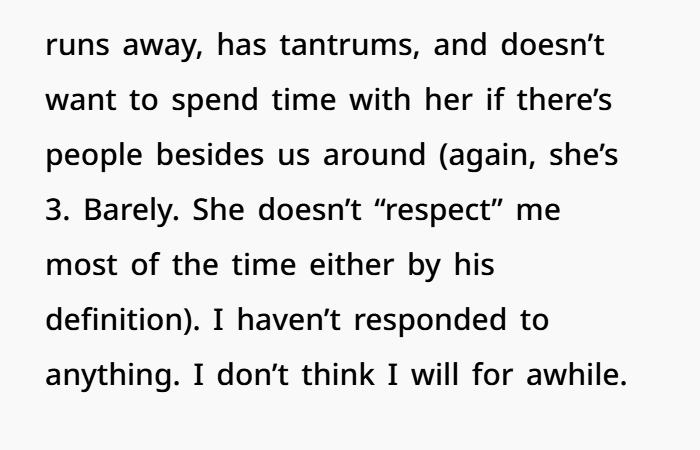
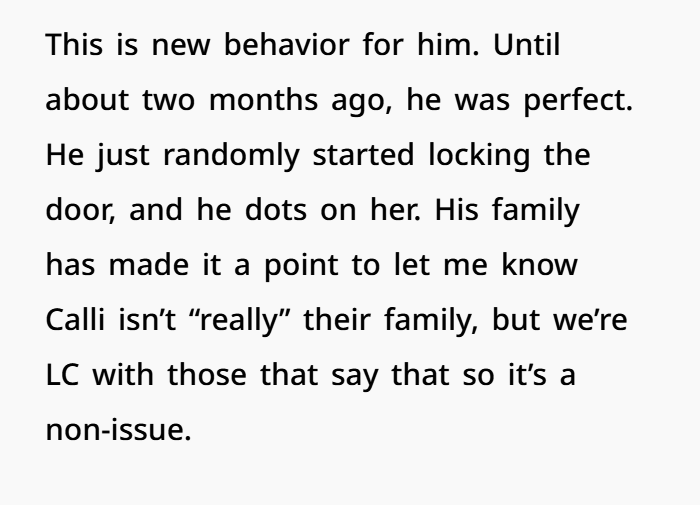
The disagreement continued the next day. Adam felt that the situation had become a bigger relationship problem, and he told others that his wife was considering divorce. Some family members also shared their opinions, which increased the tension. One person even questioned whether Adam should share a bed with Calli, even though he had legally adopted her.
What started as a simple winter safety plan became a much larger family conflict. The situation shows how important communication, parenting decisions, and mutual respect are in a marriage and family relationship.





When Parenting, Adoption, and Marriage Problems Collide: Understanding Family Boundaries
Family disagreements can sometimes look like simple arguments from the outside.
But many family conflicts are actually connected to deeper issues like parenting choices, marriage communication, step-parent relationships, child safety, and legal responsibilities.
These topics often create strong discussions because they involve emotions, family values, and important decisions about children.
Protecting a Child During an Emergency
The main issue in this situation started with a concern about keeping a child safe during extreme weather.
Cold weather emergencies and power outages can create serious risks for families. When heating systems stop working during freezing temperatures, parents often need to make quick decisions to protect their children.
Emergency preparedness experts usually recommend that families have a safety plan before severe weather happens.
Some common winter safety steps include:
- Keeping children warm with extra clothing and blankets
- Staying in the warmest area of the home
- Avoiding unsafe heating methods
- Checking on children regularly
- Having emergency supplies ready
When a home loses heat during very cold weather, parents naturally focus on protecting young children because they are more sensitive to temperature changes.
Why Children Need Extra Care During Cold Weather
Young children lose body heat faster than adults.
Toddlers and small children have smaller bodies and may have more difficulty staying warm during cold conditions.
In this situation, the child also has asthma, which can make cold weather more challenging.
Cold air can sometimes trigger breathing problems for people with asthma. Many healthcare professionals recommend that children with asthma avoid sudden exposure to very cold temperatures and follow their doctor’s safety advice.
From a parenting perspective, wanting to keep a child warm and safe during an emergency is a normal concern.
Understanding Adoption and Parental Rights
Another major part of this situation involves adoption.
Some people misunderstand the role of an adoptive parent. They may believe that a biological connection is the only thing that creates a real parent-child relationship.
That is not true.
Once an adoption is legally completed, an adoptive parent has the same legal responsibilities and parental rights as a biological parent.
Adoptive parents are responsible for:
- Providing care and support
- Protecting the child
- Making important parenting decisions
- Creating a safe and loving home
The law recognizes adoption as a permanent parent-child relationship.
A child does not become less connected to a parent because they do not share the same biology.
Challenges in Blended Families
Blended families and adoptive families can sometimes face outside opinions and pressure.
Relatives or friends may make comments that question a parent’s role, such as suggesting that an adoptive parent is somehow less important.
These comments can be harmful.
Family therapists often explain that children need strong emotional bonds with the adults who care for them. Supportive relationships help children feel safe and secure.
Negative comments from others can create stress between family members and may affect marriage communication.
Marriage Communication and Parenting Differences
Many couples struggle with balancing marriage needs and parenting responsibilities.
Parents often have to manage:
- Childcare
- Work stress
- Household responsibilities
- Emotional needs
- Relationship time
During stressful situations, communication becomes even more important.
If one partner feels worried about a child’s safety, the other partner should try to understand those concerns before reacting.
Relationship experts often say that empathy and teamwork are important parts of a healthy marriage.
Disagreements about parenting should be handled through calm conversations rather than anger or criticism.
Why Children Need Emotional Security at Night
Another important issue in this situation involves a child’s nighttime needs.
Young children often experience:
- Fear of the dark
- Nightmares
- Separation anxiety
- Stress during major changes
Many child development experts say that children need reassurance and emotional support, especially when they feel scared.
Parents often create nighttime routines that help children feel safe and comfortable.
The goal is to help children develop confidence while also making sure they know they can ask for help when they need it.
When a Partner’s Behavior Suddenly Changes
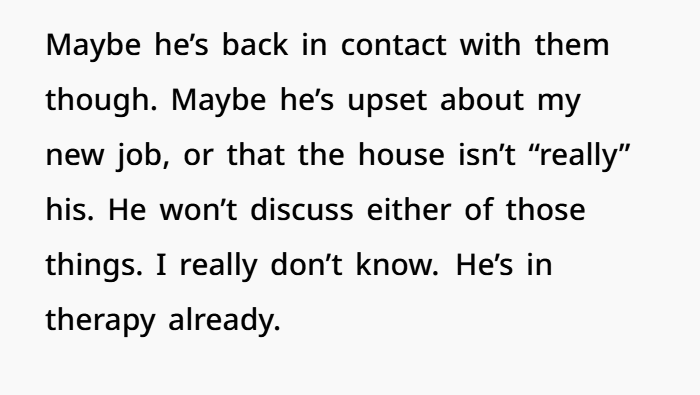
A sudden change in someone’s behavior can create confusion in a relationship.
If a person who was previously very involved suddenly becomes distant, there may be many possible reasons.
Possible causes can include:
- Personal stress
- Work pressure
- Financial concerns
- Family influence
- Emotional struggles
In blended families, outside opinions can sometimes affect how people view their role as a parent.
This is why open communication is important. Couples may need honest conversations about fears, expectations, and responsibilities.
Understanding Adoption and Divorce
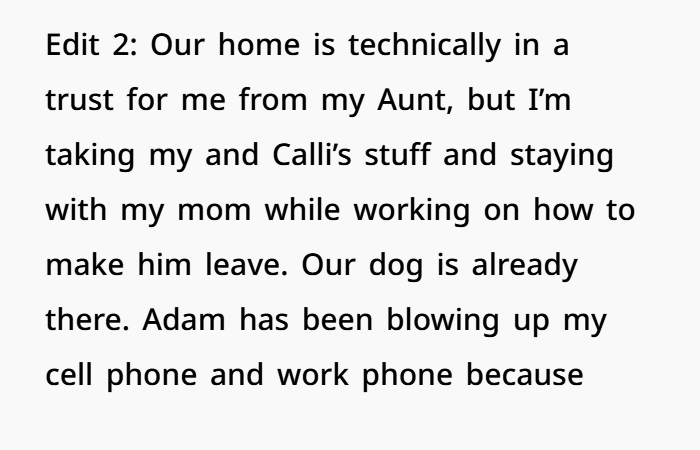
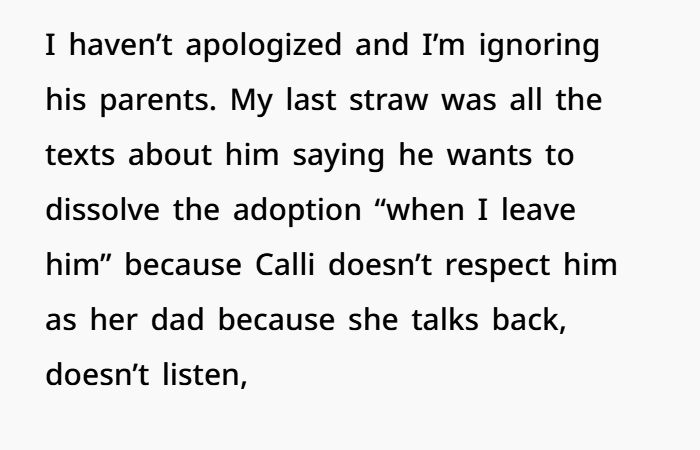
Another concern in situations like this is the idea of ending or reversing an adoption during a relationship conflict.
In most cases, adoption is a permanent legal process.
An adoptive parent does not usually lose parental responsibility simply because a marriage has problems or a couple separates.
Family courts generally focus on the best interests of the child. They look at important factors such as:
- Stability
- Safety
- Emotional support
- Long-term commitment from caregivers
Threatening to remove a child relationship during an argument can create additional emotional stress for everyone involved, especially the child.
The Importance of Healthy Family Boundaries
Family relationships work best when people respect each other’s roles and responsibilities.
A healthy family environment includes:
- Respectful communication
- Support between partners
- Protection of children’s emotional needs
- Understanding of legal responsibilities
- Clear personal boundaries
When disagreements happen, the focus should remain on solving problems rather than creating more hurt.
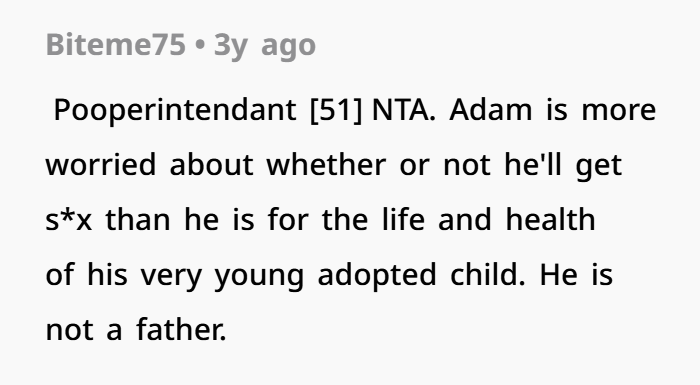
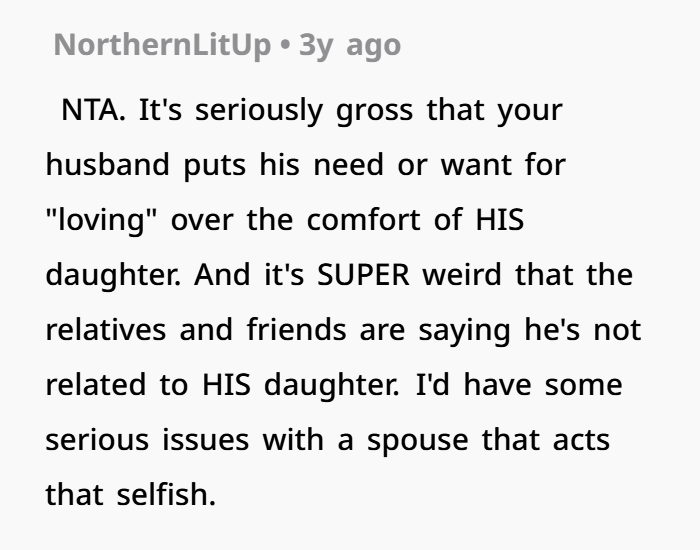
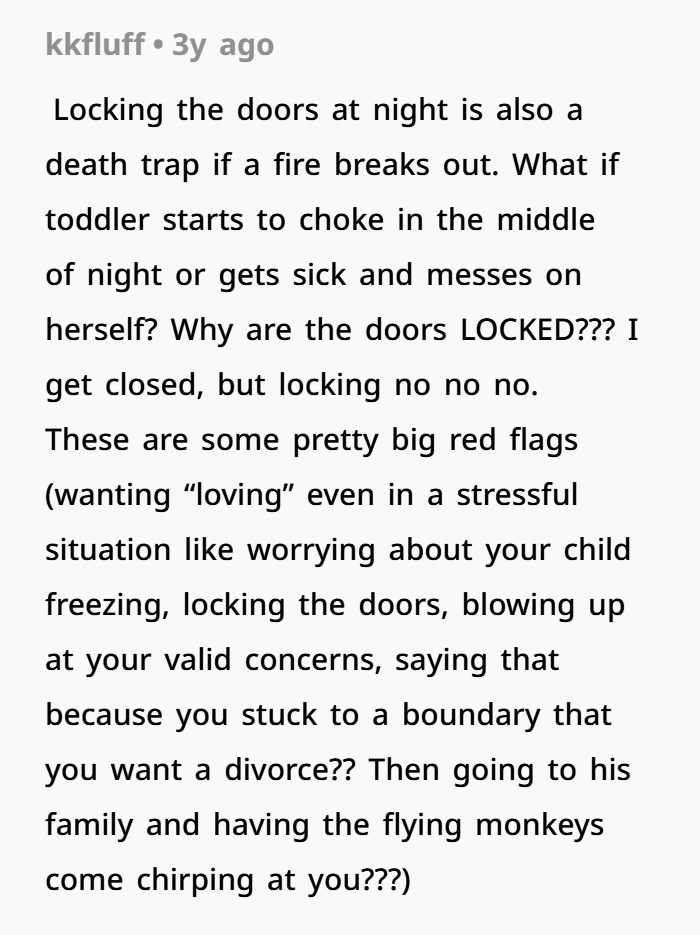
Here’s How Everyone Reacted



Final Thoughts
Family conflicts involving adoption, parenting, and marriage can be emotionally complicated.
At the center of these situations is usually one important question:
What is best for the child?
Children need love, stability, and caregivers who are committed to supporting them.
Whether a family is biological, blended, or adoptive, strong relationships are built through trust, patience, and consistent care.
When adults work together and communicate openly, families have a better chance of creating a safe and healthy environment for everyone.