AITA for Refusing to Kiss My Girlfriend After She Ate Non-Veg?

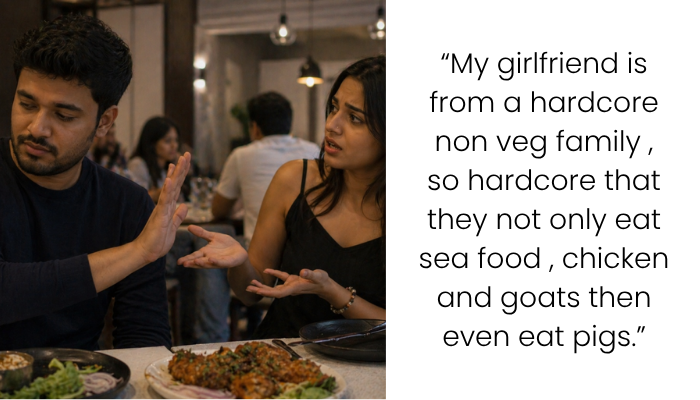
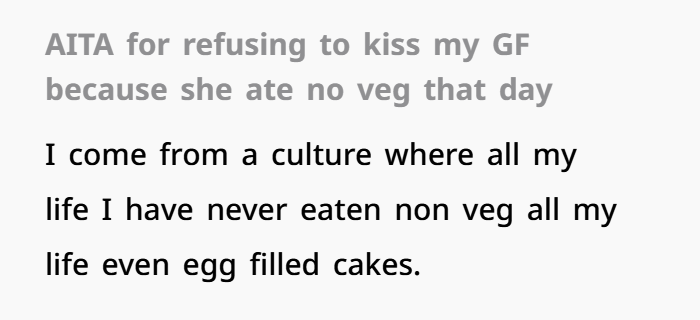
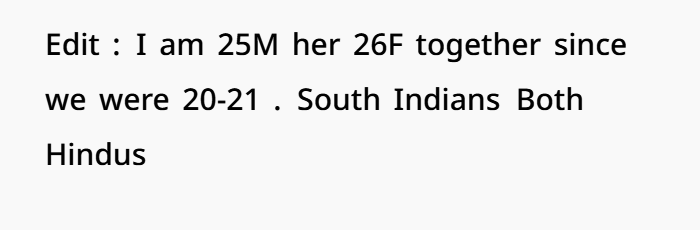
A couple found themselves dealing with a relationship problem because they had very different views about food and personal beliefs. The man had followed a strict vegetarian lifestyle his entire life. For him, being vegetarian was not only about diet choices but also connected to his values and personal identity.
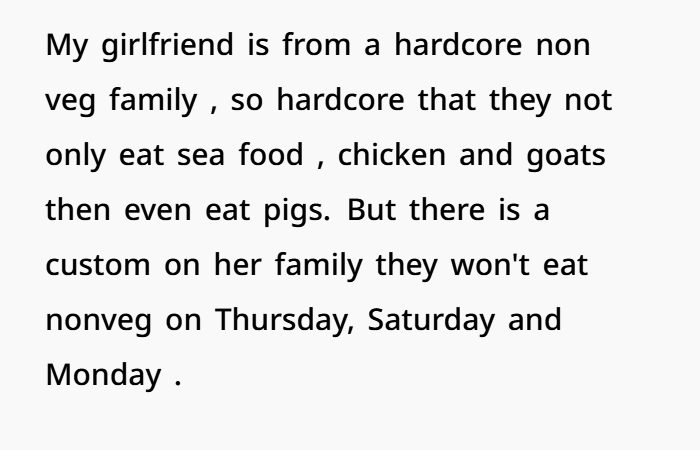
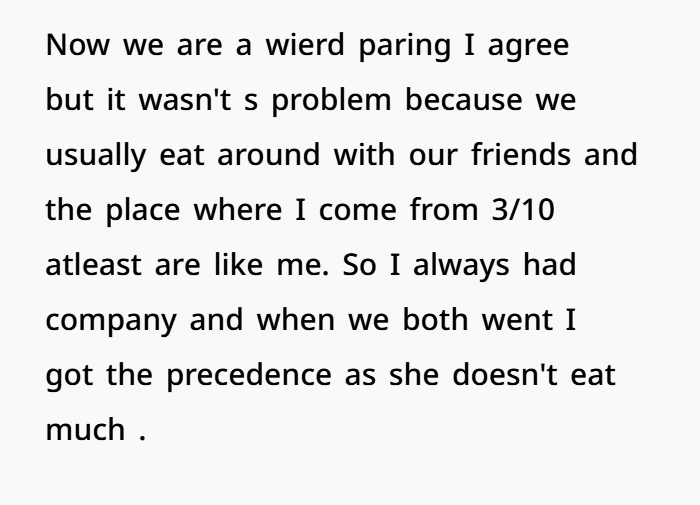
His girlfriend grew up in a family where eating meat was normal. Even though they had different food preferences, they were able to manage the relationship by respecting each other’s choices. When they spent time together or ate with others, they usually found ways to make things work.
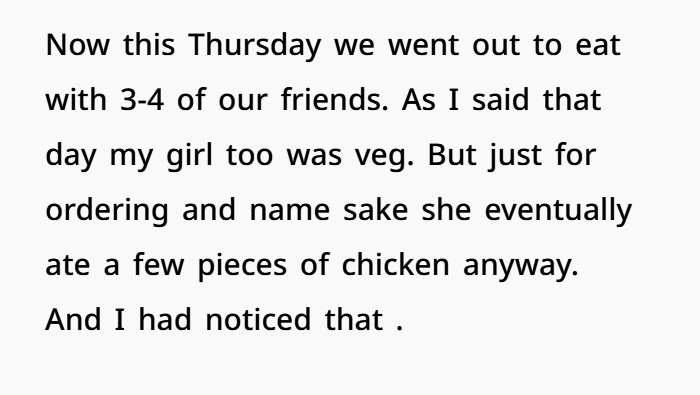
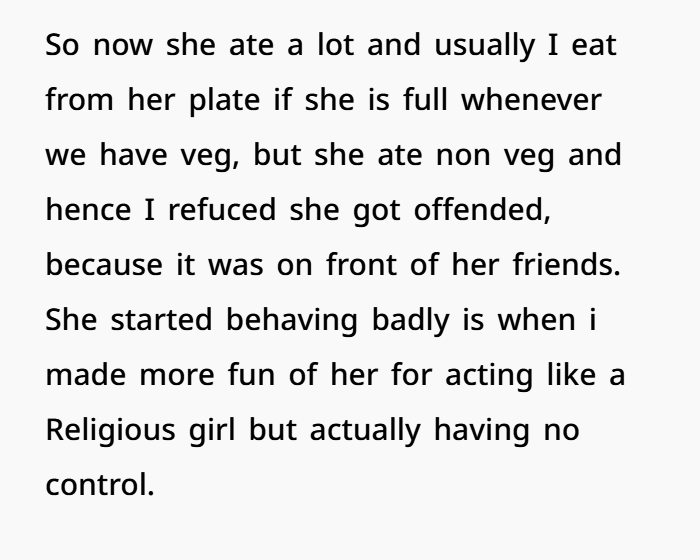
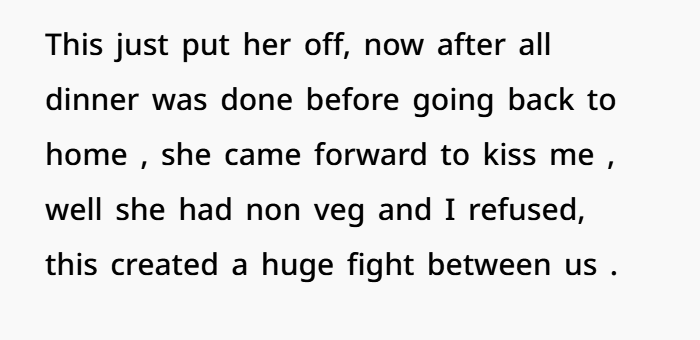
The situation changed during a dinner outing when his girlfriend decided to eat chicken, even though she usually avoided non-vegetarian food on certain family occasions. The man felt uncomfortable with the choice and said he did not want to share food or kiss her afterward because it crossed his personal boundaries.
The problem became bigger when he made comments about her choice in front of friends. She felt embarrassed and hurt because she believed he was judging her instead of respecting her decision. Now, they are dealing with a conflict about personal values, relationship boundaries, and mutual respect. The situation shows why couples with different lifestyles need open communication and understanding to handle disagreements in a healthy way.

When Food Choices Create Relationship Problems
At first, this situation may look like it is only about food.
But it is actually about something deeper.
It is about personal values, respect, communication, and whether two people can accept their differences in a relationship.
Many couples face challenges when they have different beliefs about food, culture, religion, or lifestyle choices. The real issue is usually not the difference itself. The real issue is how both people handle that difference.
Your Food Choice Is a Personal Boundary
You have always been a strict vegetarian.
For you, this is not just a diet choice. It is connected to your beliefs, values, and the way you live your life.
Some people follow vegetarian or vegan lifestyles because of ethical reasons, cultural traditions, religion, or personal beliefs. For them, eating certain foods is not a small decision. It is part of their identity.
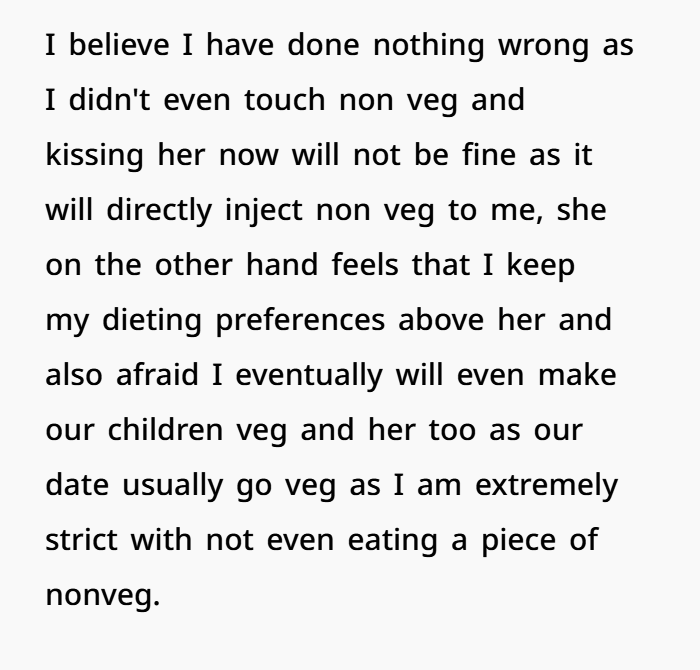
So when you did not want to eat from her plate or kiss her after she ate non-vegetarian food, your feelings came from your own personal boundary.
Having boundaries is not wrong.
Everyone has things they are comfortable or uncomfortable with.
The important question is how those boundaries are communicated.
The Problem Was Not the Boundary, It Was the Reaction
A personal boundary means deciding what you will do.
For example:
“I do not want to eat food that has touched meat.”
That is your choice.
But problems begin when a personal boundary turns into judging another person.
In this situation, the bigger issue was not refusing the food.
The bigger issue was:
- Refusing in front of other people
- Making jokes about her choices
- Questioning her self-control
- Making her feel embarrassed
That changes the situation from a personal belief into a relationship problem.
Her Perspective Also Matters
Your girlfriend comes from a different background.
For her, eating meat may be a normal part of life. It does not carry the same meaning that it carries for you.
The fact that she eats vegetarian food when she is with you shows that she has already made some adjustments.
Compromise is an important part of healthy relationships.
Two people do not have to be exactly the same, but they should respect each other’s differences.
For her, eating something non-vegetarian may not feel like breaking a serious rule. It may simply feel like a personal food choice.
That difference in thinking is where the conflict started.
Public Embarrassment Can Hurt Relationships
Imagine being in this situation from her side.
She is with friends.
She eats something she enjoys.
Then her partner refuses her food, makes comments about her choices, and avoids affection because of it.
Even if you did not mean to hurt her, she may have felt judged and embarrassed.
Public embarrassment can create lasting feelings.
Many relationship counselors talk about emotional safety and respect. A person needs to feel that their partner will not shame them, especially in front of others.
Disagreements are normal.
Feeling attacked is different.
Why the Kiss Became a Bigger Issue
The kiss was probably not only about the kiss.
It represented something bigger.
She may now be wondering:
“Will this happen every time I eat meat?”
“Will he always judge my choices?”
“Will I have to change my lifestyle completely?”
“What will happen if we have children?”
These questions are important because long-term relationships require understanding each other’s expectations.
Food differences can work in relationships, but both people need to feel accepted.
Different Beliefs Need Balance
Some people have very strong lifestyle boundaries.
Others are more flexible.
Neither person is automatically wrong.
The challenge is finding a balance.
A healthy relationship needs:
- Respect from both partners
- Honest communication
- Compromise from both sides
- Freedom to make personal choices
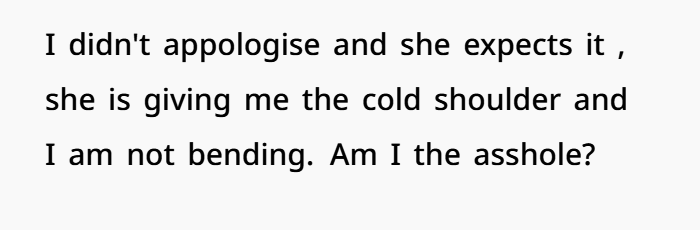
The problem happens when one person feels they always have to adjust while the other person never changes.
Over time, that can create frustration and resentment.
Being Right Is Not Always Enough
You may feel that you followed your beliefs correctly.
And technically, you did not break your own rule.
But relationships are not only about who is right.
They are also about how your actions affect the person you love.
A person can have a valid belief and still handle a situation in a hurtful way.
The biggest mistake here was not having a vegetarian boundary.
The biggest mistake was the way it was expressed.
Future Family Decisions Matter Too
Her concern about future children is understandable.
When couples have different beliefs about food, culture, or religion, these conversations are important before marriage or starting a family.
Parents need to discuss questions like:
- What foods will children eat?
- Will both parents have a say?
- How will different traditions be handled?
These discussions are not about winning.
They are about creating a plan that respects everyone.
A Better Way to Handle This Situation
A calmer approach could have changed everything.
Instead of making jokes or criticizing her, you could have simply explained your feelings privately.
Something like:
“I know this may seem unusual, but I feel uncomfortable with certain food situations because of my beliefs. I hope we can respect each other’s boundaries.”
The boundary stays the same.
But the communication becomes kinder.
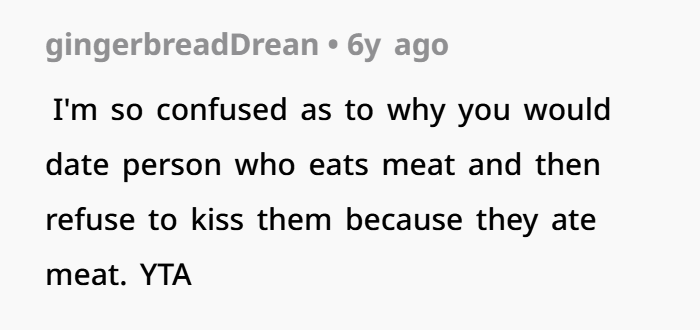
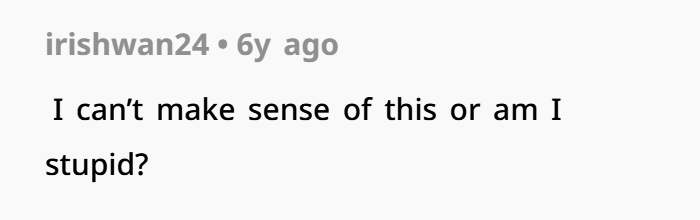
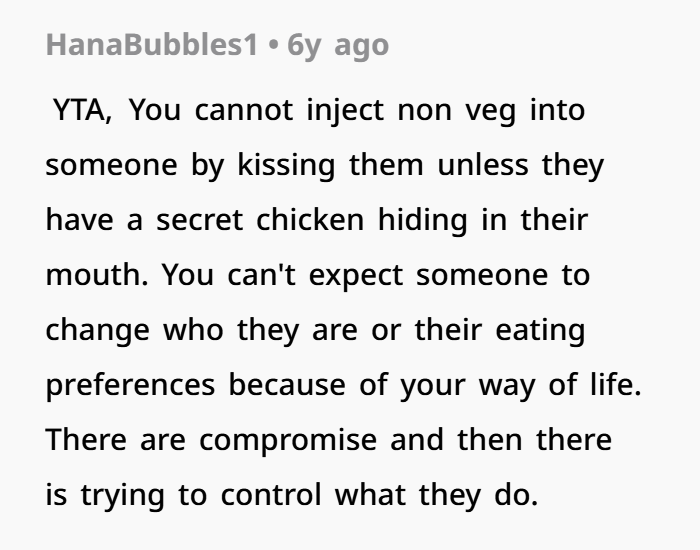
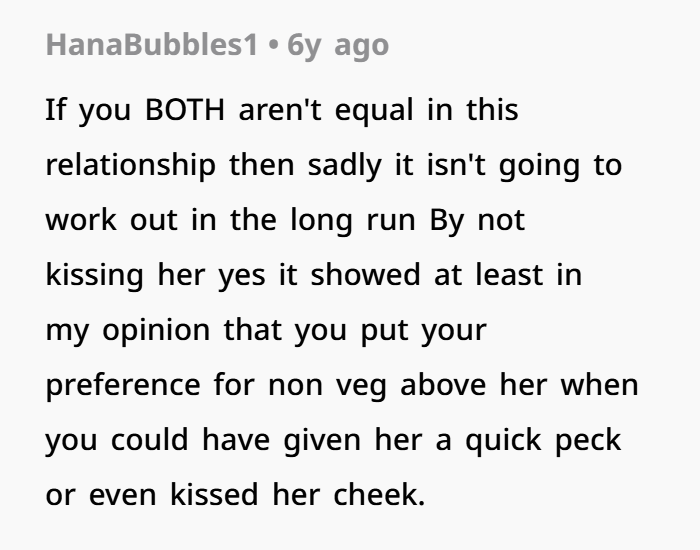
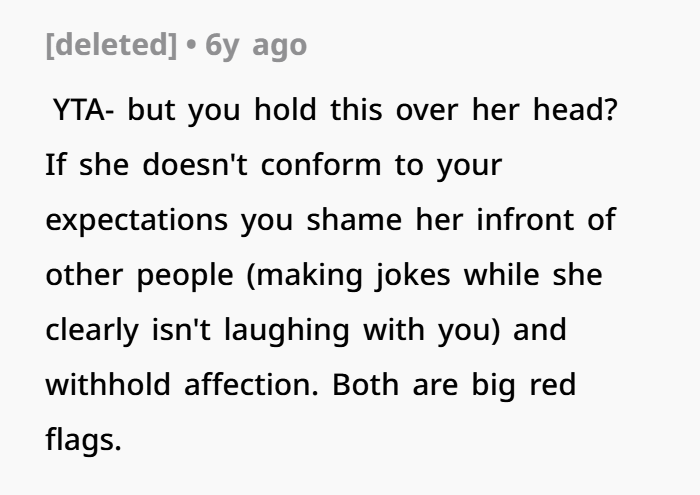
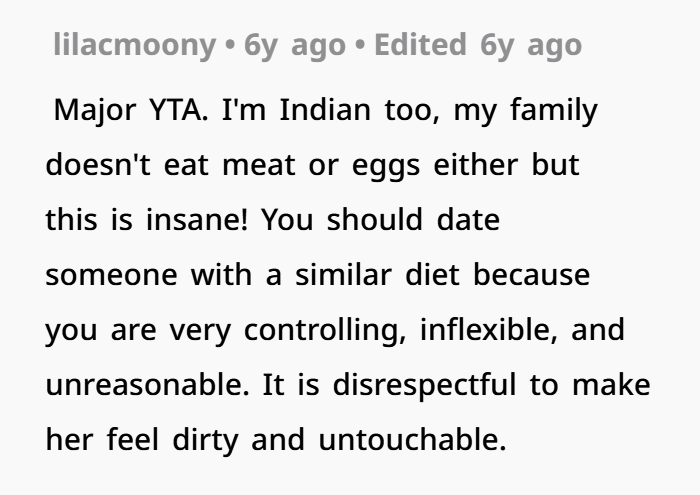
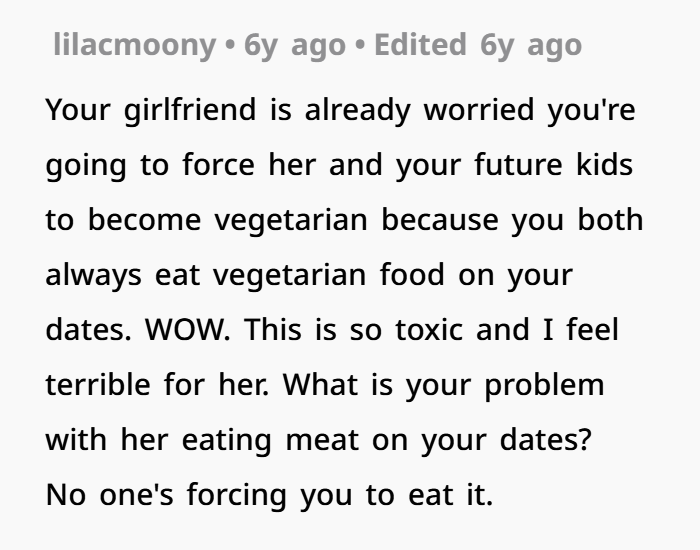
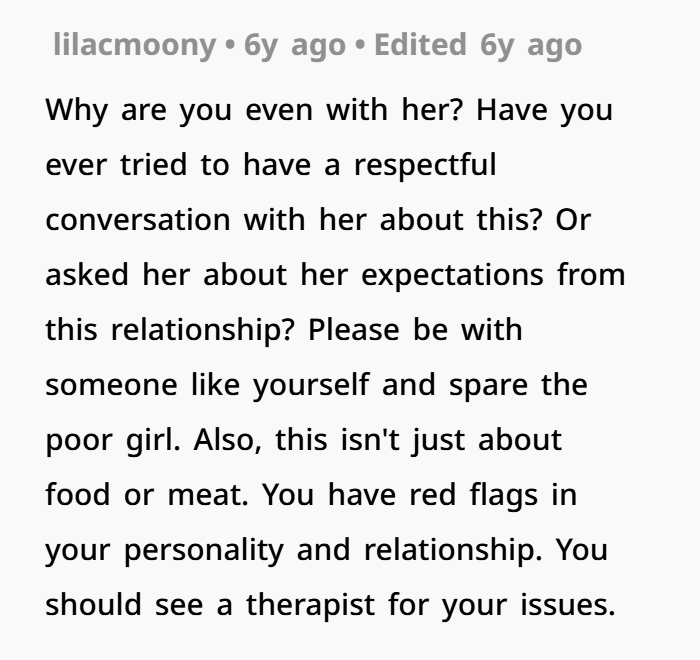
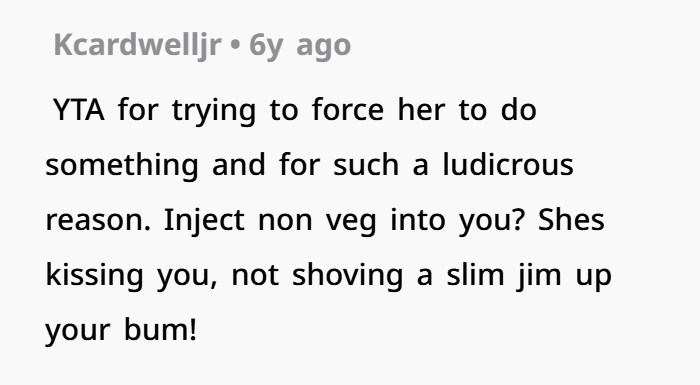
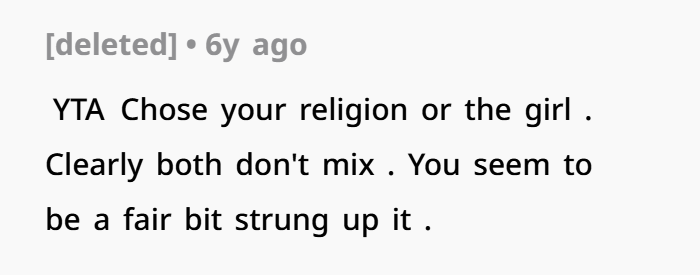
Readers’ Comments Speak Out
Final Thoughts
You are not wrong for being vegetarian.
You are not wrong for having personal boundaries.
But relationships require more than personal rules.
They require kindness, respect, and understanding.
The biggest lesson here is that beliefs are important, but the way we treat people while following those beliefs matters even more.
A strong relationship is not built by making someone follow your values.
It is built when two people can have different values and still make each other feel loved and respected.