AITA for Keeping Our Christmas Eve Grave Visit Just for My Kids?

Losing a spouse can change a person’s life in many ways. It brings emotional pain, changes daily routines, and can create new challenges for a family. Even with support like grief counseling, financial planning, and help from loved ones, losing someone important is never easy.
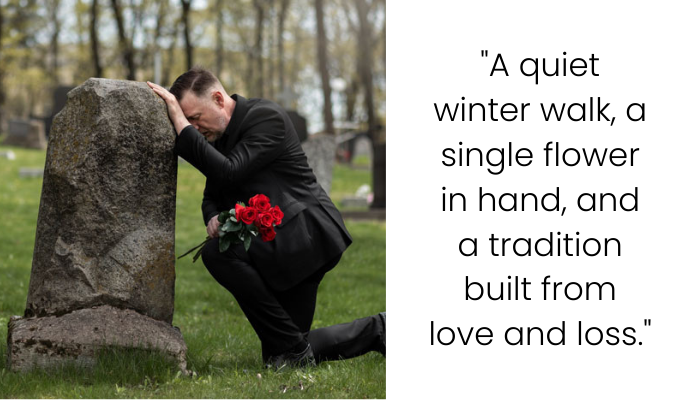
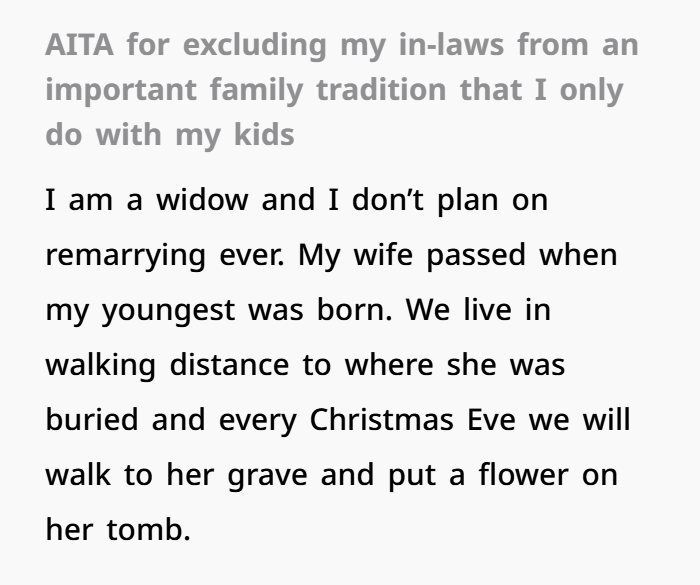
For one family, Christmas Eve has become a special day to remember their late wife and mother. Every year, the parent and children take a quiet 20-minute walk to her grave. They leave a flower, spend some time there, and then walk back home together. It is a simple tradition that helps them remember her and share their grief in their own way.
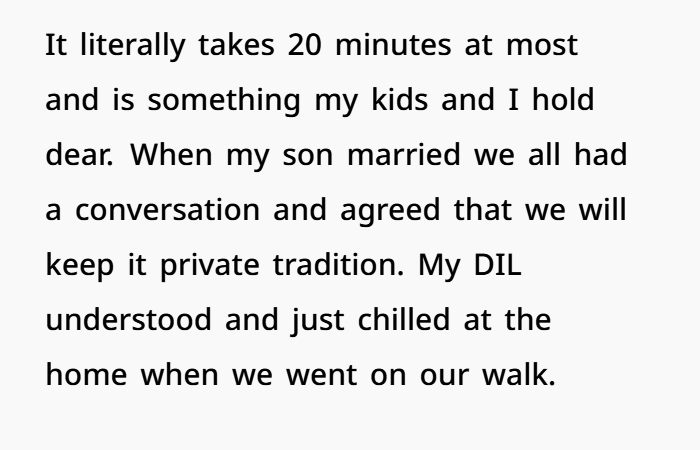
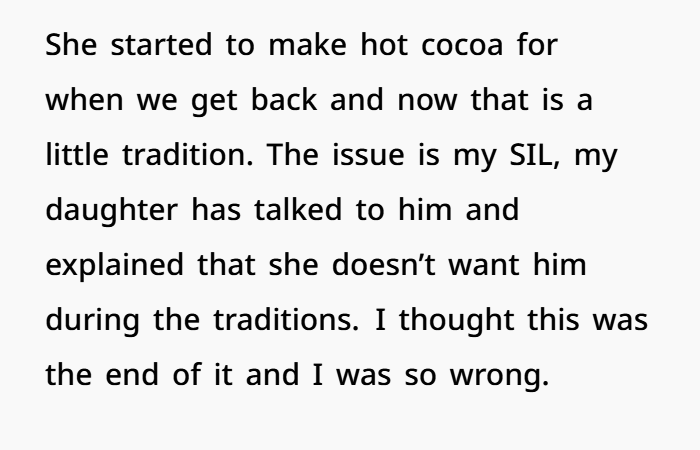
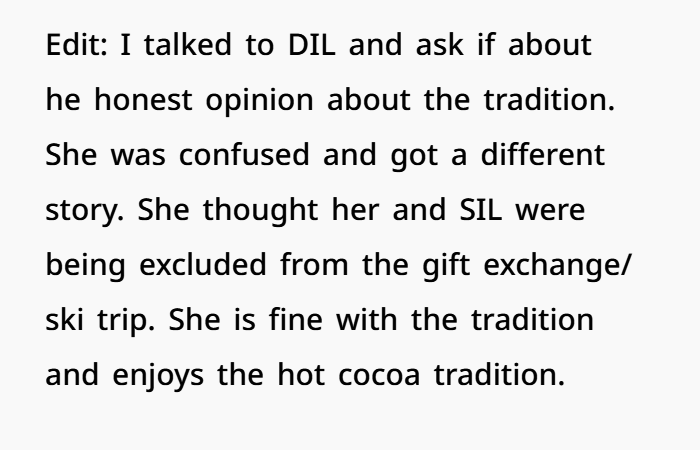
Over time, the daughter-in-law became part of this tradition in a small way. Instead of joining the walk, she stayed home and prepared hot cocoa for everyone when they returned. It was not something they planned. It simply became a comforting part of their family routine.
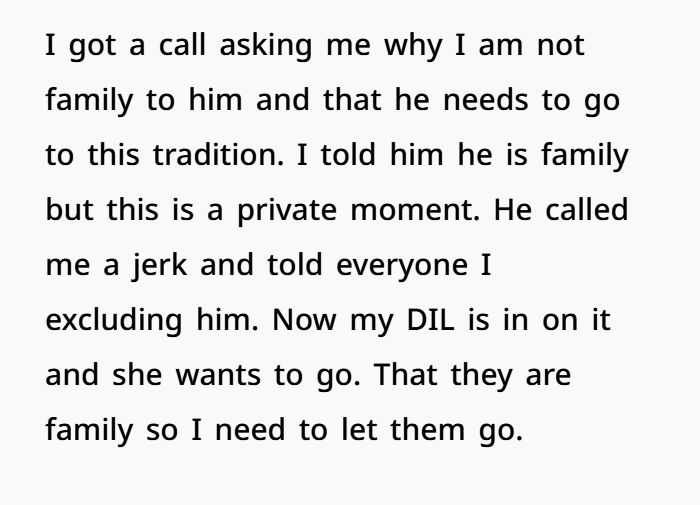
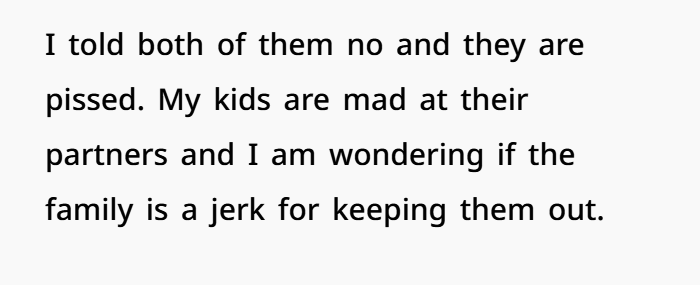
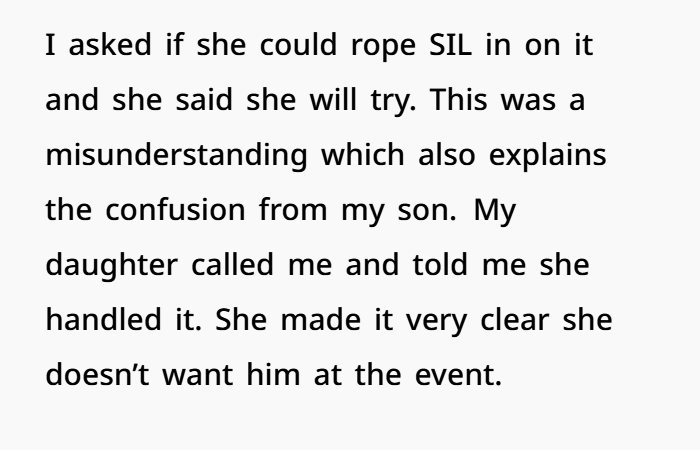
Later, the daughter’s husband wanted to join the walk. He felt that because he was married into the family, he should be included. However, his wife and her parent did not feel ready to change the tradition. They believed this private moment was something they needed to keep between the people who were directly grieving the loss.
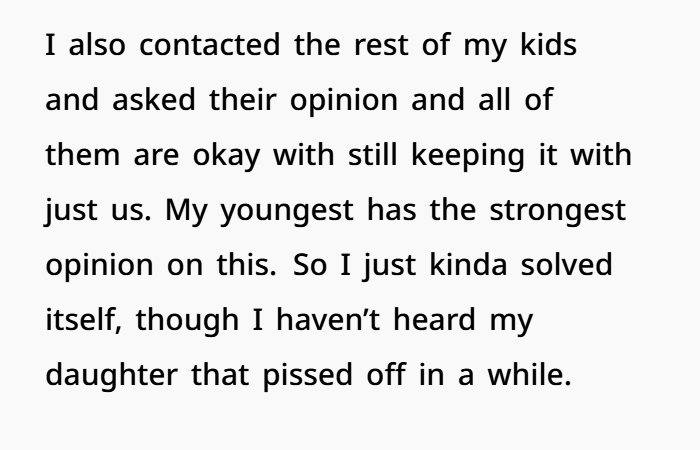
This created tension in the family. Feelings were hurt, and there were disagreements about family roles and personal boundaries. Eventually, they realized that some misunderstandings had caused the conflict. Once everyone talked openly, the situation became calmer.
The family learned that grief looks different for everyone. Some memories and traditions are deeply personal, and protecting them does not always mean rejecting others. Setting emotional boundaries can be an important part of healing after a major loss.
Like this man, who, even years after his wife’s passing, is swearing to never remarry
Grief, Family Traditions, and Setting Healthy Boundaries After Loss
Family situations can become complicated when love, grief, and new relationships all come together.
At first, this story may seem like it is only about a holiday tradition and a simple walk for hot cocoa.
But the deeper issue is about grief, family relationships, and respecting emotional boundaries.
When someone loses a spouse or parent, the pain does not simply disappear with time. The loss can change a person’s life, identity, and the way they experience special moments.
Why Traditions Matter After Losing Someone
Losing a husband, wife, or parent is one of the hardest experiences a family can face.
After a major loss, small traditions can become very important.
A holiday activity, a special meal, or a yearly memory can help people feel connected to the person they lost.
These traditions can bring comfort and stability during difficult times.
Many grief counselors explain that remembering someone who passed away is not a sign that a person is unable to move forward.
It is often a healthy part of the healing process.
People can continue loving and remembering someone while also creating a new life.
Holidays Can Bring Strong Emotions
Holidays are often emotional for families who have experienced loss.
Events like Christmas, birthdays, and anniversaries can bring back strong memories.
For a widowed parent and their children, keeping a special tradition can feel like an important connection to the past.
A short walk, a conversation, or a favorite activity may seem small to others.
But to the people involved, it may represent love, family, and shared memories.
That is why these moments can feel very personal.
The Importance of Family Boundaries
When children grow up and get married, their spouses become part of the family.
That relationship is important.
However, joining a family does not always mean having access to every personal tradition or emotional moment.
Healthy families need boundaries.
A family tradition connected to grief may be something that some family members want to keep private.
That does not automatically mean someone is being rejected.
Sometimes it means people are protecting a meaningful memory.
Understanding the Other Side
It is also important to understand the feelings of the son-in-law.
He may have felt hurt or unwanted.
Being left out of a family activity can create feelings of rejection.
Many people naturally want to feel included, especially when they marry into a family.
So his feelings are understandable.
However, feeling hurt does not always mean the boundary is wrong.
Two things can be true at the same time:
- Someone can feel left out.
- Someone else can still have a valid reason for keeping a tradition private.
The Difference Between Boundaries and Punishment
A major question in family conflicts is:
“Is this boundary meant to protect someone, or is it meant to punish someone?”
That difference matters.
A healthy boundary may look like:
- Keeping a special memory private
- Creating personal family time
- Protecting a child’s emotional needs
- Allowing people to grieve in their own way
A punishment is usually meant to hurt or control another person.
In this situation, the tradition appears connected to grief and healing rather than trying to exclude someone intentionally.
Children’s Feelings Matter Too
The children in this family also have an emotional connection to this tradition.
For children who lose a parent, familiar routines can provide comfort.
A special tradition may help them feel connected to their parent and their family history.
That is why children’s feelings should be considered during major changes.
Adults may see a tradition as a simple activity.
Children may see it as one of the last things connecting them to a loved one.
Misunderstandings Can Happen in Blended Families
Blended families often face situations like this.
A new family member may think:
“They do not see me as real family.”
The existing family members may think:
“This is a private tradition connected to our grief.”
Both sides may have good intentions but completely different feelings.
The problem is often not the tradition itself.
The problem is the meaning people attach to it.
Communication Can Prevent Bigger Problems
The positive part of this situation is that the conflict improved after honest communication.
Once the daughter-in-law understood that she was still included in other family activities, the situation became easier.
This shows how important communication is.
Many family conflicts grow because people make assumptions instead of asking questions.
A simple conversation can prevent years of resentment.
Respecting a Boundary Is Important
Asking about joining a tradition is not wrong.
Wanting to feel included is normal.
But after someone explains why a tradition is meaningful and asks for privacy, continuing to pressure them can create more conflict.
Healthy relationships require listening as well as speaking.
Respecting a boundary does not mean someone is less loved.
Sometimes it means understanding that different relationships have different spaces.
Traditions Can Change Over Time
Family traditions are not permanent rules.
They can change naturally.
Maybe one day the family will decide to include more people.
Maybe they will continue keeping it private.
The important thing is that the choice should come from the people most connected to the tradition.
Changes should happen through understanding, not pressure.
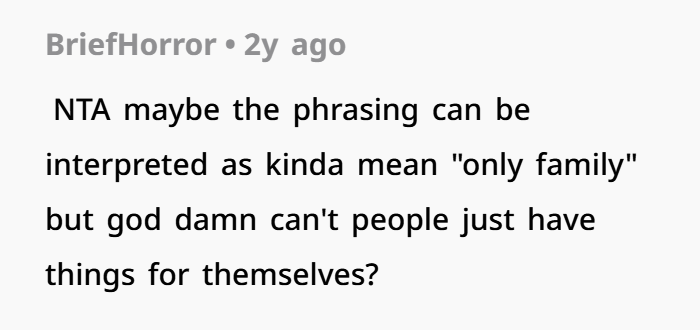
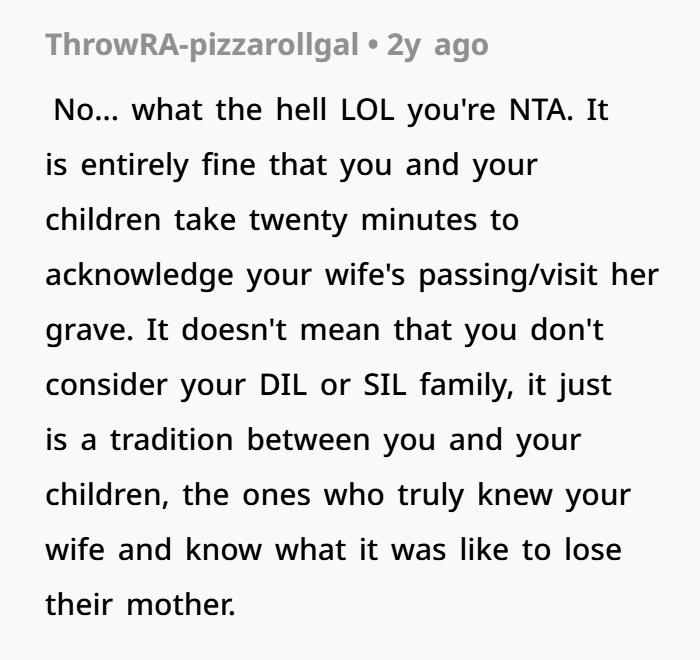
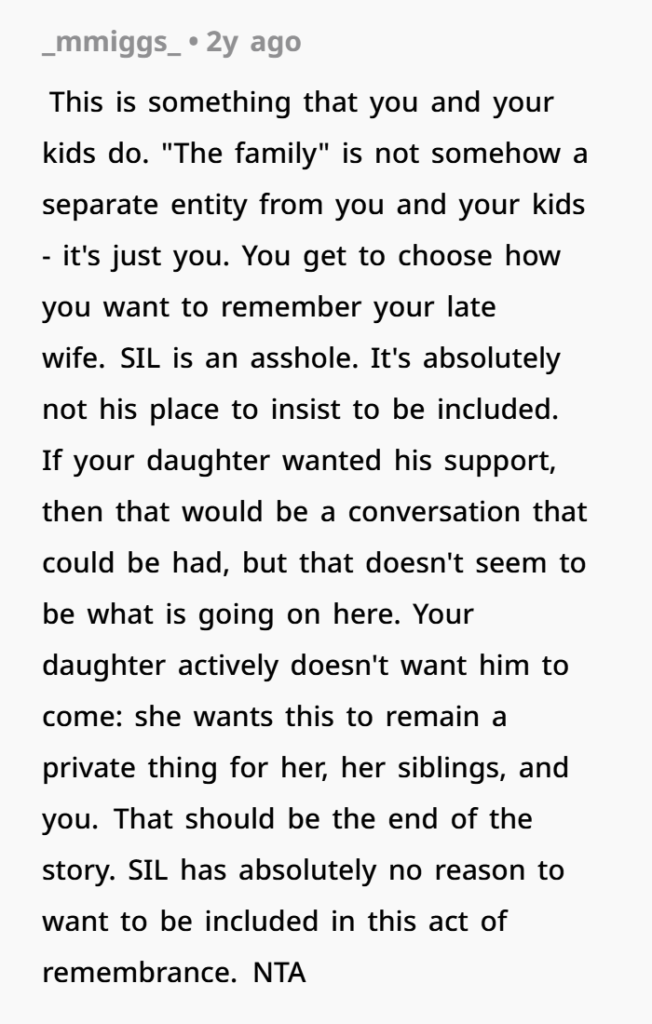
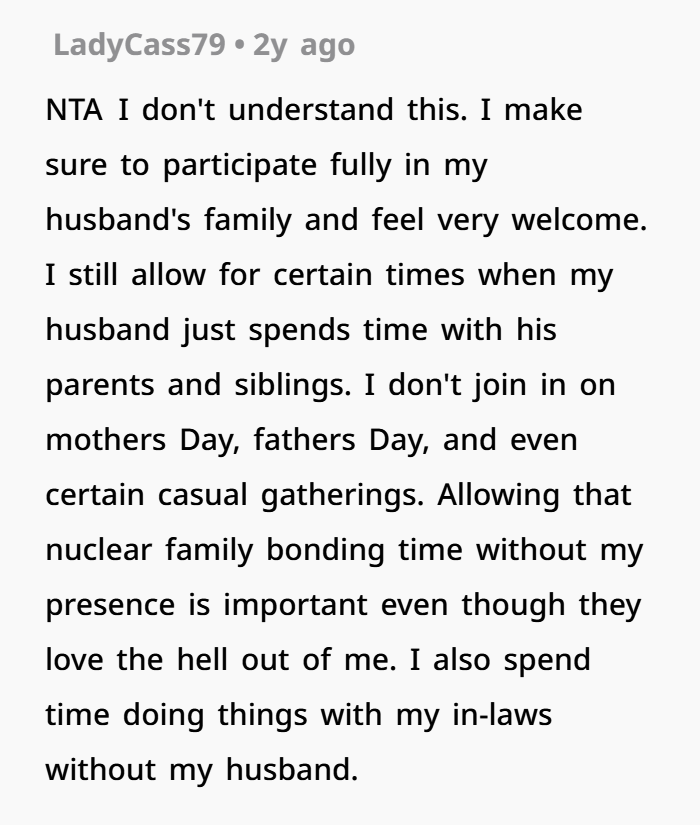
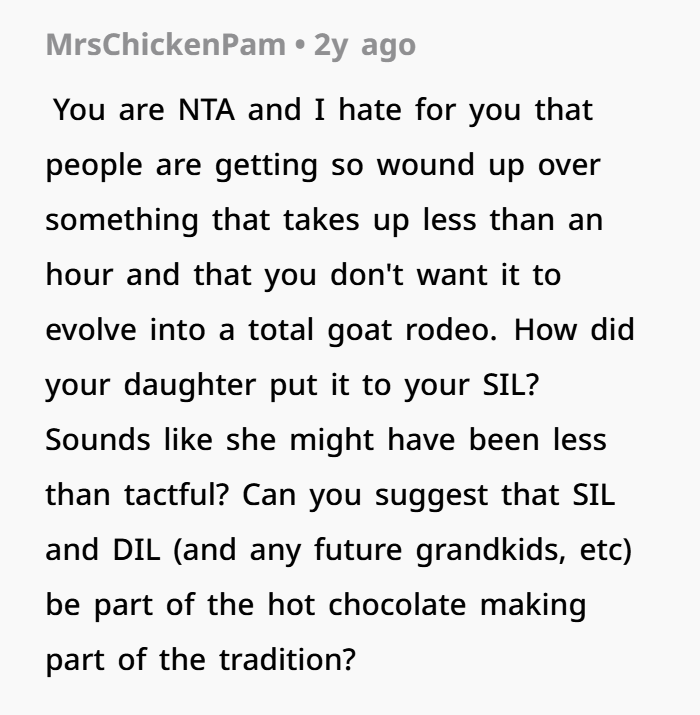
Netizens didn’t think he was in the wrong to do so – why would the husband want to visit the grave of someone he never even met?


Final Thoughts
This situation is not really about hot cocoa or a holiday walk.
It is about grief, family healing, and emotional boundaries.
Marriage brings new people into a family, but it does not erase the history that existed before.
A person can welcome new family members while still protecting special memories from the past.
Healthy families are built through respect, communication, and understanding.
Sometimes love means including everyone.
Sometimes love means respecting a quiet moment that belongs to a smaller group.
Both can exist at the same time.