My In-Laws Want a Thanksgiving Vacation 6 Weeks After I Give Birth, But I’m Staying Home


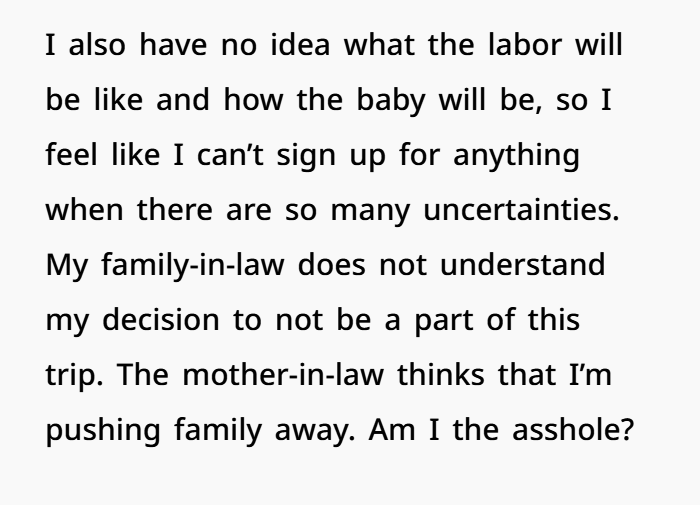
A woman expecting her first child is asking if she made the wrong decision by skipping her husband’s family Thanksgiving vacation. The family has a tradition of taking large holiday trips, and this year they planned a week-long vacation with a rental house, activities, and relatives joining from different locations.
The timing of the trip is what makes her uncomfortable. The vacation is scheduled only six weeks after she gives birth, which is a time when many new mothers are still recovering and learning how to care for their newborn.
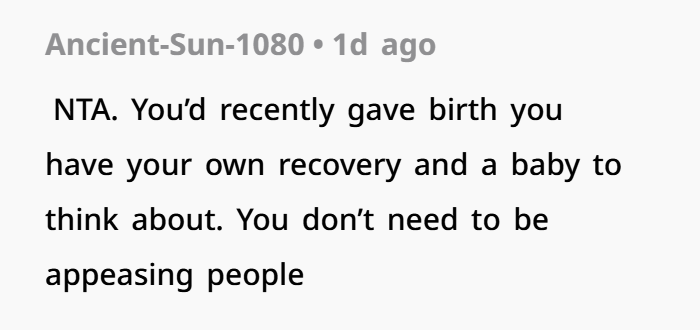
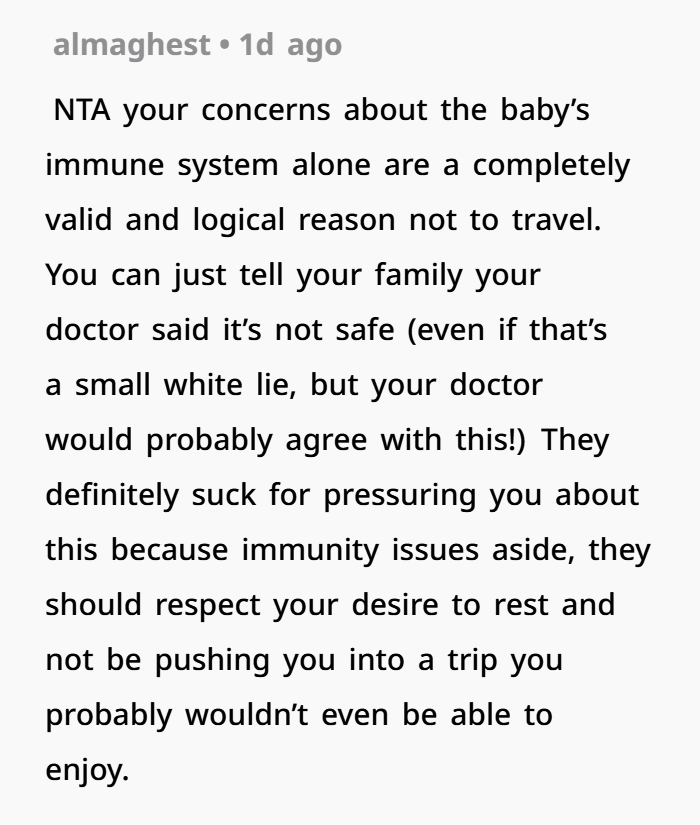
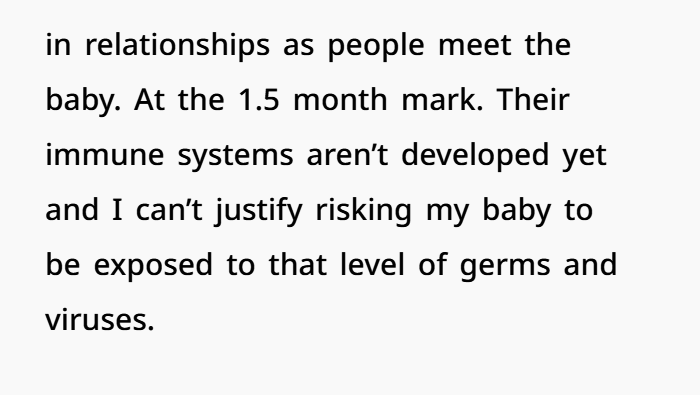
She is concerned about postpartum healing, breastfeeding challenges, limited sleep, and the stress of traveling with a very young baby. She also does not feel comfortable bringing a newborn into busy public places during a season when illnesses are more common.
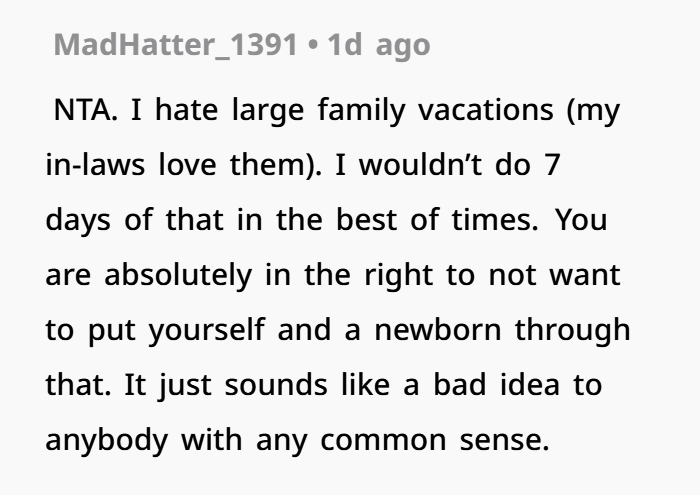
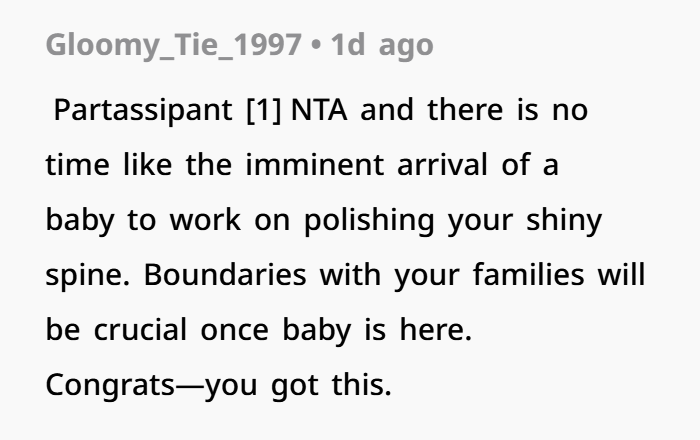
Her decision has caused tension because her mother-in-law believes she is avoiding the family. The new mother sees it differently and feels she is creating healthy boundaries during a major transition. She wants to focus on recovery, bonding with her baby, and adjusting to her new family life.


Newborn Travel, Postpartum Recovery, and Setting Family Boundaries After Birth
Having a baby changes almost everything.
Before having a child, a family vacation can sound exciting. Spending time with relatives, enjoying holidays, and creating memories together can feel like a wonderful plan.
But life changes after a baby arrives.
A trip that once sounded fun may suddenly feel stressful and difficult.
This situation is not only about a holiday or family gathering.
It is about postpartum recovery, parenting decisions, family expectations, and the challenges new parents face after welcoming a baby.
The mother in this situation is not saying she does not care about her husband’s family.
She originally liked the idea of the vacation before pregnancy. Her concerns started after thinking about what life with a newborn would actually be like.
Understanding the Postpartum Period
Many people focus on pregnancy and childbirth but forget about the weeks after birth.
The postpartum period is a major adjustment for a new mother.
After delivery, a mother may experience:
- Physical recovery
- Hormone changes
- Less sleep
- Breastfeeding challenges
- Learning a new routine
- Taking care of a baby all day and night
Every mother has a different recovery experience.
Some mothers feel ready to go out soon after birth.
Others need more time to rest and heal.
There is no perfect timeline that works for everyone.
A vacation six weeks after having a baby may feel easy for one family but overwhelming for another.
Why Traveling With a Newborn Can Be Stressful
Traveling with a newborn requires extra planning.
A young baby has many needs that parents must consider.
Parents may need to think about:
- Feeding times
- Diaper changes
- Baby sleep schedules
- Doctor visits
- Safe travel plans
- Quiet places for rest
- Protection from illness
A vacation home may not feel as comfortable as a family’s own home.
At home, parents know where everything is.
They can follow their normal routine.
They can rest when the baby sleeps.
They can create a calm environment.
A large family gathering can make these things more difficult.
Concerns About Baby Health and Illness
One major concern for many new parents is keeping their newborn healthy.
Family vacations may include:
- Air travel
- Long car rides
- Crowded places
- Holiday gatherings
- Meeting many relatives
Newborn babies have developing immune systems, so many parents become more careful during the first months.
Families make different choices about visitors and travel.
Some parents welcome family visits right away.
Others prefer fewer visitors until the baby is older.
Neither choice automatically means someone does not care about family.
Often, it is about what feels safe and comfortable for the parents and baby.
Family Traditions and New Priorities
Family traditions can be very important.
Relatives may look forward to holiday trips and special gatherings. They may be excited to meet the new baby and make memories together.
From their point of view, they may feel disappointed when new parents decide not to attend.
However, having a baby changes priorities.
Before becoming parents, vacations may have been easier.
After birth, recovery and the baby’s needs naturally become the main focus.
This change can be difficult for relatives who are used to old family routines.
The Pressure Many New Parents Feel
Many new parents receive advice from family and friends.
They may hear things like:
“Babies can travel anywhere.”
“You will be fine.”
“We traveled with our children.”
“Everyone wants to meet the baby.”
These comments are often shared with good intentions.
However, every parent and baby situation is different.
A new mother may already feel unsure while learning how to care for her baby.
Extra pressure can make this stage more stressful.
New parents need support, patience, and understanding.
Does Missing a Family Trip Mean Rejecting Family?
This is often where misunderstandings happen.
Family members may think:
“They do not want to spend time with us.”
The new mother may feel:
“They do not understand what I need right now.”
These are two different viewpoints.
Skipping one family event does not mean someone does not love or value their relatives.
People may miss gatherings because of:
- Health reasons
- Recovery after childbirth
- Major life changes
- Personal needs
A new baby is a major life change.
Choosing to stay home during the early weeks does not mean rejecting family.
Why Communication With Family Matters
Many family conflicts happen because people assume the worst.
Relatives may think a new parent is avoiding them.
A new parent may feel unsupported or pressured.
A better conversation focuses on feelings and needs.
Instead of saying:
“I do not want to come because this trip is too difficult.”
A person could say:
“I appreciate that you want us there, but I need a quiet and comfortable time while I recover and adjust to life with the baby.”
This approach shows love while also setting healthy boundaries.
The Husband’s Role After a Baby Arrives
When there is a disagreement between a spouse and extended family, the partner has an important role.
The husband may understand his family’s excitement.
He also needs to understand his wife’s recovery and emotional needs.
A strong marriage involves making decisions together.
New mothers should feel supported by their partners, not alone in handling family pressure.
Working as a team can help protect both the new family and extended family relationships.
Final Thoughts on Newborn Travel and Family Boundaries
Family vacations can create beautiful memories.
New babies also bring happiness and excitement.
But traveling with a newborn shortly after birth may not be the right choice for every family.
The most important thing is that parents consider their health, recovery, comfort, and their baby’s needs.
Grandparents and relatives may be excited to spend time with the baby, and that excitement is understandable.
However, parents are responsible for making decisions during the early months.
Choosing a quiet holiday at home does not mean rejecting family.
Sometimes it simply means accepting that life has changed and a new chapter needs different priorities.
The Reactions Are In