Woman Gets A Reality Check After Repeatedly Trying To Shame Her “Immoral” Coworker


Having an opinion is easy. Knowing when and how to share it can be much harder.
Good relationships depend on respect, clear communication, and healthy personal boundaries. While everyone has different life experiences and challenges, treating other people with consideration remains important.
In this story, a woman became comfortable sharing strong opinions because the people around her rarely challenged what she said. They wanted to show compassion and understanding toward her disability, so they often let uncomfortable comments pass without starting an argument.
But eventually, one comment crossed a line.
Someone finally decided to address the situation instead of staying quiet. The moment became an important reminder that empathy, personal responsibility, emotional well-being, and respectful communication all play a role in maintaining healthy relationships.
Being compassionate toward someone’s circumstances is important. But compassion can also include setting reasonable boundaries when certain words or actions begin affecting others.





Coworker Speaks Up After Being Judged for Moving In With Her Boyfriend
Years ago, the original poster (OP) worked at a hospital with a coworker who had very strong opinions about how other people should live.
According to the OP, this coworker often gave younger employees advice about relationships, marriage, and personal values, even when they had not asked for it.
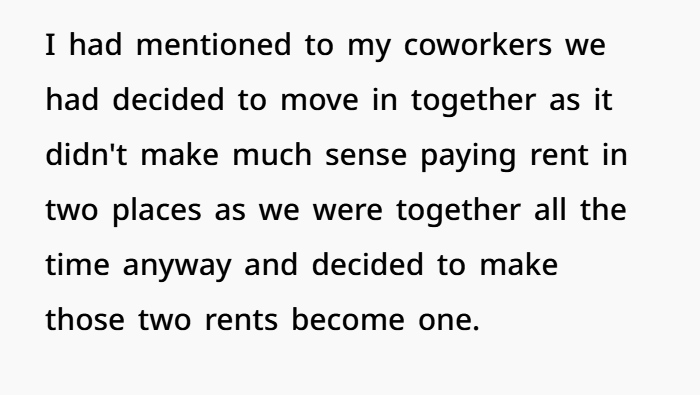
One day, the OP told her coworkers that she planned to move in with her boyfriend of three years.
For the couple, it was a practical next step. They were already spending most of their time together, and sharing a home could also help them manage rent and household expenses.
Her coworker, however, did not approve.
The Unwanted Comment Started an Argument
The coworker told the OP that couples should not live together before marriage because it went against her personal religious beliefs.
The OP was frustrated by the comment.
She felt that her relationship was a private matter and that another person should not decide whether her choices were acceptable.
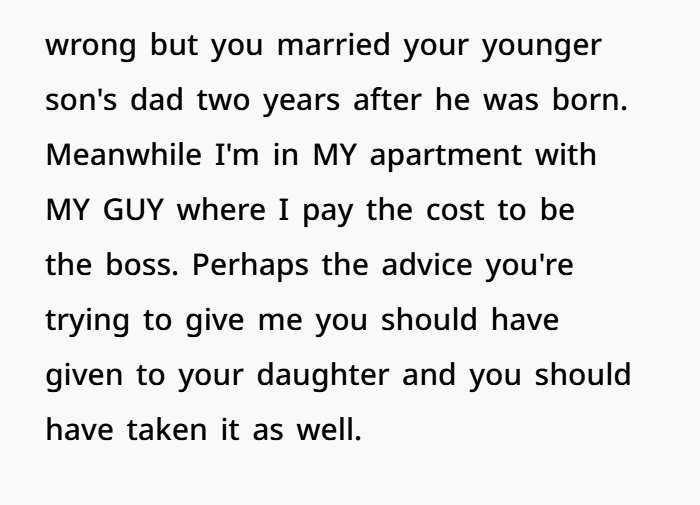
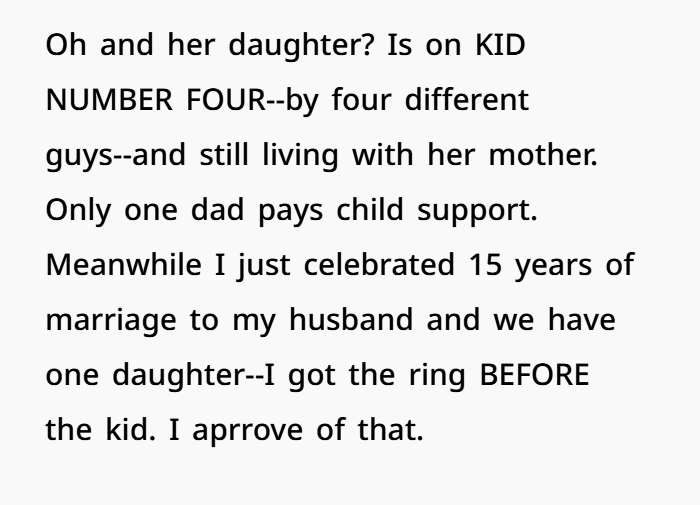
The OP also believed there was a double standard.
She pointed to choices made within her coworker’s own family that, in her view, did not always match the values the coworker expected others to follow.
That quickly turned the conversation into a disagreement about judgment, privacy, and personal boundaries.
Different Beliefs Deserve Respect
People can have very different views about marriage and relationships.
For some, religious beliefs play a major role in deciding when to get married or when to share a home with a partner. Other couples may make these decisions based on their relationship, career plans, housing situation, or finances.
Neither approach gives someone the right to shame a coworker for making a different personal choice.
In a professional setting, workplace communication matters. Employees can disagree while still respecting each other’s privacy and maintaining healthy workplace boundaries.
Moving In Together Is a Major Financial Decision
There are many reasons why a long-term couple may decide to share a home.
Money is often one of them.
Paying for two separate homes can be expensive. Sharing rent may allow a couple to lower some of their monthly living costs and put more money toward savings, debt repayment, emergency funds, or other financial goals.
That does not mean moving in together automatically solves money problems.
Couples still need a realistic household budget.
Before sharing a home, it can be helpful to discuss rent, utilities, groceries, transportation costs, subscriptions, and other regular bills.
Clear conversations about personal finance and money management can prevent misunderstandings later.
Living Together Can Teach Couples a Lot
Finances are only one part of the decision.
Sharing a home can help couples understand what everyday life together is actually like.
They may learn more about each other’s routines, cleaning habits, work schedules, spending habits, and communication styles.
It can also bring up bigger questions.
How will household responsibilities be divided? What happens if one person earns more? How much should each person save? Are they working toward marriage, buying a home, or another long-term goal?
These conversations can give couples a clearer picture of their financial compatibility and relationship goals.
Financial Planning Can Make the Move Easier
Couples planning to live together may benefit from discussing money before signing a lease.
A simple monthly budget can show what each person can comfortably afford.
They may also want to talk about credit scores, savings accounts, insurance, debt, and emergency expenses, depending on their situation.
Keeping some finances separate may make sense for unmarried couples, while shared household expenses can be divided in a way both partners consider fair.
The important part is having these conversations before financial problems appear.
Good financial planning is not particularly romantic, but it can make sharing a home much less stressful.
Personal Decisions Do Not Need a Coworker’s Approval
In the OP’s case, she was not asking for relationship advice. She was simply telling her coworkers about an important change in her life.
That is why the judgment bothered her.
She responded by pointing out what she saw as inconsistencies in her coworker’s own family. While bringing family members into an argument can make a disagreement more personal, the OP wanted to make it clear that she did not welcome comments about her private life.
After that conversation, the coworker reportedly stopped commenting on the OP’s relationship.
For the OP, that meant the boundary had finally been understood.
Respect Can Prevent Workplace Conflict
Coworkers do not need to share the same beliefs about relationships, marriage, religion, or money.
They do need to work together respectfully.
Setting clear personal and professional boundaries can help when workplace conversations become too personal. Sometimes a simple response such as, “I respect your opinion, but this is a decision between my partner and me,” may be enough to end the discussion.
Moving in with a partner is a big decision involving much more than a relationship milestone. Housing costs, household budgeting, financial planning, communication, and long-term goals can all be part of the choice.
For the OP and her boyfriend, sharing a home made sense for both personal and financial reasons. Her coworker did not have to agree, but the OP felt she did need to respect their decision.
Would you have challenged the coworker’s comment, or simply told her that your personal life was not up for discussion?
What The Comments Reveal