I Ended My Engagement After She Wanted a “Hoe Phase” — Did I Stay Too Long?
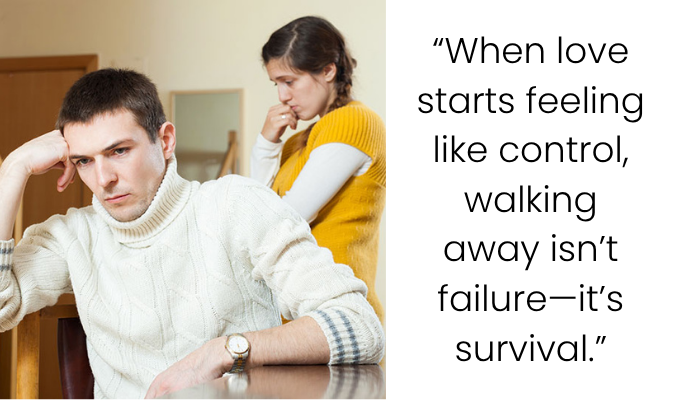
On the surface, it looked like a solid, long-term relationship. Young love, years together, and then an engagement—basically the kind of story people dream about when googling how to build a successful relationship. Everything seemed stable. But yeah, looks can be deceiving. Over time, small problems started growing. Arguments got worse, emotions got intense, and things slowly turned into a controlling mess. Classic toxic relationship patterns. He didn’t even realize he was losing himself—his independence, his social circle, even his confidence. It just slipped away little by little.
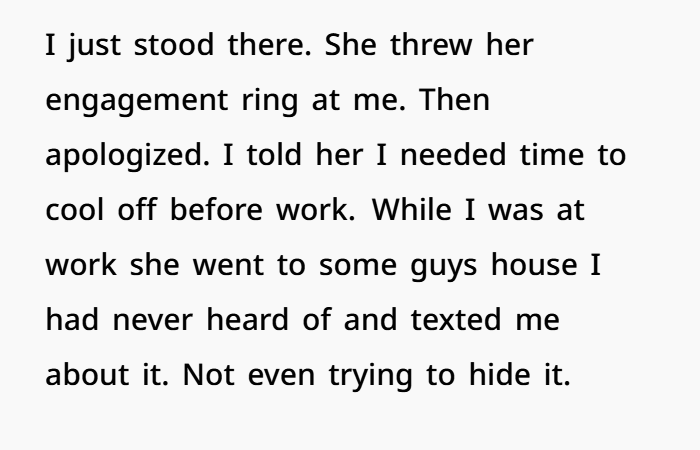
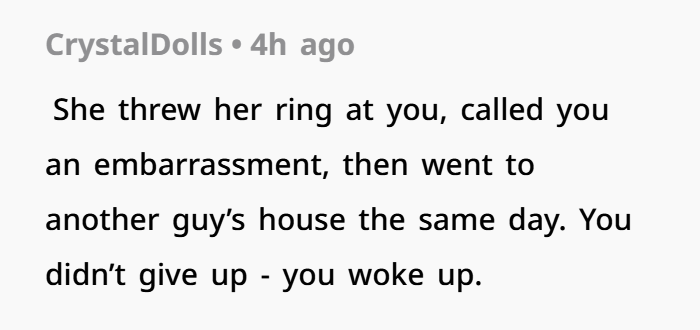
The real wake-up call came during a bad argument. She said she regretted not having a “hoe phase” and wished they had taken a break before. That alone was enough to shake anyone. But then she threw the ring, went to another guy’s house, and told him like it was nothing. That’s next-level disrespect. No sugarcoating it. After dealing with years of emotional stress and control, he finally chose himself and left. Now he’s questioning it—did he act too fast, or was this long overdue? If you look at it through relationship counseling or emotional healing lens, it kinda feels like he finally did what was best for him.

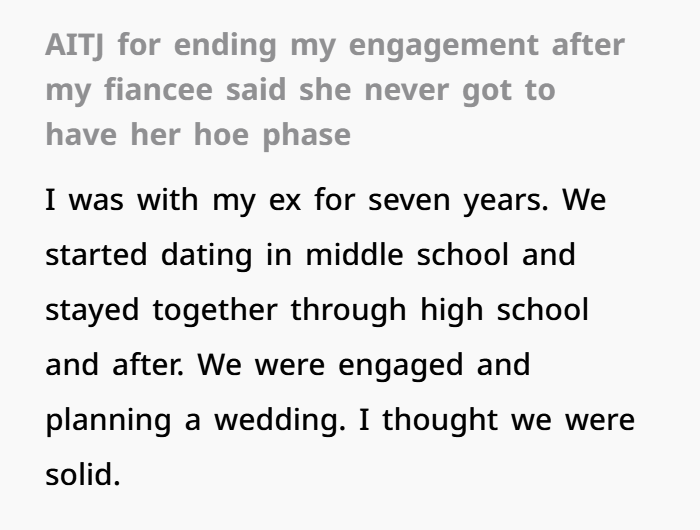
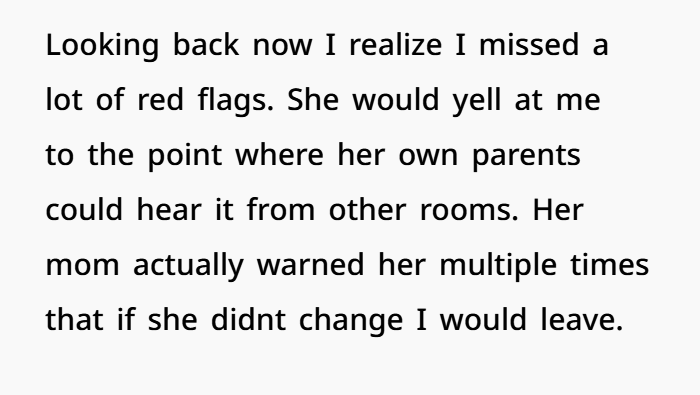
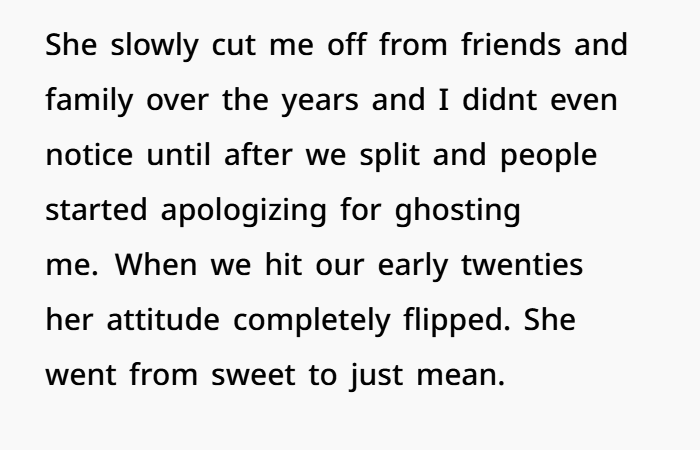
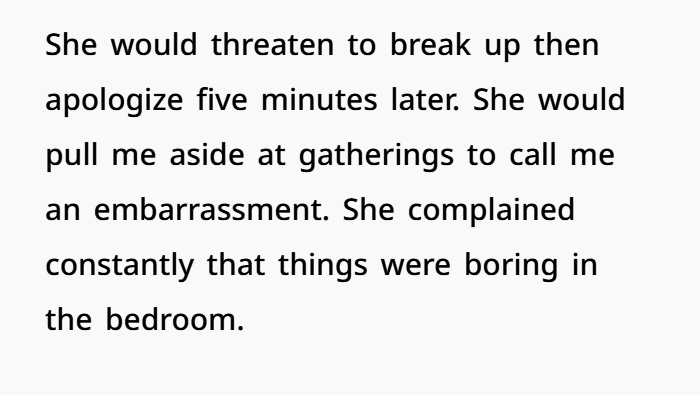
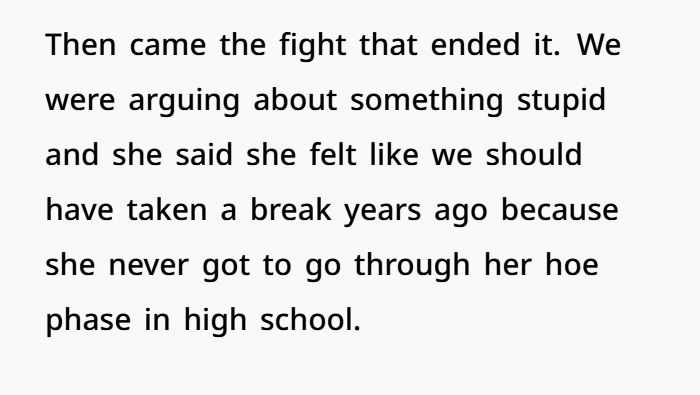
Let’s be honest for a sec—this isn’t just about that “hoe phase” comment. Yeah, it sounds shocking, like the kind of thing that grabs attention, but that’s not the real issue here. The deeper story? It’s all about emotional manipulation, control, and clear toxic relationship patterns. The kind of stuff people usually search when they’re looking into relationship advice or trying to understand emotional abuse signs. This wasn’t one bad moment—it was a pattern that kept repeating.
One big red flag early on was isolation. You said she slowly pulled you away from friends and family—and the wild part is, you didn’t even notice. That happens a lot in controlling situations. It’s not sudden. It’s slow and sneaky. Starts with small complaints, awkward vibes around your people, or guilt trips. Next thing you know, your whole world is just… her. That’s not love. That’s codependency being built on purpose. A lot of relationship psychology studies explain this exact behavior.
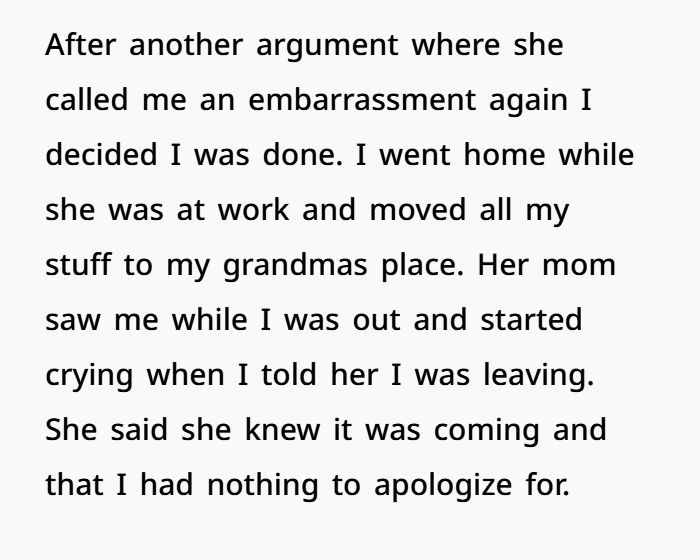
Then there’s how she spoke to you. Calling you an embarrassment, yelling in front of others, putting you down both privately and publicly—that’s not normal arguing. That’s straight-up emotional damage. Not just “bad communication.” Real verbal abuse signs. Over time, this kind of behavior hits your confidence hard. You start doubting yourself, thinking maybe you’re the problem. That’s why people stay stuck—it messes with your head. Even mental health experts link this to long-term emotional harm.
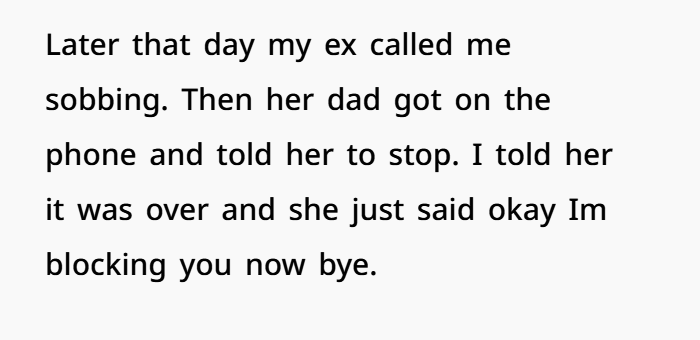
And that push-pull behavior? Yeah, that’s another major sign. She threatens to leave, then apologizes right after. It keeps you confused and emotionally drained. You never feel stable. So you try harder, even when it’s not your fault. This is what experts call intermittent reinforcement. Same idea behind addiction—you hold on because sometimes things feel okay again. It’s a known pattern in behavioral psychology and toxic relationship cycles.
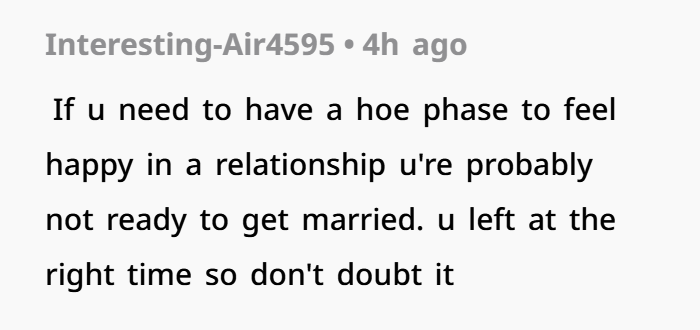
Now about that “hoe phase” comment. On its own, it’s not always a dealbreaker. People get curious, wonder about missed experiences—it happens. But context matters. This wasn’t a calm talk or honest convo. It came out during a fight, mixed with anger, disrespect, and her throwing the engagement ring. That’s not healthy communication in relationships. That’s using emotions like a weapon.
And then comes the moment that really says it all—she goes to another guy’s place and tells you while you’re at work. That’s not someone being confused. That’s intentional. That’s crossing a line and making sure you know it. In relationship therapy terms, this is a clear breach of trust and emotional boundary breaking. It can even be a way to control the situation or provoke a reaction. Either way, it’s not healthy. Not even close.
What hits harder is her parents’ response—especially her mom. When even her own family sees the issue and expects the relationship to fail, that’s a big deal. It means the behavior wasn’t hidden. It was obvious. Repeated. Serious. That kind of outside perspective matters a lot in relationship psychology. It confirms that this wasn’t just your feelings—it was reality.
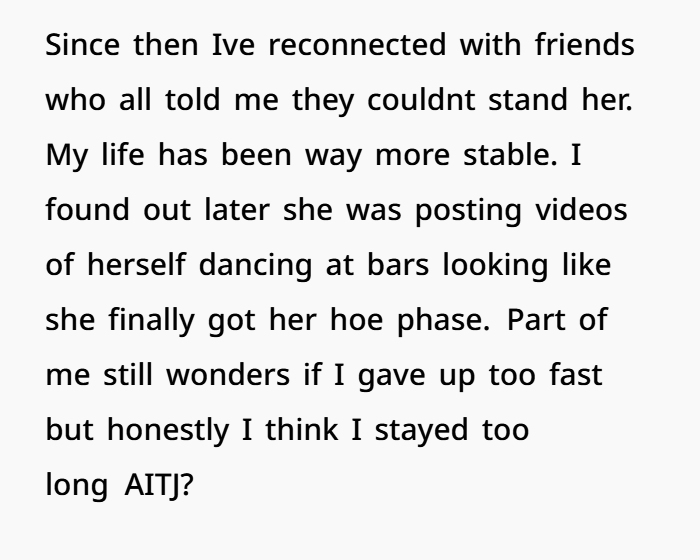
After everything ended, your life started getting better. You reconnected with people. Some even told you they avoided you because of her. That says a lot. A real healthy relationship doesn’t cut you off from your people—it adds to your life. The fact that your circle came back shows how much influence she had over you. This is something often discussed in emotional healing and toxic relationship recovery.
Then you see her after the breakup—posting from bars, living that life she talked about. Yeah, that can hurt. But at the same time, it shows she’s doing what she wanted all along. And now, you’re free from it. That’s actually closure, even if it doesn’t feel like it yet.
So… did you walk away too soon?
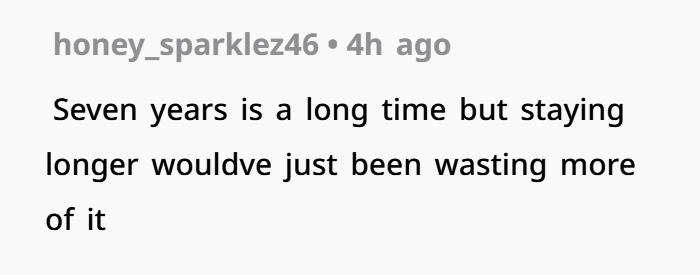
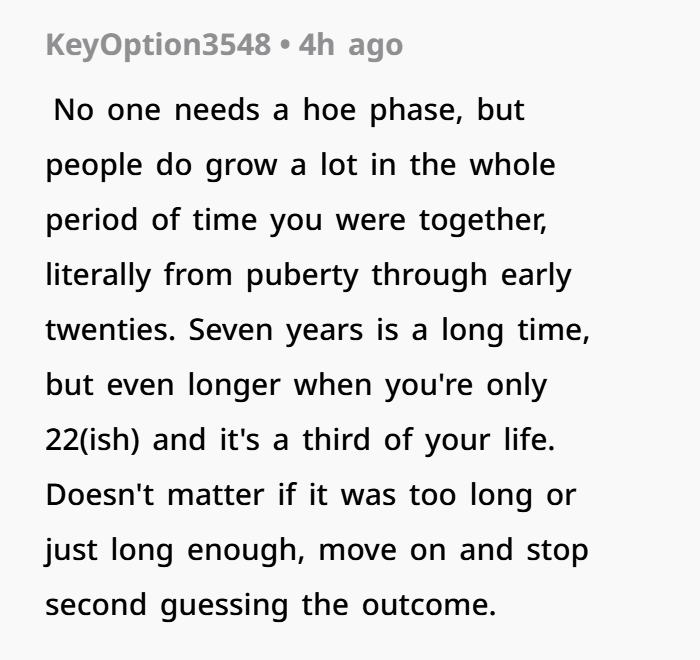
Not really. If anything, you held on longer than most would. You went through years of emotional stress, disrespect, isolation, and then a final betrayal. A lot of people stay because of the sunk cost fallacy—that feeling of “I’ve already spent so much time, I can’t quit now.” It’s super common in relationship decision making.
But relationships aren’t something you’re forced to keep just because of time invested. Especially when they’re draining you. Leaving wasn’t a rushed decision. It was years of buildup finally reaching a breaking point. Sometimes clarity doesn’t come slowly—it hits all at once.
This isn’t a story about giving up too early. It’s about finally putting yourself first after staying way too long.
Top Comments From Readers
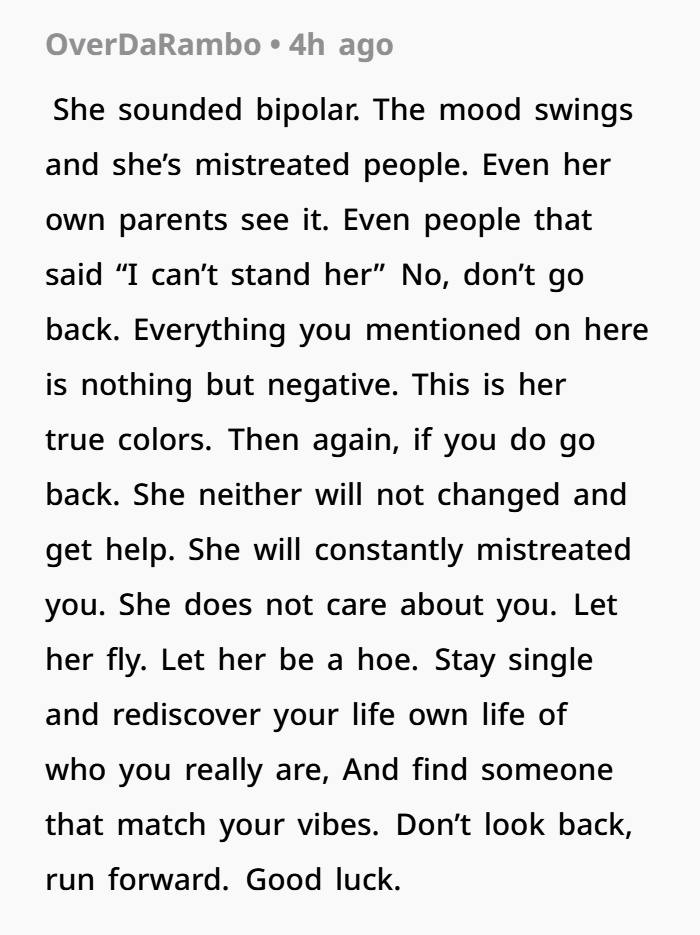
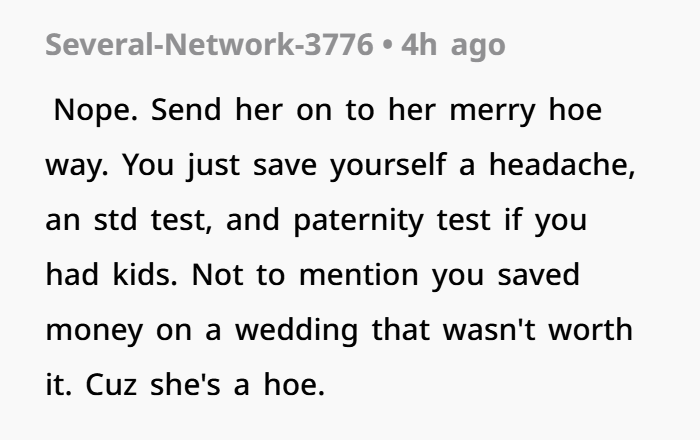
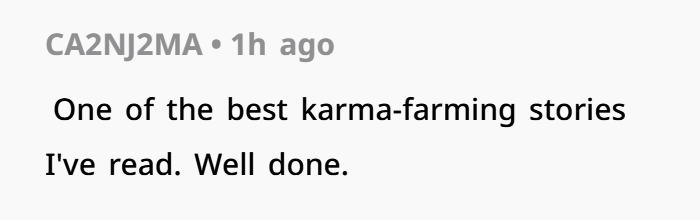
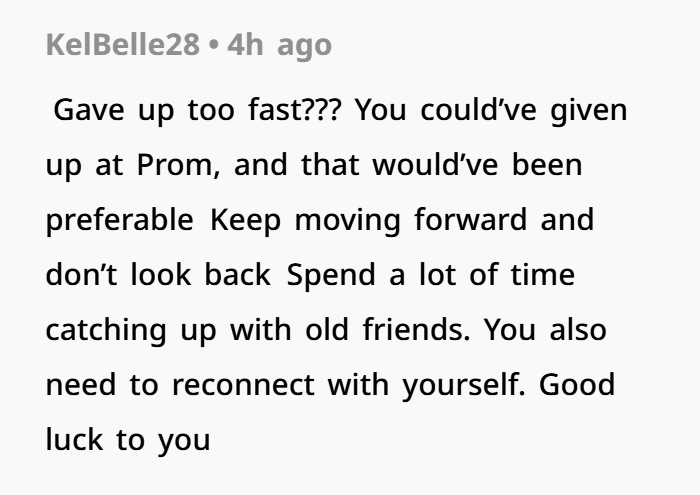
No—you’re not the jerk here.
You didn’t end things because of one comment. You ended things because of a pattern. And once that pattern became impossible to ignore, you did what a lot of people struggle to do—you left.
And based on everything you’ve shared, that decision probably saved you years of even deeper damage.