I Ended My Engagement After She Wanted a “Hoe Phase” — Did I Stay Too Long?

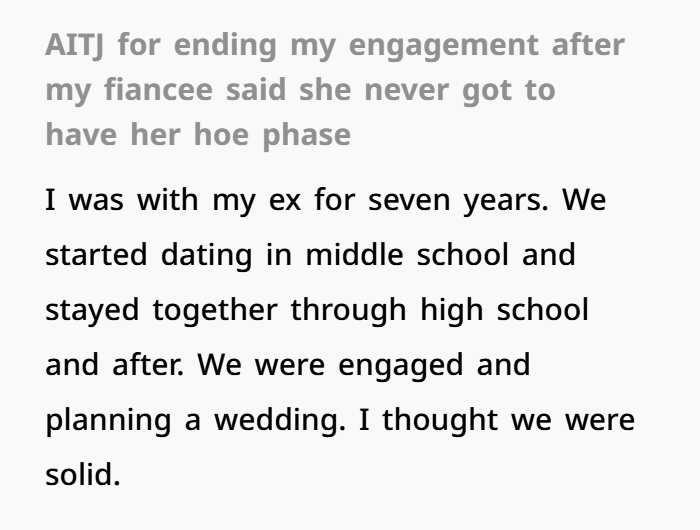
At first, this relationship looked like a strong and lasting love story. The couple had been together for many years, grew up together, and eventually got engaged. From the outside, it seemed like they had built a successful relationship. However, problems slowly started to appear over time.
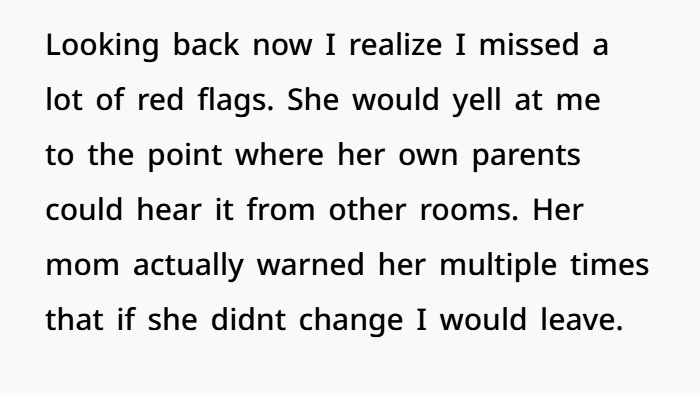
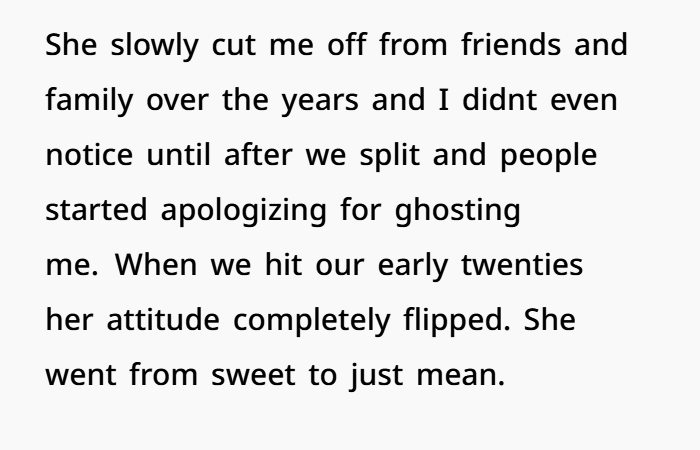
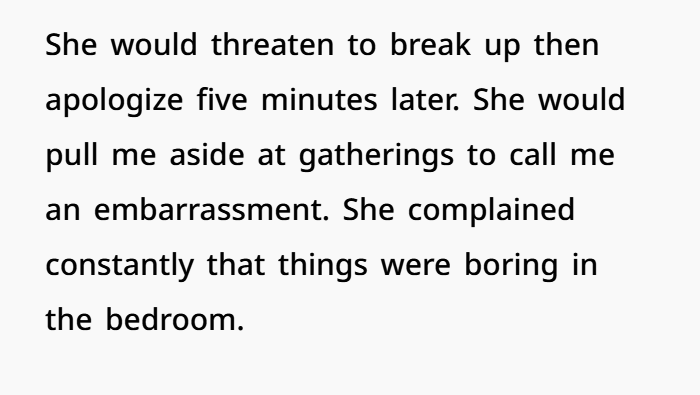
Small disagreements became bigger arguments, and the relationship became more stressful. He began to feel like he was losing parts of himself, including his independence, friendships, and confidence. These changes happened slowly, and he did not fully realize how much the relationship was affecting his personal life.
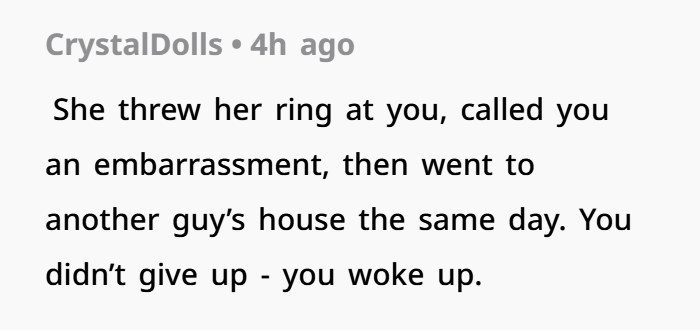
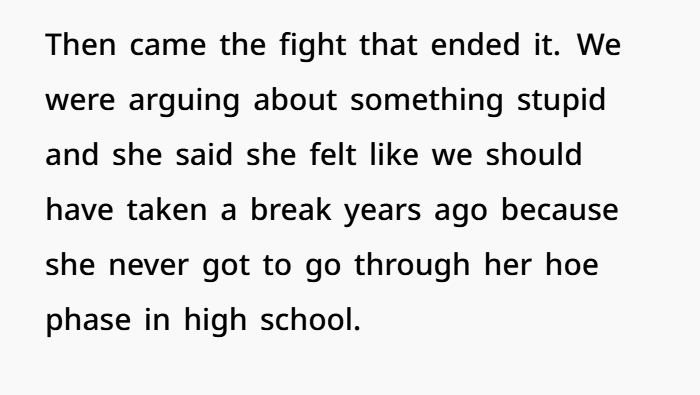
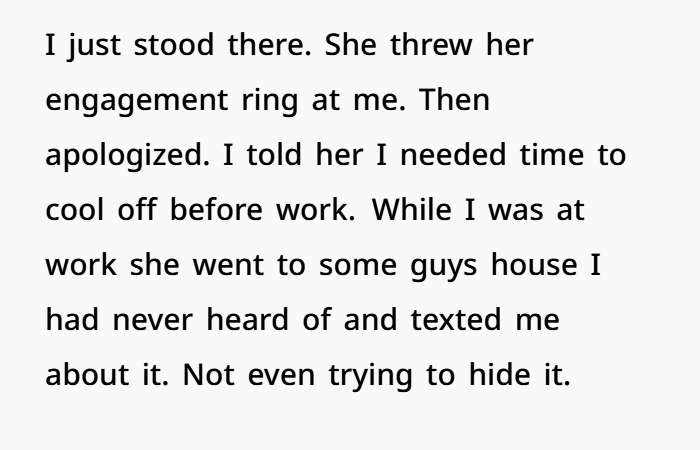
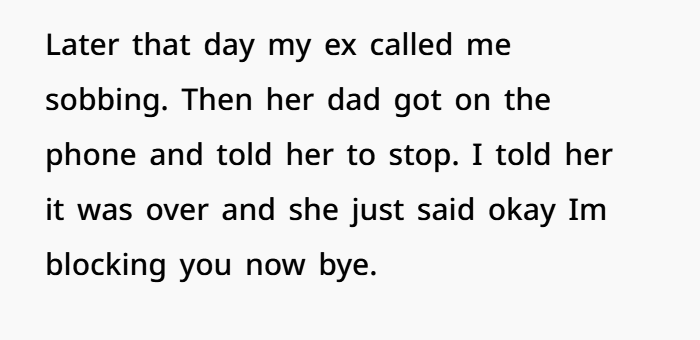
The situation reached a breaking point during a serious argument. His partner said she wished she had experienced a different lifestyle before settling down and mentioned that she sometimes wondered if they should have taken a break. The argument became even more painful when she threw the engagement ring and went to spend time with another person.
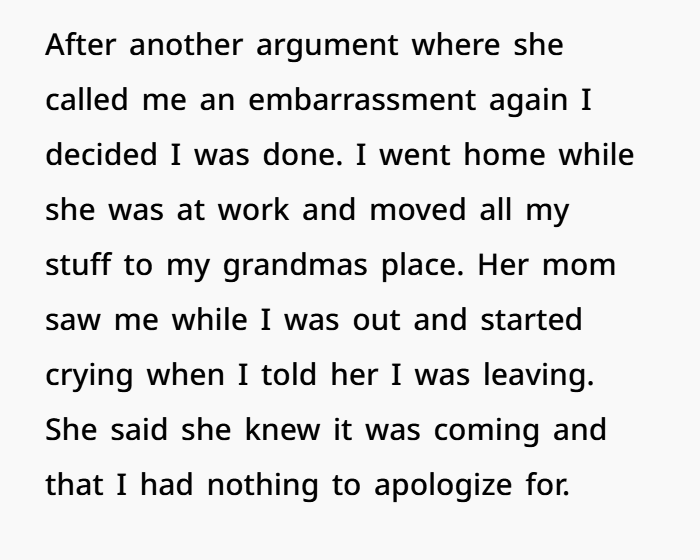
After years of feeling emotionally drained, he decided to leave the relationship. Now he is questioning whether he made the right choice or if he should have tried harder to fix things. Looking at the situation through relationship advice and emotional well-being, his decision may be about protecting his happiness, personal growth, and mental health.
Leaving a long-term relationship is never easy, especially after years of shared memories. Healthy relationships require trust, respect, communication, and support from both people. When those important parts are missing, some individuals choose to step away and focus on rebuilding their own lives.
When a Relationship Becomes Unhealthy: Understanding Control, Trust, and Emotional Well-Being
At first, this situation may look like it is only about one hurtful comment or one difficult argument.
But the real issue goes much deeper.
Healthy relationships are built on trust, respect, and open communication. When a relationship starts involving control, constant criticism, or emotional pressure, it can slowly affect a person’s confidence and mental health.
This was not about one bad day. It was about a pattern that continued over time.
The Warning Sign of Isolation
One of the biggest concerns in an unhealthy relationship is isolation.
In some controlling relationships, one person slowly becomes separated from friends and family. It usually does not happen overnight. It can start with small comments about your friends, complaints about your family, or making you feel guilty for spending time with other people.
Over time, a person may stop seeing the people who support them. Their world becomes smaller, and the relationship becomes their only source of connection.
A healthy partner should add happiness and support to your life, not make you feel alone.
Maintaining friendships, family connections, and personal interests is an important part of emotional well-being.
Constant Criticism Can Hurt Self-Confidence
Another serious concern is the way someone speaks to their partner.
Being called embarrassing, being insulted, or being constantly criticized in private or in front of others can slowly damage self-esteem.
Arguments happen in many relationships, but there is a difference between a normal disagreement and repeated disrespect.
Healthy communication means both people can share their feelings without attacking each other.
When someone regularly feels put down, they may start questioning themselves and wondering if they are always the problem. This can create emotional stress and make it harder to make clear decisions.
The Confusing Cycle of Apologies and Threats
Another difficult pattern is when someone repeatedly threatens to leave and then quickly apologizes afterward.
This creates emotional confusion.
One moment, the relationship feels like it is falling apart. The next moment, everything seems fine again. This back-and-forth can make someone hold on tightly because they keep hoping things will improve.
Relationship experts often discuss how unpredictable behavior can create unhealthy emotional patterns. A person may stay because they remember the good moments and hope those moments return.
However, a healthy relationship should feel stable and safe, not like an endless cycle of fear and relief.
Why One Comment Was Not the Real Problem
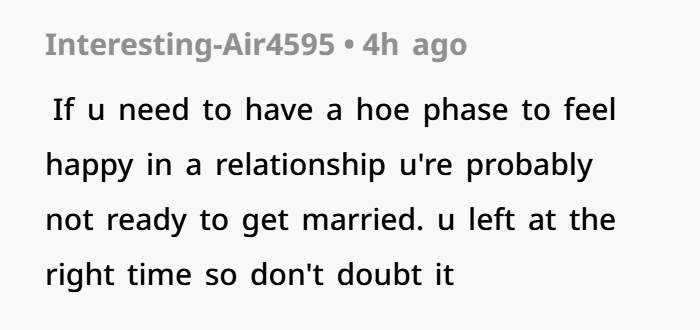
The comment about wanting to experience a different lifestyle before marriage may have been painful to hear, but the comment itself was not the only issue.
People can have doubts, fears, and personal thoughts. Honest conversations about feelings are a normal part of relationships.
The bigger concern was how the conversation happened.
It came during a heated argument with anger, disrespect, and actions that damaged trust. Good relationships require calm discussions, even when topics are difficult.
Using hurtful words during conflict can create deeper emotional wounds.
A Major Break in Trust
The situation became even more serious when she went to another person’s home and told her partner while he was at work.
Trust is one of the most important parts of any relationship.
When someone crosses a relationship boundary, it can create feelings of betrayal and emotional pain. Whether the action was meant to create a reaction or came from poor decision-making, it showed that the relationship was no longer in a healthy place.
Strong relationships need respect for boundaries and consideration for each other’s feelings.
The Importance of Outside Perspective
Sometimes people inside a relationship cannot clearly see what is happening because emotions are involved.
That is why support from trusted friends and family can be valuable.
In this situation, even people close to her noticed problems in the relationship. That outside perspective suggested that the issues were not only happening inside one person’s mind.
Support systems can help people recognize unhealthy patterns and make better decisions for their future.
Life After Leaving an Unhealthy Relationship
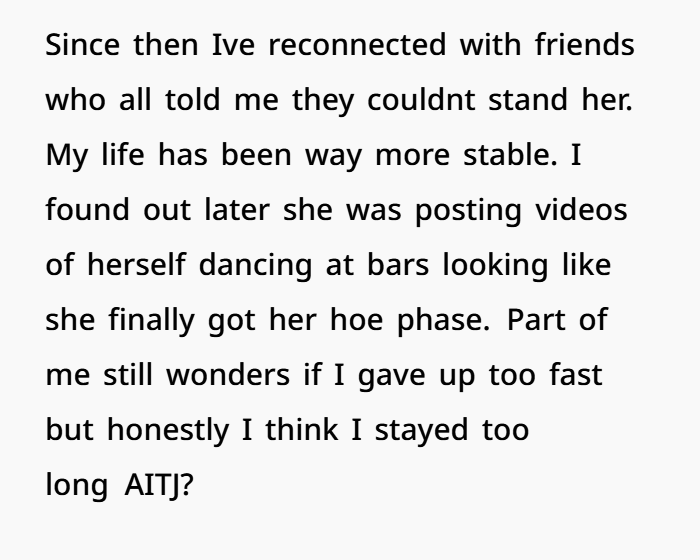
After the relationship ended, things started improving.
Reconnecting with friends and family can be an important part of emotional healing. Sometimes people realize that they had slowly lost parts of themselves while trying to keep a relationship together.
A healthy relationship should allow you to grow, maintain your connections, and feel comfortable being yourself.
Love should not require you to give up your identity.
Finding Closure and Moving Forward
Seeing an ex-partner move on after a breakup can be painful. It is normal to feel confused, hurt, or even question your decision.
But sometimes, seeing someone live the life they wanted can also provide clarity.
It can remind you that the relationship was not meeting your needs and that moving forward was the right choice.
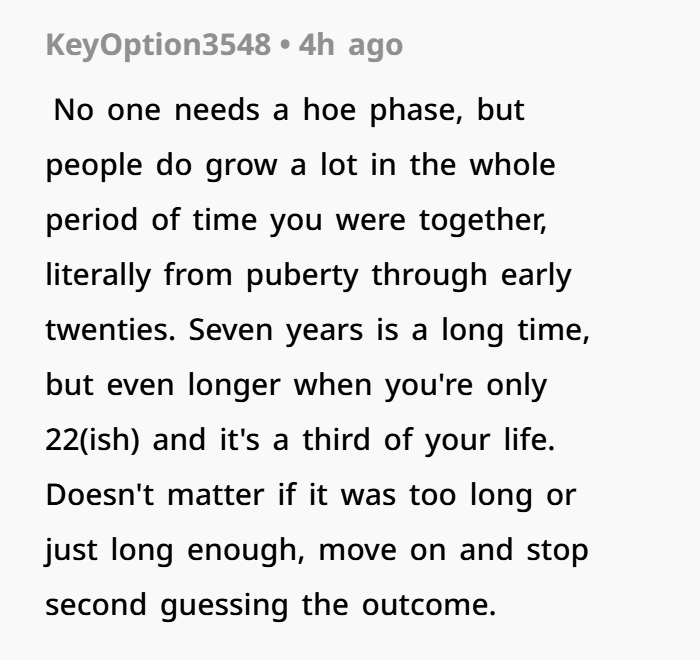
Healing after a breakup takes time. Personal growth, self-care, and rebuilding confidence are important steps.
Did You Leave Too Soon?
Probably not.
Walking away from a long relationship is never easy, especially after investing years of time and emotions.
Many people stay in unhealthy relationships because they think, “I have already spent so much time here.” This is a common challenge in relationship decision-making.
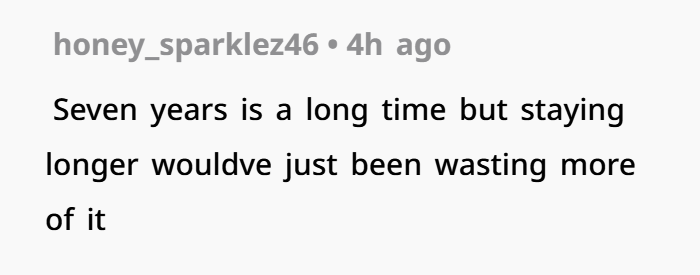
But time invested does not mean you must continue something that is damaging your happiness and emotional health.
Leaving was not about giving up after one problem. It was the result of many experiences adding up over time.
Sometimes choosing yourself is not selfish. It is an important step toward a healthier and happier future.
Top Comments From Readers