She Called CPS to Take My Baby After I Left Her Son

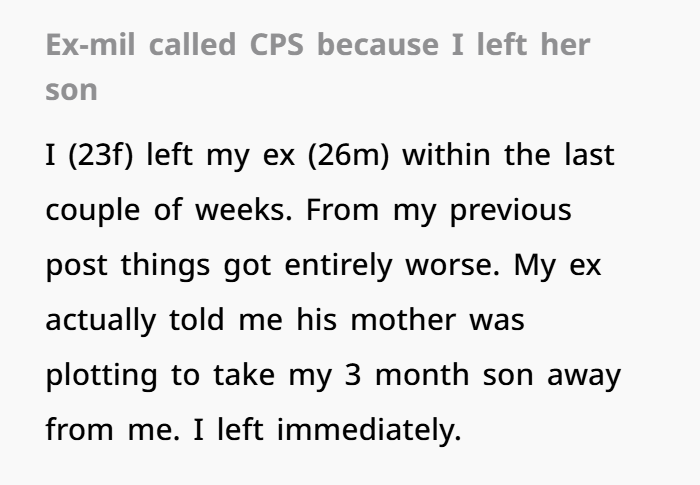
I am 23 years old and have a 3-month-old baby boy. Recently, I made the difficult decision to leave my marriage after my husband told me that his mother had been making plans to challenge my role as a parent. He said she had been discussing these plans since I was pregnant and believed she could create a situation where she would have more involvement in my child’s life.
Hearing this information was heartbreaking and stressful. I felt shocked that decisions about my baby and my future as a mother were being discussed without my knowledge. I decided to leave because I needed a safe and stable environment for myself and my son.
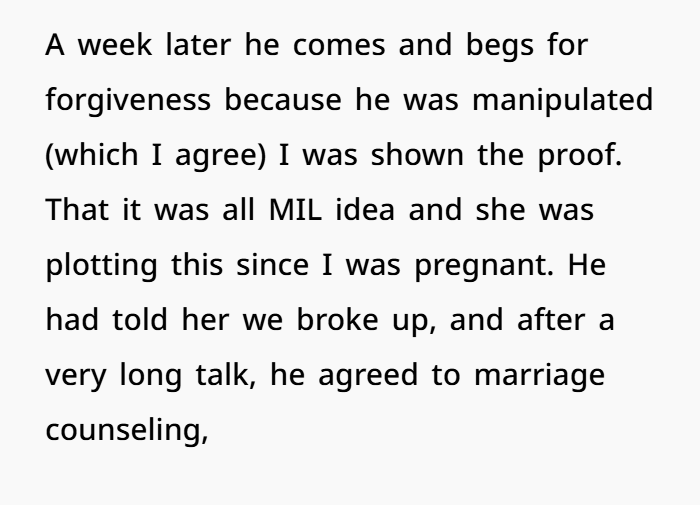
A week later, my husband came back and apologized. He said he had been influenced by his mother and showed me messages that explained what had been happening. We had a long and emotional conversation about trust, family relationships, and our future. After talking things through, we decided to try marriage counseling.
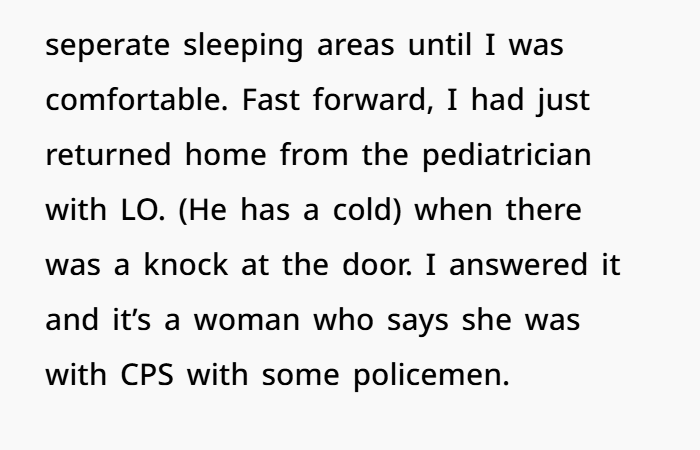
For now, we agreed to live separately in the same home while working on our relationship. We wanted to create a more peaceful environment and focus on rebuilding trust. My main priority is my baby’s well-being, emotional health, and having a stable family life.
The poster left her husband as his mom had manipulated him and was plotting to steal their newborn, but he begged for forgiveness

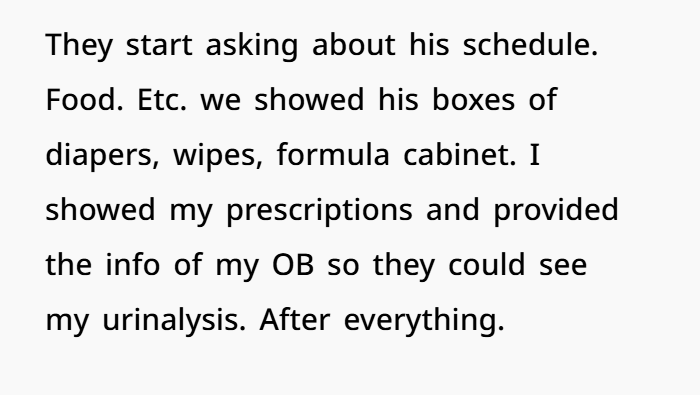
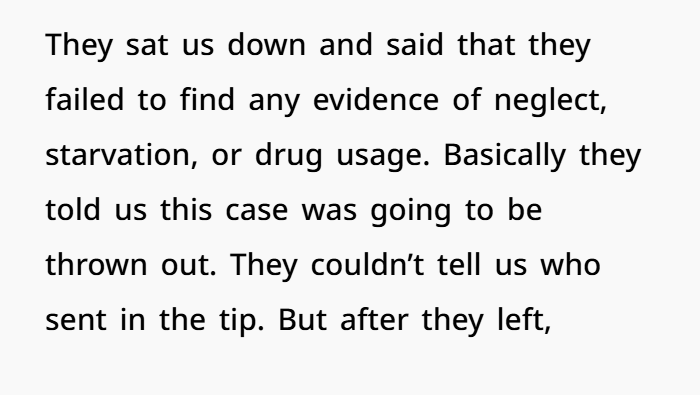
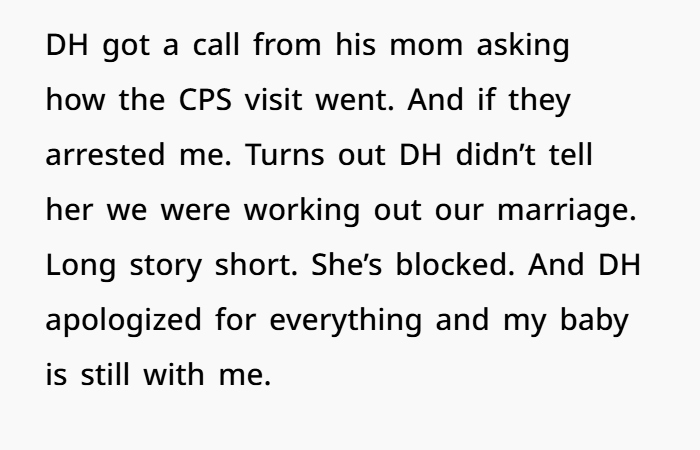
False CPS Reports and High-Conflict Custody Battles: What Parents Need to Know
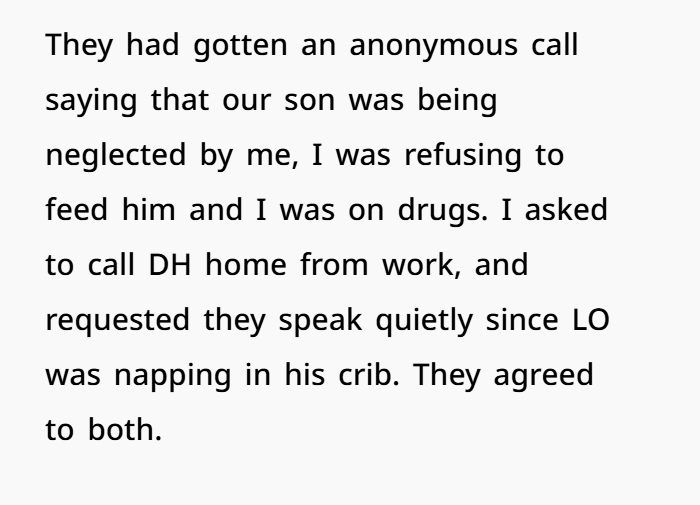
A family conflict can become extremely stressful when child protective services (CPS) gets involved. For many parents, receiving a CPS call or facing a child abuse allegation can feel frightening, overwhelming, and confusing.
While CPS exists to protect children from harm, some families experience situations where reports are made during difficult relationships, separations, divorces, or custody disagreements.
Understanding how CPS investigations work, what rights parents have, and how to protect themselves can help reduce fear and confusion during this challenging time.
Why CPS Investigations Happen
Child Protective Services receives reports about possible child abuse or neglect every year across the United States.
These reports can come from many sources, including healthcare workers, teachers, family members, neighbors, or other concerned individuals.
Not every report means abuse has happened.
After a CPS investigation, some cases are confirmed, while others are closed because there is not enough evidence to support the concerns that were reported.
The purpose of an investigation is to look at the facts and determine whether a child is safe.
What Happens During a CPS Investigation?
When CPS receives a report, they usually follow a specific process.
Depending on the situation, a CPS investigation may include:
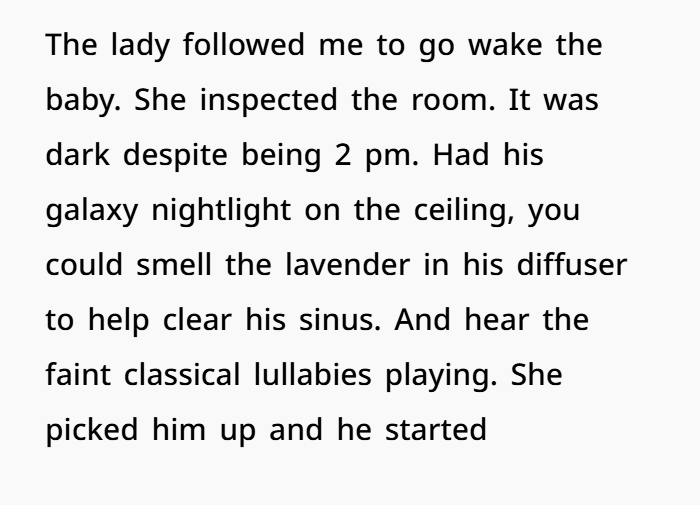
- Visiting the child’s home
- Checking the child’s living conditions
- Asking parents questions about care and routines
- Reviewing medical information
- Speaking with doctors, caregivers, or other people involved in the child’s life
For parents, this process can feel very personal.
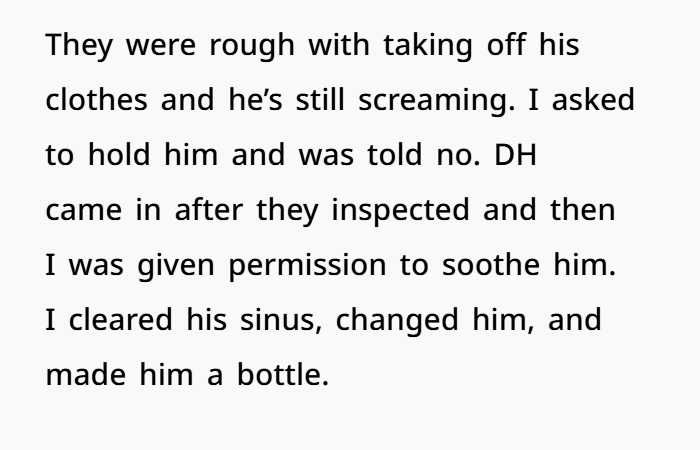
Having someone examine your home, ask questions about your parenting, or review your child’s information can create a lot of stress.
However, CPS investigators are generally looking for facts. They are not supposed to make decisions based only on personal opinions or accusations.
A child’s health, safety, medical records, and daily care are important factors during the investigation.
False Allegations During Custody Disputes
Child custody cases can become complicated when parents are experiencing conflict.
In some situations, allegations of abuse or neglect may appear during divorce proceedings or custody disagreements.
Courts take child safety concerns seriously. Any allegation involving a child must be reviewed carefully.
At the same time, family courts also consider evidence, patterns of behavior, and the credibility of everyone involved.
If repeated reports are made without evidence, or if someone provides false information intentionally, it may affect how the court views that person’s actions.
Family law judges usually focus on one main question:
What is in the best interest of the child?
Creating unnecessary conflict or putting a child through stressful situations can become an important factor in custody decisions.
The Importance of Keeping Records
When dealing with a difficult custody situation or family conflict, documentation can be extremely helpful.
Many family law professionals recommend keeping organized records such as:
- Text messages and emails
- Call history
- Medical records
- School or daycare information
- CPS paperwork
- Important dates and events
Clear documentation can help show the facts if disagreements continue.
It is also important to communicate carefully. Keeping conversations respectful and using written communication when possible can help prevent misunderstandings.
Understanding Emergency Custody Requests
Emergency custody decisions are serious legal matters.
Courts generally require evidence that a child may be facing immediate harm or serious risk before making major changes to custody arrangements.
A disagreement between adults or a personal accusation alone may not be enough.
Family courts review evidence carefully because decisions about custody affect both children and parents.
Parents who are facing emergency custody requests should consider speaking with a qualified family law attorney to understand their legal options.
The Emotional Impact on Parents
The emotional side of a CPS investigation can be just as difficult as the legal side.
Many parents describe feelings of:
- Fear
- Anger
- Stress
- Anxiety
- Feeling judged or misunderstood
For new parents, especially during the postpartum period, additional stress can feel overwhelming.
Taking care of mental health is important during high-conflict situations. Talking with a therapist, counselor, or trusted support person can help parents manage stress and stay focused on their child’s needs.
Protecting Your Family During Conflict
If you are dealing with a difficult family situation, there are practical steps that may help:
Speak With a Family Law Attorney
A legal consultation can help you understand your rights, custody options, and responsibilities.
Keep Communication Calm
Avoid emotional arguments. Written communication can create a clear record of important conversations.
Maintain Your Child’s Routine
Continue focusing on your child’s health, medical care, education, and emotional needs.
Create Healthy Boundaries
If certain family members increase conflict, setting respectful boundaries may help protect your household.
Focus on the Child’s Best Interest
The goal in any custody situation should be creating a safe, stable, and supportive environment for the child.
Moving Forward After a Difficult Experience
A CPS investigation or custody conflict can leave lasting emotional effects. Even when a case is closed, parents may still feel stress from the experience.
The most helpful approach is often focusing on facts, staying organized, and seeking professional guidance when needed.
Family challenges can be painful, but parents can protect themselves by understanding the process, knowing their rights, and keeping their child’s well-being as the top priority. also requires action. Blocking. No contact. Clear alignment.
People online were aghast at her cruel mother-in-law, and many wondered whether her husband was trustworthy enough