My Brother Slept With My Ex… Now He Wants a Wedding Invite?
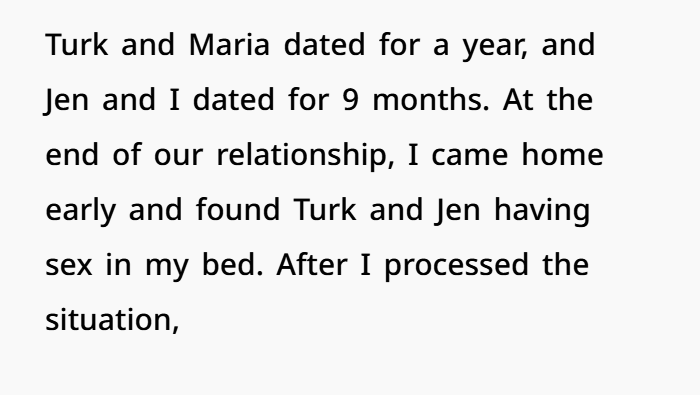
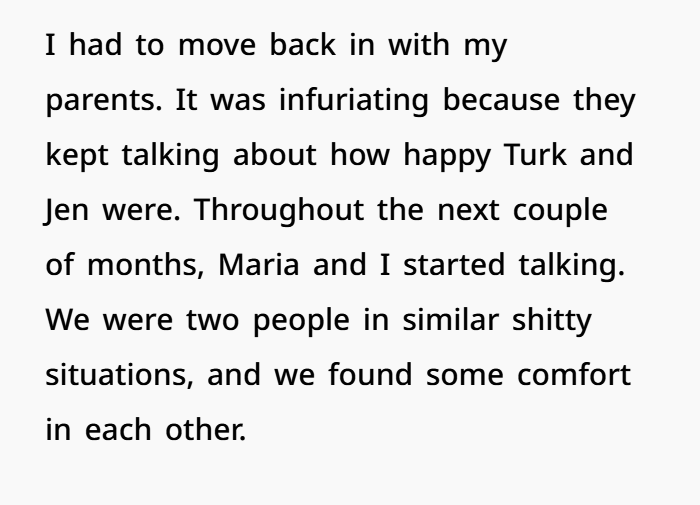
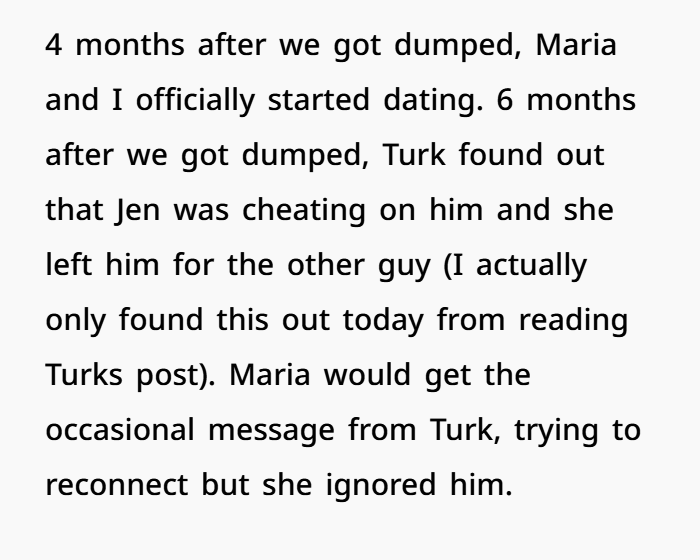
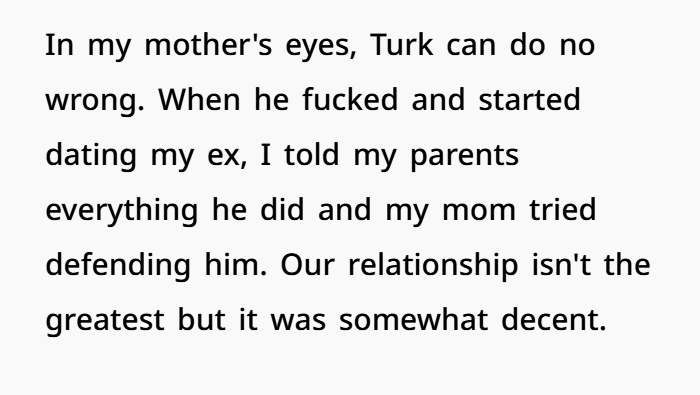
Alright… this is the kind of mess that doesn’t fade easily. It stays with you. About five years ago, a normal double-date situation between two couples turned into something way worse. His brother crossed a line you don’t come back from — slept with his girlfriend, in his own space. And instead of guilt or even basic respect, he just went ahead and started dating her after. That kind of betrayal hits different. It’s not just relationship drama, it’s family trust issues, emotional damage, and long-term fallout. No surprise people in similar situations start searching for therapy for betrayal trauma, coping with family conflict, or healing after infidelity just to deal with it. What made it worse? His parents didn’t really take it seriously. They brushed it off, leaving him to carry all that weight. Somehow though, through all that chaos, he and his now-fiancée found each other and built something solid.
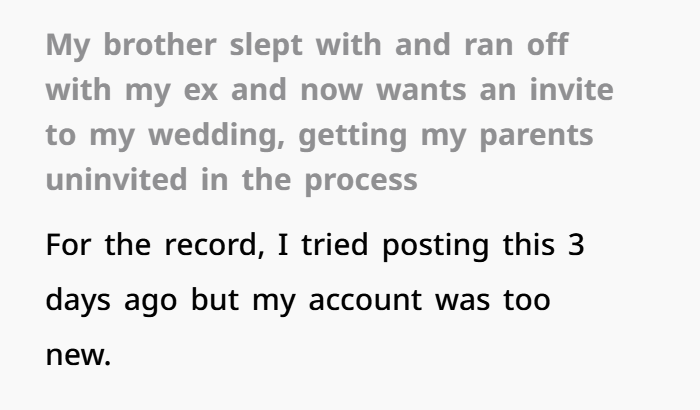
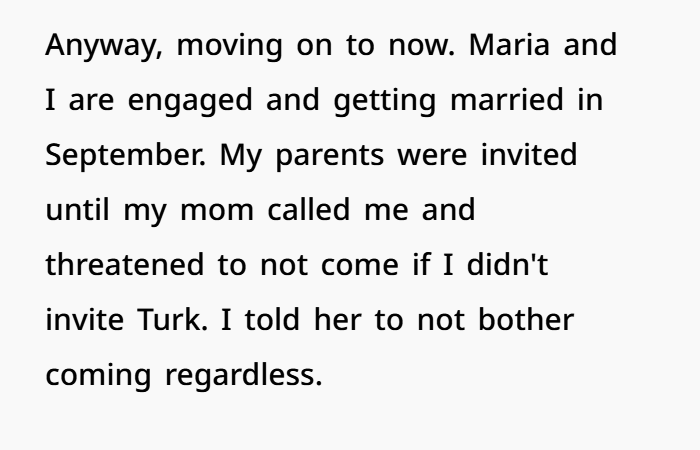
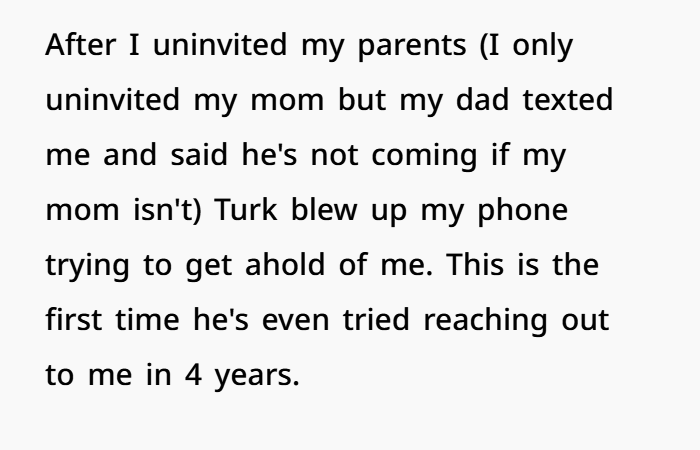
Now things were finally getting better. He’s engaged, planning his future, moving on. But then comes the twist. His mom basically says — invite your brother, or I’m not coming. Just like that, old wounds open up again. And the brother? After four years of silence, suddenly shows up asking to be invited, like everything’s fine. Now it’s bigger than just who gets a seat at the wedding. It’s about healthy boundaries, respect in relationships, and whether family forgiveness should be automatic — even when the damage was this deep. This is exactly the kind of situation where people look into family therapy services, conflict resolution counseling, or even pre-wedding stress management just to figure out what to do next.




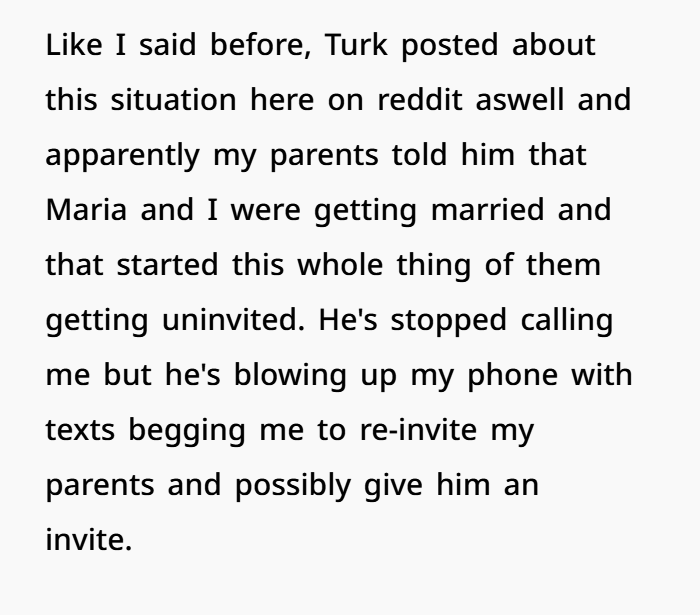

Let’s just say it straight — this isn’t only about a wedding. It’s way bigger than that. It touches on deep family betrayal, setting personal boundaries, toxic relationship patterns, and long-term trust breakdown. Stuff like this cuts deep, and it doesn’t just go away because time passed. It’s the kind of situation that pushes people to look into mental health counseling, family boundary setting advice, or trauma recovery therapy to even start processing it.
And the truth is, this kind of story isn’t rare. You see versions of it everywhere, especially on spaces like Reddit forums or relationship advice communities where people open up without holding back. Real experiences, messy emotions, no pretending. Just people trying to make sense of betrayal, family pressure, and figuring out how to protect their peace without blowing everything up.
1. Betrayal Trauma — Why This Cuts So Deep
From a psychological angle, this isn’t only about cheating. It’s something deeper — what experts call double betrayal trauma. Basically, two people you trusted — your partner and your own sibling — both cross the line at the same time. That kind of situation hits differently. It’s not surprising people in this position start looking up betrayal trauma recovery, therapy for trust issues, or emotional damage healing just to cope.
There’s research that explains this pretty clearly. In 1996, Jennifer Freyd came up with Betrayal Trauma Theory. The idea is simple but powerful — when someone close hurts you, your brain struggles more because it never expected danger from them. That’s why it can lead to deep emotional trauma, attachment issues, and ongoing mental health stress even years later.
And about the time part… yeah, five years sounds like a lot. But trauma doesn’t work on a schedule. It doesn’t just fade because time passed. That’s why people still deal with it years later and turn to things like online therapy services, trauma counseling near me, or healing after betrayal programs trying to finally move forward.
- You don’t just “get over” seeing your brother with your partner
- You don’t forget how your parents minimized it
- You don’t magically rebuild trust because time passed
So when the brother suddenly pops back up asking for a wedding invite? That’s not a neutral request. That’s reopening something that never fully healed.
2. Family Loyalty vs. Personal Boundaries
Now here’s where it gets tricky — the parents.
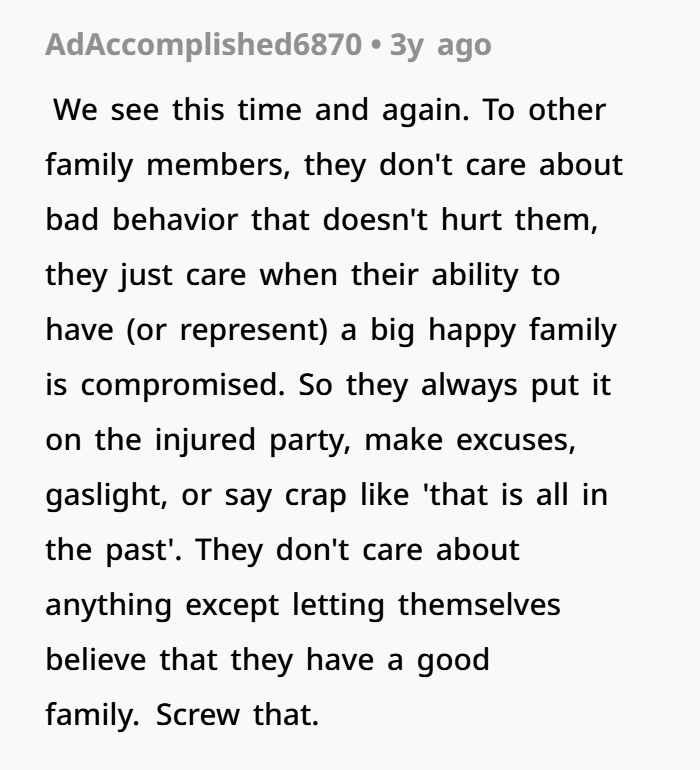
A lot of families fall into this pattern where they push for “keeping the peace” instead of addressing wrongdoing. It’s super common in toxic or emotionally imbalanced family systems.
In this case, the mom basically said:
“Invite your brother, or I won’t come.”
That’s not mediation. That’s emotional pressure.
From a behavioral psychology standpoint, this is called “emotional coercion” — using guilt, obligation, or withdrawal (like refusing to attend a wedding) to force someone’s decision.
And honestly? That puts the narrator in a no-win situation:
- Invite the brother → compromise your own boundaries
- Don’t invite him → lose parental support
That’s why boundary-setting becomes critical here.
Modern therapy frameworks (like CBT and family systems therapy) stress that healthy boundaries are not punishments — they’re protection.
Not inviting someone who caused deep harm isn’t petty. It’s actually a valid emotional boundary.
3. Weddings and Emotional Triggers
Weddings aren’t just parties. They’re symbolic.
They represent:
- Commitment
- Trust
- New beginnings
So inviting someone who directly destroyed those same values in your life before? That’s not just awkward — it’s emotionally unsafe.
There’s actually been research in social psychology showing that major life events (like weddings) often reactivate unresolved conflicts, especially within families.
Why?
Because these events highlight:
- Who belongs in your life
- Who you trust
- Who you’ve forgiven (or haven’t)
So the brother asking for an invite isn’t just asking to attend. He’s asking for re-entry into a life he exited in the worst way possible.
And that’s a big ask.
4. The Brother’s Behavior — Guilt or Self-Interest?
Let’s break down the brother’s sudden comeback.
He hasn’t contacted his sibling in four years. No apology. No attempt to fix things.
But now:
- He finds out about the wedding
- Starts calling nonstop
- Sends messages asking for an invite
That raises a big question:
Is this about genuine regret, or just fear of being excluded?
Behavioral patterns suggest that when someone only reaches out during major events, it’s often tied to self-image or social pressure, not true accountability.
Also, there’s no mention of:
- A real apology
- Taking responsibility
- Acknowledging the damage
And without those? Reconciliation doesn’t really have a foundation.
5. Legal & Social Perspective on Wedding Invitations
From a legal standpoint, weddings are private events. You’re under zero obligation to invite anyone — including family.
There’s no law that says:
- Siblings must be invited
- Parents get to dictate guest lists
In fact, in many family dispute cases (especially around weddings), courts have upheld that hosts have full control over attendance decisions.
Socially, though, there’s pressure. Big time.
Keywords like:
- family expectations in weddings
- wedding guest list conflict resolution
- dealing with toxic family members
…are trending topics in counseling spaces right now, because more people are choosing peace over tradition.
And honestly, that’s what this situation comes down to.
6. Rebuilding vs. Reopening
There’s a difference between:
- Rebuilding a relationship
- Reopening a wound
Rebuilding requires:
- Accountability
- Time
- Effort
- Consistent change
Reopening? That’s what happens when someone skips all of that and just shows up expecting access again.
Right now, the brother hasn’t done the work. He just wants in.
And the narrator? He’s finally in a good place:
- Healthy relationship
- Stable future
- Wedding coming up
So the real question becomes:
Is it worth risking that peace just to meet someone else’s expectations?
The Comments Are In
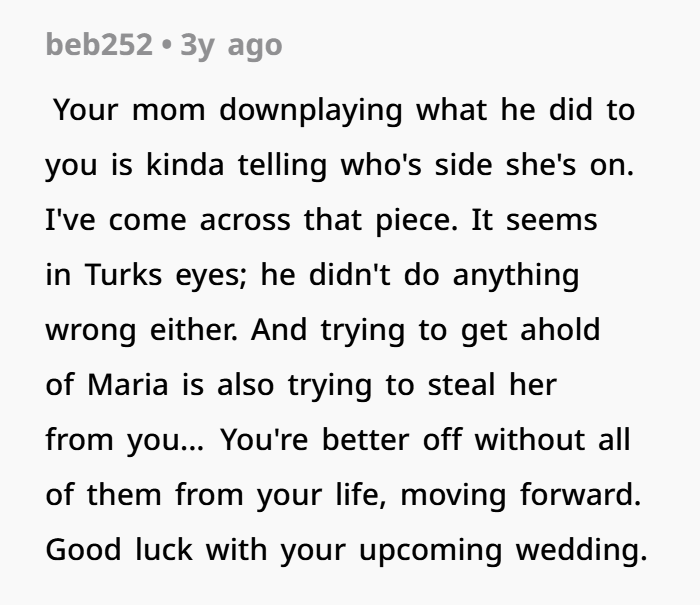
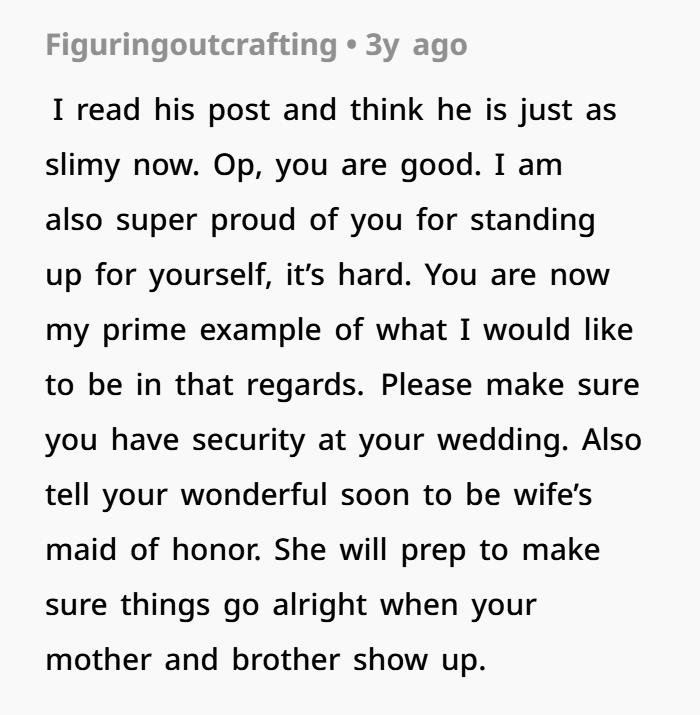
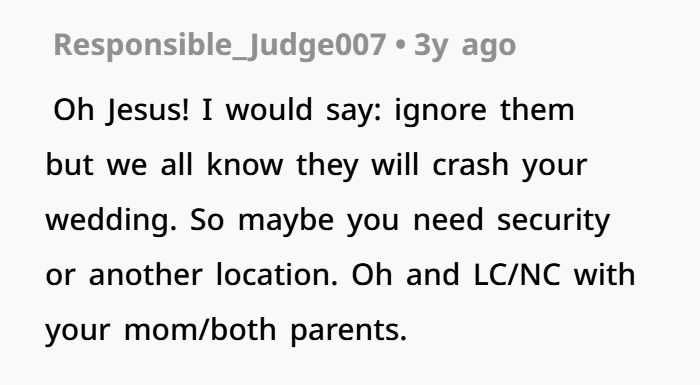




At its core, this isn’t about a wedding invite.
It’s about:
- Respect
- Accountability
- Emotional safety
And maybe the hardest truth here is this:
Family doesn’t automatically mean forgiveness.
Sometimes, the healthiest thing you can do…
is not let someone back in just because they share your last name.